The global sports medicine and joint reconstruction sector is witnessing unprecedented growth, driven by an aging population, a surge in sports-related injury awareness, and a widespread shift toward minimally invasive arthroscopic surgeries. At the epicenter of this evolution are Titanium Suture Anchors, which serve as the gold standard for soft tissue-to-bone fixation in rotator cuff repair, labrum reconstruction, and ligament reattachment procedures.
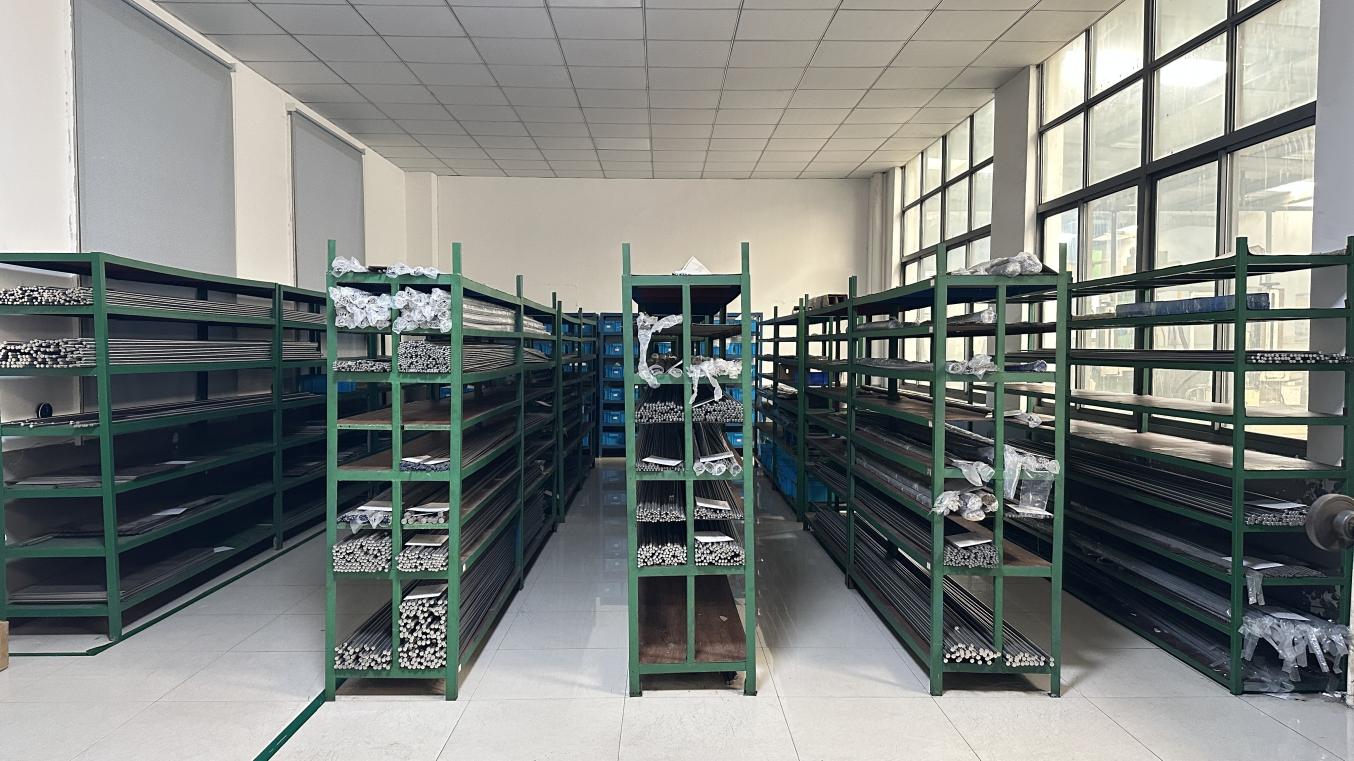
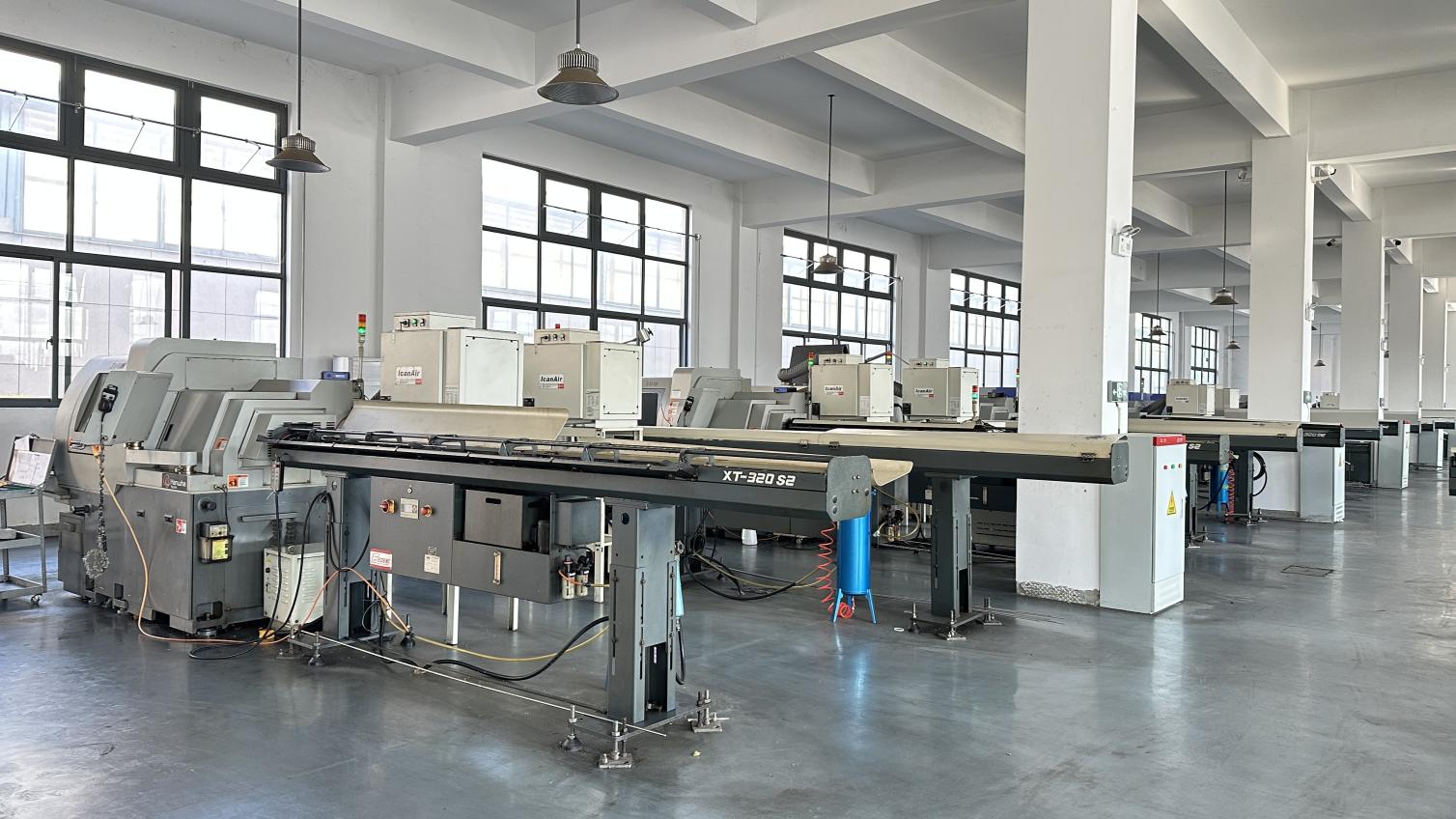
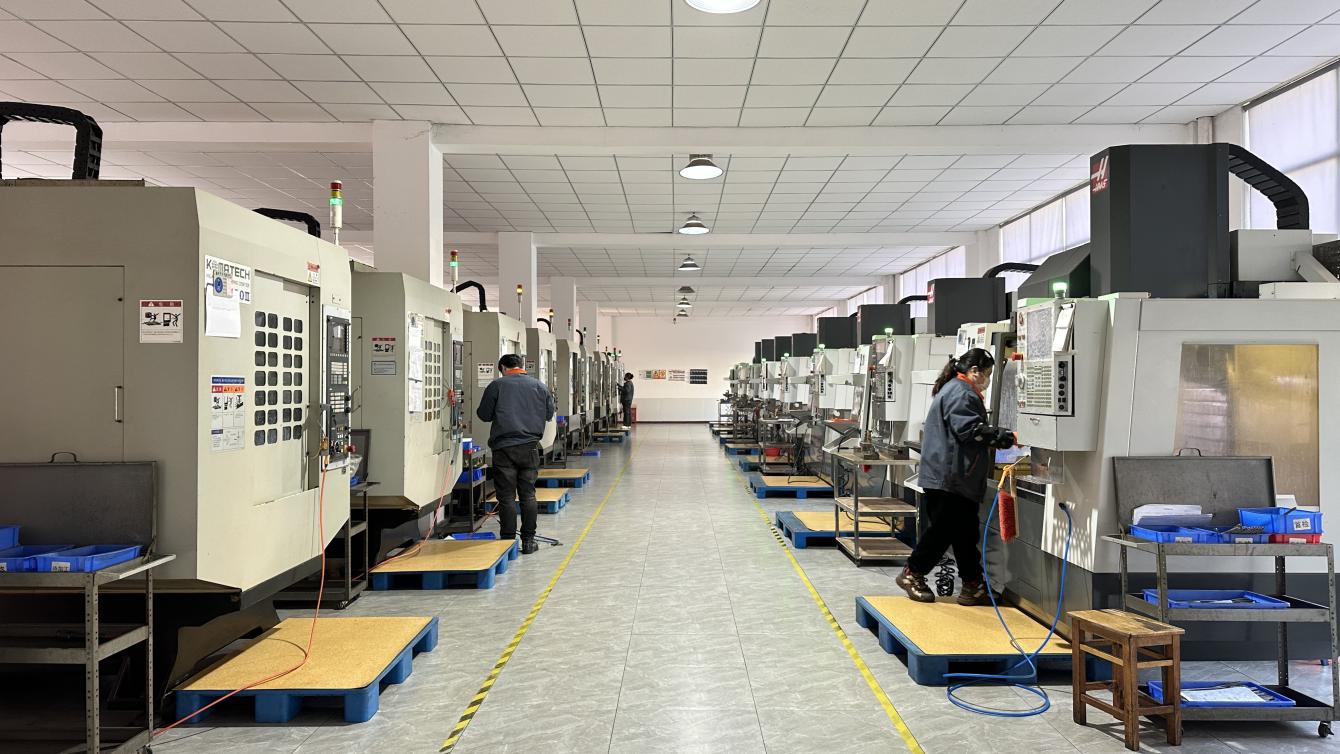
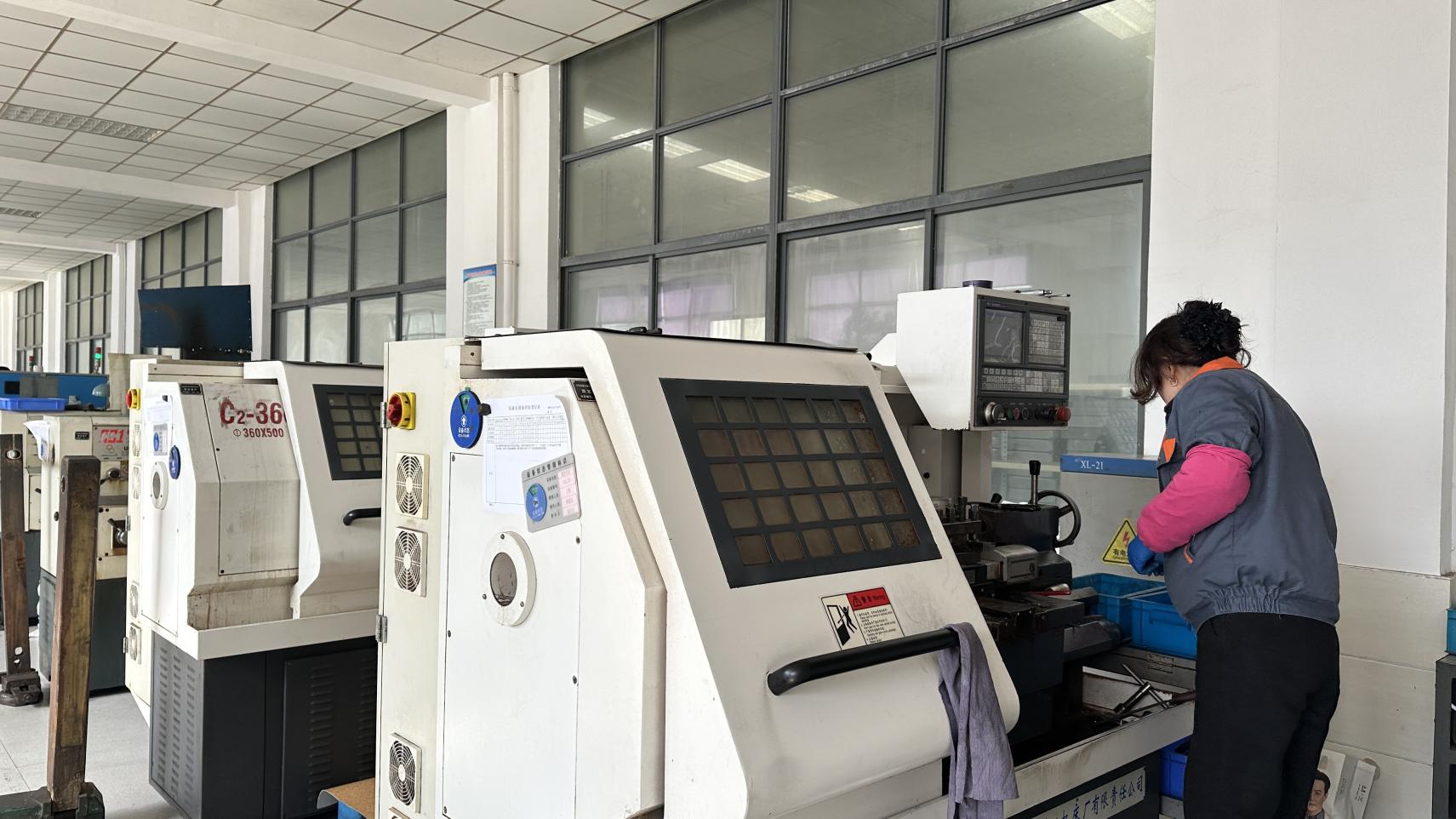
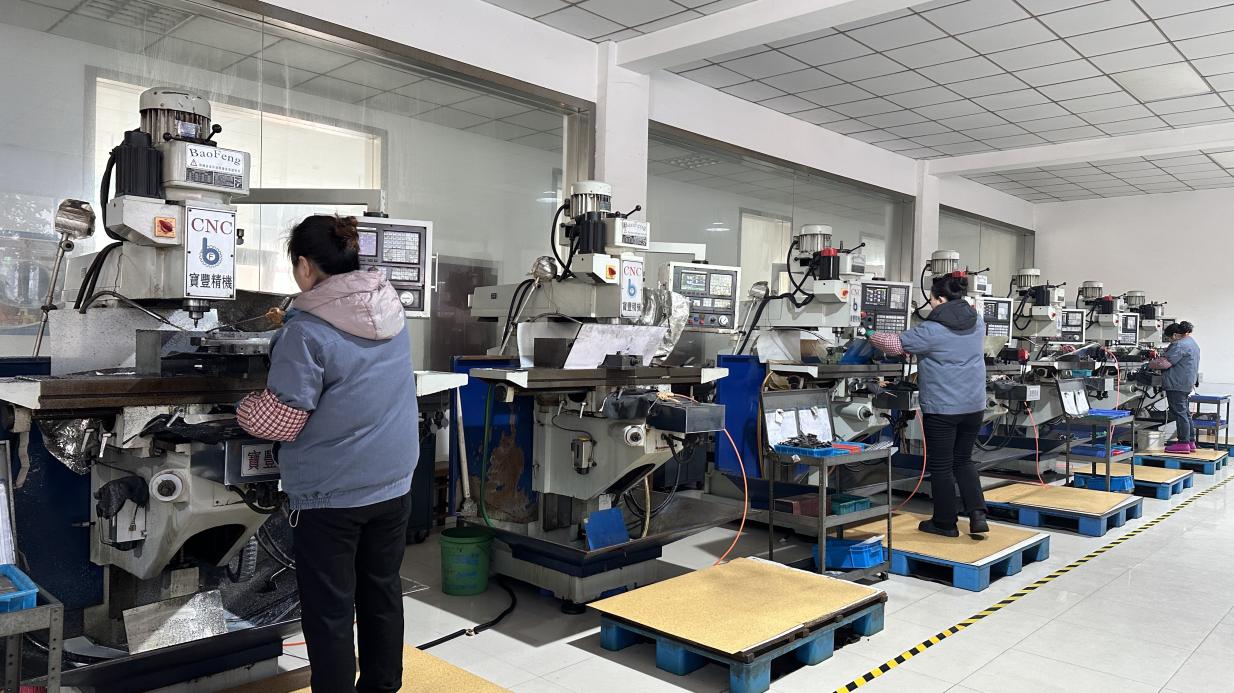
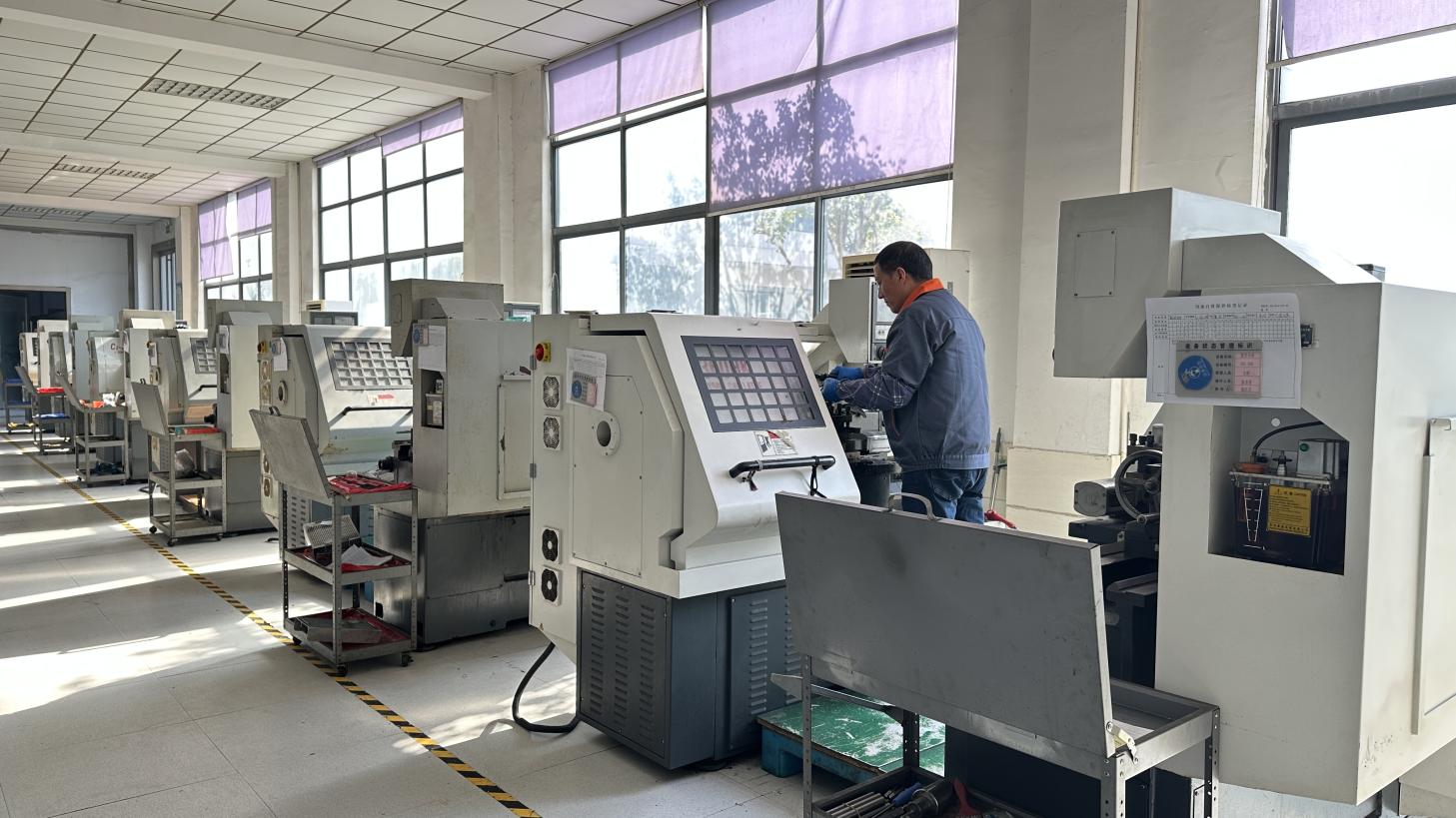
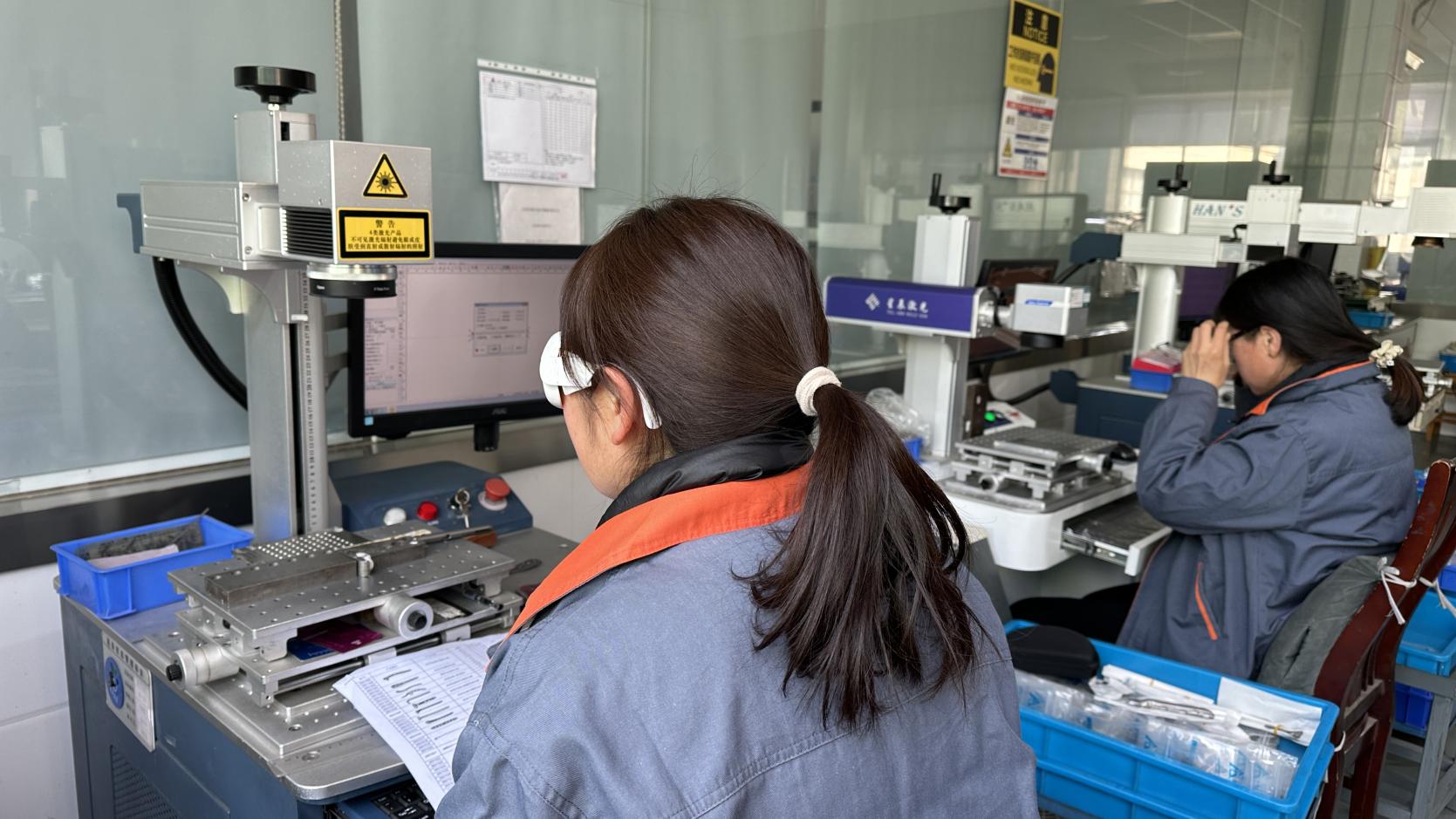
As healthcare systems worldwide focus on clinical efficiency and cost management, top Chinese factories and exporters have transitioned from basic manufacturing sites to advanced centers of innovation. By utilizing ultra-high-precision Swiss type CNC machining and biocompatible materials like Ti-6Al-4V ELI (Grade 5), Chinese exporters provide critical manufacturing capacity for global medical device brands, hospital systems, and sports medicine distributors.
Titanium remains the preferred material for high-stress orthopedic applications. While polymers such as PEEK (Polyetheretherketone) and bioabsorbable composites are common in low-load scenarios, titanium suture anchors provide unmatched tensile performance and structural reliability. This is particularly crucial in patients with compromised bone density, where anchor displacement can lead to structural failure.
The use of Ti-6Al-4V ELI (Extra Low Interstitial) alloy ensures high fatigue strength and resistance to stress corrosion cracking. Additionally, advanced surface modification techniques, such as type II anodization, are used to create a micro-rough titanium dioxide layer. This layer minimizes tissue irritation and promotes bone cell attachment, facilitating faster and more secure recovery.
Virelox's export operations benefit from 8 years of dedicated export experience and 10 years of orthopedic industry focus. Our quality inspection system utilizes an ISO 13485-based full-process quality management framework. This framework covers incoming raw material validation, in-process CNC control, and final product inspections.
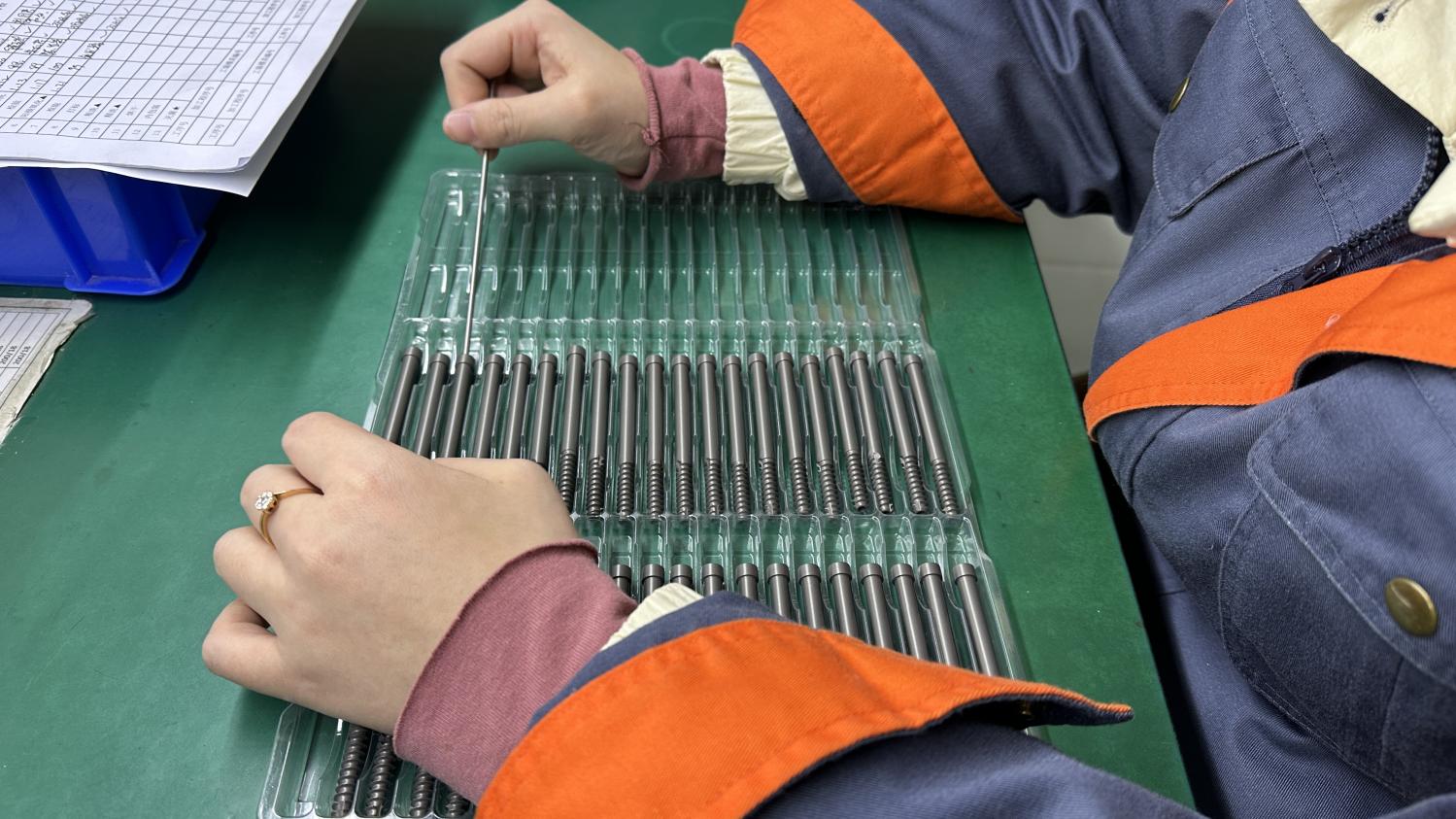
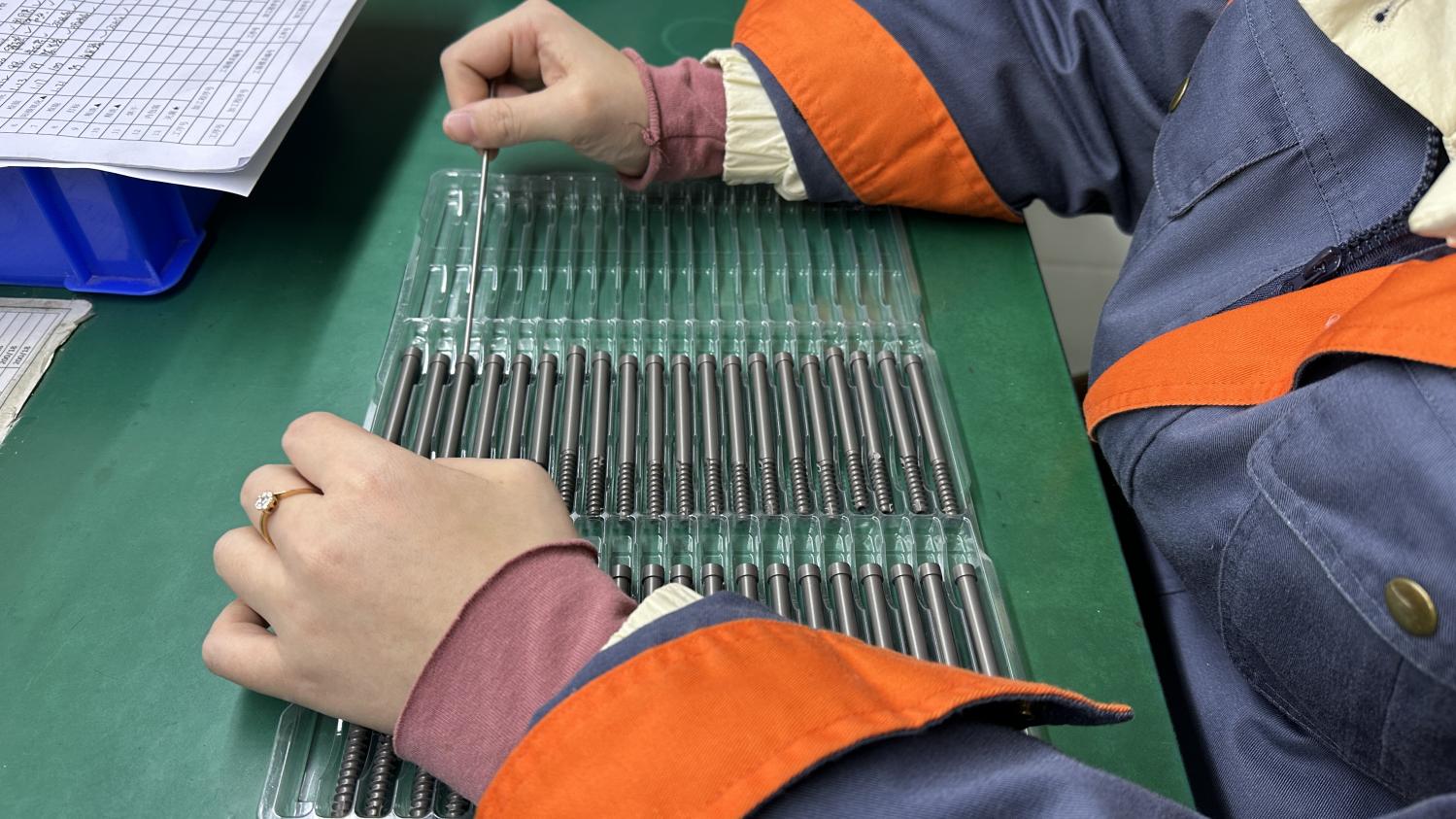
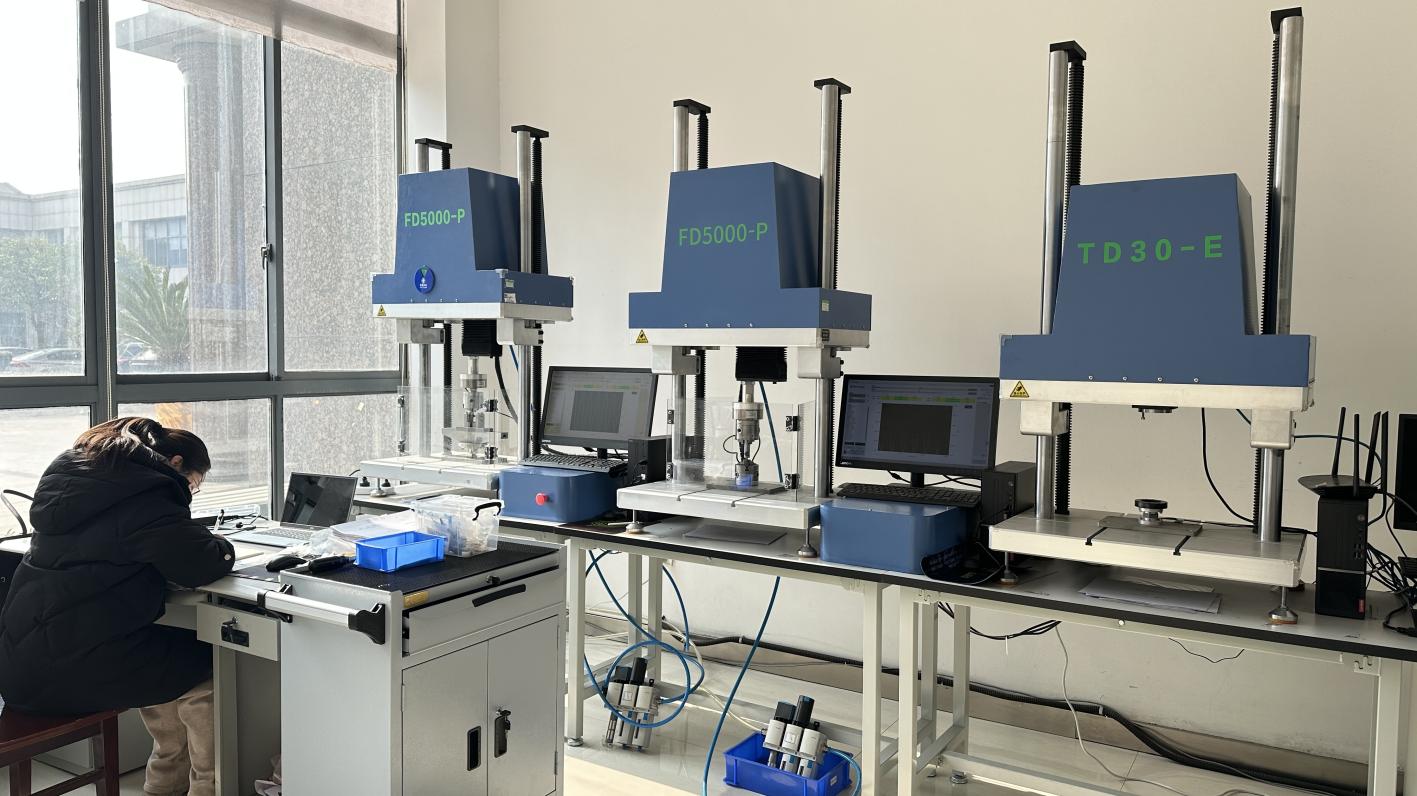
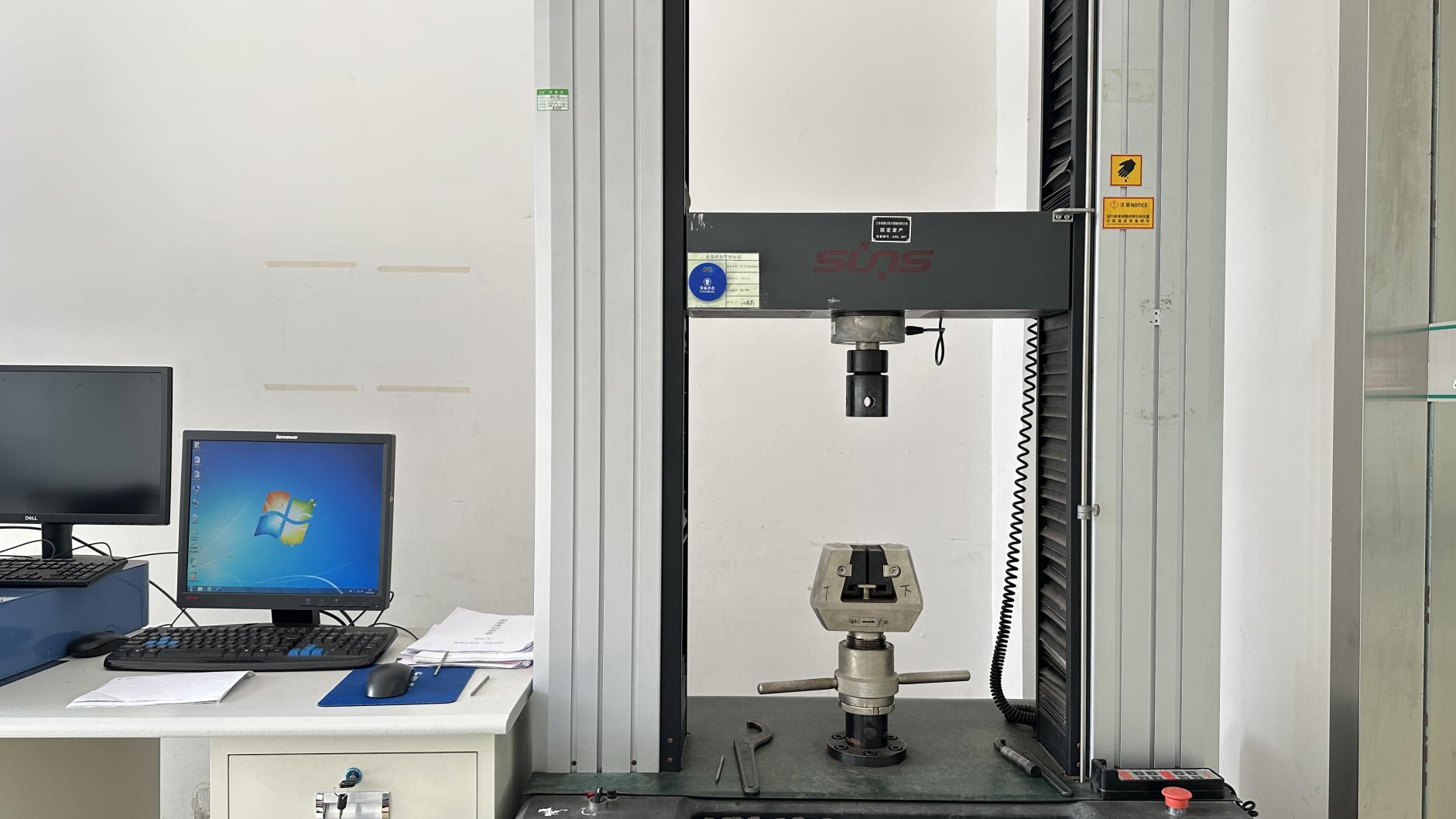
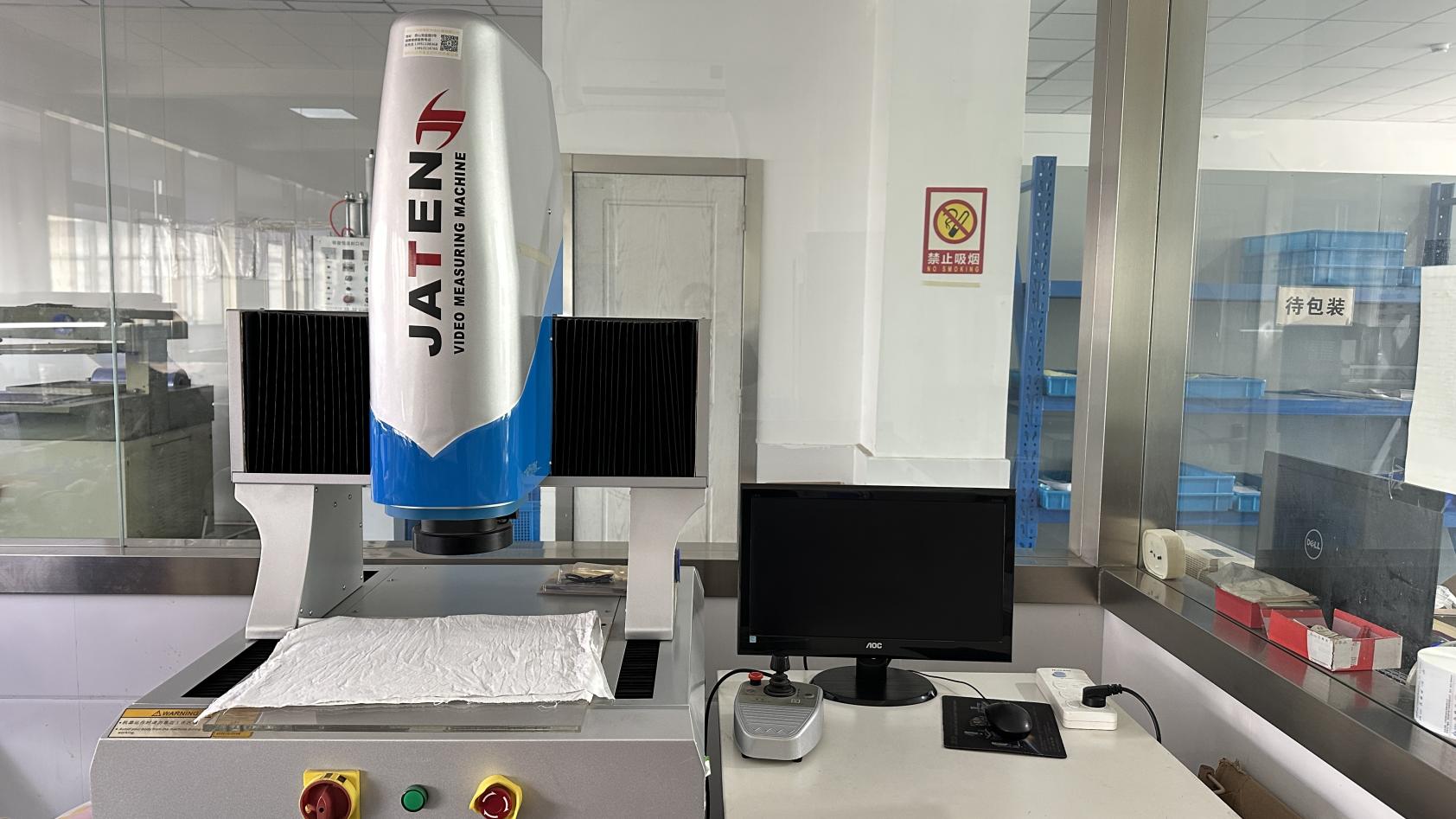
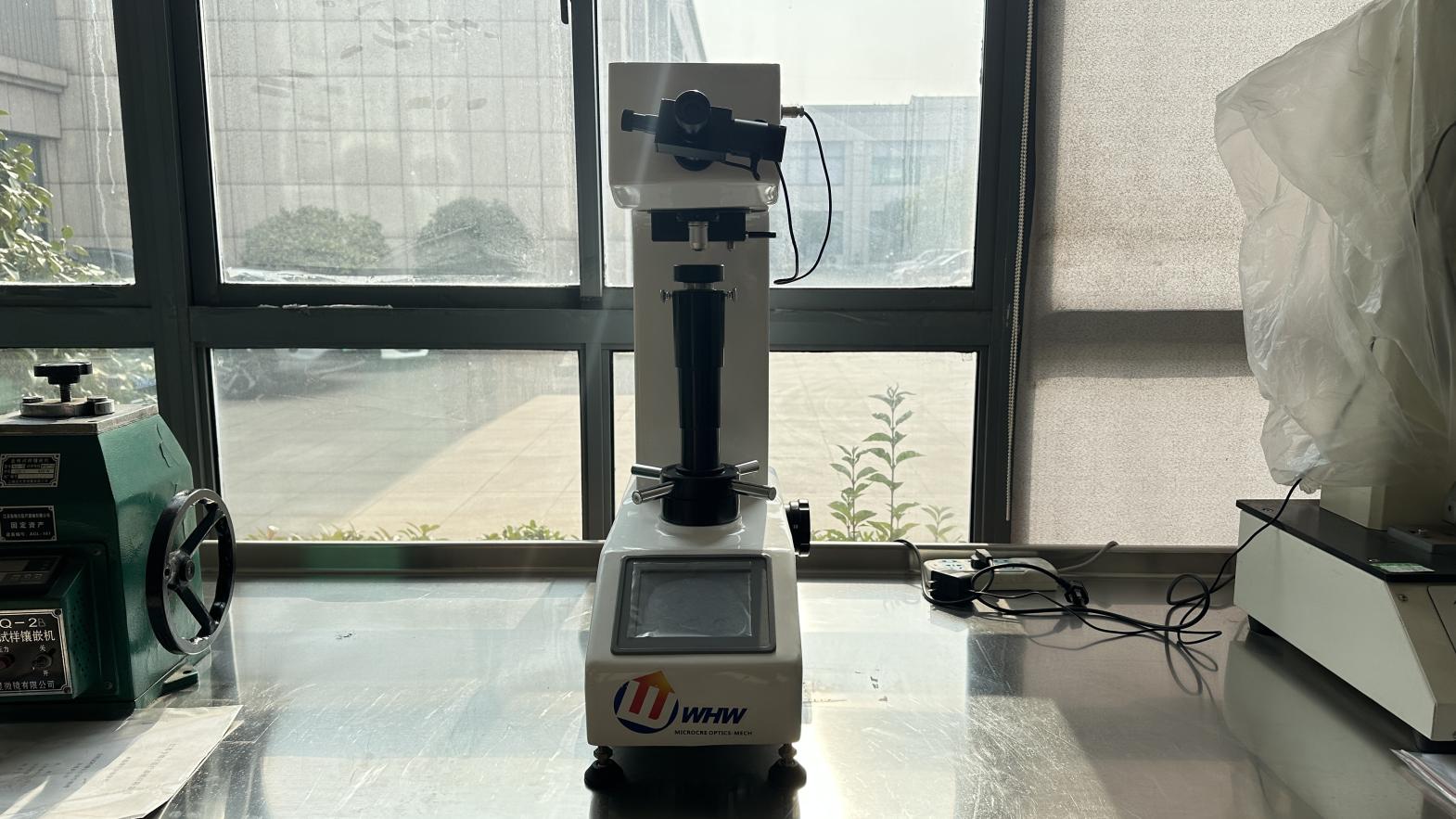
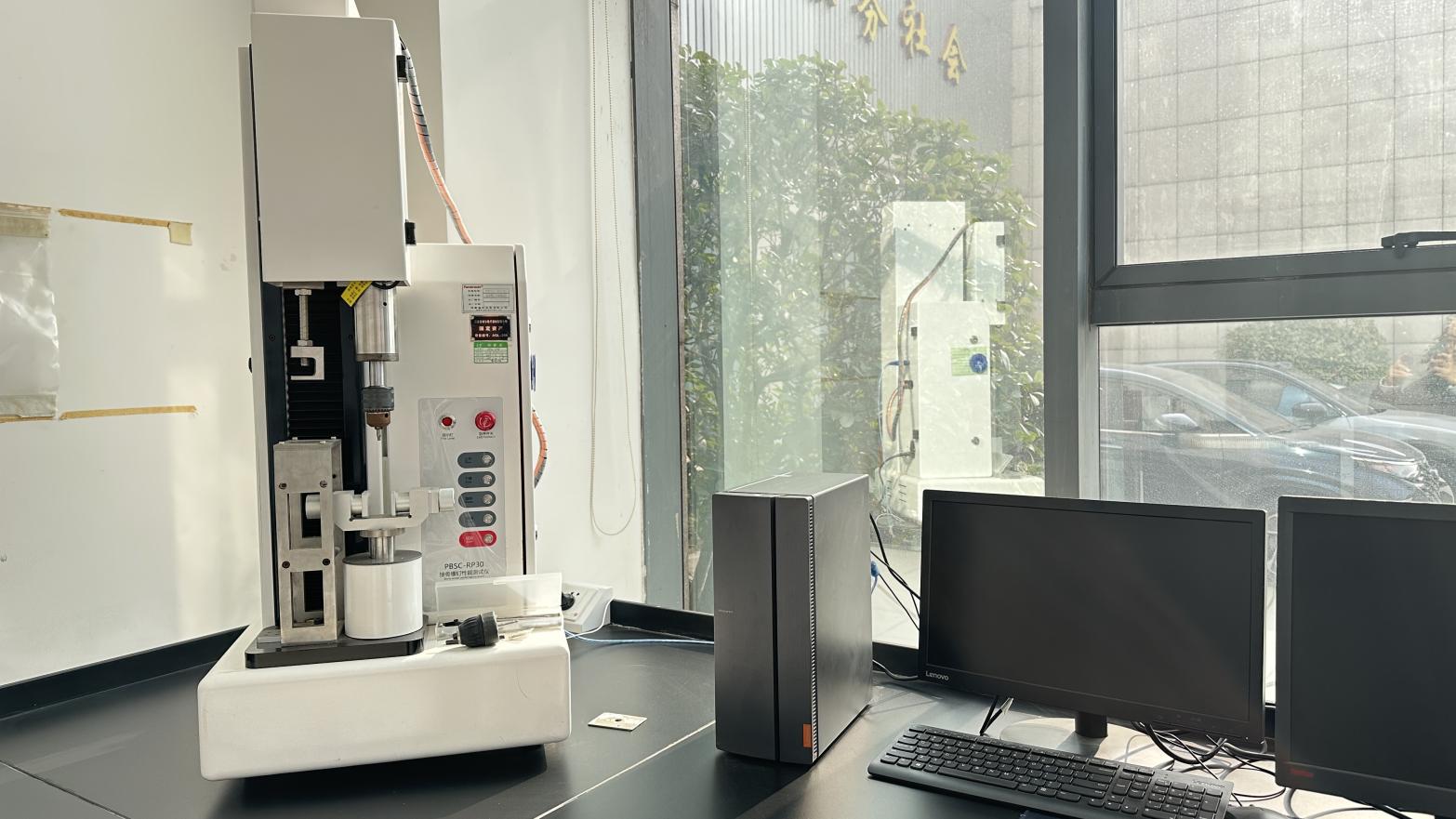
Our quality control processes include mechanical fatigue testing, tensile strength evaluation, X-ray non-destructive testing, and high-precision Coordinate Measuring Machine (CMM) dimensional analysis overseen by 65 QA professionals.
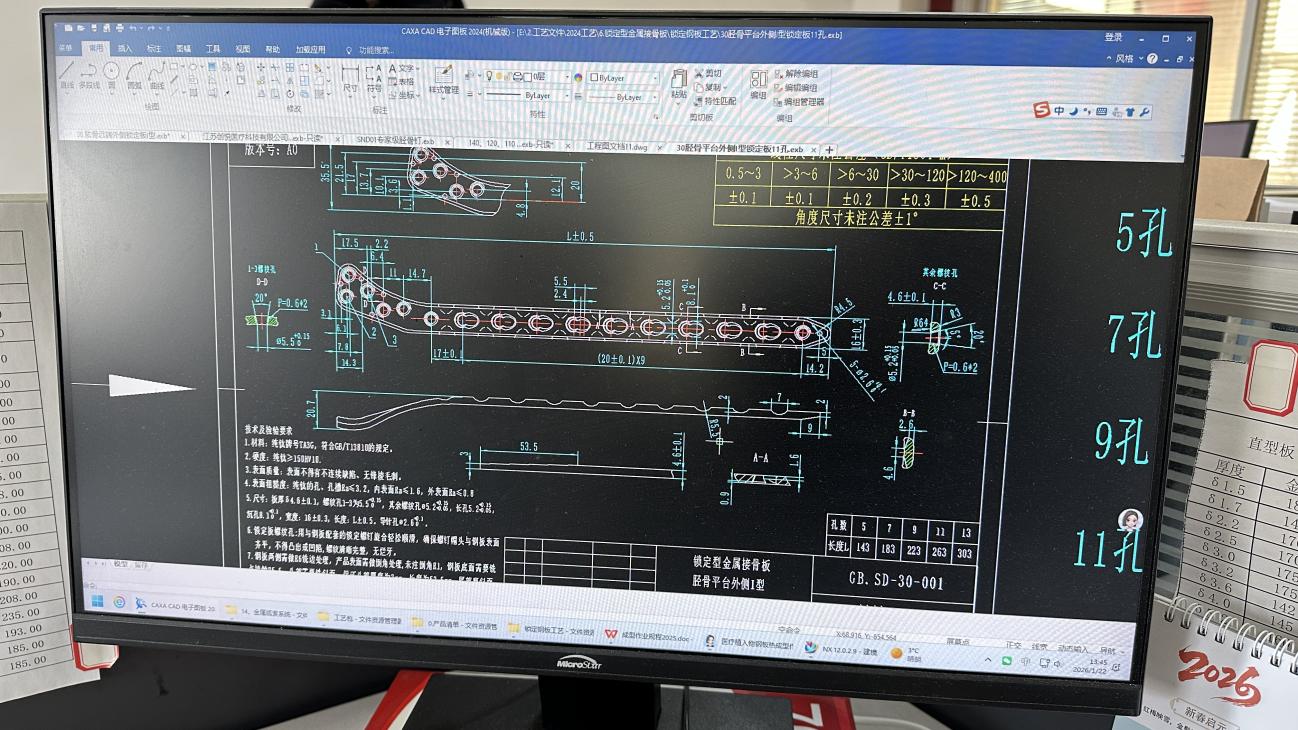
Supported by a design team of 120 biomechanical and materials science engineers, we introduced 120 new orthopedic and spinal implants last year, demonstrating our commitment to ongoing technological development.
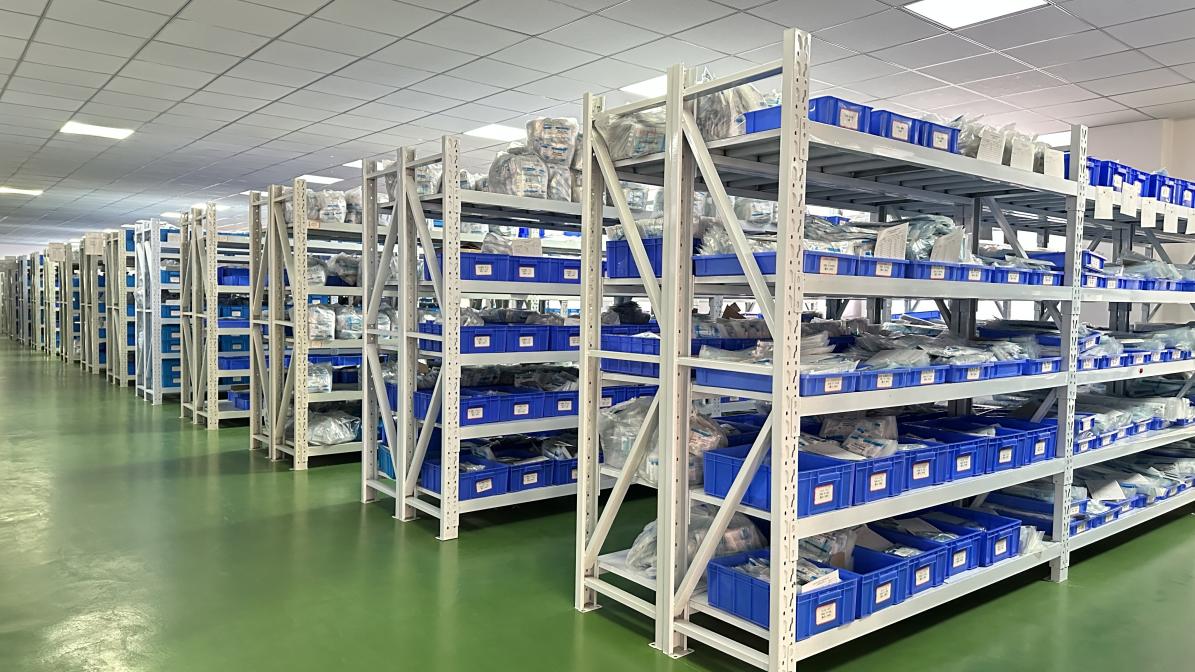
We work with 850 certified upstream and downstream partners to ensure a reliable supply of raw materials and precise component manufacturing, helping to protect global clients from supply chain disruptions.
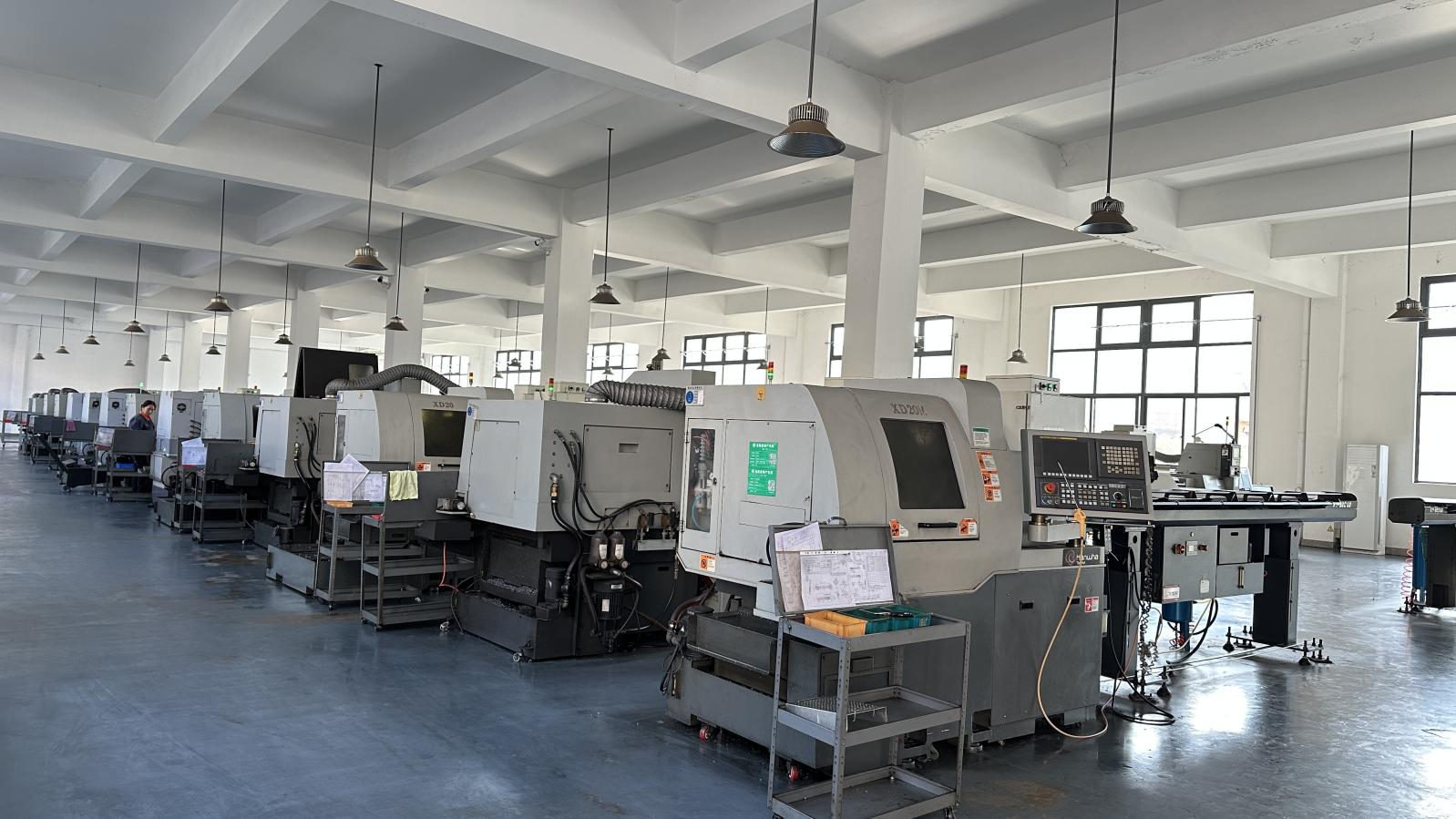
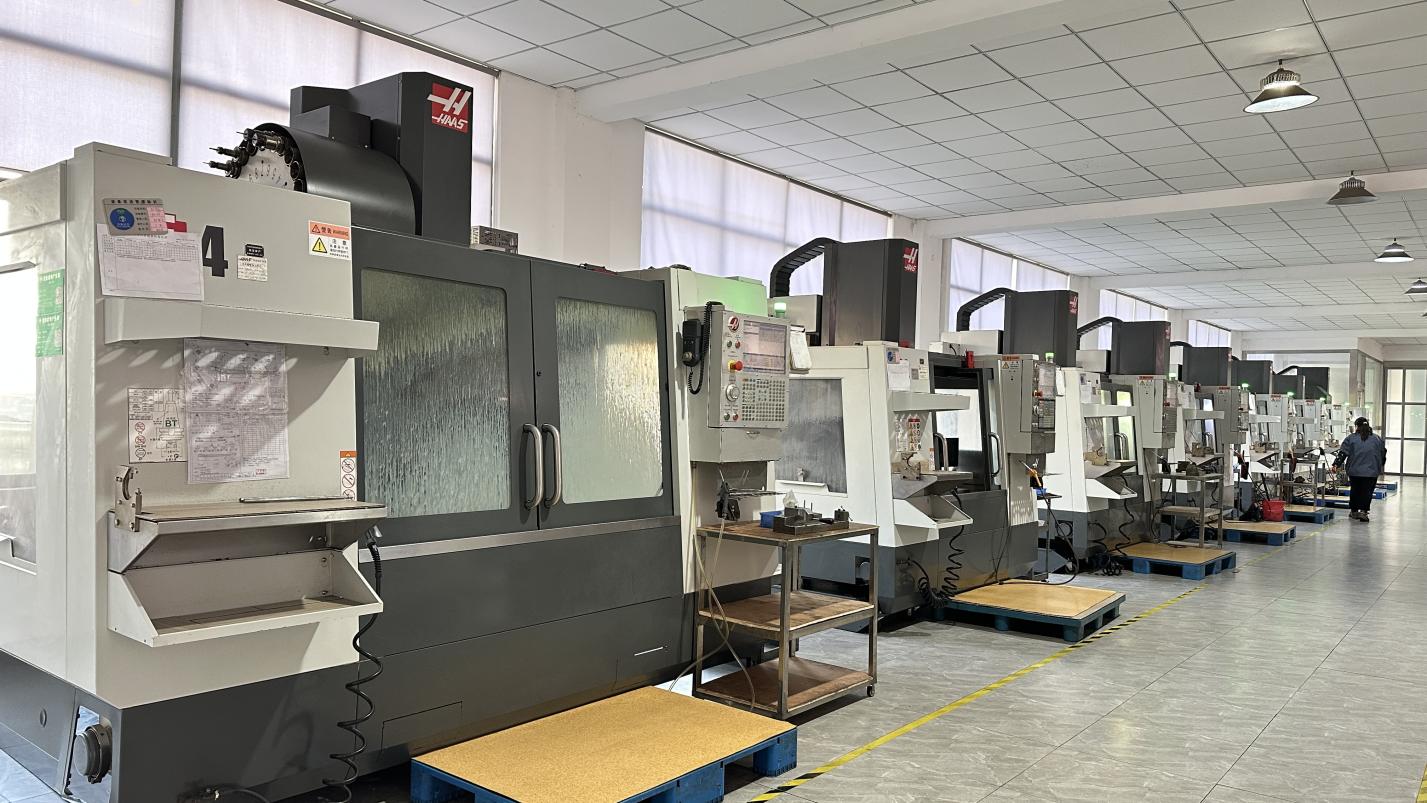
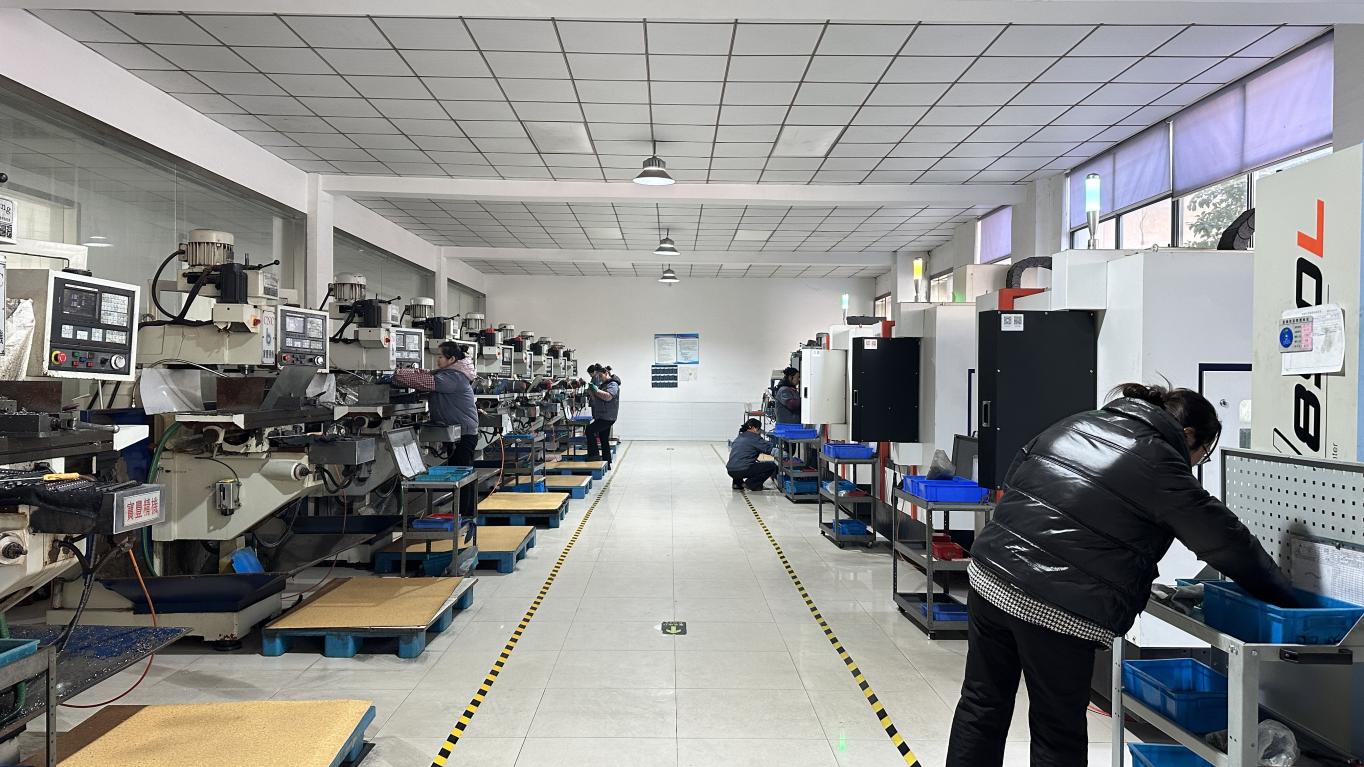
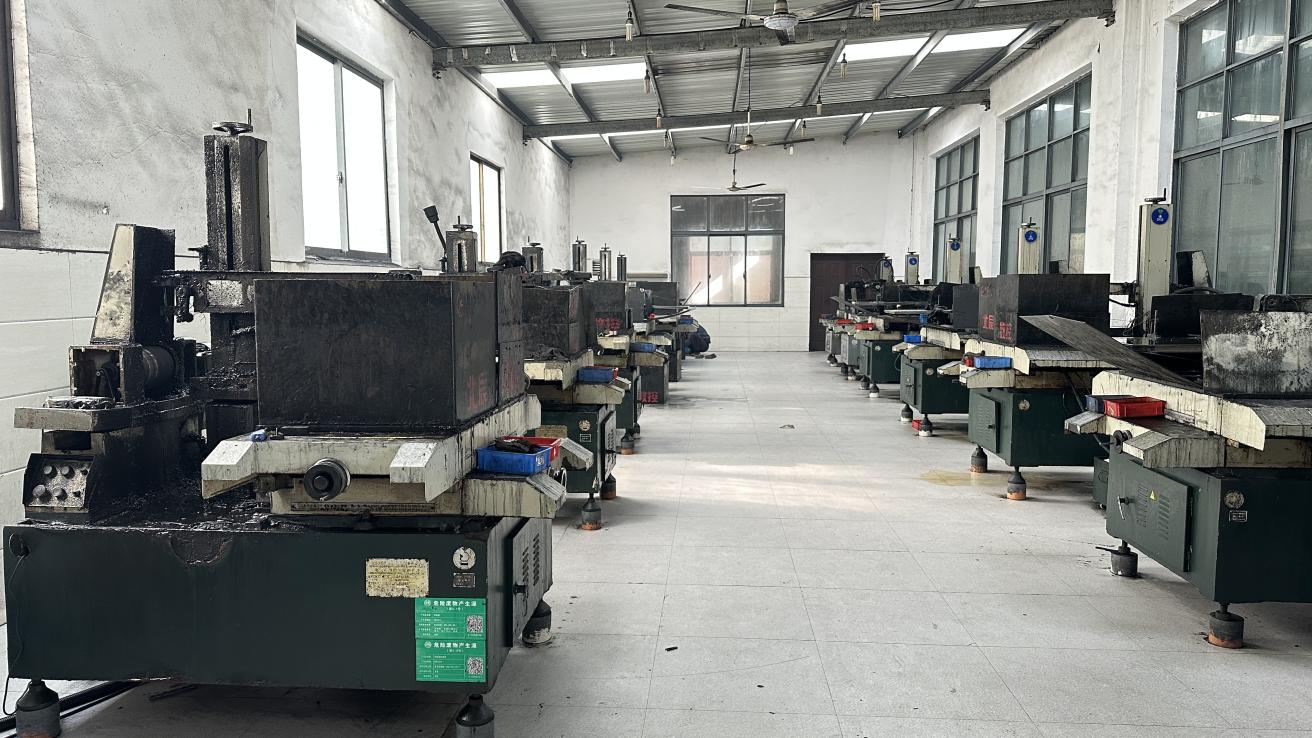

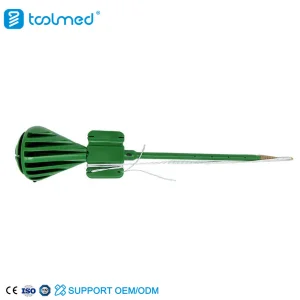
Modern sports medicine increasingly utilizes knotless anchor configurations. These systems allow surgeons to control suture tension directly, reducing the risk of tissue strangulation and minimizing the bulk of the repair site under the subacromial space.
We are researching surface treatments that incorporate biomimetic coatings like Hydroxyapatite (HA). This coating stimulates local osteoblast differentiation, accelerating bone growth into the anchor's threads and reducing the risk of late-stage displacement.
Traditional polyester sutures are being replaced by ultra-high-molecular-weight polyethylene (UHMWPE) fiber bands. These sutures provide high tensile strength and a flat profile, distributing mechanical loads more evenly across the healing tendon.
Using advanced biomechanical simulation models, we design customized anchor geometries to suit specific surgical applications, including pediatric reconstruction, high-density cortical fixation, and revisions for arthroscopy.
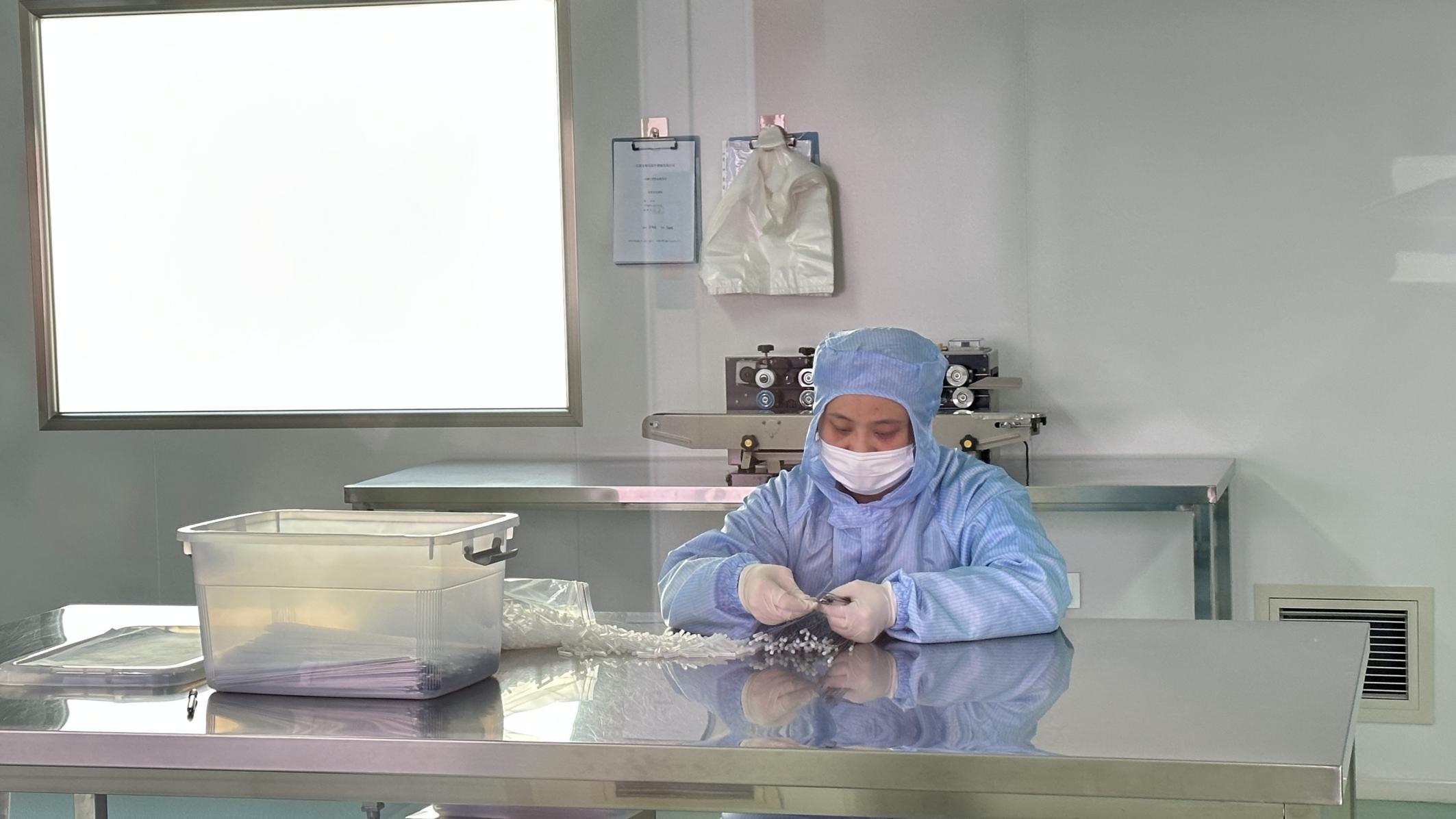
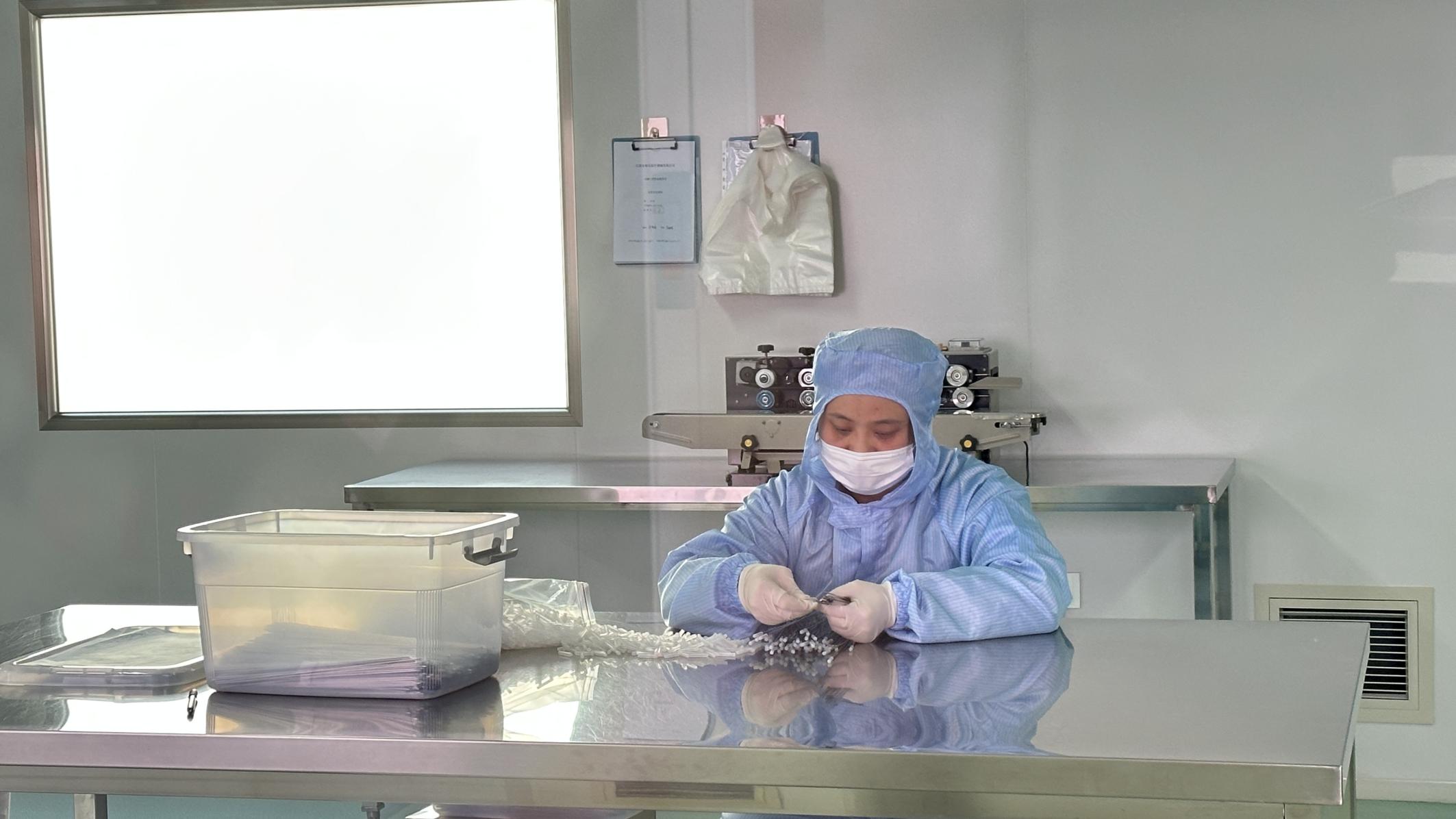
We provide full-service OEM and ODM partnerships supported by comprehensive regulatory documentation. Distributors benefit from cleanroom-packaged implants that carry international certifications. Our technical documentation includes mechanical validation data and ISO 13485 compliance certificates, helping to streamline regional registration processes.
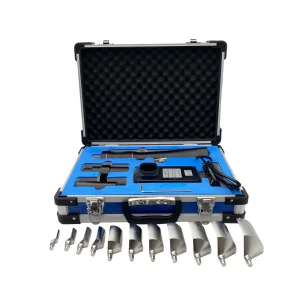
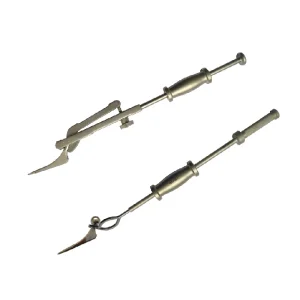
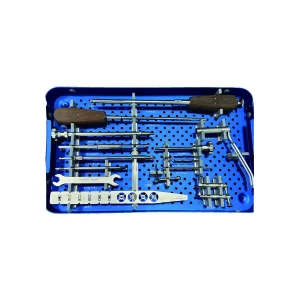
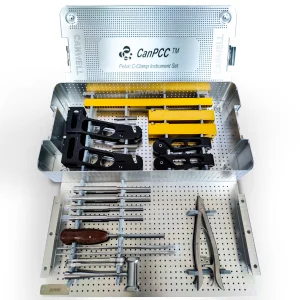
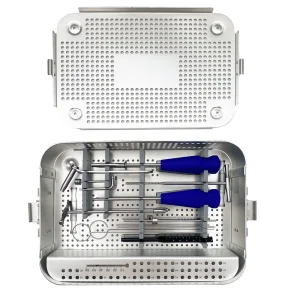
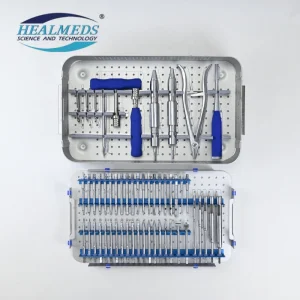
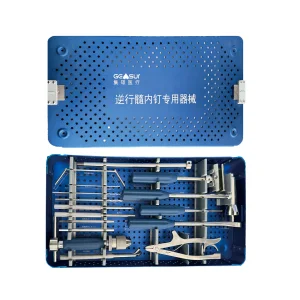
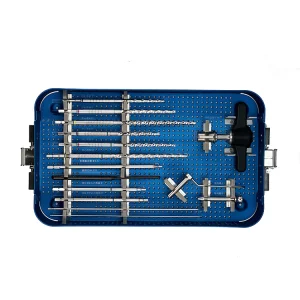
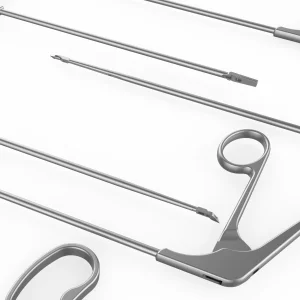
Additionally, we supply custom-engineered insertion instruments. These specialized driver sets are designed to match the anchor geometries, providing reliable engagement during surgery and reducing the risk of head stripping under high insertion torque.
Our titanium suture anchors are designed to integrate into existing hospital procurement workflows. By offering compatible instrument kits and generic-equivalent implant sizes, clinics can transition to our product lines without requiring extensive re-training for their surgical staff.
We perform batch-level testing for pull-out strength, insertional torque, and thread integrity, ensuring consistent mechanical performance in the operating room. This consistency is backed by certificates of conformance for every production lot.
 Virelox