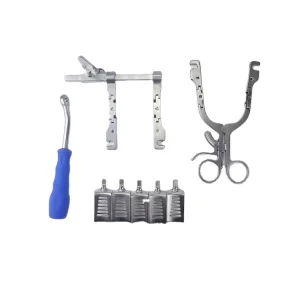
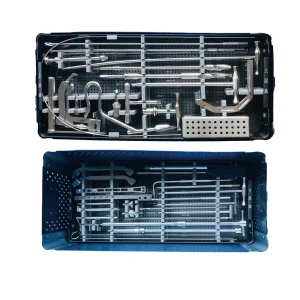
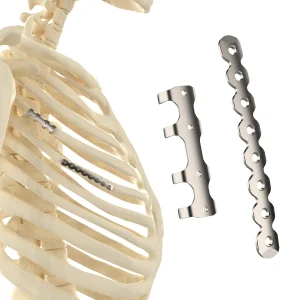
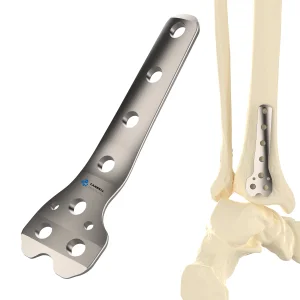
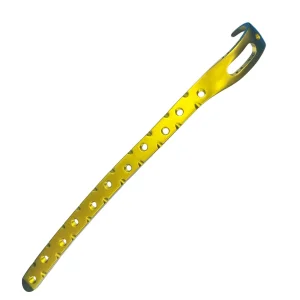
Explore our foundational range of joint replacement systems, trauma fixation devices, and specialized instruments designed for clinical excellence.
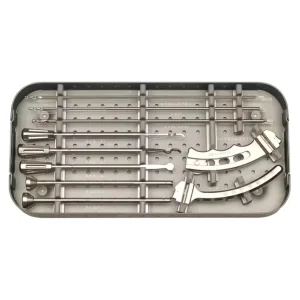
As a critical component in Total Knee Arthroplasty (TKA), the tibial tray acts as the interface between the structural tibia bone and the bearing inserts. Optimizing its design demands a profound understanding of anatomical load distribution, bone resorption mitigation, and materials engineering.
We source medical-grade Titanium Alloys (Ti-6Al-4V ELI) and Cobalt-Chromium-Molybdenum (Co-Cr-Mo) conforming to ASTM standards. This ensures that every component is biologically compatible, possesses outstanding fatigue strength, and exhibits excellent wear resistance under cyclical physiological loading conditions.
One size does not fit all in global orthopedic surgery. Anatomical variations across Western, Asian, and Latin populations require diverse dimensional options. Our R&D center is equipped with cutting-edge finite element analysis (FEA) and biomechanical simulators to test custom tibial tray geometries.
Through our comprehensive OEM/ODM services, international healthcare companies and distributors can customize stem extensions, peg positions, and surface textures. Our agile manufacturing lines adapt run parameters to deliver small-batch customized implant series as well as massive scale product runs.
How Virelox pairs regional raw material infrastructure with precision engineering to deliver world-class implants at competitive pricing.
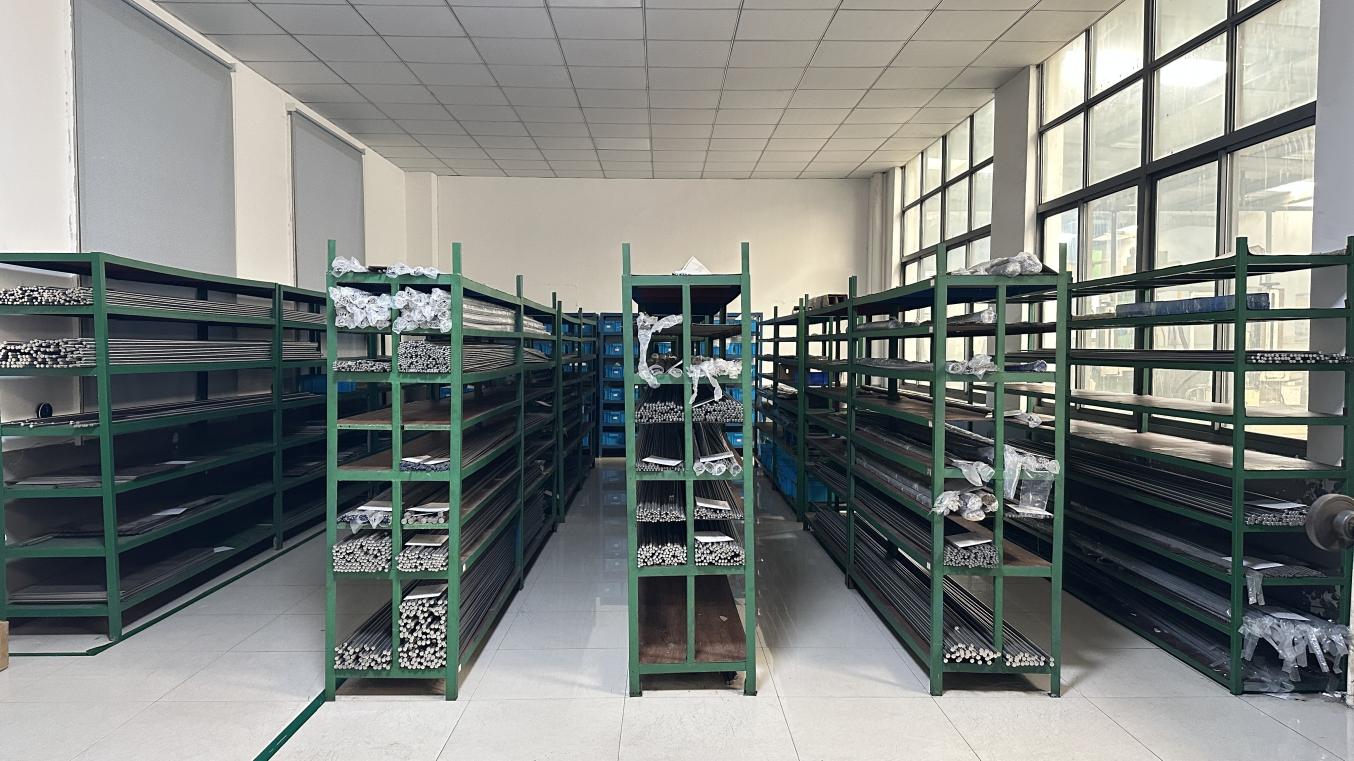
By coordinating a tight network of certified raw material suppliers, forge facilities, and surface treatment specialists, we secure uninterrupted material sourcing and lower production lead times.
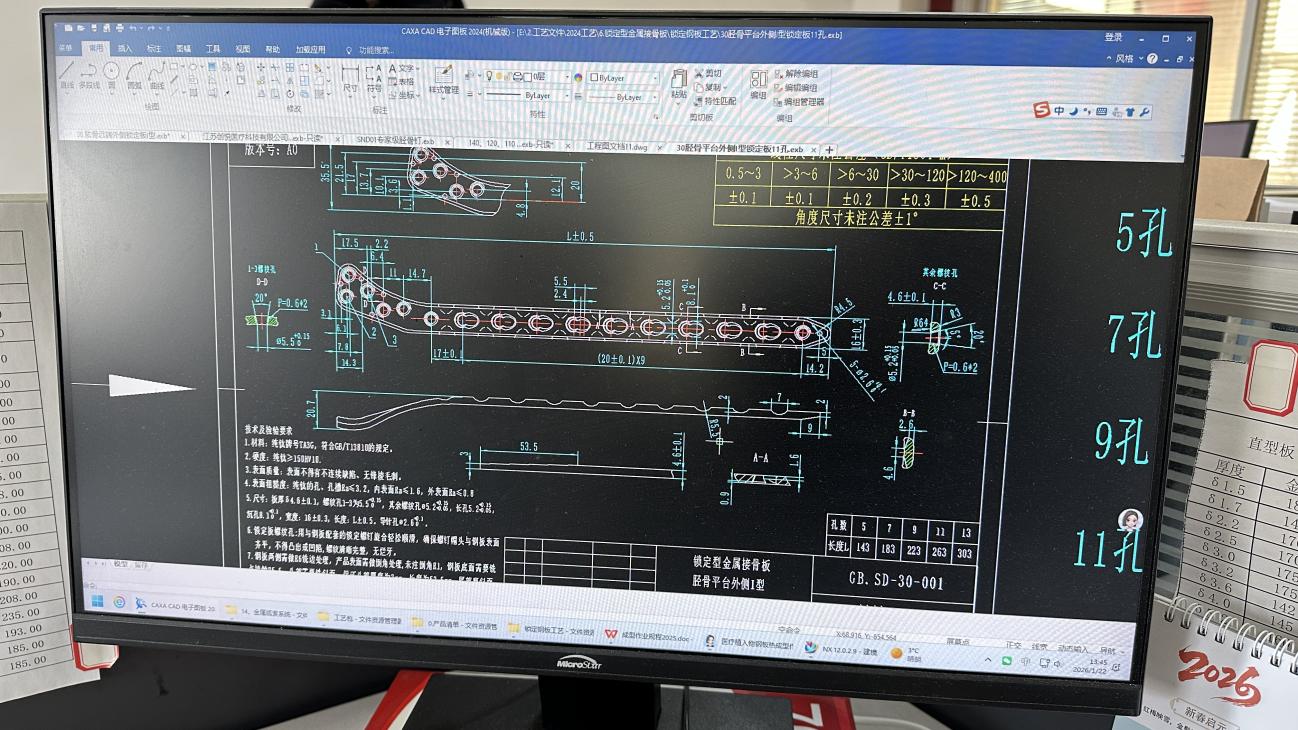
Our advanced CNC machining centers run multi-axis milling routines that achieve micron-level tolerance bands. Rapid prototyping turns CAD concepts into physical tactile implants for mechanical evaluation in weeks, not months.
Our production practices are built to comply with global medical device standards. We systematically document design control, risk assessment, and lot traceability, making registrations in overseas target markets straightforward.
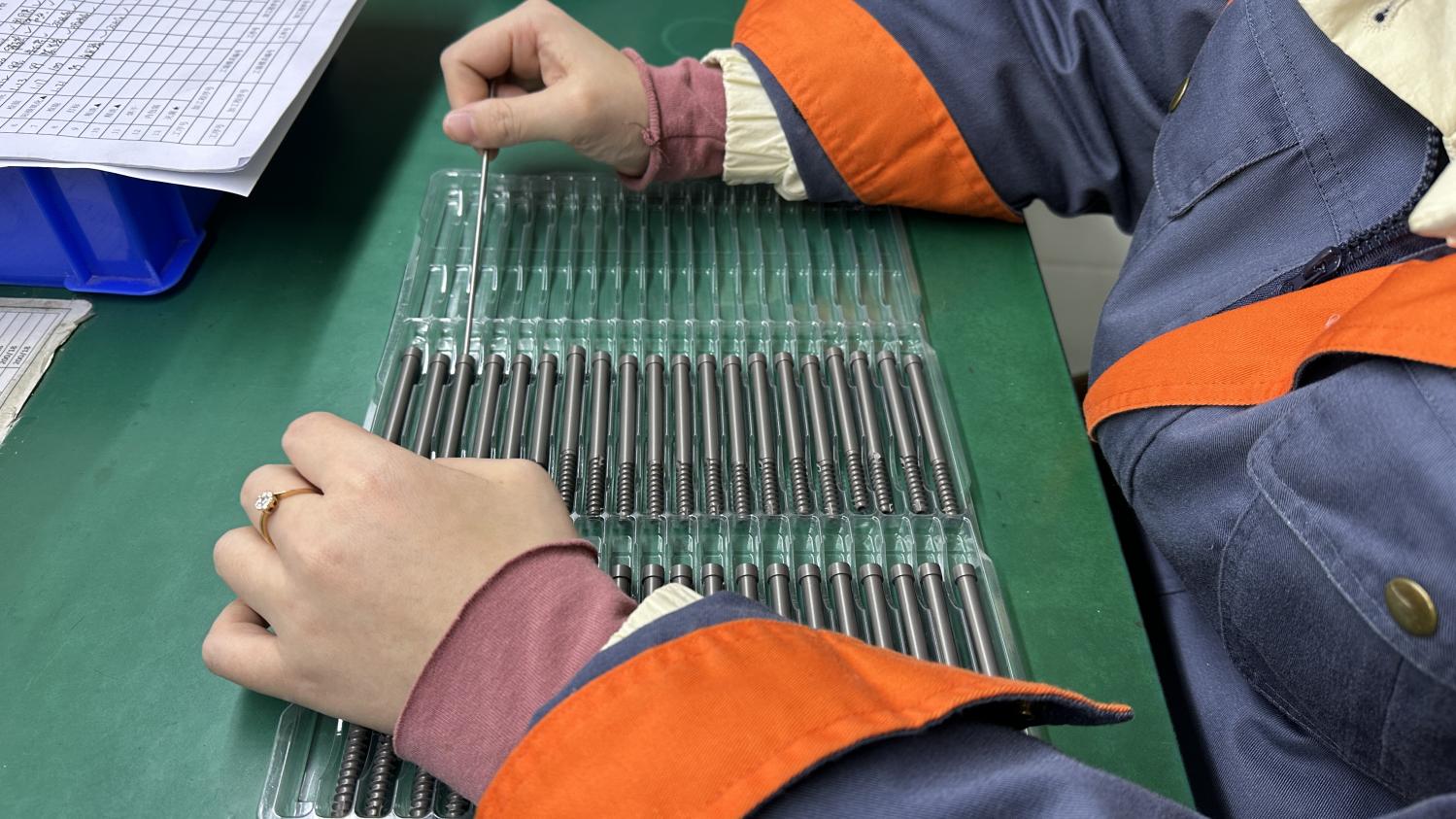
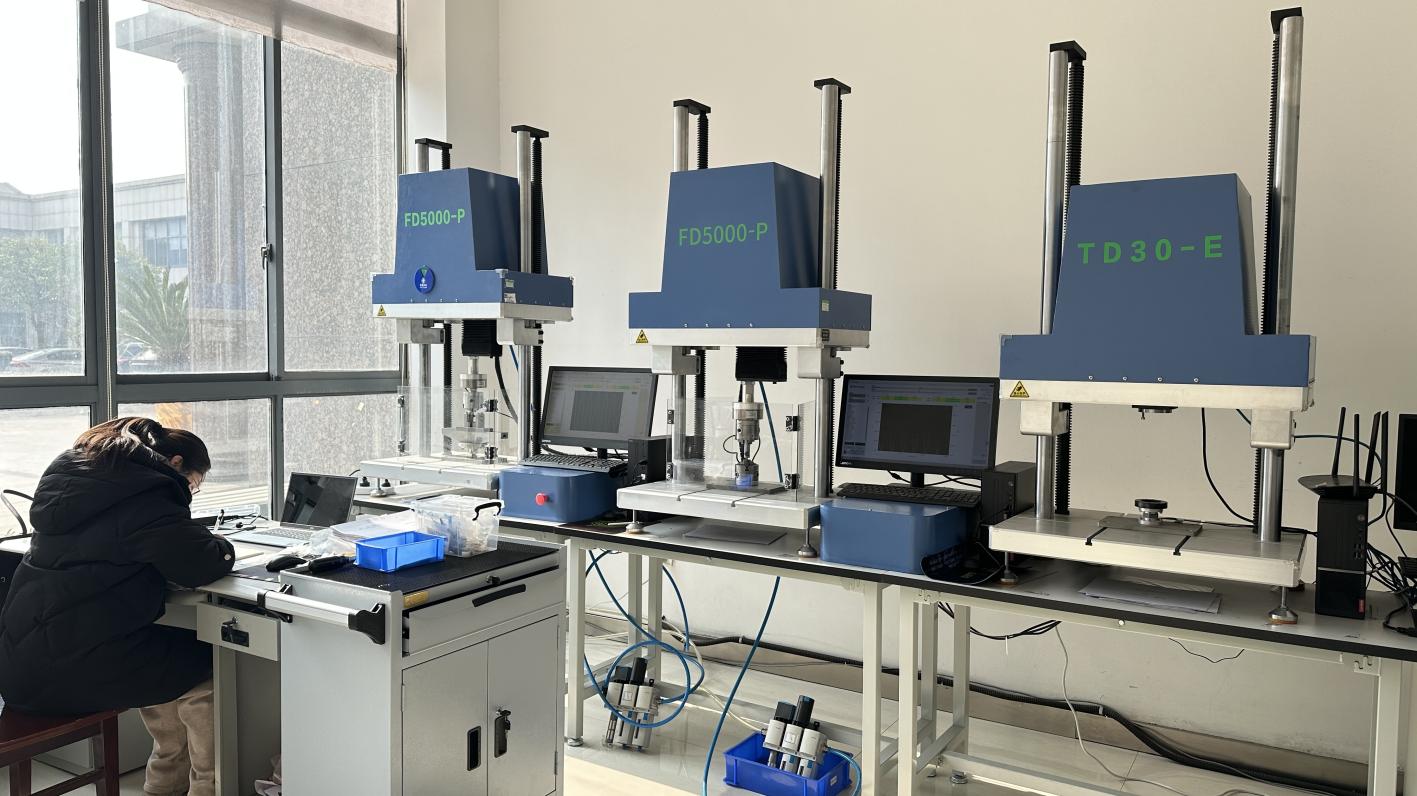
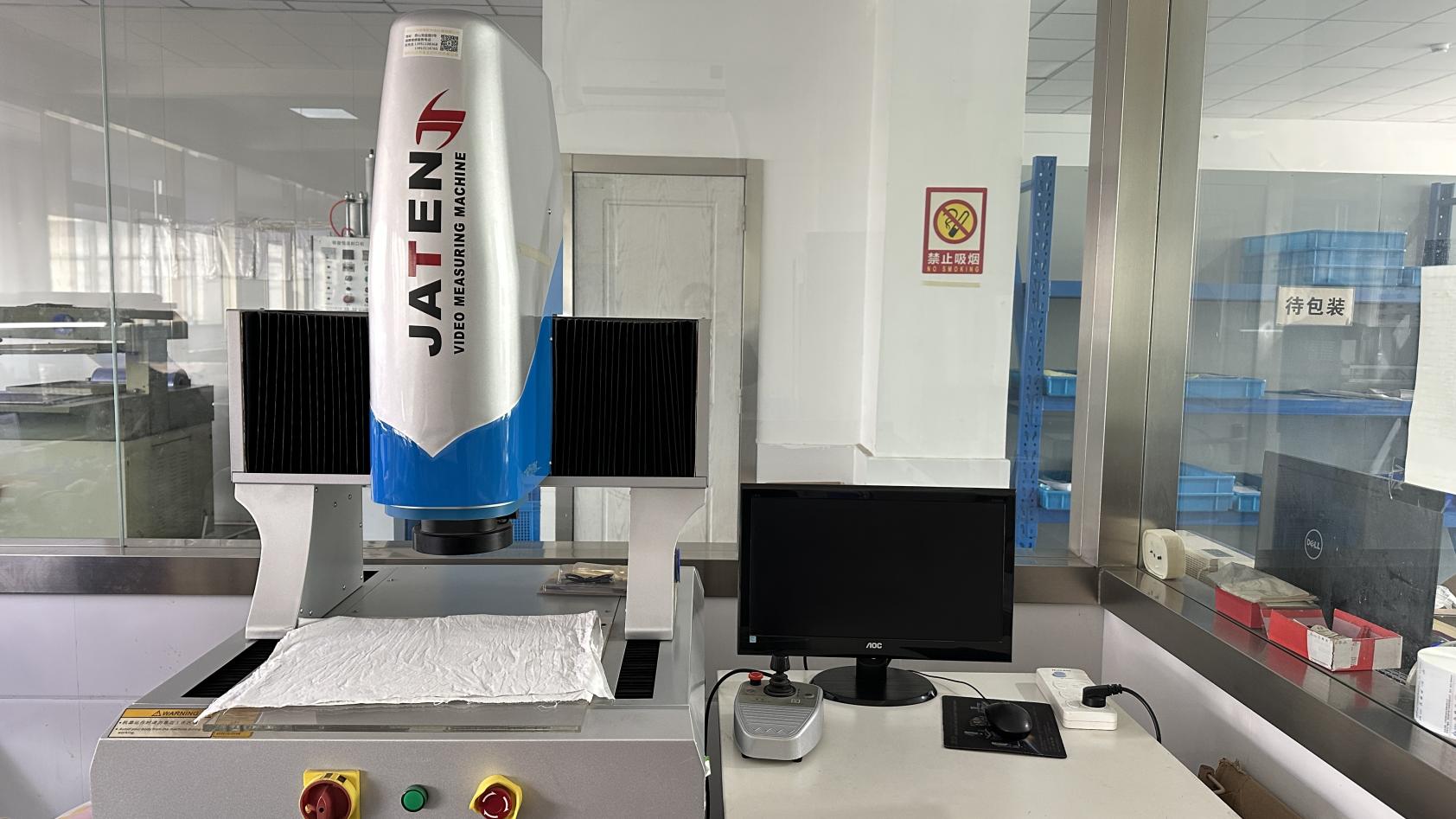
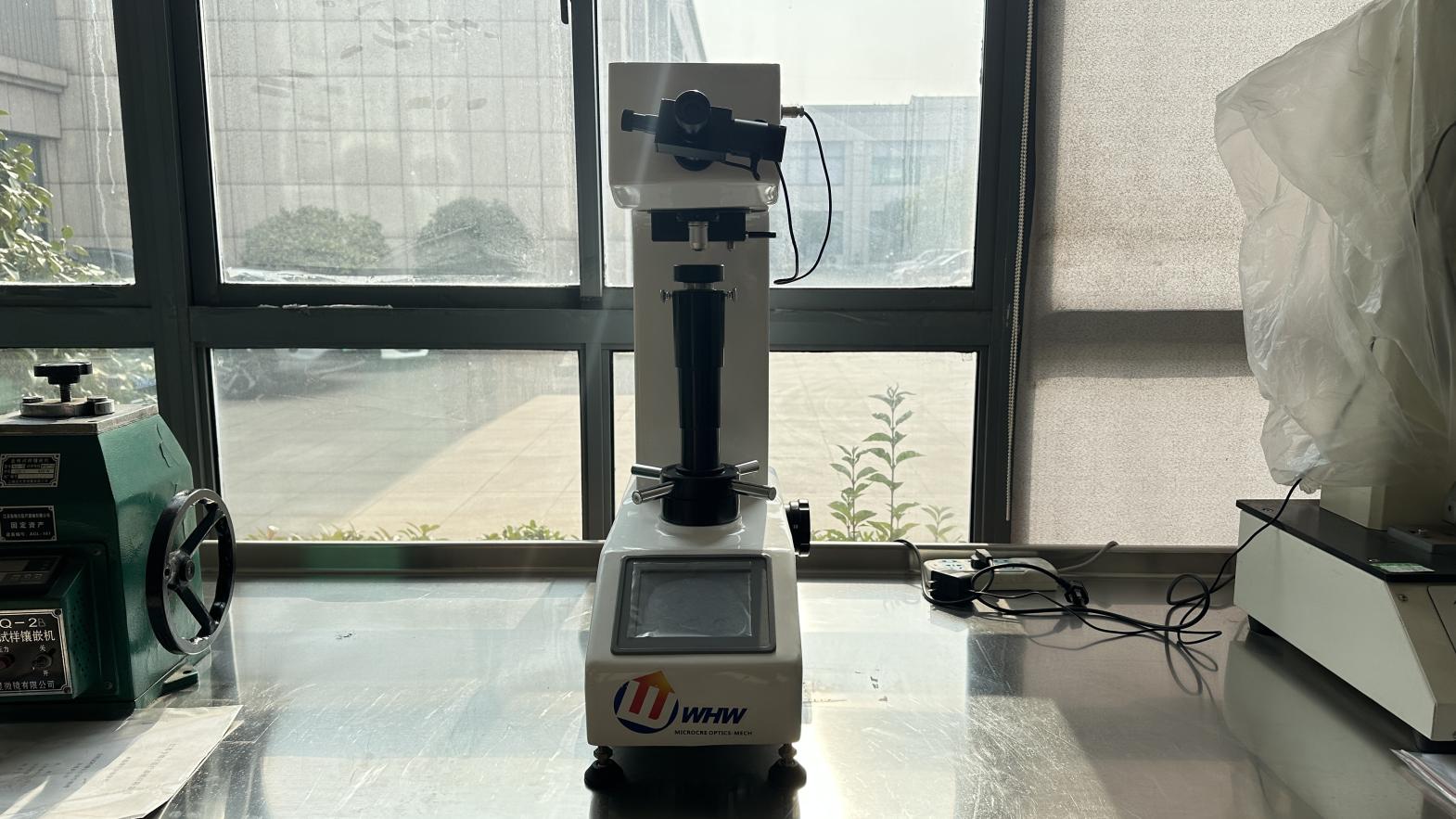
Orthopedic implants must perform reliably for decades. That is why our Quality Assurance protocol tests every production batch at multiple intervals. We leverage X-Ray inspection, coordinate measuring machines (CMM) for 3D verification, and optical comparators to confirm perfect sizing dimensions.
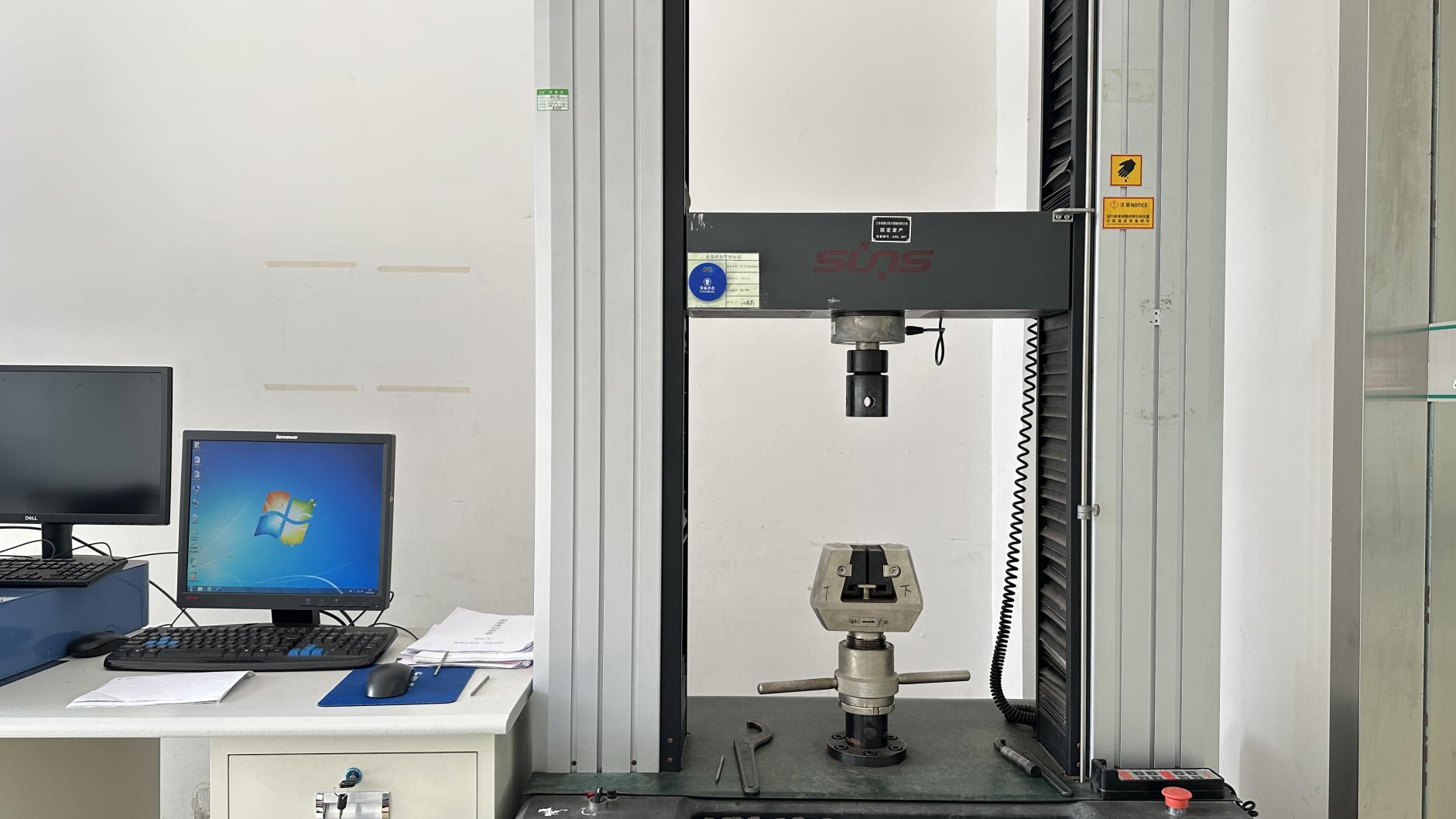
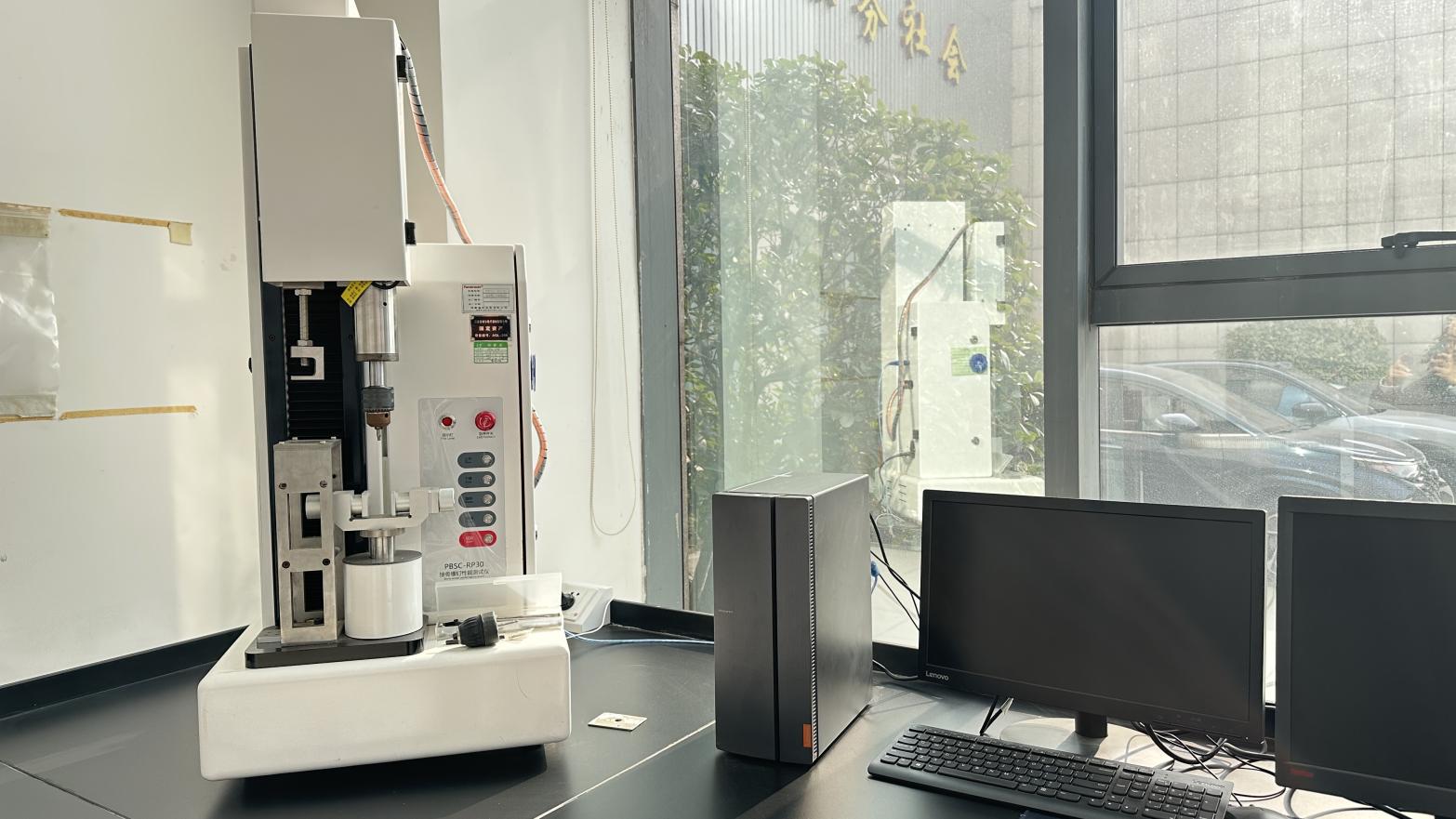
Furthermore, mechanical testing determines fatigue properties and tensile limits. The biomechanical test lab is outfitted with advanced fatigue and bone screw performance testers. This enables our quality inspectors to simulate dynamic physiological environments and guarantee structural stability.
Entering local distribution streams demands extensive compliance documentation. Our regulatory team coordinates with international distributors to supply essential materials for local health authorities, such as the FDA, CE MDR, or national Ministries of Health. We supply comprehensive Technical Files, Biocompatibility Reports (ISO 10993 series), and clean sterilization verification protocols to simplify your product registration cycle.
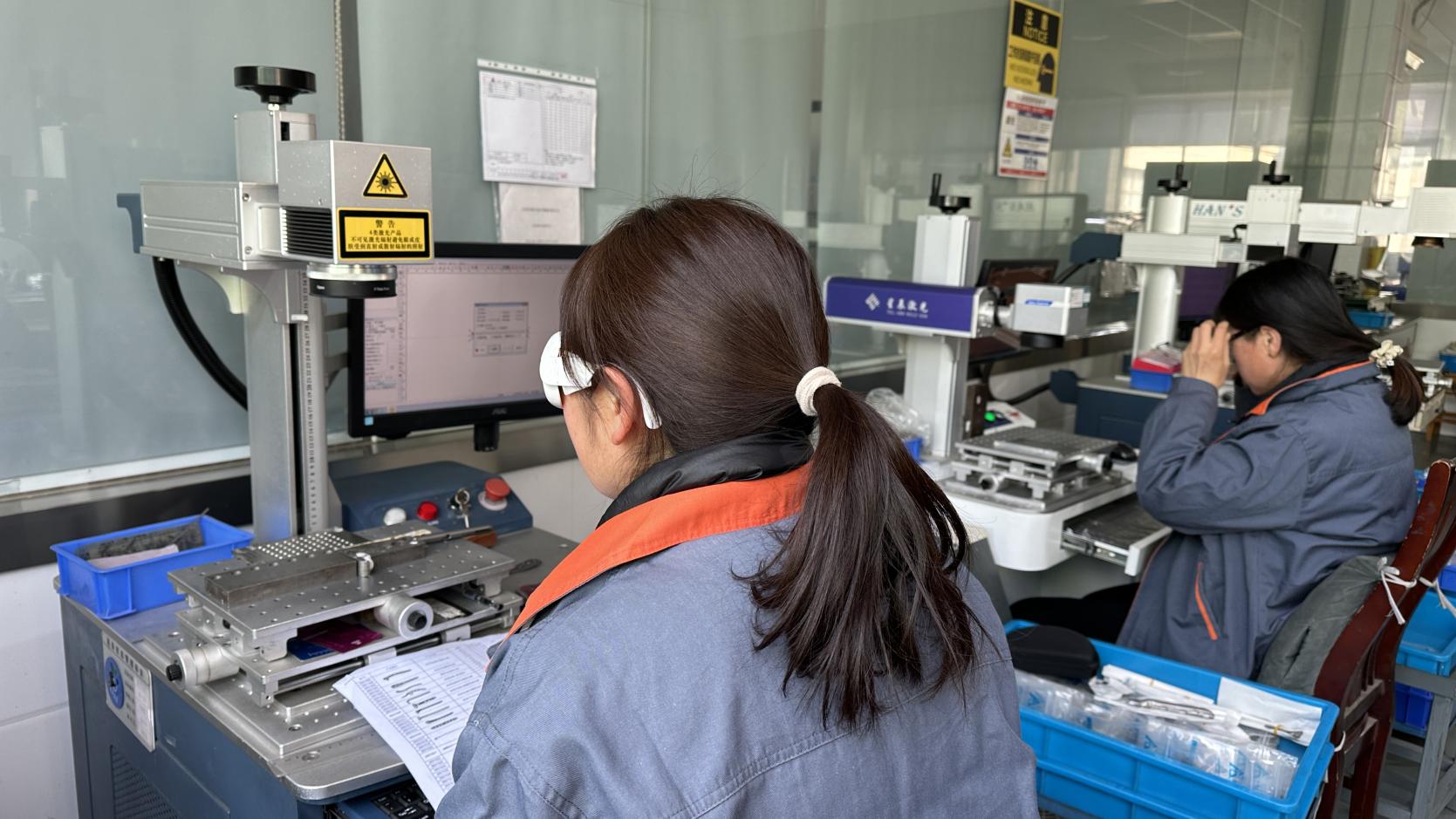
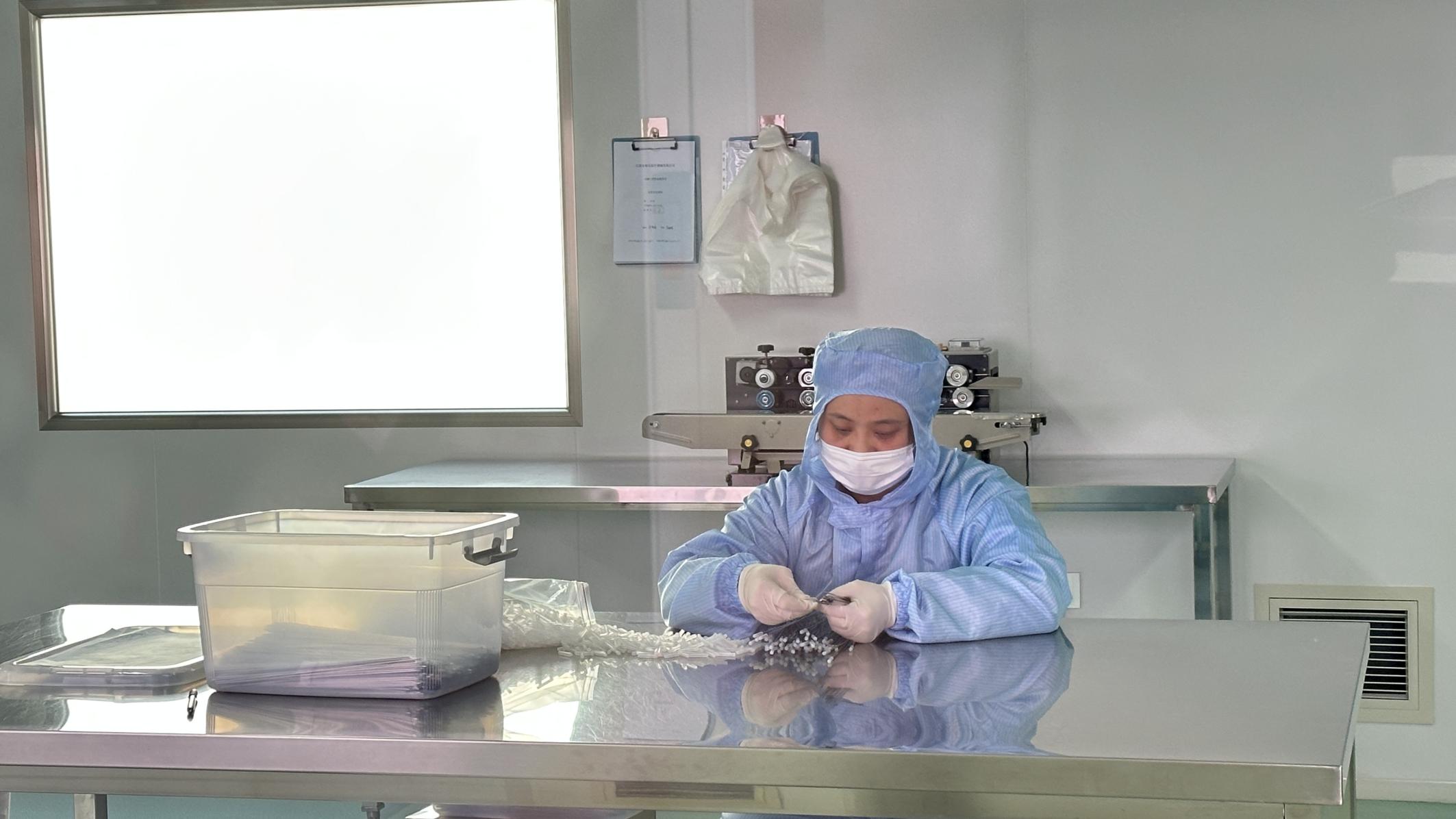
A pictorial walkthrough showing our strict standard operating procedures, cleanrooms, and testing facilities.
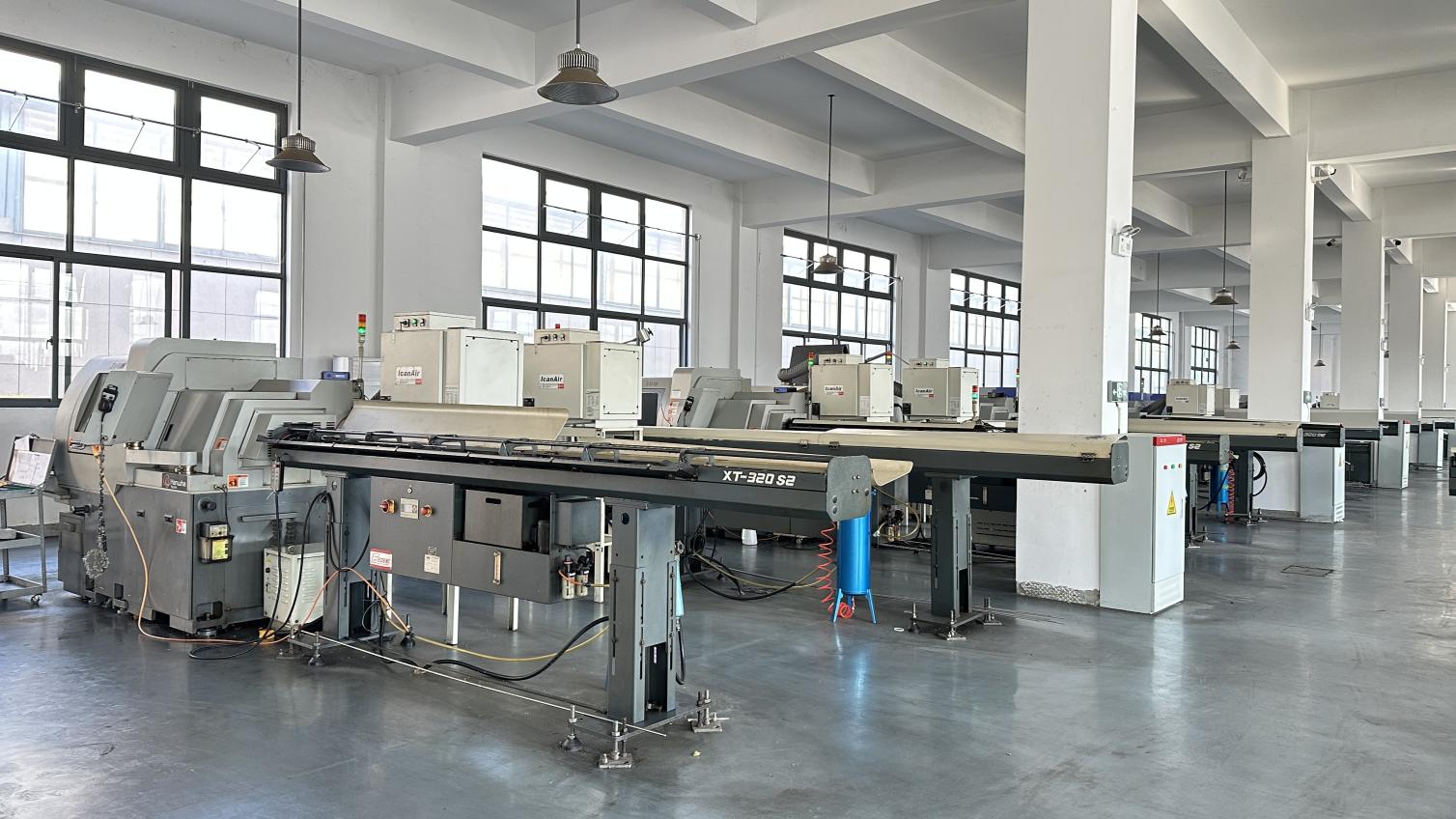
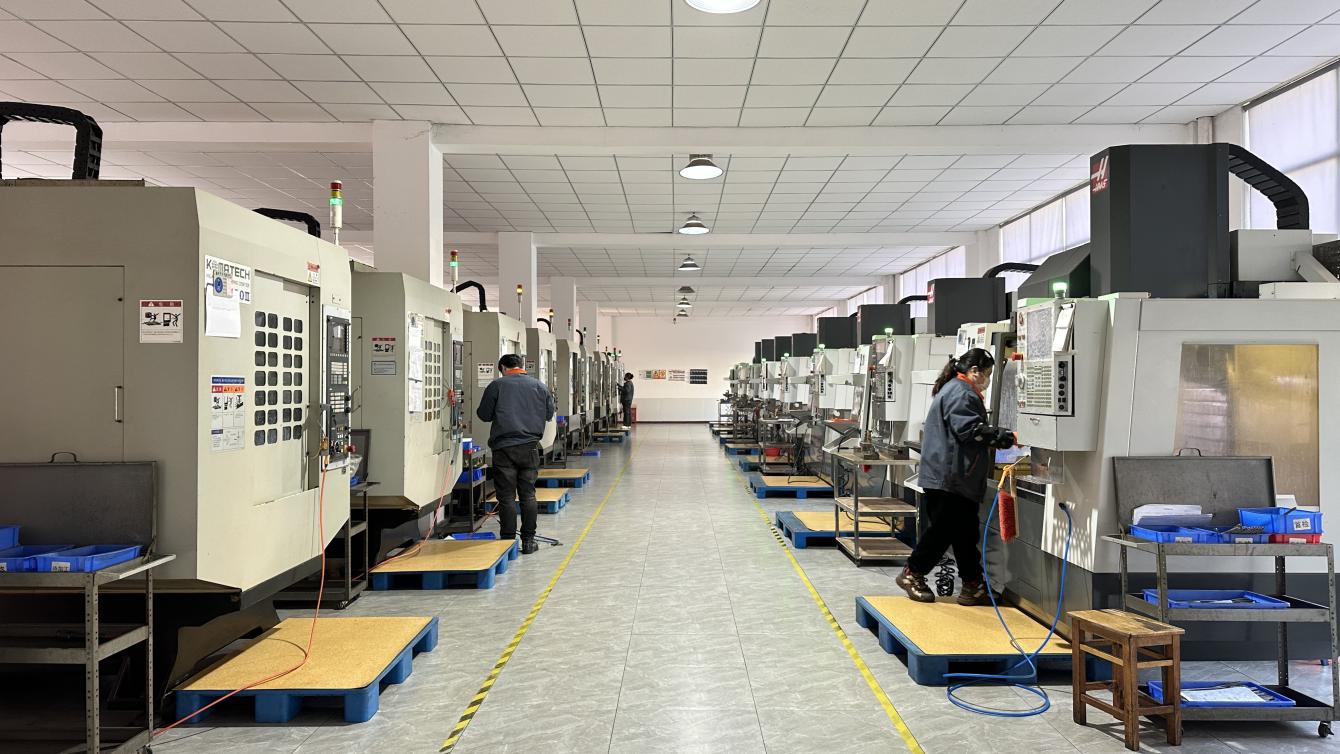
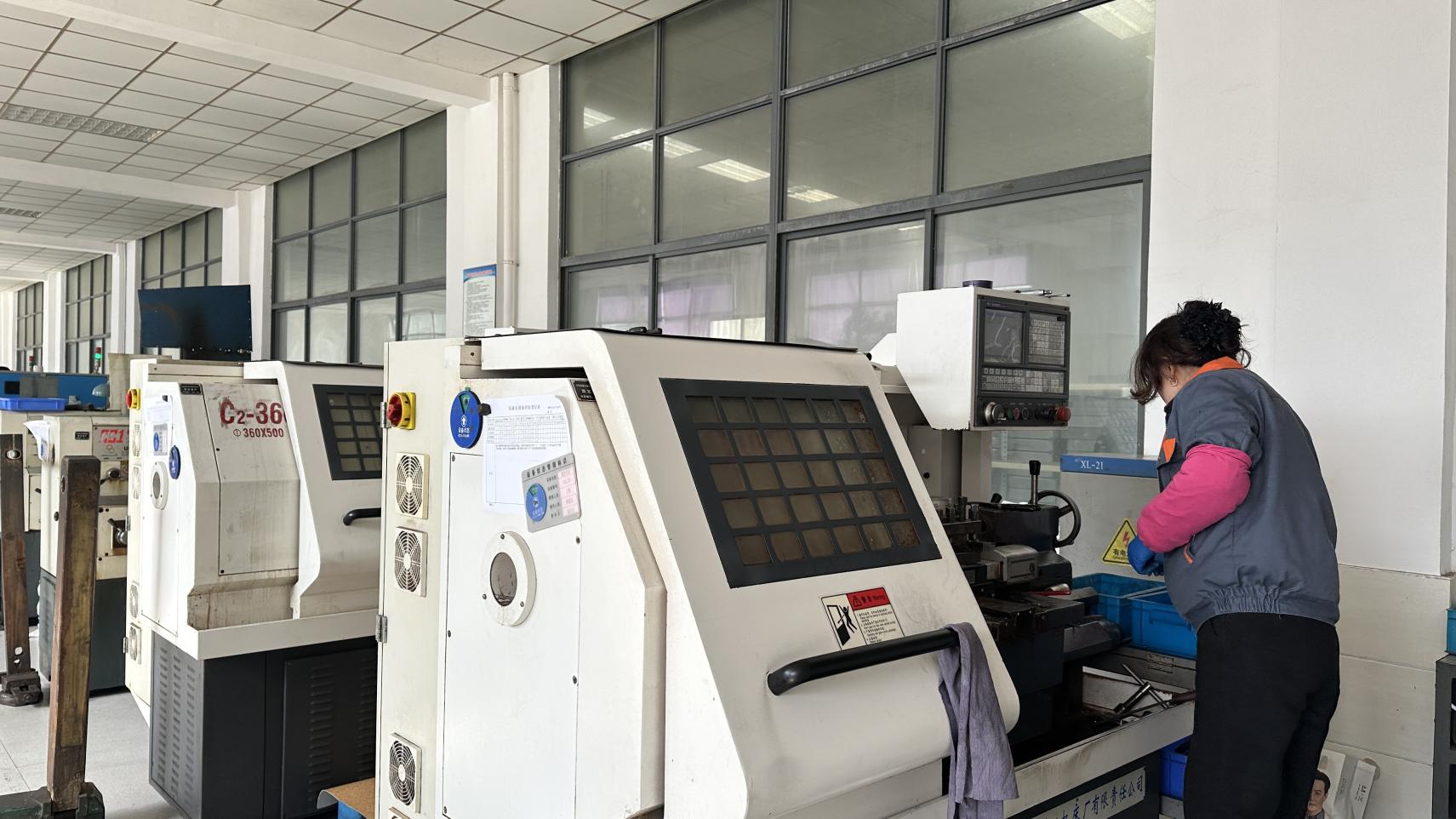
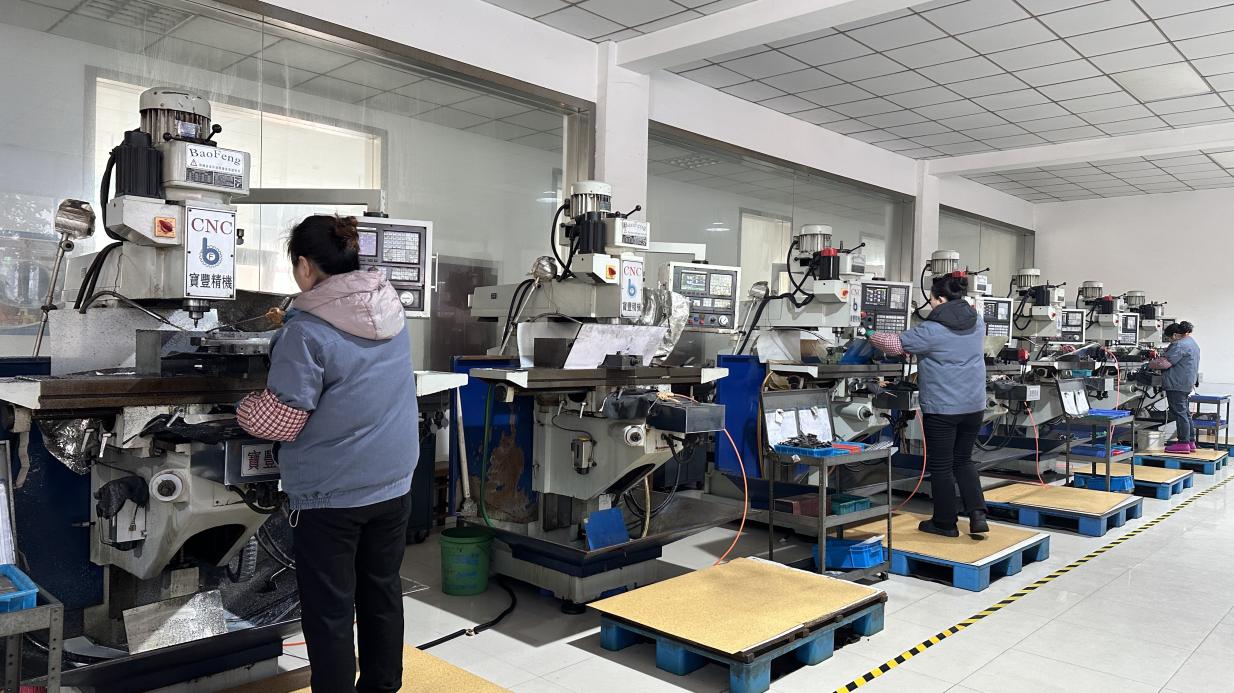
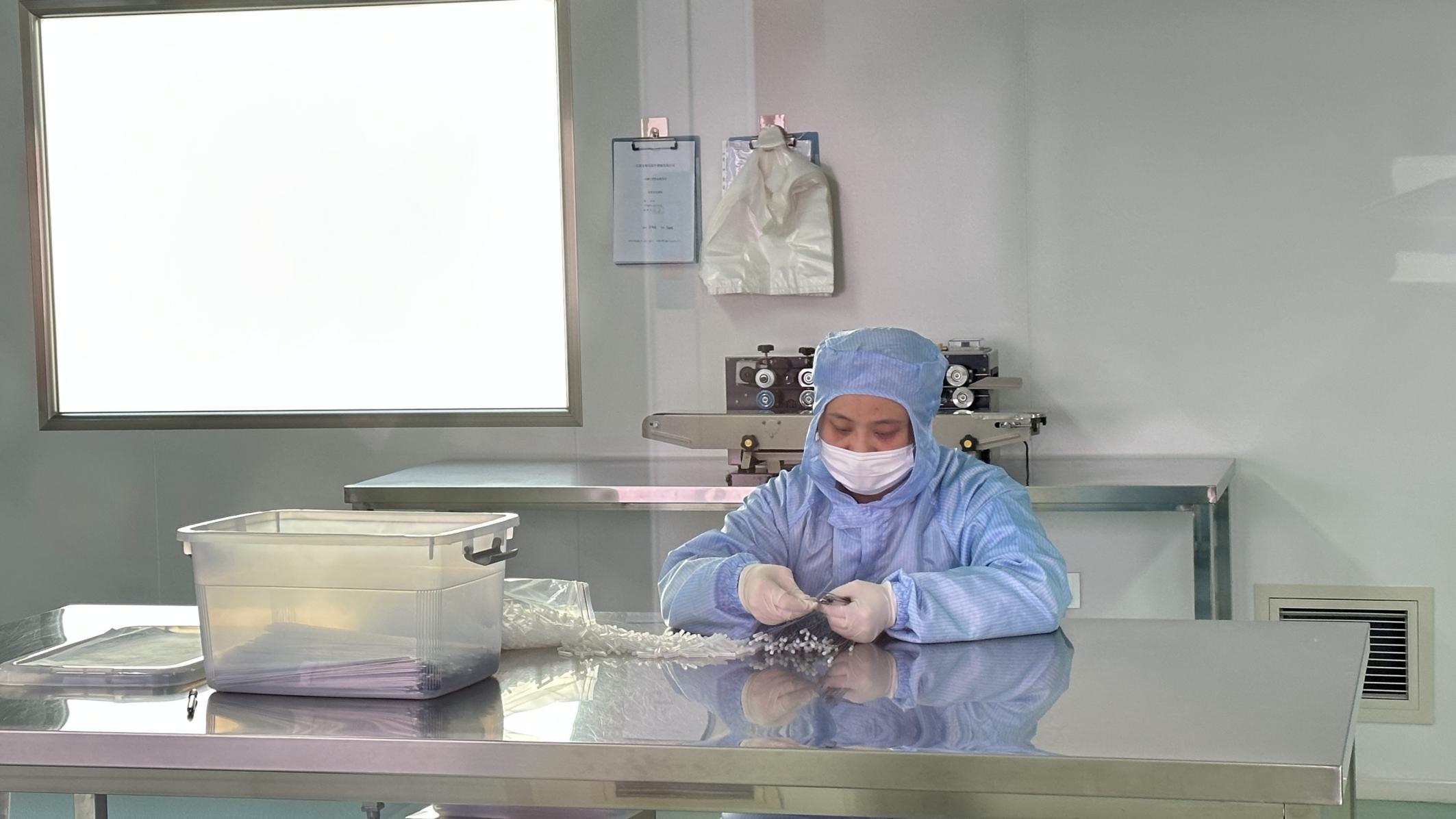
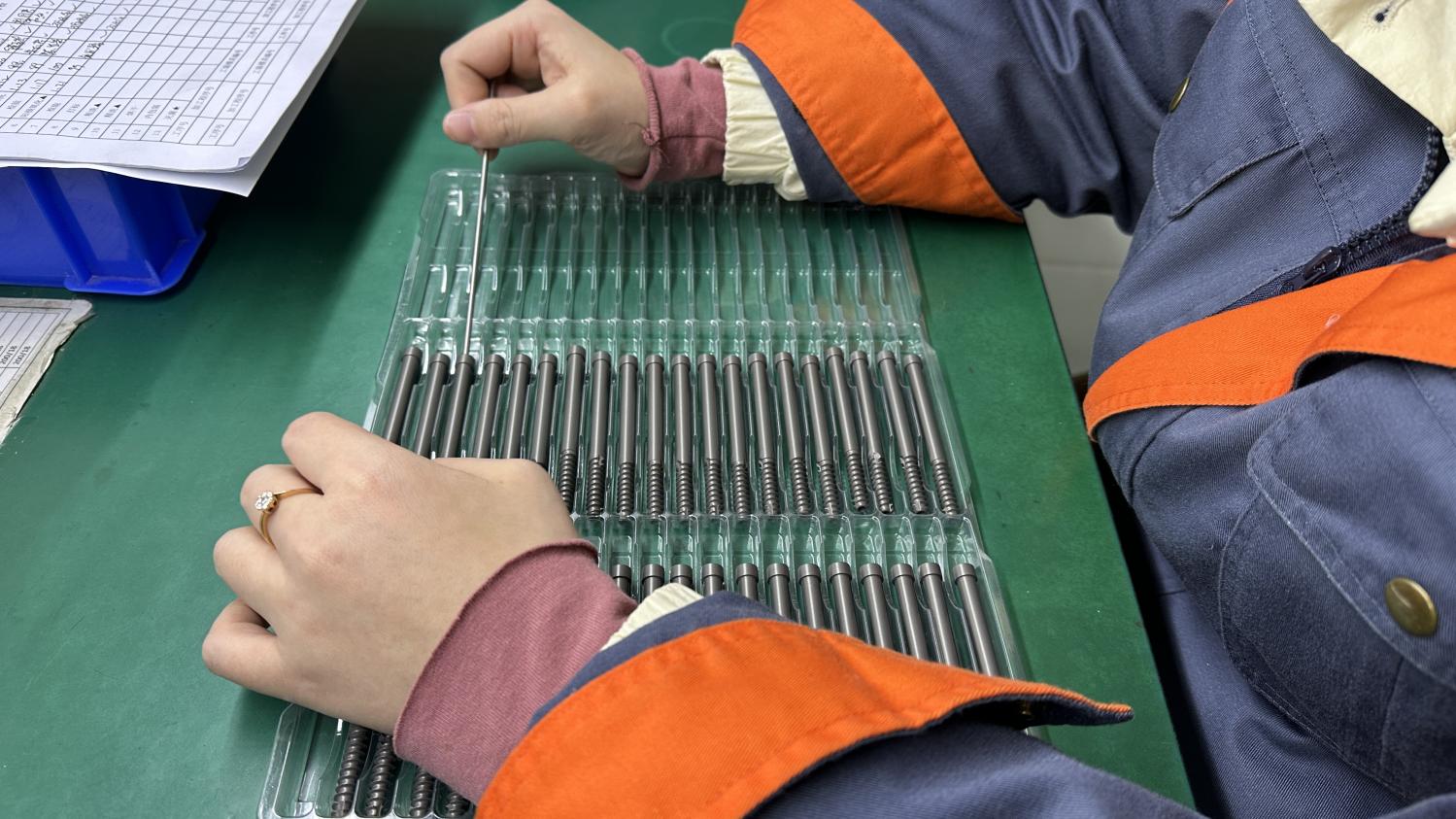
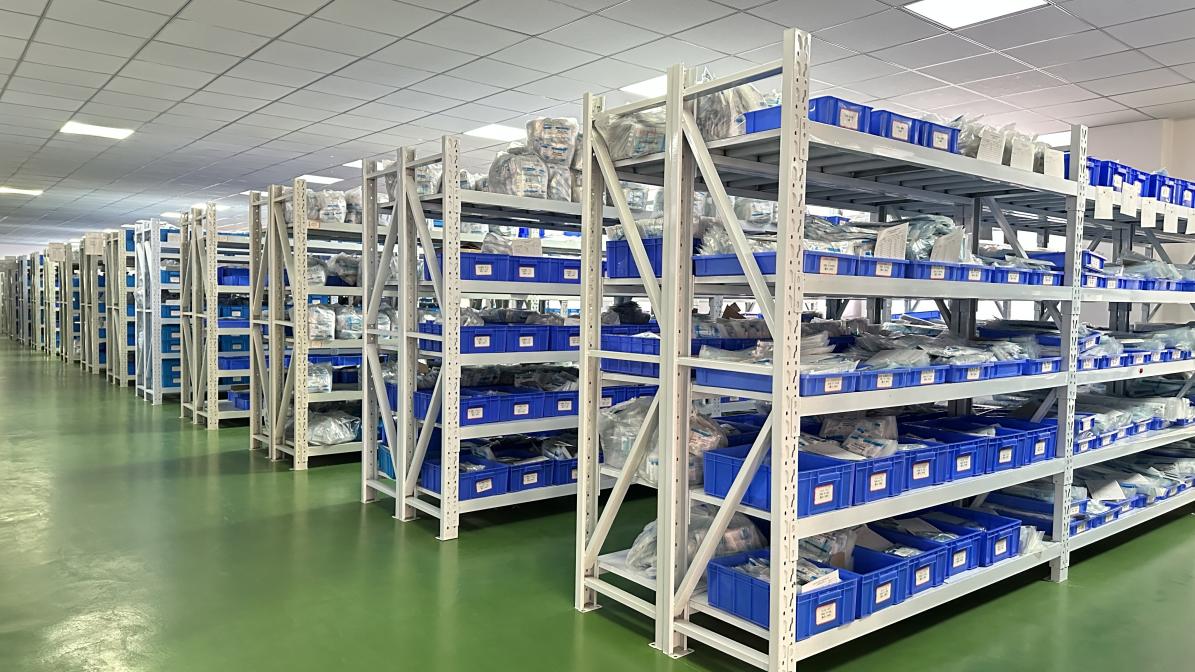
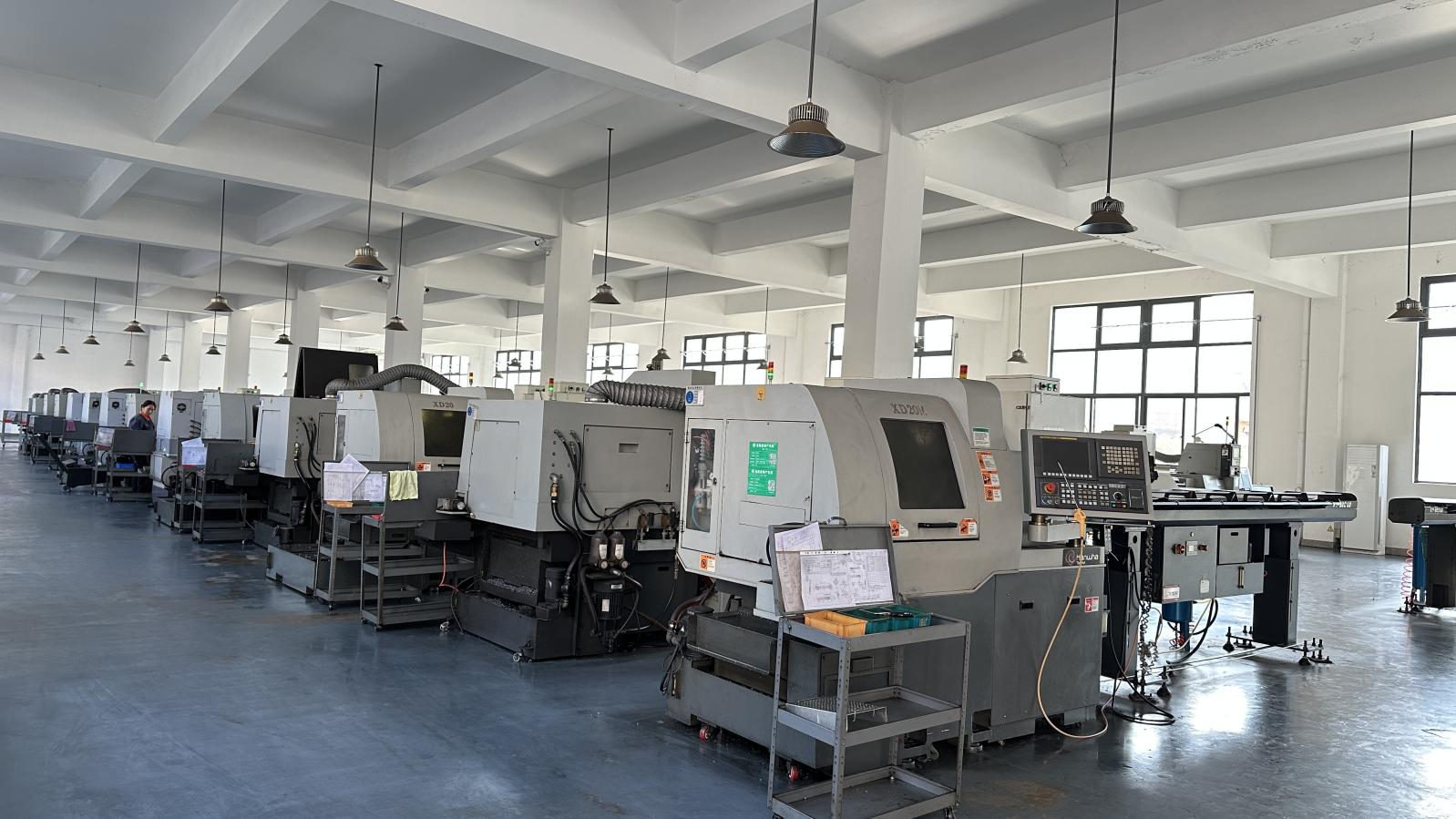
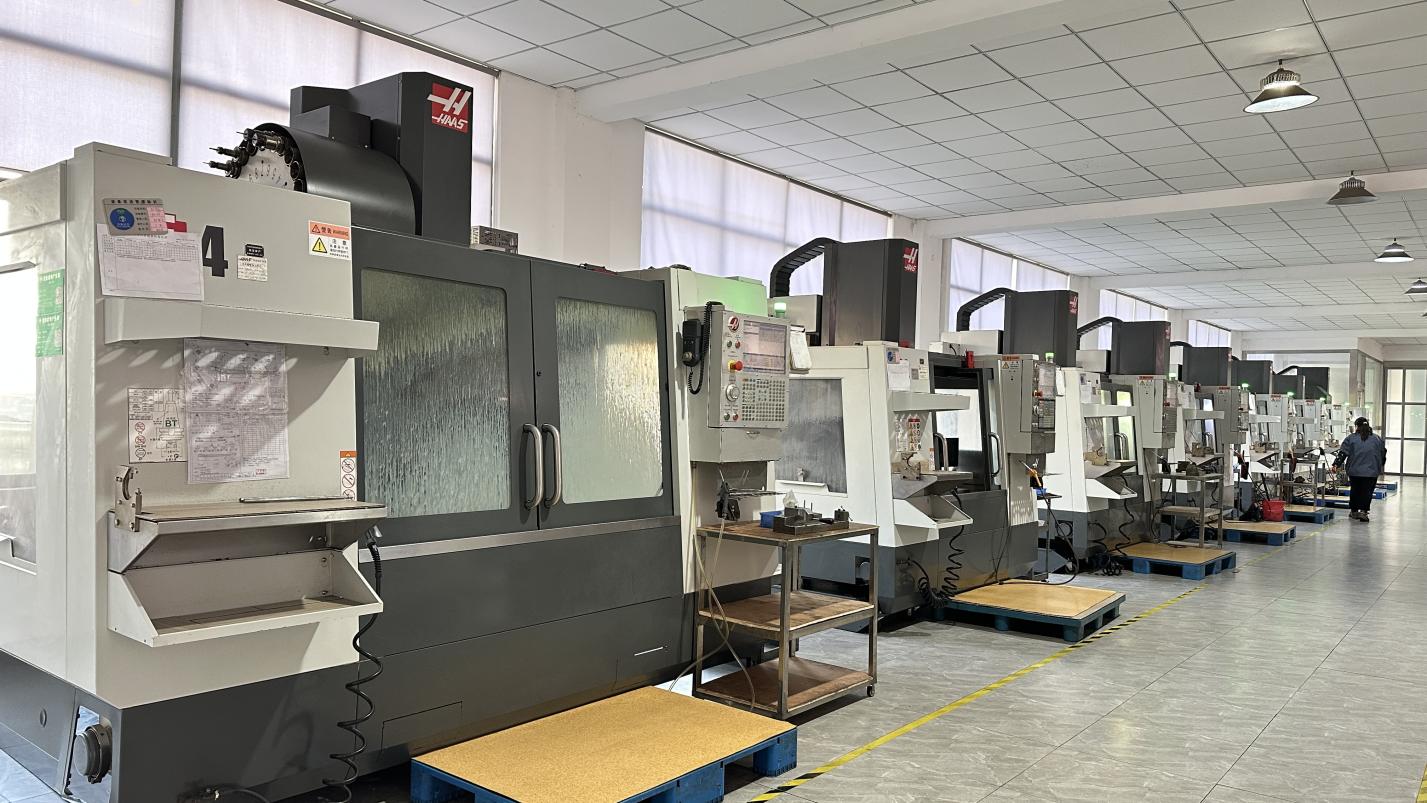
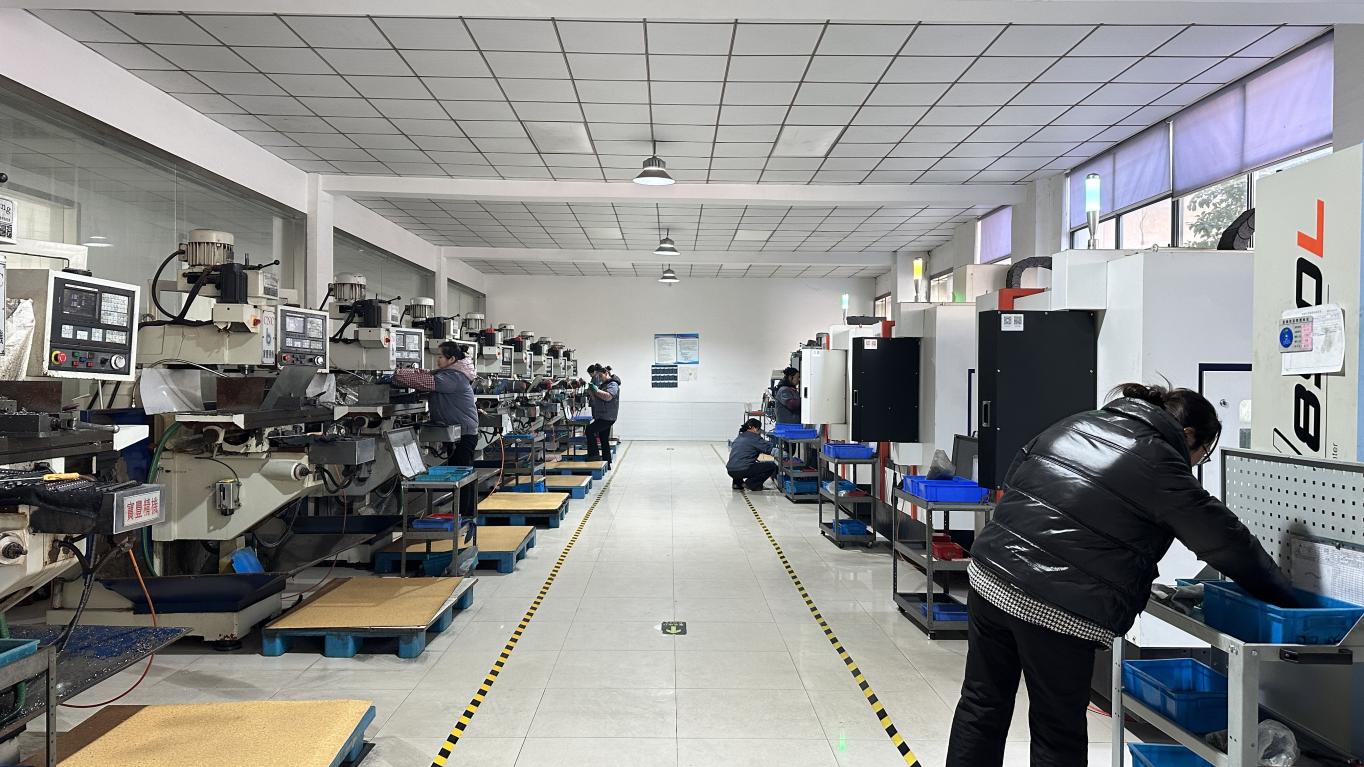
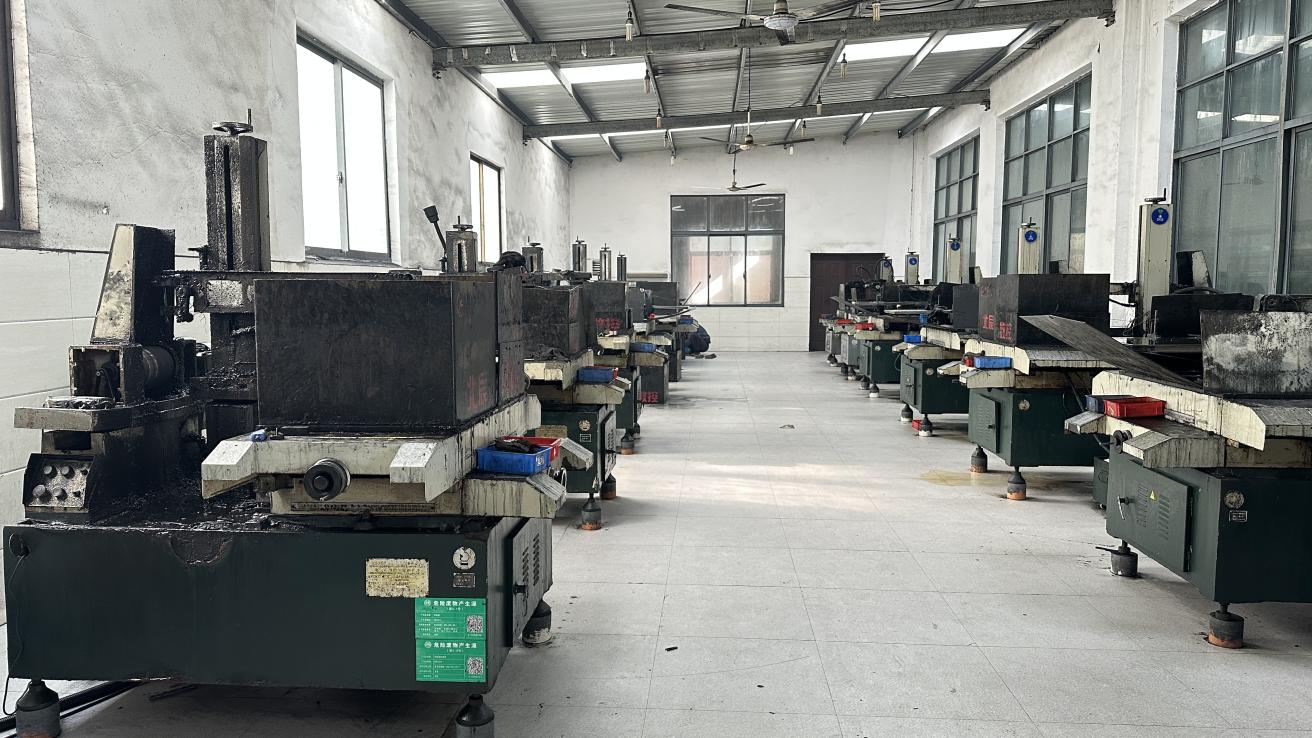
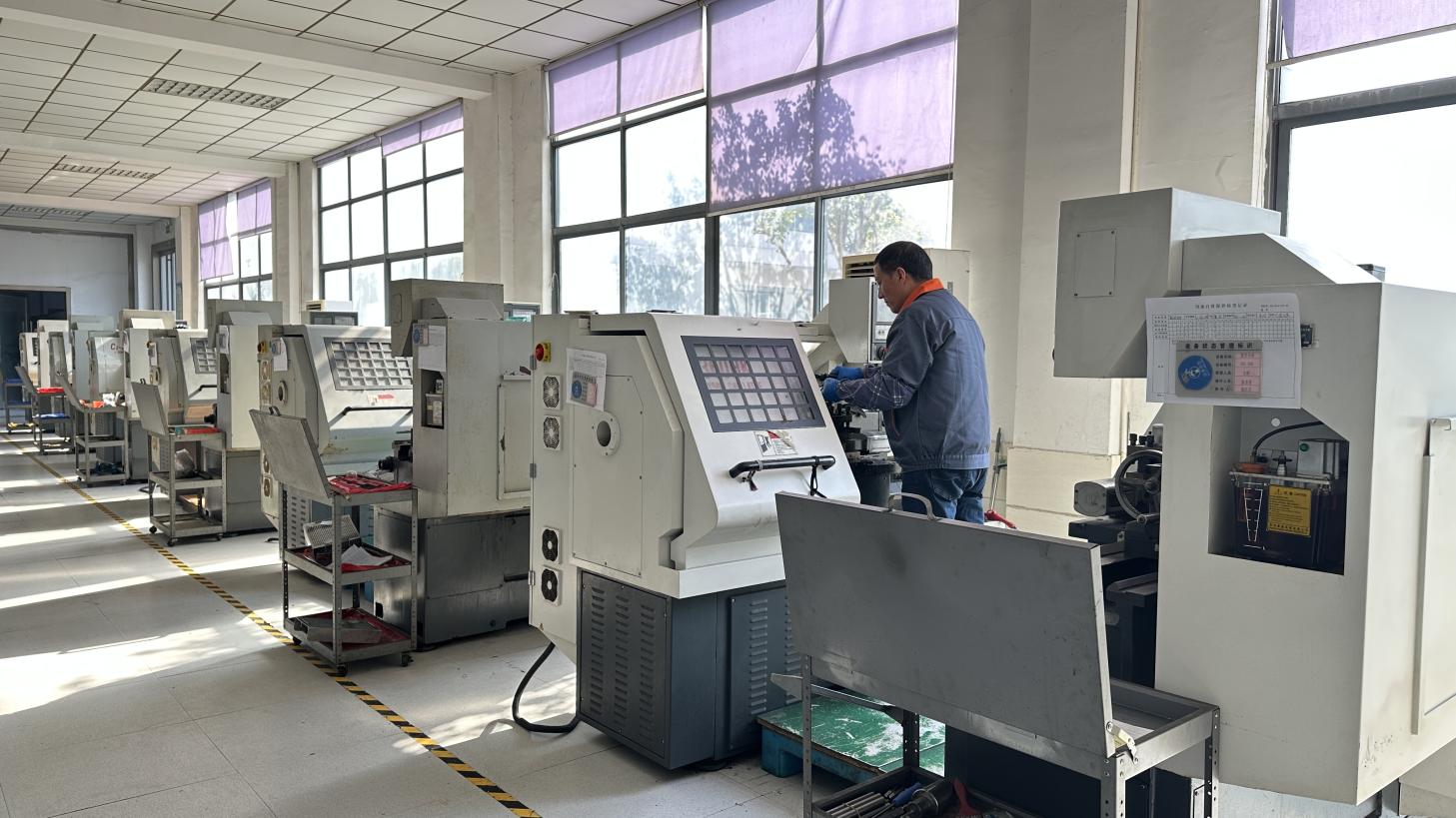

Modern joint arthroplasty focuses heavily on achieving natural kinematics and extending revision lifetimes. Key trends driving development include:
Whether you require standard CoCr/PE/Ti components or specialized designs, Virelox supports your brand. Our product development cycles adapt quickly to emerging regulatory changes, helping clients stay at the forefront of orthopedic care.
Critical inquiries concerning materials, supply chains, regulatory standards, and manufacturing workflows.
We use premium medical-grade Titanium Alloys (specifically Ti-6Al-4V ELI conforming to ASTM F136) and Cobalt-Chromium-Molybdenum (Co-Cr-Mo, ASTM F75) alloys. These materials offer optimal biocompatibility, fatigue resistance, and load-bearing performance.
Our CNC departments machine parts within tight tolerances. Every batch is measured via high-precision Coordinate Measuring Machines (CMM) and optical comparators to confirm they align with CAD files prior to packaging.
Yes. We offer complete OEM/ODM options, which include custom laser engraving, unique catalog systems, and specialized medical-grade packaging matching your domestic market regulations.
Depending on component complexity and manufacturing line load, production times generally range from 30 to 60 days. Our network of 850+ upstream/downstream partners ensures reliable lead times even for large orders.
Virelox runs an ISO 13485-compliant quality management system. Raw material mill certifications, heat-treatment logs, machining charts, cleanroom protocols, and inspection checklists are mapped to a unique lot number for full traceability.
Browse our selection of specialized joint revision systems, suture anchors, and veterinary surgery power tools.
 Virelox