China Top Suture Anchors For Rotator Cuff Factories & Factory

Premium Orthopedic Fixation Systems, Medical Grade PEEK/Titanium Materials, and Advanced OEM/ODM Production Capabilities for Global Healthcare Excellence.

2016
Established Year
12,000 m²
Building Area
USD 8.5M
Annual Export Rev.
120
R&D Engineers
65 Pro
QC Personnel

The Strategic Playbook for Suture Anchors in Rotator Cuff Repair: China's Advanced Manufacturing Ecosystem

The surgical landscape of sports medicine, particularly rotator cuff reconstruction, has undergone a revolutionary shift. Historically dominated by open procedures and heavy hardware, arthroscopic surgery now demands low-profile, high-integrity fixations. Suture anchors serve as the linchpin in anchoring soft tendons directly to hard cortical bone. As the global volume of shoulder arthroscopy climbs, orthopedics distributors and healthcare networks are seeking manufacturing partners capable of balancing advanced biomechanical engineering, material science purity, and cost-effective production.

"China's rapid integration of high-grade implantable materials (PEEK Optima and ELI Titanium alloys) coupled with advanced Swiss-type CNC precision machining has transformed the country from a bulk medical supplier into a leading global hub for high-specification orthopedic anchors."

Why China Suture Anchor Manufacturers Lead Global Markets

The production of medical devices, specifically Class III orthopedic implants, requires a robust regulatory structure, stable supply chain, and advanced technology. Chinese factories, particularly specialist sports medicine manufacturers like Virelox Medical, offer a distinct competitive matrix that combines structural scale with high specialization.

  • Raw Material Control: Top Chinese factories utilize certified implantable-grade PEEK (Polyether ether ketone) and Medical Grade Titanium Alloy (TC4 ELI / Ti-6Al-4V). The supply chain is audited to guarantee that materials contain no trace impurities, minimizing the risk of adverse tissue reactions post-implantation.
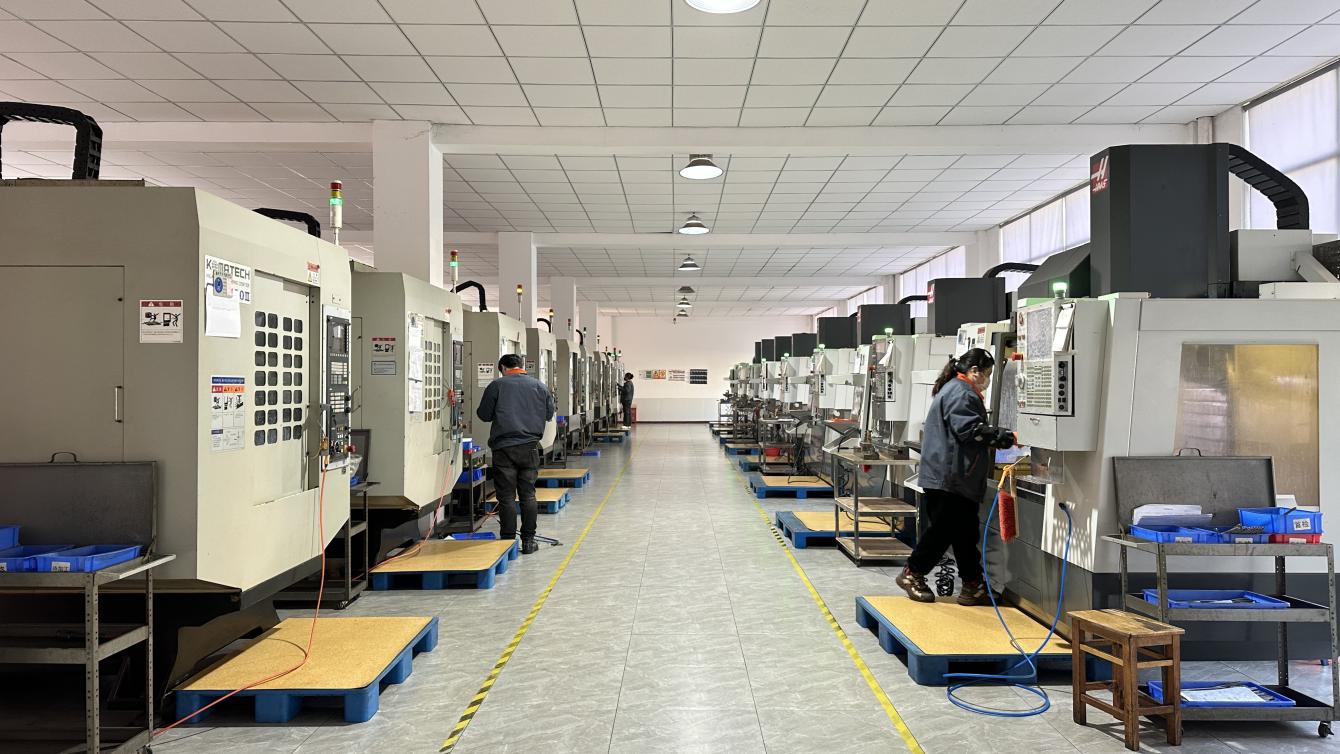
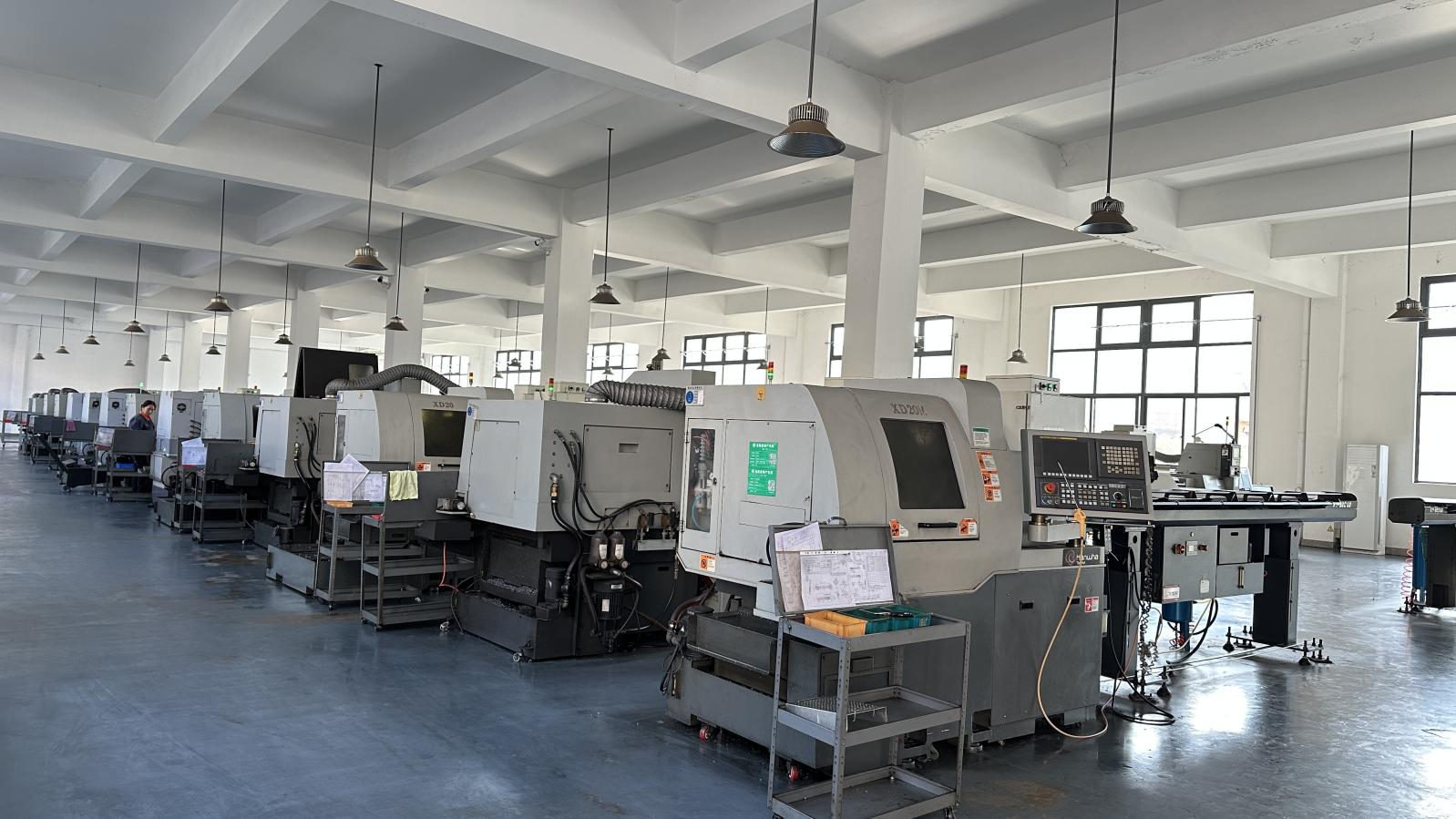
  • Ultra-Precision Swiss CNC Machining: Producing miniature threads, suture eyelets, and driver interfaces with tolerances smaller than 5 microns is essential to prevent intraoperative failure. China’s orthopedic clusters feature temperature-controlled CNC centers that ensure high dimensional stability.
  • Optimized Cost Structures: Industrial concentration in China's orthopedic medical zones reduces the overall cost of downstream operations. This allows global brands to access components at competitive pricing while maintaining the standard of quality.

Core Biomechanical Systems in Rotator Cuff Anchors

A suture anchor's performance is determined by its biomechanical profile, which involves three main elements: insertion torque, pull-out force resistance, and tendon-to-bone contact area.

Advanced PEEK vs. Titanium Anchors

Modern sports medicine clinics require multiple fixation choices depending on bone quality, patient age, and surgeon preference.

PEEK Suture Anchors: Non-absorbable polymer displaying elastic modulus matching human cortical bone. Reduces stress-shielding and permits post-operative MRI imaging without artifacts.
Titanium Alloy Anchors: Provides maximum osseointegration capabilities and unmatched mechanical load limits. Ideal for revision surgeries or patients with osteopenia where high pull-out resistance is required.

Knotless vs. Knotted Configurations

Knotless anchors simplify arthroscopic procedures, helping to reduce operating room times and limit human error during knot tying.

Knotless Fixation: Utilizes an internal retention mechanism to capture high-tensile sutures or tapes. Gives the surgeon precise control over tension during tendon footprint adaptation.
Knotted Double-Row: Traditional system offering mechanical security. Works alongside high-molecular-weight polyethylene (UHMWPE) braided sutures.

Precision Manufacturing Workflow & Laboratory Controls

A direct window into our factory processes, machining technologies, and structural verification laboratory.
Part 1: Material Preparation & Raw Machining Steps

Raw Materials
Raw Materials
Slitting
Slitting
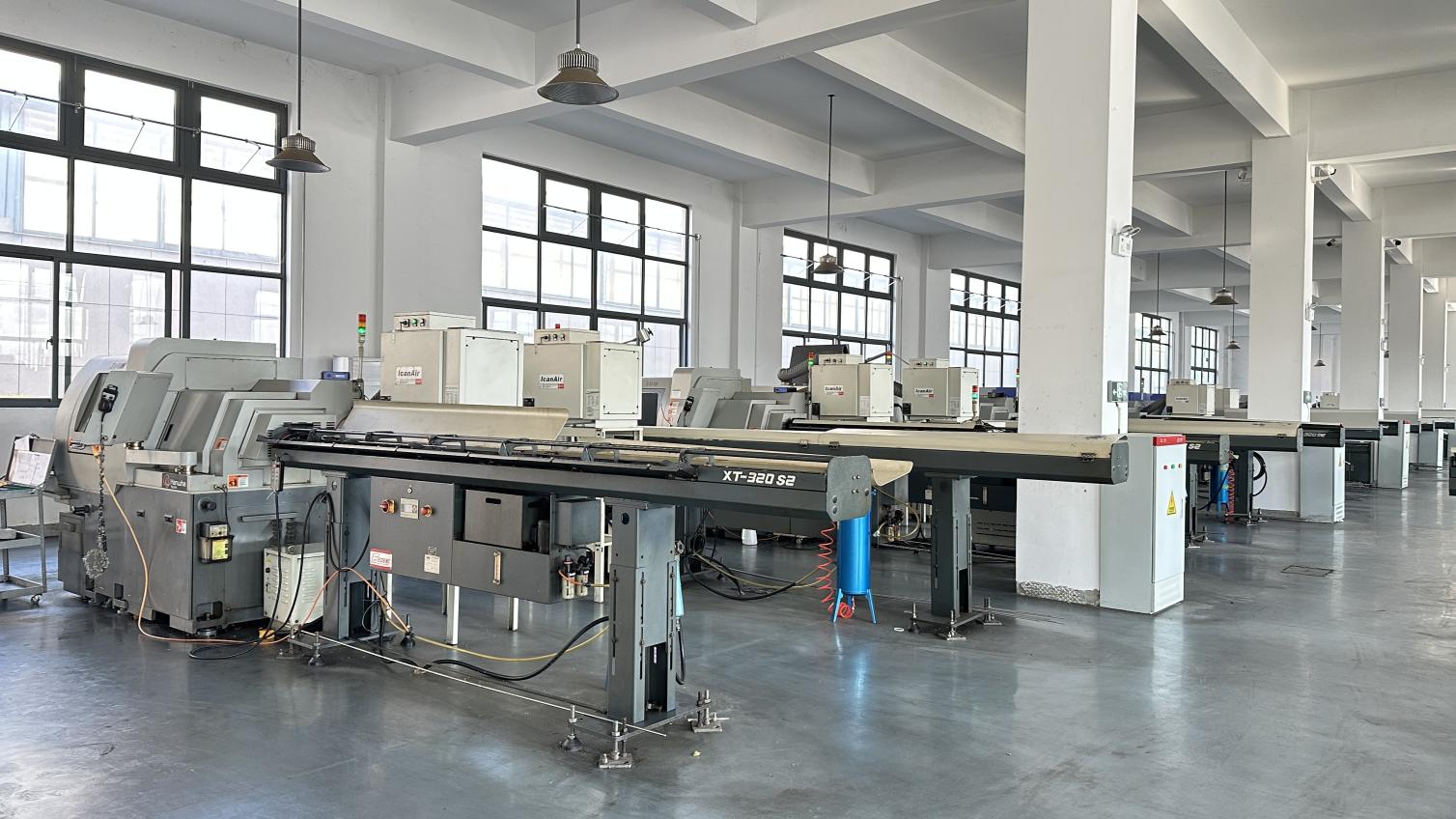
CNC Machining
CNC Machining
Machining
Machining
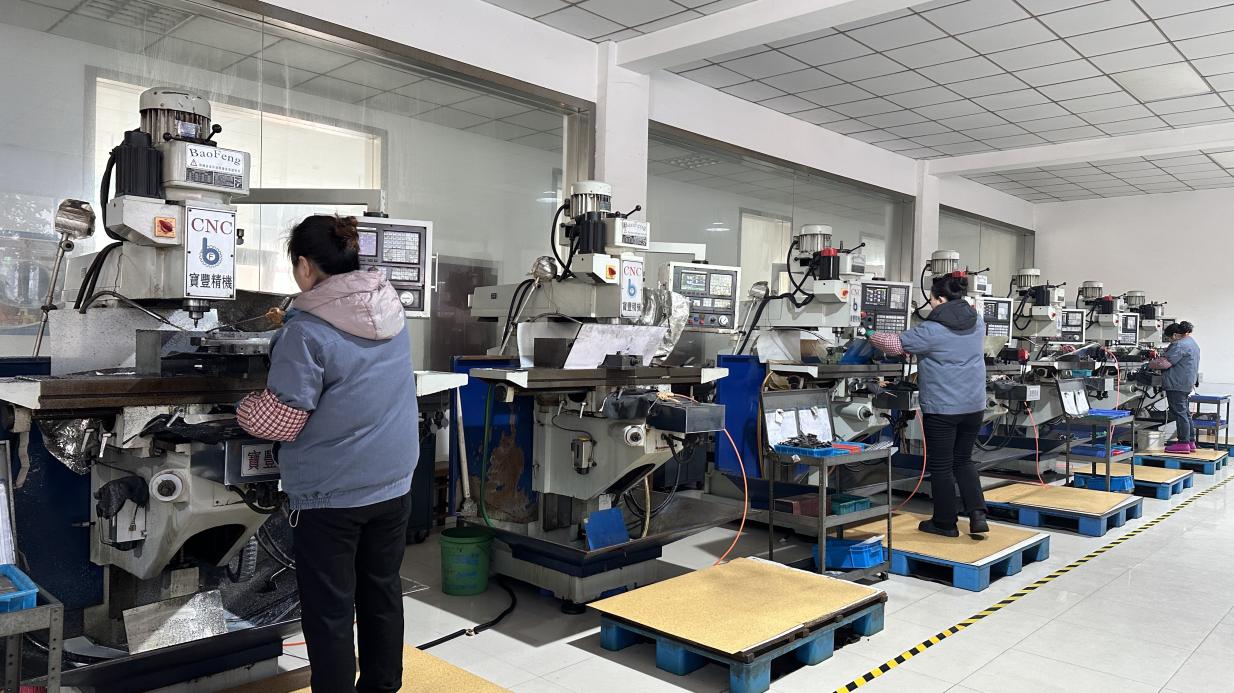
Milling
Milling
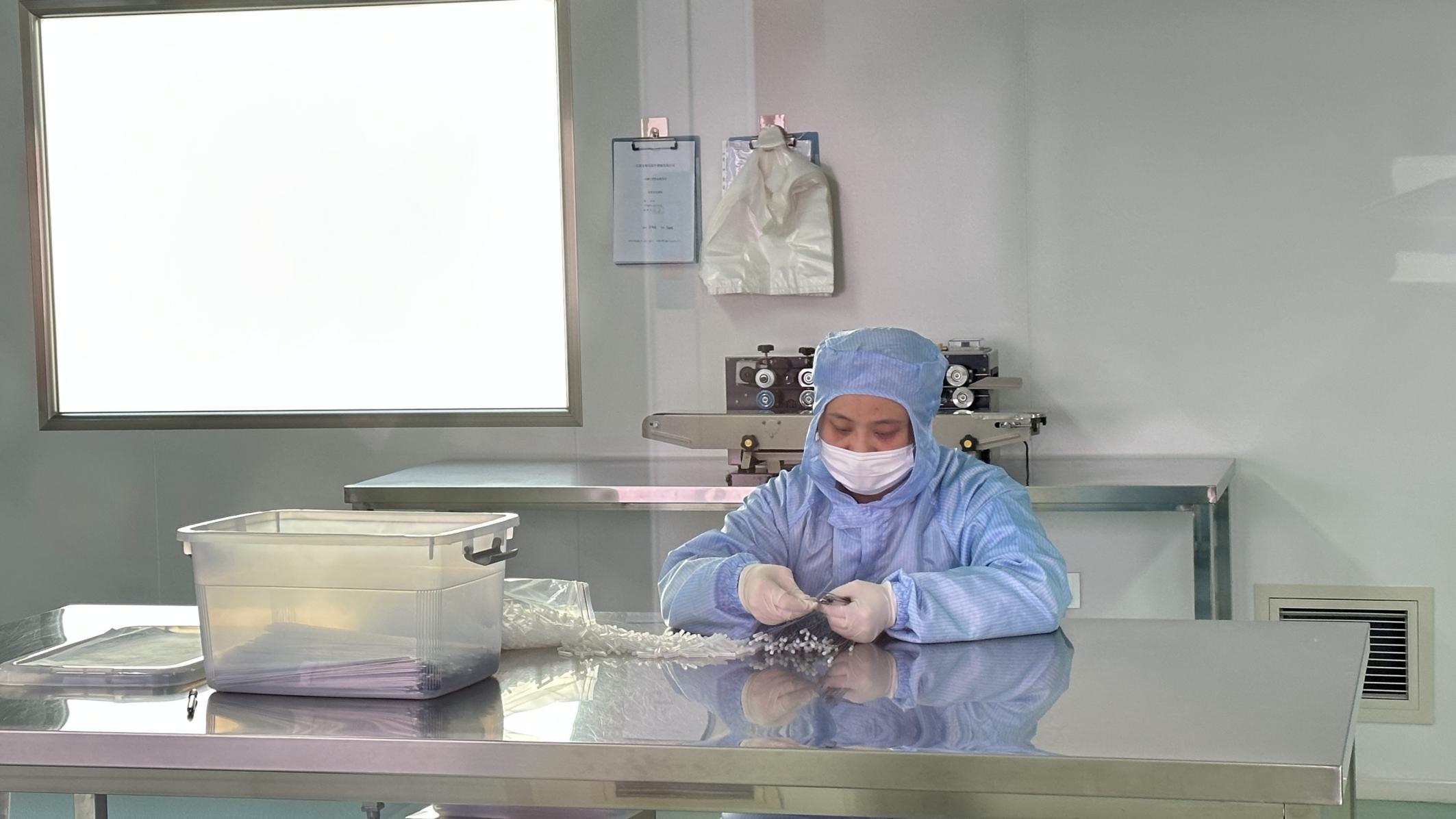
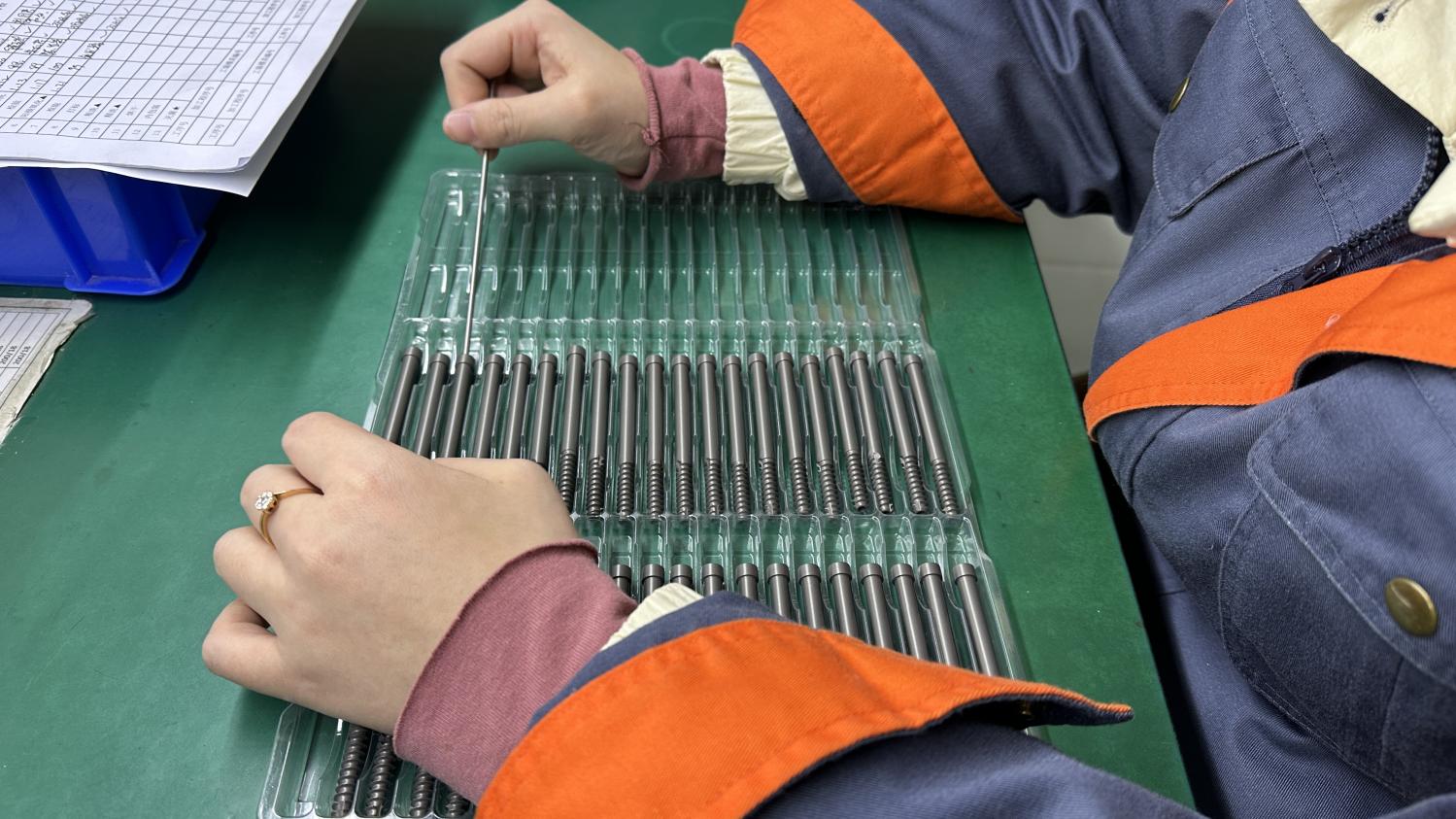
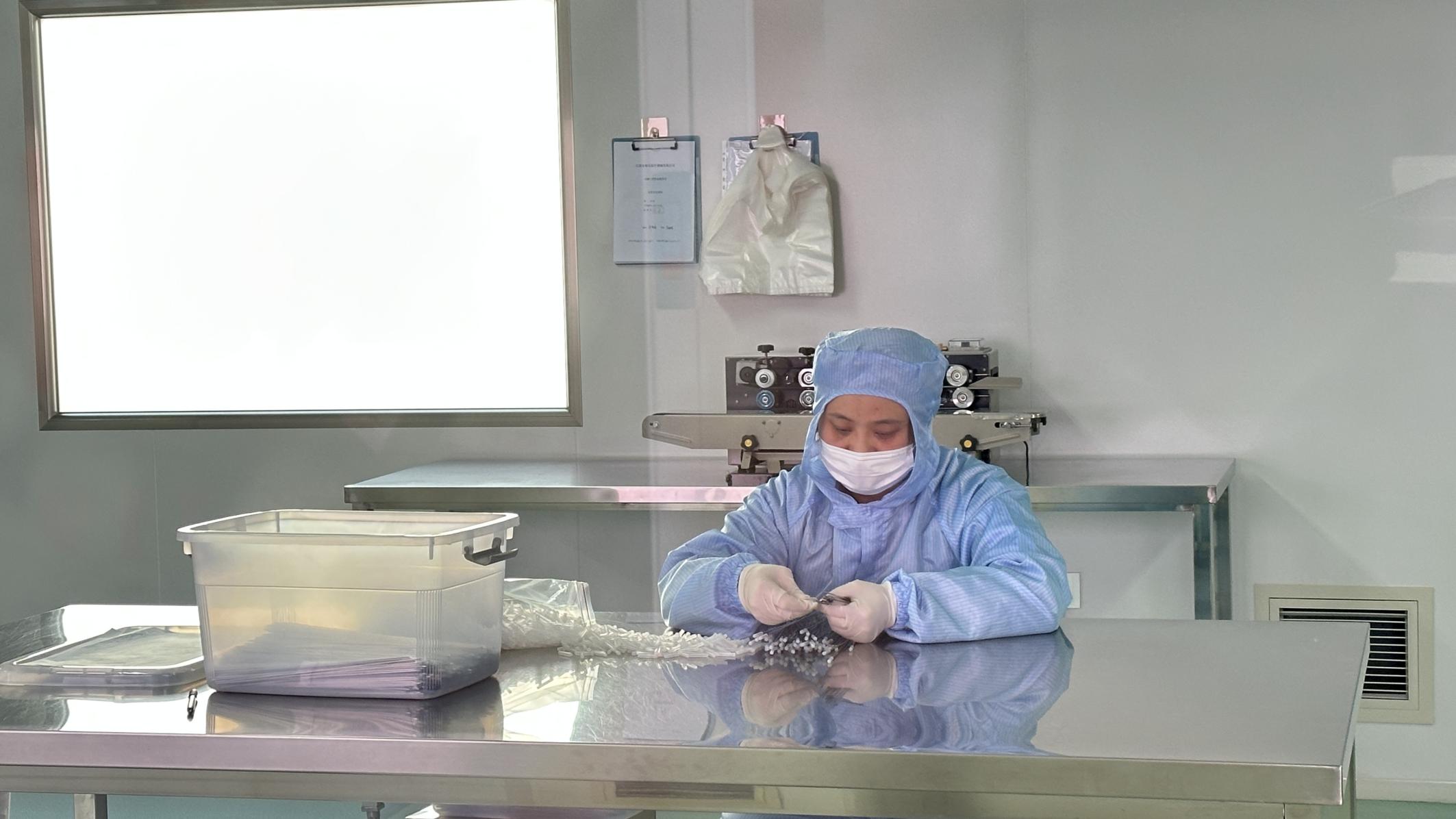
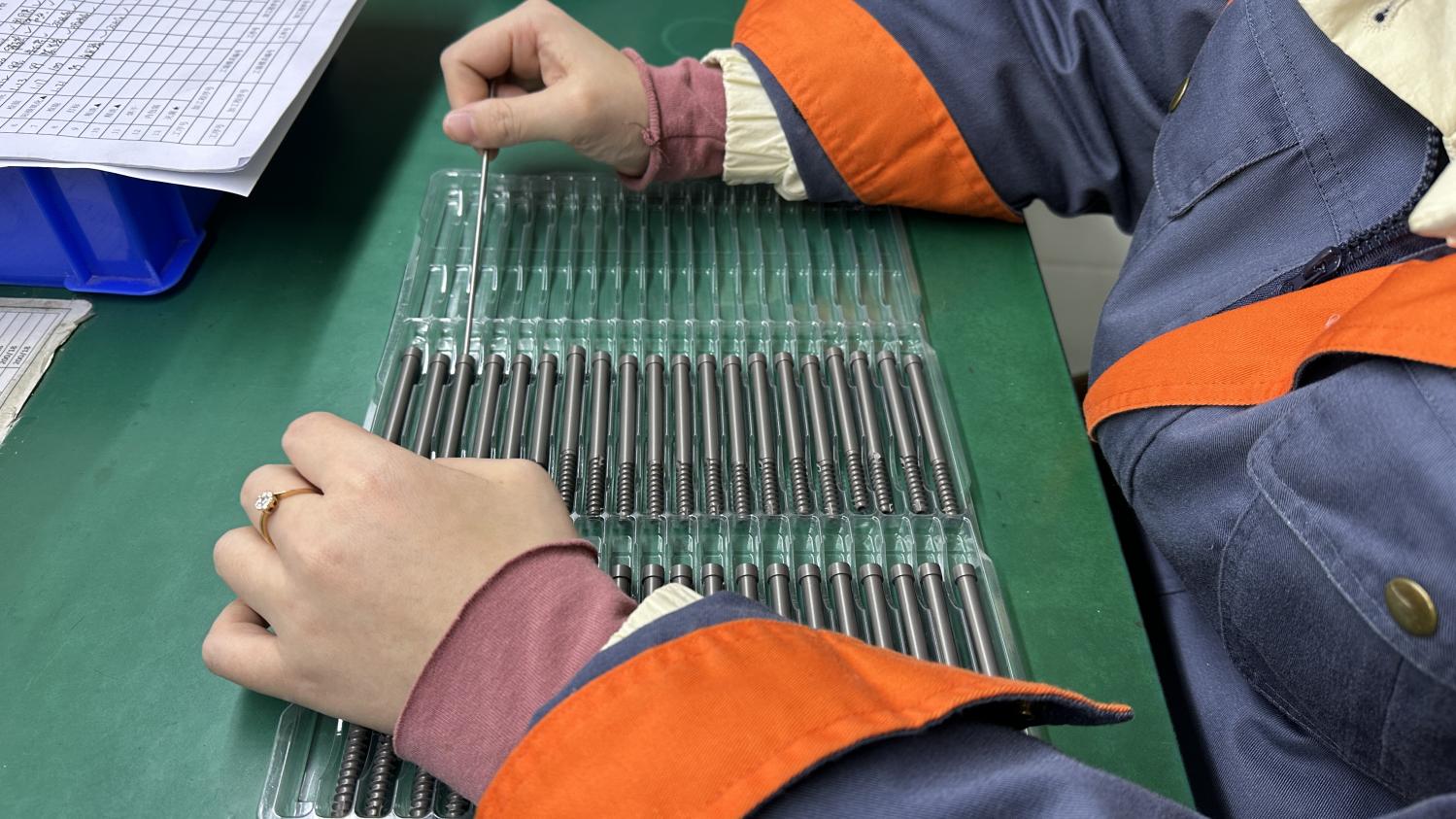
Inspection and Packing
Inspection and Packing (Line 1)
Inspection and Packing
Inspection and Packing (Line 2)
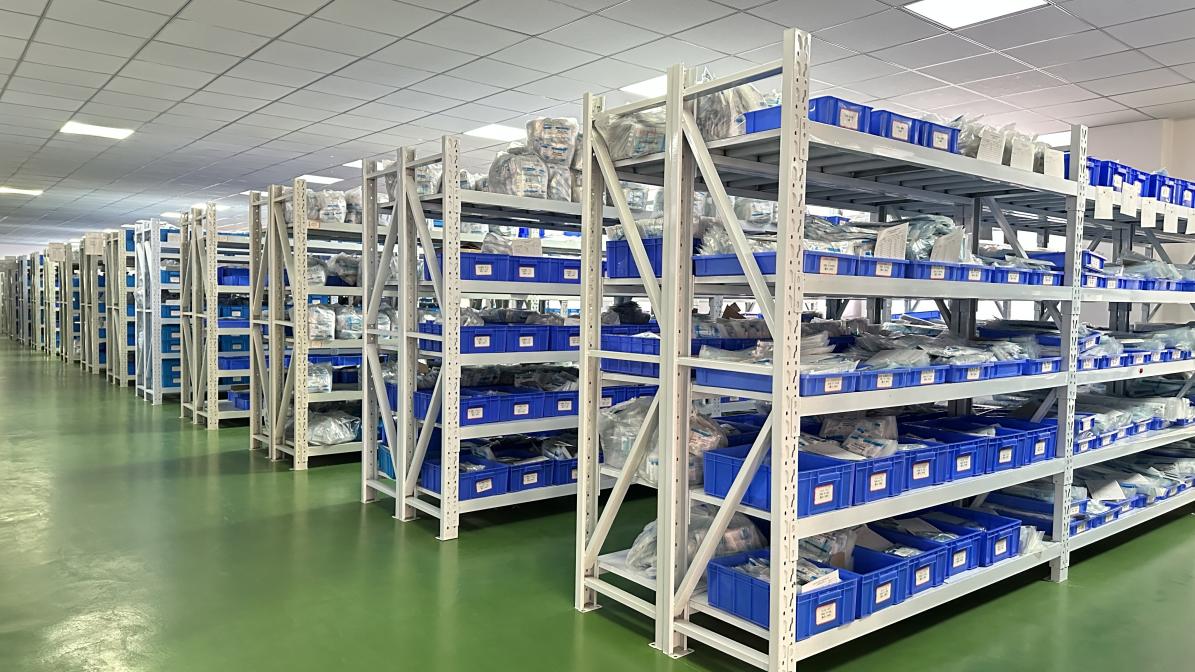
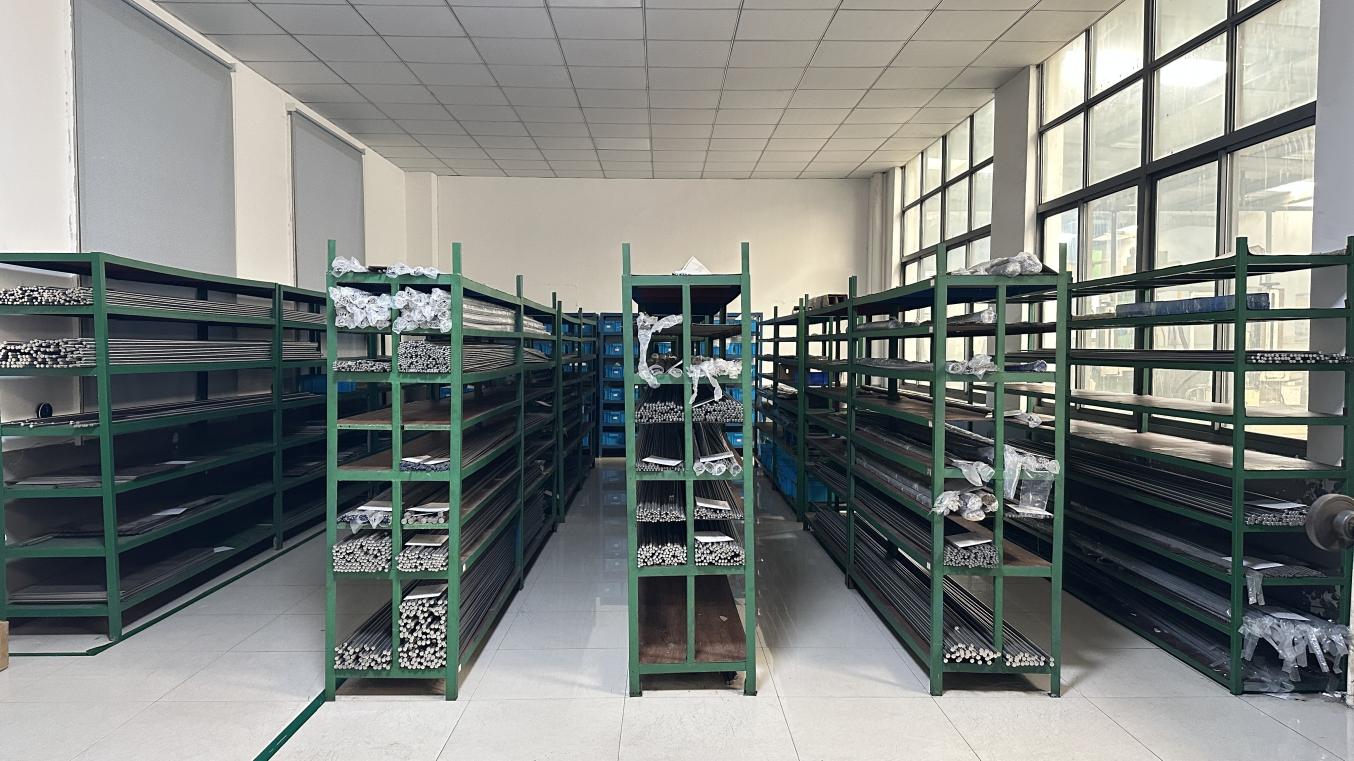
Warehouse
Warehouse Storage

Part 2: Heavy CNC Milling & Lathe Machining Hub

Slitting Machine
Slitting Machine
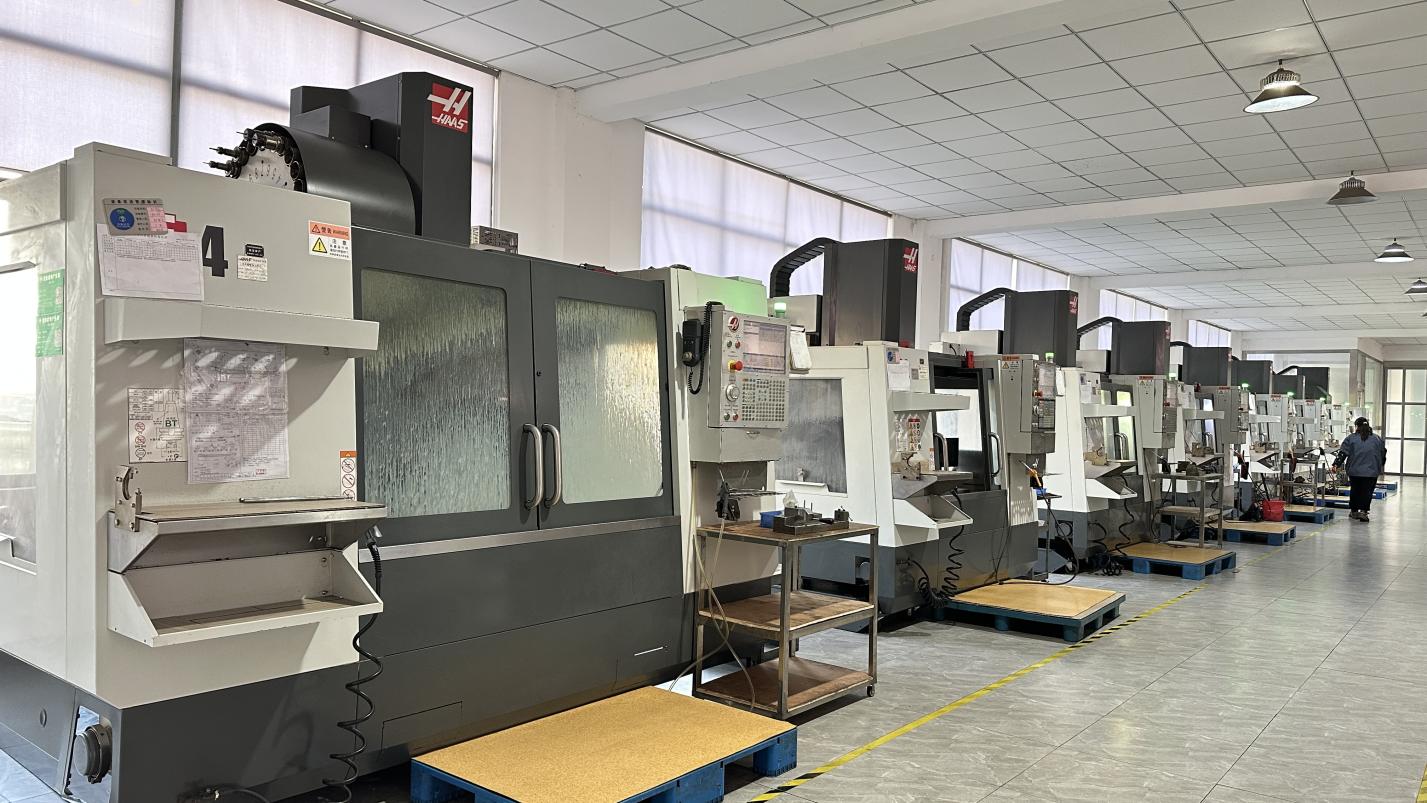
CNC Machining Center
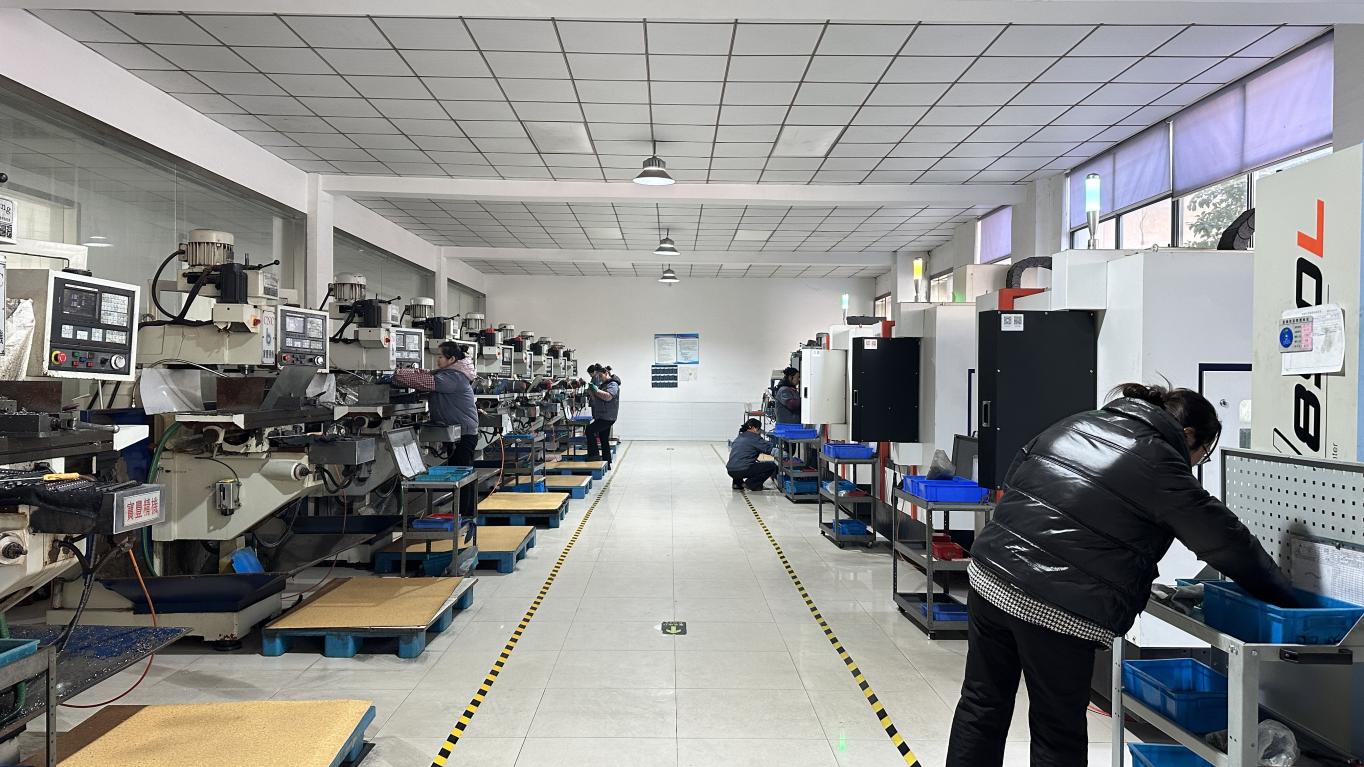
CNC Milling Machine
CNC Milling Machine
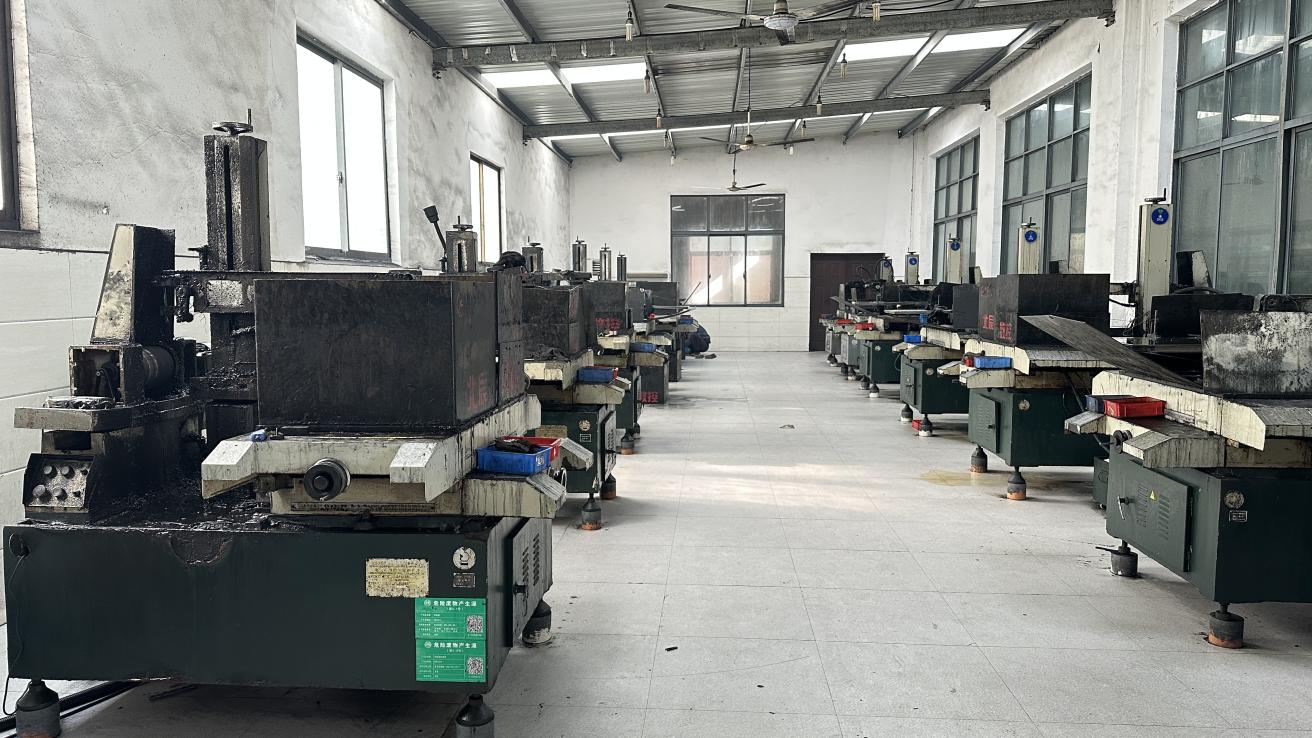
Wire Cutting Machine
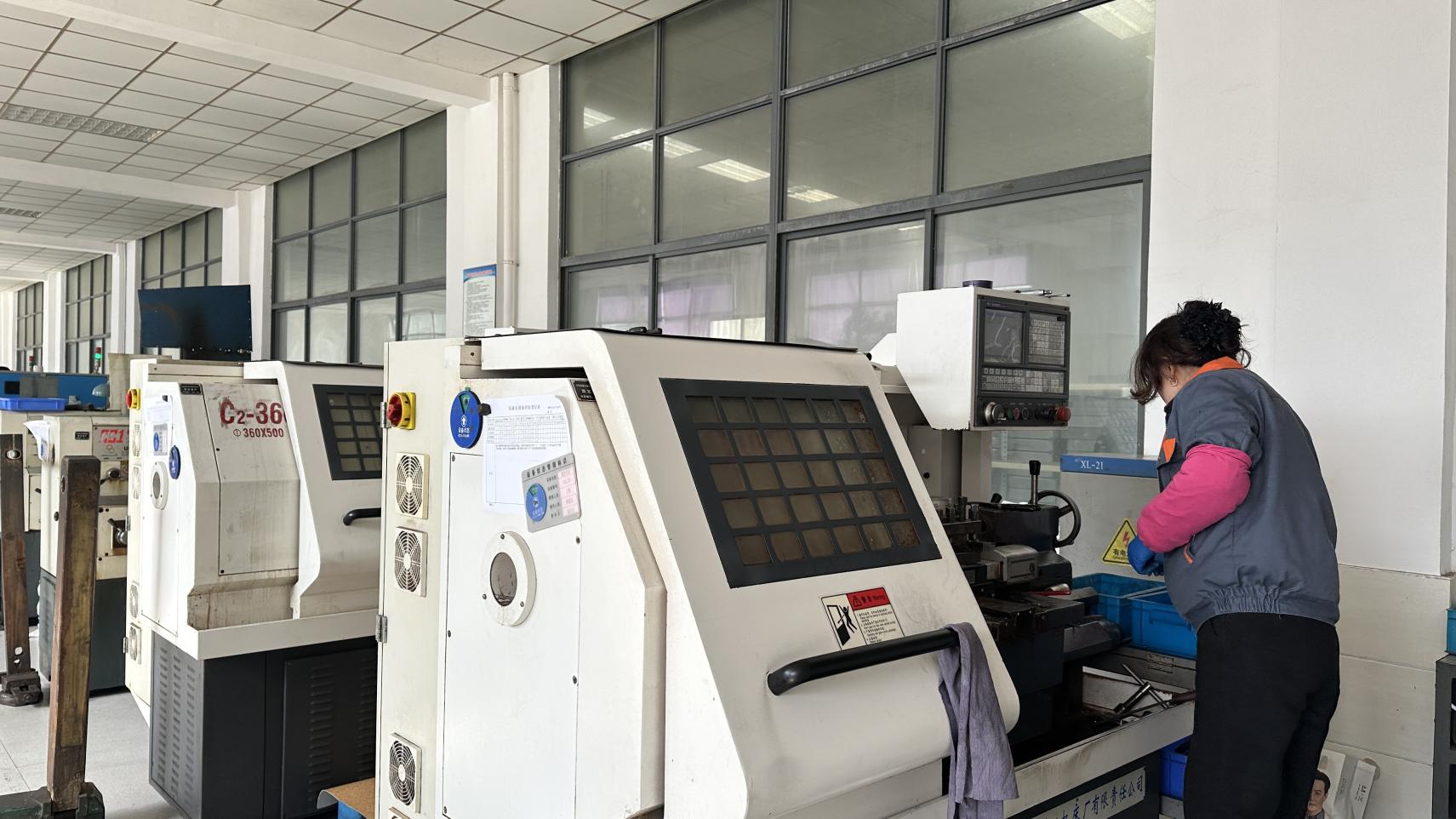
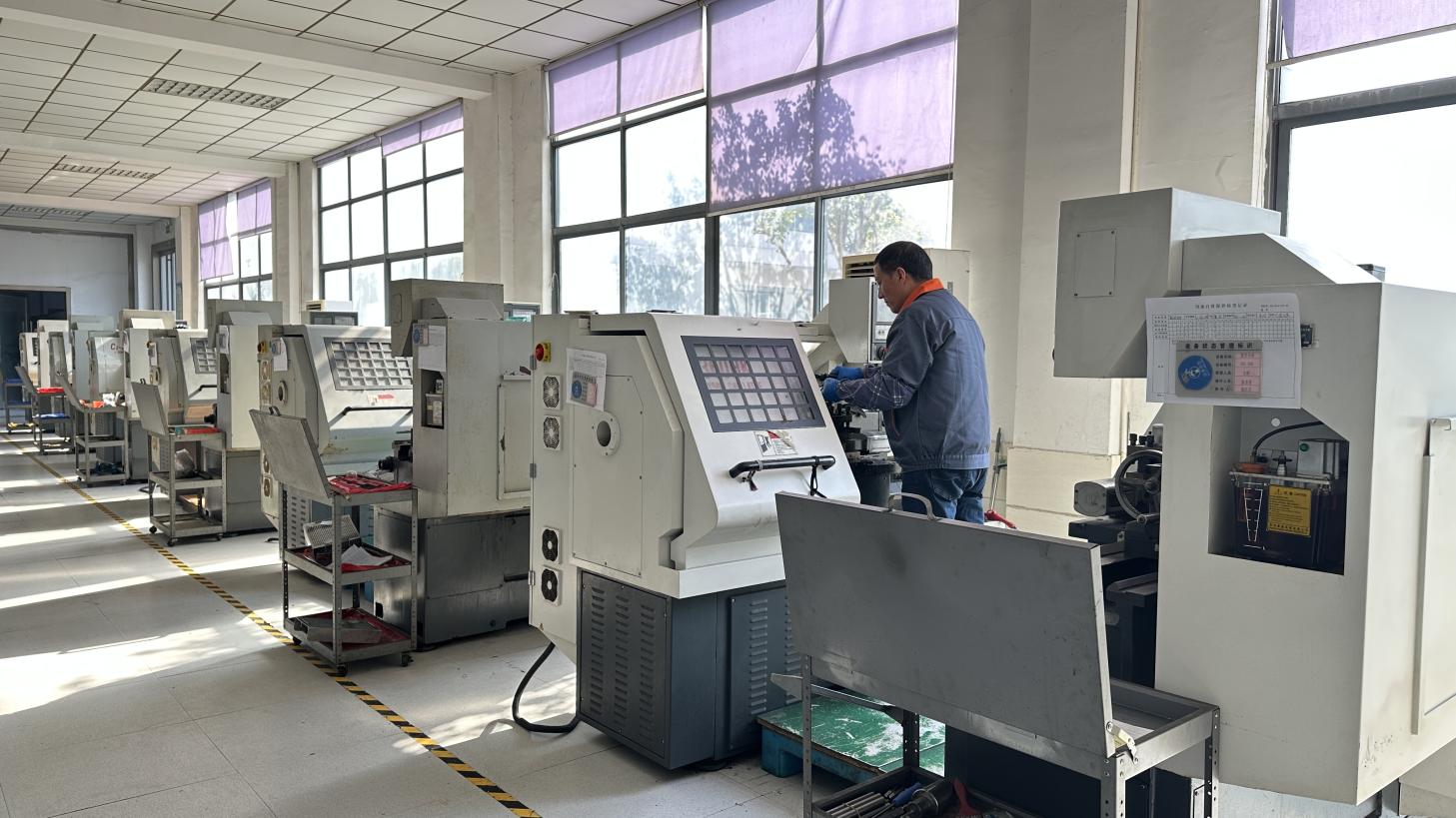
CNC Lathe
CNC Lathe
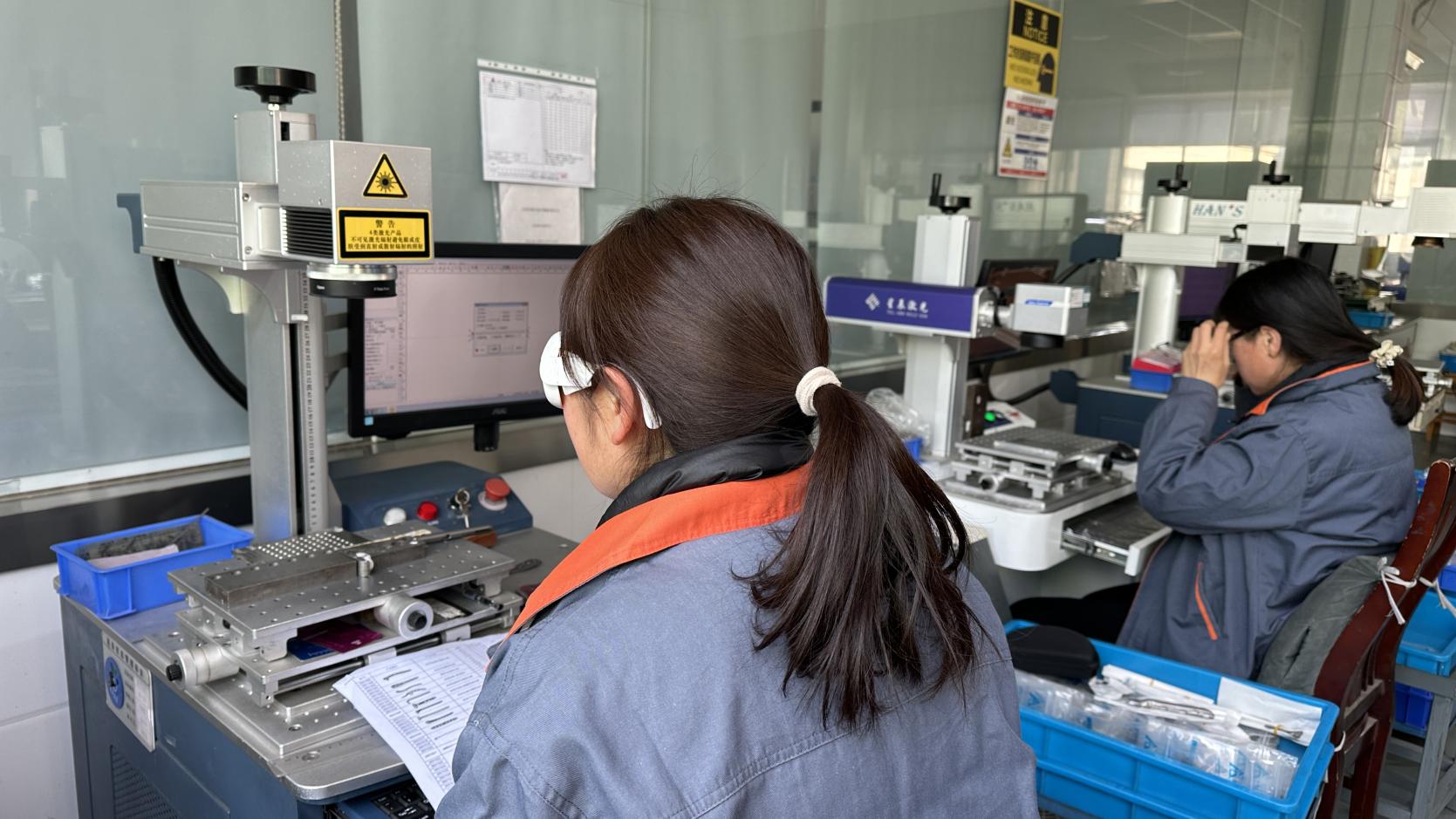
Laser Marking Machine

Part 3: Quality Control Laboratories & Biomechanical Diagnostics

Design
Design Center
Lab
Lab Environment
Inspection
In-Process Inspection A
Inspection
In-Process Inspection B
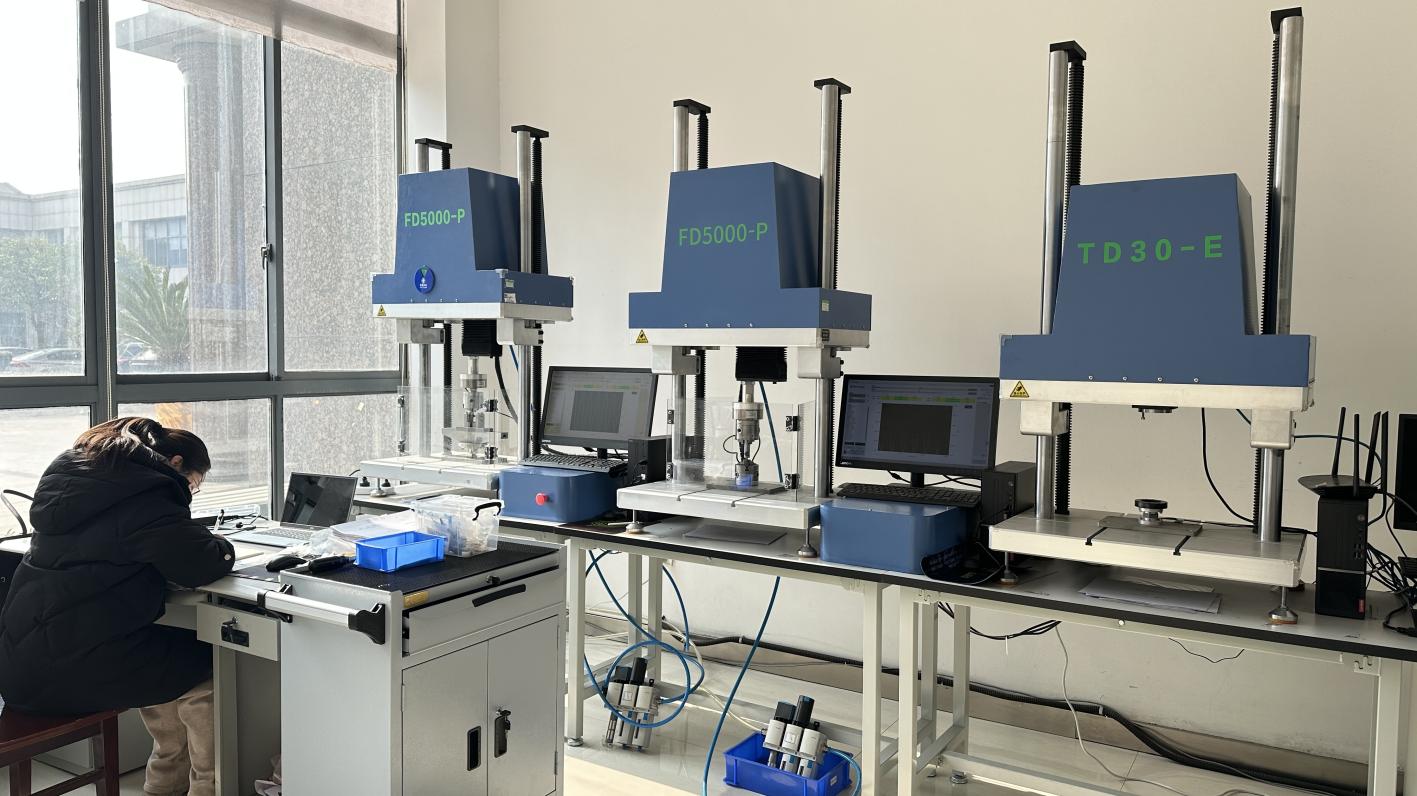
Fatigue Tester
Fatigue Tester
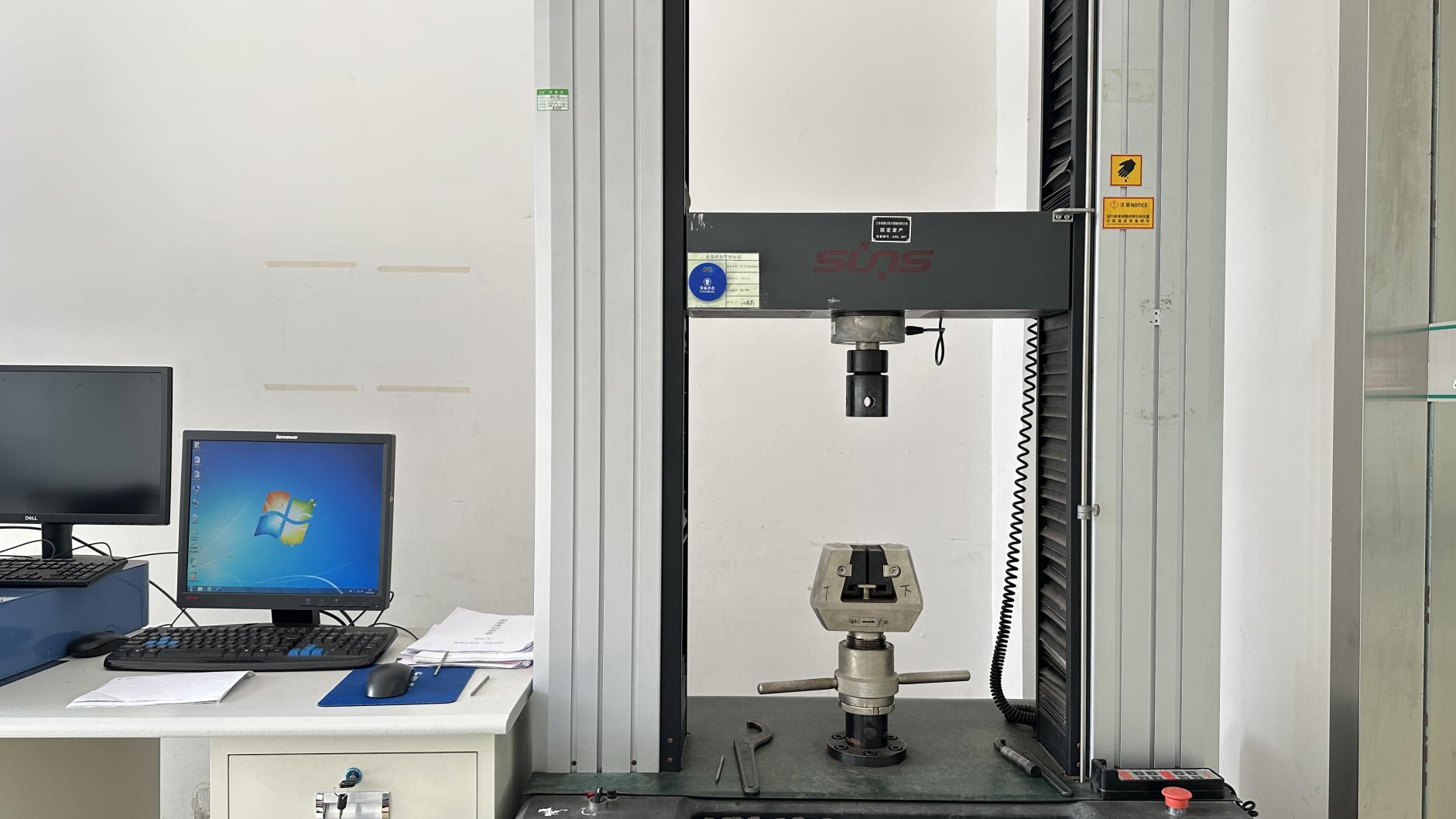
Tensile Tester
Tensile Tester
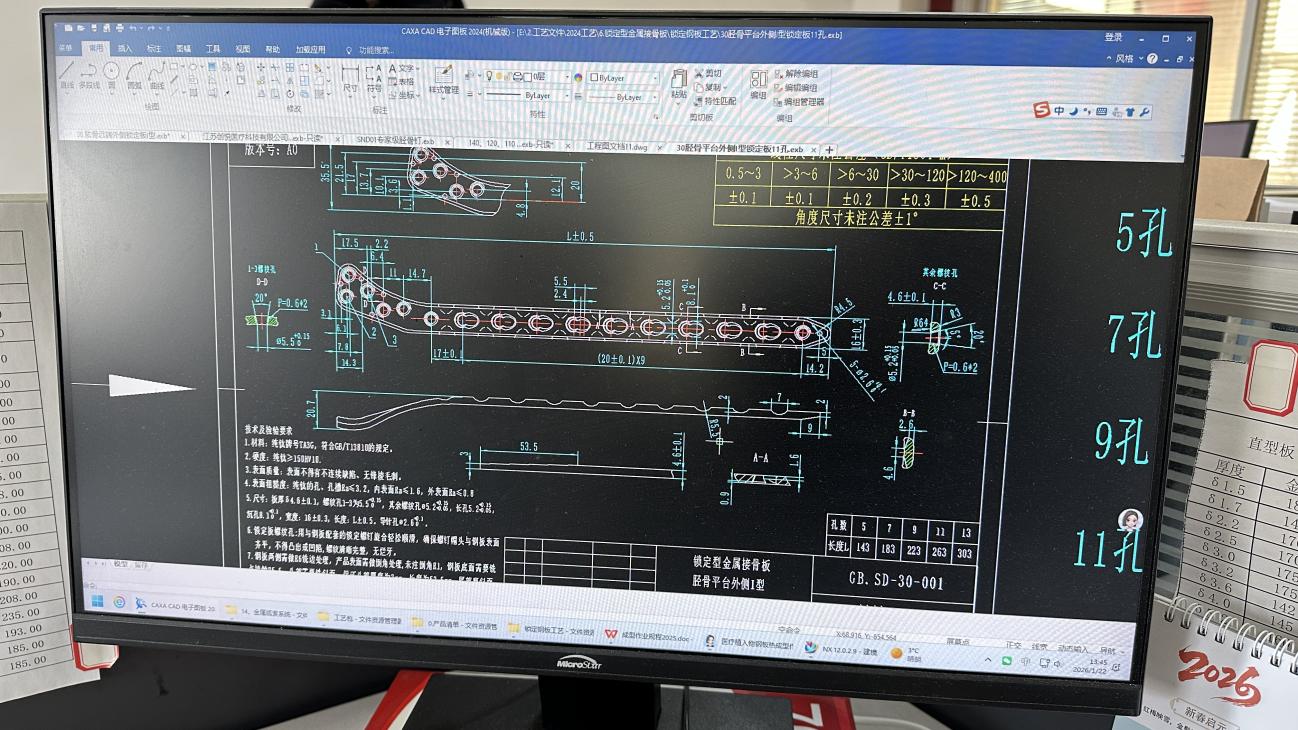
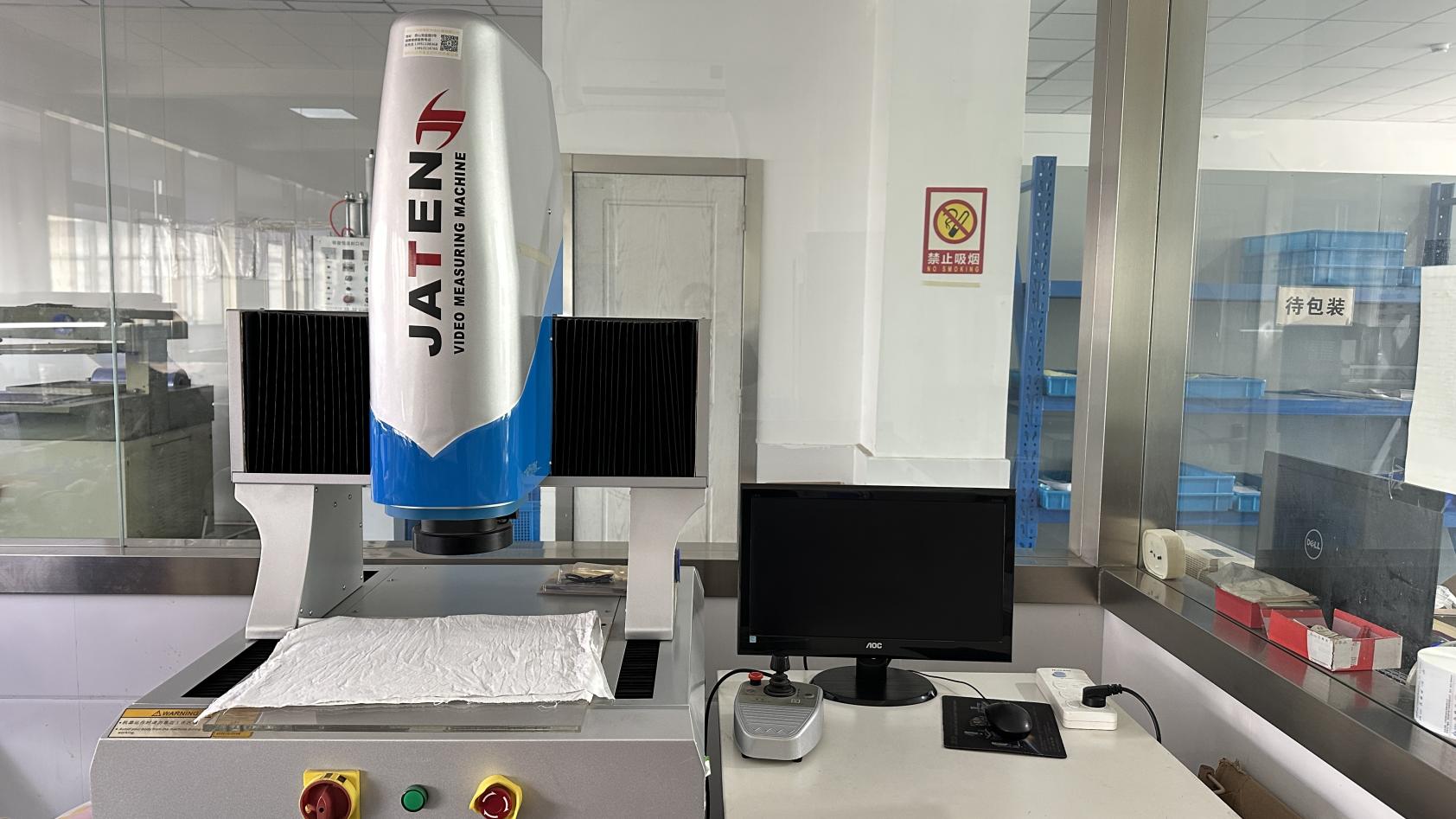
Two Dimensional Measuring Instrument
Two-Dimensional Measuring Instrument
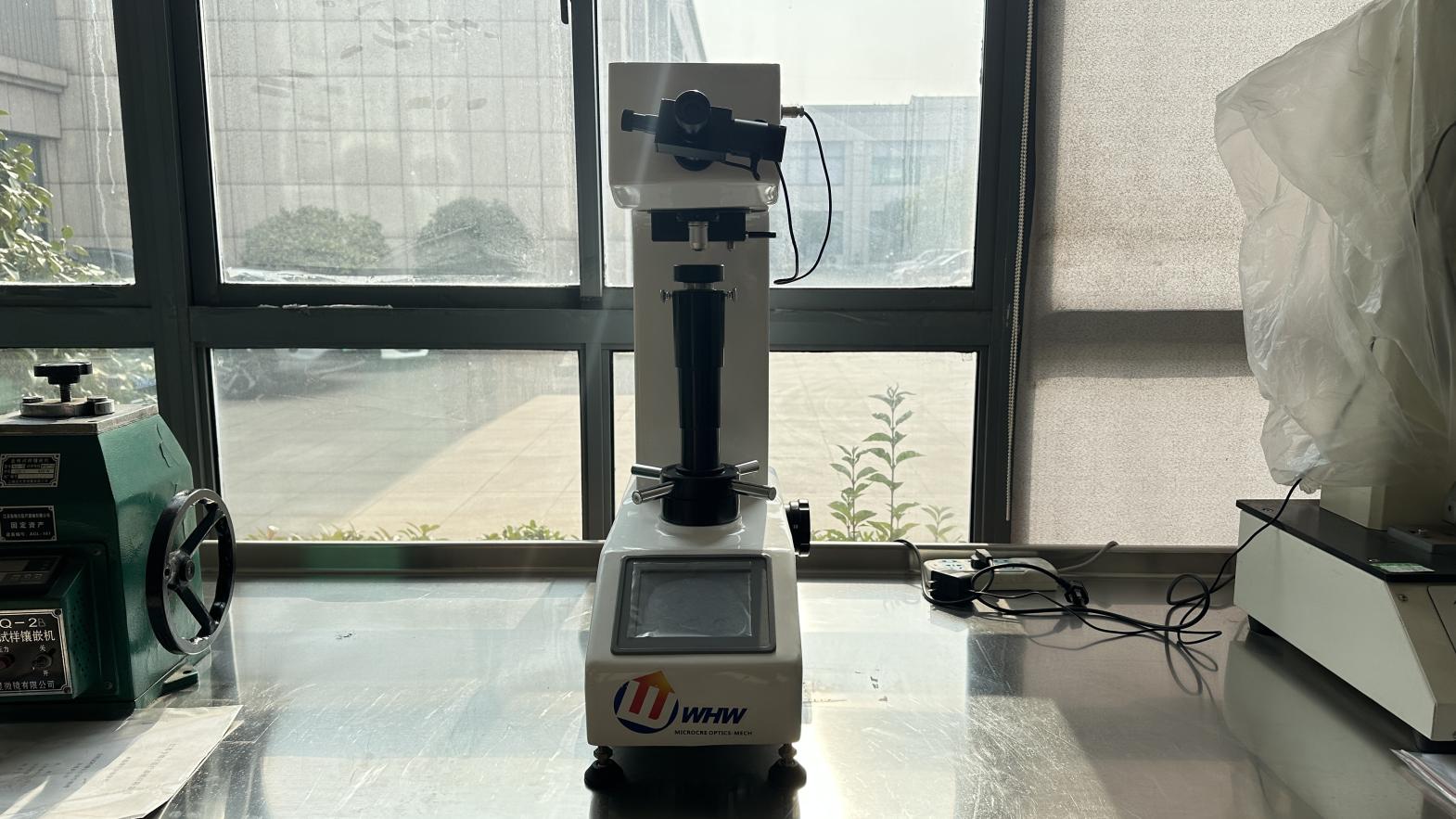
Hardness Tester
Hardness Tester
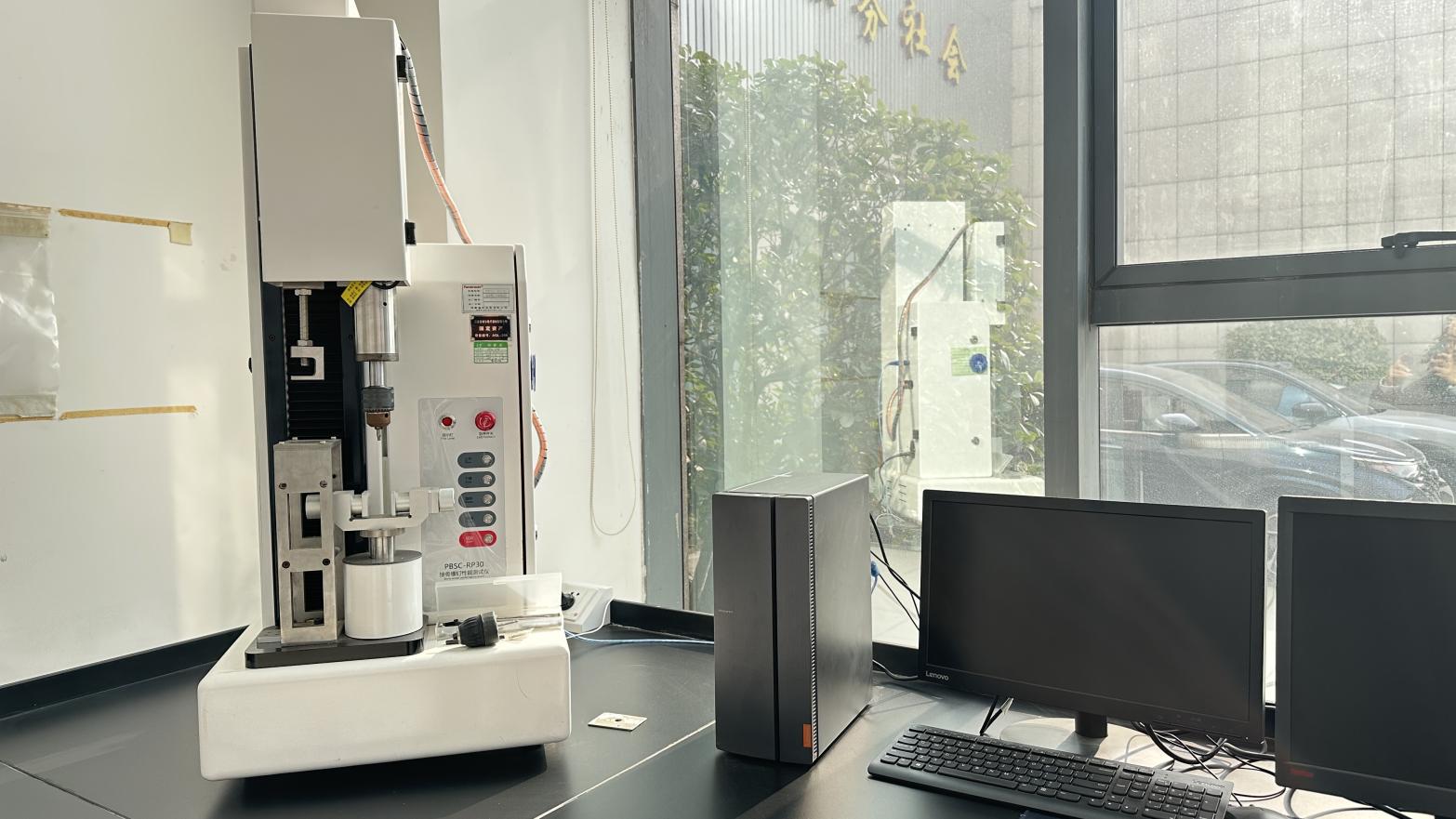
Bone Screw Performance Tester

Macro Industry Solutions & Sourcing Demands

Leading hospitals and surgery centers require complete, integrated implant sets rather than standalone components. This shift has changed procurement expectations: medical device distributors now demand customized implant geometries, private label branding, and pre-packaged surgical instrumentation sets.

Virelox Medical addresses this demand through an integrated service model. From clinical biomechanical simulation using advanced software to the rapid development of functional prototypes, the R&D team works closely with surgeons and clinical consultants. This collaborative process ensures that customized suture anchor geometry remains stable under dynamic loads.

Quality Systems Audited Under ISO 13485 Standards

Implant reliability is non-negotiable. Virelox operates a comprehensive, process-based quality management system. The company uses advanced inspection equipment—including high-frequency fatigue testers, coordinate measuring machines (CMM), tensile strength testers, and specialized bone screw performance testers—to confirm that every production batch complies with global regulatory standards.

Global Trends in Sports Medicine & Suture Anchor Procurement

Understanding the dynamics of sports medicine is crucial for distributors. Key industry trends include:

  1. Growth of Bio-inductive Materials: Research is shifting toward anchors that release bio-active agents to promote tendon-to-bone healing, reducing the risk of revision surgeries.
  2. Minimal Invasive Kits: Suture anchors are increasingly distributed as sterile, single-use kits containing the driver, sutures, and insertion tools to minimize contamination risk and simplify hospital inventory.
  3. Shift to PEEK: The clinical community continues to transition toward PEEK due to its radiolucency, allowing surgeons to evaluate post-operative healing without metallic artifact interference.

Frequently Asked Questions (FAQ)

Clear, direct technical answers for medical device distributors, sourcing managers, and surgical consultants.

1. What base materials are utilized in Virelox's suture anchors?
We construct our anchors using implantable-grade PEEK (Polyether ether ketone) and ultra-high-strength TC4 ELI Titanium alloy. These materials comply with strict international biological standards, ensuring high biocompatibility and structural stability.
2. How does Virelox validate the pull-out strength of its anchors?
Each production run undergoes tensile strength testing and bone screw performance evaluation using synthetic bone blocks. The anchors must meet or exceed standard physiological load thresholds (typically >300 N) to pass inspection.
3. Do you offer custom OEM and ODM packaging solutions?
Yes. We provide complete OEM/ODM options, which include custom anchor geometries, custom-branded sterile packaging, and specialized delivery inserters tailored to your brand's specifications.
4. What regulatory certifications cover your orthopedic implants?
Our factory operates under an ISO 13485-certified quality management system. Select implant systems carry CE certification and meet standard Class III surgical device requirements.
5. What is the typical lead time for custom production runs?
Standard product orders ship within 30 to 45 days. Custom OEM orders, which require mold design, precision tooling, and trial runs, typically require 60 to 90 days for delivery.