Engineered to comply with rigorous clinical criteria and biomechanical configurations.
Virelox Medical Devices Co., Ltd. coordinates extensive manufacturing assets under a precise Quality Management System.
Posterior Cervical Fixation (PCF) systems are critical in reconstructing spinal stability during surgeries addressing cervical trauma, degenerative pathologies, and multi-level instability. As surgical techniques progress from simple sublaminar wires to lateral mass and pedicle screw constructs, manufacturers must adapt. Modern PCF systems require precise biomechanical engineering to interface with complex anatomy, including the atlantoaxial region.
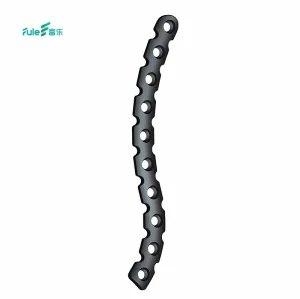
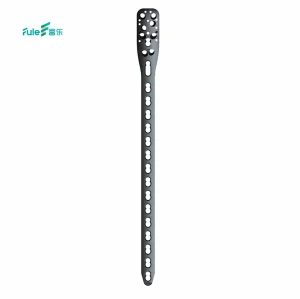
Spinal fixation relies on balancing rigidity to promote arthrodesis and micro-flexibility to minimize stress shielding. Virelox Medical Devices Co., Ltd. designs implants that address these requirements. Utilizing high-grade titanium alloys (Ti-6Al-4V ELI conforming to ASTM F136), our systems provide high fatigue limits and low elastic modulus, reducing the risk of adjacent segment degeneration (ASD).
"Reliability in spinal fixation is determined by mechanical design and raw material integrity. Our QA protocols verify every rod, polyaxial screw, and cross-connector to reduce the risk of structural failure under physiological loads."
Modern posterior cervical fixation relies on lateral mass screws (Roy-Camille or Magerl techniques) and pedicle screws. Lateral mass screws offer a lower risk of neurological injury, though they provide less pullout strength. In contrast, cervical pedicle screws offer higher pullout resistance, making them suitable for long-construct stabilizations, osteotomies, and high-load environments.
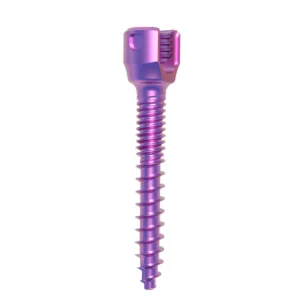
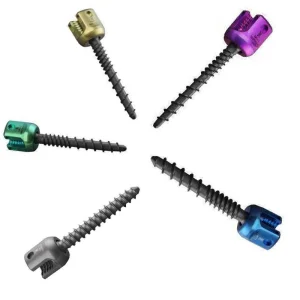
Virelox systems accommodate these variable clinical needs. Our polyaxial pedicle screws feature angulations up to 40 degrees, allowing surgeons to optimize screw placement without bending rods excessively. Helical flange thread forms reduce screw-head splay, securing the closure mechanisms against torque loss during long-term implantation.
The raw material serves as the foundation for implant longevity. Titanium remains the preferred material due to its biocompatibility, corrosion resistance, and post-operative MRI compatibility. The structural performance of our systems is validated using fatigue and tensile testing protocols. This ensures the implants can withstand cyclic loading and anatomical shear forces before obtaining regulatory clearances.
Our manufacturing cycle tracks material transformation from raw bar stock to finished, packaged orthopedic implants.
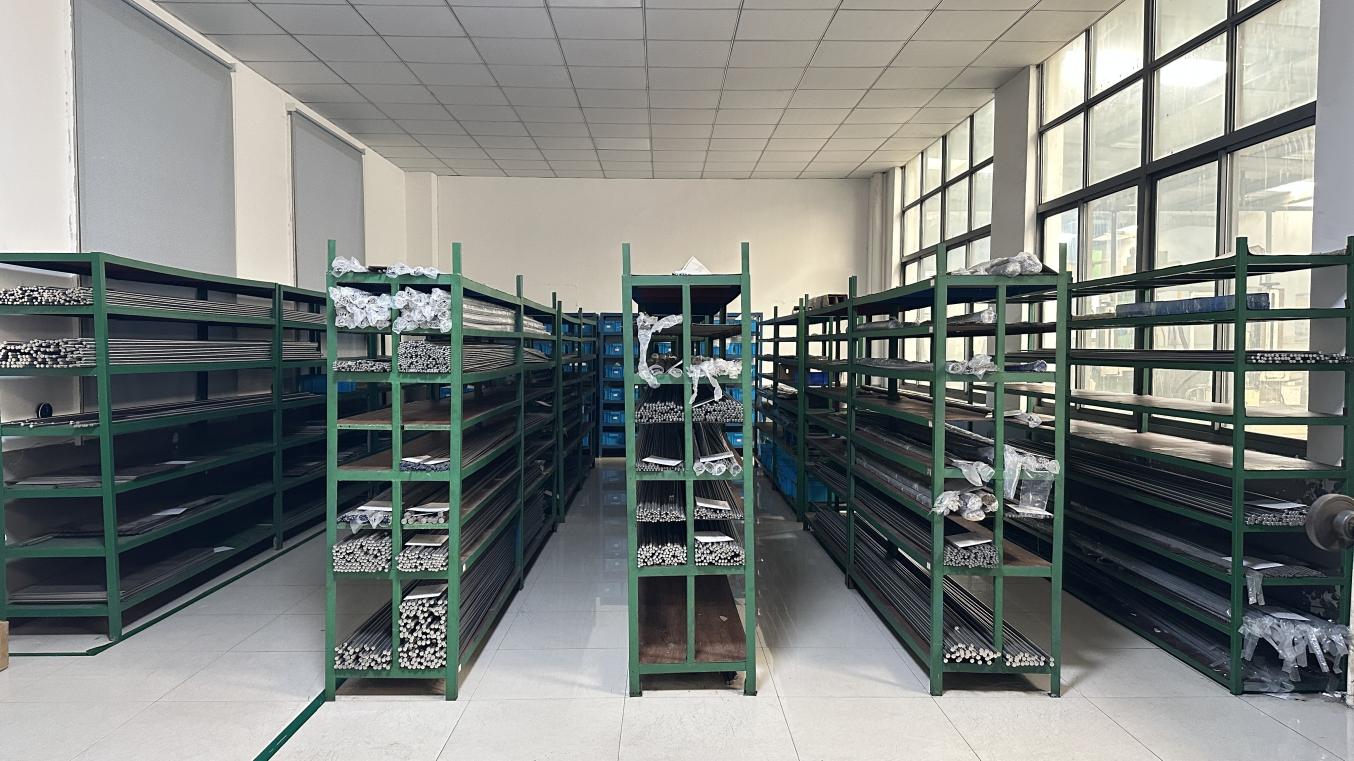
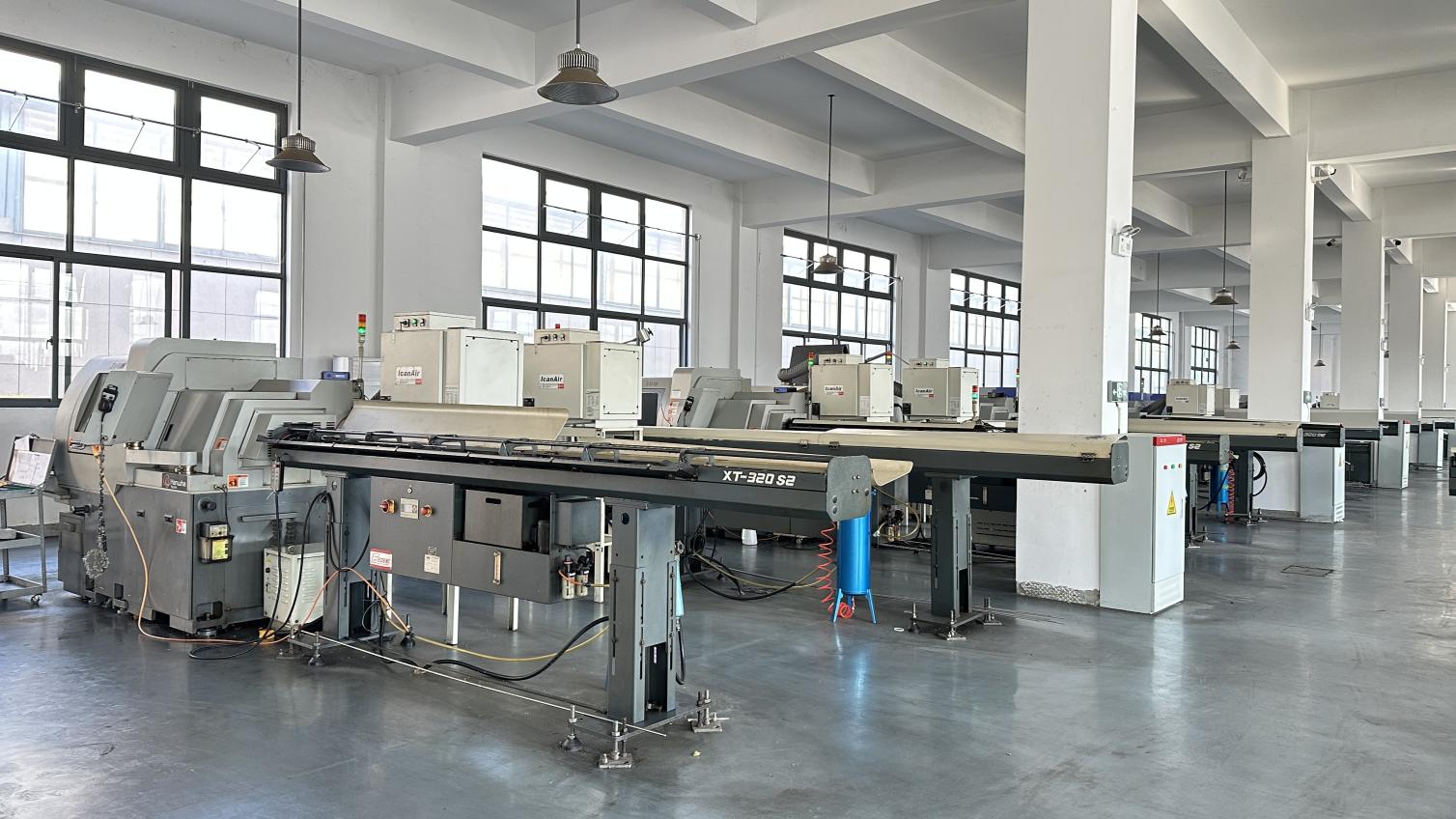
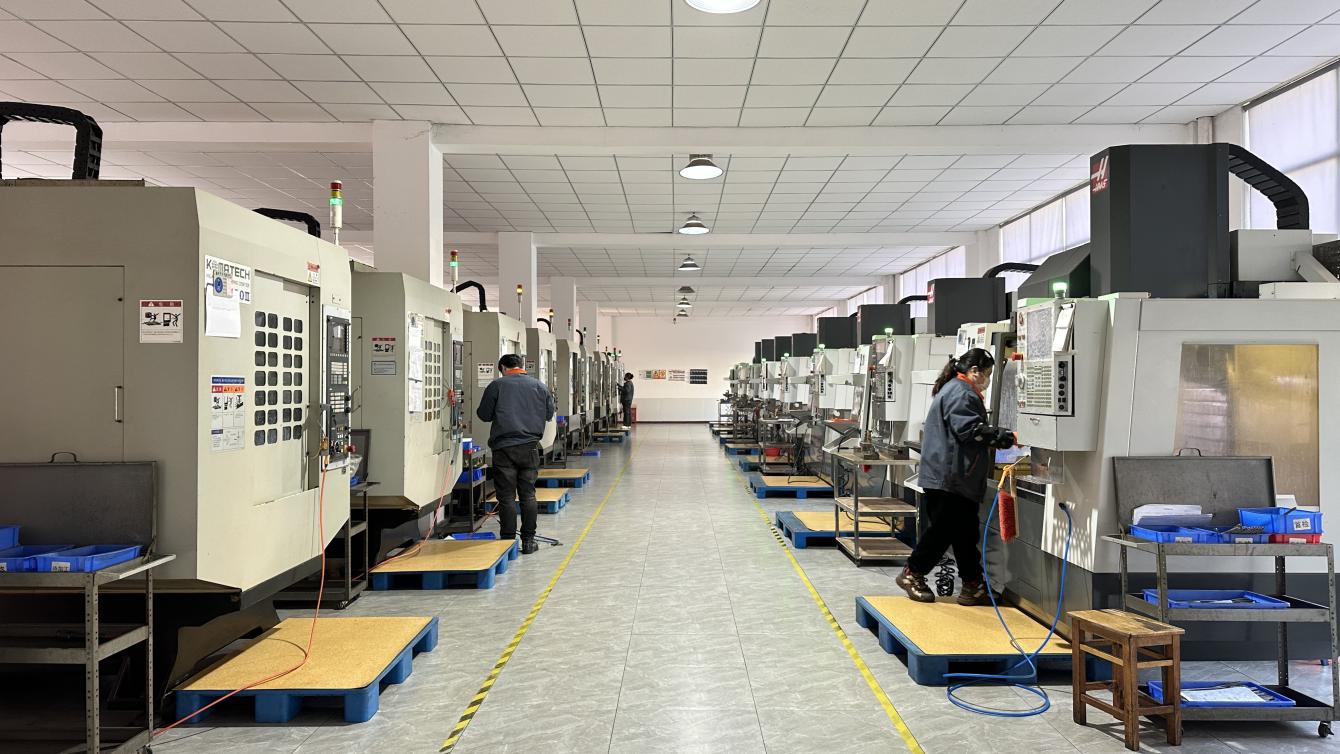
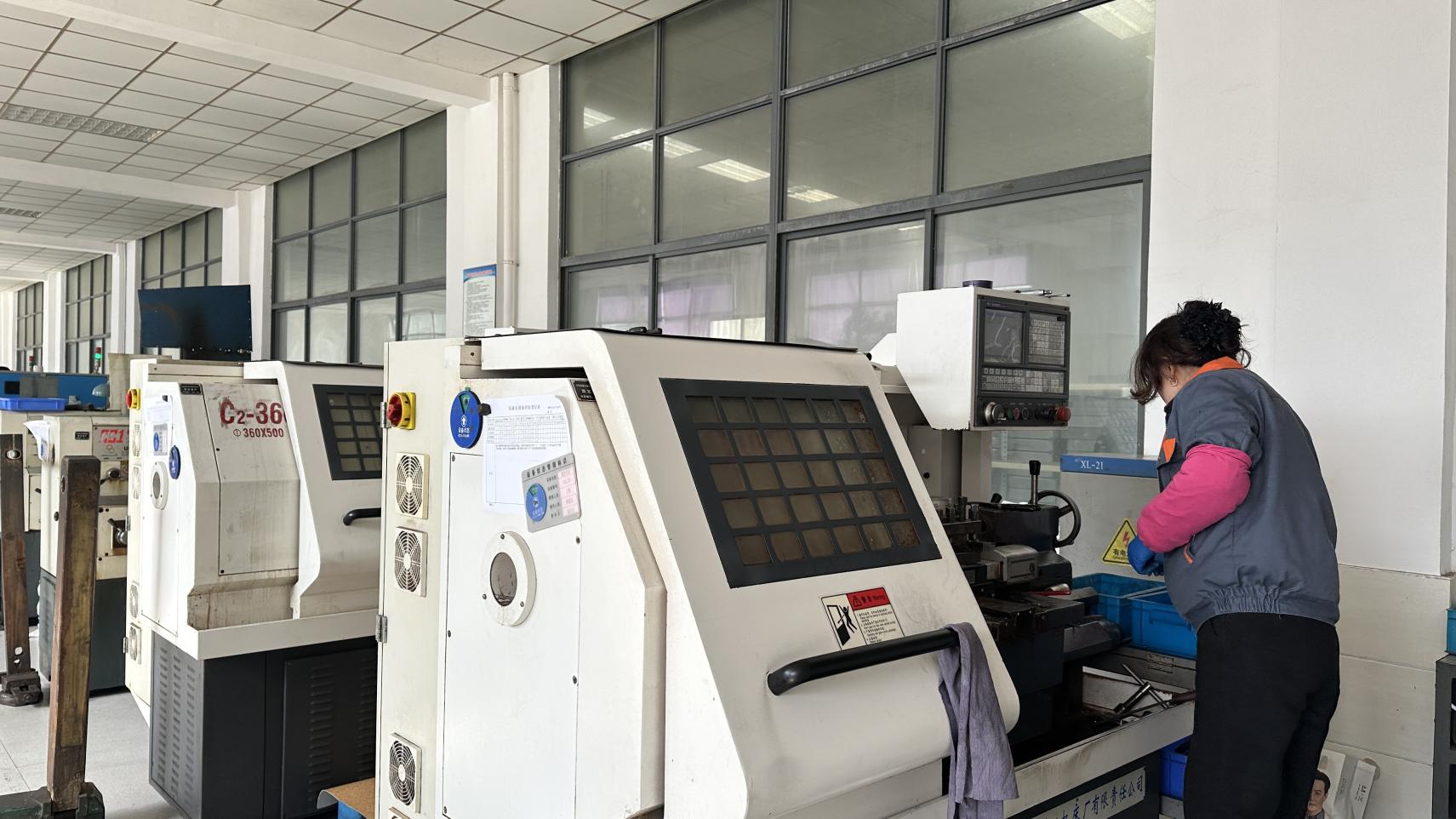
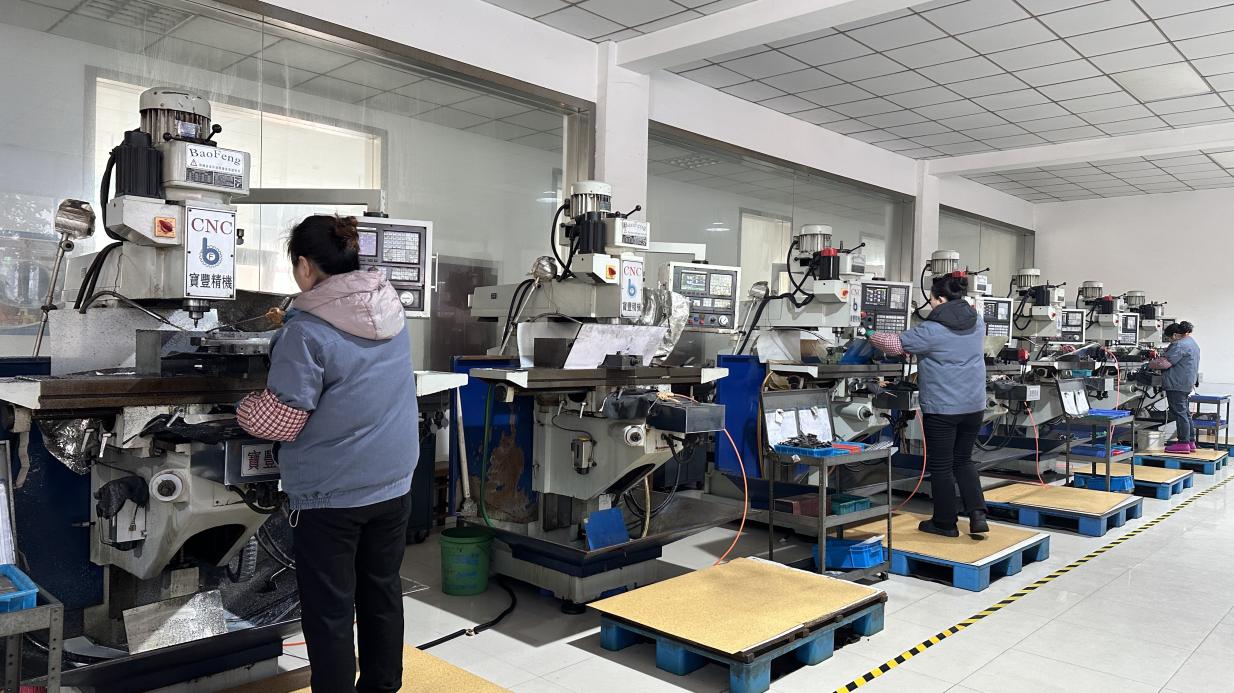
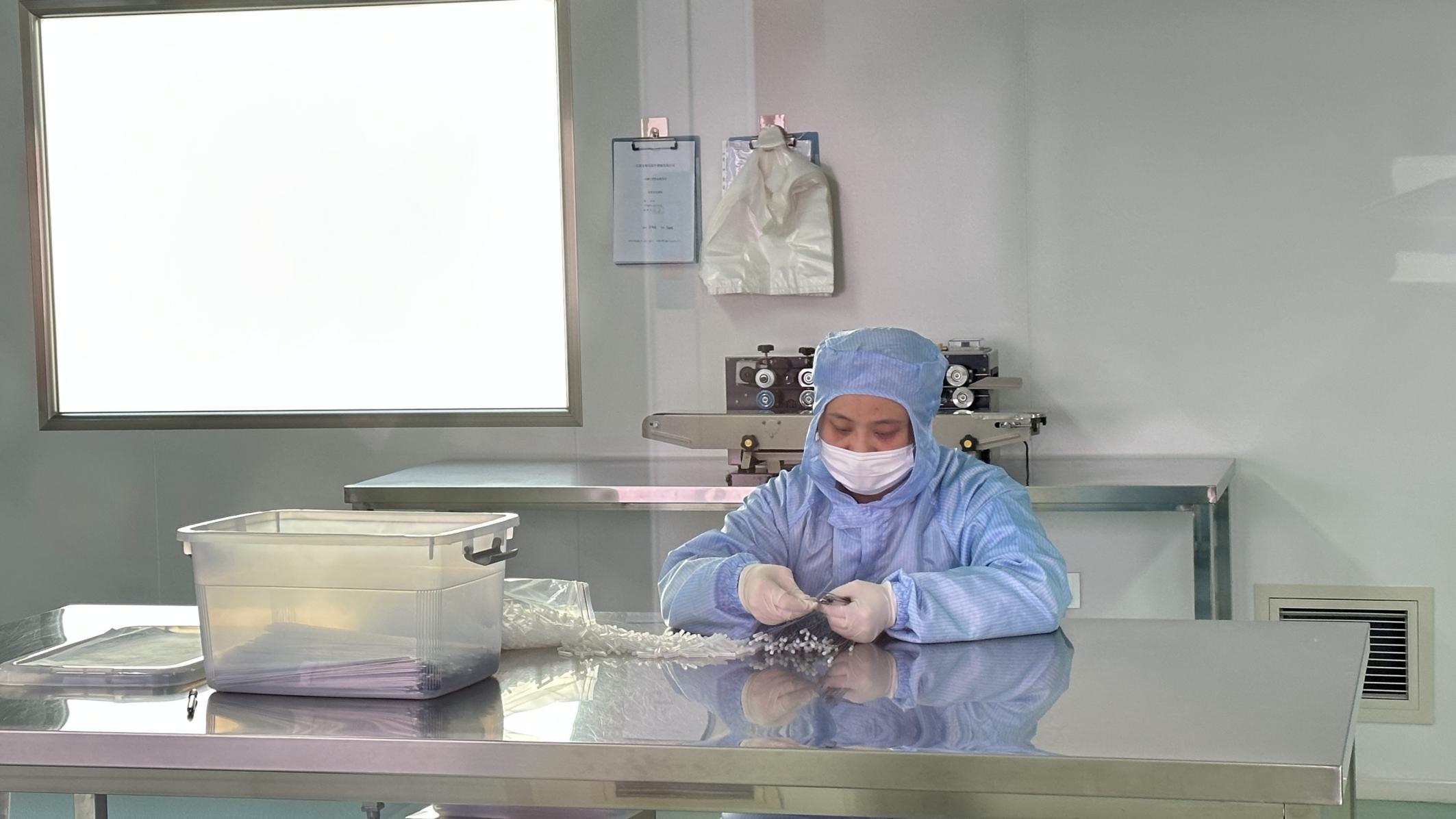
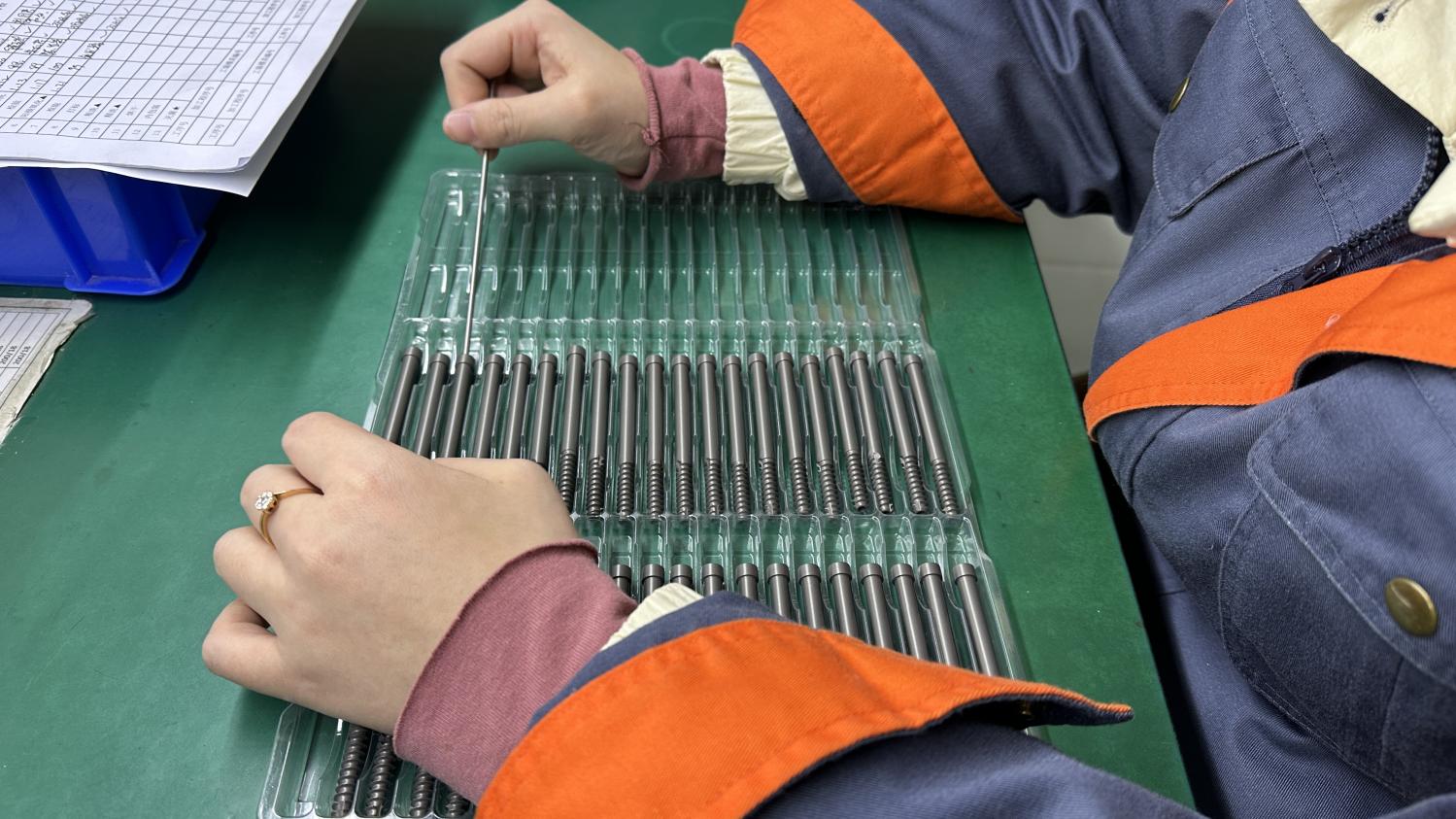
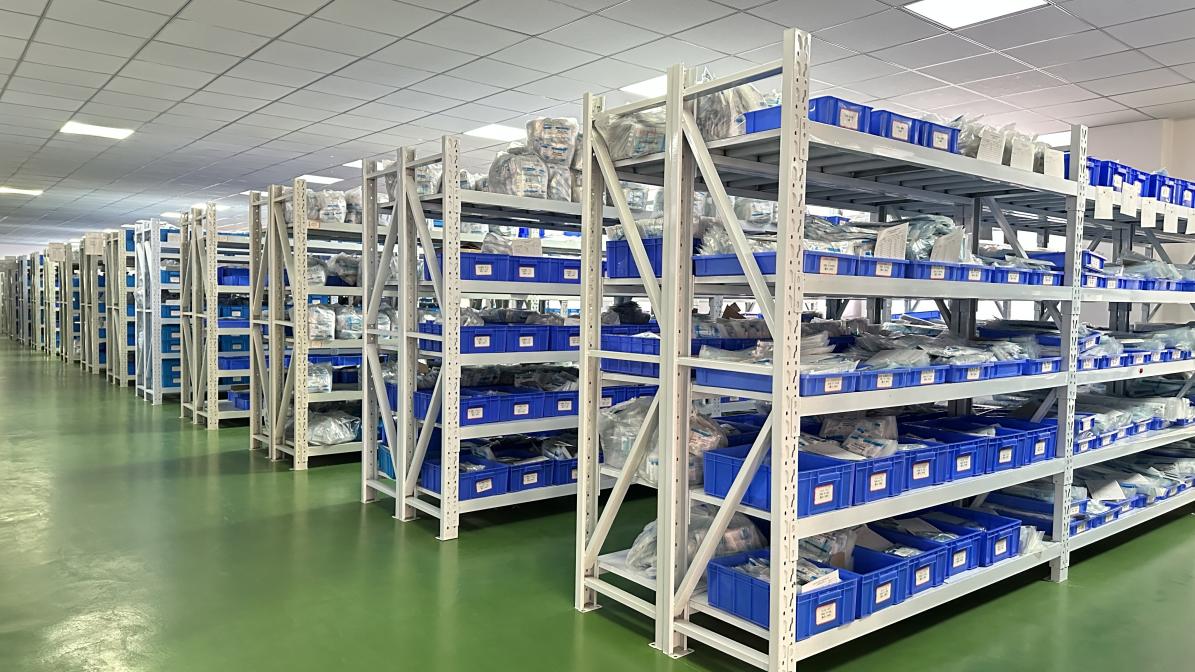
Our facility operates Japanese and Swiss CNC centers to achieve high tolerances for spinal hardware.
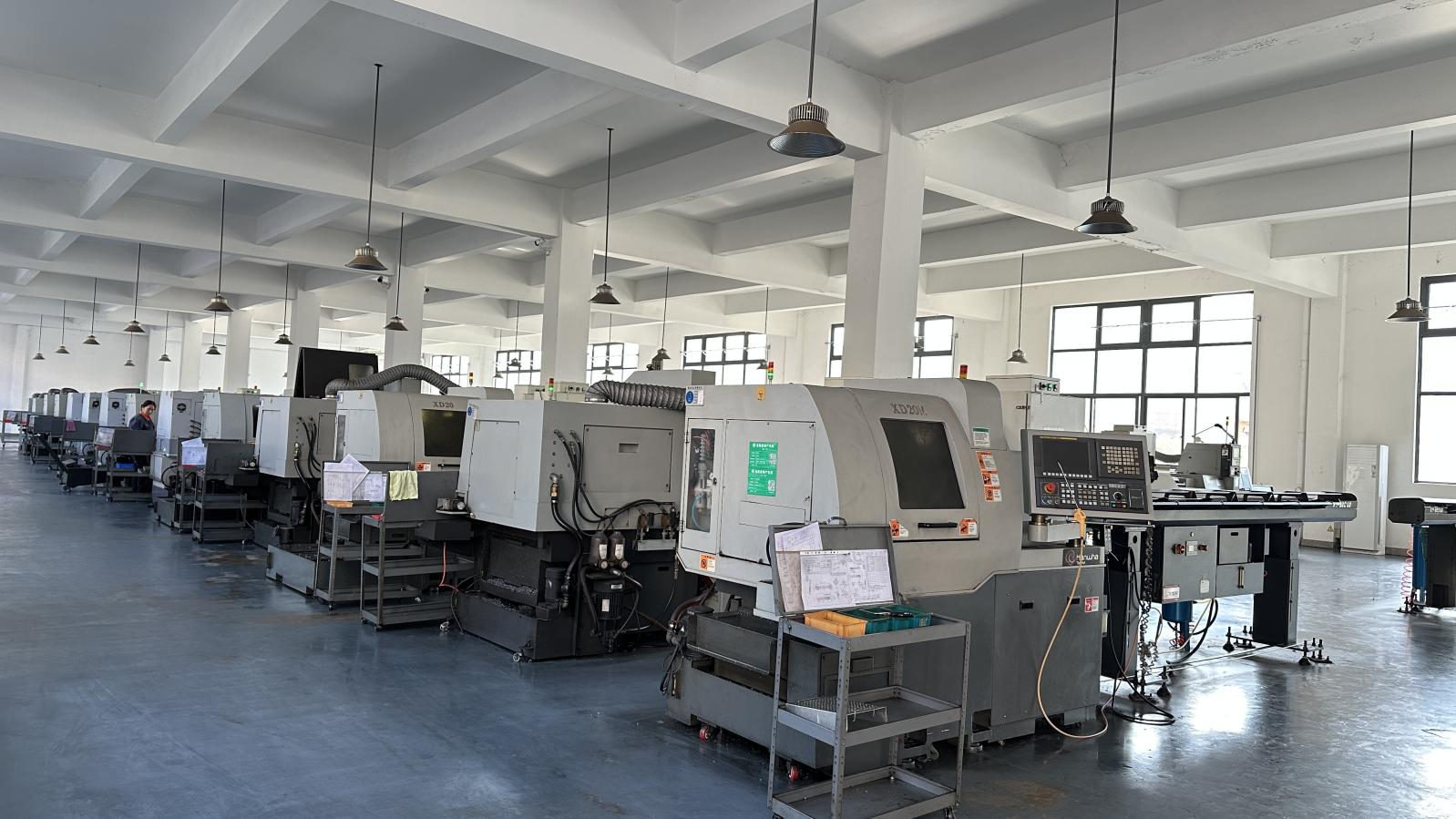
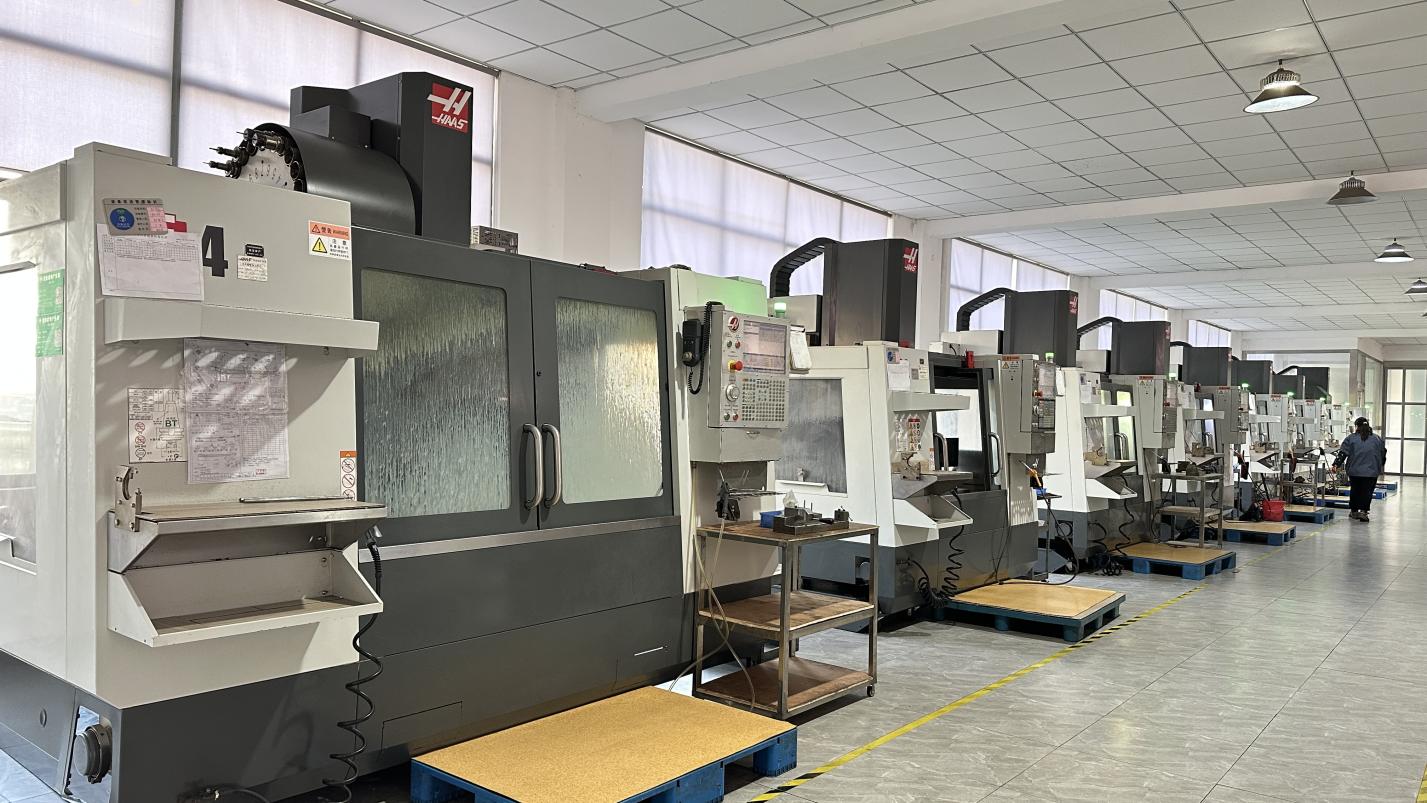
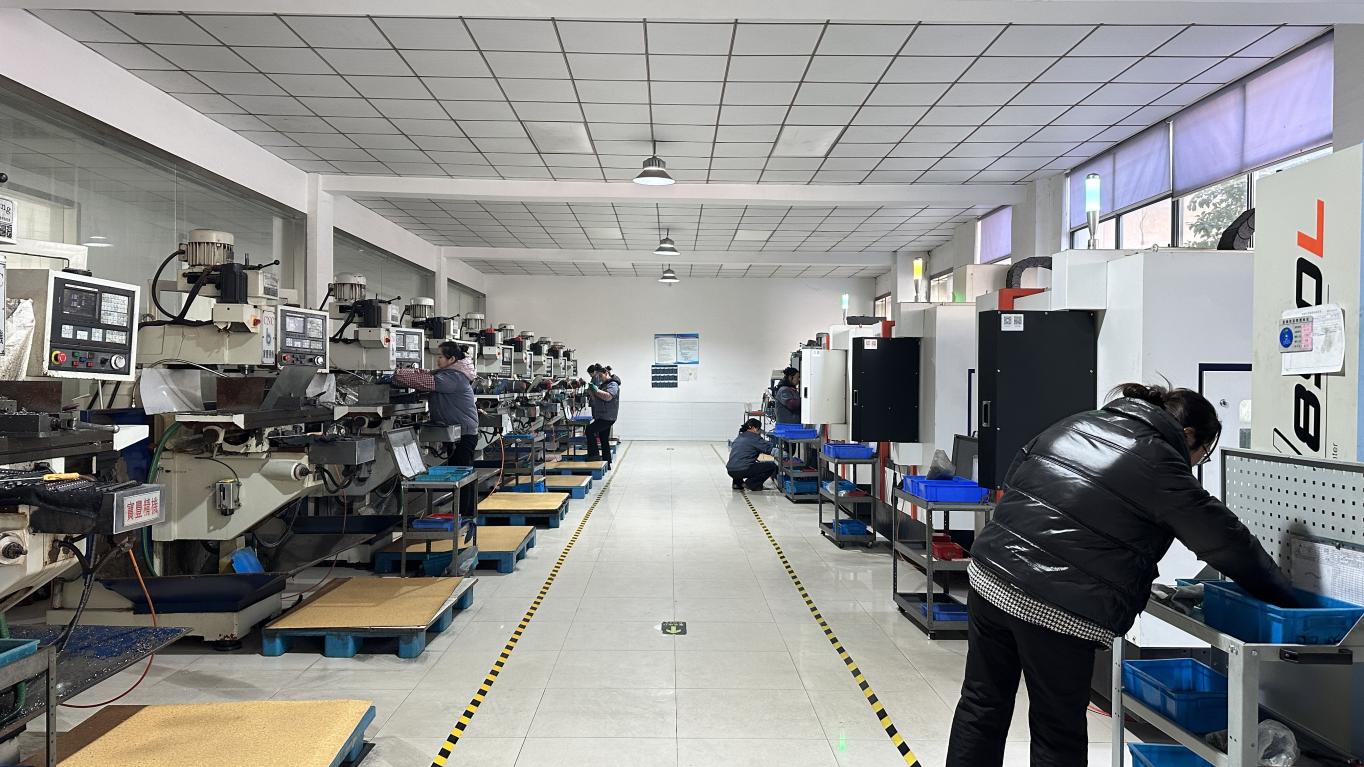
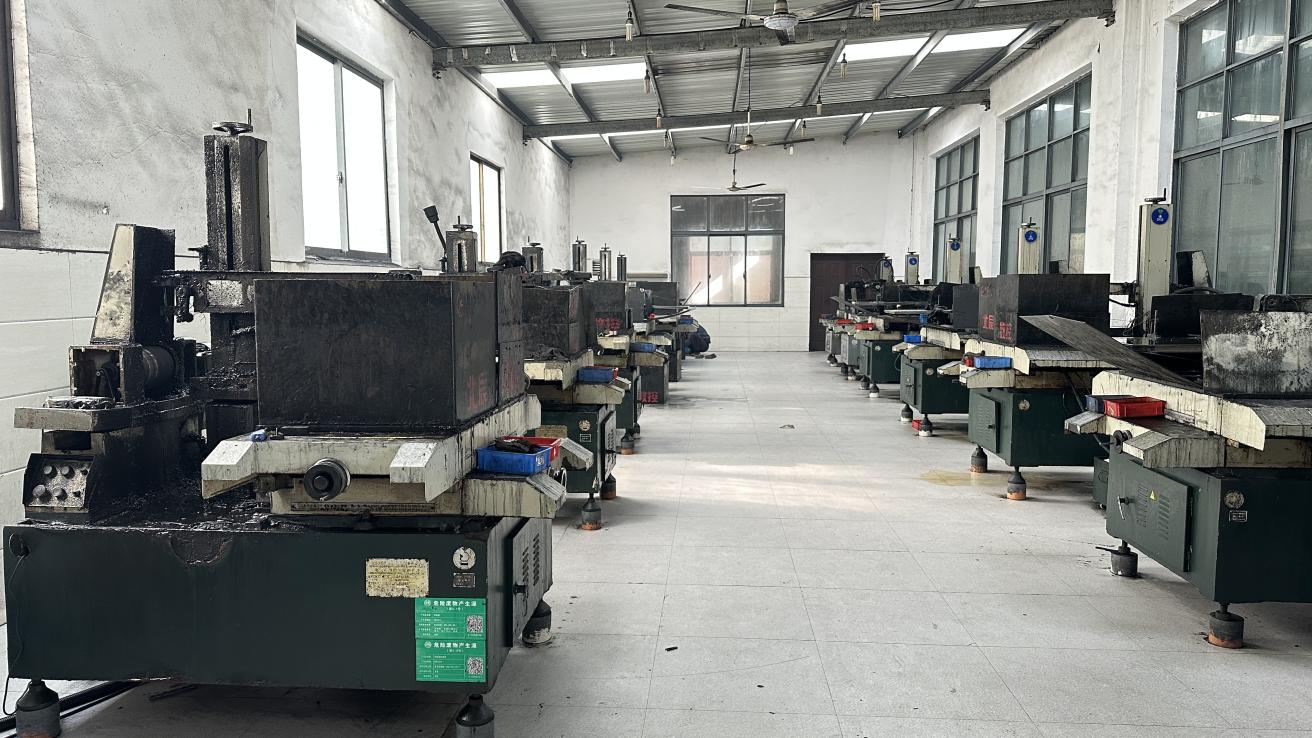
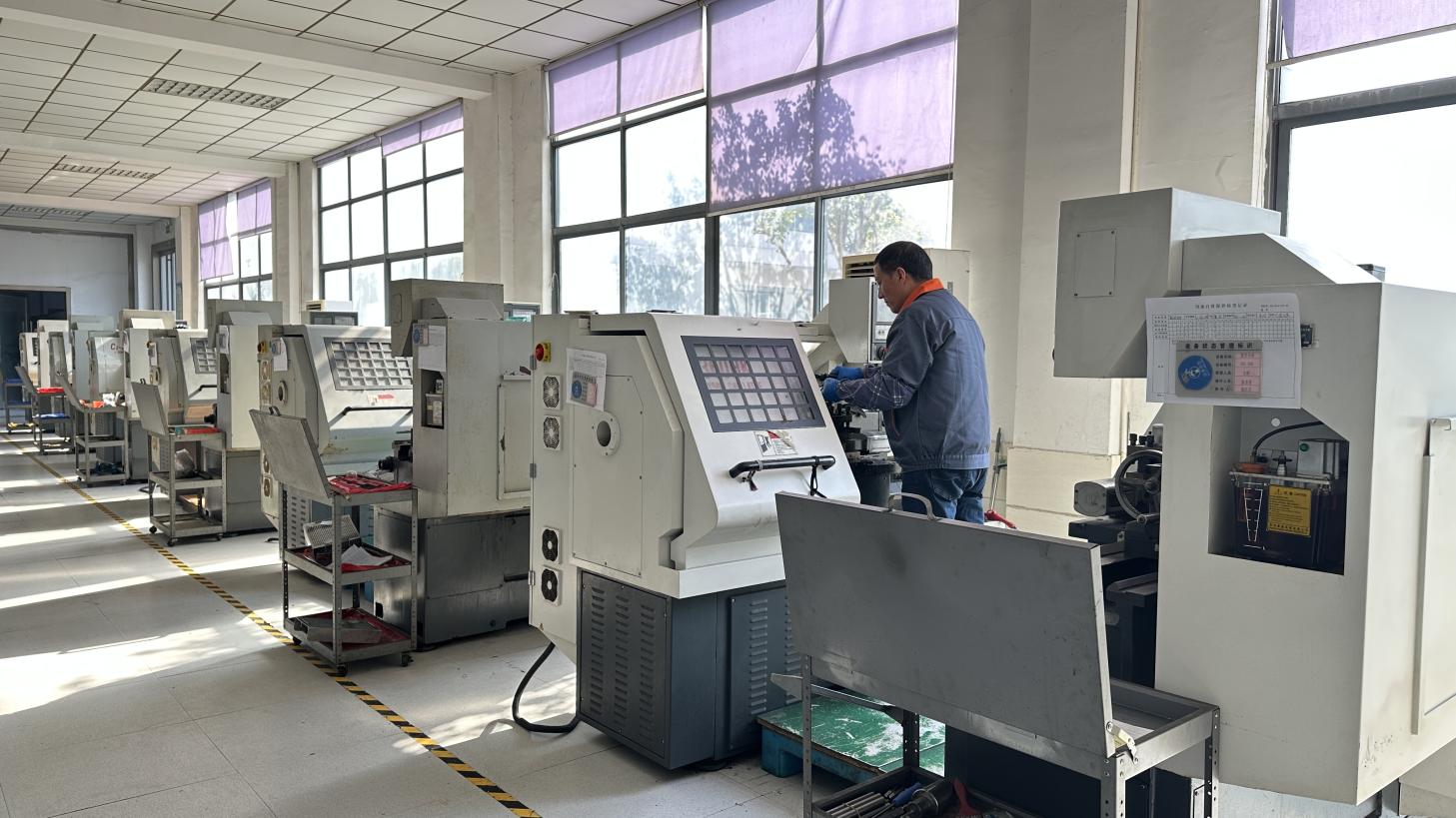
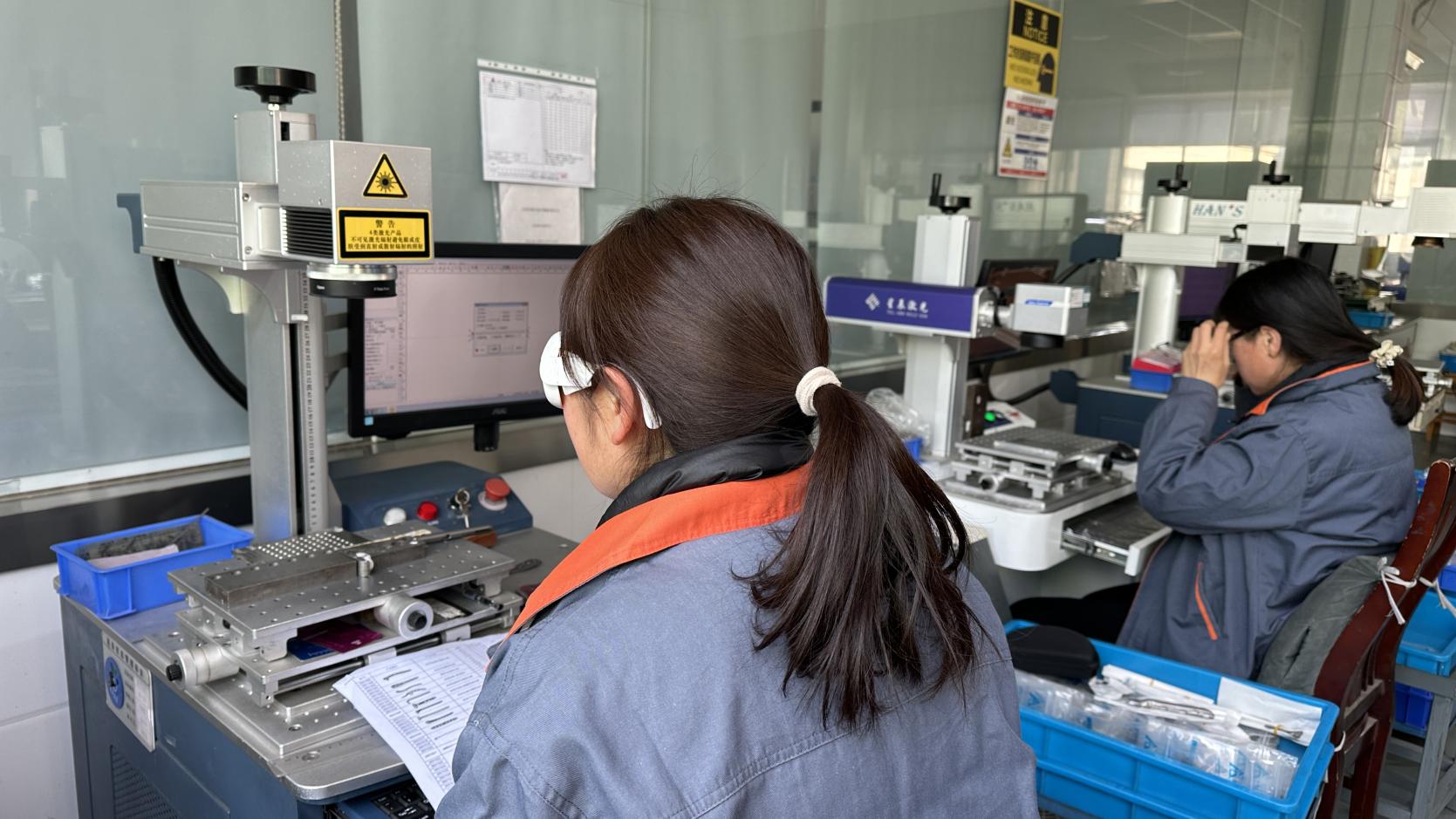
Our testing laboratory uses calibrated metrology and mechanical instruments to verify structural integrity and fatigue profiles.
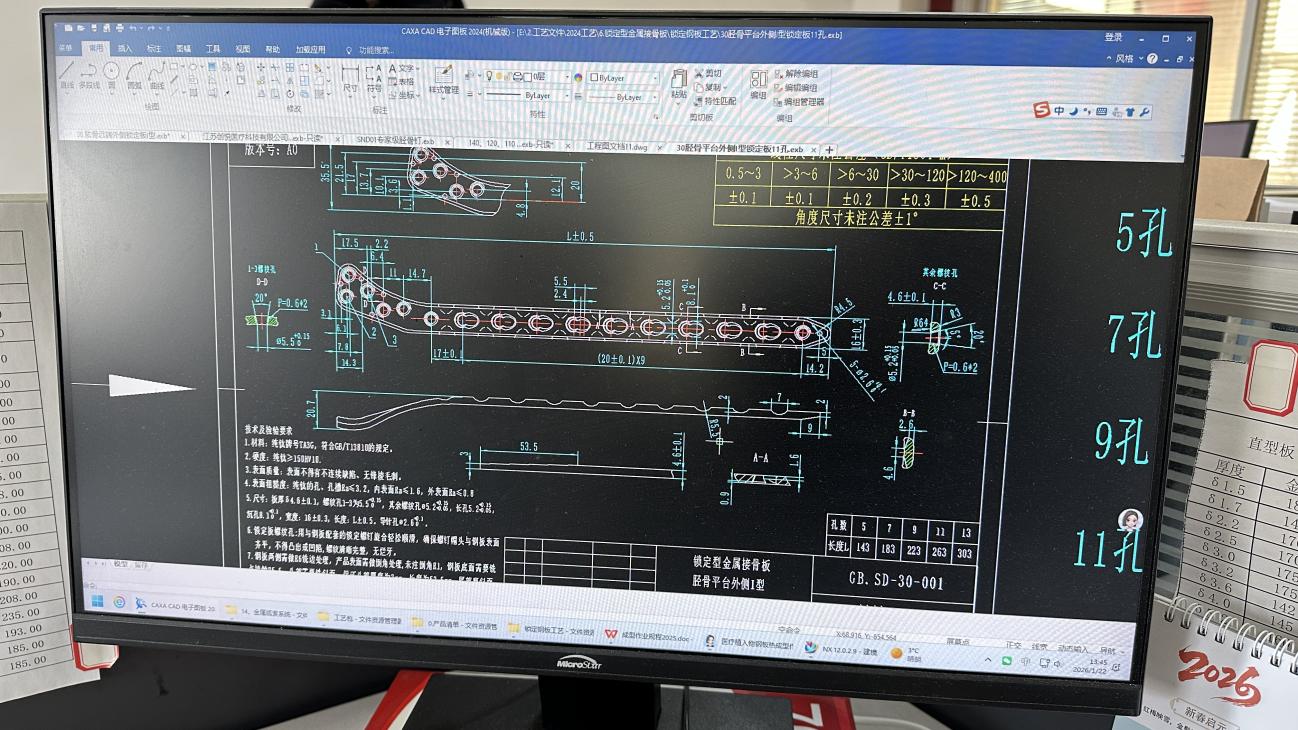

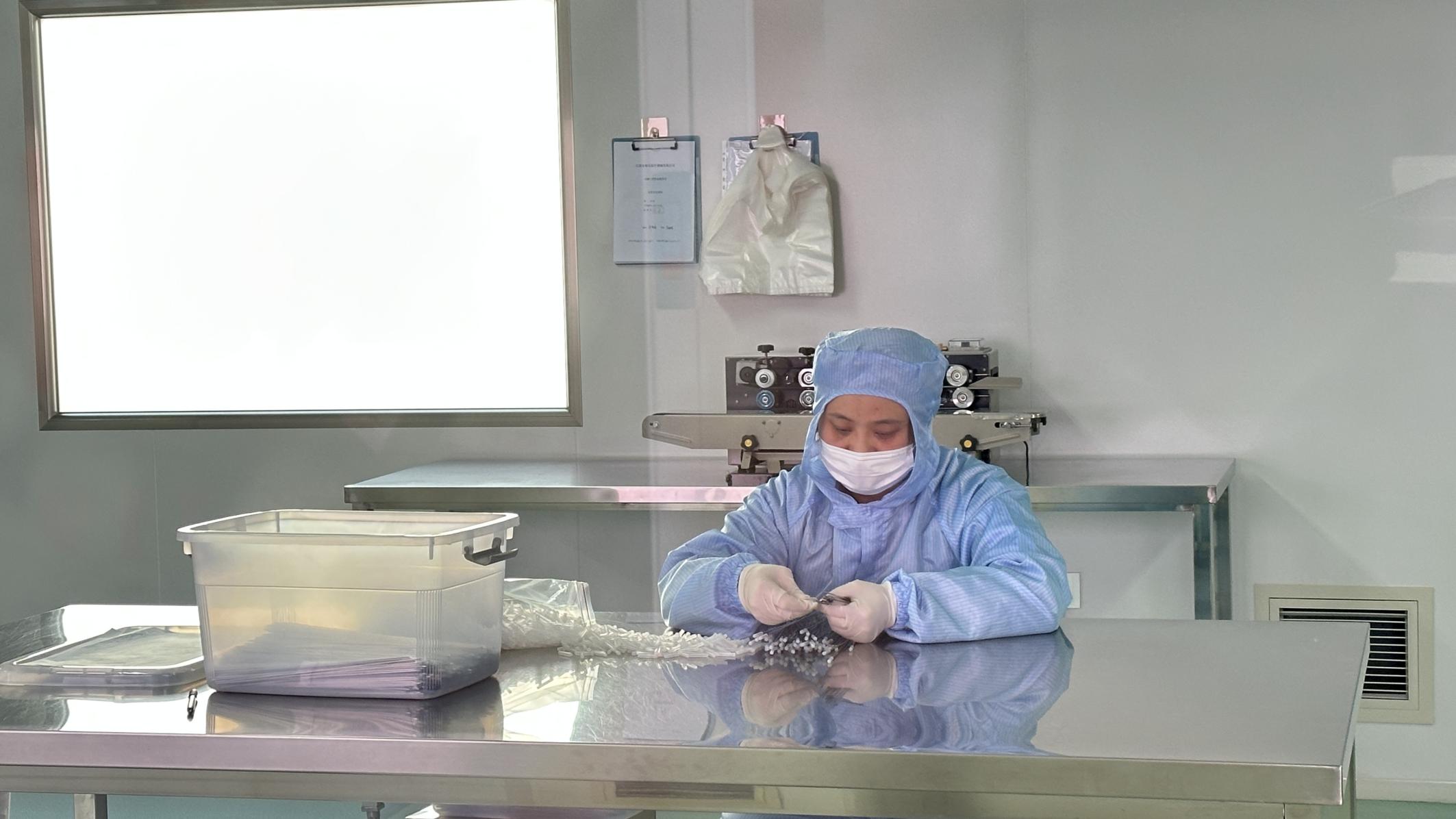
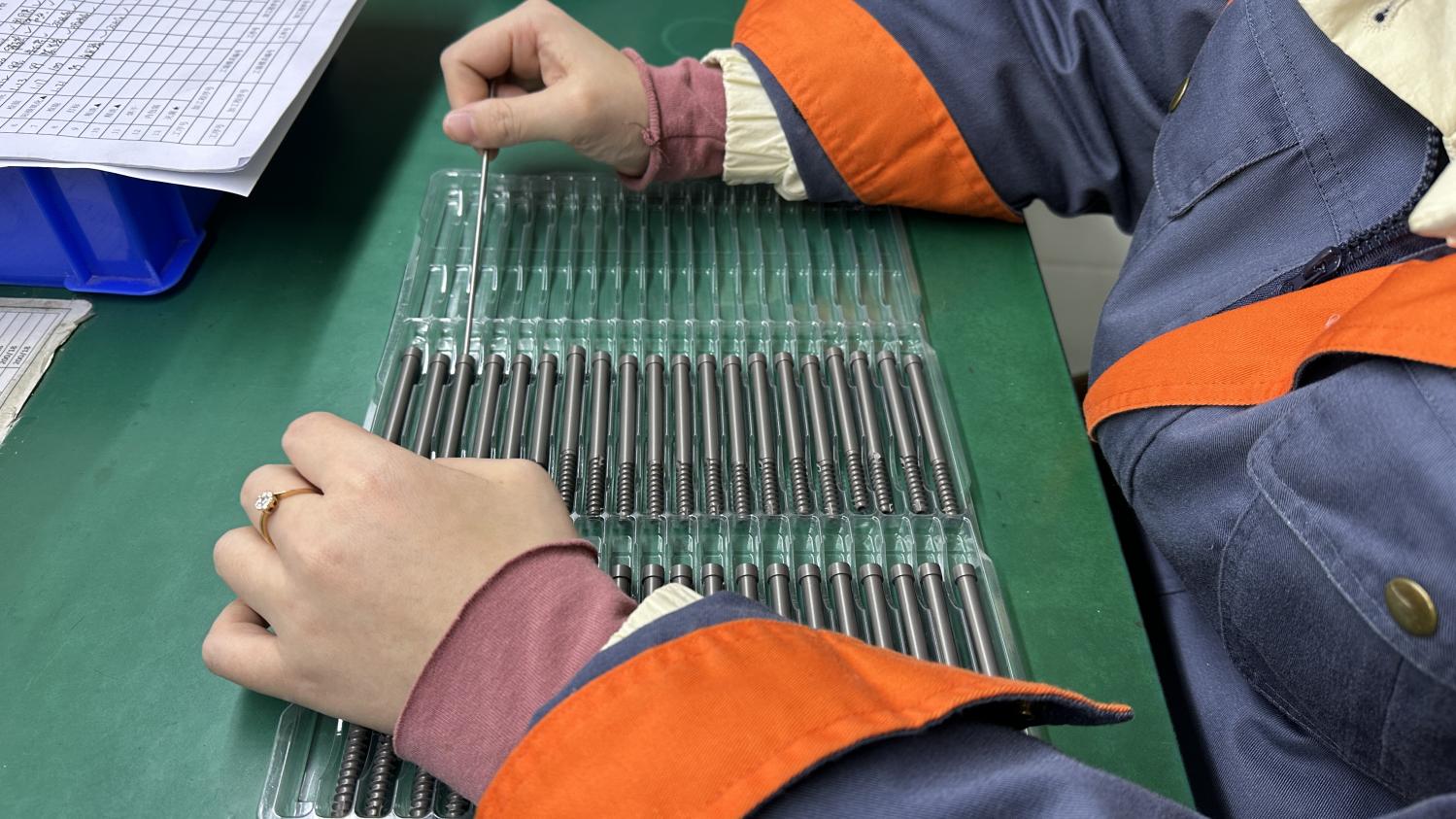
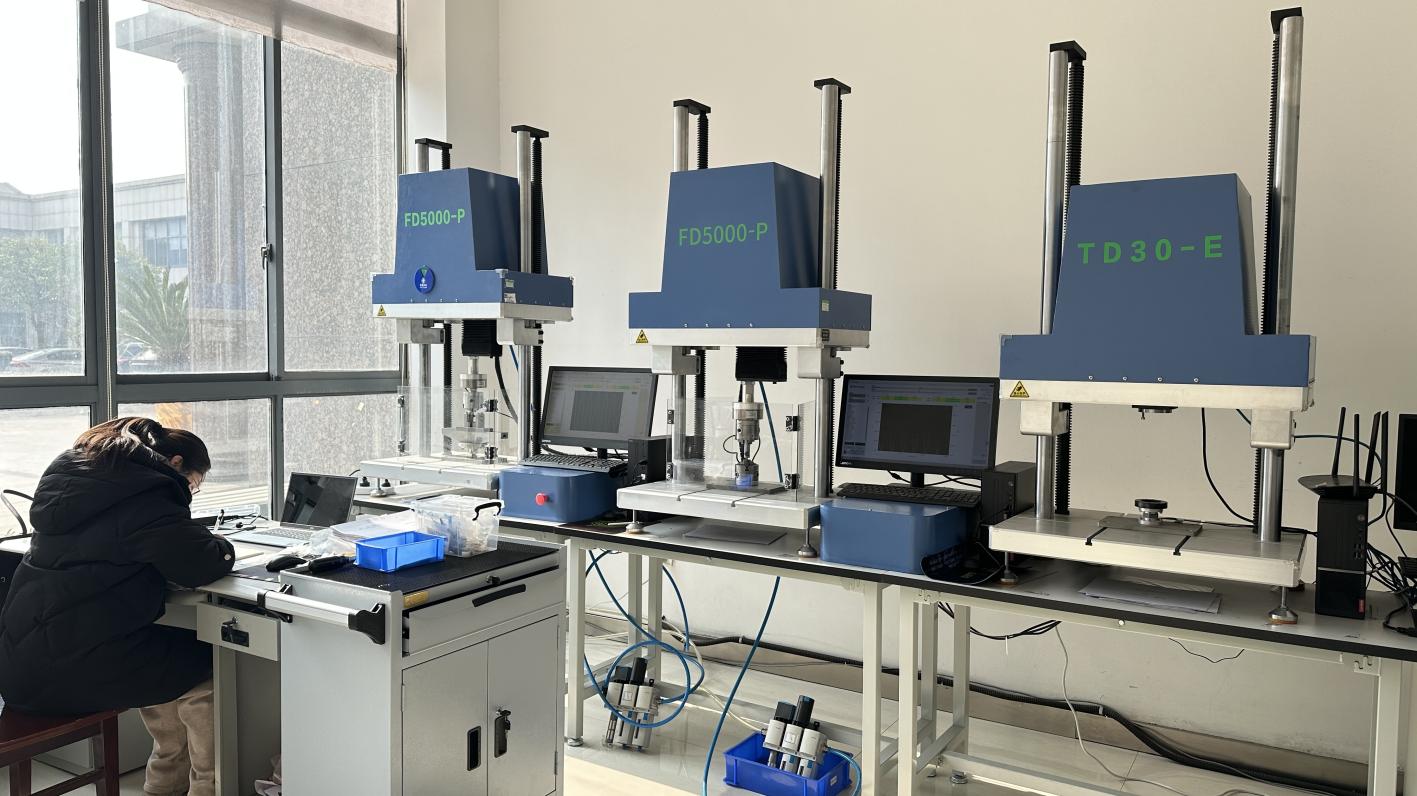
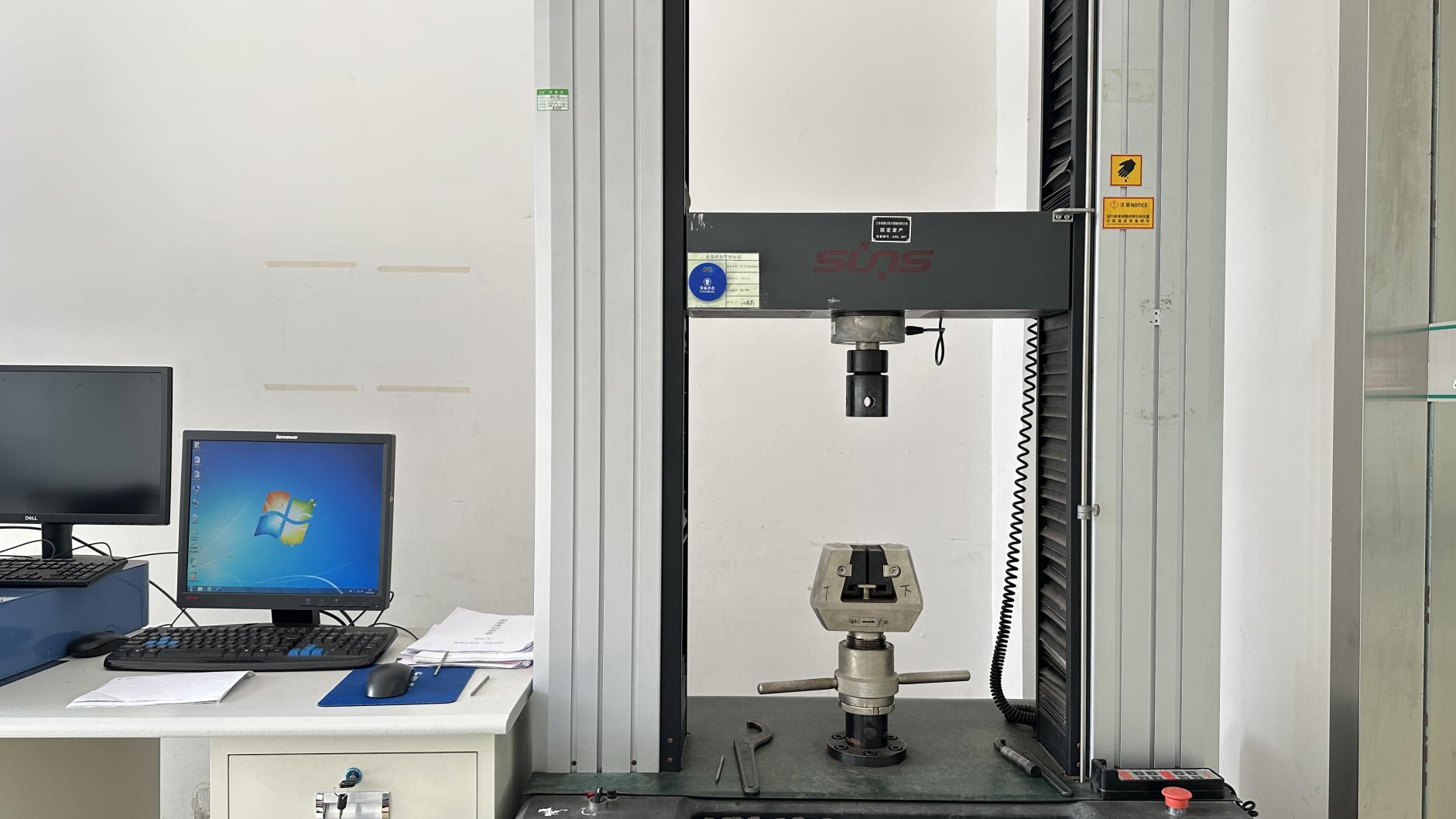
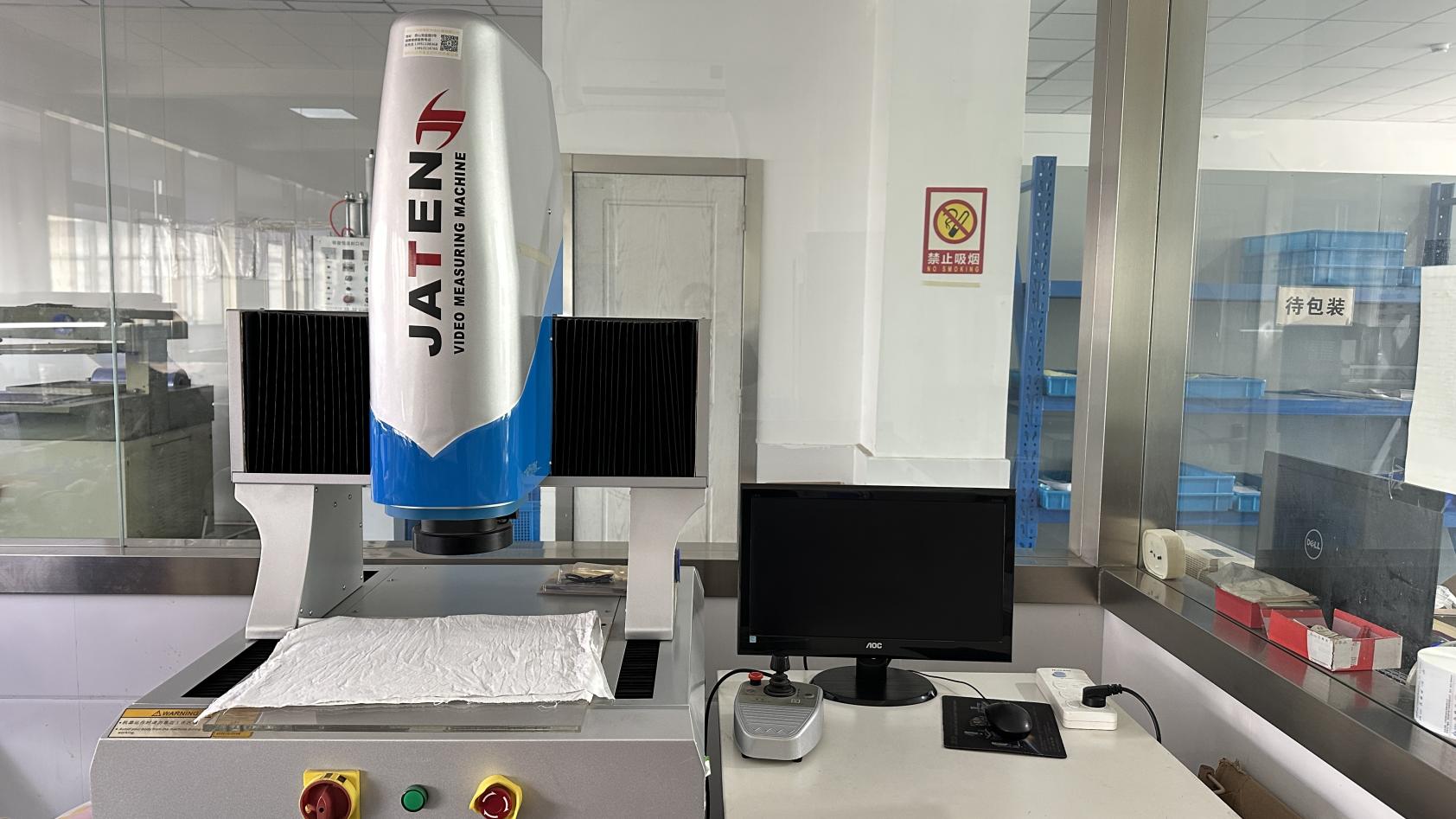
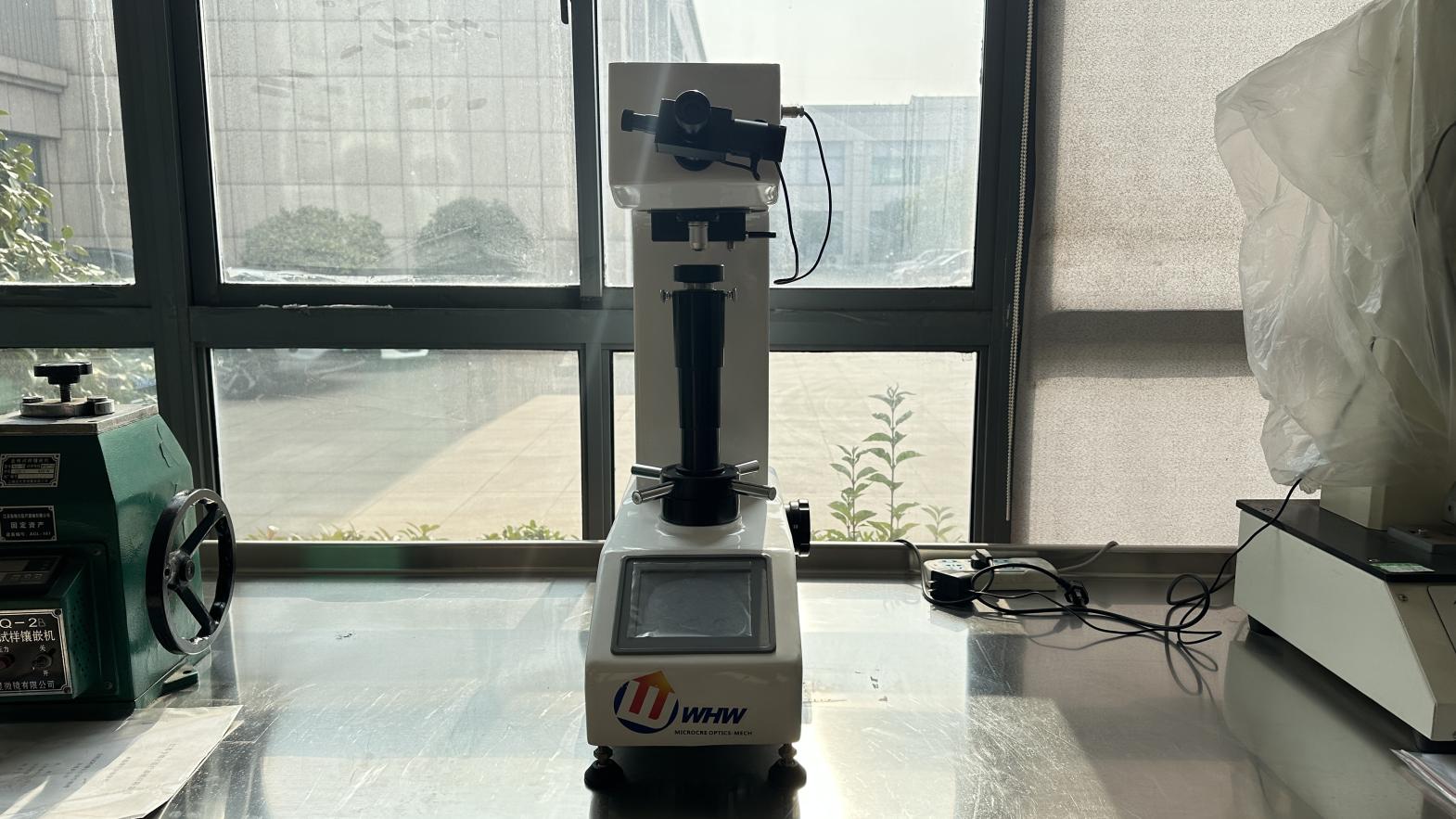
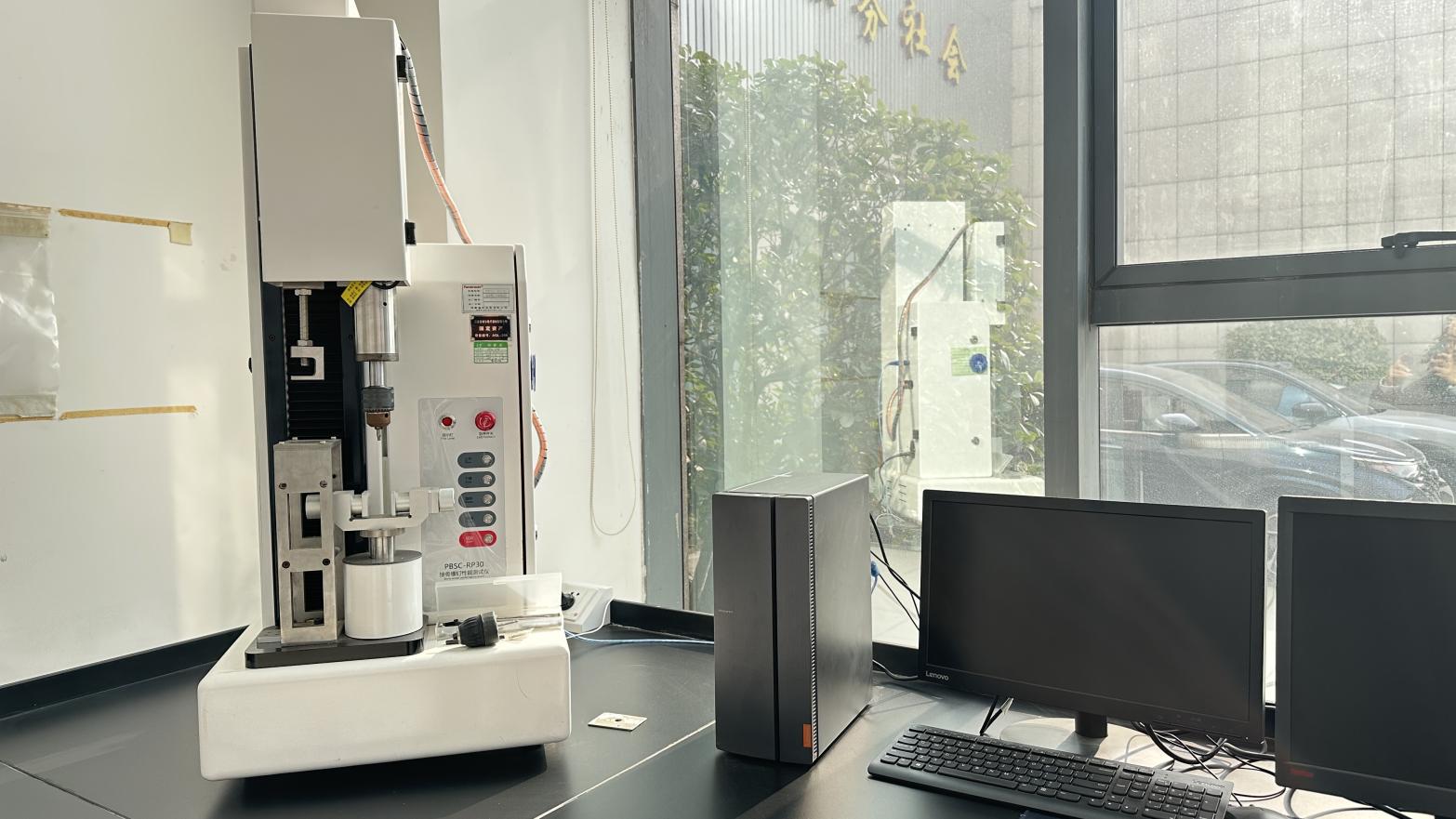
Virelox coordinates production with 850 certified upstream and downstream partners. This localized cluster facilitates raw material sourcing, automated finishing, and sterile packaging (including Tyvek pouch systems). This network minimizes logistical bottlenecks and supports capacity adjustments to meet changing global demands.
Our quality management system is based on ISO 13485 standards. We utilize multi-directional inspections including 3D CMM metrology, X-ray non-destructive testing, and hardness verification. Traceability protocols document every manufacturing phase, tracking raw medical-grade titanium from melt sources to final clinical sterilization batches.
International medical distributors and purchasing groups require reliable delivery schedules, sterile packaging validation, and regulatory documentation. Virelox provides OEM/ODM manufacturing alongside design localization services. This helps distributors secure regional regulatory approvals while maintaining competitive cost structures.
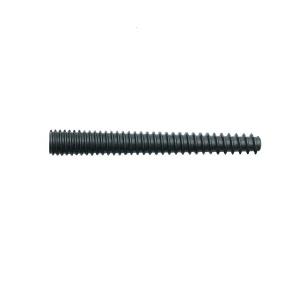
Spinal instrumentation requires adaptation to regional surgical preferences. Surgeons in different markets may opt for alternative lateral mass screw designs or require specific low-profile cross-connectors to reduce soft tissue irritation. Virelox addresses these needs by providing custom length increments (from 10mm to 30mm) and varying screw diameters (3.5mm, 4.0mm, and 4.5mm options).
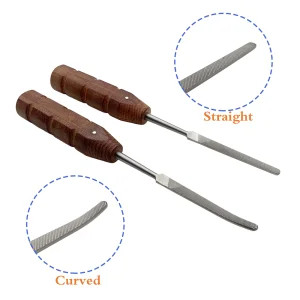
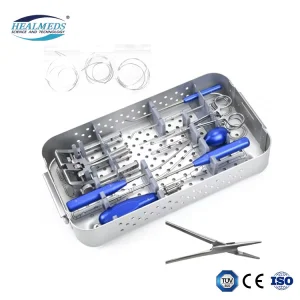
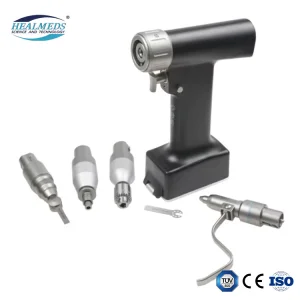
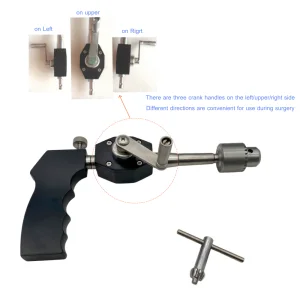
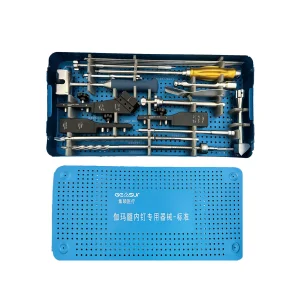
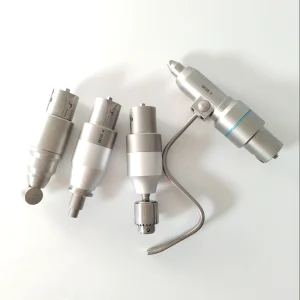
Our R&D center works directly with hospital spine departments to design custom surgical instrument sets. By developing ergonomic inserters, stable reduction taps, and torque-limiting screwdrivers, we help clinical teams improve placement speed and increase safety during cervical reconstruction.
Spinal surgery continues to trend toward minimally invasive procedures (MIS) and navigation-guided implant placement. Modern posterior cervical systems are increasingly designed to interface with intraoperative 3D imaging and robotic tracking arrays. Rigid screw geometries must feature precise optical fiducial mounts to ensure tracking accuracy.
Additionally, surface treatment technologies are shifting from mechanical blasting to acid-etched micro-surfacing or titanium plasma spray (TPS). These modifications improve osseointegration at the bone-screw interface, reducing the risk of aseptic loosening in patients with lower bone mineral density.
Key details regarding raw materials, production capacity, and partnership options.
We use medical-grade Titanium Alloy (Ti-6Al-4V ELI) that complies with ASTM F136 and ISO 5832-3 standards. This material is selected for its high strength-to-weight ratio, biocompatibility, and low MRI artifact profile.
Our quality control team performs static and dynamic fatigue tests based on ASTM F1717 guidelines. Implants undergo testing for axial compression, tension, and torsion to confirm structural integrity under simulated physiological loads.
Yes. We offer complete OEM/ODM services, including CAD design, finite element analysis (FEA), rapid prototyping, and custom laser marking. We can adjust screw threading, head geometry, and instrument configurations to meet local clinical preferences.
Standard OEM production runs typically require 30 to 45 days, depending on order size and design complexity. Standard inventory components can be prepared for shipment within 10 to 15 business days.
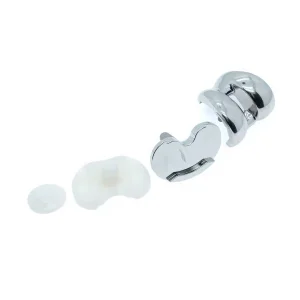
Surgical tools and joint reconstruction implants manufactured under ISO-compliant guidelines.
 Virelox