In modern total hip arthroplasty (THA), selecting the optimal tribological bearing couple represents a crucial choice in ensuring patient mobility, pain relief, and implant longevity. The Metal-on-Polyethylene (MoP) bearing system remains the foundational gold standard globally, supported by decades of documented clinical registry data. By combining a high-strength Cobalt-Chromium-Molybdenum (CoCrMo) alloy femoral head with an Ultra-High-Molecular-Weight Polyethylene (UHMWPE) or highly cross-linked polyethylene (XLPE) acetabular liner, this combination delivers exceptional impact tolerance, reliable low-wear characteristics, and outstanding clinical adaptability across diverse patient demographics.
The longevity of a total hip reconstruction hinges on managing friction and preventing osteolysis caused by wear particles. In the classic MoP design, the metal femoral head articulation against the polyethylene liner relies on elastohydrodynamic lubrication. Standard UHMWPE, while robust, has largely evolved into Highly Cross-linked Polyethylene (XLPE). By utilizing gamma or electron beam irradiation to induce chemical cross-linking of the polymer chains, followed by thermal treatment (annealing or remelting) to eliminate residual free radicals, modern XLPE reduces wear rates by up to 80% to 90% compared to legacy materials.
From a material science perspective, Virelox leverages premium-grade implantable Cobalt-Chromium alloy (complying with ASTM F75 and ISO 5832-4 standards) matched with ultra-pure XLPE. This specific tribological interface handles peak physiological loads during gait and activity, minimizing linear and volumetric wear, which dramatically decreases the potential for macrophage-induced periprosthetic bone loss (osteolysis).
The international orthopedic implant market demands strict supply chain continuity, cost efficiency, and high production volume without compromising clinical safety. Traditional manufacturing hubs in North America and Western Europe face rising production bottlenecks and overhead costs. As a result, global distributors, hospital networks, and medical OEM organizations increasingly seek strategic partnerships with certified manufacturers in China.
As a major exporter to Europe, Southeast Asia, the Middle East, and South America, Virelox demonstrates how Chinese medical device production has transitioned from simple component processing to high-end, research-driven manufacturing. The combination of local material availability, advanced machining clusters, and specialized engineering talent allows international procurement teams to secure implants and surgical instrumentation that align with CE, FDA, and local Ministry of Health registration requirements.
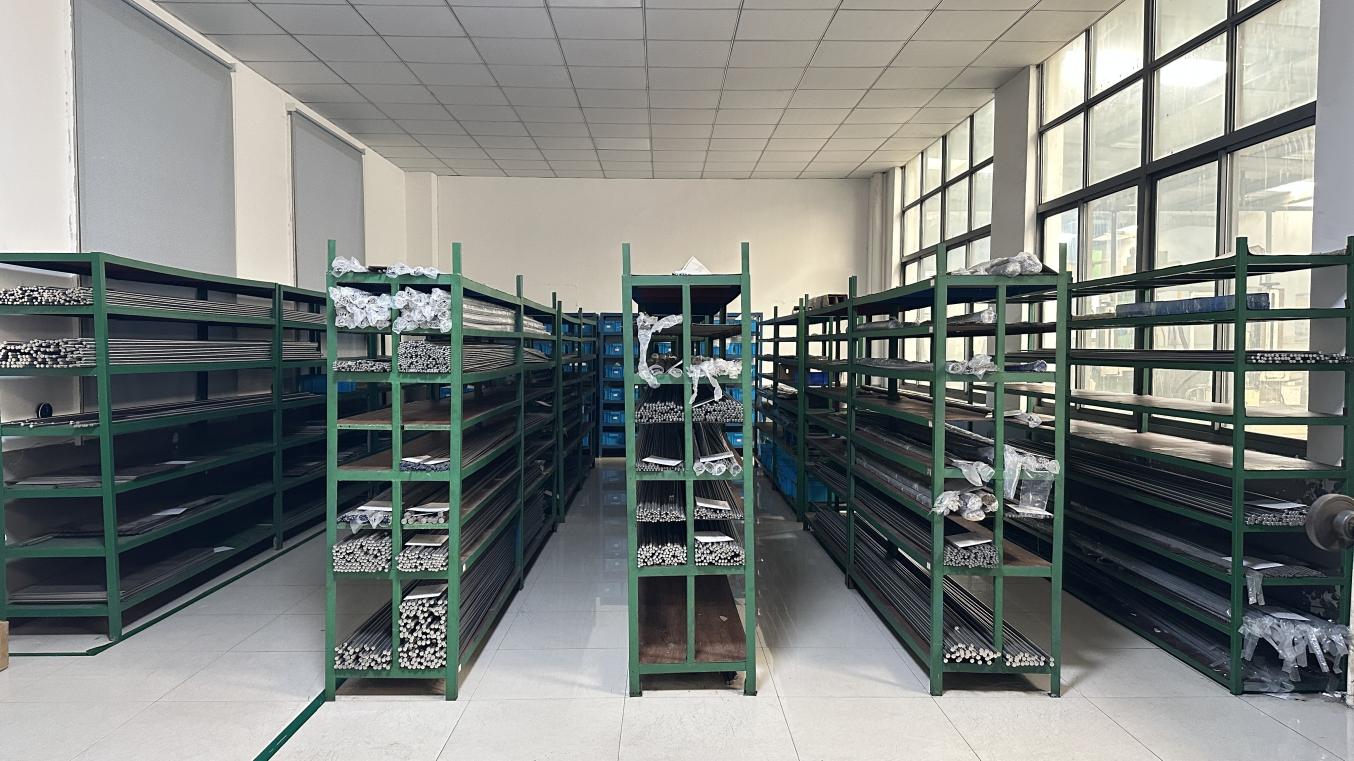
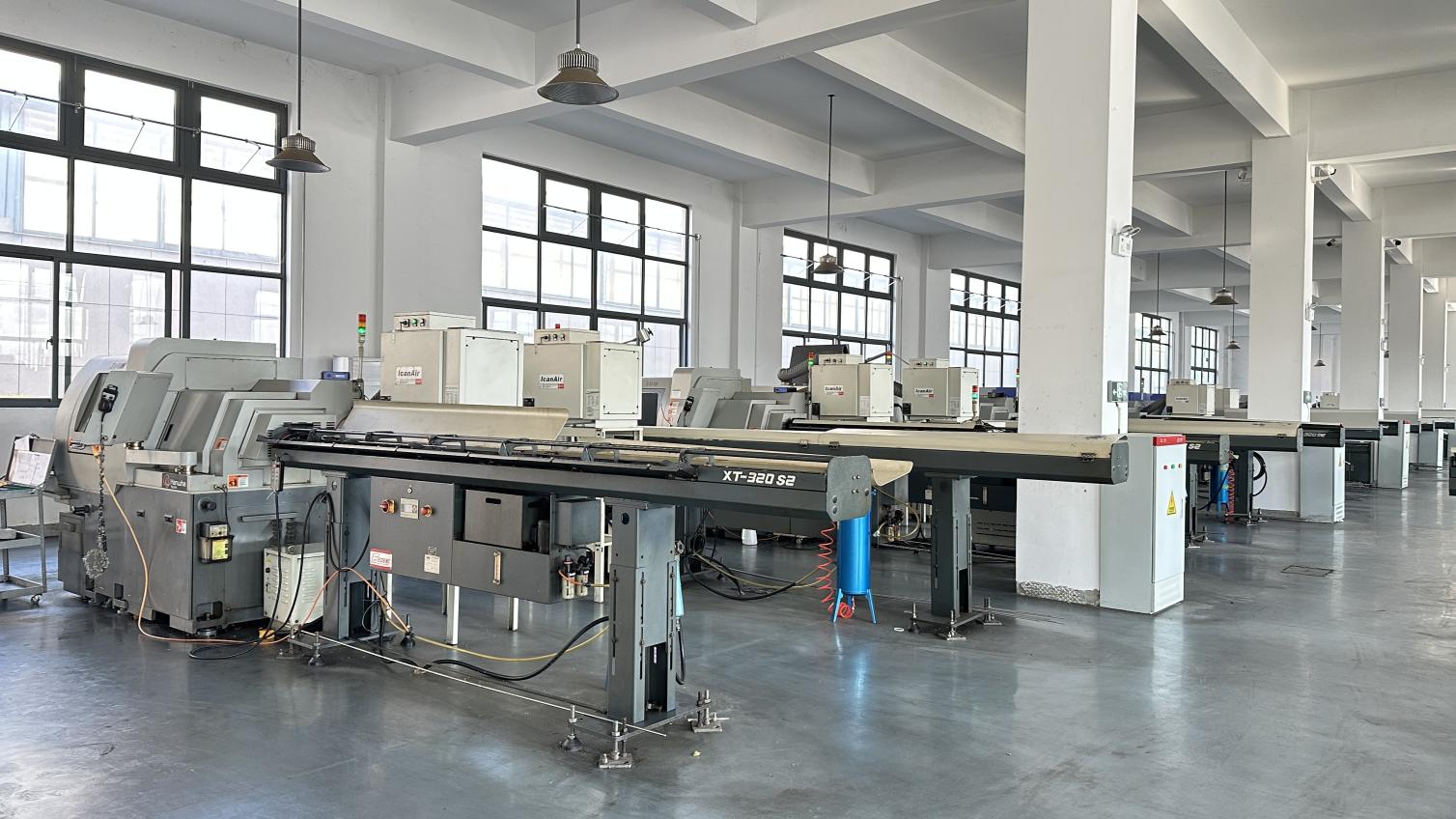
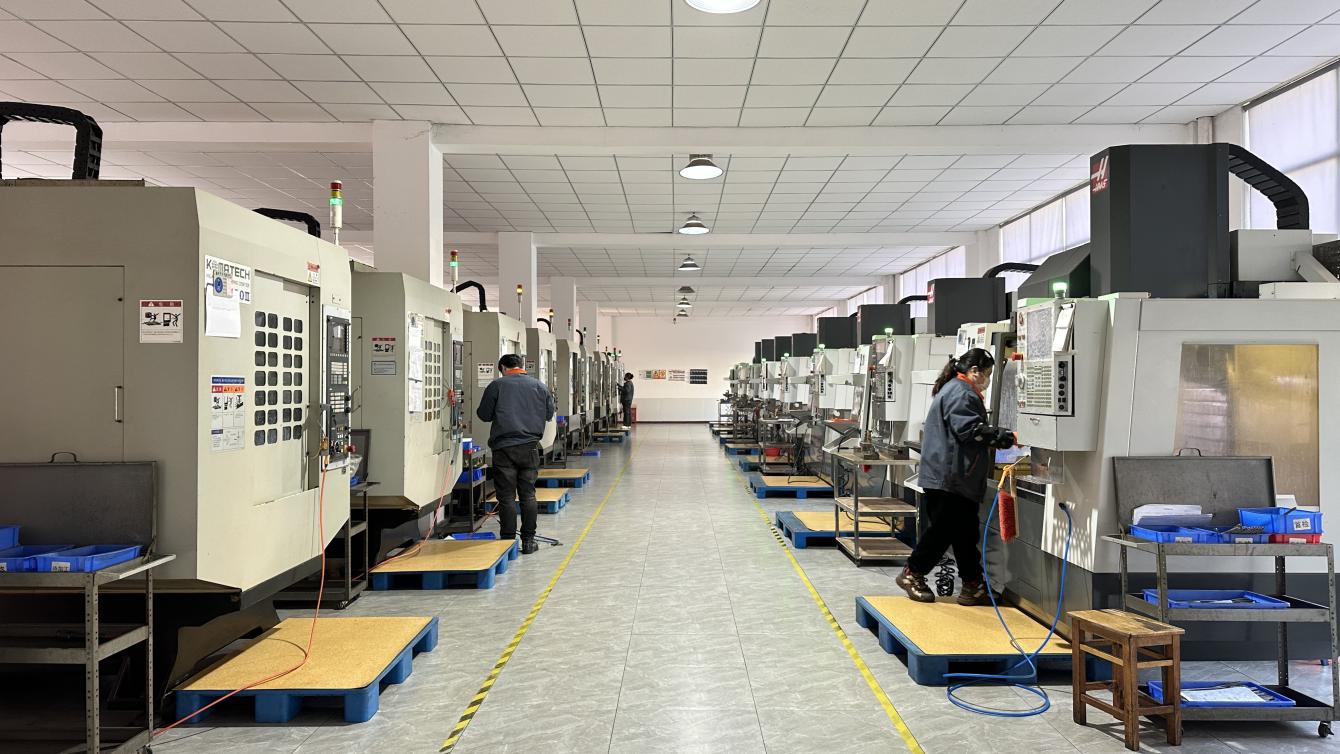
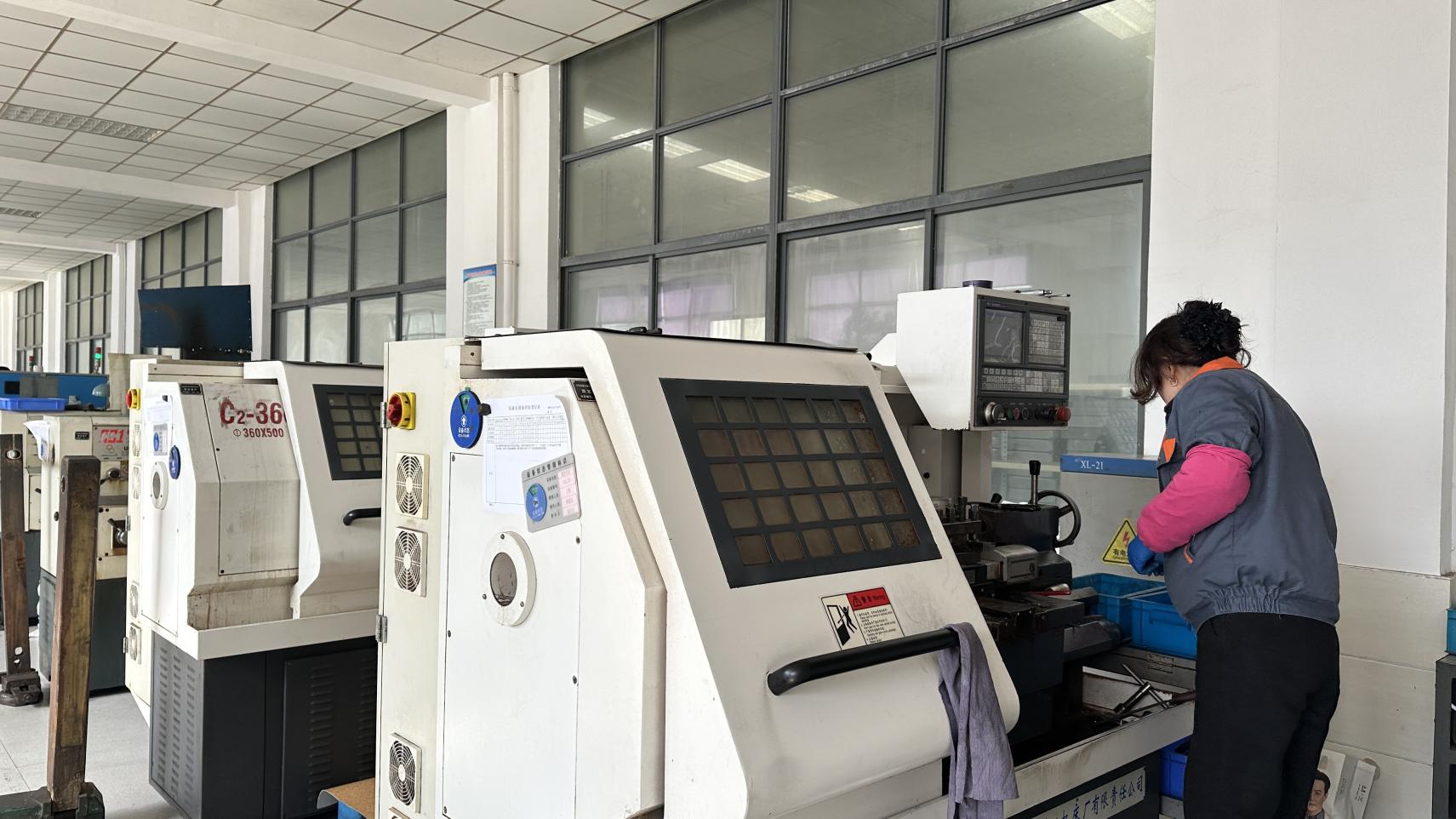
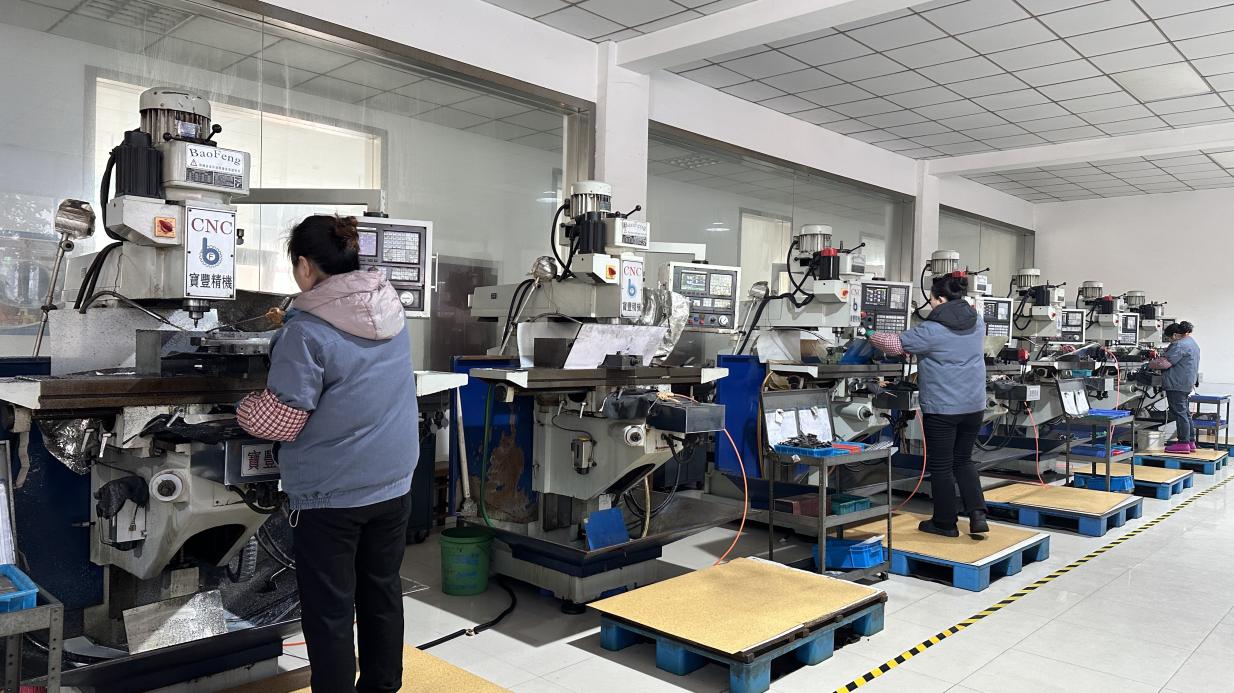
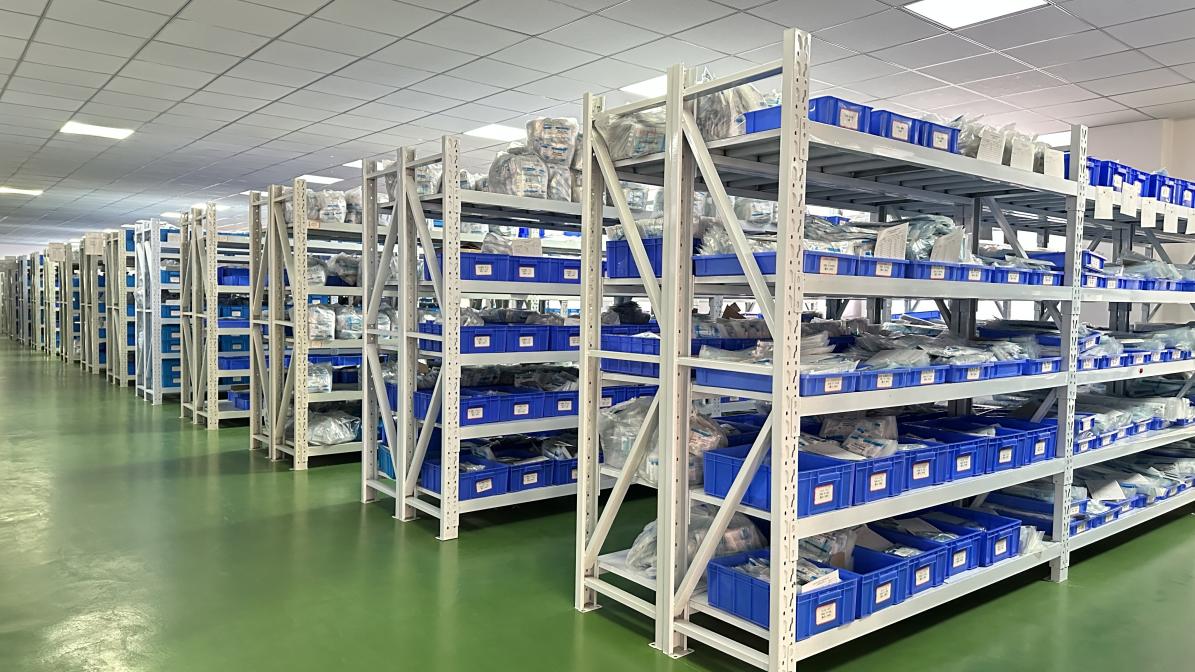
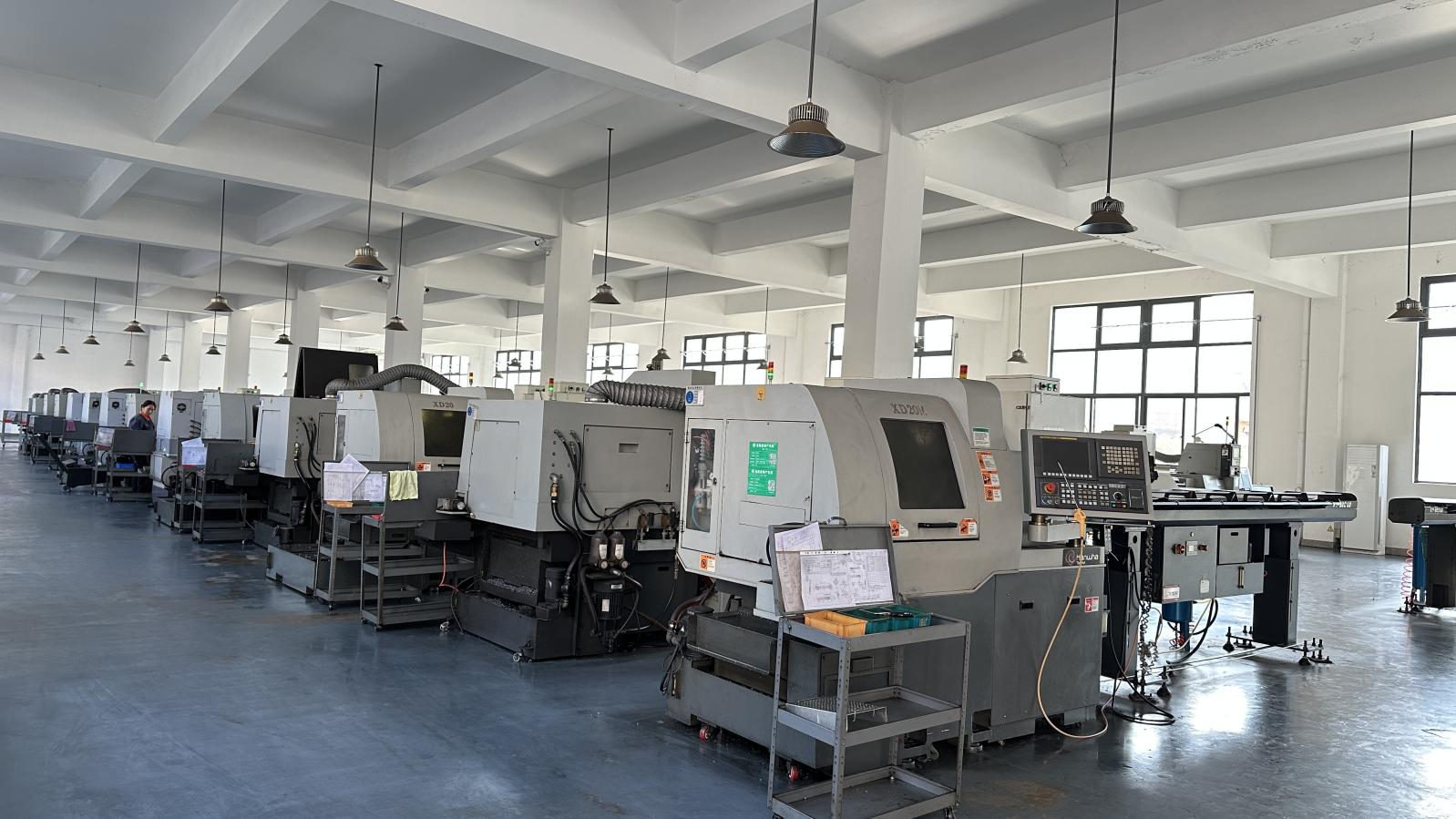
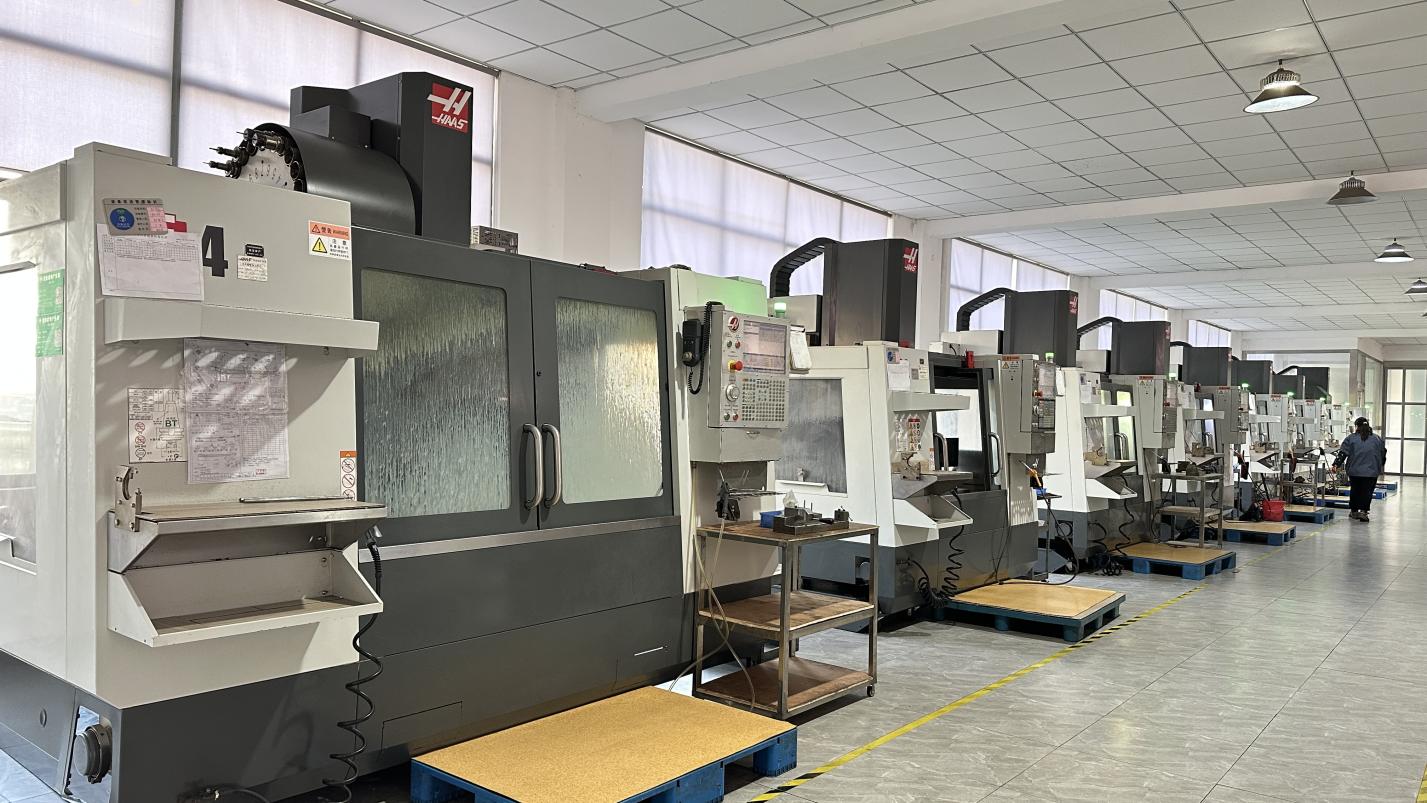
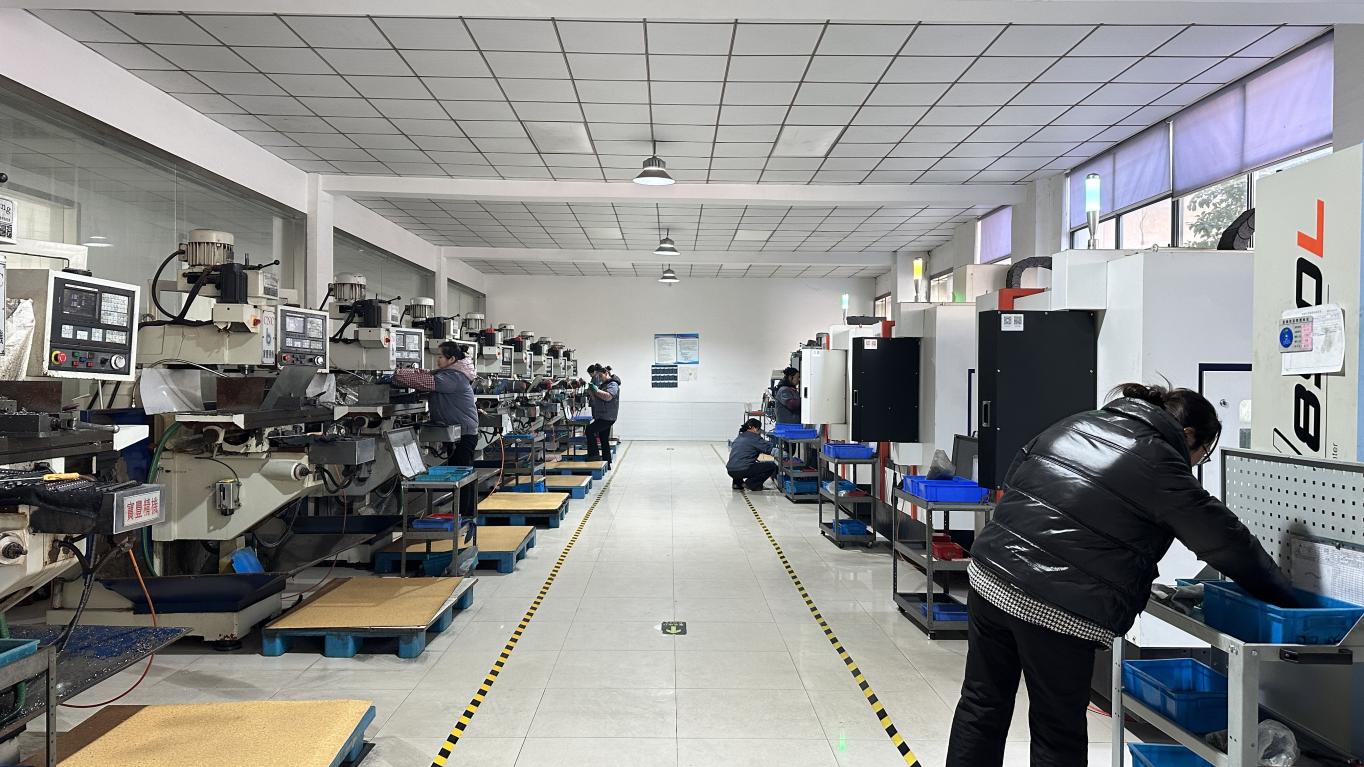
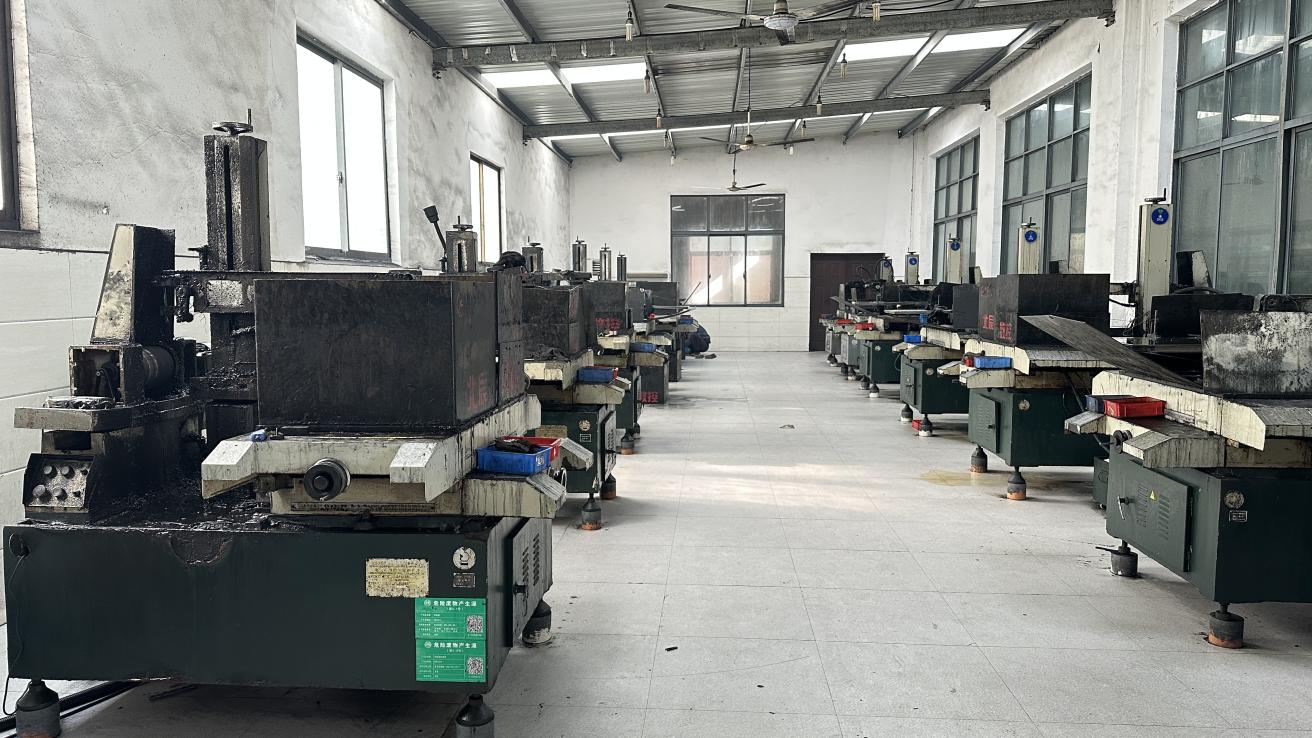
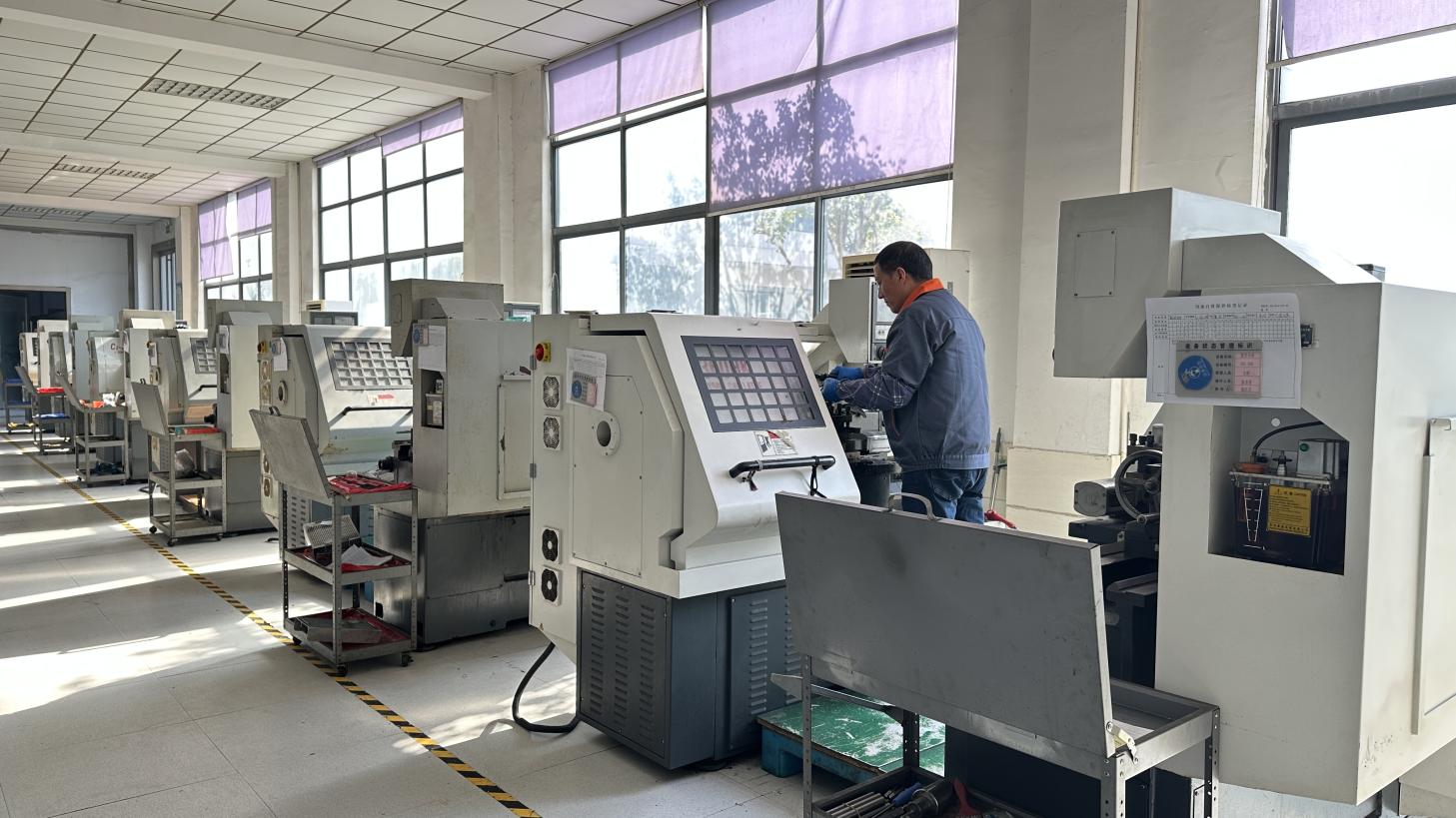
The manufacturing ecosystem in China offers unparalleled advantages in lead times and supply chain stability. At Virelox's 12,000 square meter facility, production processes are vertically integrated. With 850 certified upstream and downstream partners, the raw material pipeline for specialized medical-grade alloys, surgical titanium, and technical polymers remains completely insulated from global market disruptions.
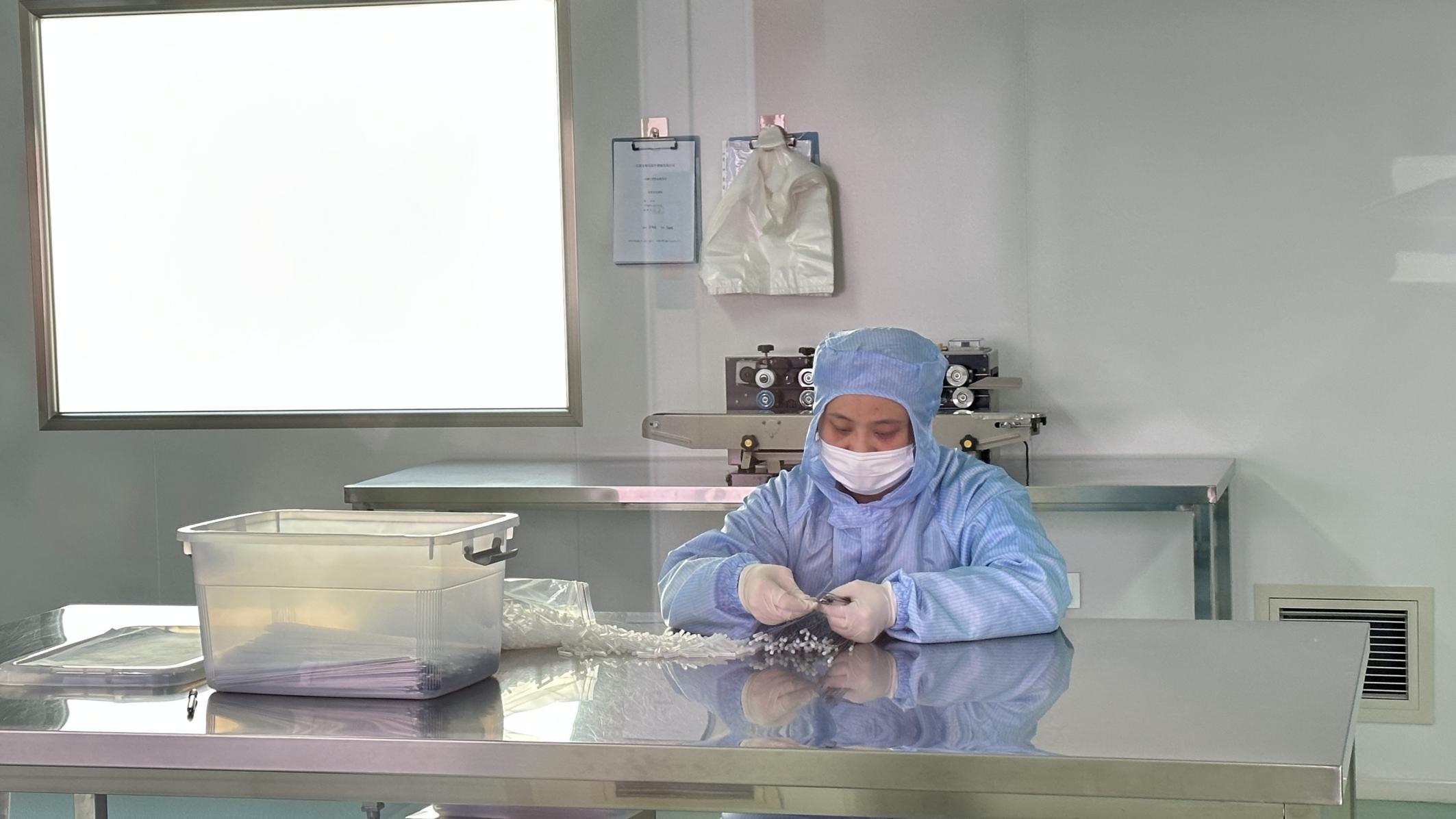
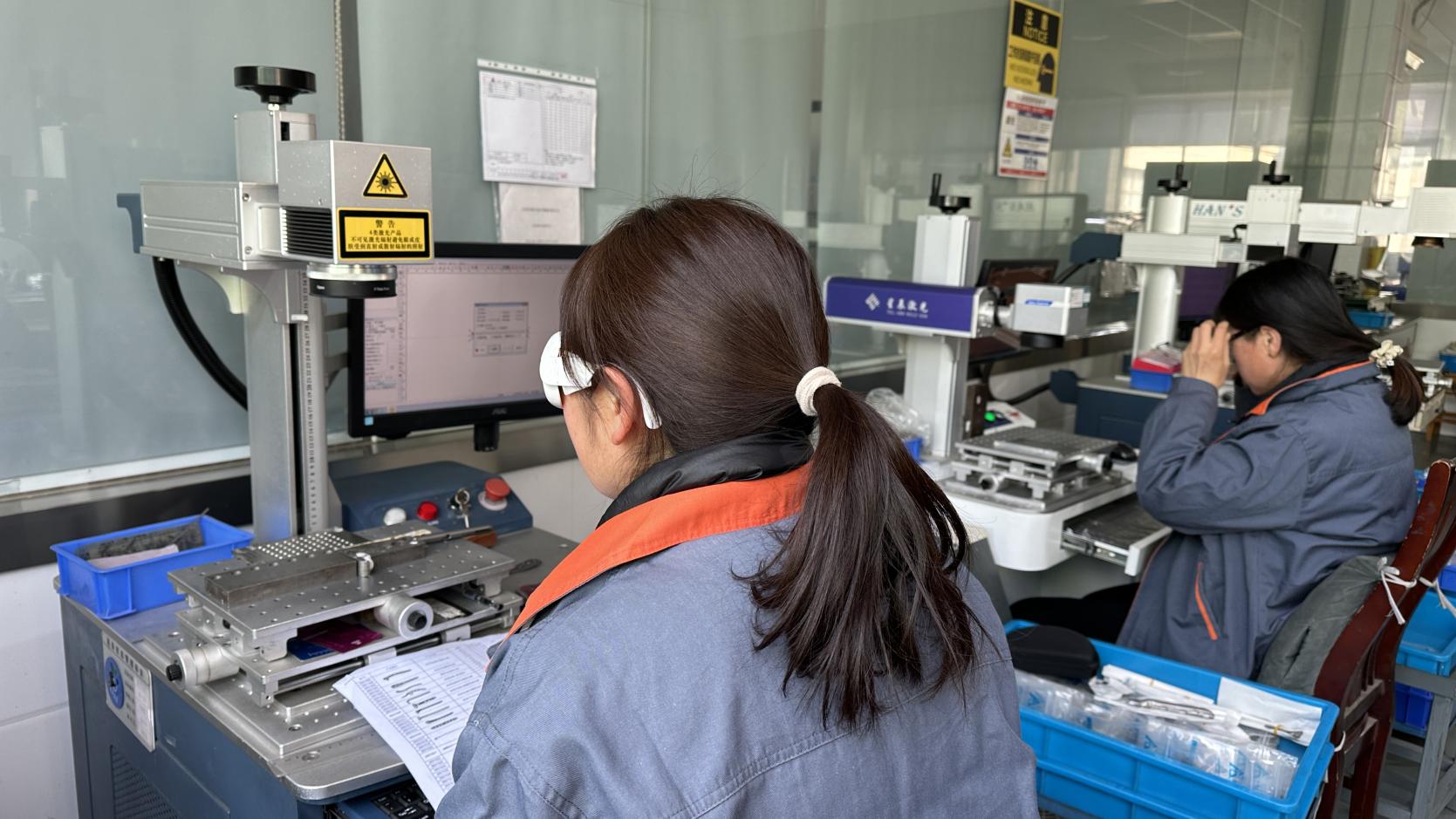
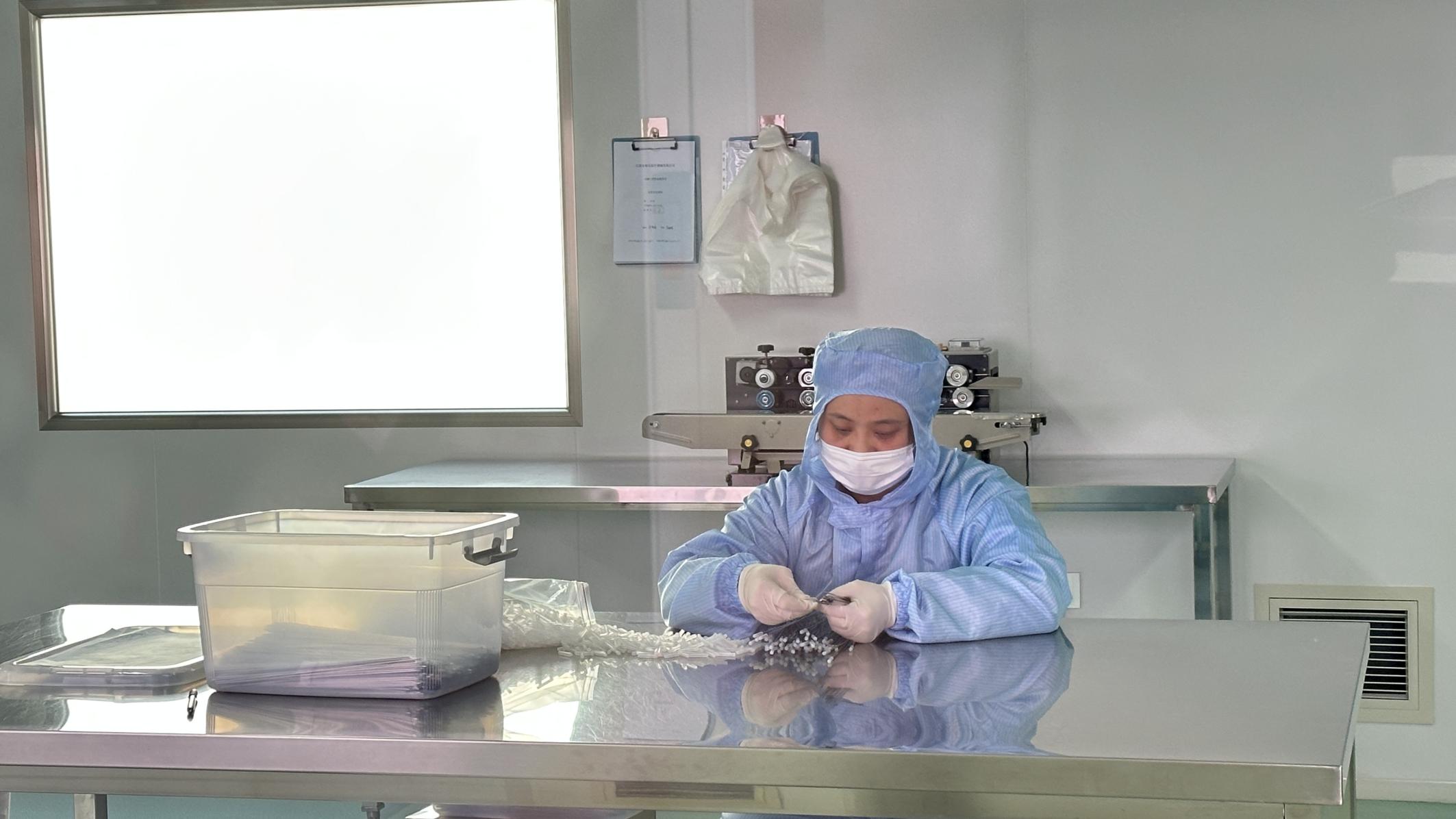
This robust supplier network, paired with a specialized workforce of 120 R&D engineers and 65 quality assurance experts, ensures rapid scaling from prototyping to mass production. Whether fulfilling high-volume hospital tenders or custom private-label runs, the factory manages the entire lifecycle in-house—from raw slitting and multi-axis CNC milling to cleanroom sterile packaging. This structural efficiency translates to shorter lead times and highly competitive pricing structures for global B2B procurement partners.
One size does not fit all in joint replacement. Patient anatomies differ significantly across regions due to genetics, lifestyle, and skeletal size. In Asian markets, for instance, patients often present with smaller femoral canal structures and steeper acetabular angles, requiring implants with smaller dimensions and customized offsets to prevent impingement. In contrast, Western patients typically require larger implant geometries designed to handle higher body mass indices.
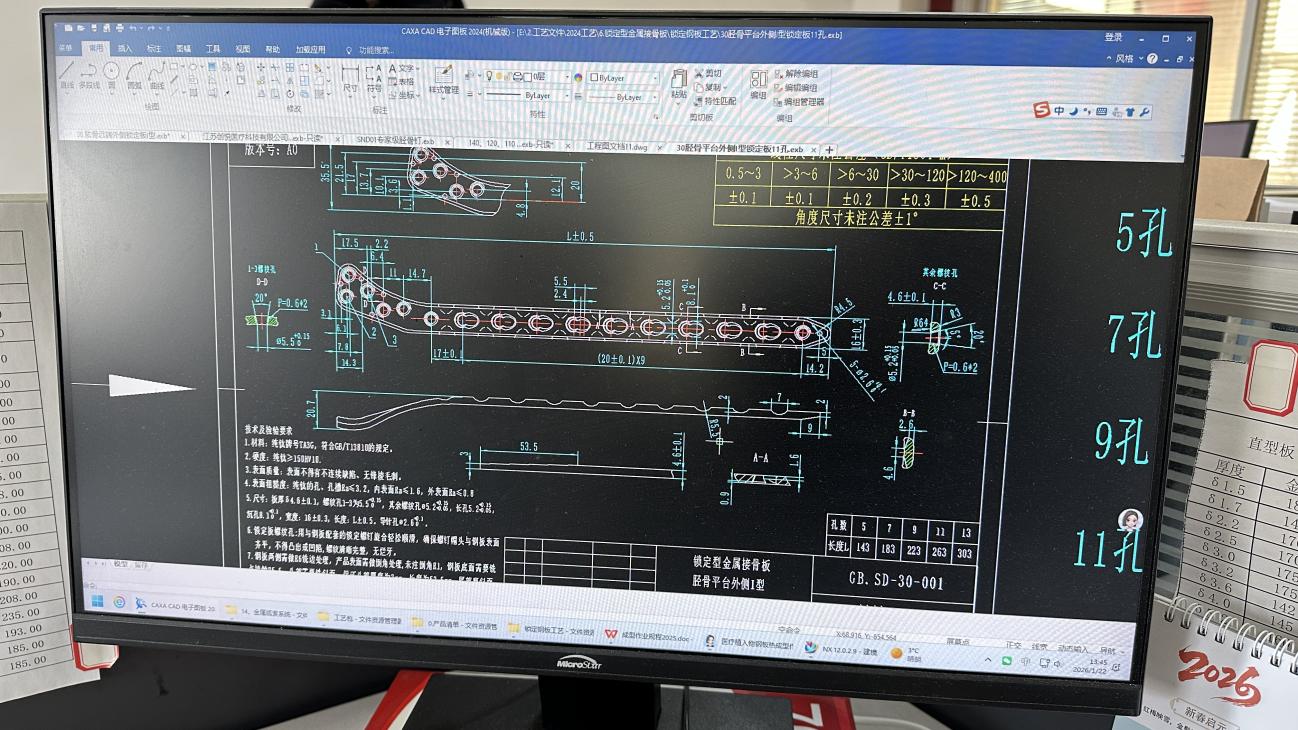
To address these needs, Virelox offers customizable design services that allow distributors and surgeons to adjust acetabular cup geometries, femoral stem lengths, and neck-shaft angles. Through advanced CAD modeling and finite element analysis (FEA), the factory produces implants optimized for specific anatomical profiles, improving stability and reducing the risk of post-operative dislocation.
The future of hip joint reconstruction is focused on improving wear resistance and promoting biological fixation. Virelox is actively researching next-generation materials and surface technologies to extend the lifespan of implants:
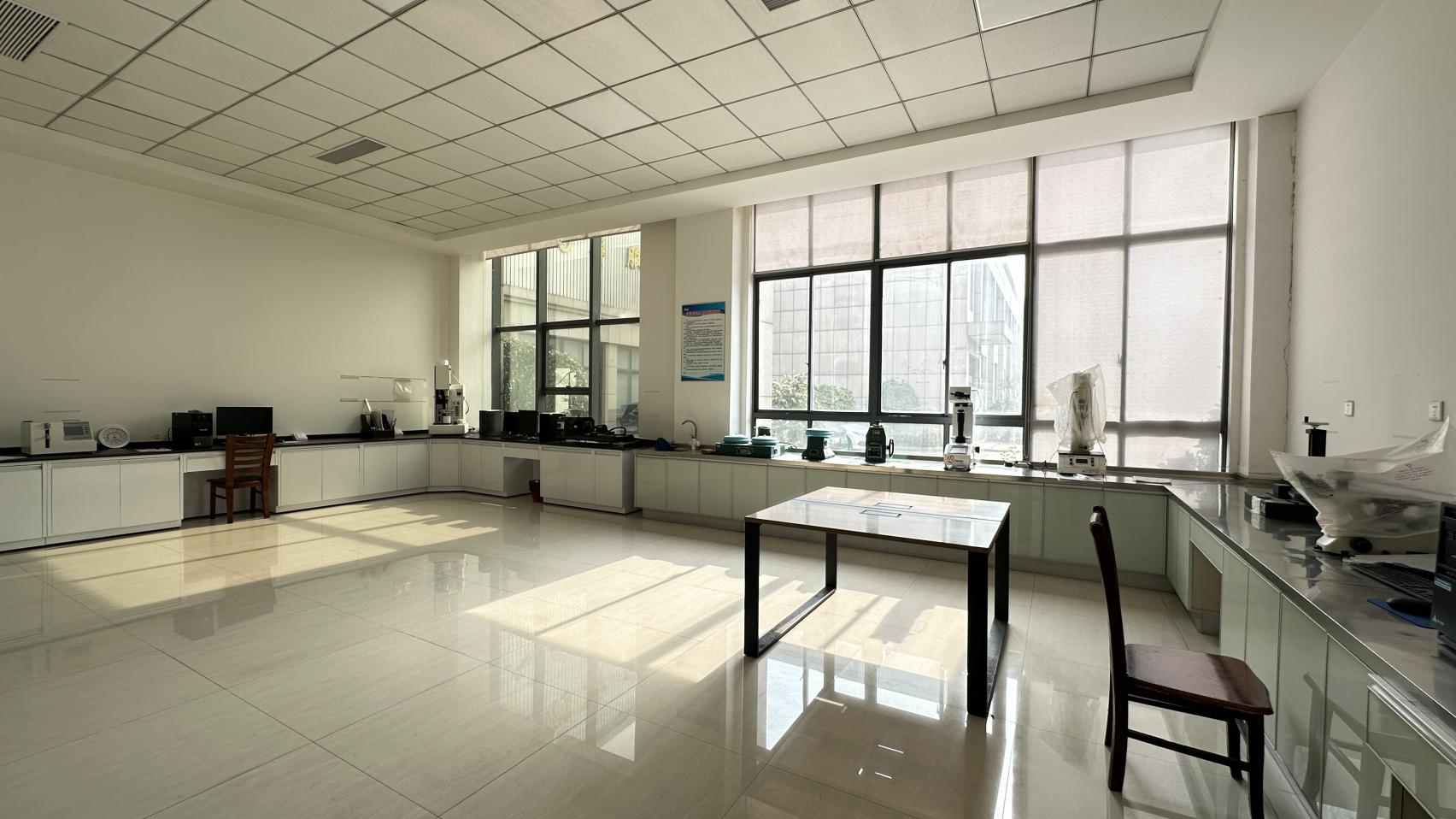
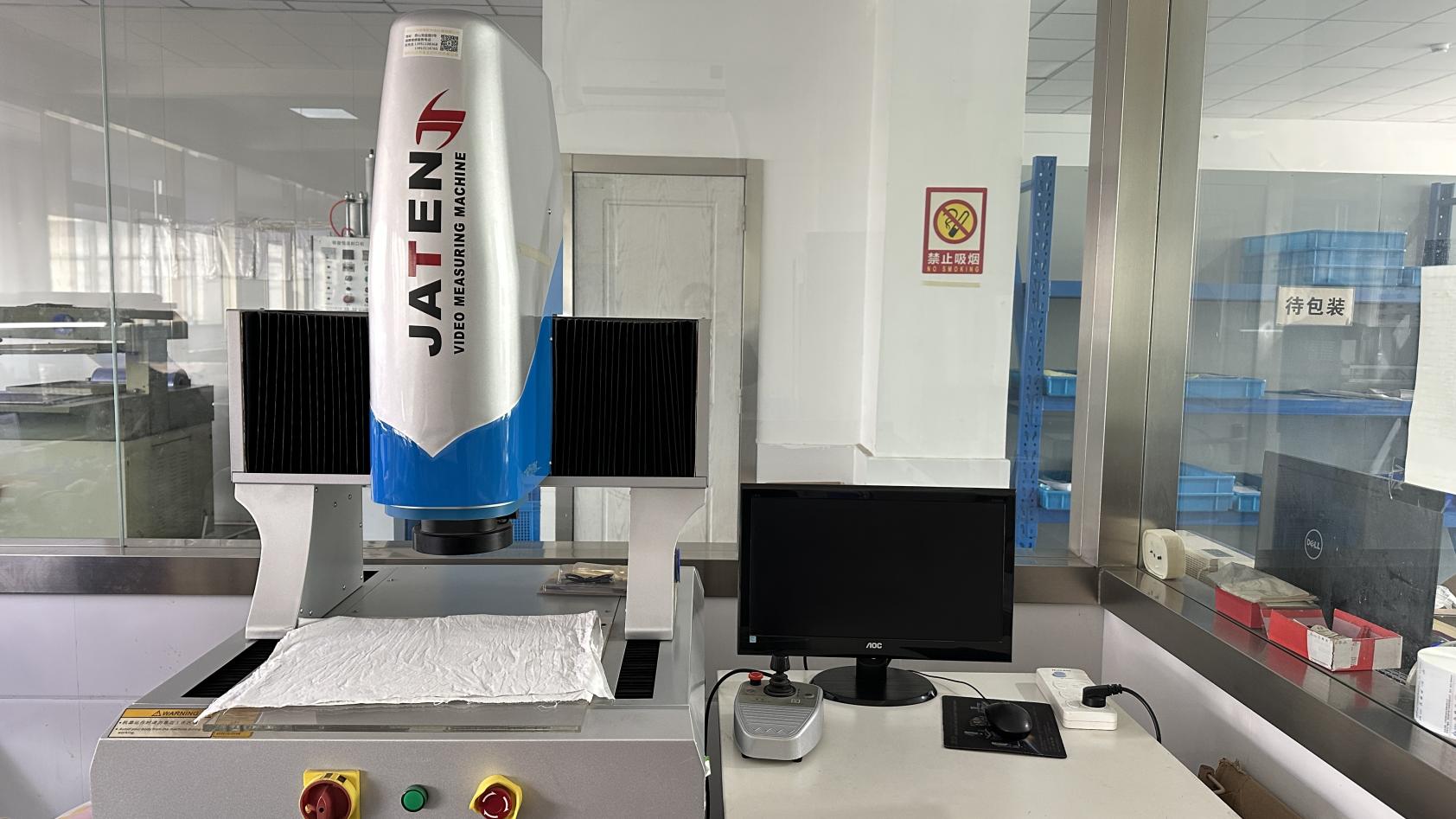
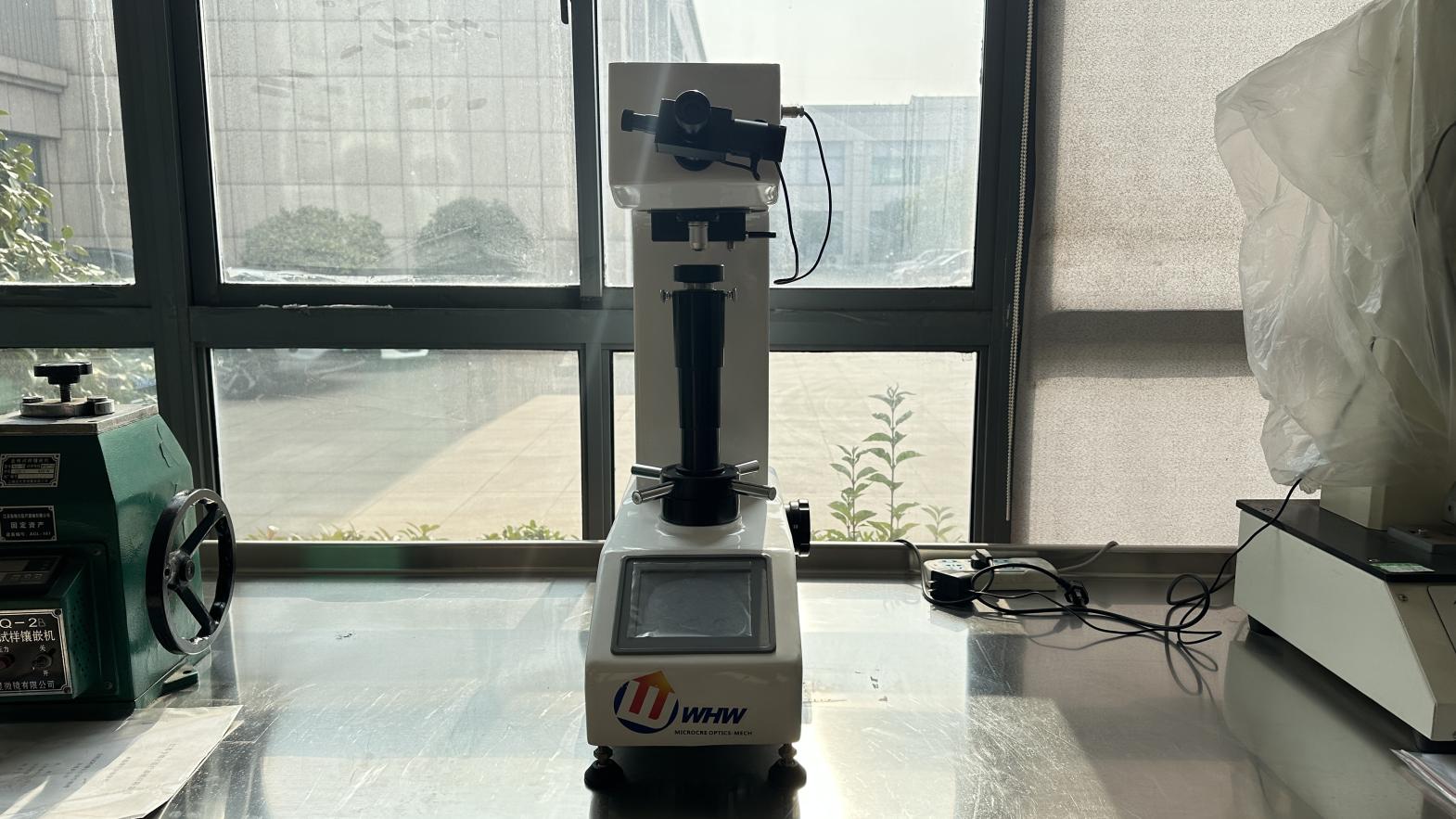
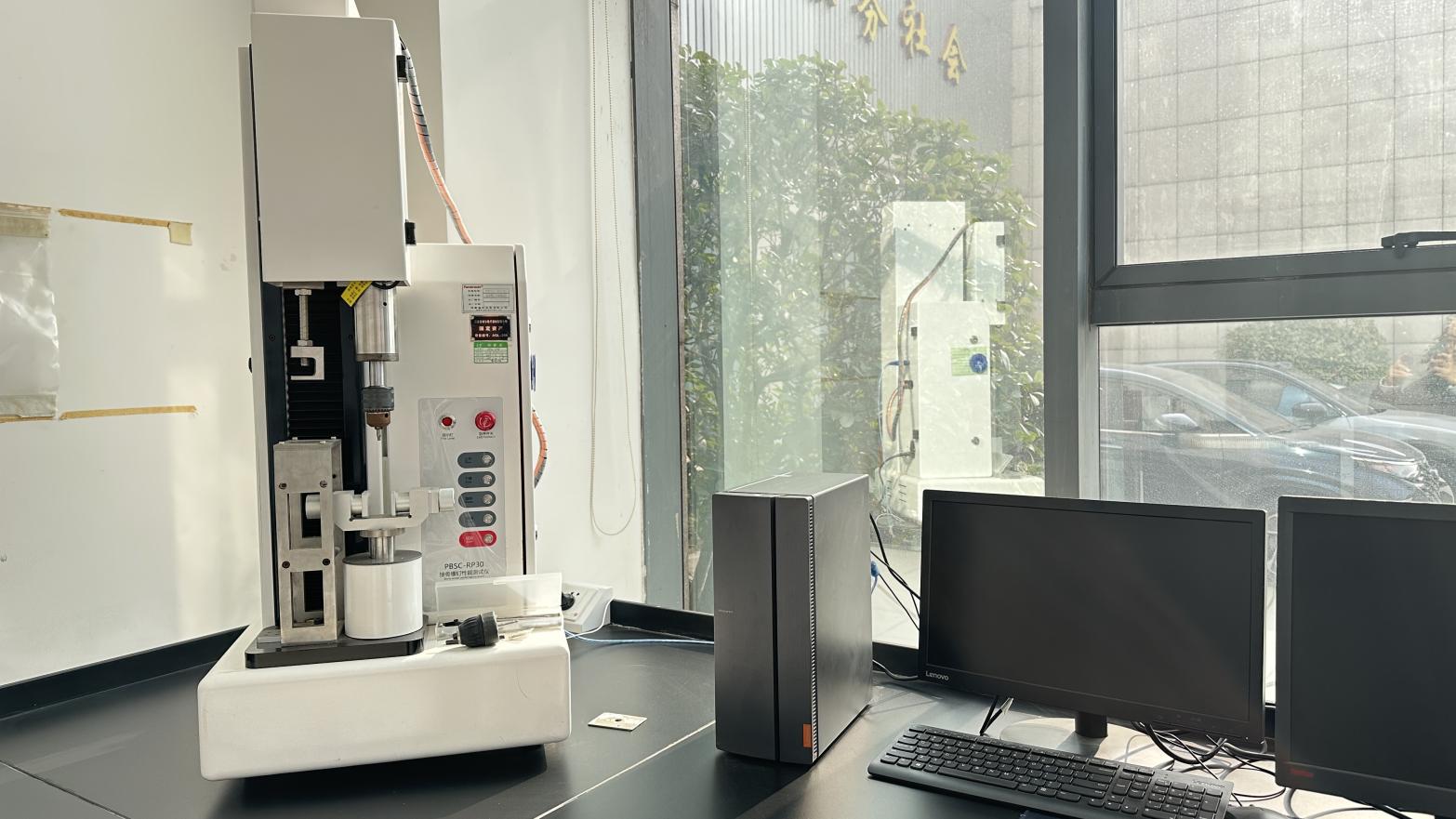
Exporting to highly regulated markets requires a strict, comprehensive quality assurance program. Under an ISO 13485 quality management system, every batch of hip joints undergoes thorough testing before release. The factory's testing protocols cover every phase of production:
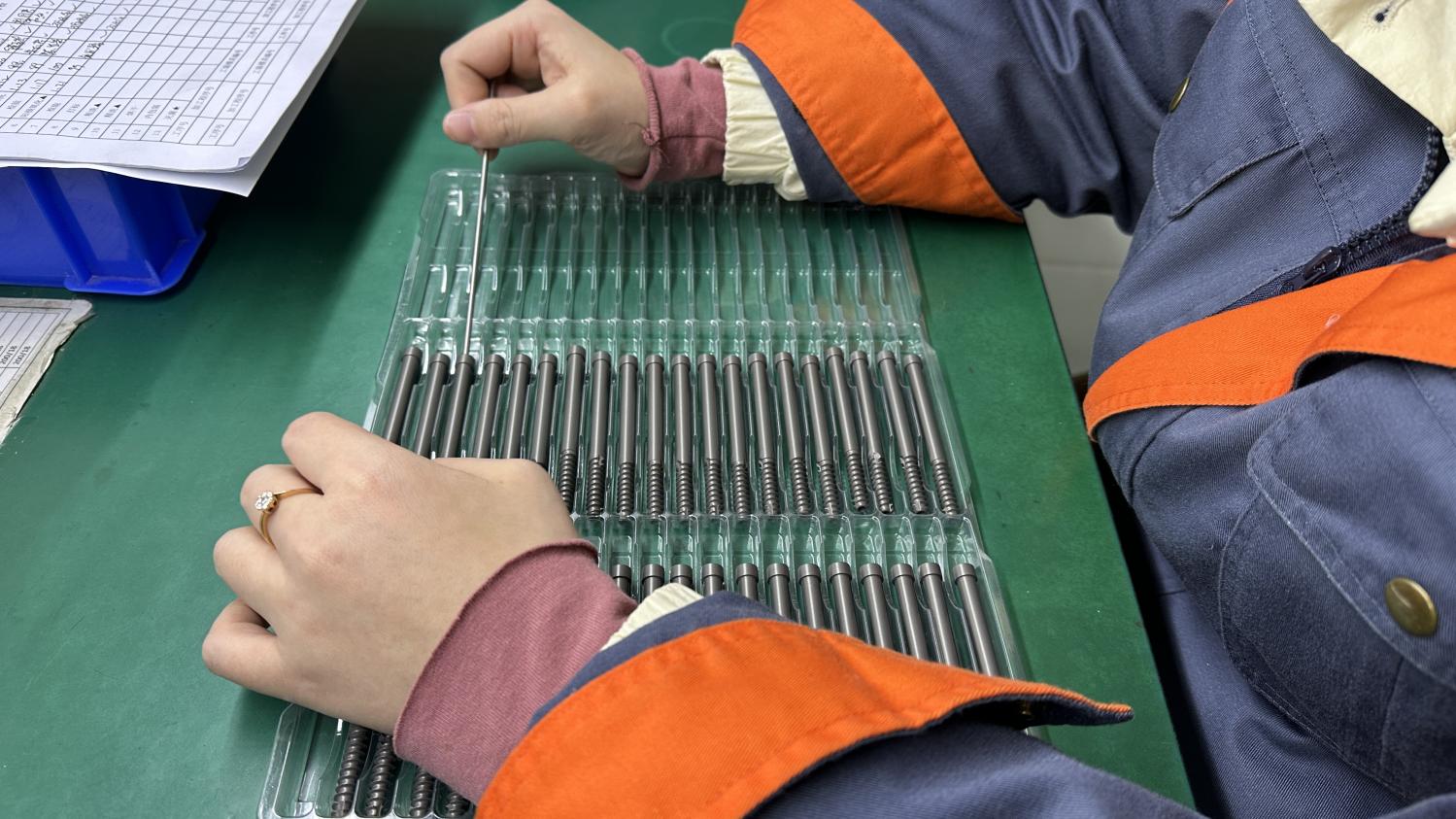
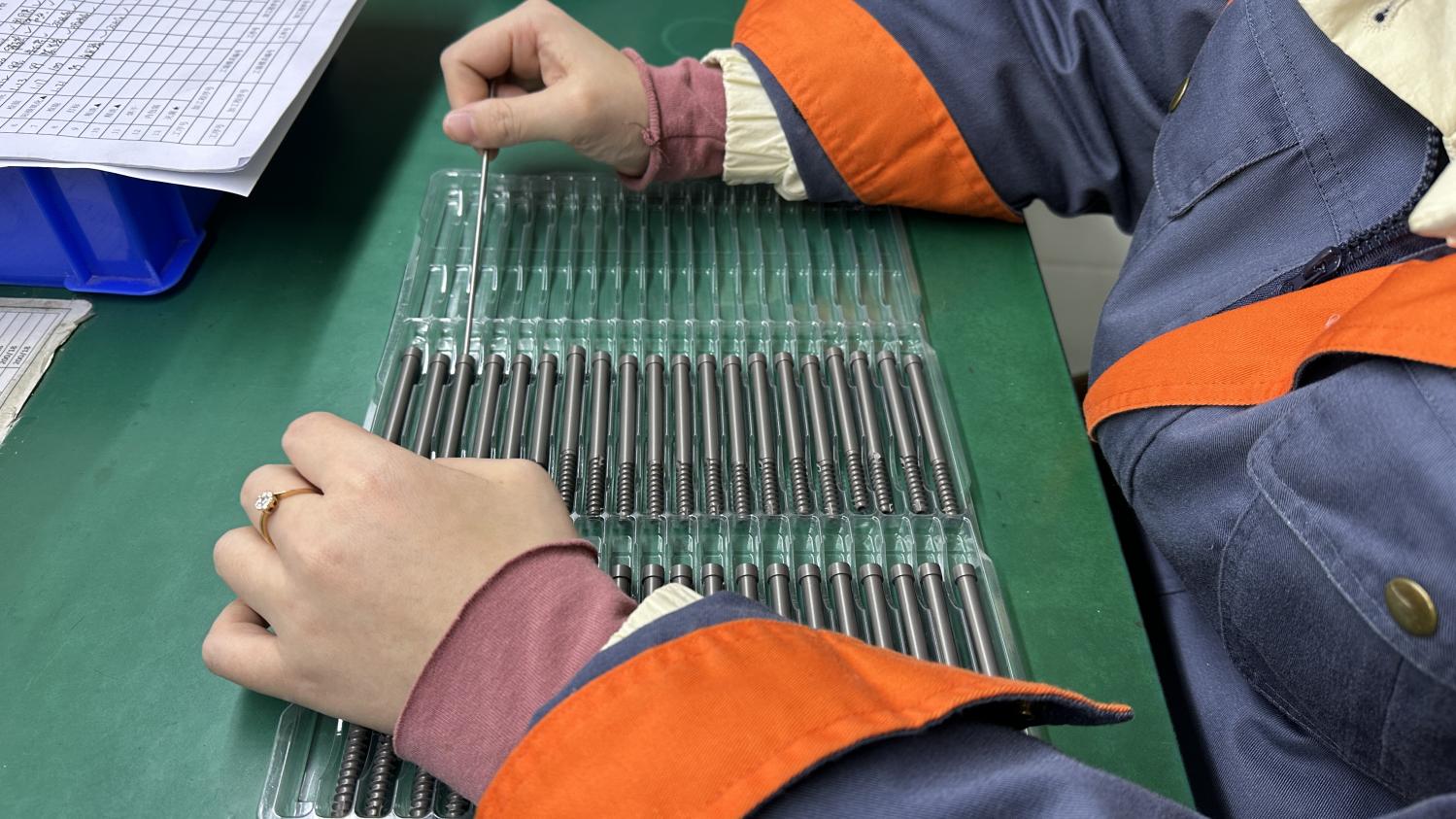
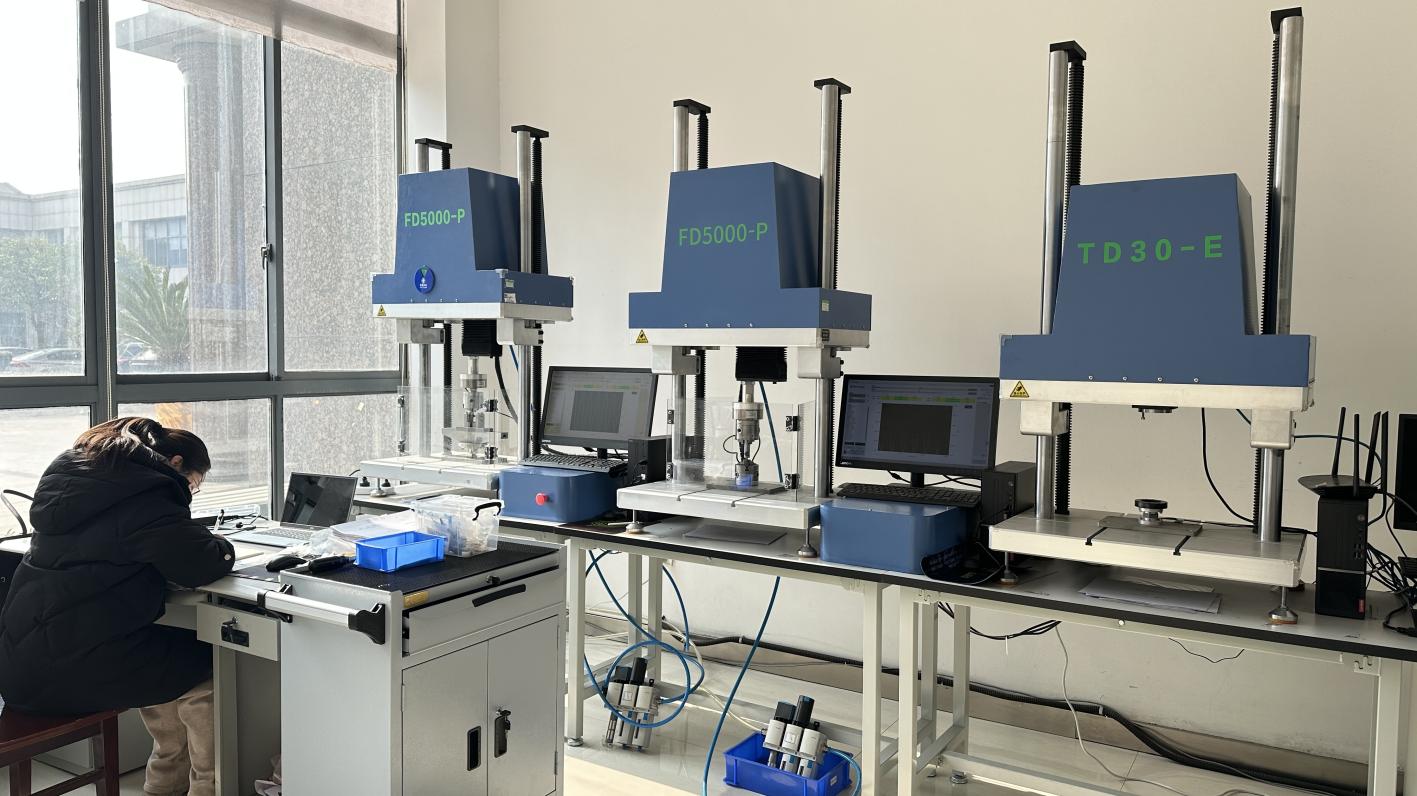
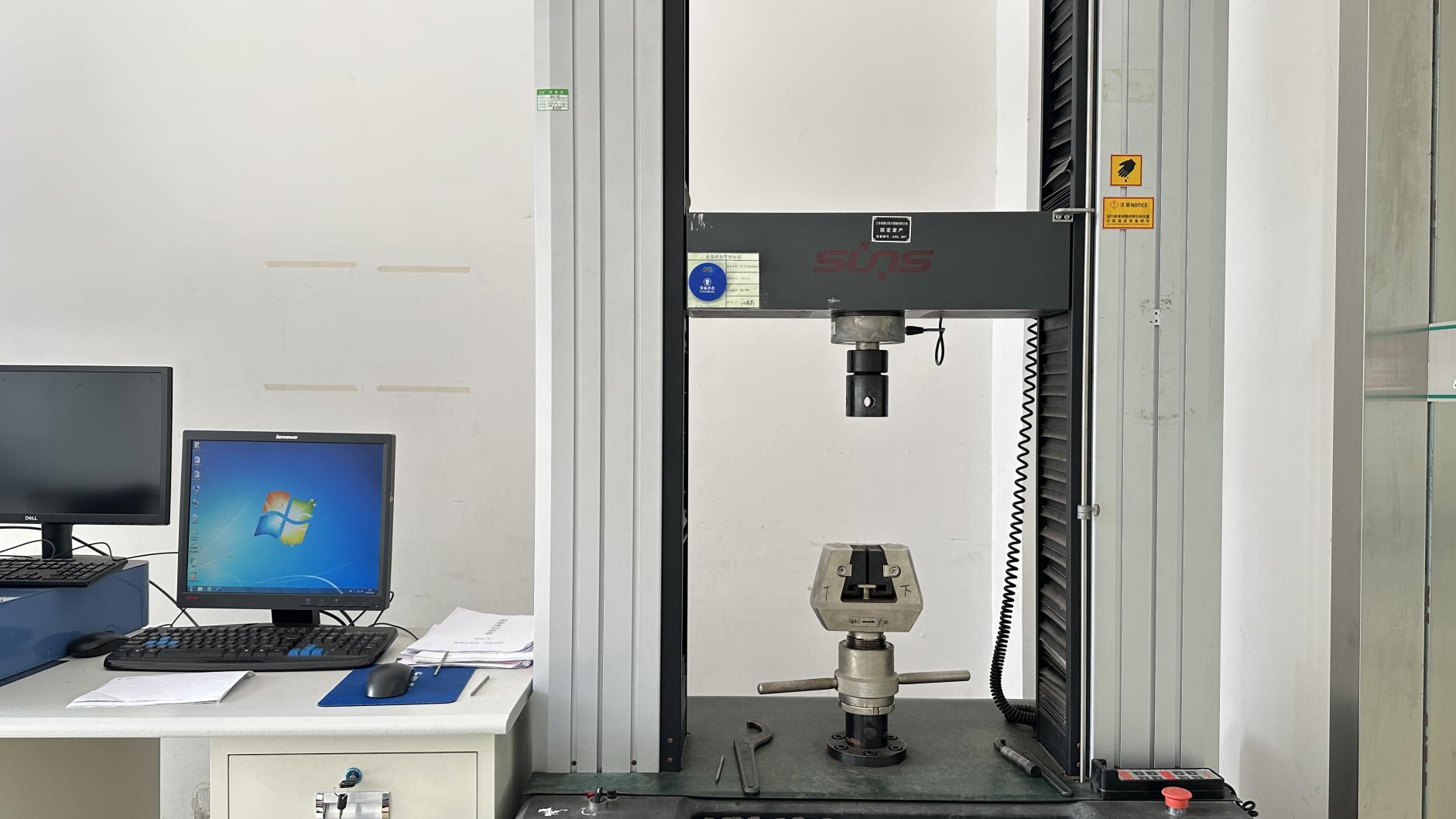
Incoming raw materials are verified using chemical composition analysis and mechanical tensile testing. During machining, dimensional precision is confirmed using Coordinate Measuring Machines (CMM) and 2D vision systems. Critical load-bearing components undergo non-destructive testing, including X-ray imaging and liquid penetrant inspection, to identify micro-voids or internal structural defects. Finished implants are tested on fatigue rigs that simulate millions of gait cycles, verifying mechanical reliability before sterilization and clinical use.
 Virelox