Engineered to meet the exact mechanical, biological, and physiological demands of orthopedic clinical interventions
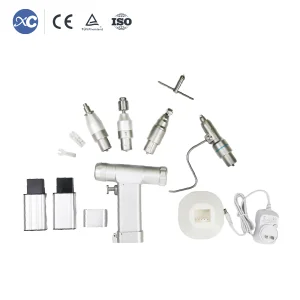
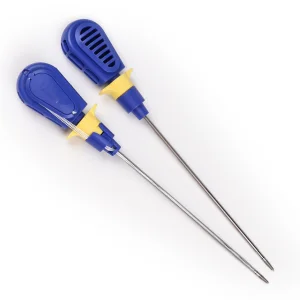
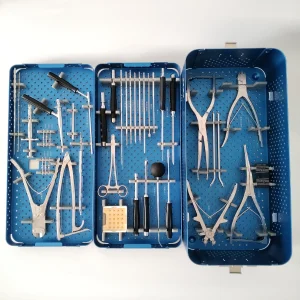
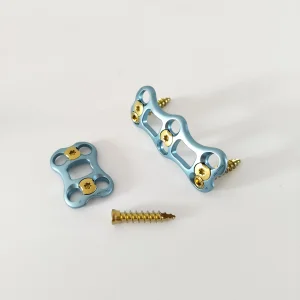
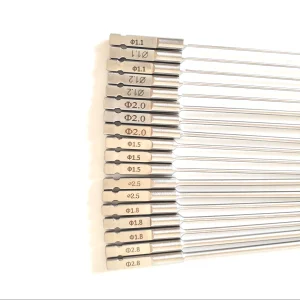
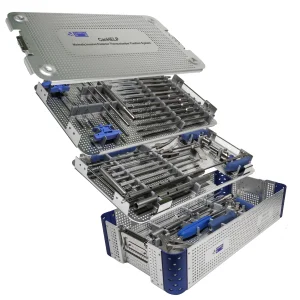
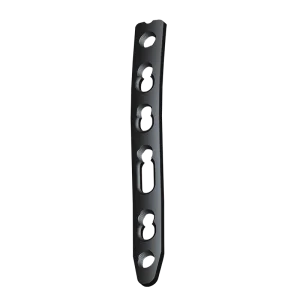
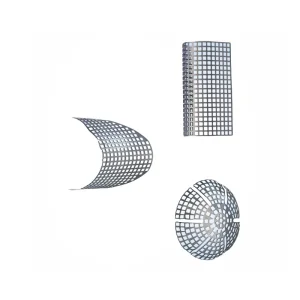
Providing state-of-the-art orthopedic implants backed by rigorous validation testing and scale manufacturing
Virelox Medical Devices Co., Ltd. is a professional orthopedic medical device manufacturer specializing in joint replacement, osteosynthesis systems, and surgical implant solutions. Operating under the registered brand "Virelox", the company delivers high-performance, clinically validated orthopedic designs for healthcare systems, OEM partners, and distributors worldwide.
With a decade of clinical and manufacturing industry experience, our structure bridges the gap between state-of-the-art biomechanical research and the manufacturing efficiencies of China's most robust medical industrial zones. Our export footprint extends across Europe, Southeast Asia, the Middle East, and South America, maintaining a perfect record of regulatory alignment and shipping reliability.
An in-depth analysis of clinical demands, market transitions, and modern fixation materials
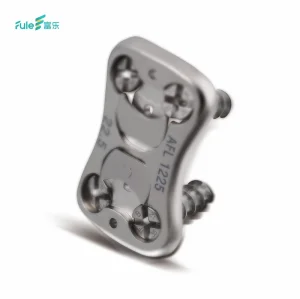
The global demand for fracture fixation devices is expanding due to an aging population susceptible to osteoporotic fractures and the rise of high-energy trauma incidents. Historically, internal fixation was limited to standard compression plates and monaxial screws. Modern orthopedic surgery requires anatomical pre-contoured plates, polyaxial locking systems, and intramedullary nails engineered to handle cyclic physiological loading.
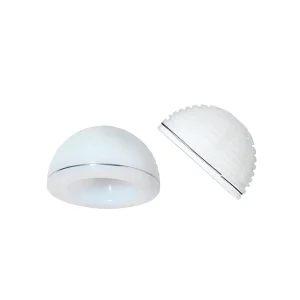
Implants must balance structural rigidity with biological compatibility to prevent stress shielding. Our materials research concentrates on Grade 5 titanium alloys (Ti-6Al-4V ELI) and Ultra-High-Molecular-Weight Polyethylene (UHMWPE) for articulating components. These materials offer low modulus of elasticity, high tensile strength, and superior resistance to mechanical fatigue.
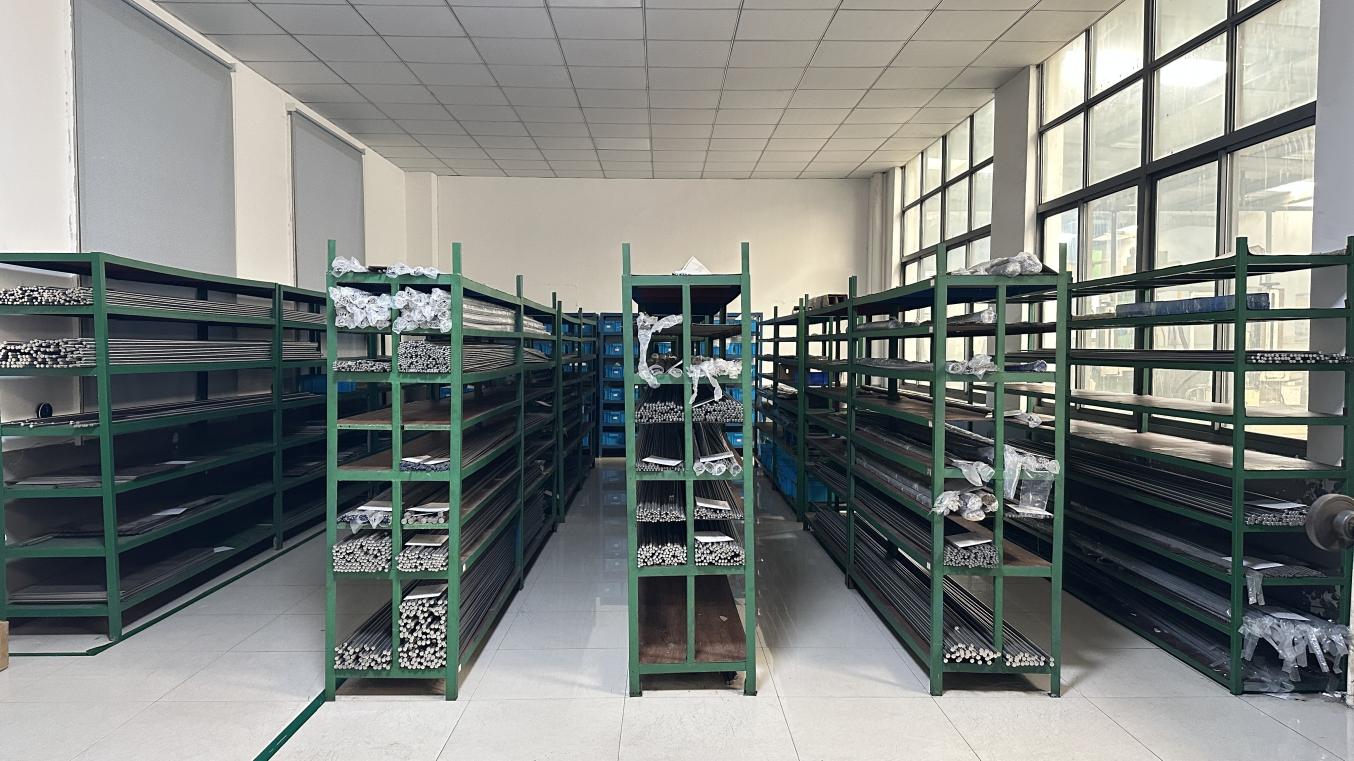
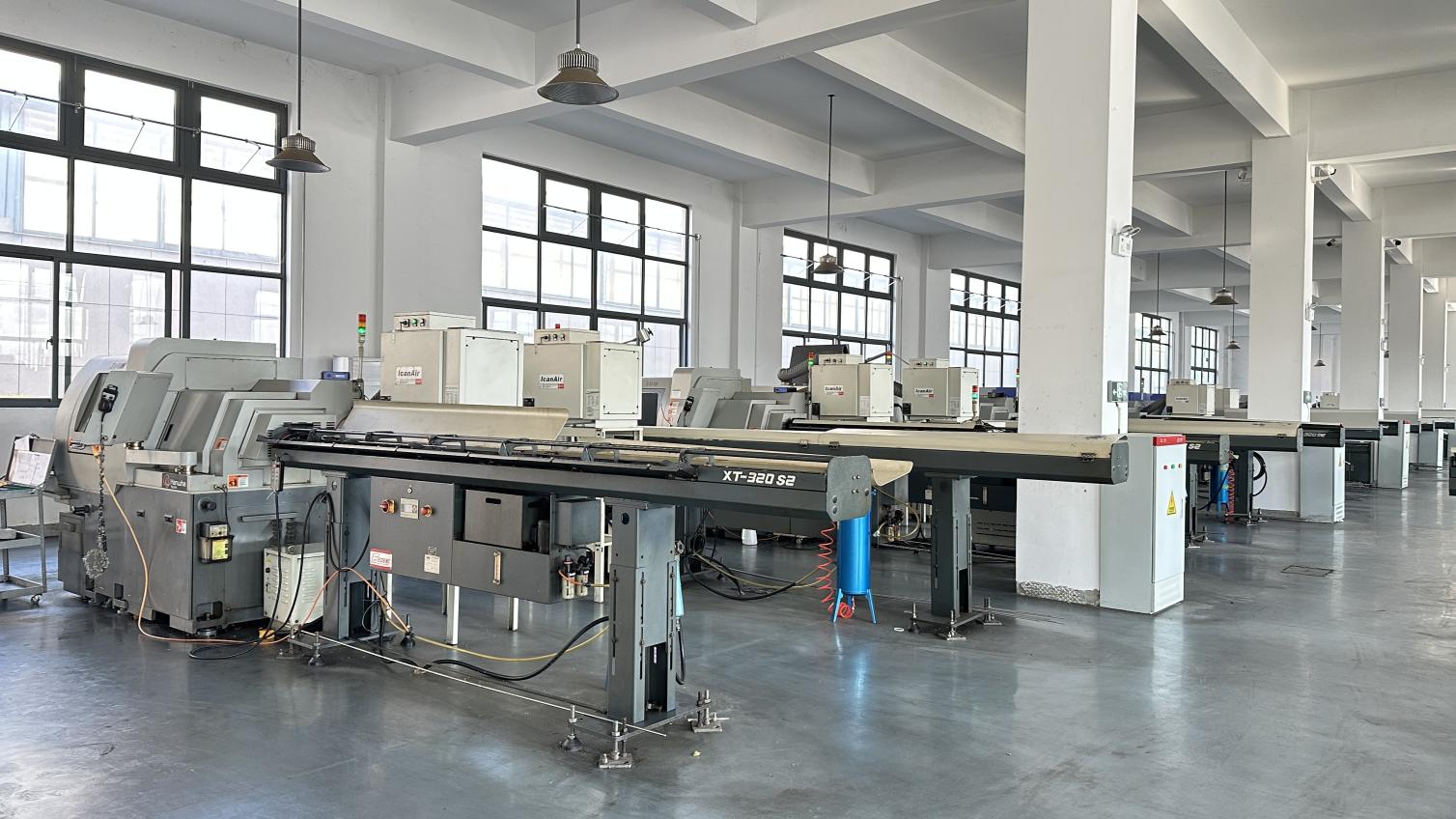
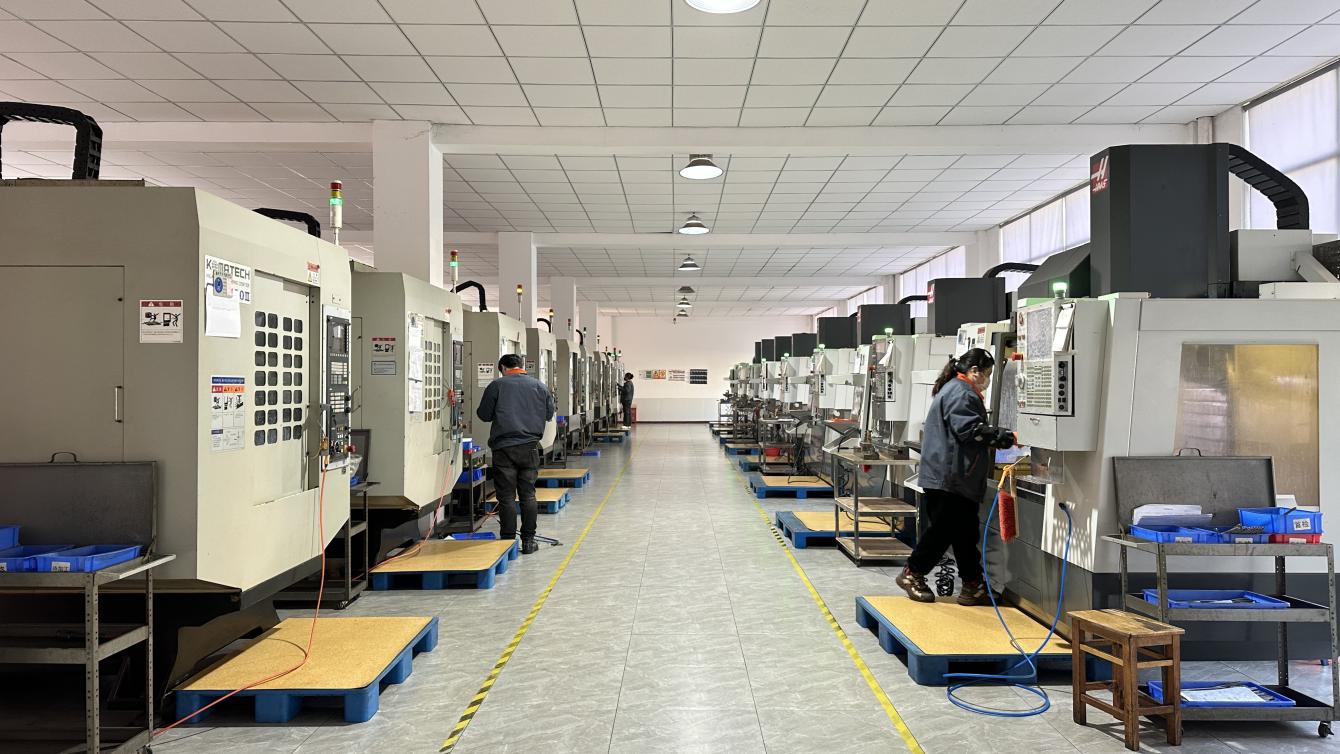
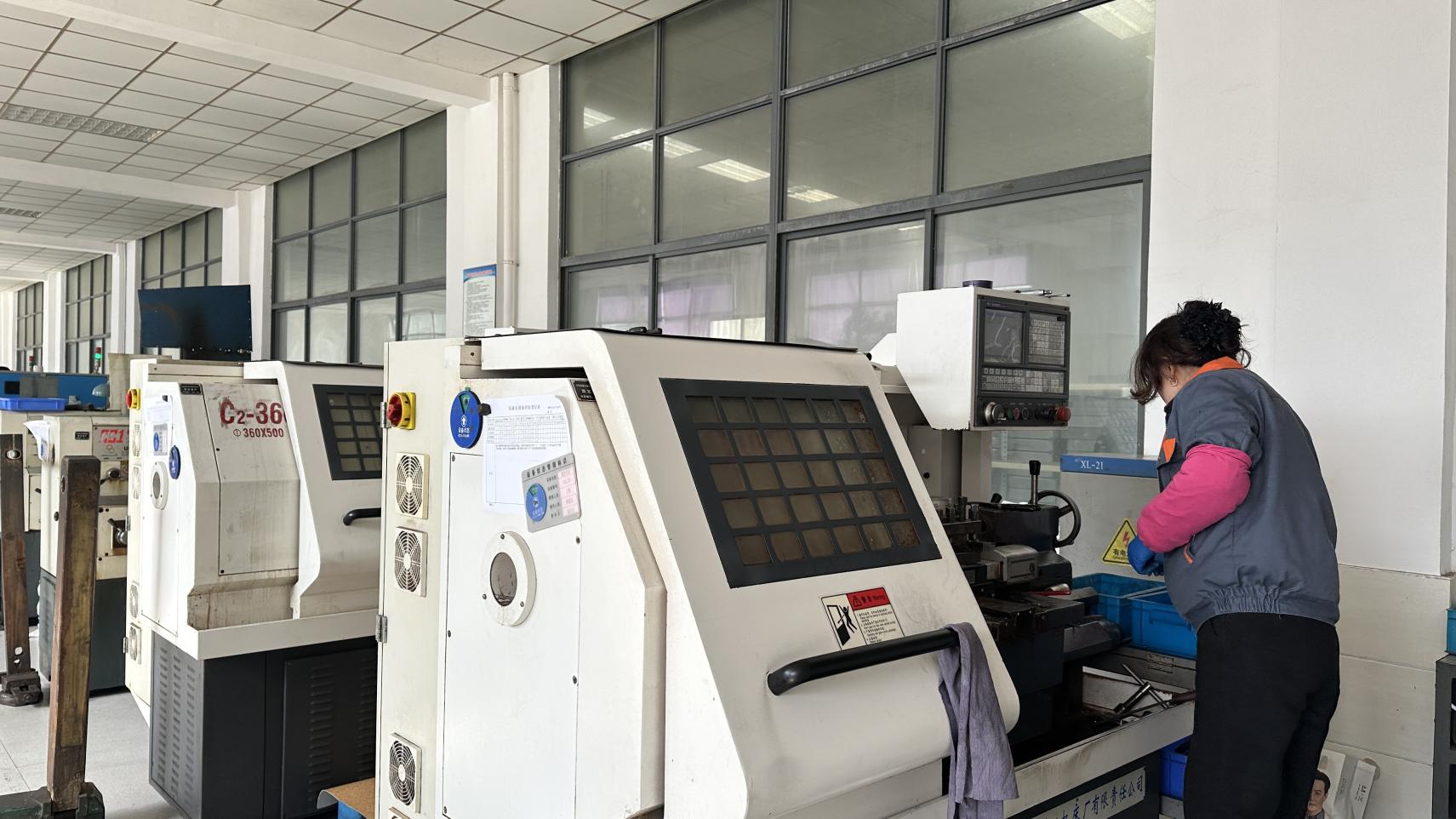
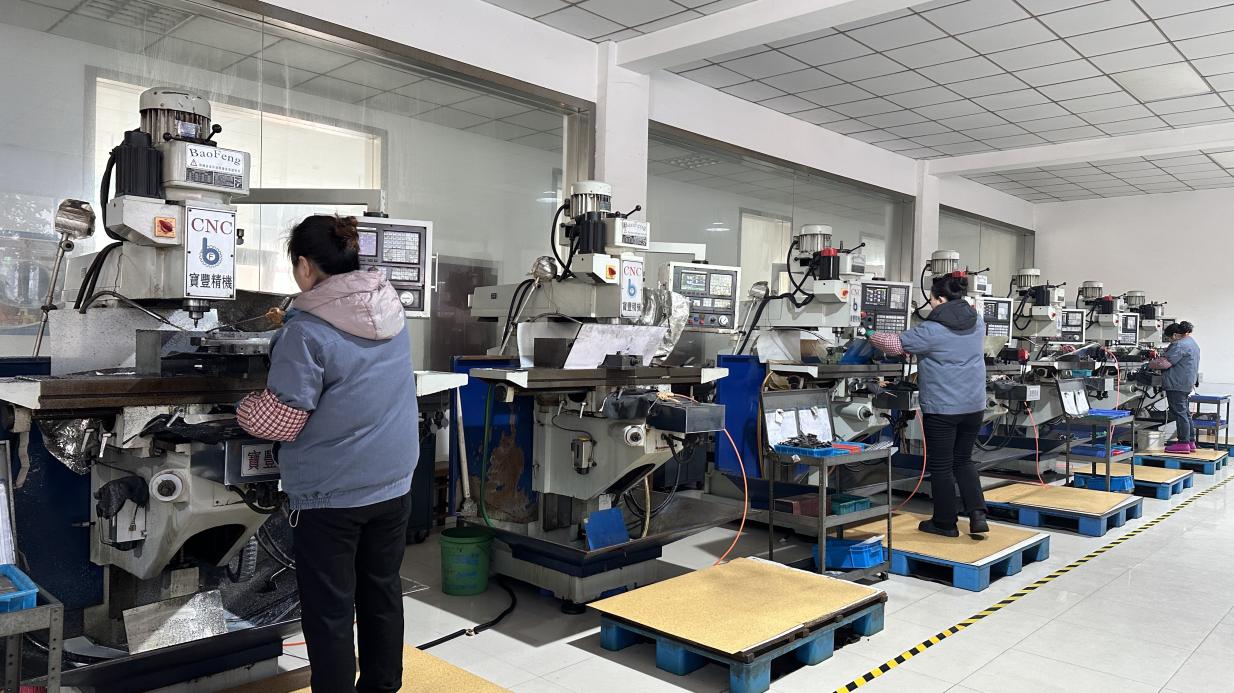
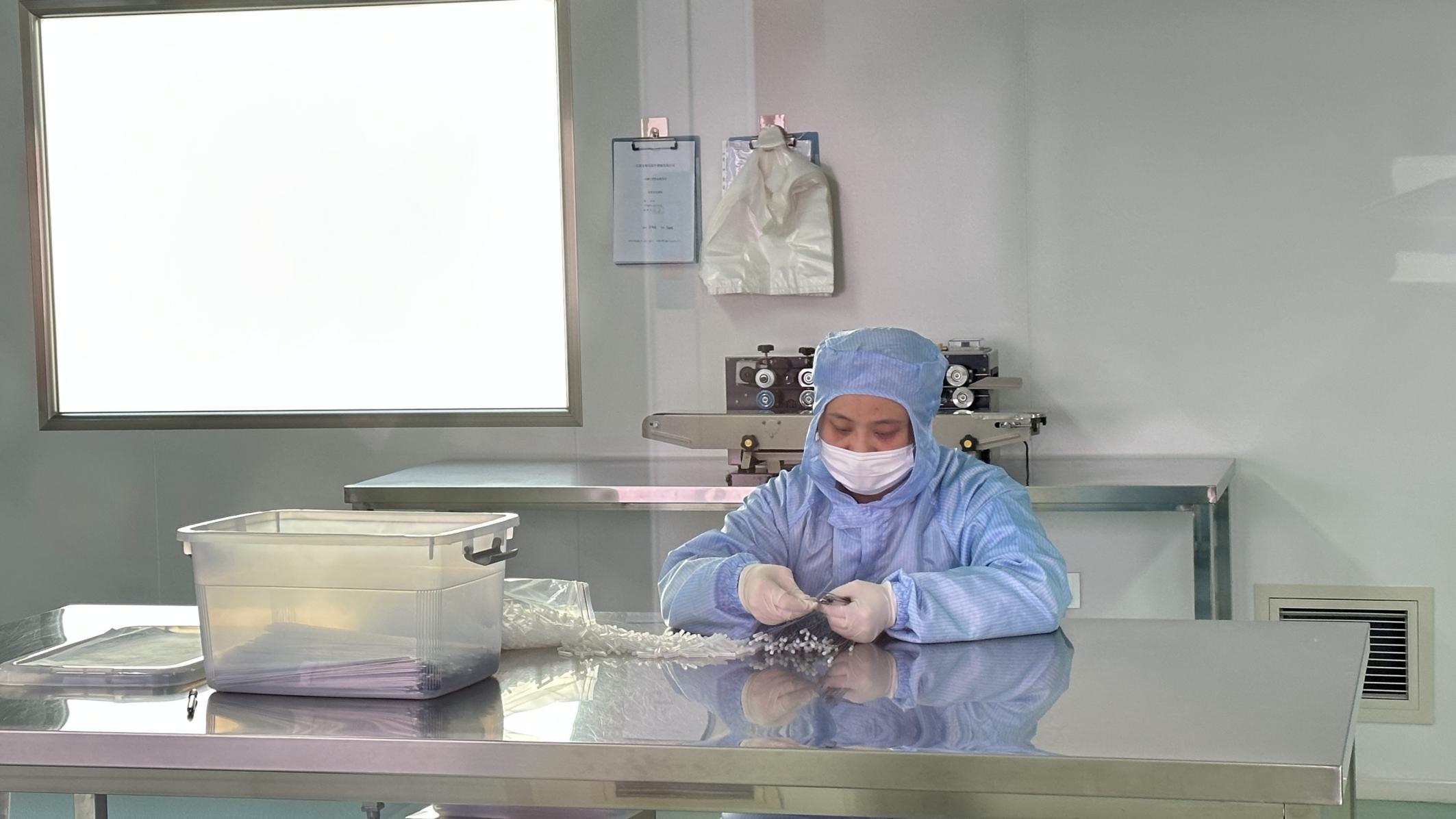
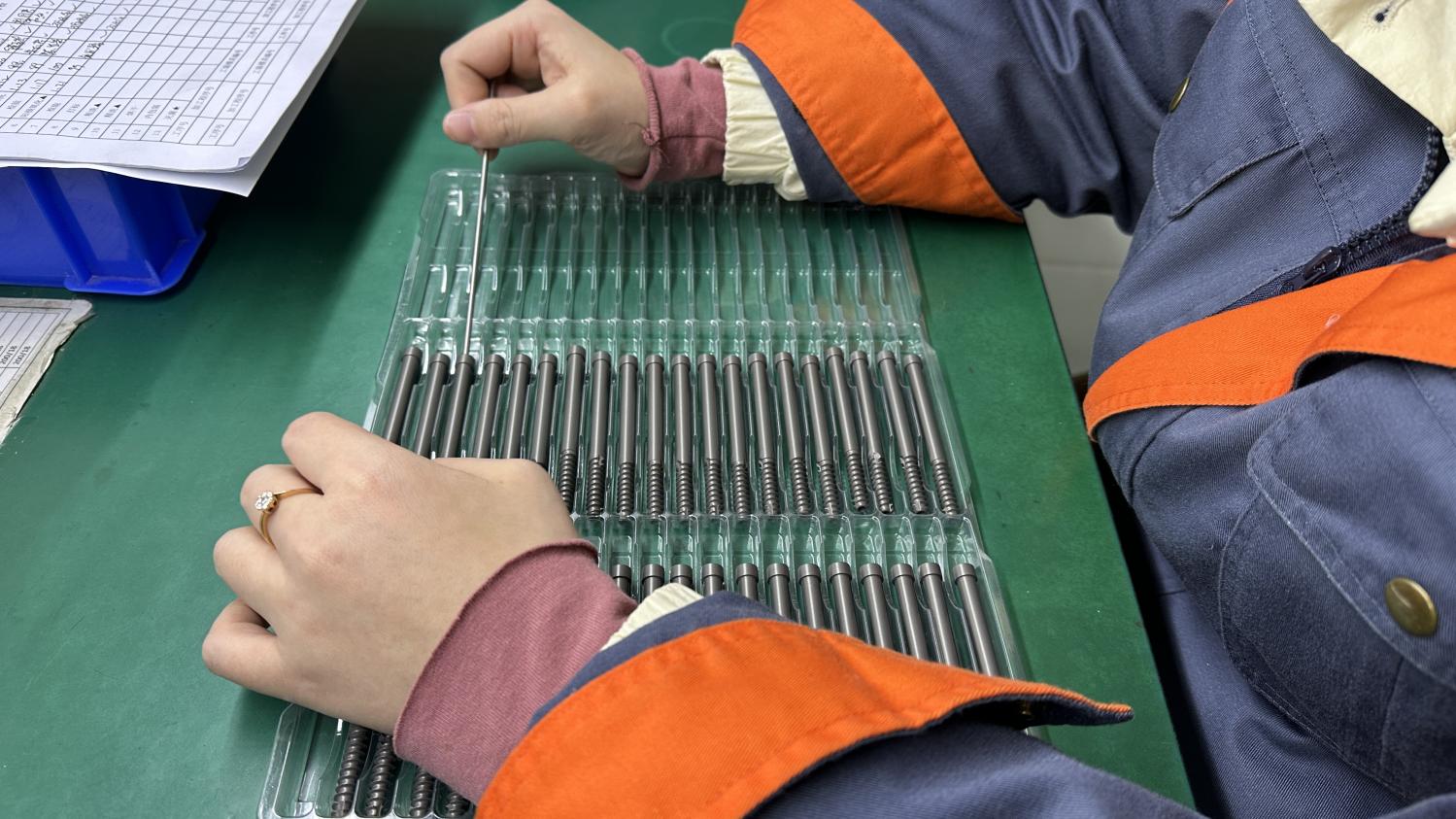
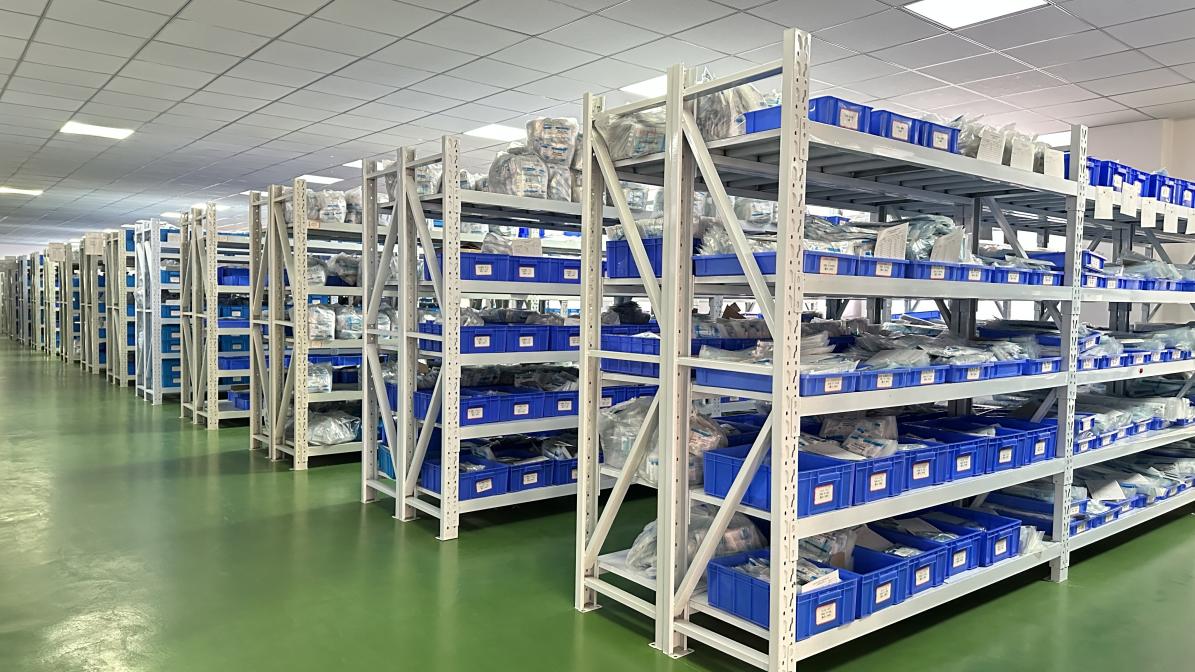
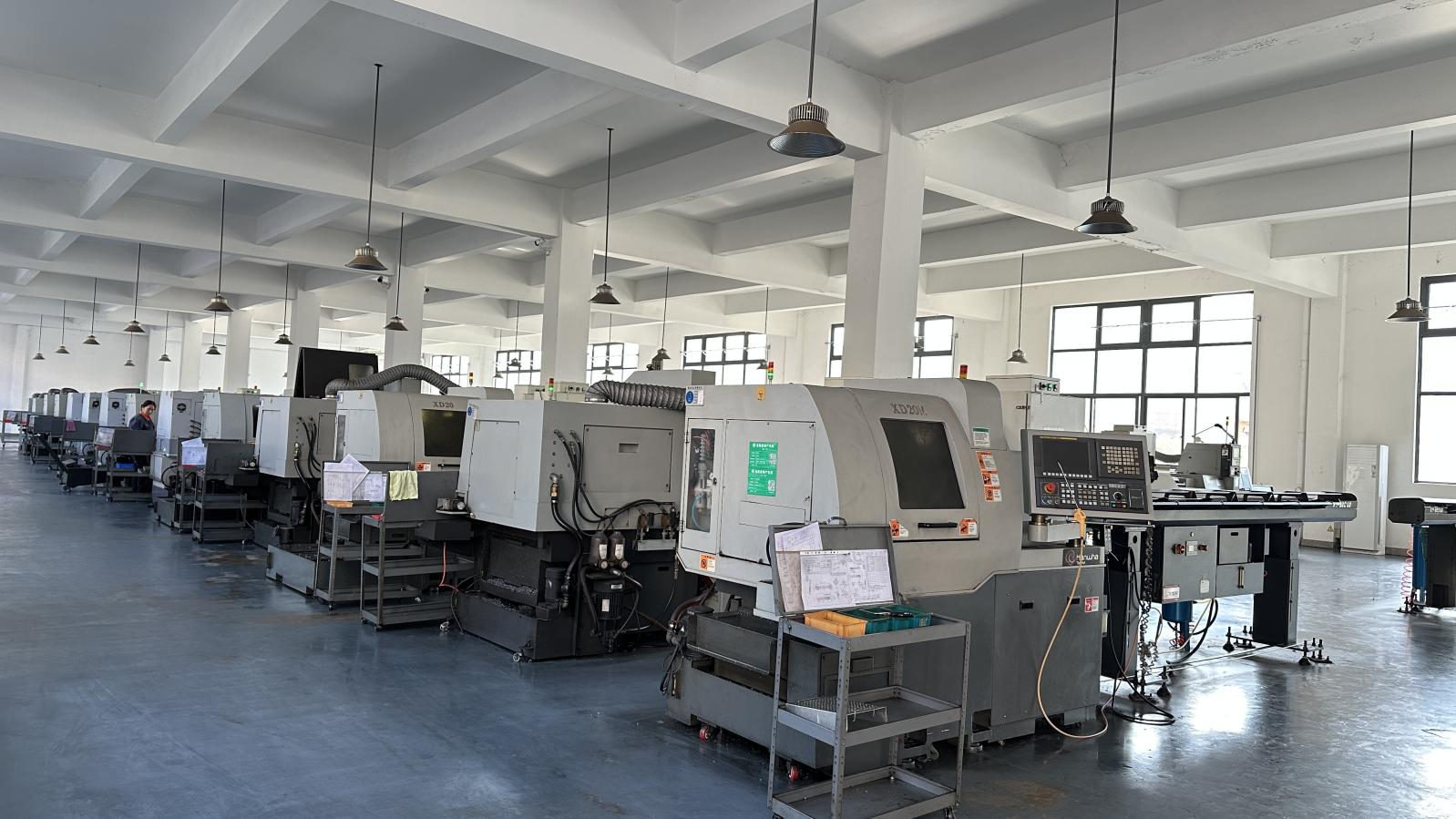
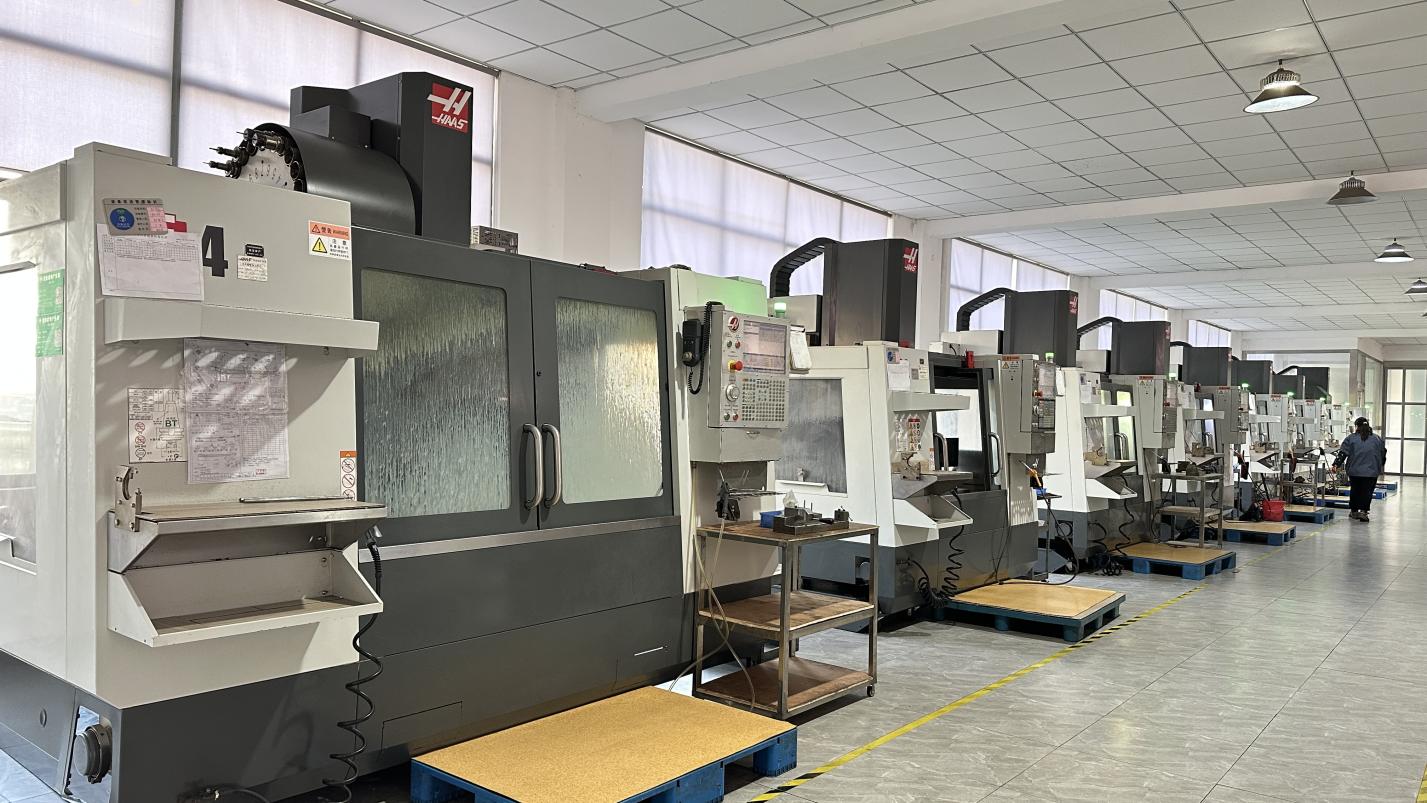
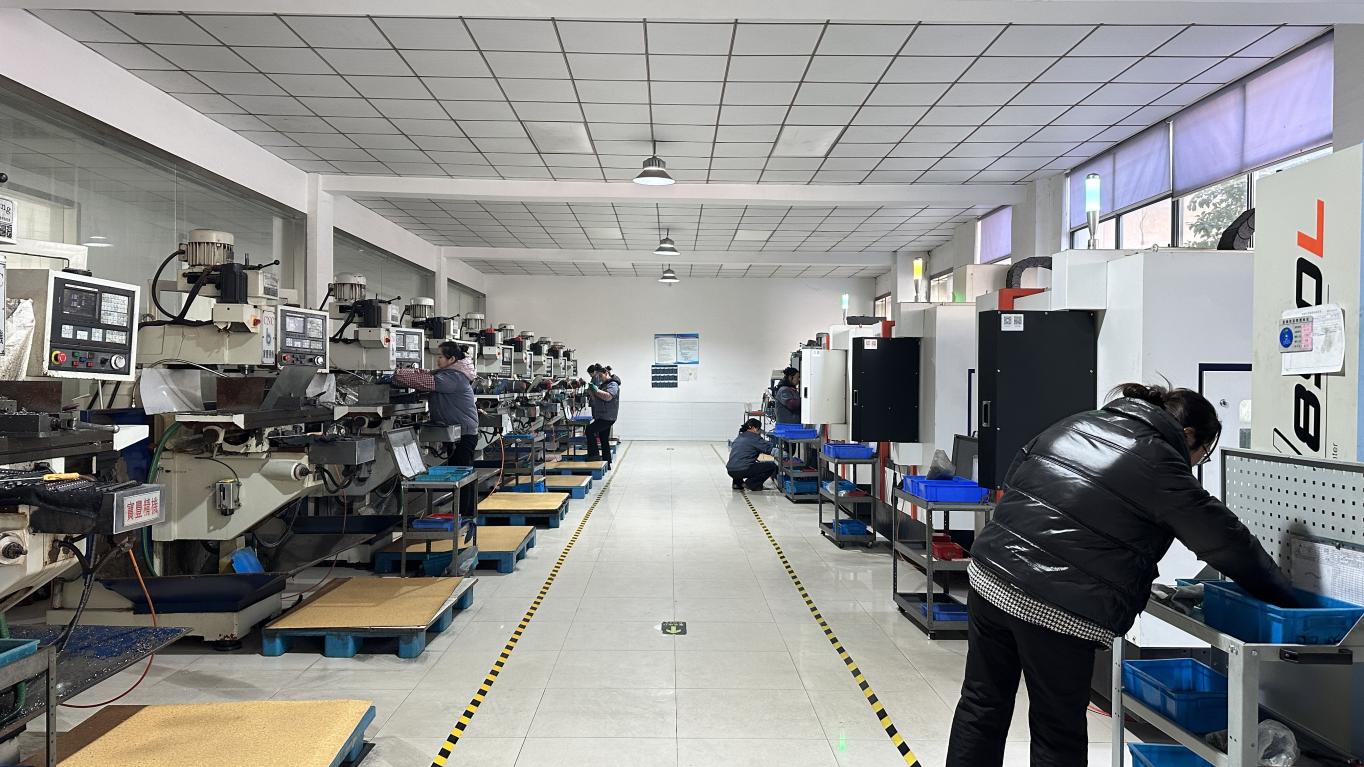
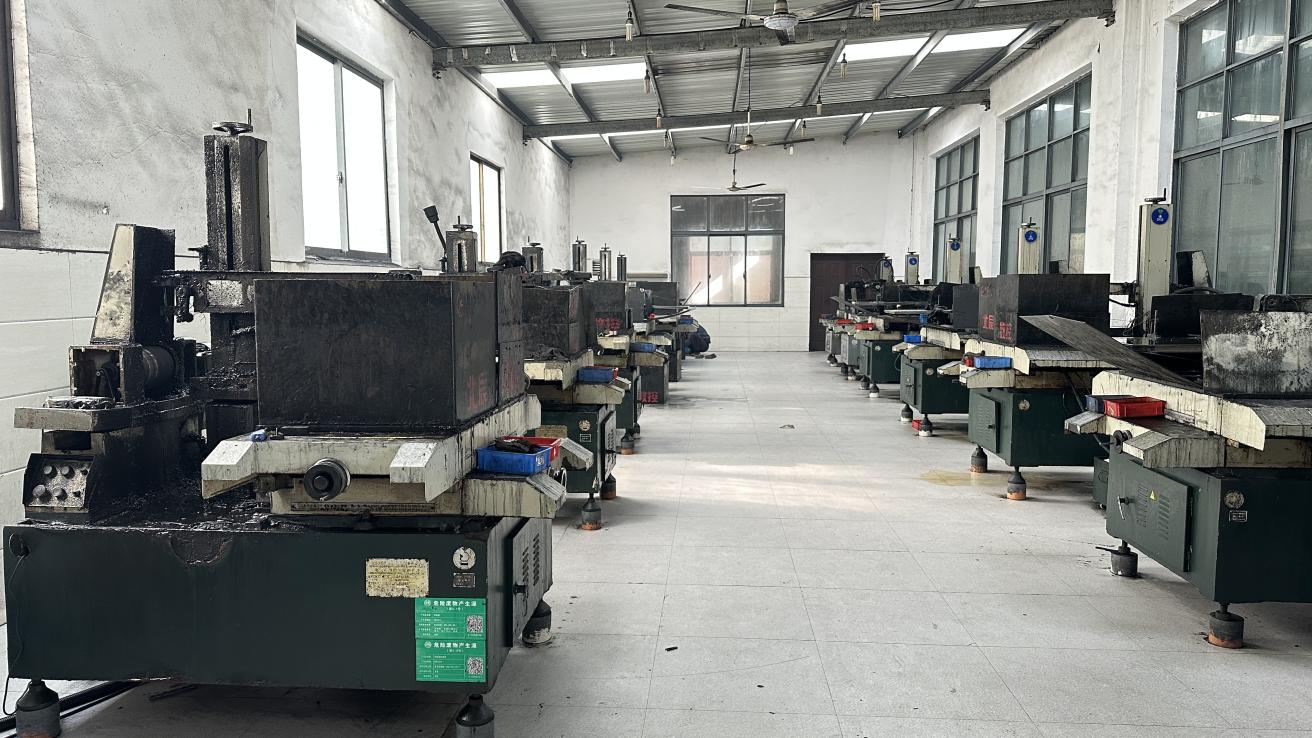
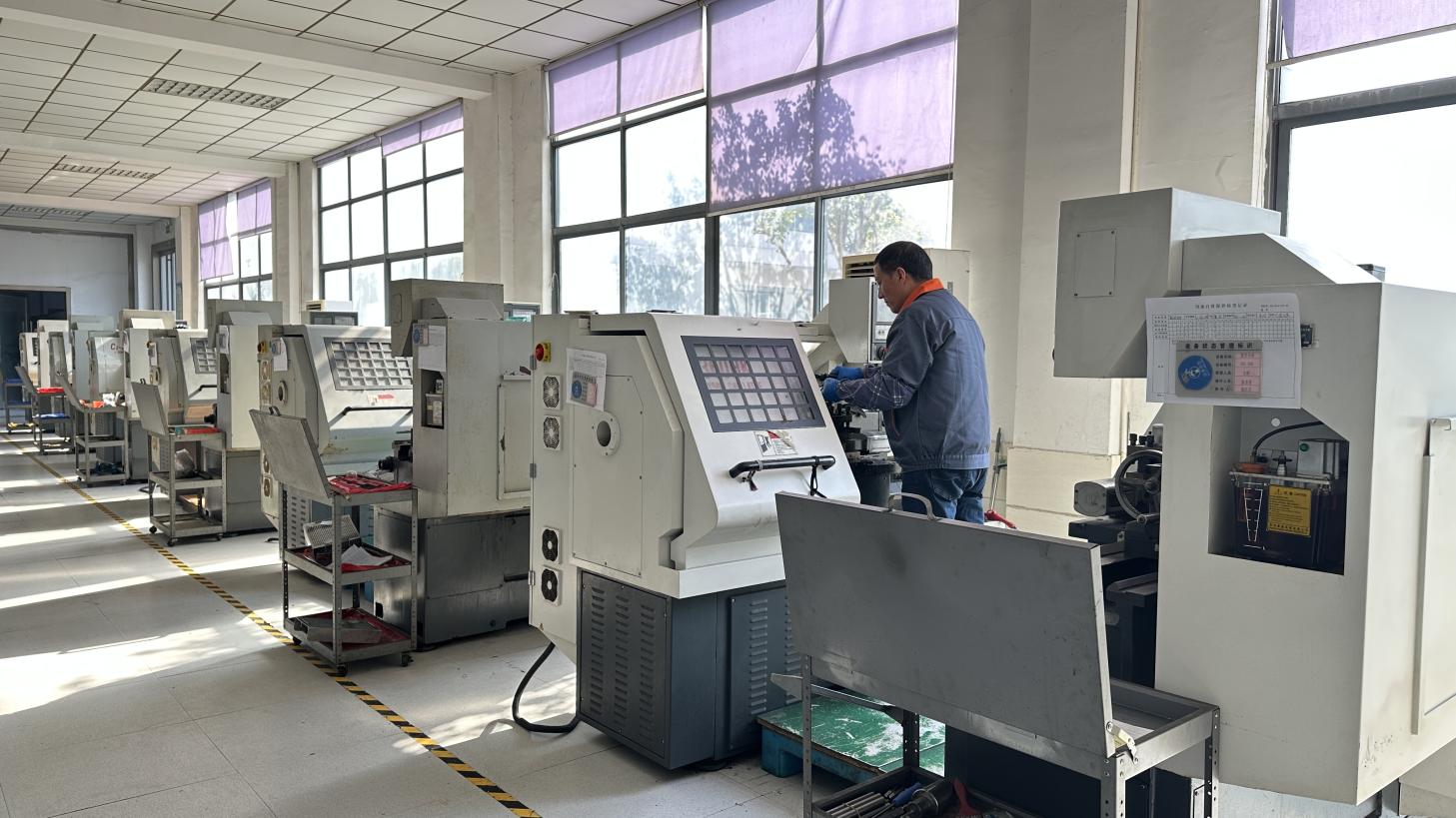
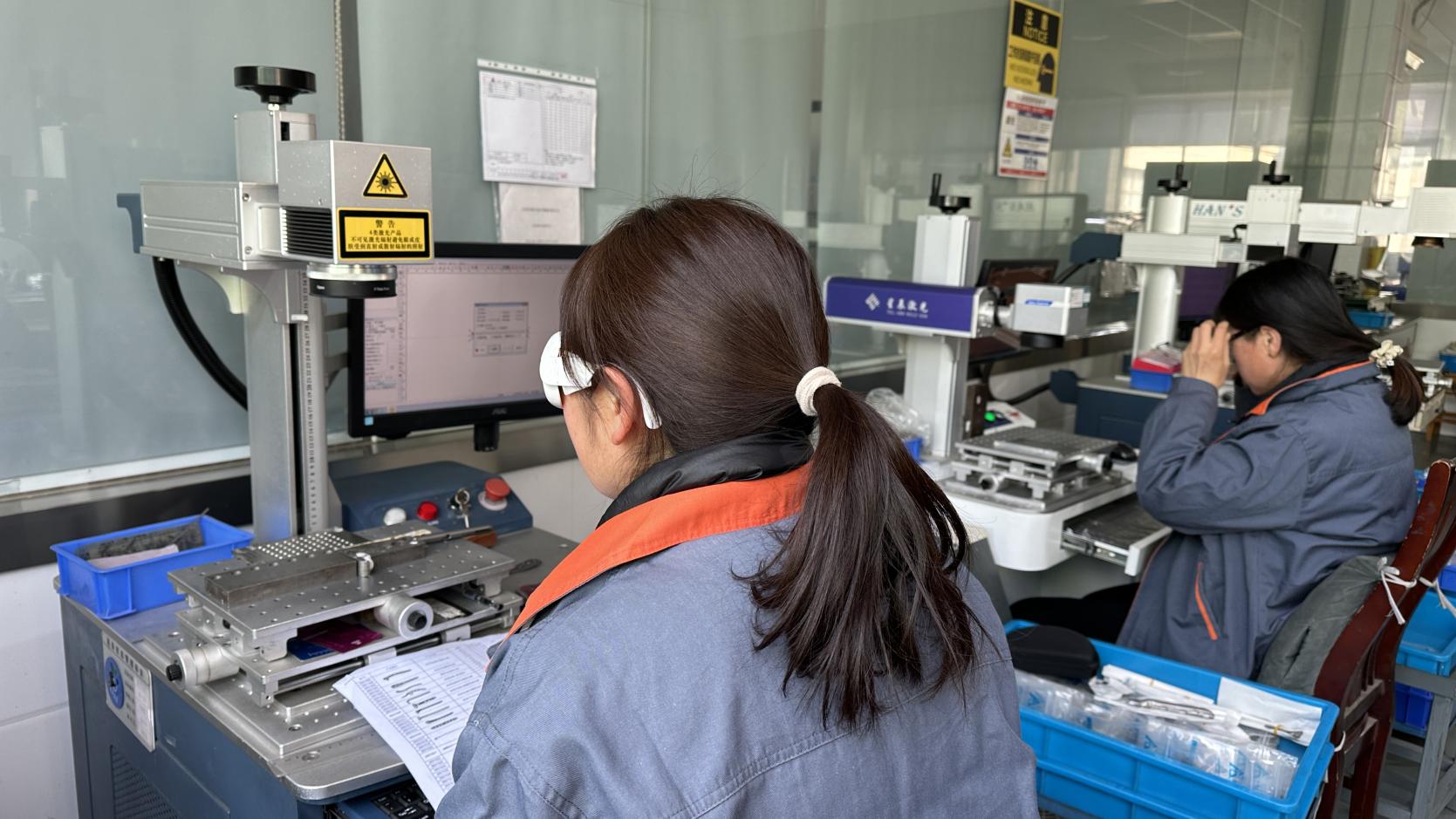
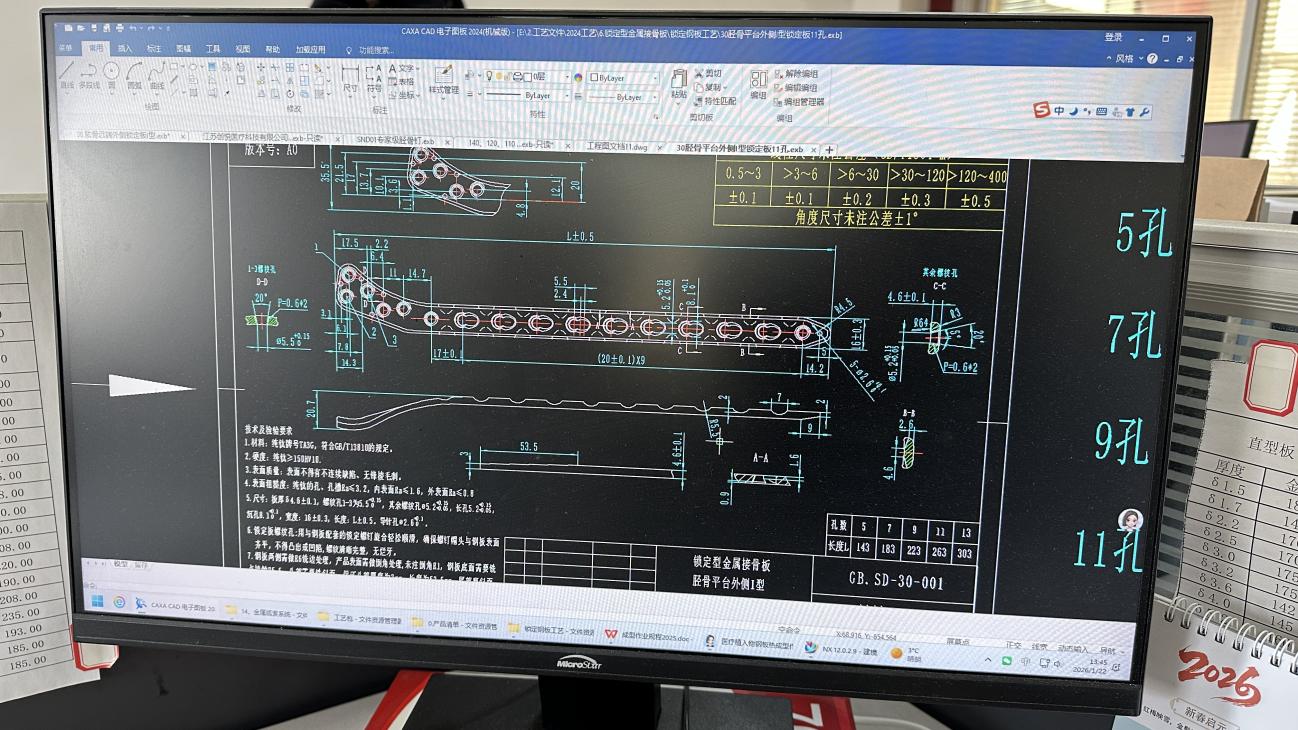
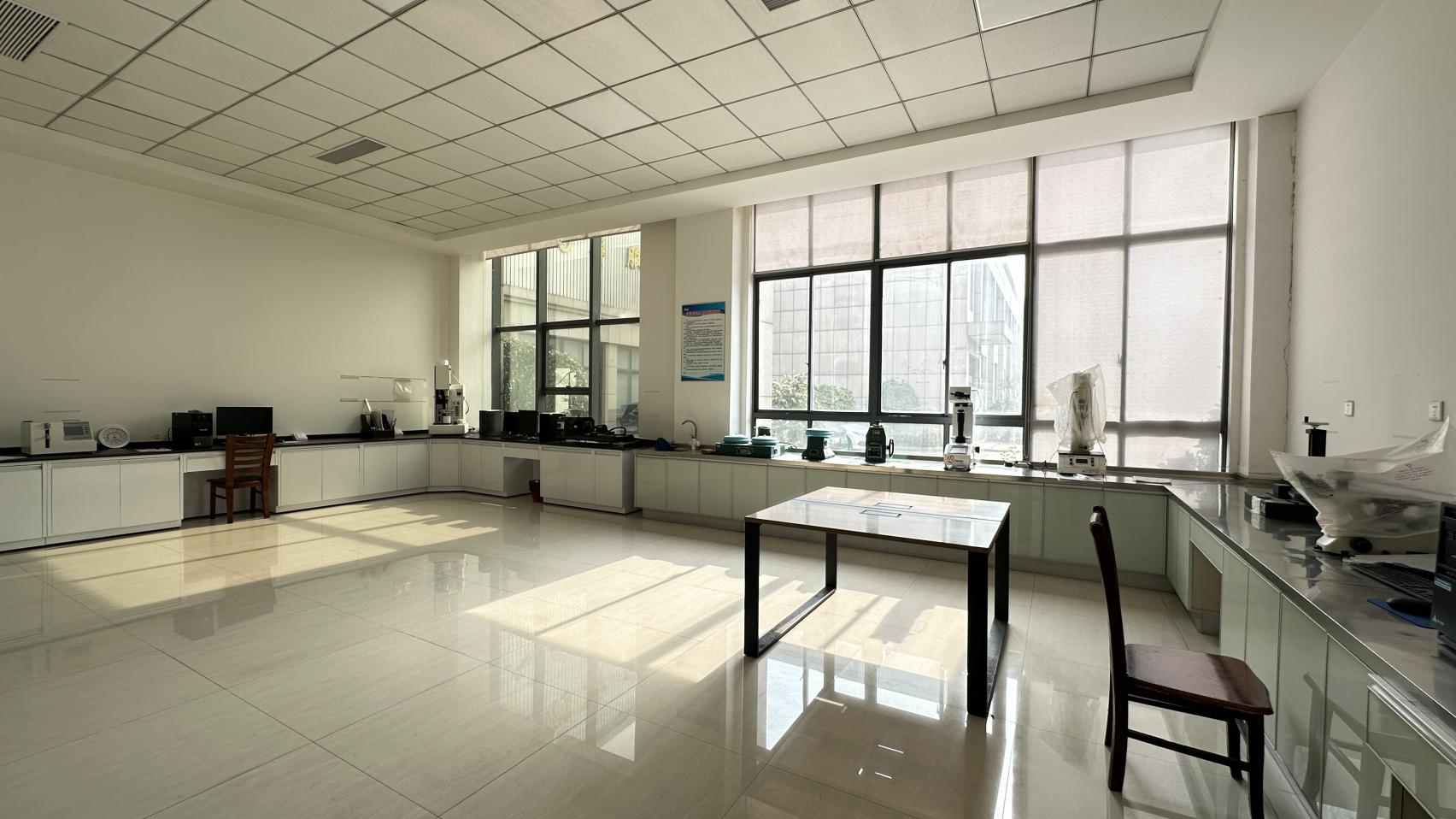
Visualizing the manufacturing sequence from high-purity raw metals to sterile-packed internal fixation devices
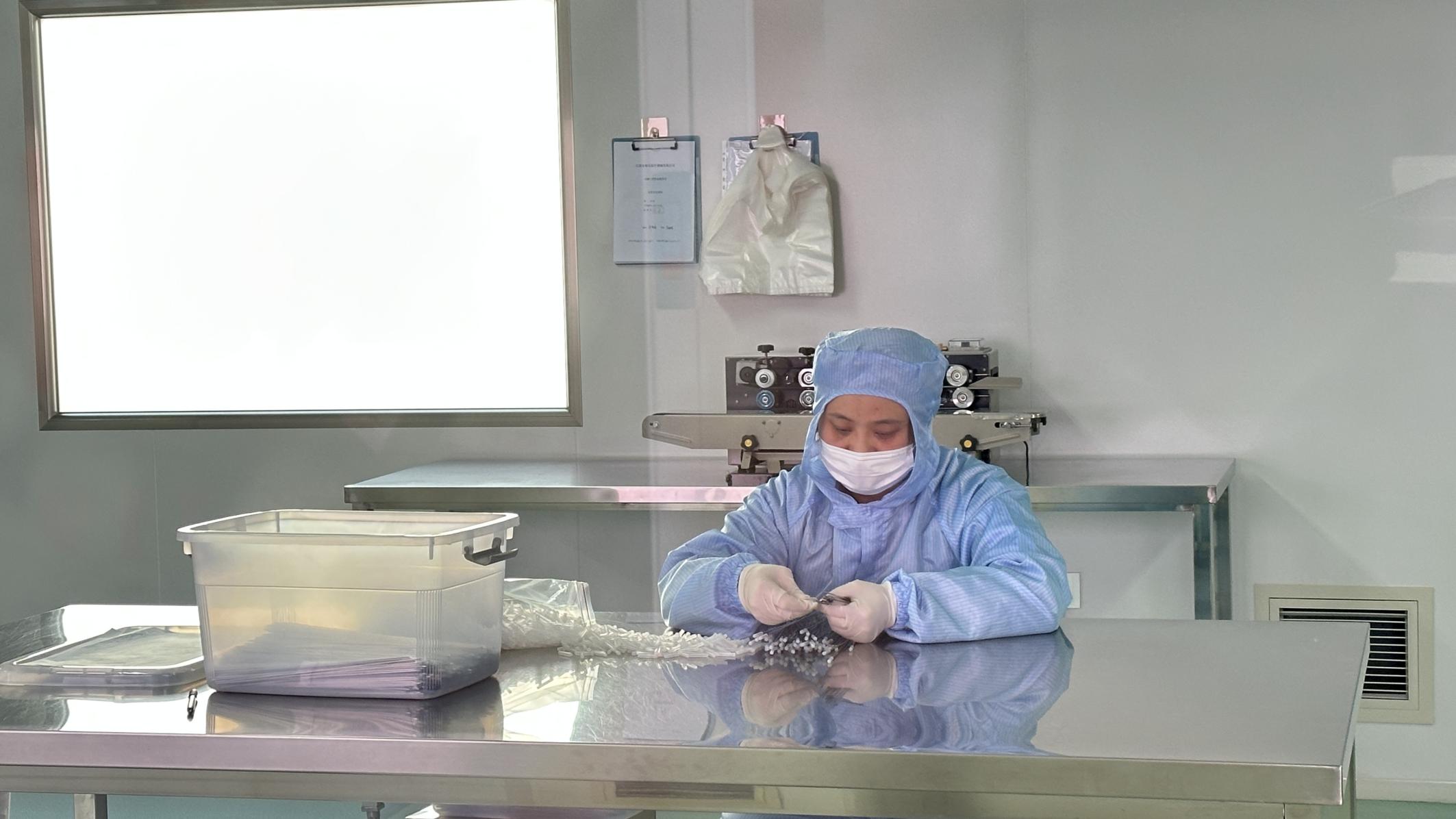
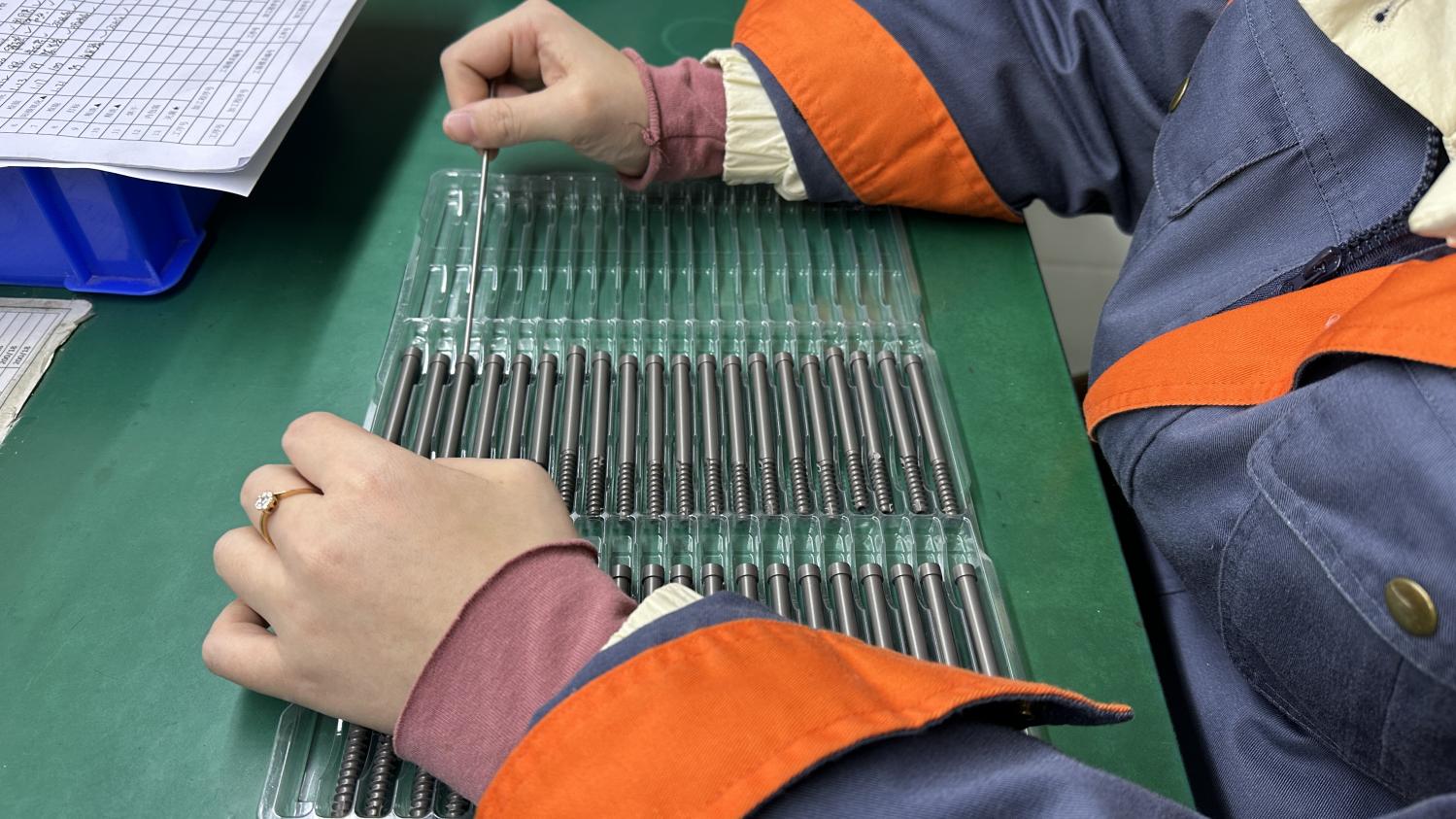
How upstream integration and cluster location drive reliability and stability
The efficiency of manufacturing medical devices in China extends beyond low production costs. It relies on the depth of the regional industrial ecosystem. Located in a specialized medical device manufacturing corridor, Virelox works with a network of over 850 certified upstream and downstream partners. This integration enables quick raw material validation, precision tooling adjustments, and rapid turnarounds on specialized surface treatments.
For international distributors and healthcare procurement groups, this ecosystem reduces lead times by 30% to 45% compared to traditional Western supply chains. The close proximity of secondary finishing suppliers—such as passivation, anodization, and laser marking providers—minimizes logistics risks and helps prevent supply disruptions.
We manage material sourcing through long-term partnerships with raw titanium suppliers certified to ISO 5832-3 and ASTM F136 specifications. This protects our clients from fluctuations in raw metal pricing and maintains material traceablity from raw ingot to final sterile implant.
Adapting trauma and joint reconstruction solutions to regional clinical habits and patient demographics
Anatomical dimensions and bone density profiles vary across patient populations. A distal radius locking plate designed for North American demographics may not fit the skeletal dimensions of patients in Southeast Asia or the Andean region. Standard implants can cause soft-tissue irritation or misalignment if not matched to local anatomy.
Our in-house R&D division uses biomechanical modeling and rapid prototyping to customize implant geometries for specific market requirements. Utilizing CT scan data libraries, our engineers adjust the curves, screw trajectories, and overall profiles of our plates to better match local patient groups.
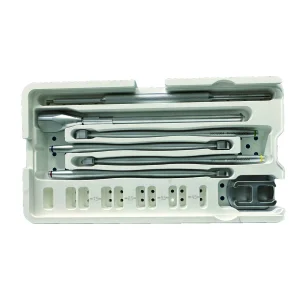
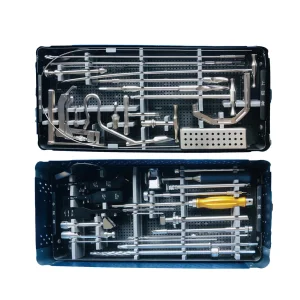
We customize more than just implant sizes. We also design dedicated instrument kits to match local surgical practices. In markets where hospital sterilization budgets are constrained, we offer ready-to-use, pre-packed sterile single-use kits. For hospitals with large-scale central sterile processing departments, we provide robust, high-grade stainless steel instrument sets optimized for repeated autoclave cycles.
Operating under ISO 13485 standards with comprehensive testing and documentation
Patient safety is our primary focus. The Virelox facility operates under a comprehensive quality management system structured to meet ISO 13485, CE MDR, and global regulatory standards. Our quality team consists of 65 specialized inspectors who verify quality at every phase of production.
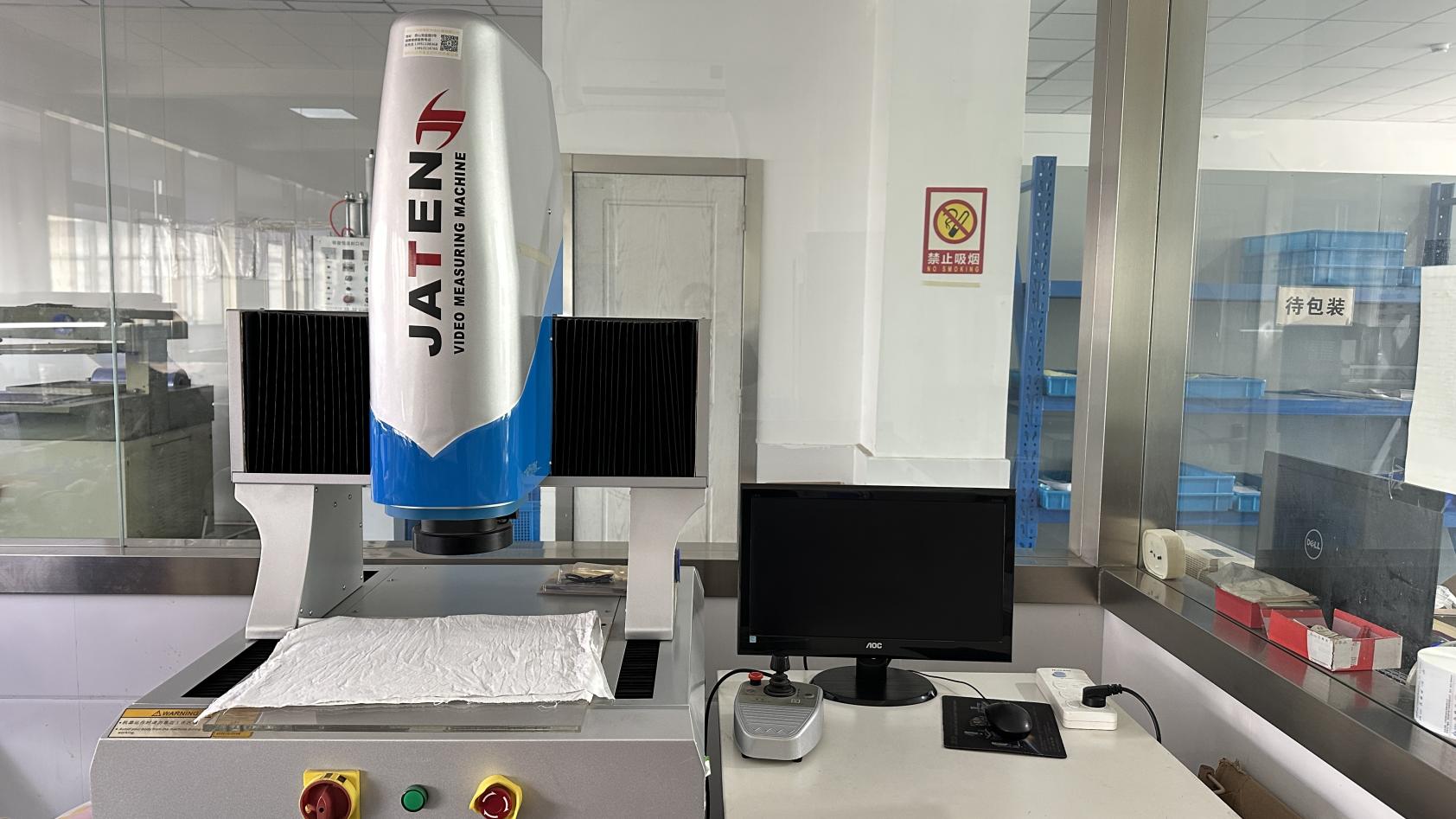
Incoming raw materials undergo ultrasonic flaw detection and chemical composition checks to confirm they meet medical standards. During manufacturing, components are measured using high-precision Coordinate Measuring Machines (CMM) to maintain dimensional tolerances within microns.
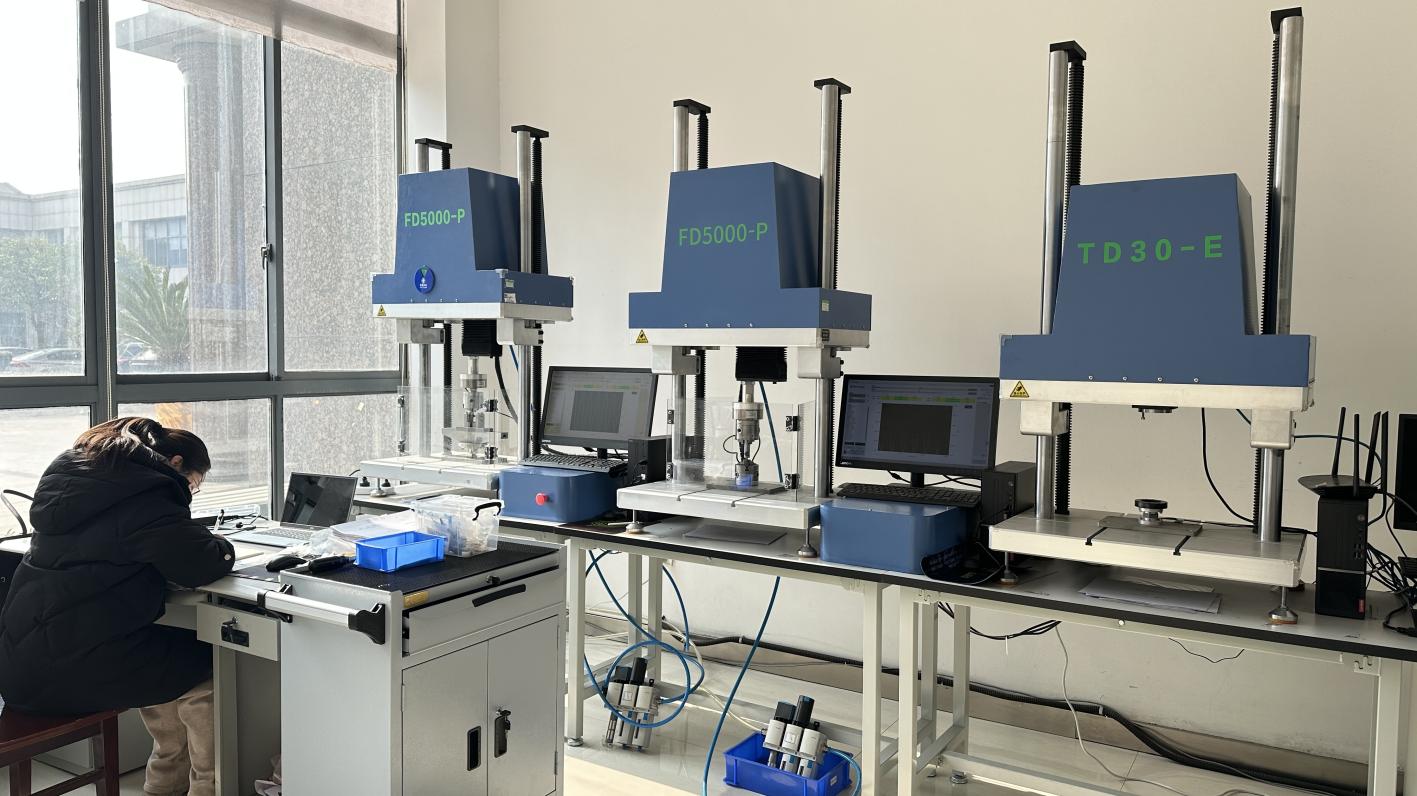
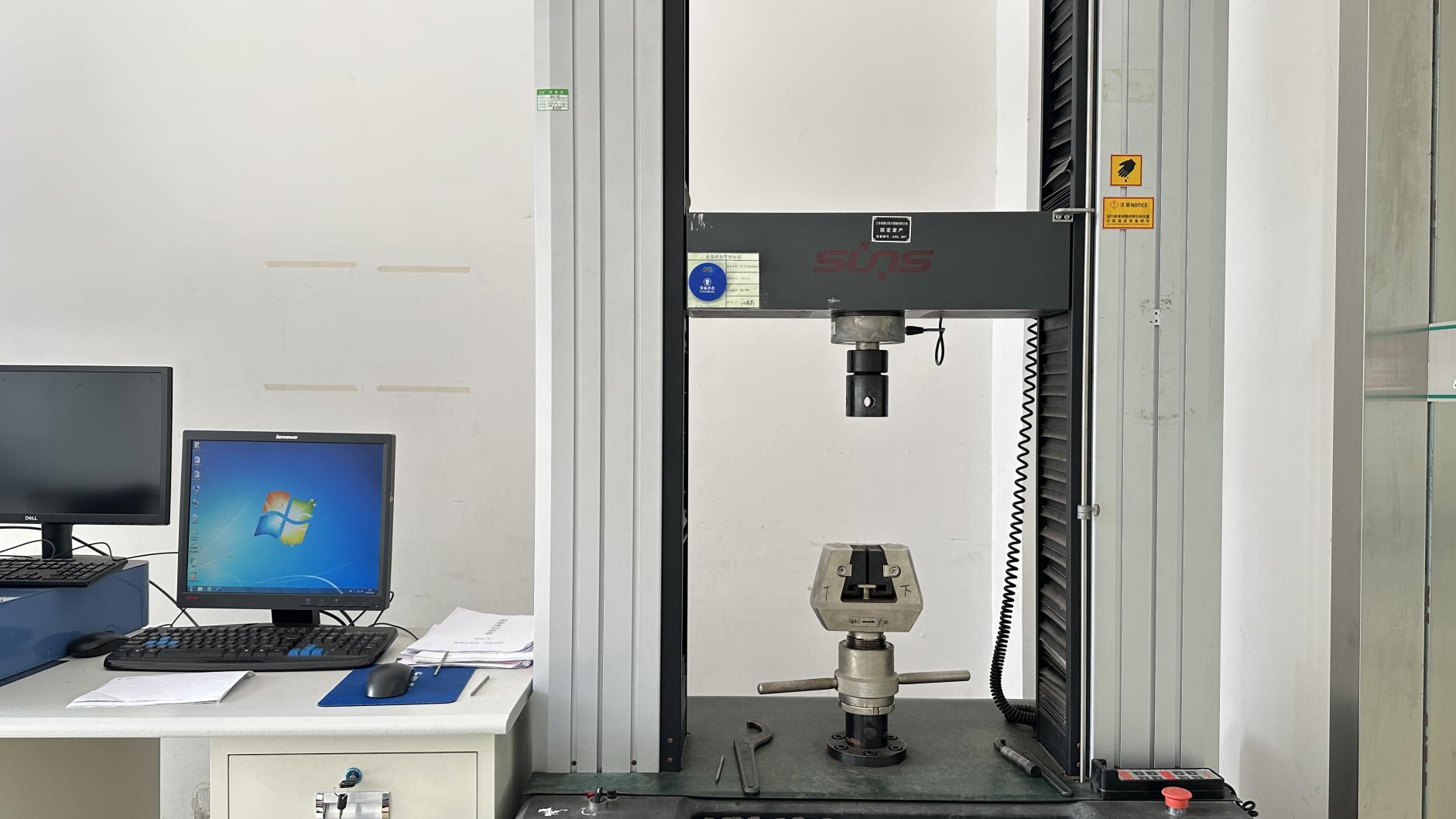
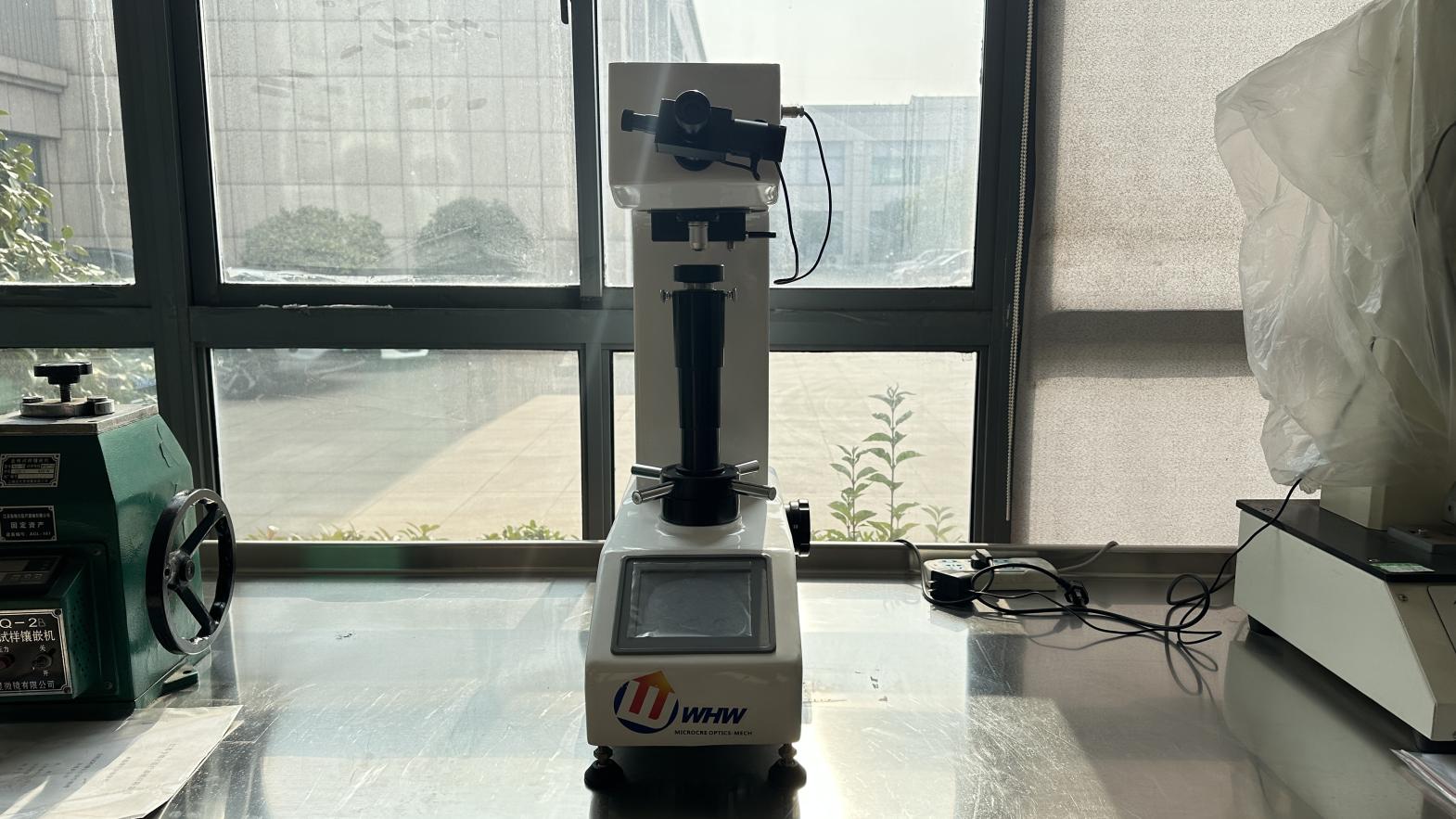
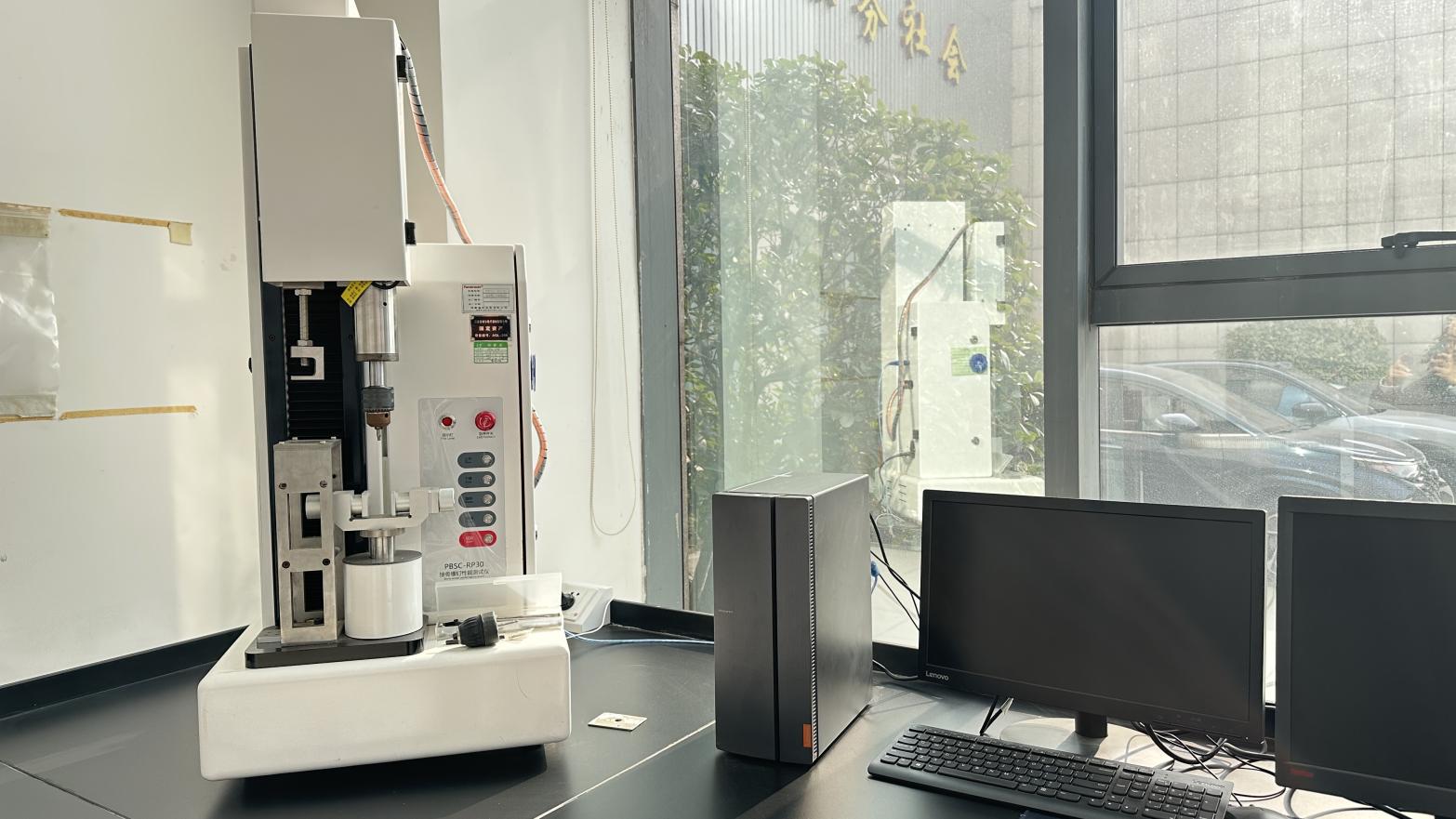
To confirm long-term implant durability, our laboratory performs cyclic fatigue, torque, and pull-out testing. Using automated testers, we simulate millions of load cycles to verify our plates and locking screws resist fatigue failure under physiological stress.
Advancing orthopedic care through material science and bio-surface engineering
Orthopedic implants are evolving beyond passive fixation devices. The future of trauma care involves implants that actively support bone healing and reduce the risk of surgical site infections. Our research and development focuses on three primary technology areas:
Addressing key queries from orthopedic surgeons, procurement professionals, and supply chain managers
Connect with our engineering and regulatory affairs team. We provide sample validation, biomechanical test data reports, and direct factory pricing to help you scale your orthopedic operations.
Contact Our Technical Sales TeamClass III implantable systems and Class I surgical instruments designed for demanding clinical procedures
 Virelox