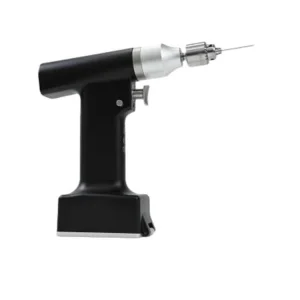
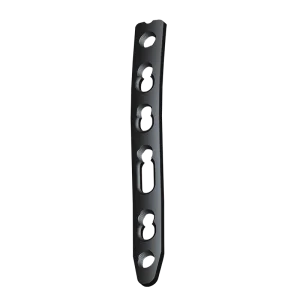
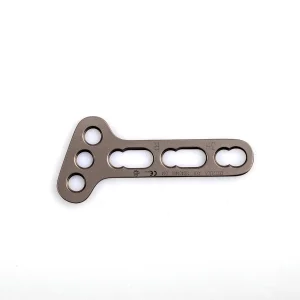
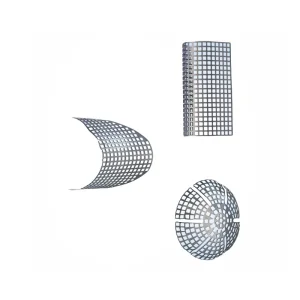
Discover our globally certified surgical instruments and skeletal reconstruction assemblies engineered for precision clinical outcomes.
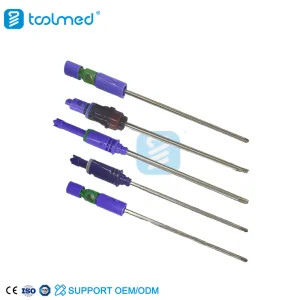
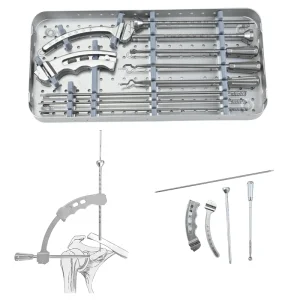
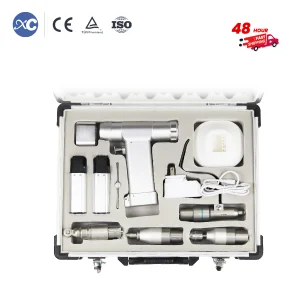
The tibia is highly vulnerable to open fractures and devitalization due to its subcutaneous location along the anterior aspect. Traditional plate fixation often requires extensive periosteal stripping, directly compromising the extraosseous blood supply and increasing the risk of nonunion or deep surgical site infection (SSI).
In contrast, tibial intramedullary nails are inserted through a minimally invasive, extra-articular or transpatellar approach. The nail sits centrally within the medullary canal, aligning with the mechanical axis of the tibia. This axial centering reduces the bending moment experienced by the implant—a critical advantage over eccentrically placed locking plates.
Furthermore, the integration of advanced multi-planar proximal and distal locking screw configurations prevents rotational displacement, preserving alignment under physiological loading conditions.
The journey of intramedullary fixation started with rigid stainless steel designs (such as 316LVM), which provided high strength but generated excessive stress shielding. Due to the high elastic modulus of steel relative to cortical bone, the implant absorbed the majority of physiological loads. This lack of mechanical stimulation led to localized bone resorption and delayed healing.
The modern era leverages medical-grade Titanium Alloys, specifically Ti-6Al-4V ELI (Extra Low Interstitial), governed by strict standards such as ASTM F136 and ISO 5832-3. Titanium’s significantly lower elastic modulus (closer to that of human bone) mitigates stress shielding.
Additionally, Titanium demonstrates superior biocompatibility and a high fatigue limit, ensuring long-term structural integrity inside the dynamic, corrosive environment of the human body.
Operating out of a state-of-the-art 12,000 m² facility, Virelox Medical Devices Co., Ltd. is a leading OEM/ODM manufacturer specializing in joint replacement, orthopedic traumatology, and spinal fixation systems.
Explore our cleanrooms, high-speed machining centers, and automated manufacturing pipelines where high-purity medical implants are forged.
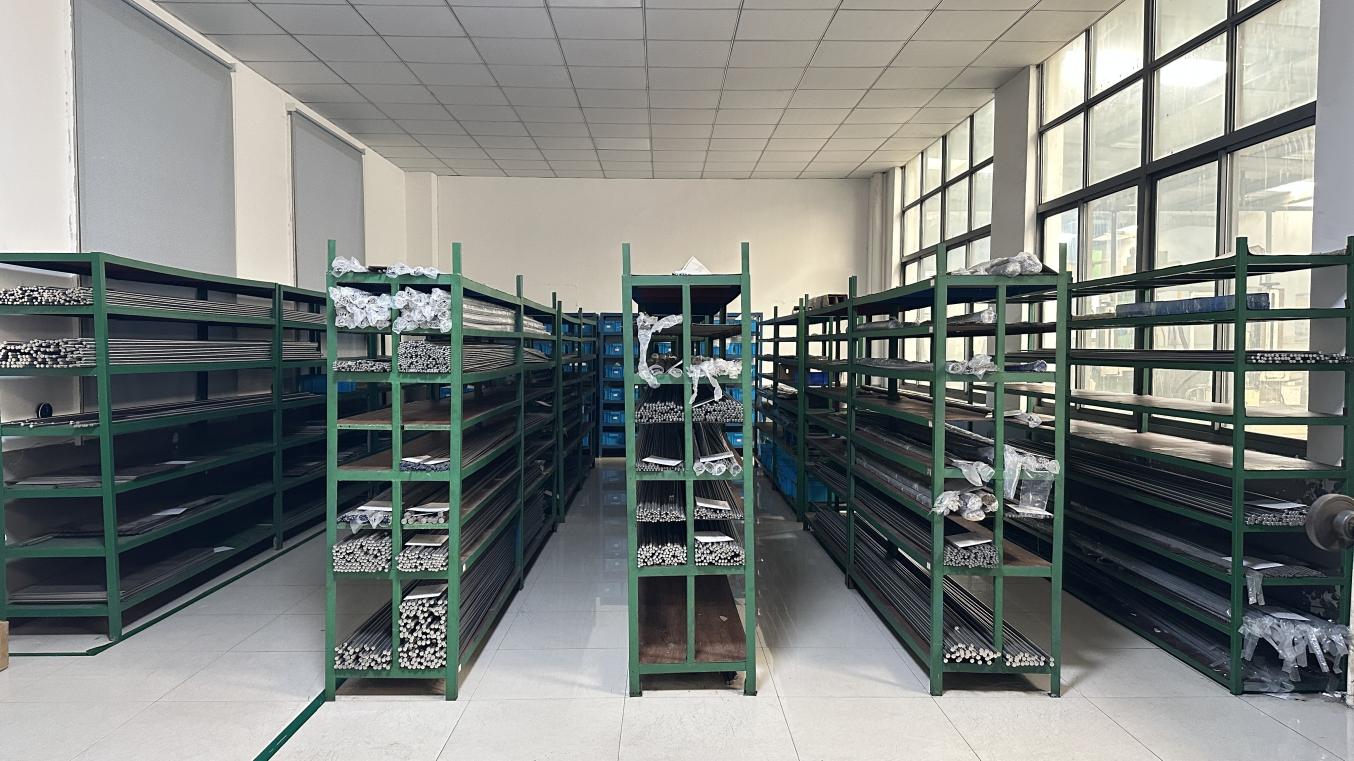
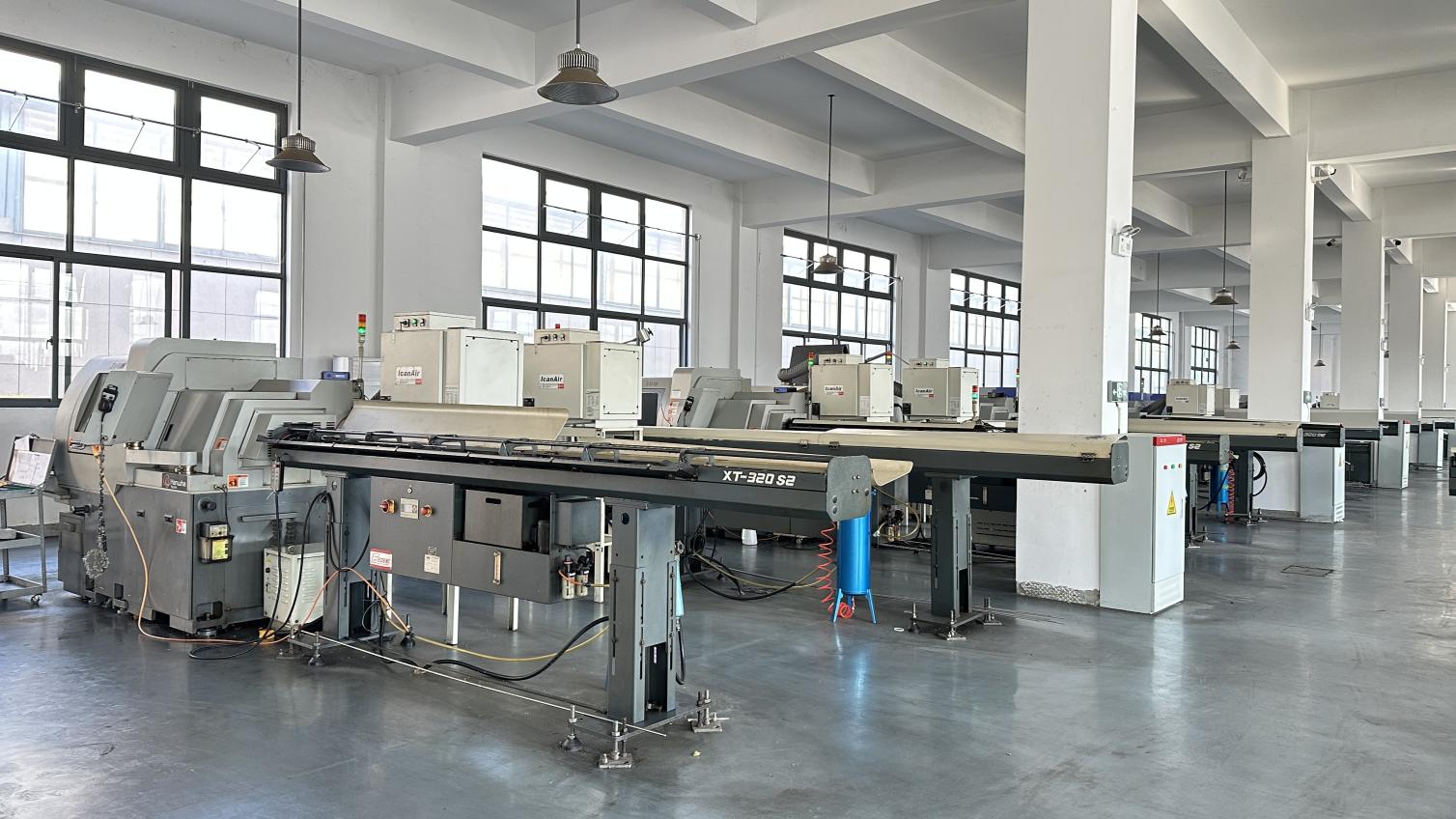
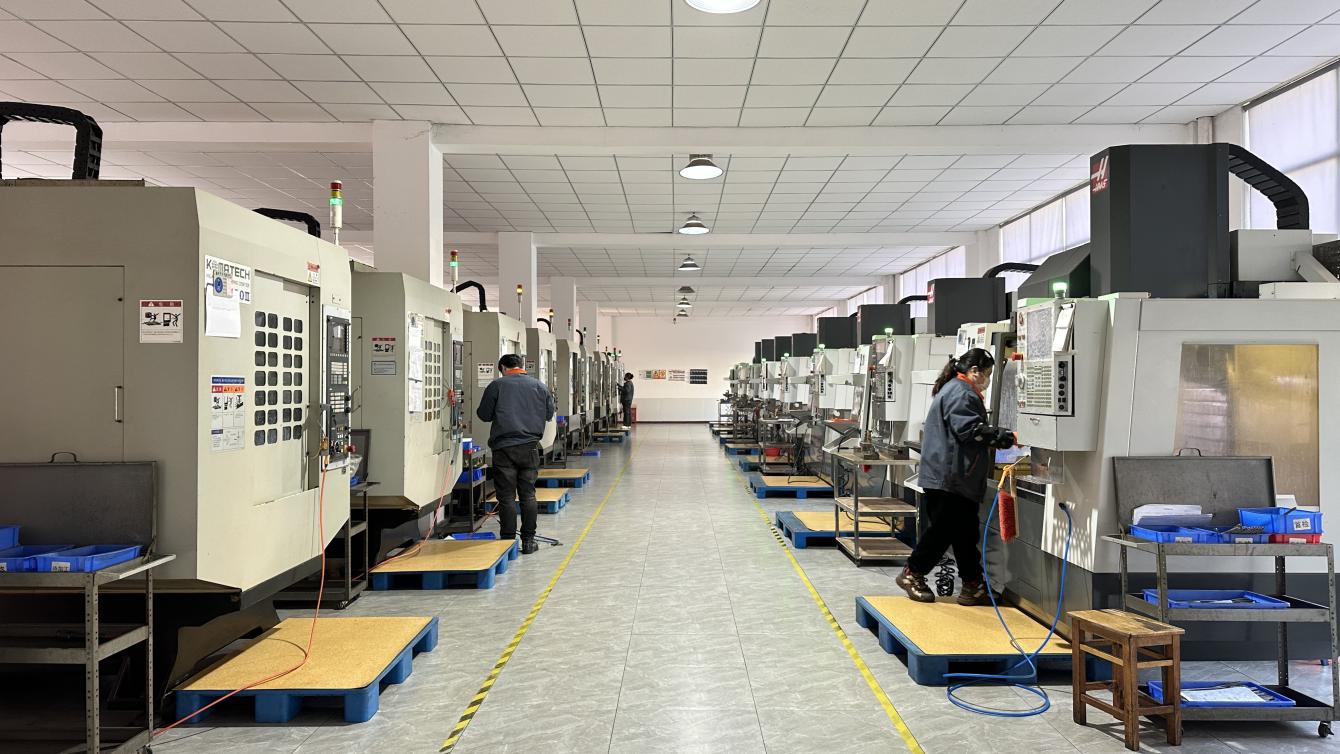
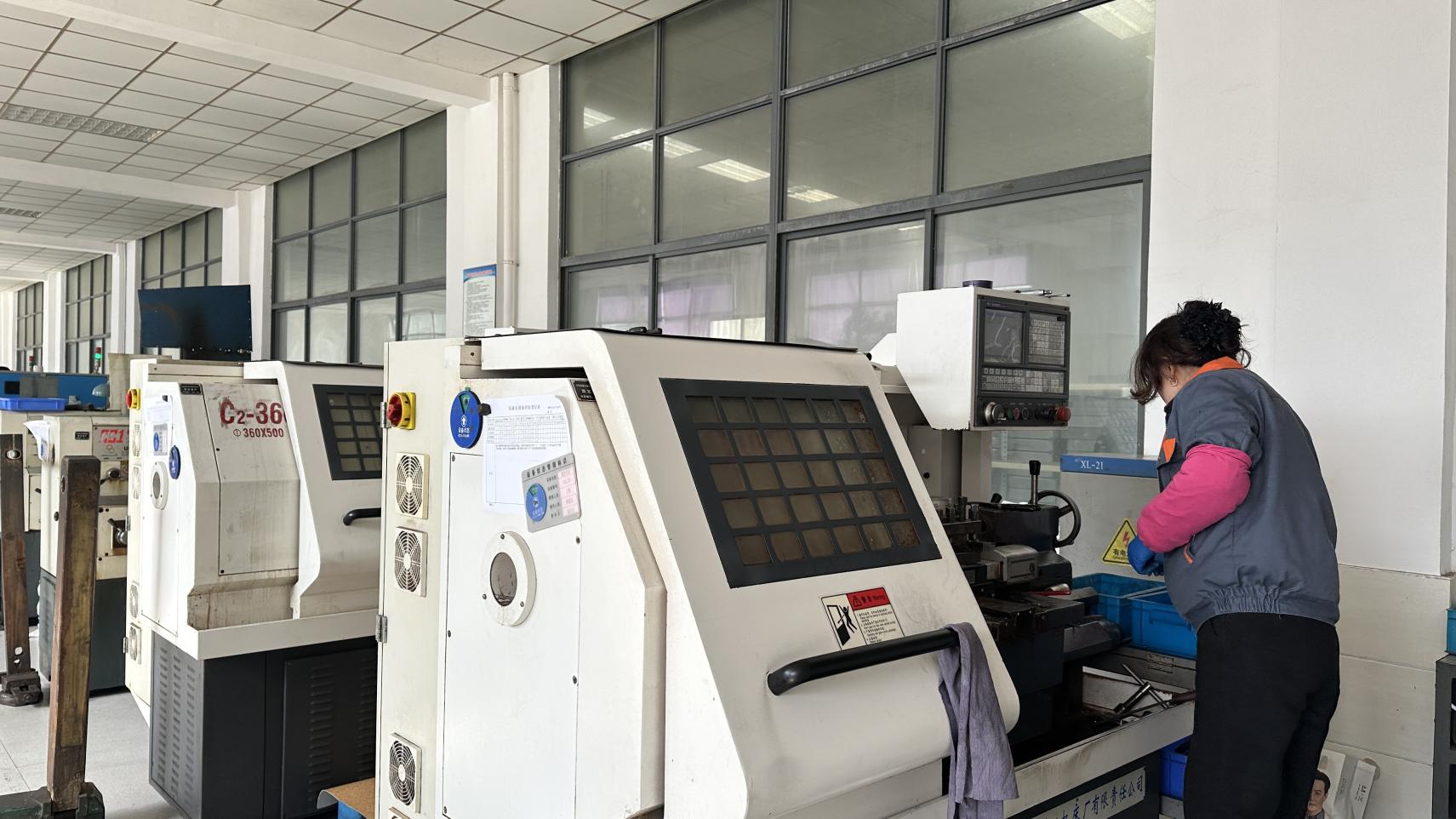
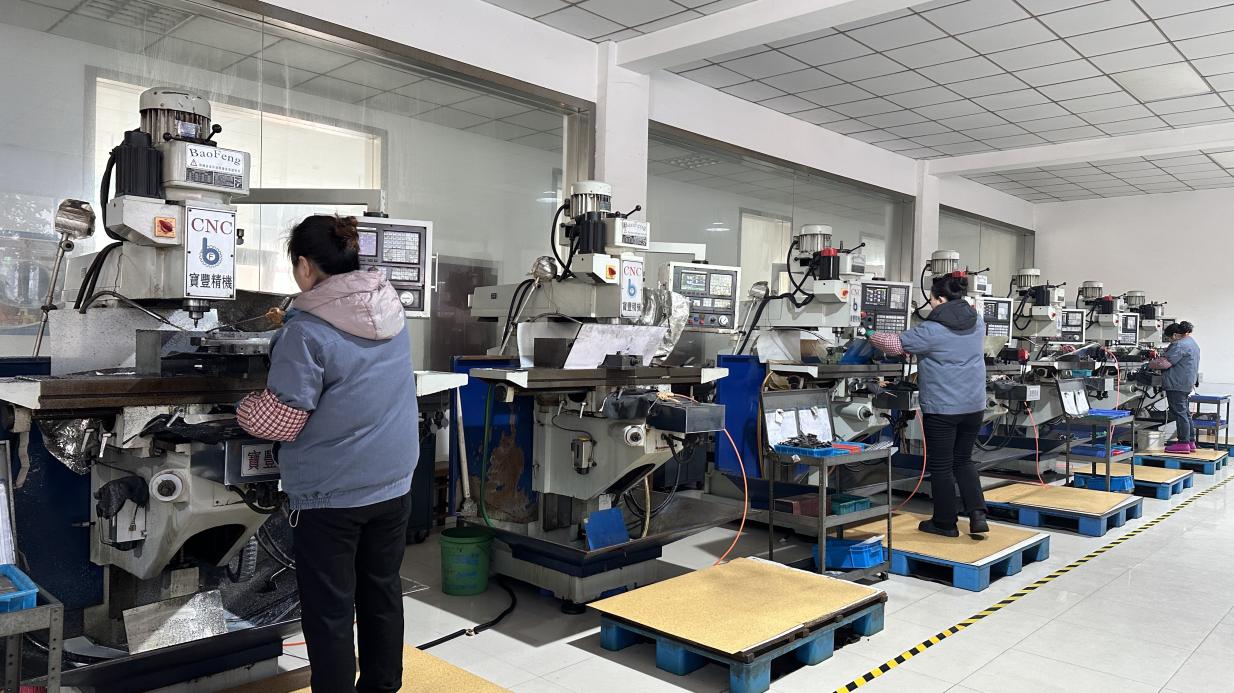
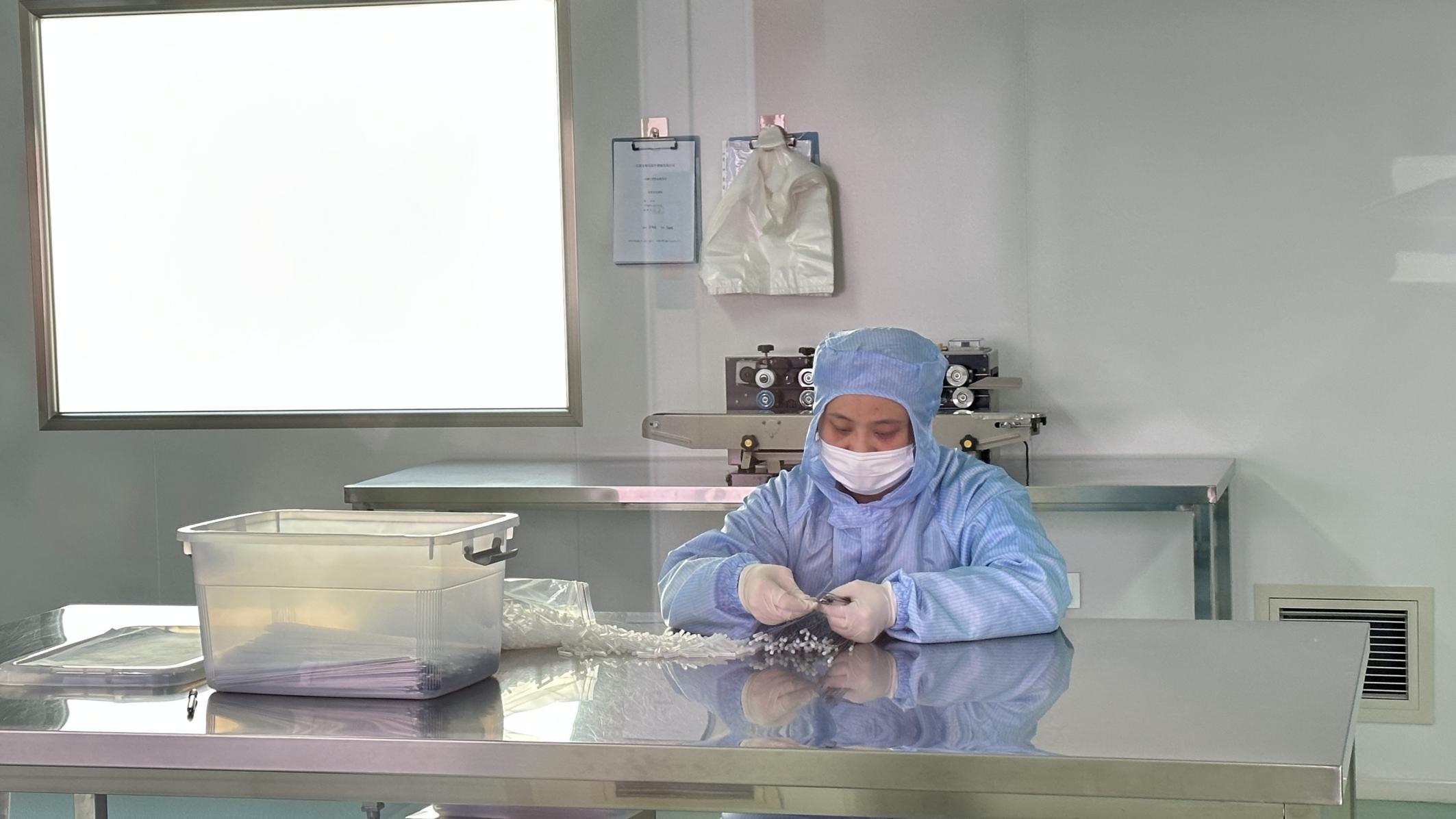
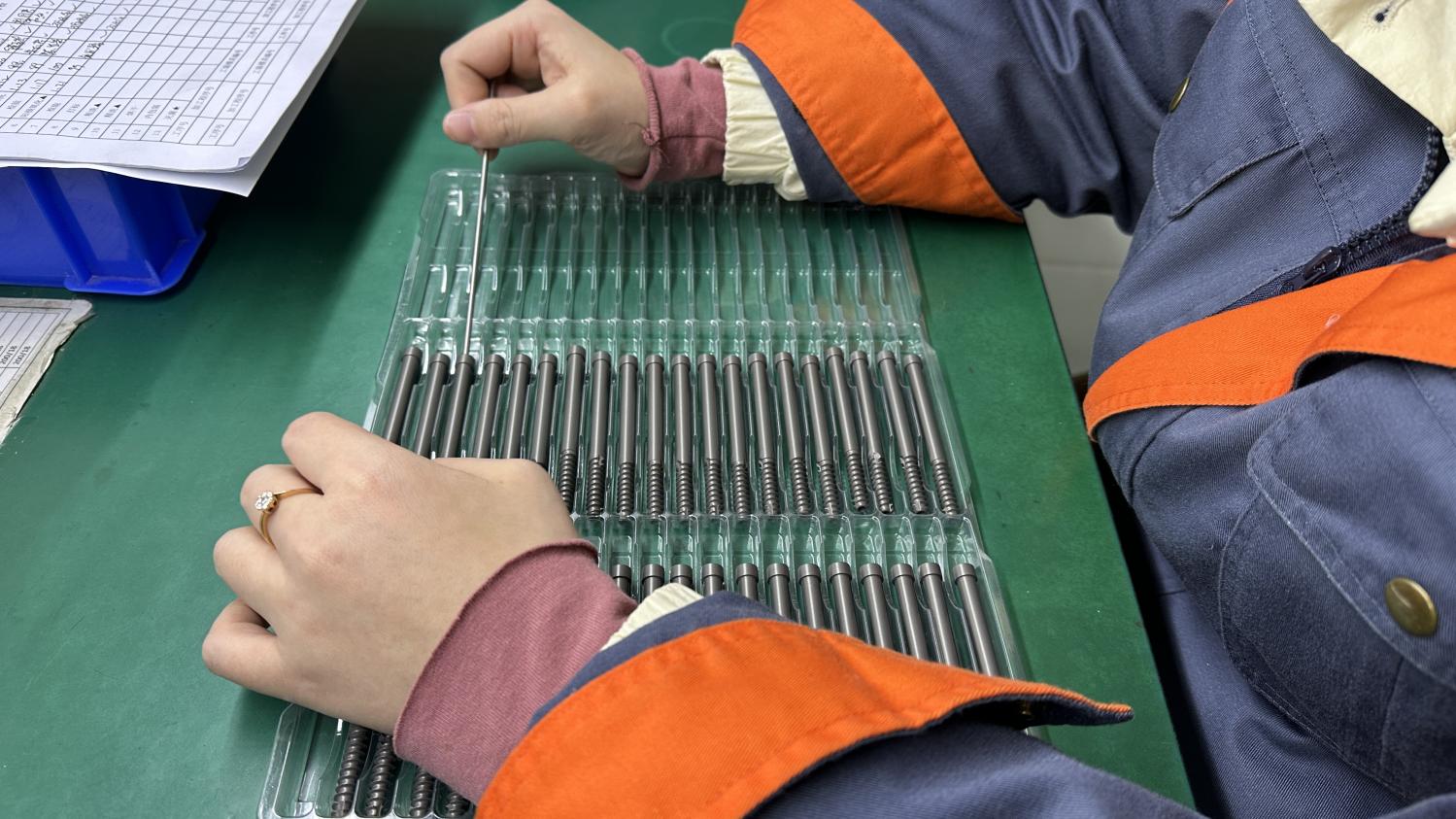
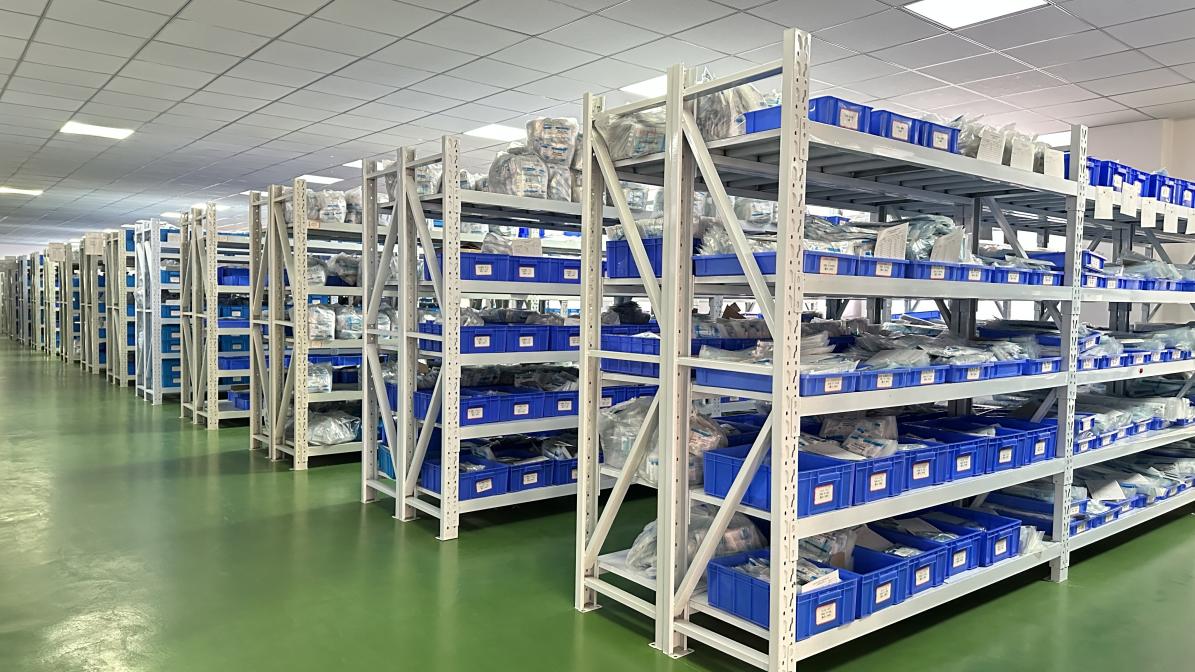
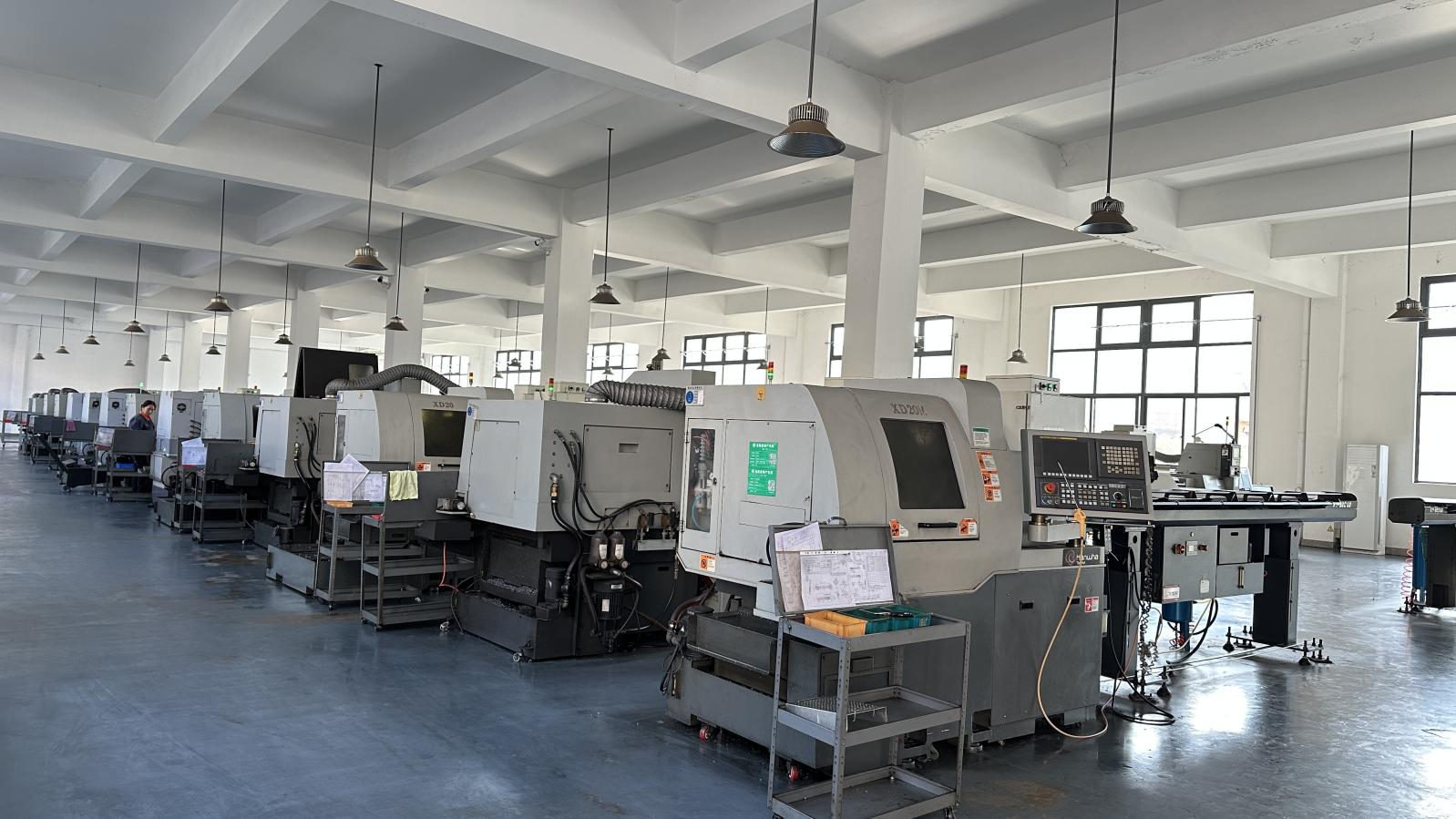
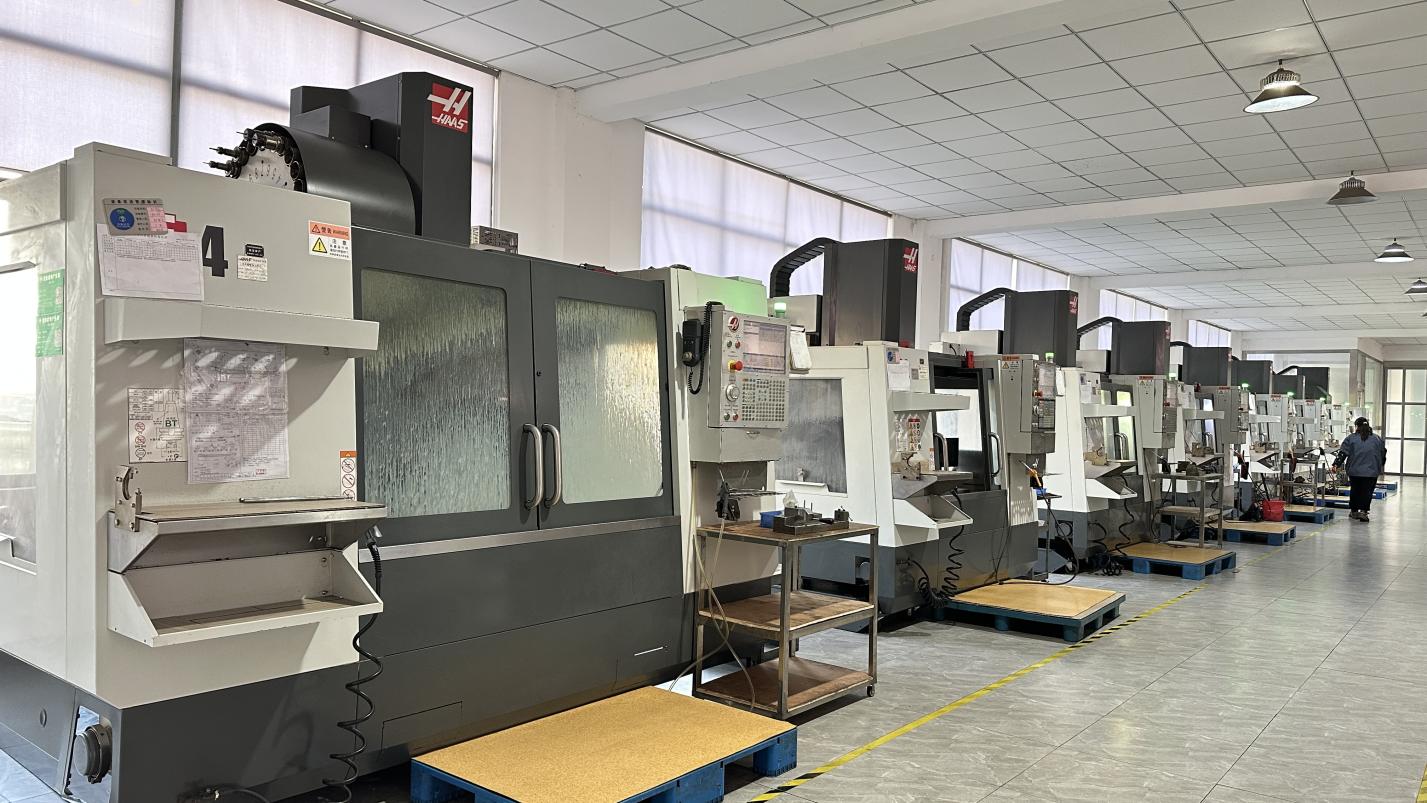
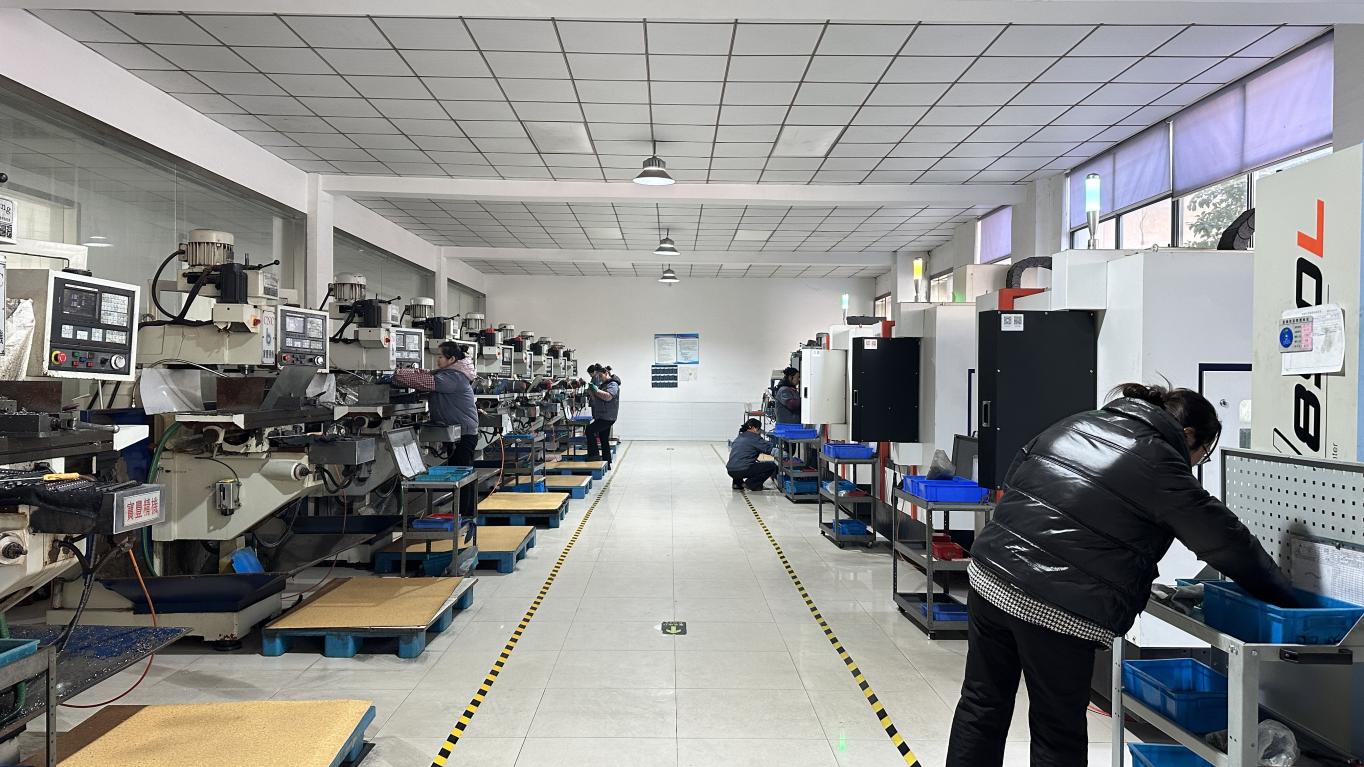
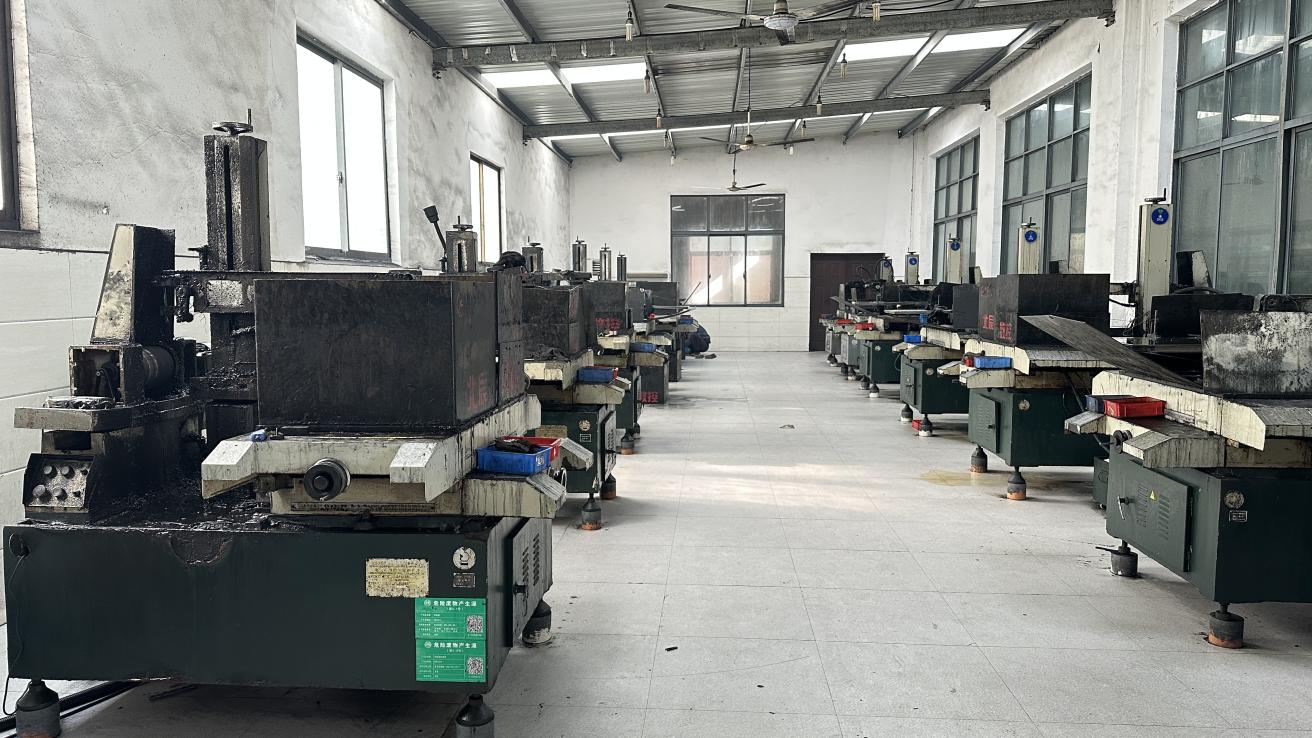
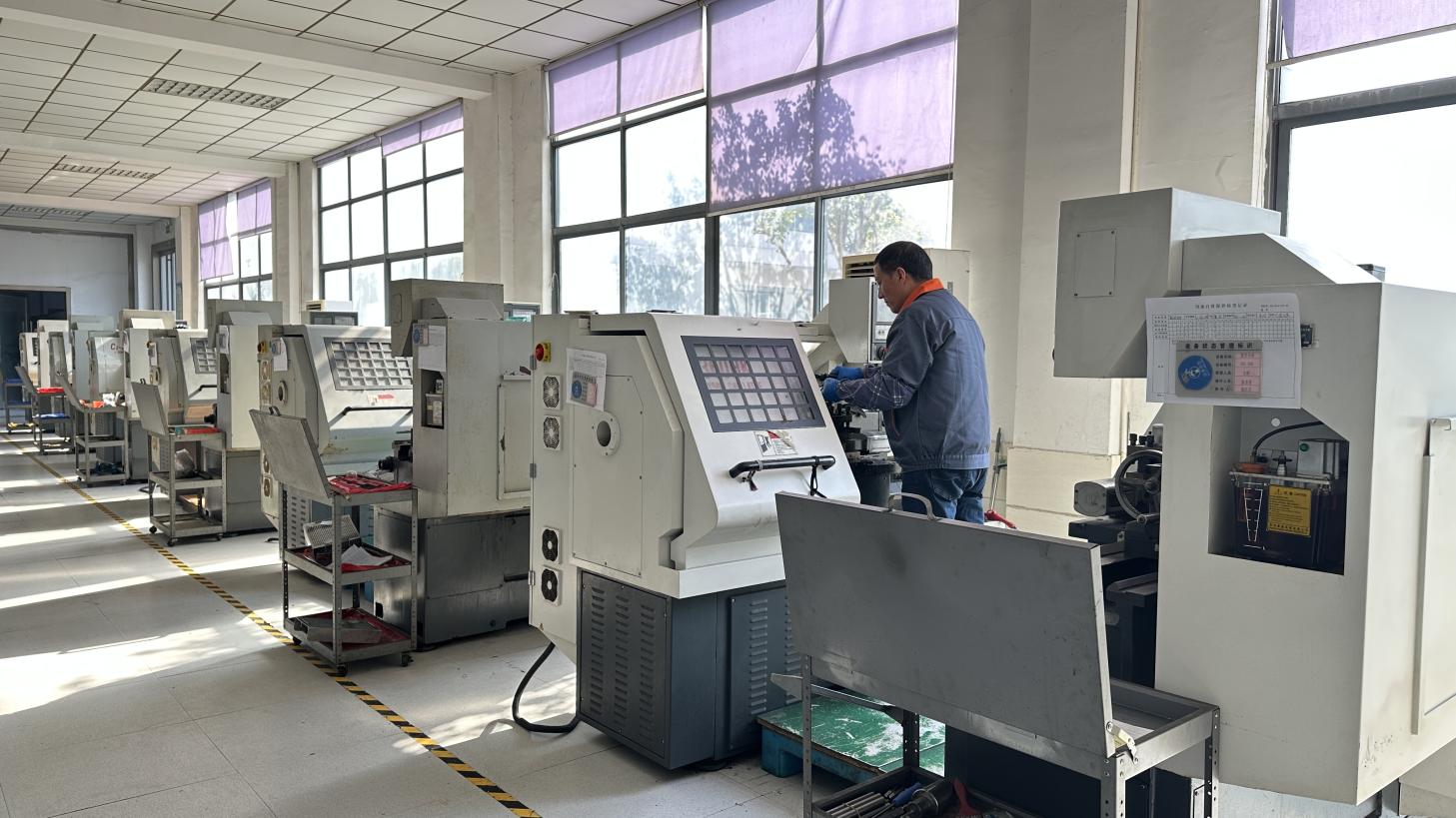
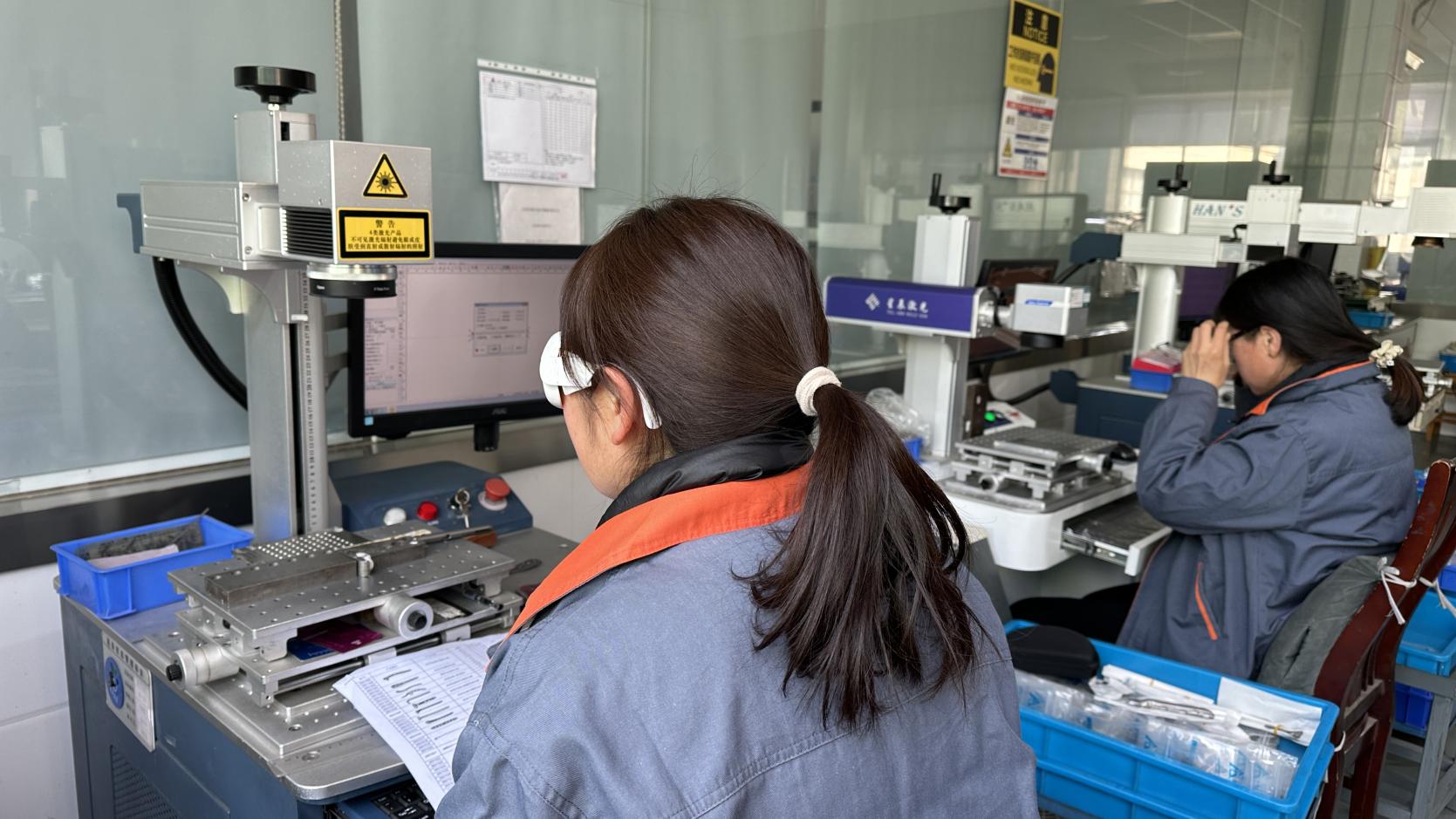
Every production batch undergoes comprehensive mechanical stress and material composition analysis to guarantee zero failures in clinical scenarios.
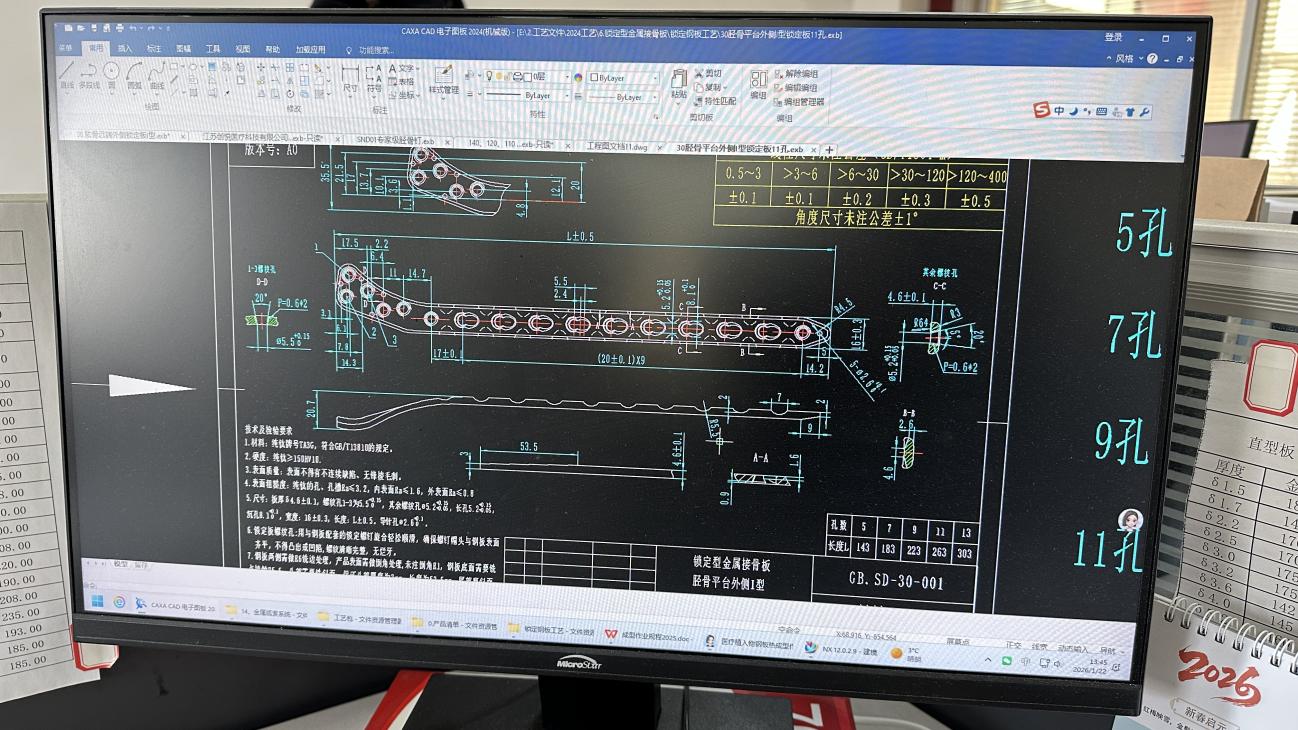

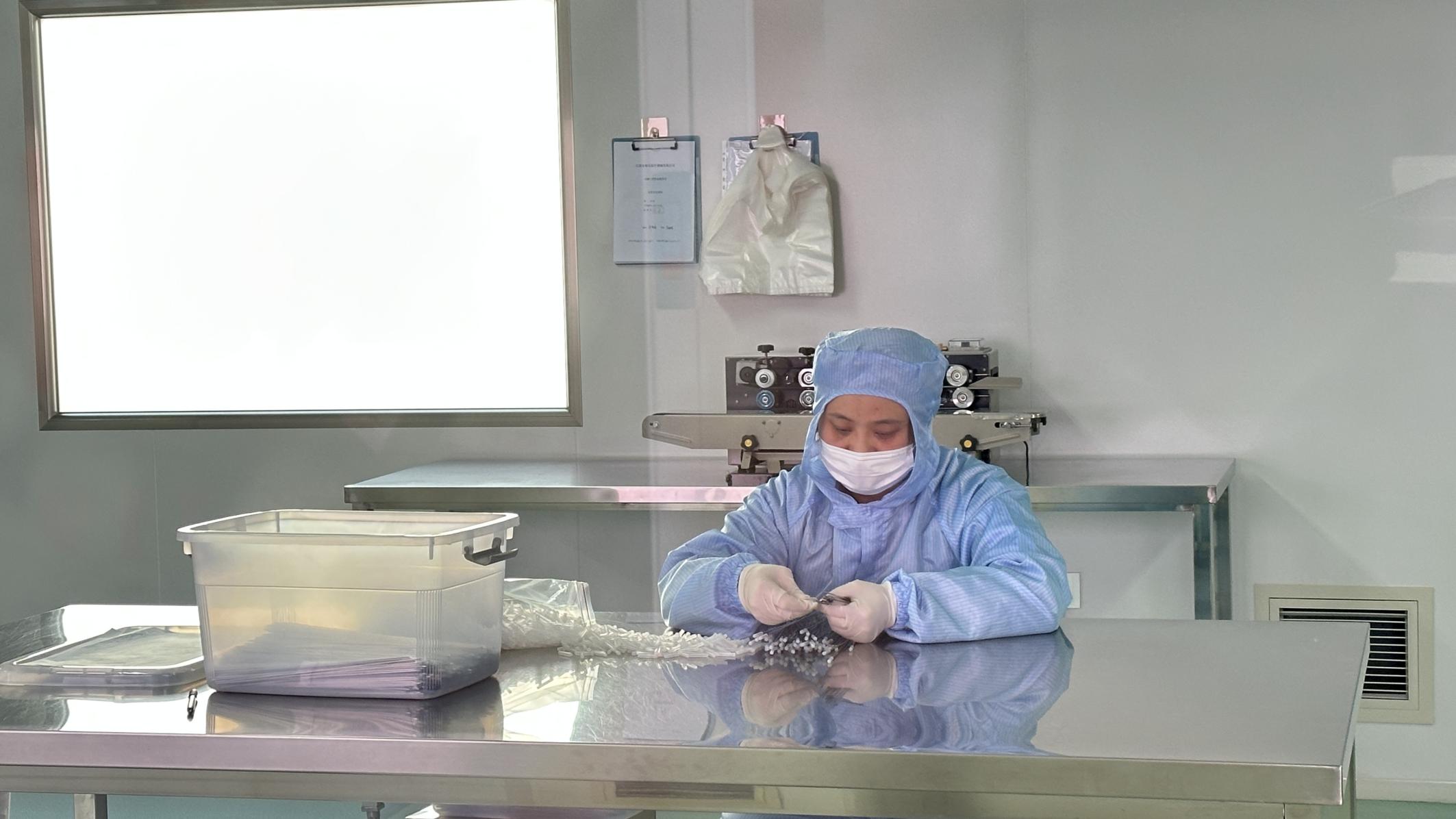
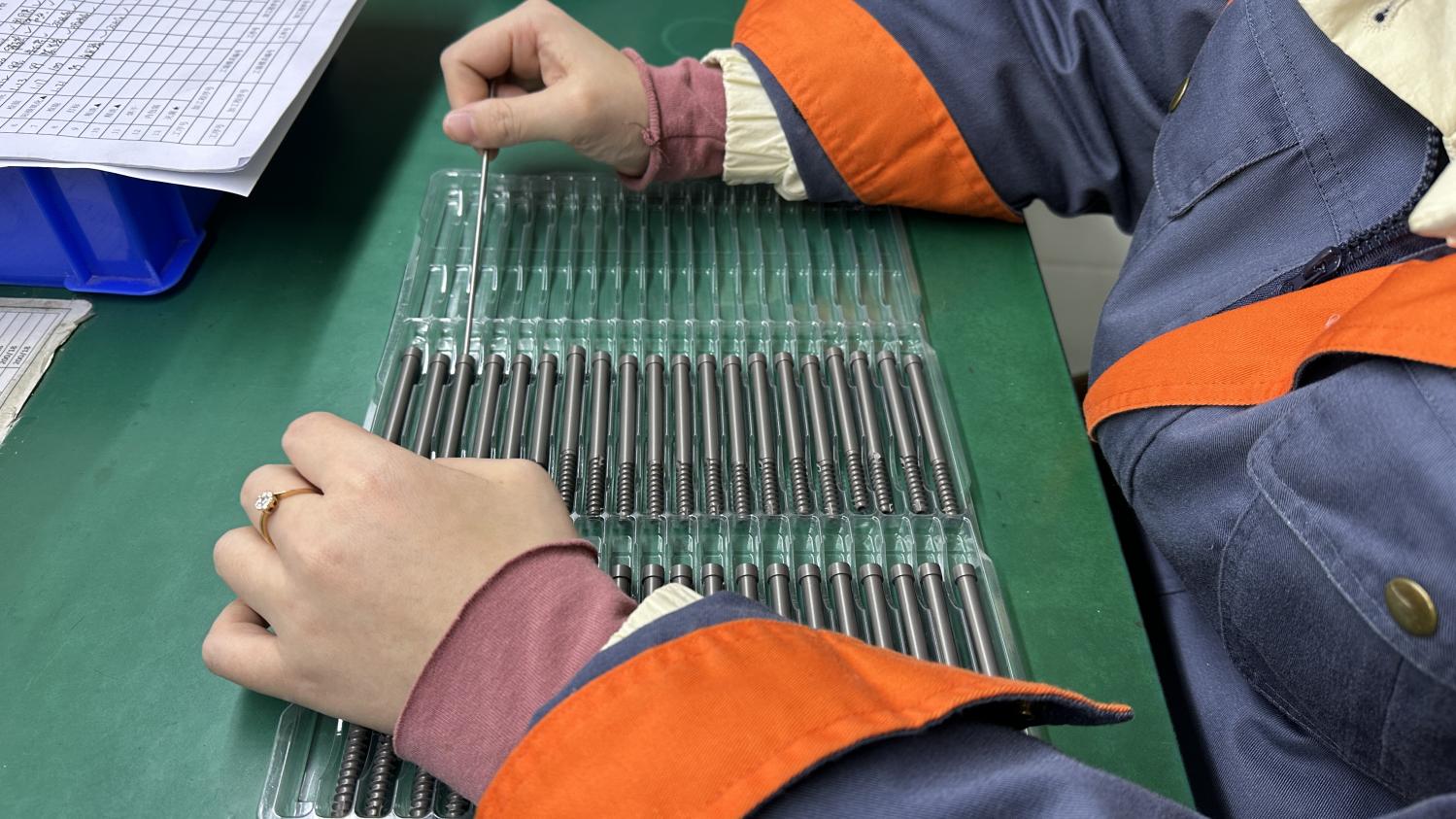
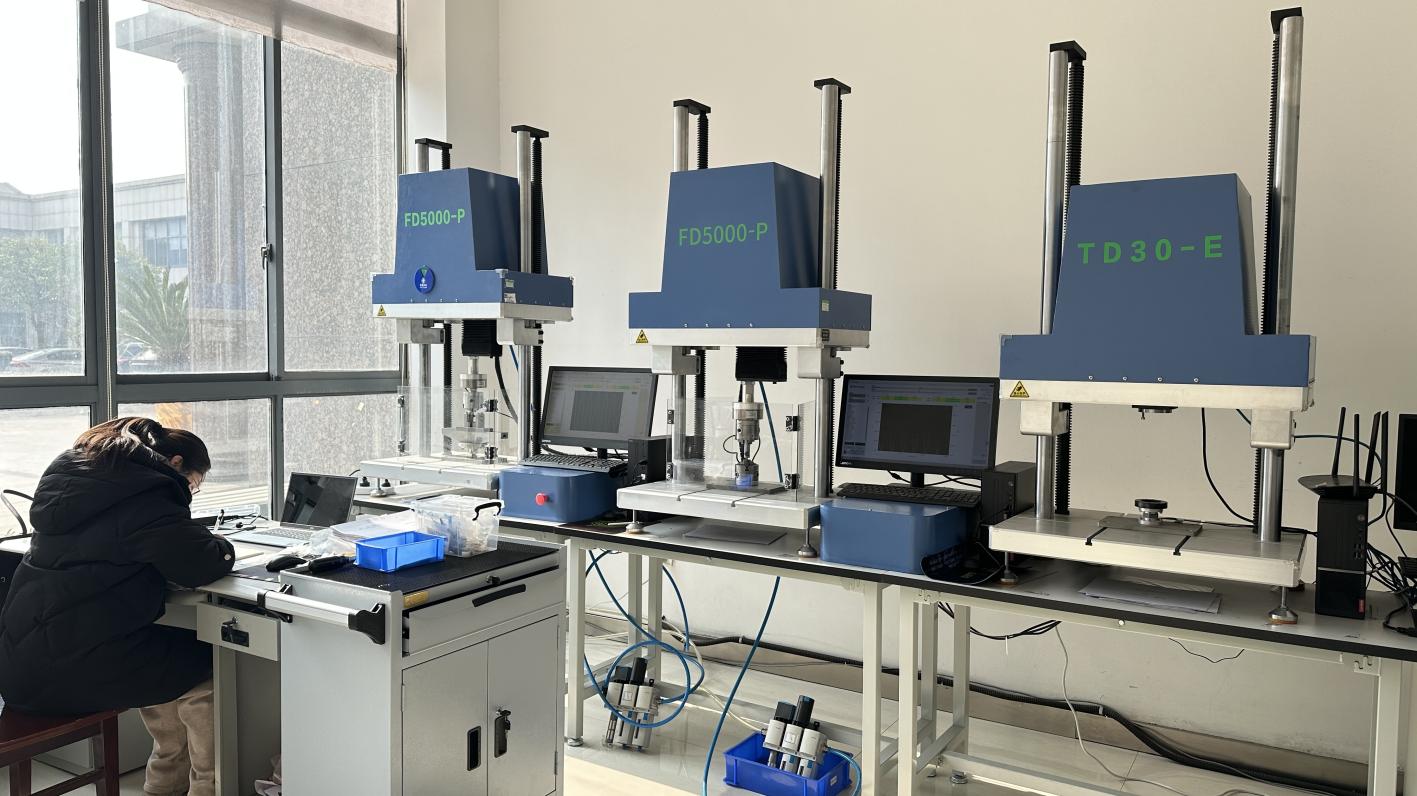
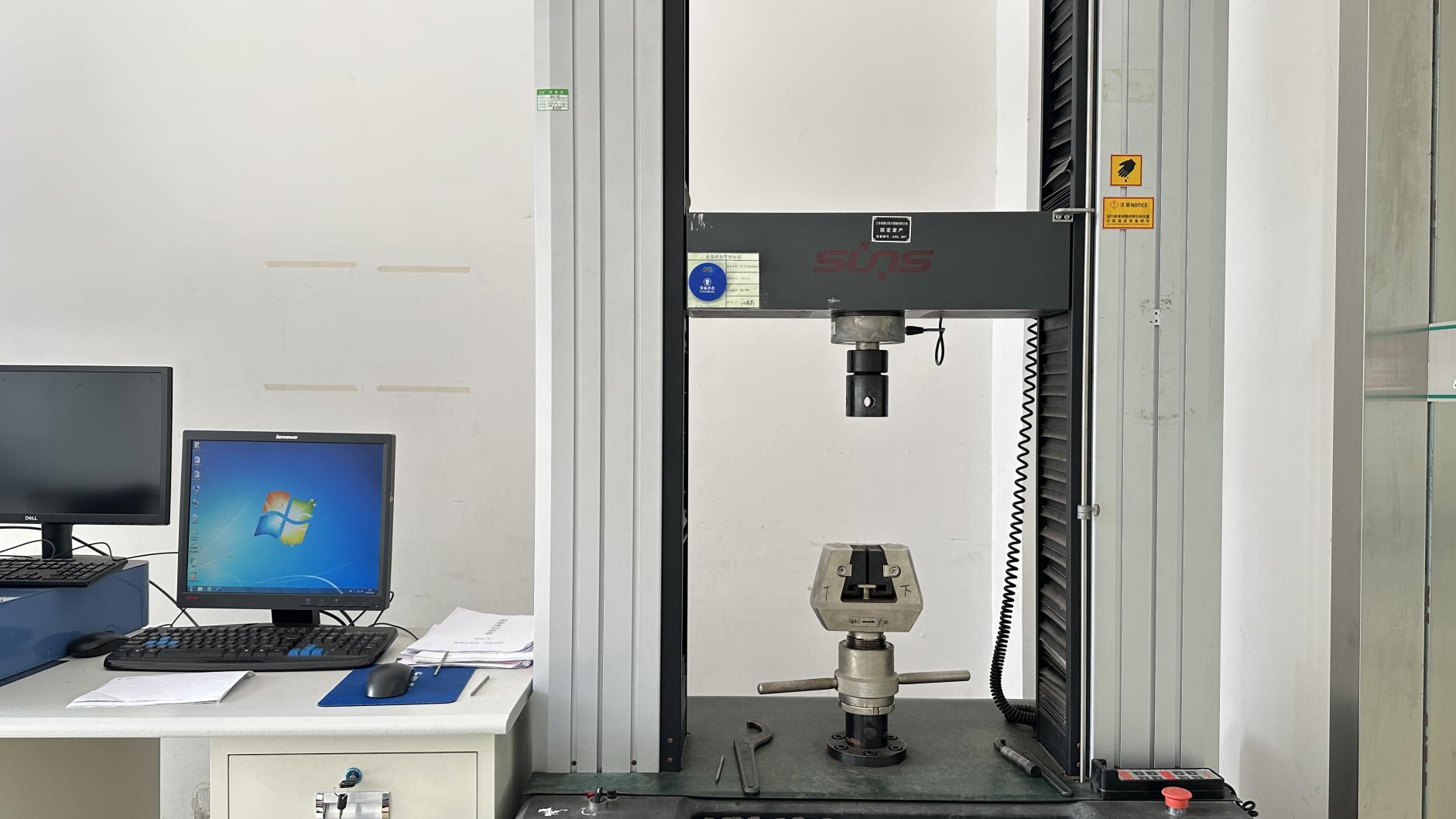
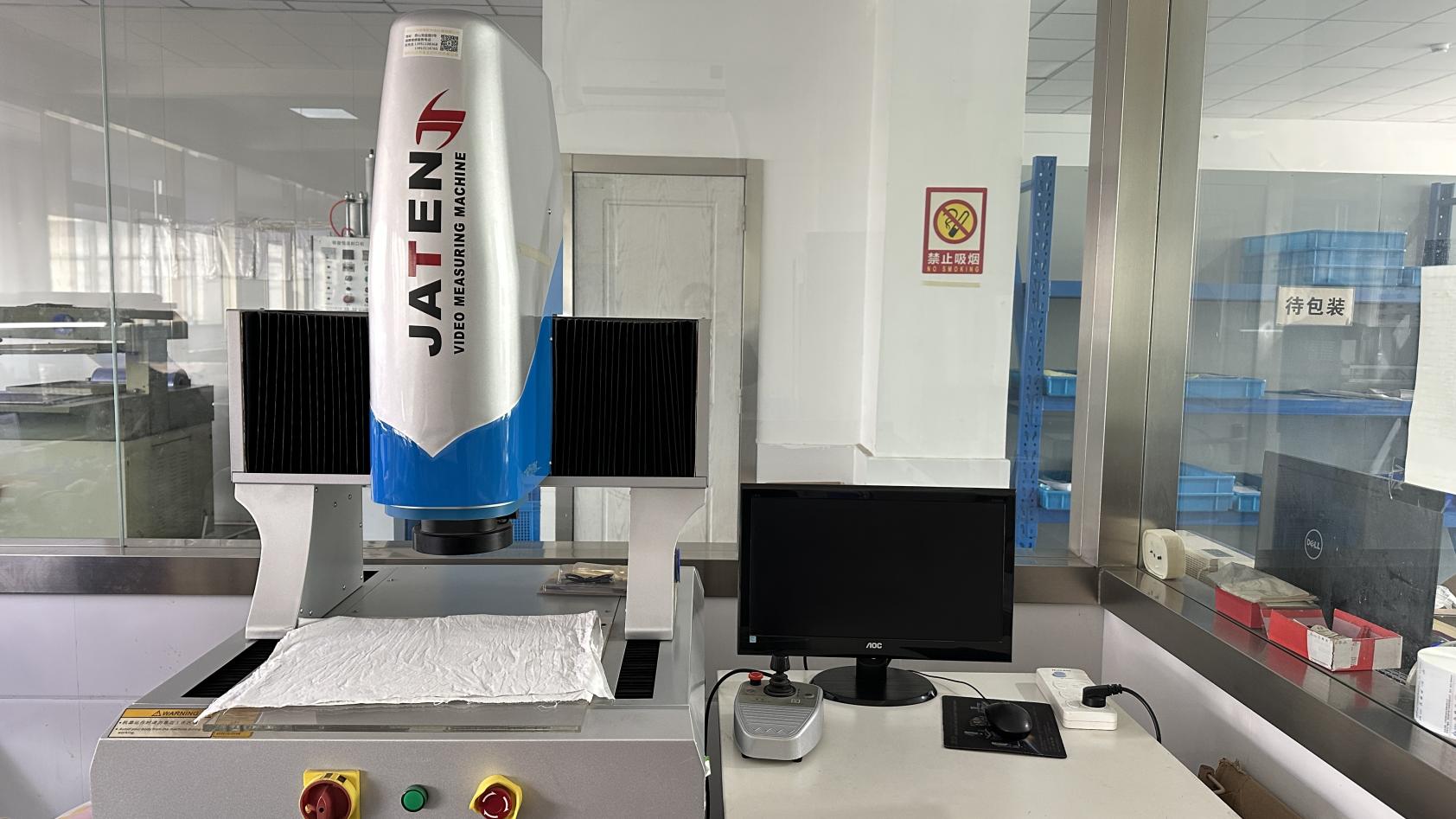
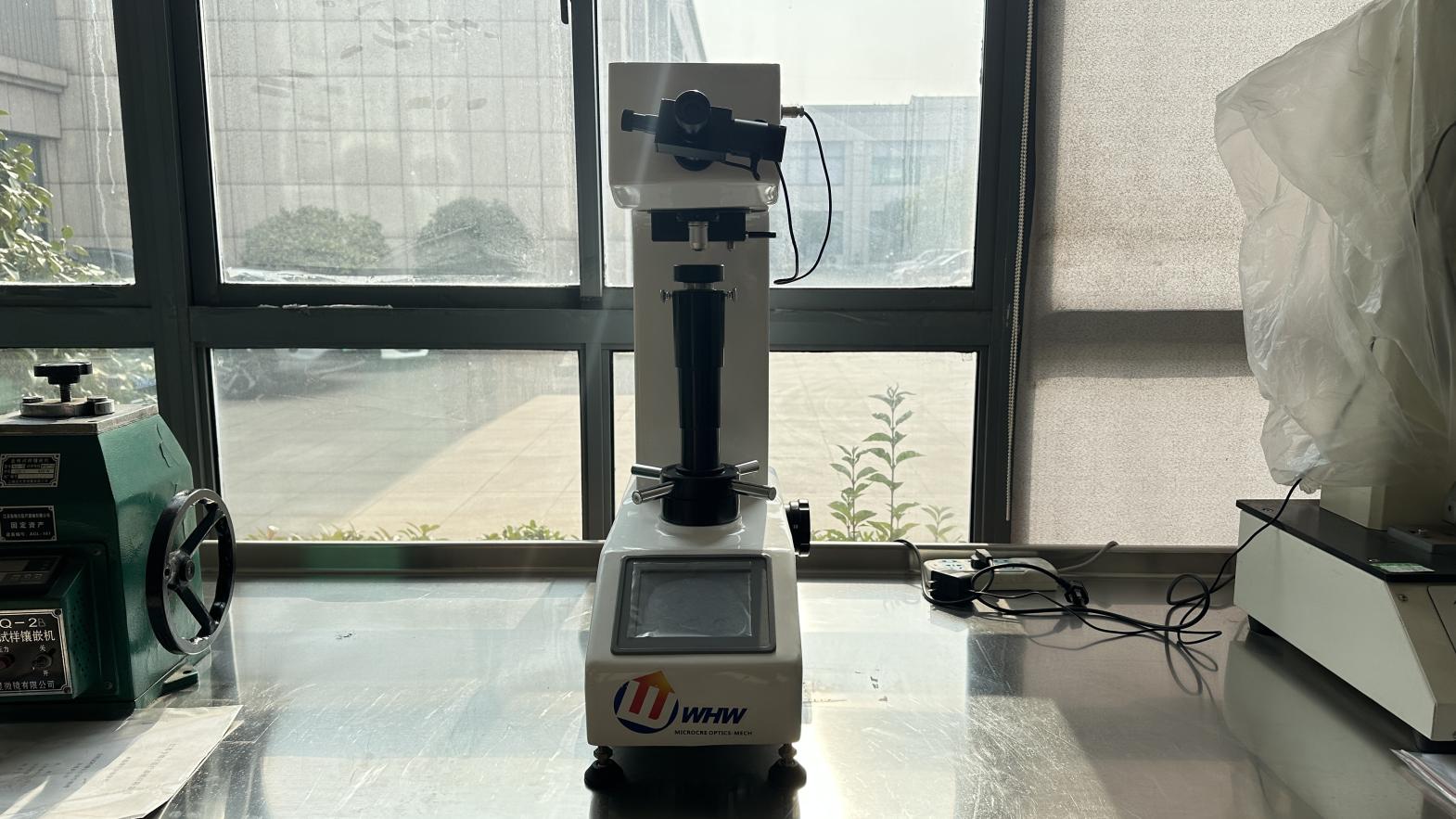
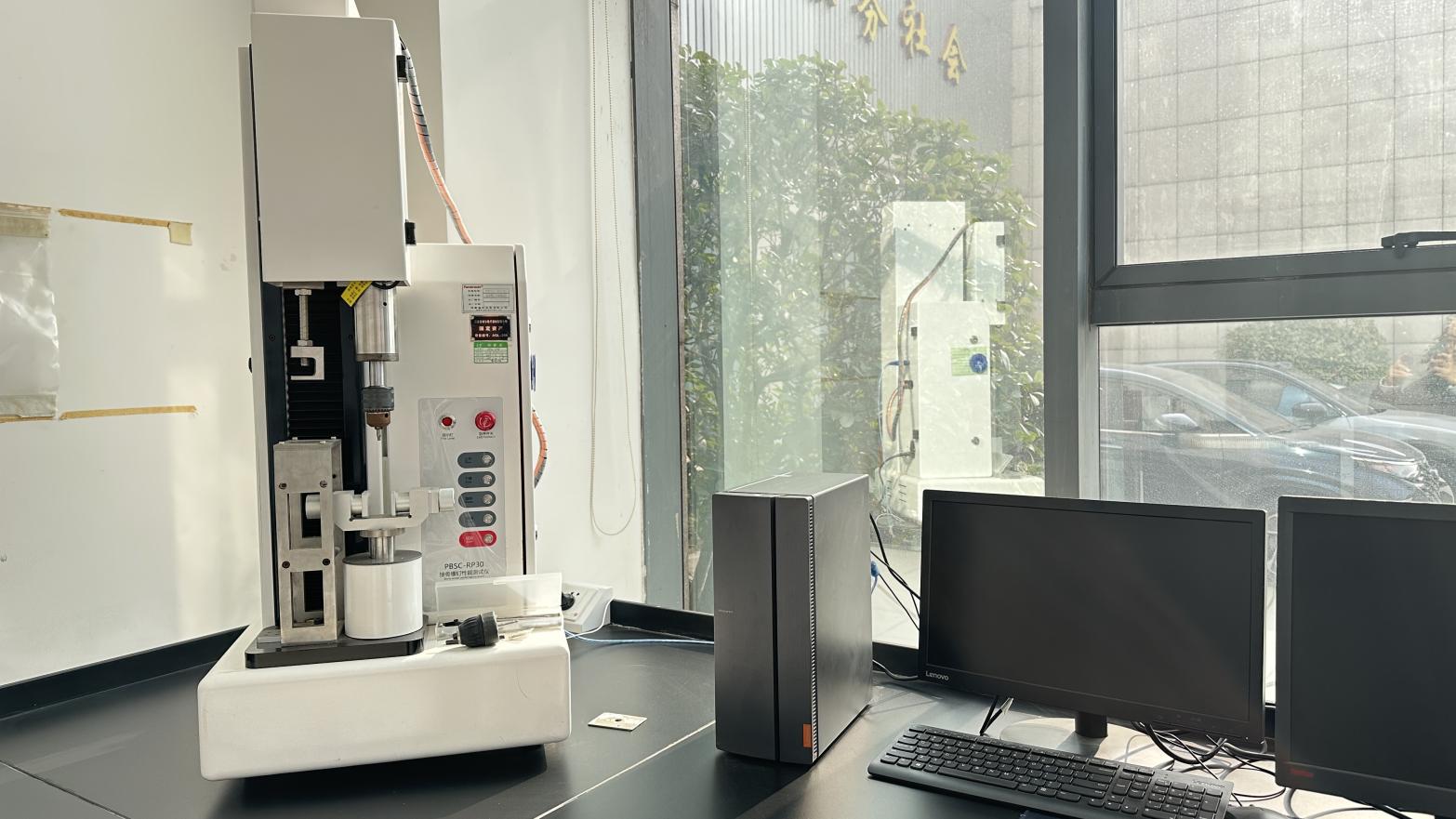
An engineering evaluation matrix detailing the physical and mechanical tolerances mandatory for modern surgical applications.
| Mechanical Property | Required Standard (ISO 5832-3) | Virelox Quality Benchmarks | Clinical Significance |
|---|---|---|---|
| Tensile Strength (Rm) | ≥ 860 MPa | ≥ 900 MPa | Prevents catastrophic fatigue failure during high axial loading. |
| Yield Strength (Rp0.2) | ≥ 795 MPa | ≥ 830 MPa | Ensures permanent deformation does not occur in post-op load bearing. |
| Elongation at Break (A) | ≥ 10 % | 12 % - 15 % | Provides optimum ductility for insertion without micro-cracking. |
| Surface Roughness (Ra) | ≤ 0.8 μm | ≤ 0.4 μm (Anodized) | Minimizes mechanical friction and maximizes osteointegration potentials. |
| Straightness Tolerance | ≤ 0.1 mm / 100mm | ≤ 0.05 mm / 100mm | Ensures perfectly axial guide wire passing and anatomy matching. |
Features an optimized 10° proximal bend. This design makes insertion through the tibial tuberosity safer and prevents damage to the articular cartilage of the knee joint.
Features multi-planar distal locking holes. These holes provide high stability for short distal fragments, preventing angular shifting and rotational movement.
Features a dynamic locking option that allows axial movement. This setup encourages fracture compression and bone healing through normal patient movement.
Virelox’s engineering department, staffed by over 120 dedicated biomechanical engineers, is continuously developing next-generation solutions.
Standard titanium alloys offer excellent biological compatibility, but they are relatively bio-inert, meaning they don't actively bond with bone. Virelox is currently developing advanced electrochemical anodization methods to create nanotubular structures on implant surfaces.
These microstructures can be coated with hydroxyapatite (HA) or infused with bone morphogenetic proteins (BMP-2). This design helps speed up osteointegration, which is especially beneficial for patients with poor bone quality or compromised healing processes.
The future of orthopedic trauma surgery relies on real-time data. Our technical roadmap includes designing smart intramedullary nails equipped with micro-strain gauges and telemetry transmitters.
These sensors can track internal loading, monitor patient compliance, and detect early implant failures or non-unions before they show up on standard X-rays. This technology allows surgeons to make data-driven decisions during recovery.
Crucial insights prepared by Virelox’s technical team for hospital procurement committees, regulatory affairs managers, and clinical consultants.
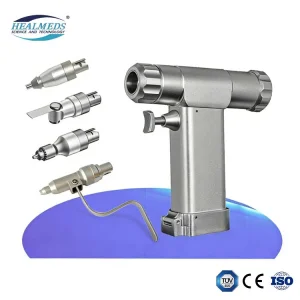
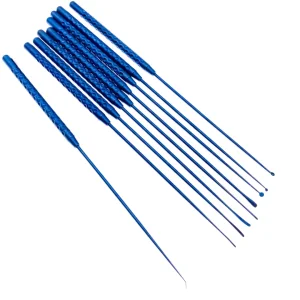
Explore our complete range of surgical hand tools, fixation devices, and specialty implants designed to support clinical teams.
 Virelox