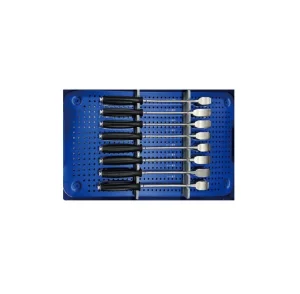
China Best Self Tapping Bone Screws Factories & Exporters

Pioneering High-Precision Orthopedic Implant Systems and Global OEM/ODM Solutions Under Rigorous ISO 13485 Standards

Industrial Scale & Key Capabilities

Virelox Medical Devices Co., Ltd. represents the cutting edge of Chinese medical component manufacturing.

2016
Established
12,000
Production Area
$8.5M
Annual Export
120+
R&D Engineers
65
QC Specialists

Operating under the brand "Virelox", we focus on high-performance orthopedic systems for global healthcare providers, combining 10 years of domestic manufacturing history with 8 years of dedicated export experience across Europe, Southeast Asia, the Middle East, and South America.

Understanding the Clinical Mechanics of Self-Tapping Bone Screws

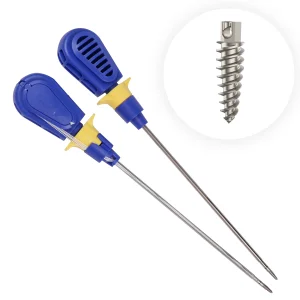
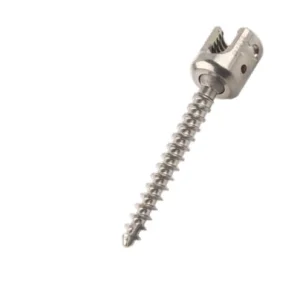
Self-tapping bone screws represent a critical evolution in rigid internal fixation. Unlike traditional screws that require a separate tapping procedure to cut threads into bone tissue, self-tapping variants feature a specialized cutting flute integrated into the screw tip. As the screw is turned, this flute cuts its own matching thread, significantly reducing operating time, reducing surgical steps, and decreasing the risks associated with multiple insertions.

From a biomechanical perspective, the efficiency of a self-tapping screw is determined by its tip geometry, thread profile (cortical vs. cancellous), and the design of the cutting flute. The flute must act as a reservoir for bone debris, clearing out dynamic bone chips and preventing thermal necrosis. Thermal necrosis can occur if the local temperature during insertion exceeds 47°C, which leads to localized osteocyte death and subsequently reduces initial implant stability.

“Optimized thread pitch and depth are crucial for maintaining mechanical stability in osteopenic bone structures. Virelox uses high-precision finite element analysis (FEA) to design self-tapping geometries that maximize surface area contact and pullout resistance.”

Global Market Demands & Material Selection Criteria

Modern global healthcare procurement demands strictly regulated materials. Self-tapping bone screws must feature absolute biocompatibility, superior fatigue limits, and resistance to stress corrosion. The global market relies primarily on two core materials:

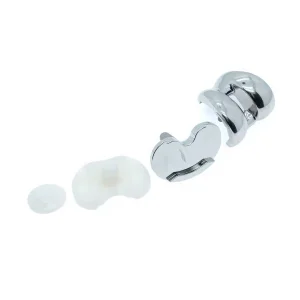
  • Titanium Alloy (Ti-6Al-4V ELI / ASTM F136): Offers high strength-to-weight ratios, low elastic modulus (closer to natural human bone), and outstanding osseointegration properties. Ideal for permanent implants such as spinal pedicle systems and joint replacements.
  • Stainless Steel (316L VM / ASTM F138): Known for high fracture toughness and work hardening potential. Commonly selected for trauma fixation plates where high temporary loads must be sustained prior to complete bone healing.

Additionally, modern advancements in surface modifications—such as type II anodization, acid-etching, and hydroxyapatite coatings—are driving the market toward implant solutions that promote faster cellular attachment and faster recovery times.

China Manufacturing Efficiencies & Global Export Landscape

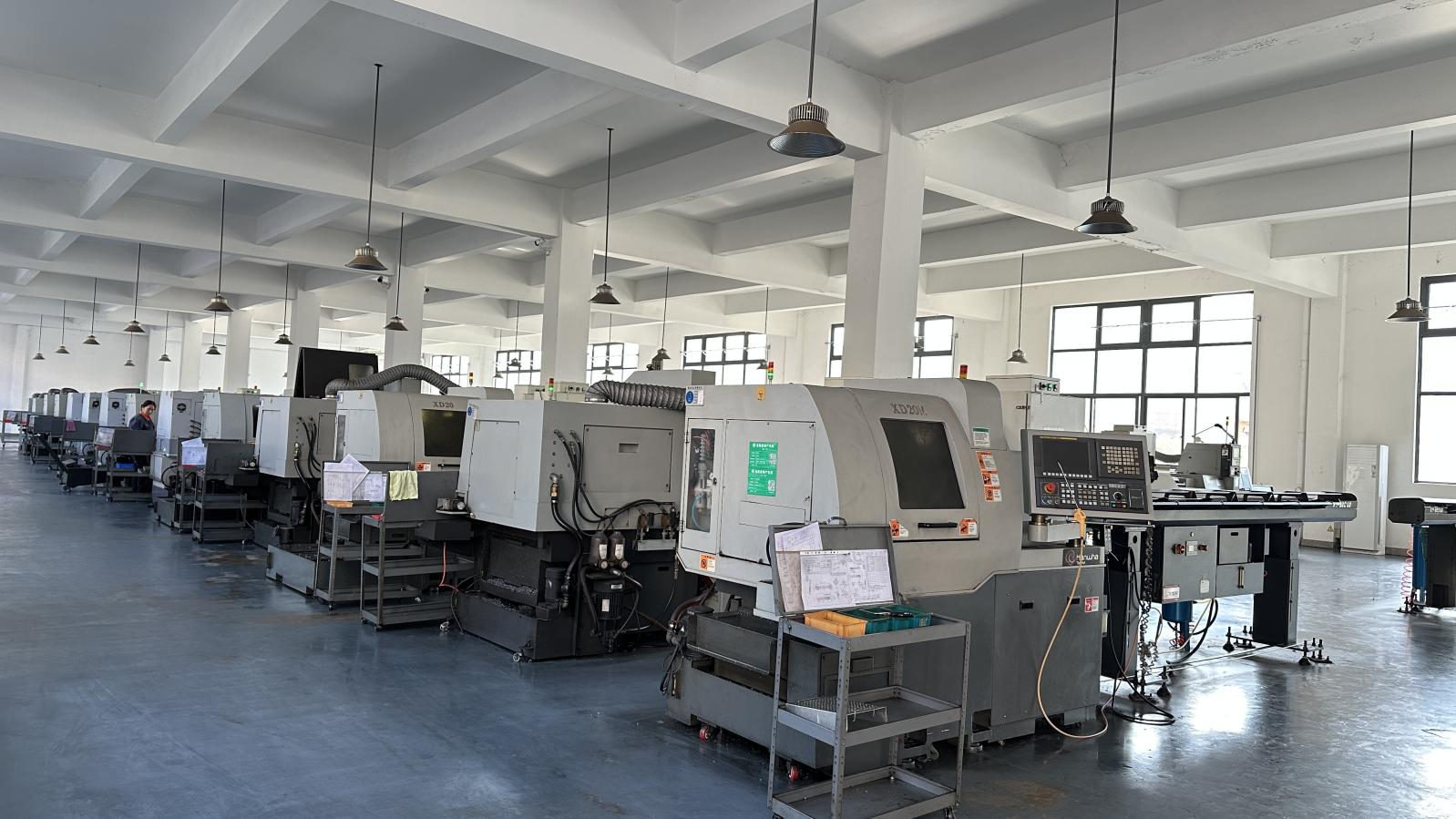
The consolidation of the medical manufacturing supply chain in China has enabled factories to deliver cost-effective solutions without compromising precision. By utilizing raw materials sourced from certified aerospace-grade suppliers and adopting automated multi-axis Swiss CNC machining centers, Chinese manufacturers achieve micron-level tolerances.

Virelox maintains an expansive supply chain network with over 850 certified partners, which allows for stable material costs and rapid turnaround times even during high-volume production. This ecosystem ensures that OEM/ODM projects move from CAD models to biomechanical validation and full-scale production in weeks rather than months.

End-to-End Advanced Production & Inspection Workflow

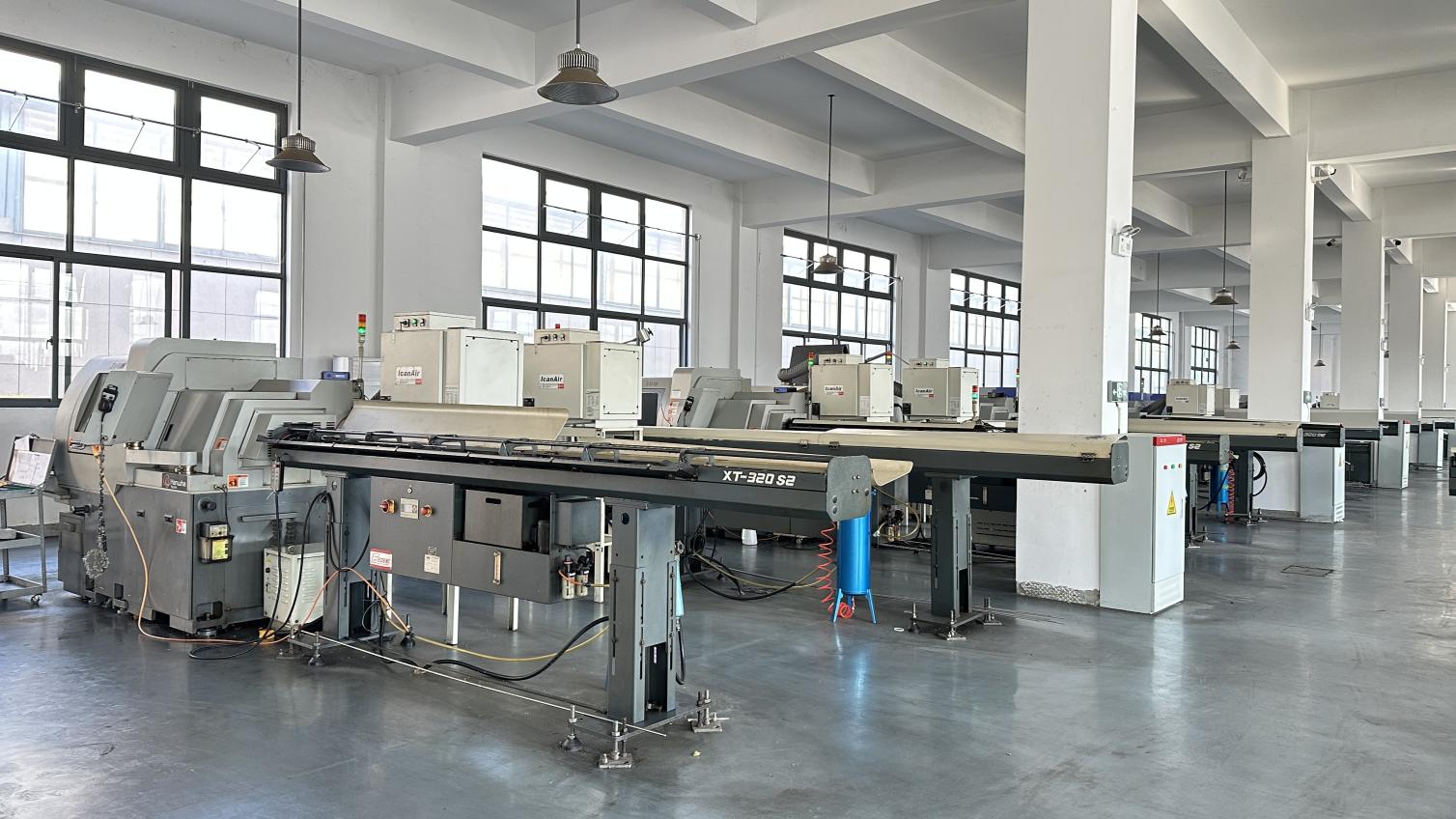
A visualization of our production pipeline from traceable raw materials to biomechanical fatigue testing, ensuring compliance with ISO 13485.
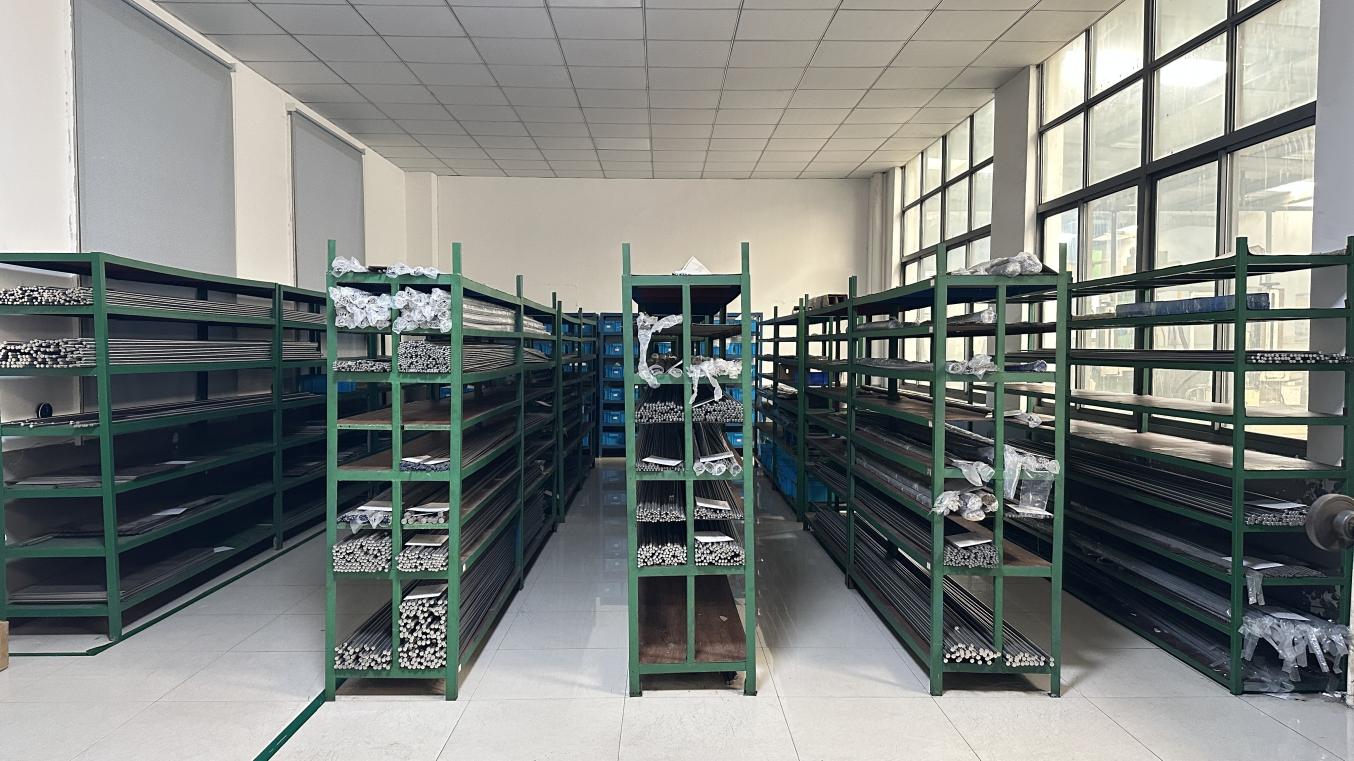
Raw Materials Control
Raw Materials
Slitting Process
Slitting
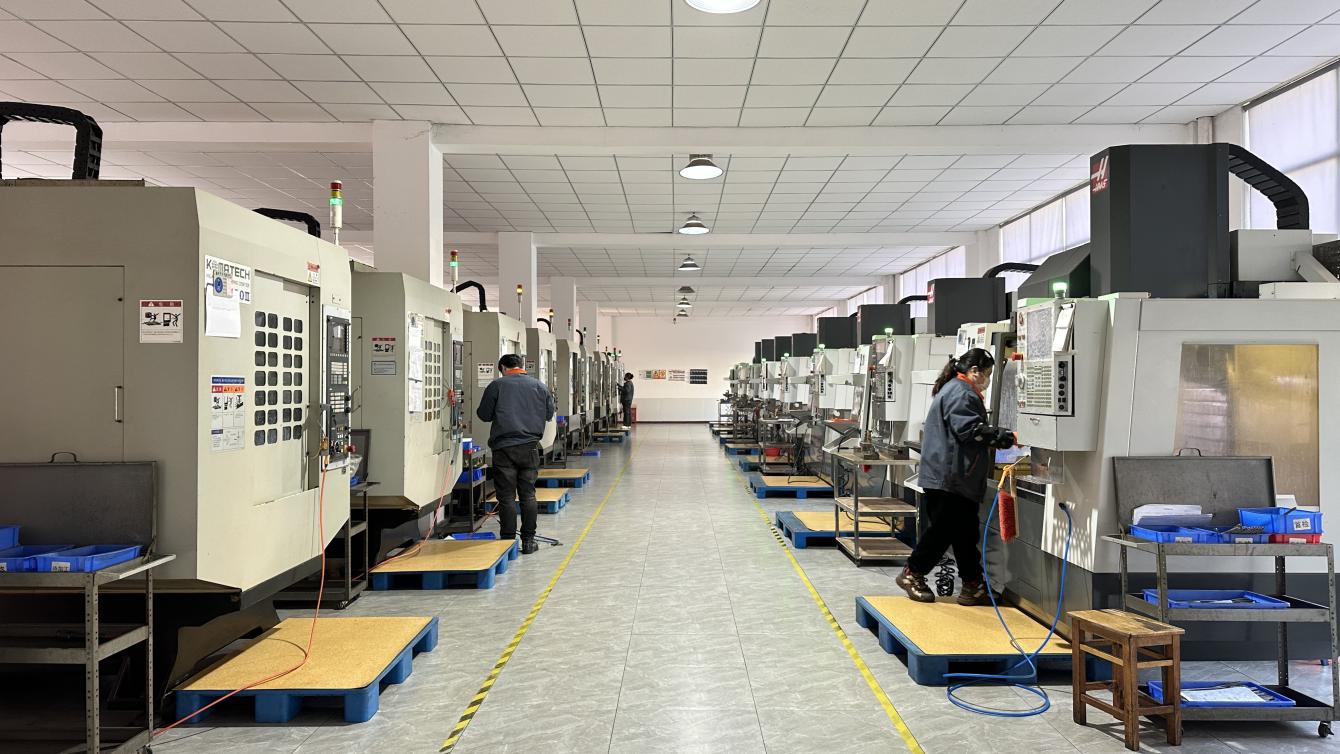
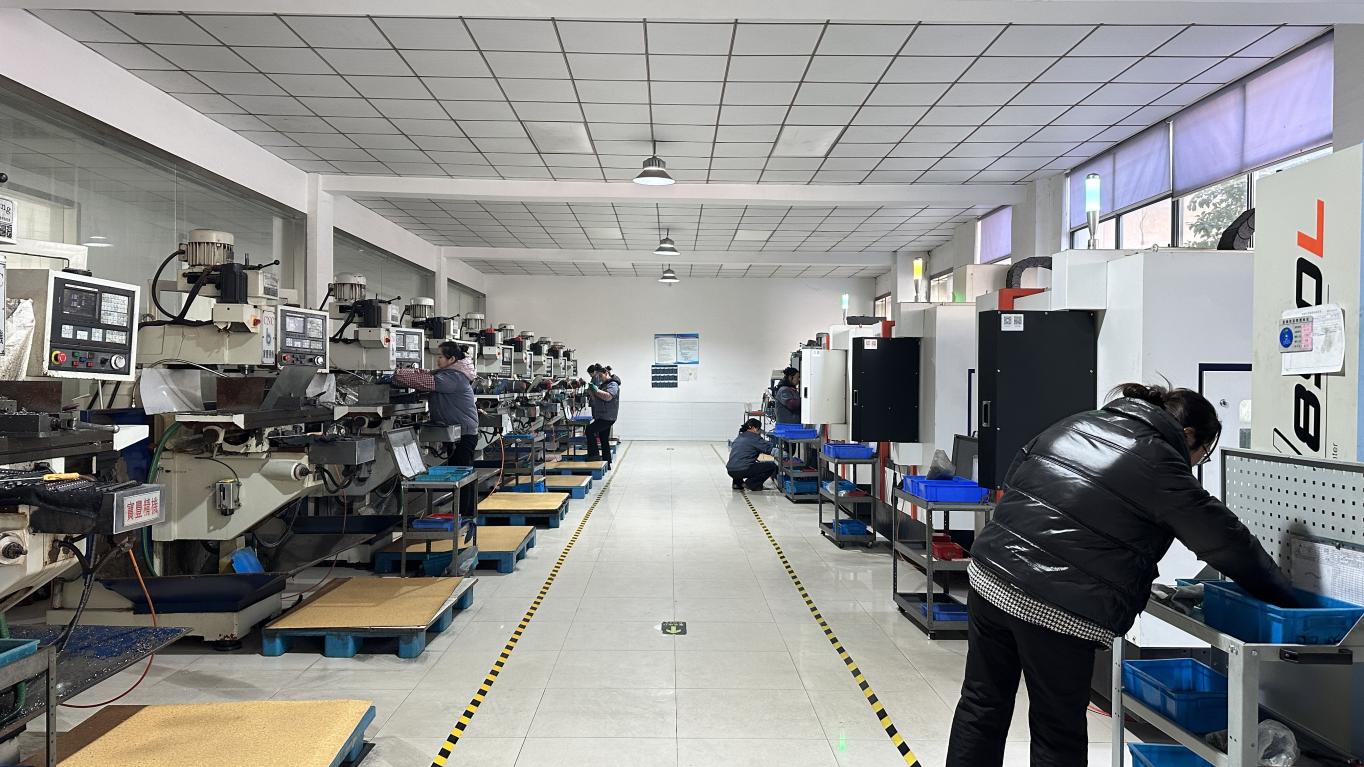
CNC Machining Center
CNC Machining
Precision Machining
Machining
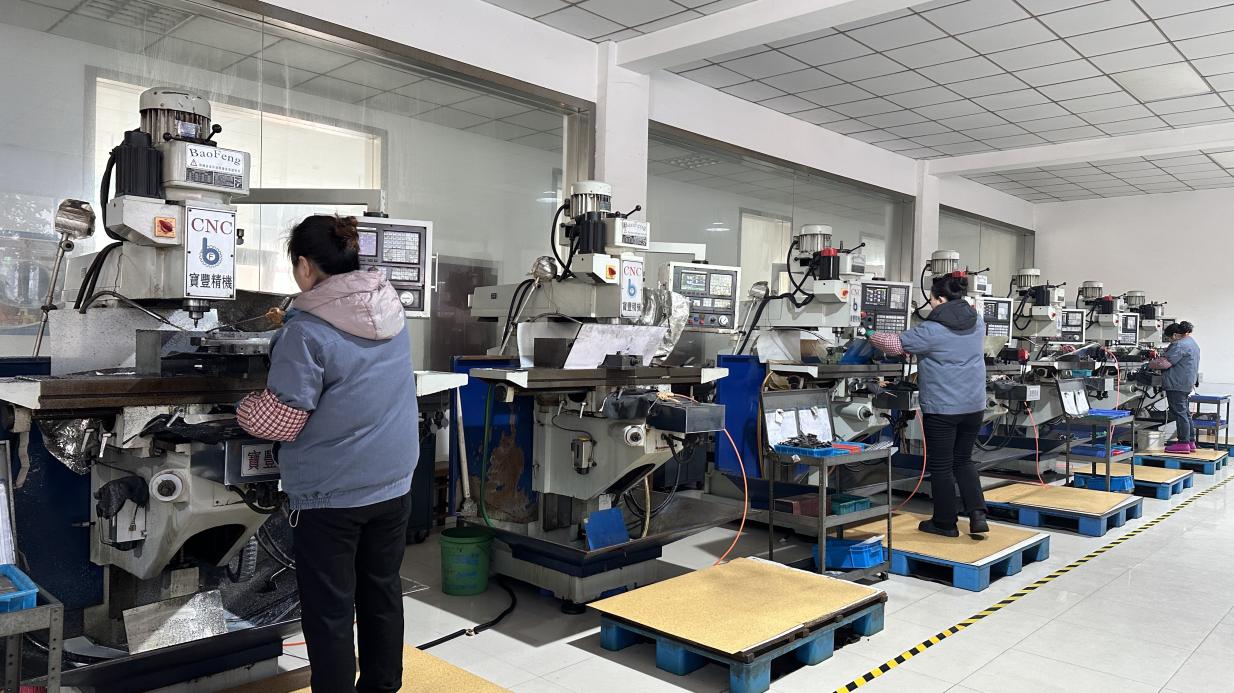
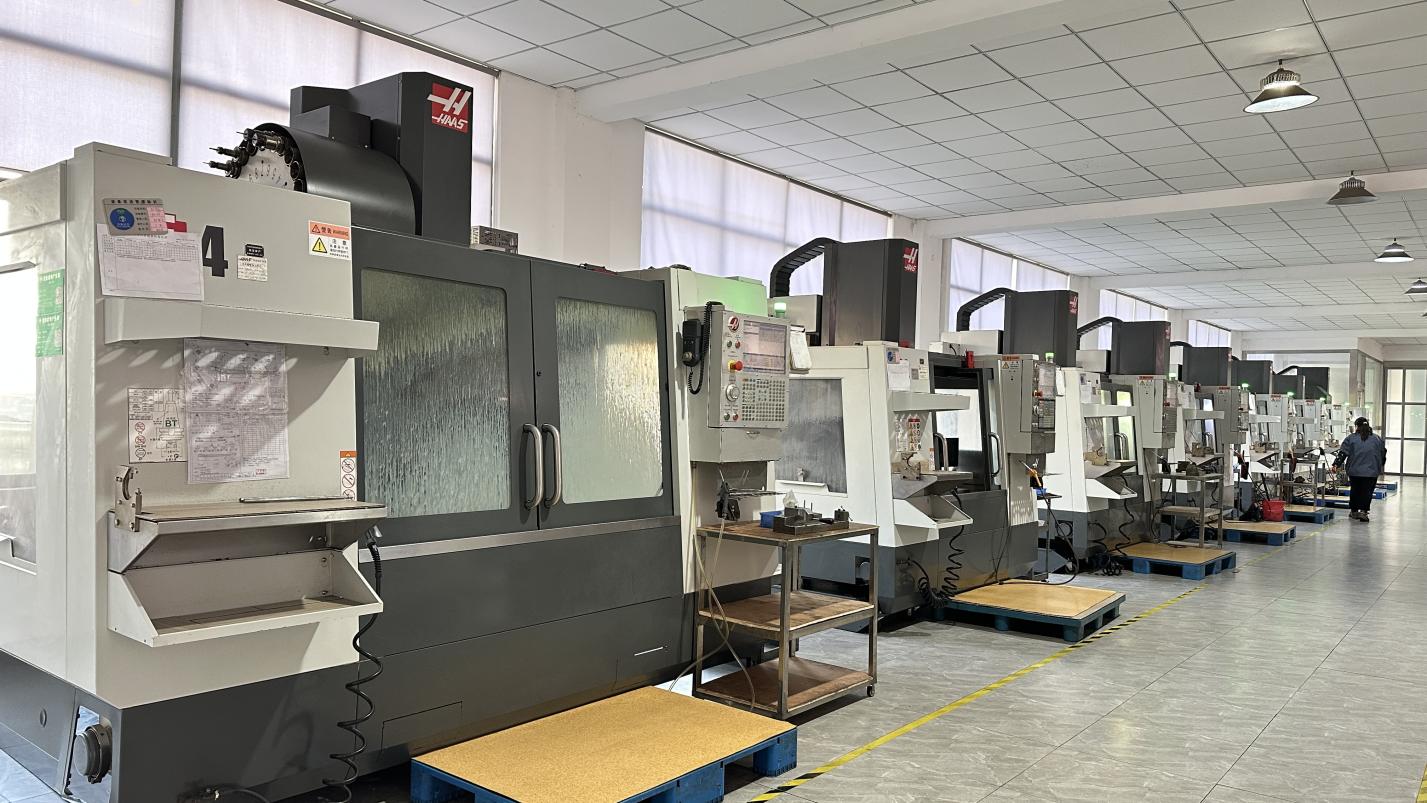
Precision Milling
Milling
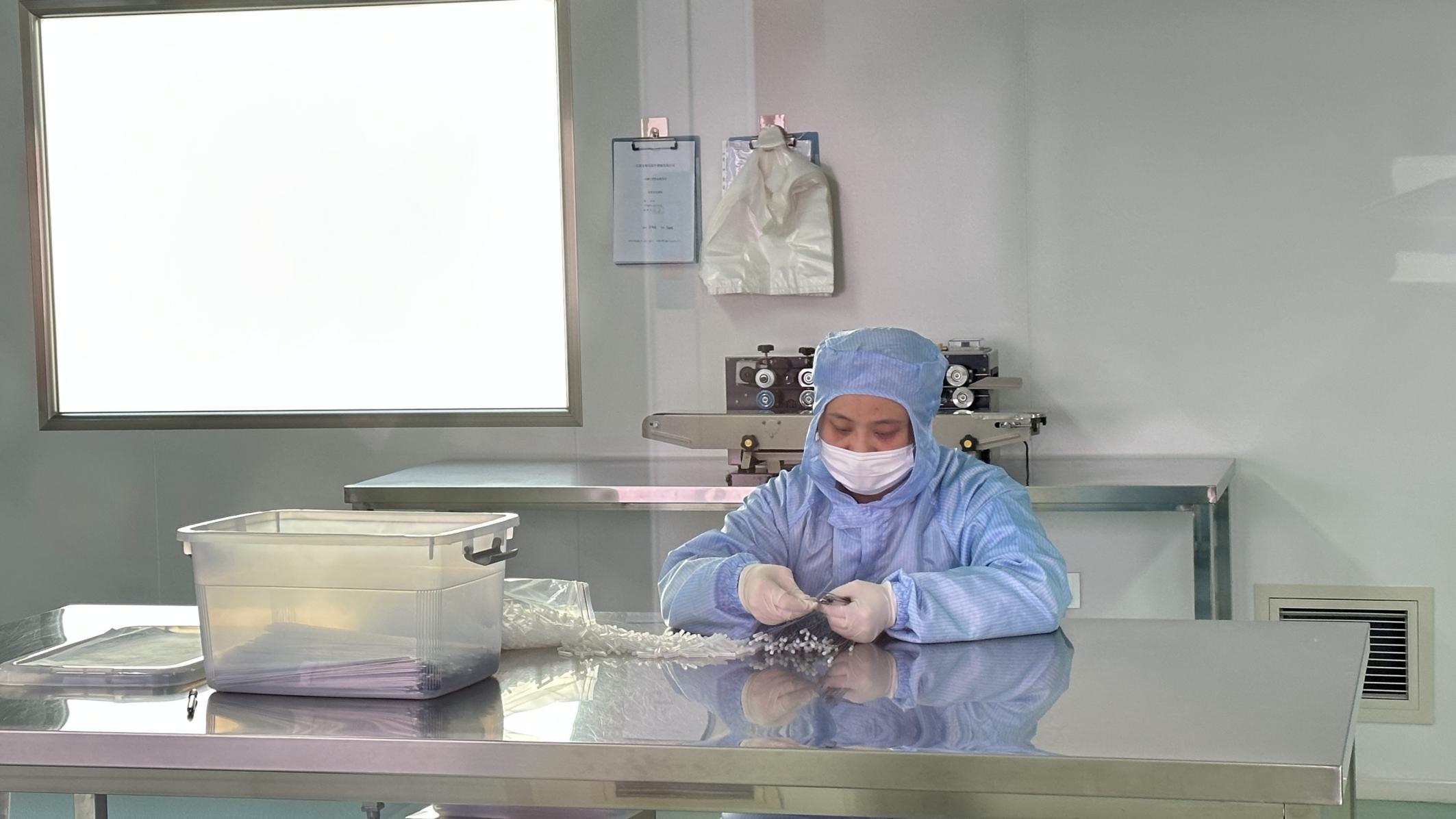
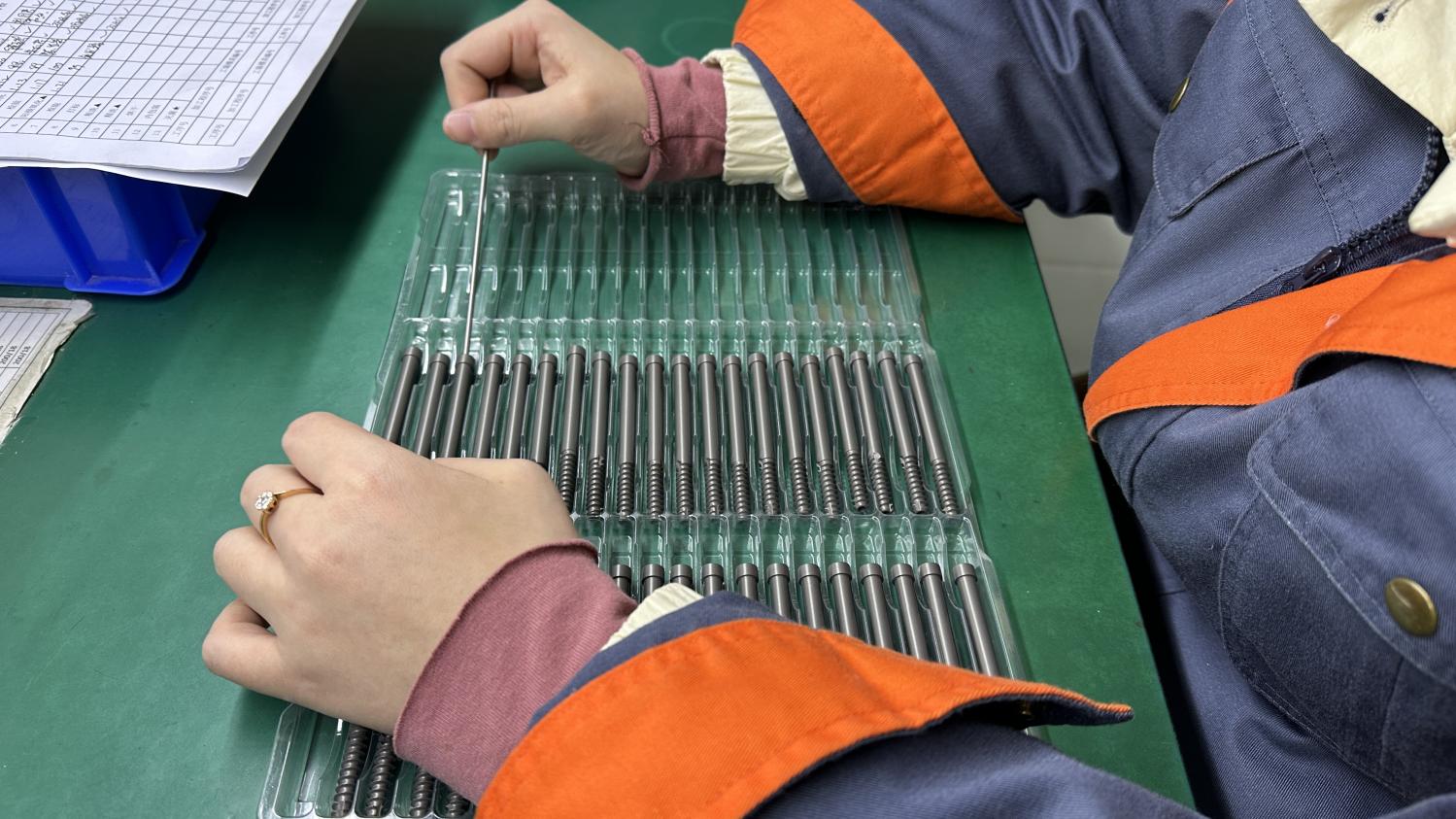
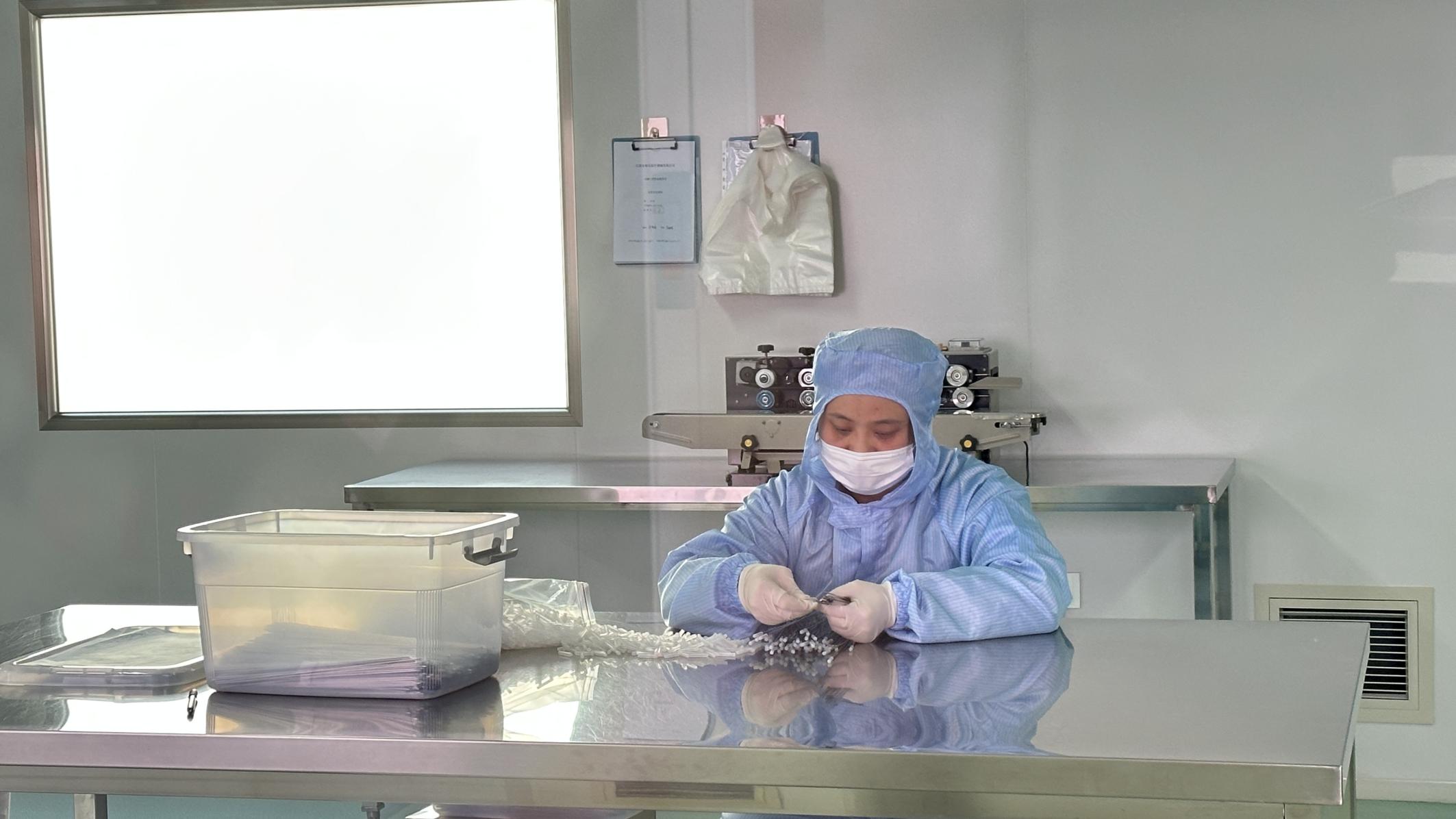
Inspection and Packing Area
Inspection & Packing
Clean Inspection Protocols
Inspection & Packing
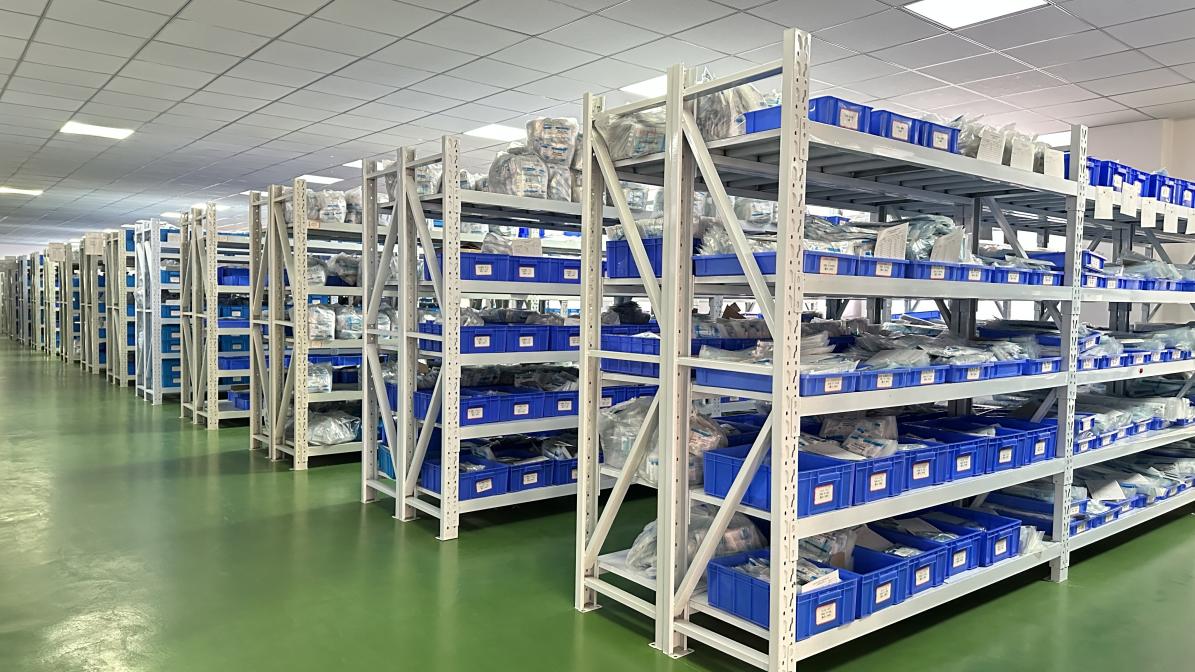
Controlled Temperature Warehouse
Warehouse
Slitting Machine Operation
Slitting Machine
High Tech CNC Machining Center
CNC Machining Center
CNC Milling Equipment
CNC Milling Machine
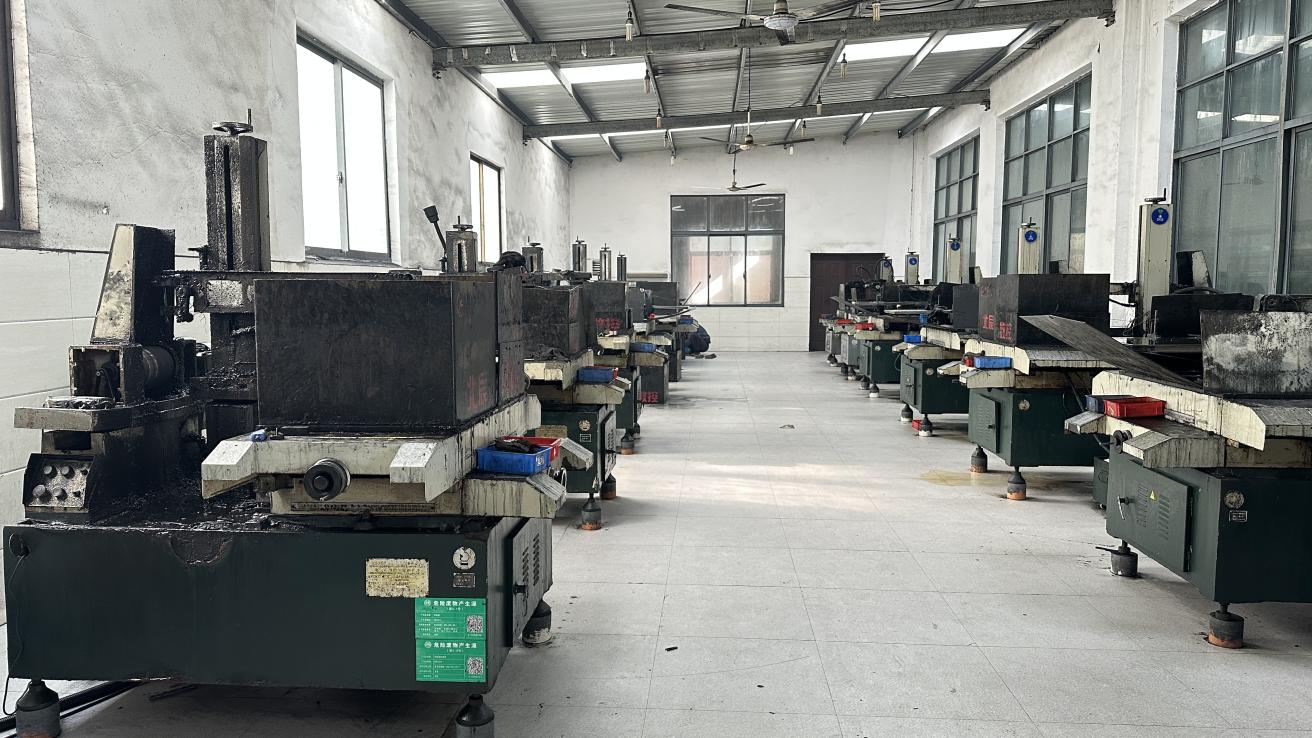
EDM Wire Cutting
Wire Cutting Machine
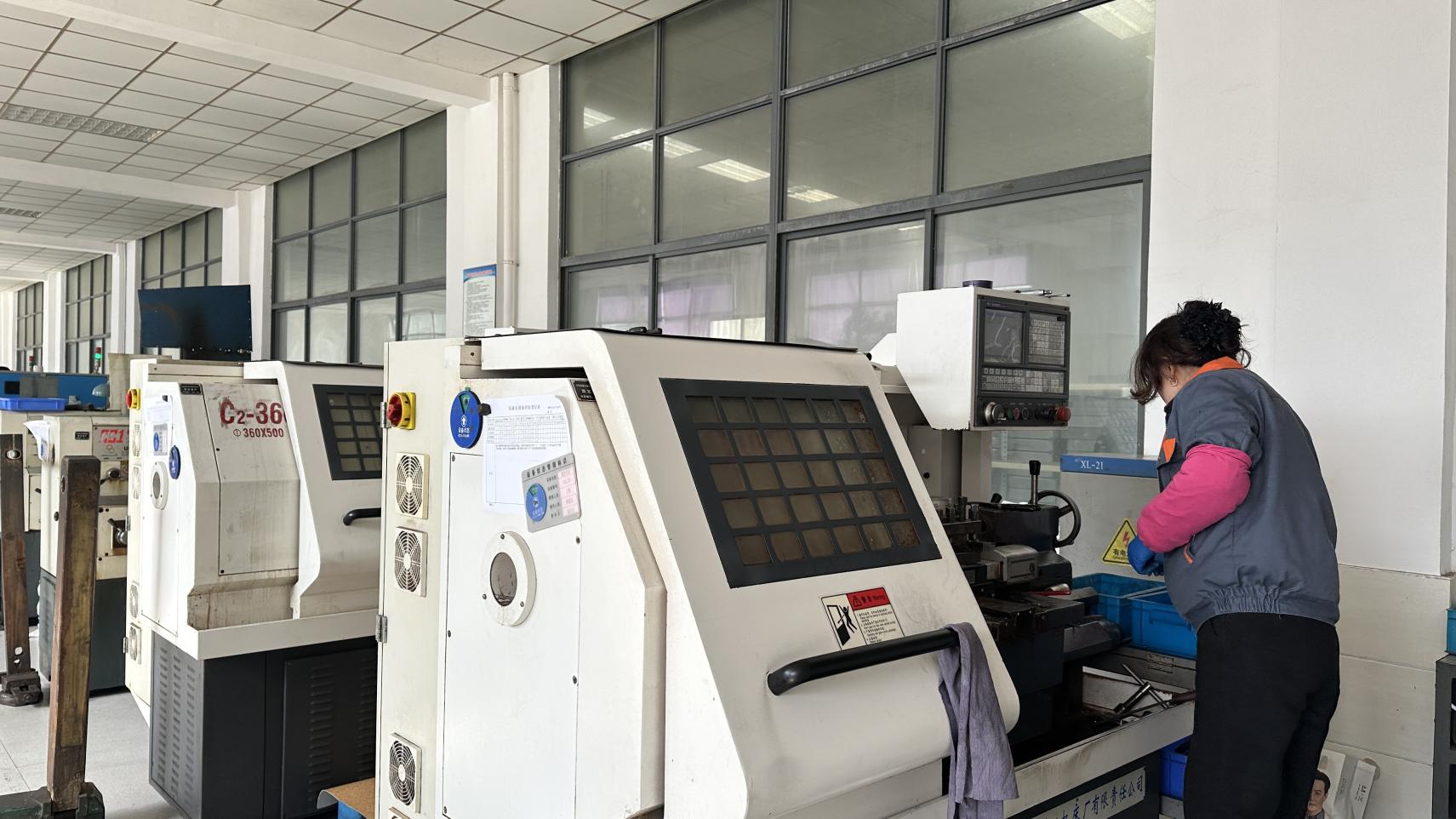
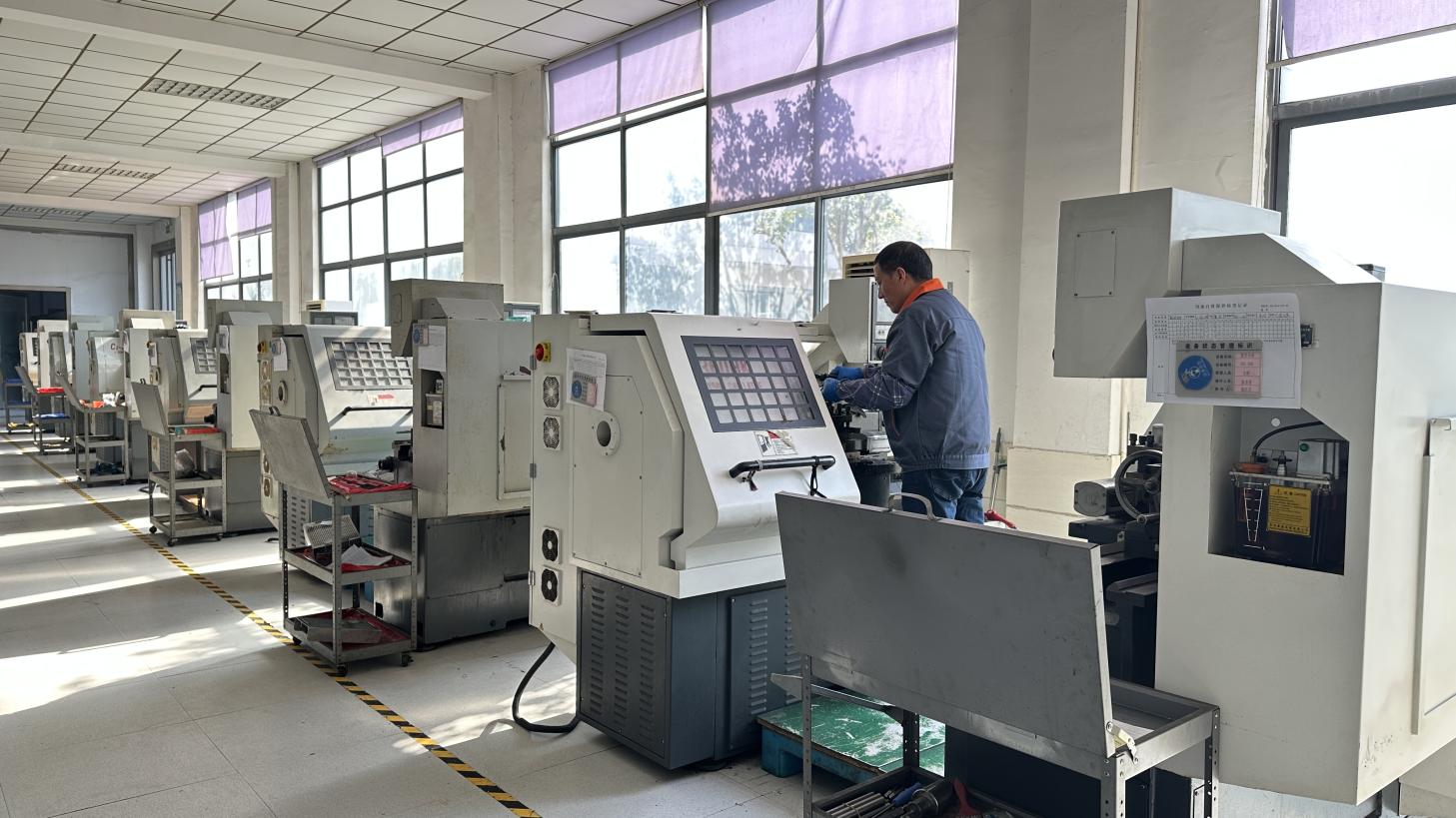
Precision Lathe Processing
CNC Lathe
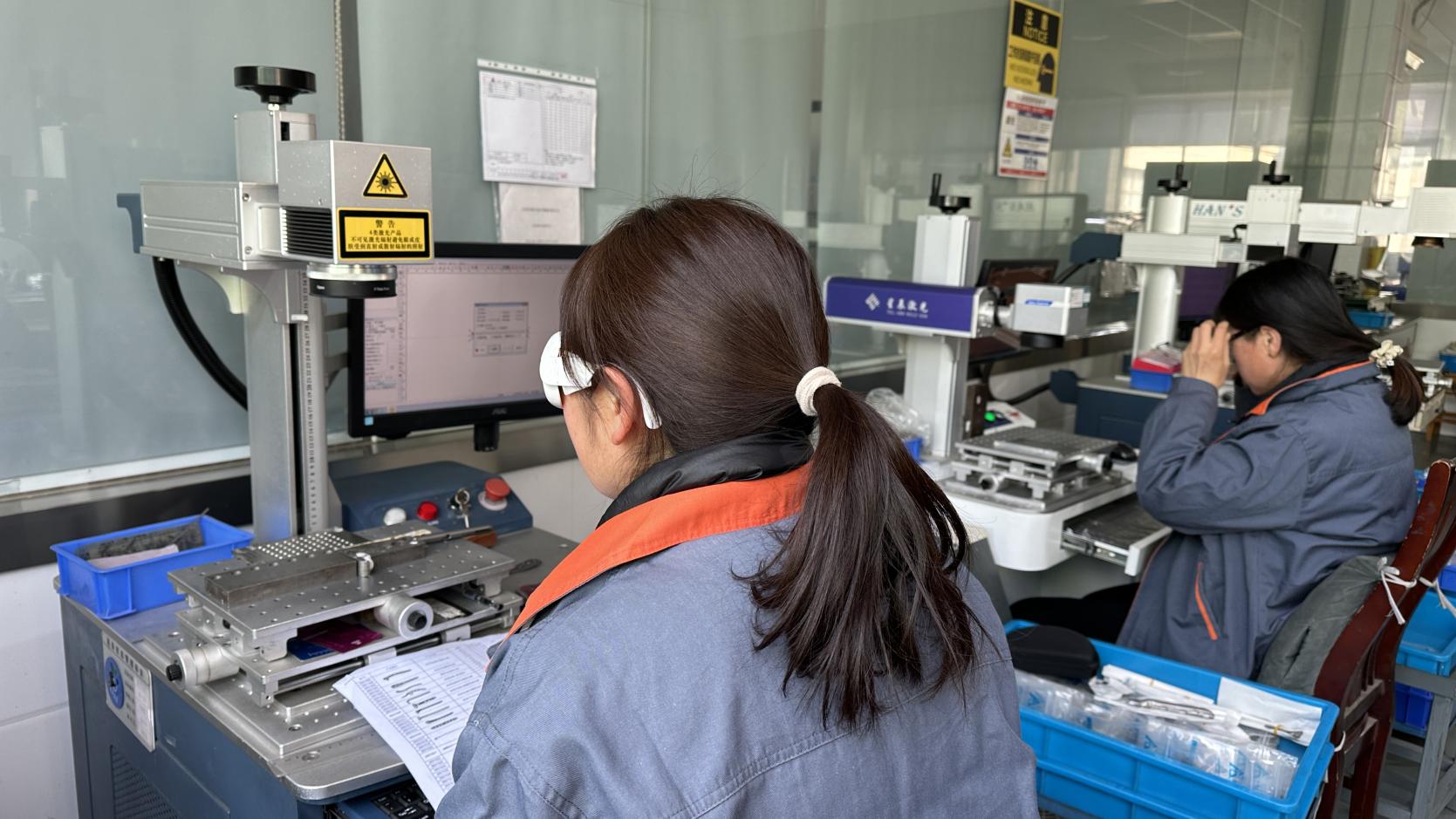
Laser Marking Identification
Laser Marking Machine
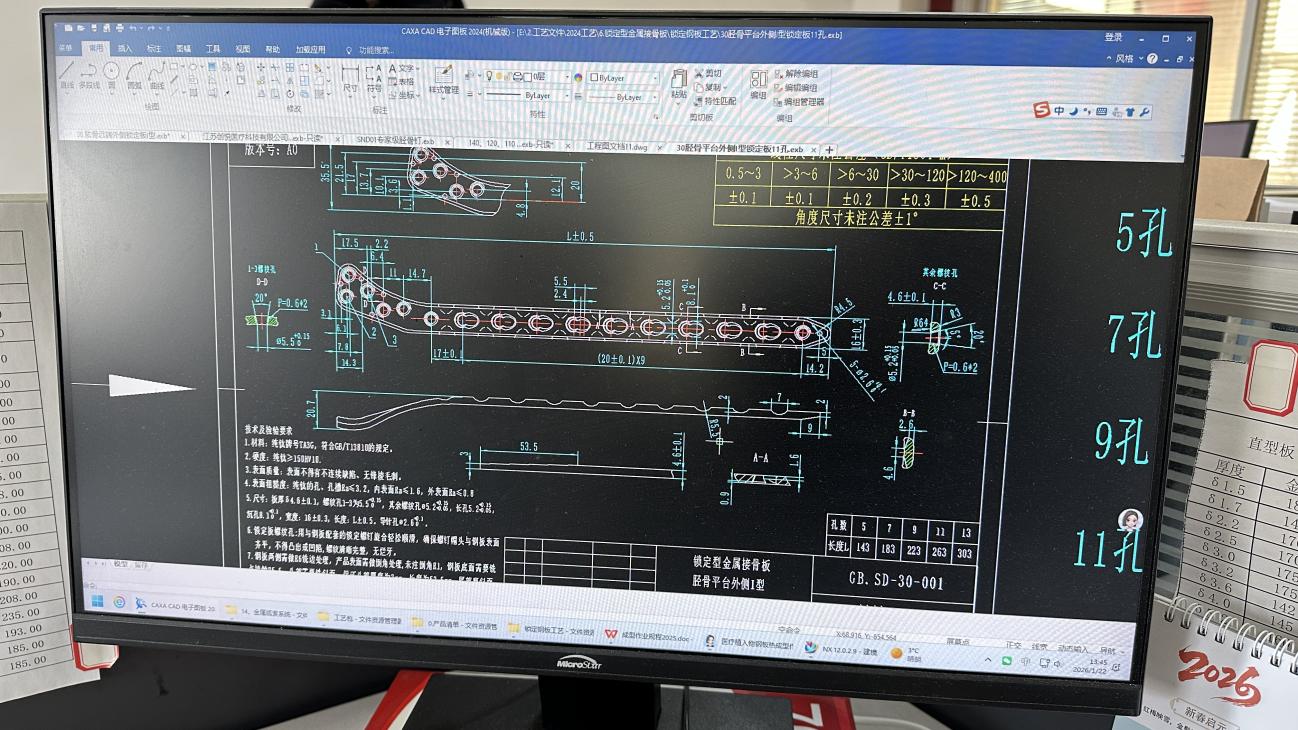
CAD/CAM Implant Design
Design Office
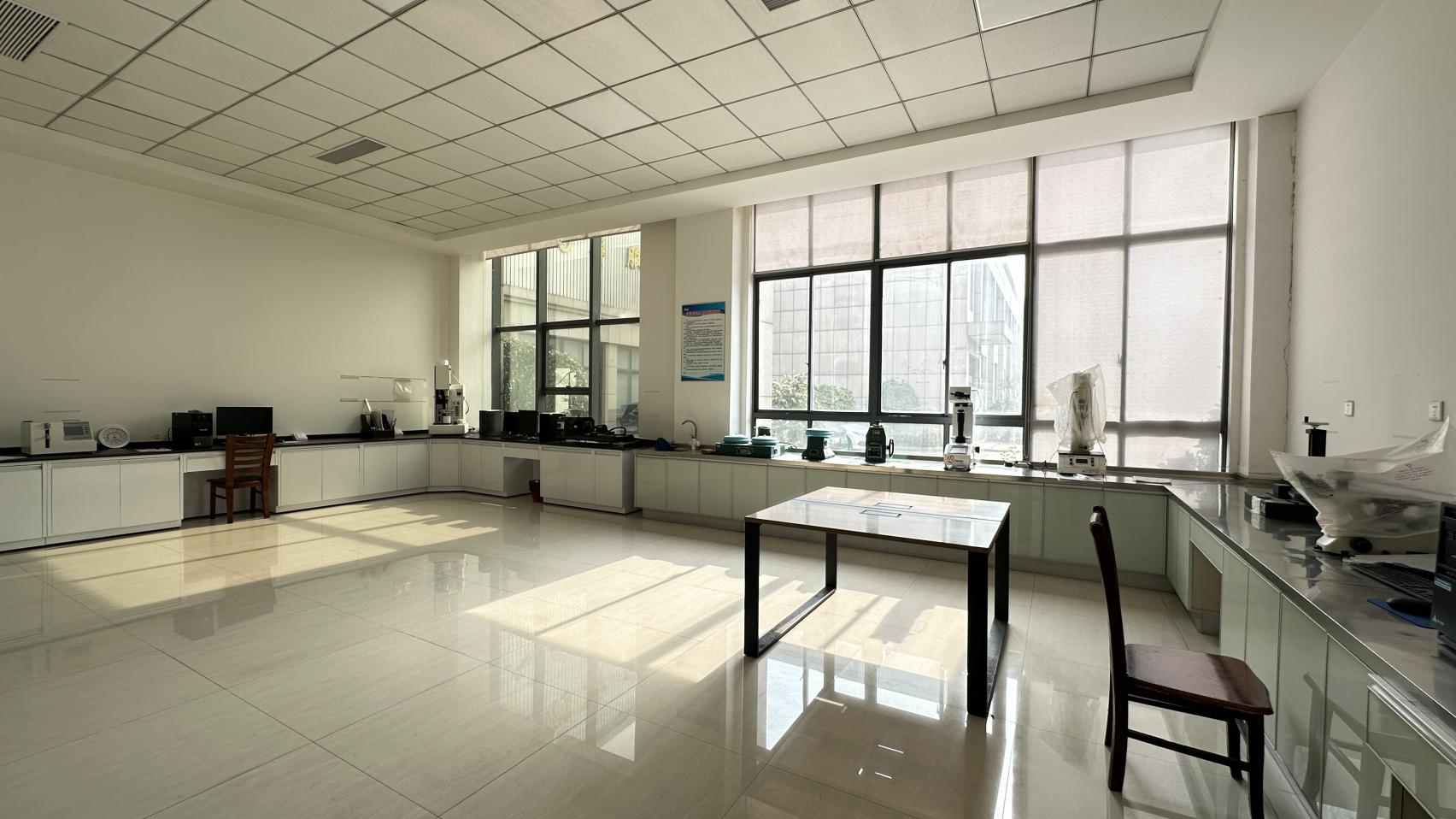
Biomechanical Lab Room
Testing Lab
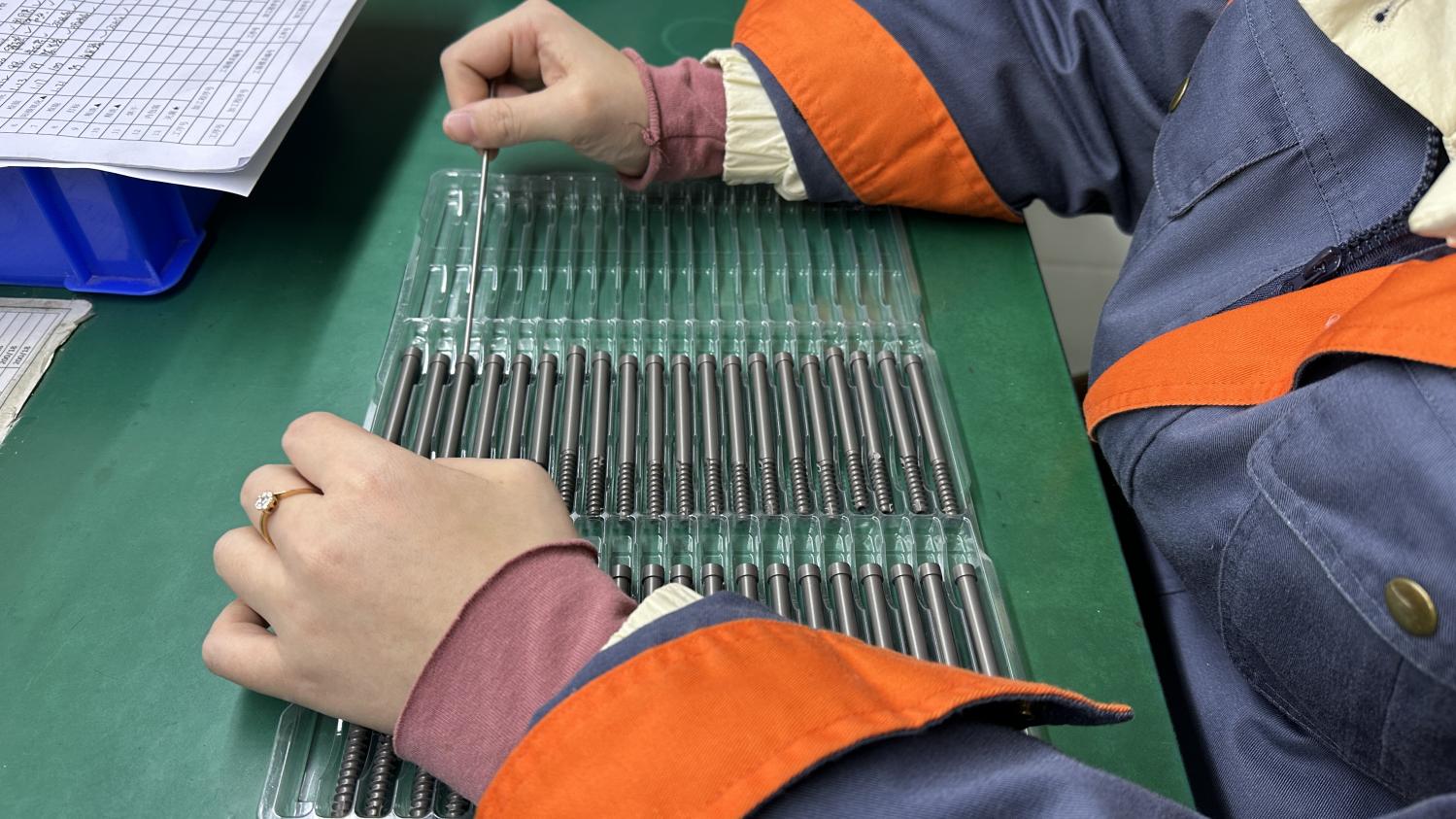
In-process Quality Inspection
Inspection Station
Final Quality Check
Dimensional Check
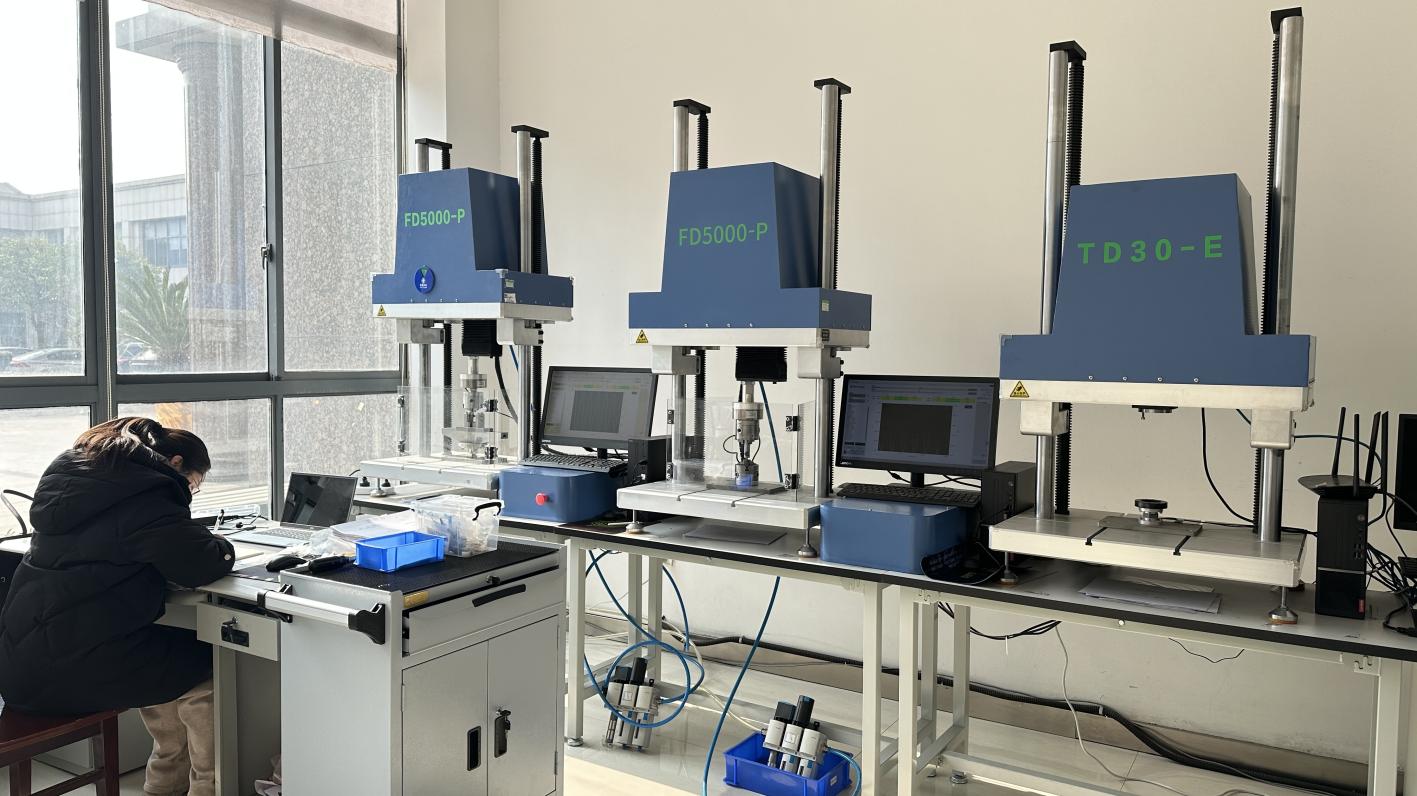
Dynamic Fatigue Tester
Fatigue Tester
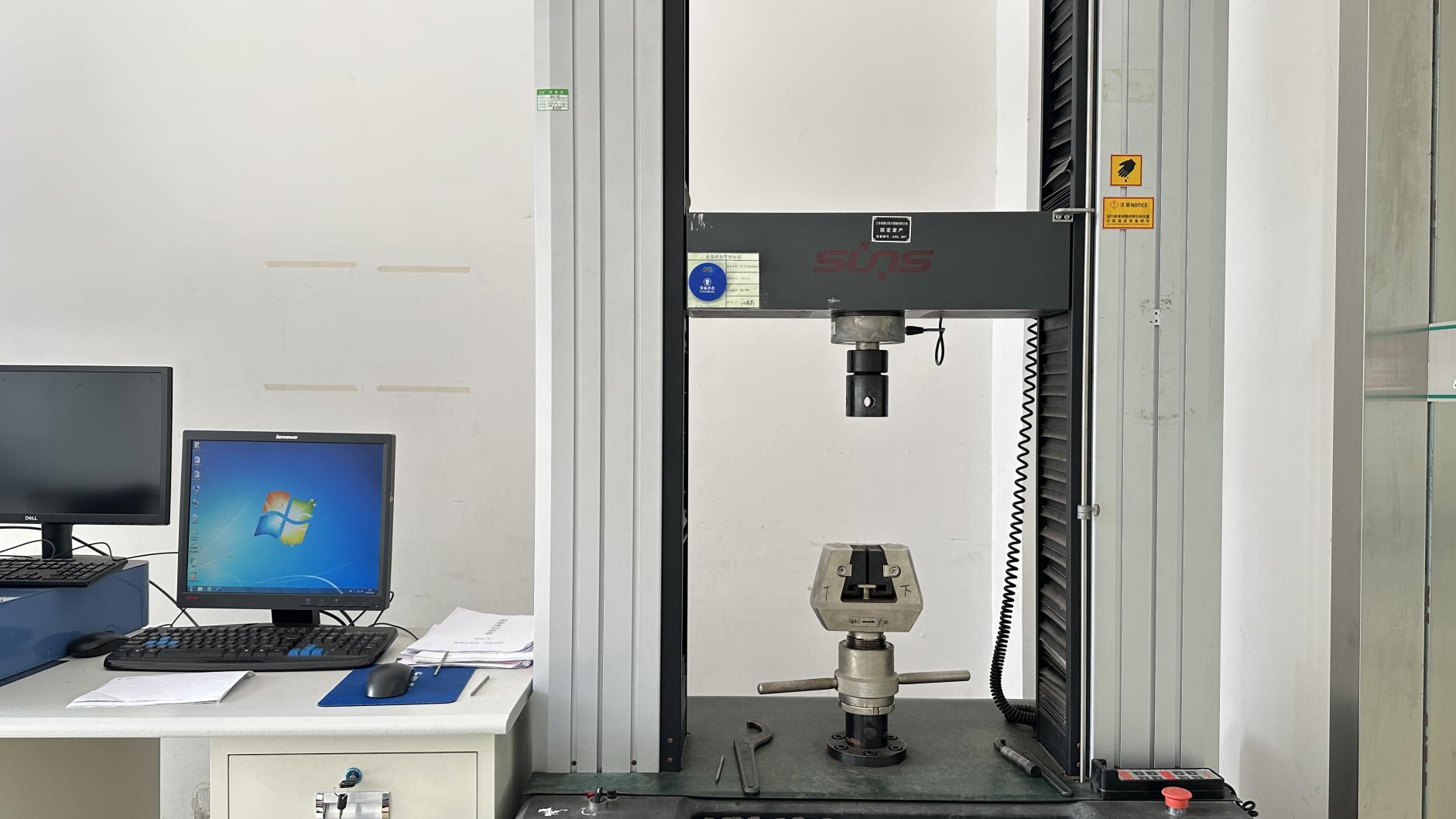
Axial Tensile Tester
Tensile Tester
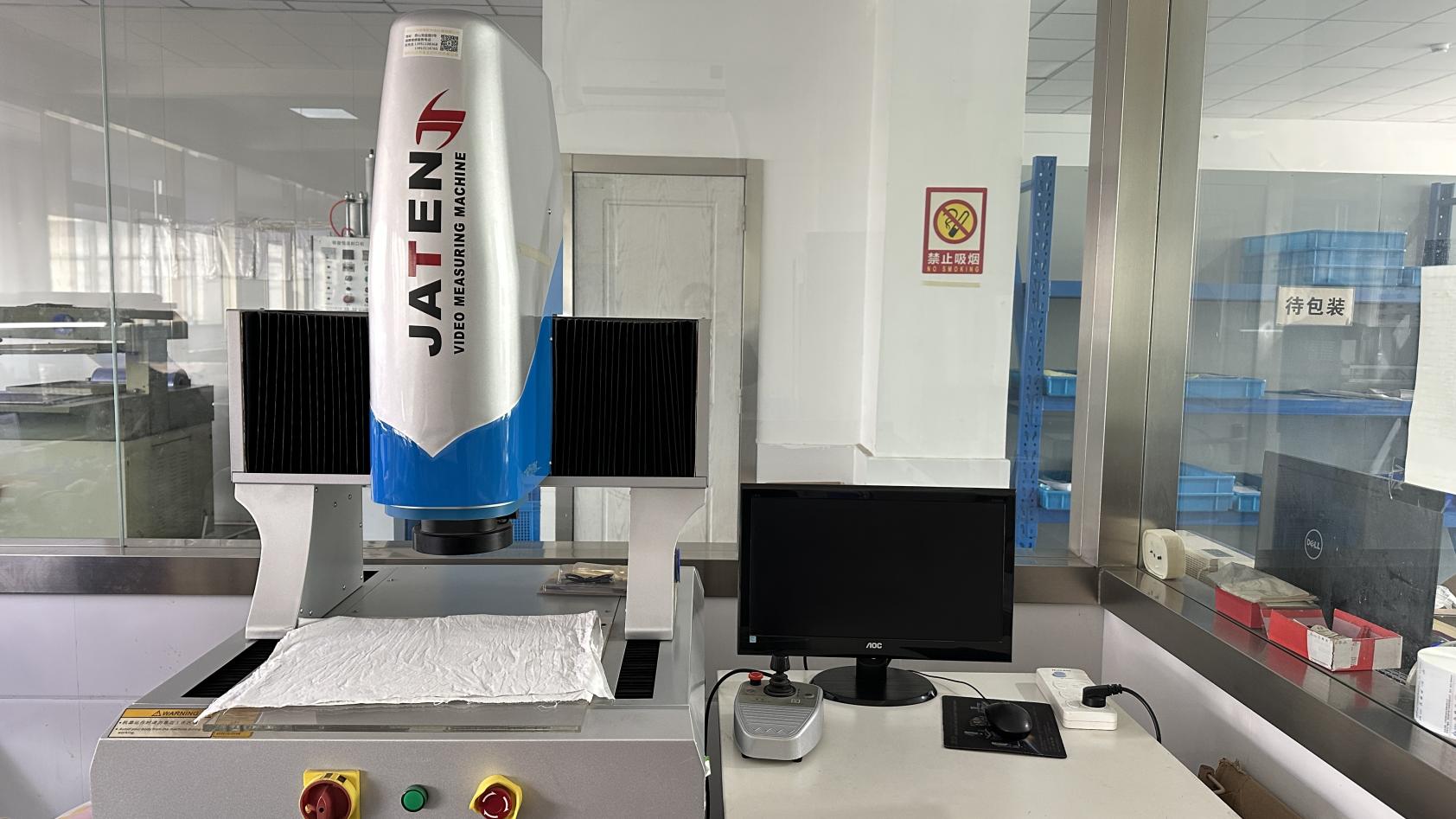
Two Dimensional Measuring Instrument
2D Measuring Instrument
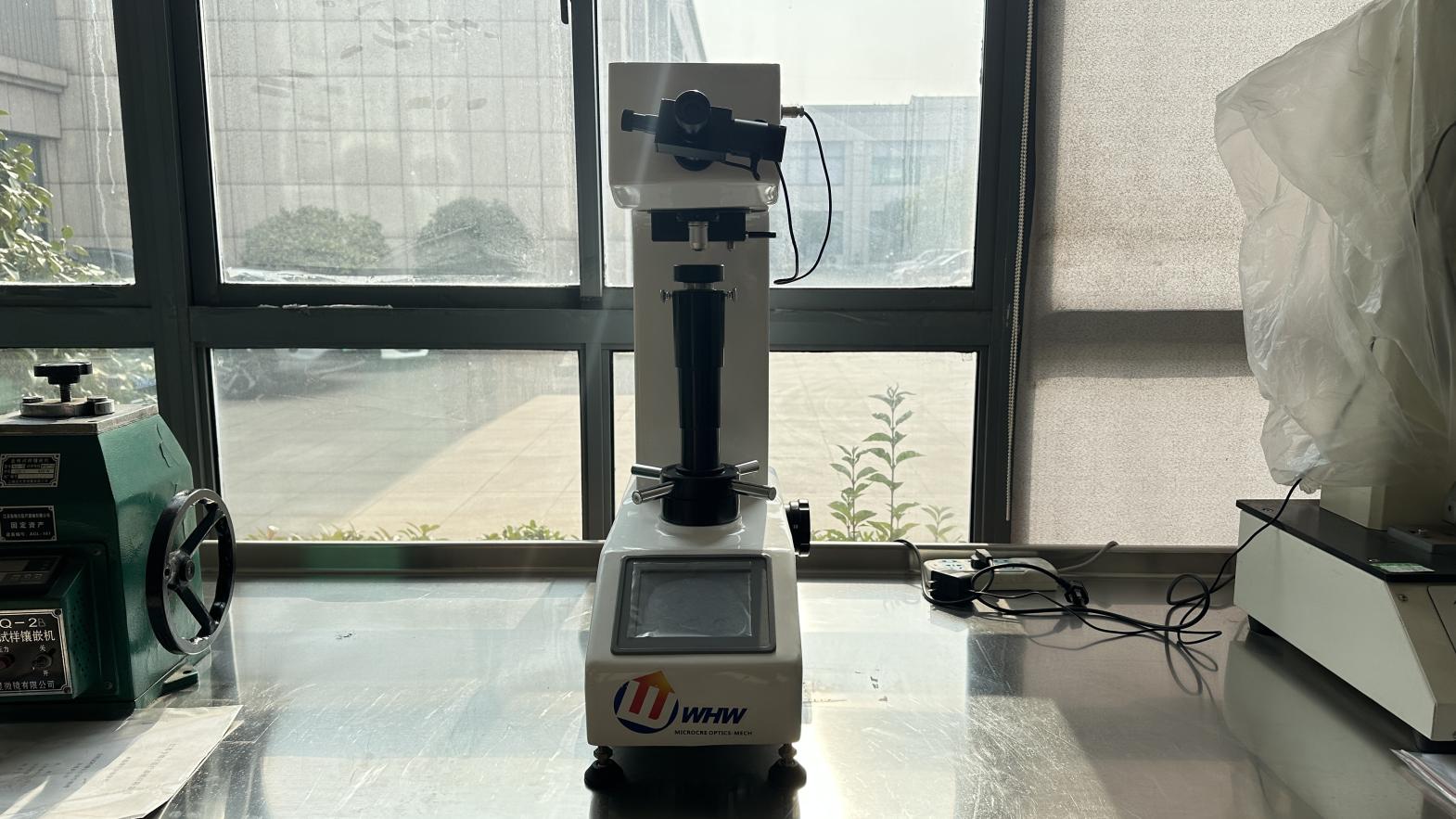
Hardness Tester
Hardness Tester
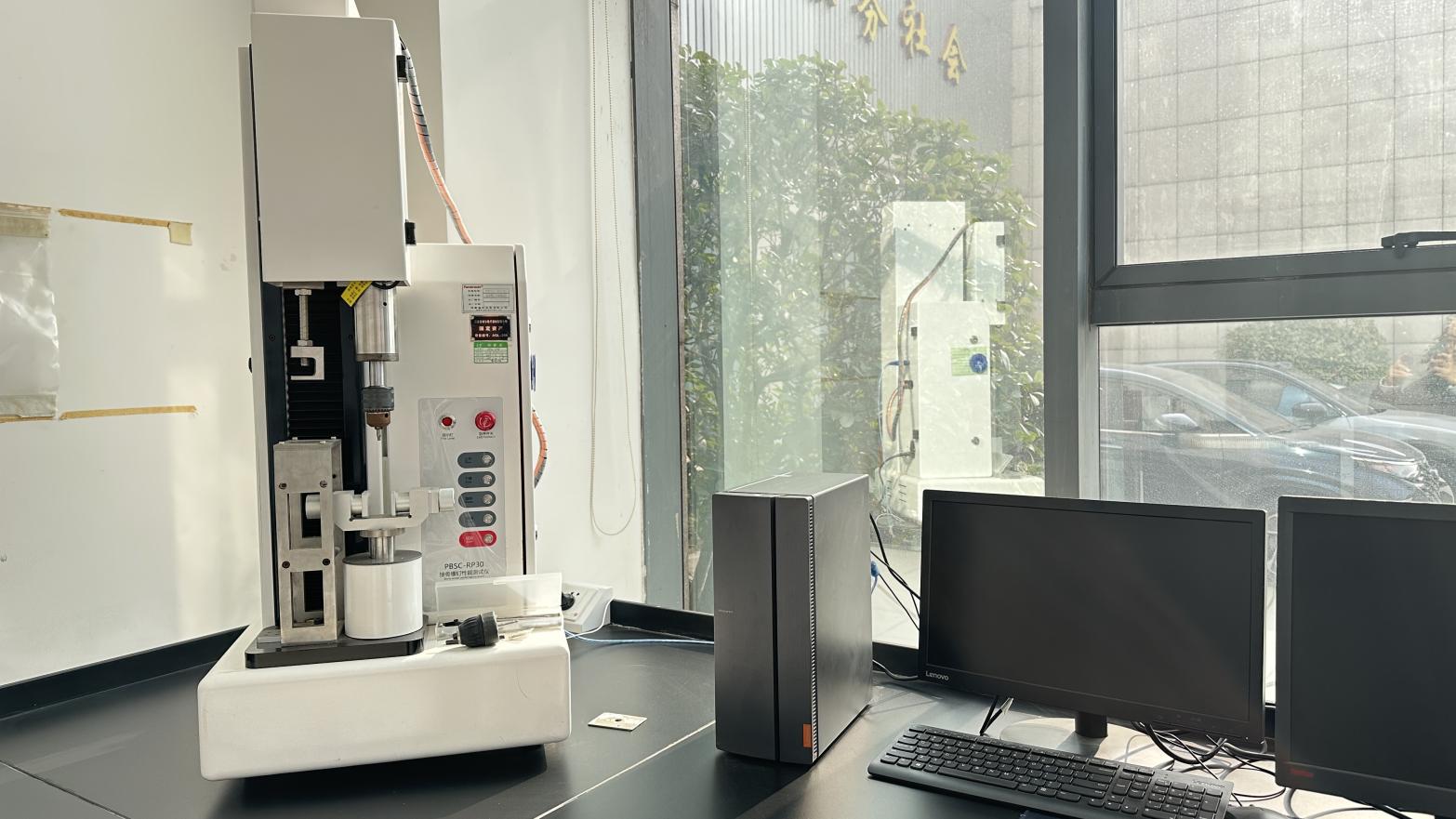
Bone Screw Performance Tester
Bone Screw Performance Tester (ASTM F543 Protocol)

E-E-A-T Compliance: Comprehensive Quality Management Systems

For medical implants, trust is built on rigorous metrics and physical documentation. At Virelox, quality control is integrated into every stage of production. From initial material verification to final cleaning and cleanroom packaging, every process is documented and traceable.

Our quality verification processes utilize automated inspection methods to verify physical tolerances and evaluate structural integrity:

  • X-Ray and Non-Destructive Testing (NDT): Applied to detect internal micro-voids, cracks, or structural defects within raw bars or finished implants.
  • Fatigue Testing (ASTM F543 & ISO 7206): Cycles implants through millions of loading phases to calculate the fatigue limits of bone screws and fixation plates.
  • Tensile & Torsional Strength Testing: Measures the maximum shear force and insertion torque limit, preventing screw breakage during bone implantation.
  • Dimensional Coordinate Measuring Machine (CMM) Measurement: Measures critical thread dimensions to ensure they match approved blueprints within +/-5 microns.

Managed by a dedicated department of 65 QC professionals, our ISO 13485-compliant workflow ensures that every batch exported to Europe, South America, or Southeast Asia matches local regulatory requirements.

Technical Q&A / Procurement Guide

Find answers to common questions regarding specifications, logistics, and biomechanical parameters for self-tapping bone screws.

1. What is the fundamental difference between self-tapping and self-drilling bone screws?
Self-tapping screws feature cutting flutes at the tip that cut a thread path as they are inserted. However, they still require a pre-drilled pilot hole. Self-drilling screws feature a tip designed like a drill bit, allowing them to drill their own pilot hole and cut matching threads in a single step, without pre-drilling.
2. How do you prevent screw stripping during surgical insertion in dense cortical bone?
We optimize the design of the cutting flute to ensure effective bone chip clearance. This prevents bone debris from packing in the flute, reducing insertion torque and lowering the risk of stripping. We also use high-strength Ti-6Al-4V ELI to ensure the screw head drive socket can withstand high torsional loads without deformation.
3. What quality documentation is provided with international shipments?
Every export batch is accompanied by a full quality documentation pack. This includes material mill test certificates (showing chemical composition and mechanical properties), dimensional inspection reports, sterilizability validations, and ISO 13485 certification compliance records.
4. Can Virelox provide custom OEM manufacturing for proprietary orthopedic plate systems?
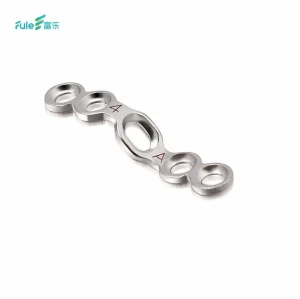
Yes. Our in-house design and engineering department features 120 R&D specialists in biomechanics, materials science, and medical device design. We offer comprehensive OEM/ODM services, custom packaging design, private labeling, and specialized surface treatments tailored to your technical specifications.
5. How does your factory handle quality control during batch production?
Our production process incorporates inline and final inspection checks. Technicians verify dimensions using 2D measuring instruments, CMMs, and hardness testers at set intervals. In addition, our physical lab carries out dynamic fatigue and tensile strength testing on sample screws from every batch to ensure they meet ASTM standards.