Virelox
1. Market Dynamics: Global Procurement Demands for PEEK Suture Anchors
In the rapidly evolving landscape of orthopedic sports medicine, PEEK (Polyetheretherketone) suture anchors have emerged as the gold standard for soft-tissue-to-bone fixation. These implants are extensively utilized in arthroscopic procedures, including shoulder rotator cuff repairs, glenoid labrum stabilization, hip labral reattachment, and ankle ligament reconstructions. Global healthcare procurement agencies, medical device distributors, and large-scale hospital networks are consistently seeking manufacturers that offer the optimal convergence of mechanical performance, biomaterial compliance, and economical scale.
The global procurement landscape faces two core constraints: supply chain reliability and strict regulatory transitions (such as EU MDR certification and FDA clearance pathways). As clinical preferences shift away from metal alloy anchors (due to concerns over MRI artifacts, difficulty in revision surgeries, and joint abrasion) and biodegradable polymers (due to inconsistent degradation rates and localized inflammatory responses), the demand for high-strength, radiolucent, and chemically inert PEEK polymers has surged. China-based high-tech enterprises like Virelox Medical Devices Co., Ltd. bridge this demand by integrating advanced manufacturing processes with rigorous global regulatory alignments.
| Implants Attribute | Metallic Anchors (Ti/SS) | Bioabsorbable Polymers (PLGA/PLA) | PEEK Suture Anchors (Virelox Specification) |
|---|---|---|---|
| Modulus of Elasticity | Extremely High (Stress Shielding Risk) | Low to Moderate | Close to Cortical Bone (Reduced Stress Concentration) |
| Biocompatibility | Excellent (Risk of Metal Ion Release) | Variable (Risk of Acidic Inflammatory Responses) | Excellent (Chemically Inert, Zero Inflammatory Reaction) |
| Imaging Artifacts | Severe Artifacts under MRI/CT | Radiolucent | Radiolucent (Optimal Post-op Assessment) |
| Revision Feasibility | Difficult (Requires Trephine Drilling) | Easy (If fully degraded) | Very Easy (Can be drilled through during revision) |
2. Technical Roadmaps & Advanced Biomaterial Engineering
The clinical efficacy of a PEEK suture anchor is primarily dictated by its design architecture and the quality of the raw polymer. PEEK boasts a modulus of elasticity (~3.6 GPa) that closely matches human cortical bone, which minimizes the "stress shielding" effect commonly observed with titanium implants. Furthermore, the material's radiolucent properties allow surgeons to clearly inspect the surrounding bone and soft tissue healing stages under post-operative X-ray and MRI without visual interference.
Virelox utilizes medical-grade PEEK sourced from globally certified suppliers to ensure high-performance tensile strength, fatigue resistance, and chemical stability. Our technical roadmap focuses on three vital implant parameters:
- Thread Geometry Optimization: Designed with high-pitch, dual-lead thread structures to maximize bone-to-implant contact and increase pull-out strength in both osteoporotic and high-density cortical bone regions.
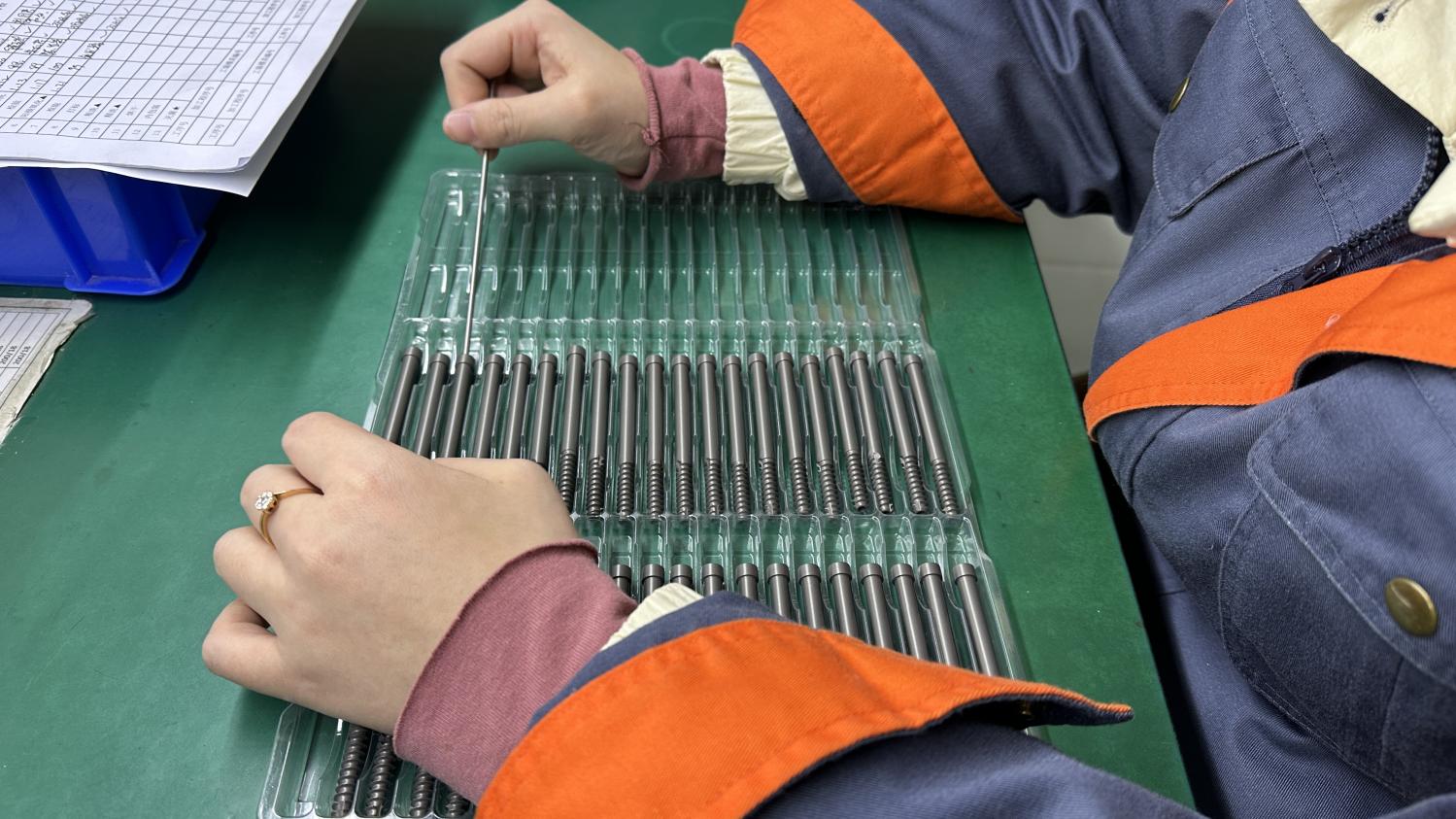
- Suture Interface Engineering: Minimizing suture abrasion is critical. The eyelet geometry of our PEEK anchors is polished via micro-milling to prevent shear failure of ultra-high-molecular-weight polyethylene (UHMWPE) sutures during tensioning.
- Bioactive Surface Modifications: Looking toward the future, our R&D department is actively testing PEEK composites integrated with hydroxyapatite (HA) and carbon fibers to promote direct osteointegration.
3. Macro Industry Solutions & Manufacturing Infrastructure
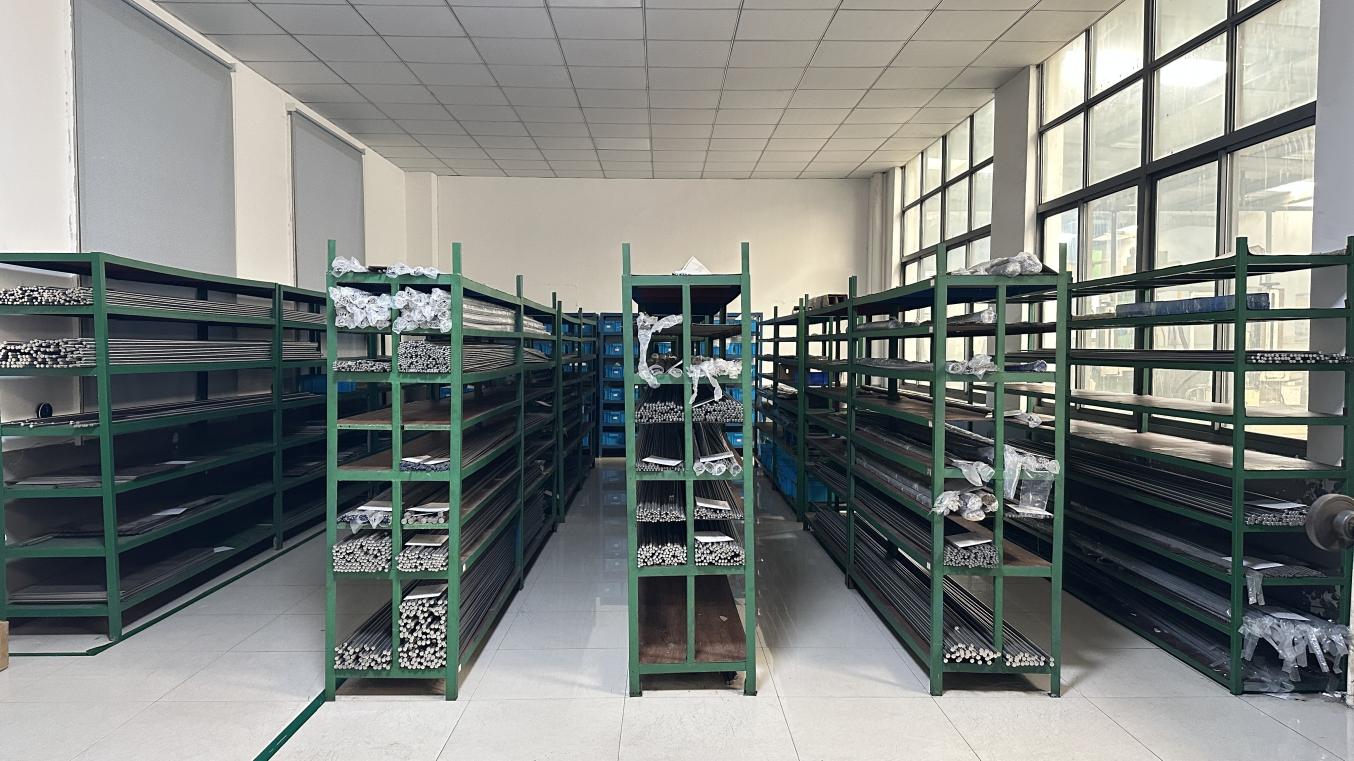
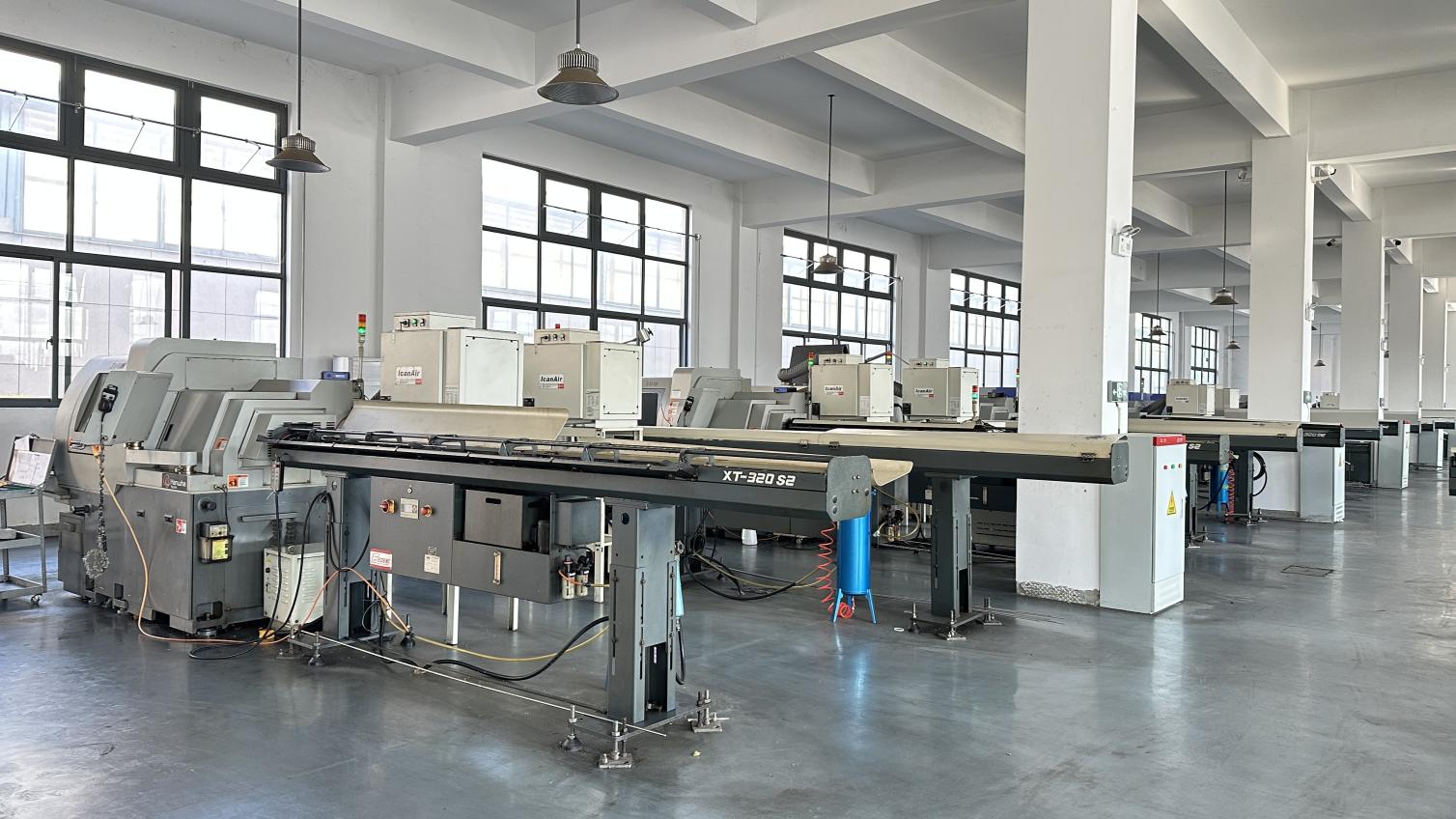
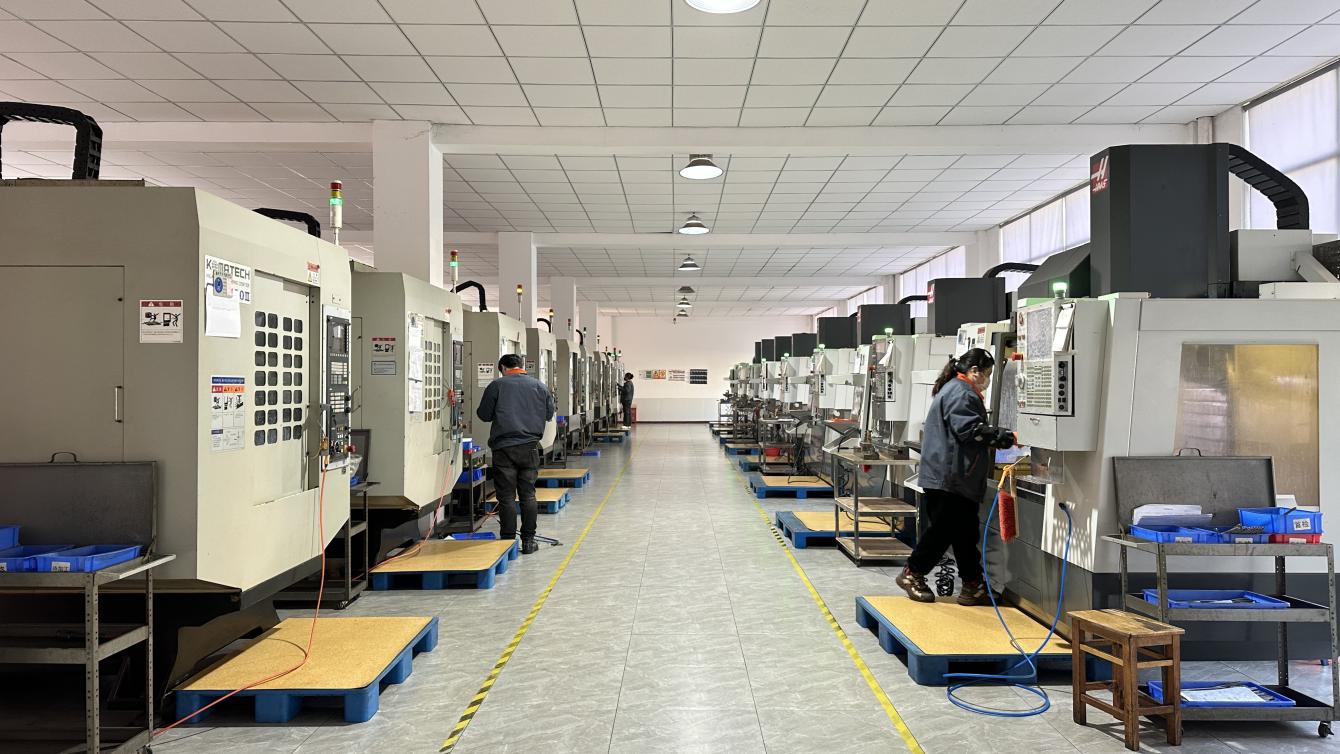
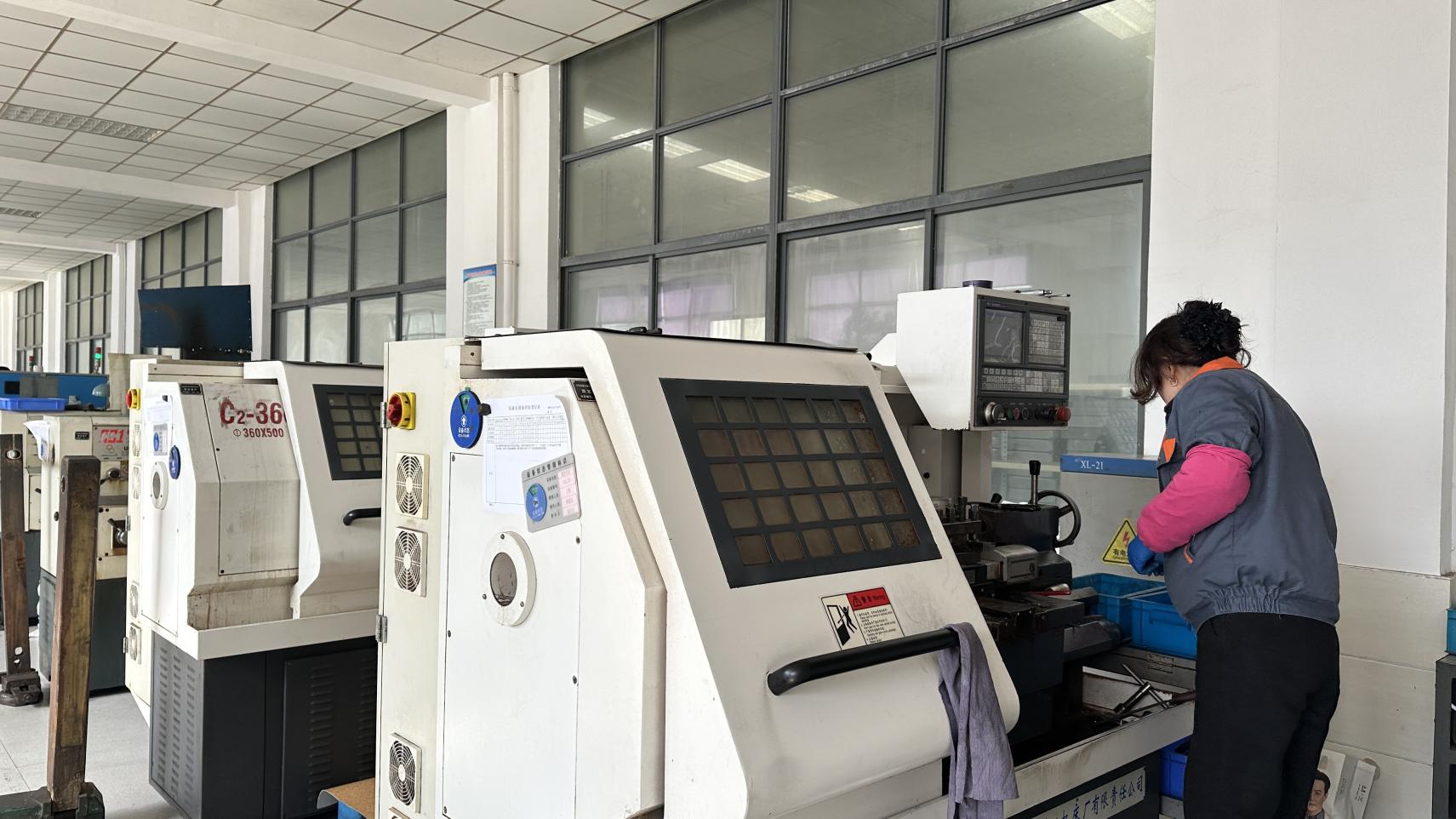
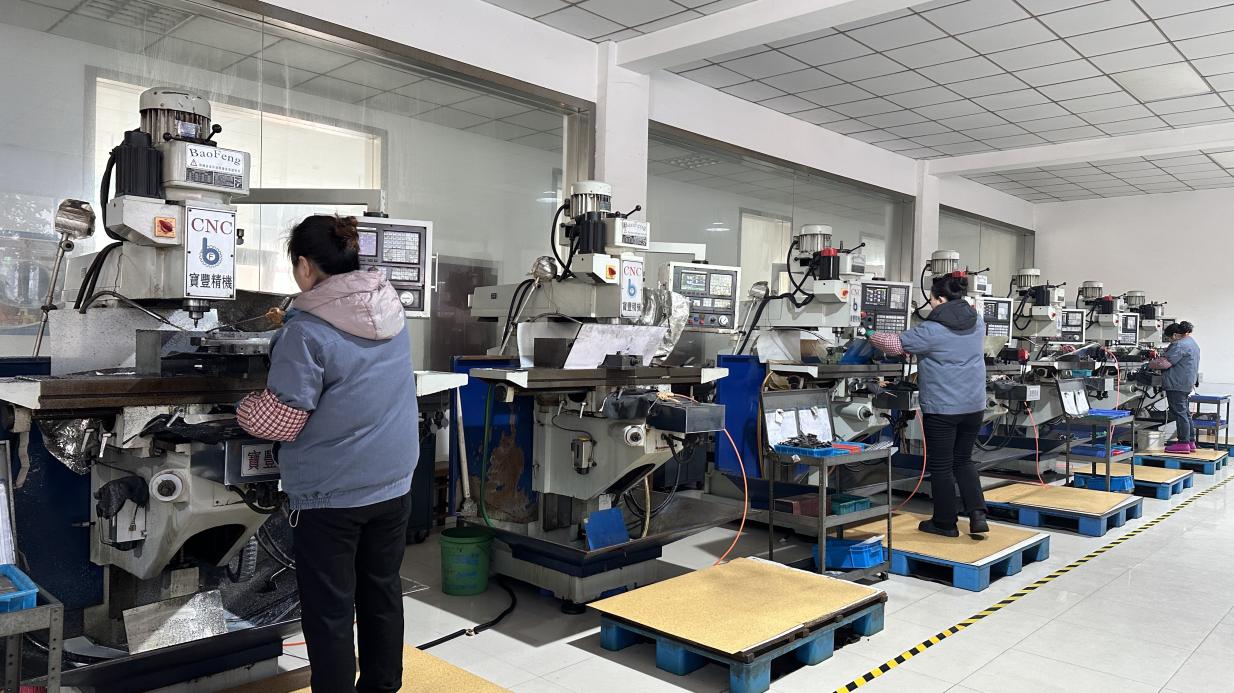
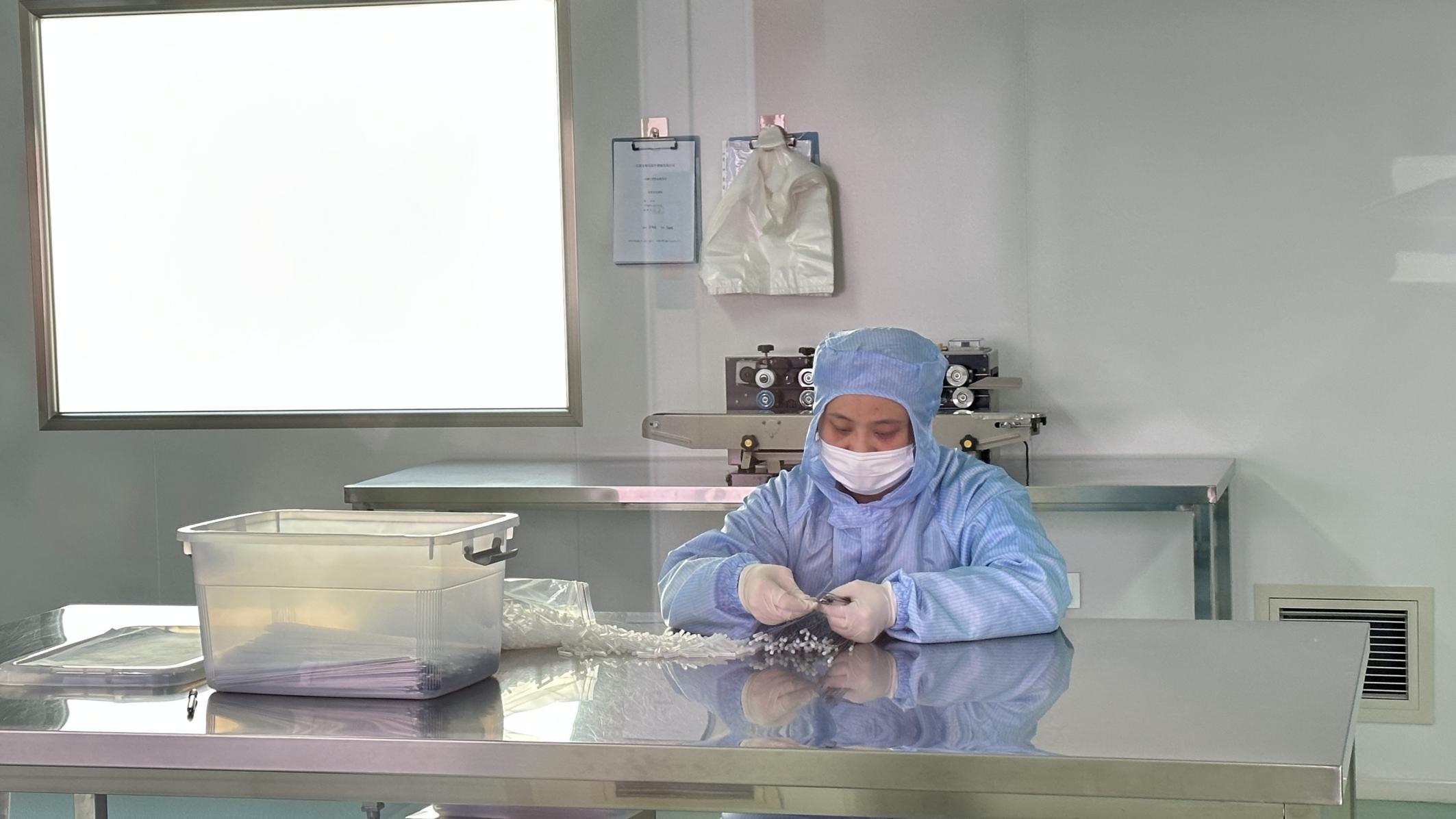
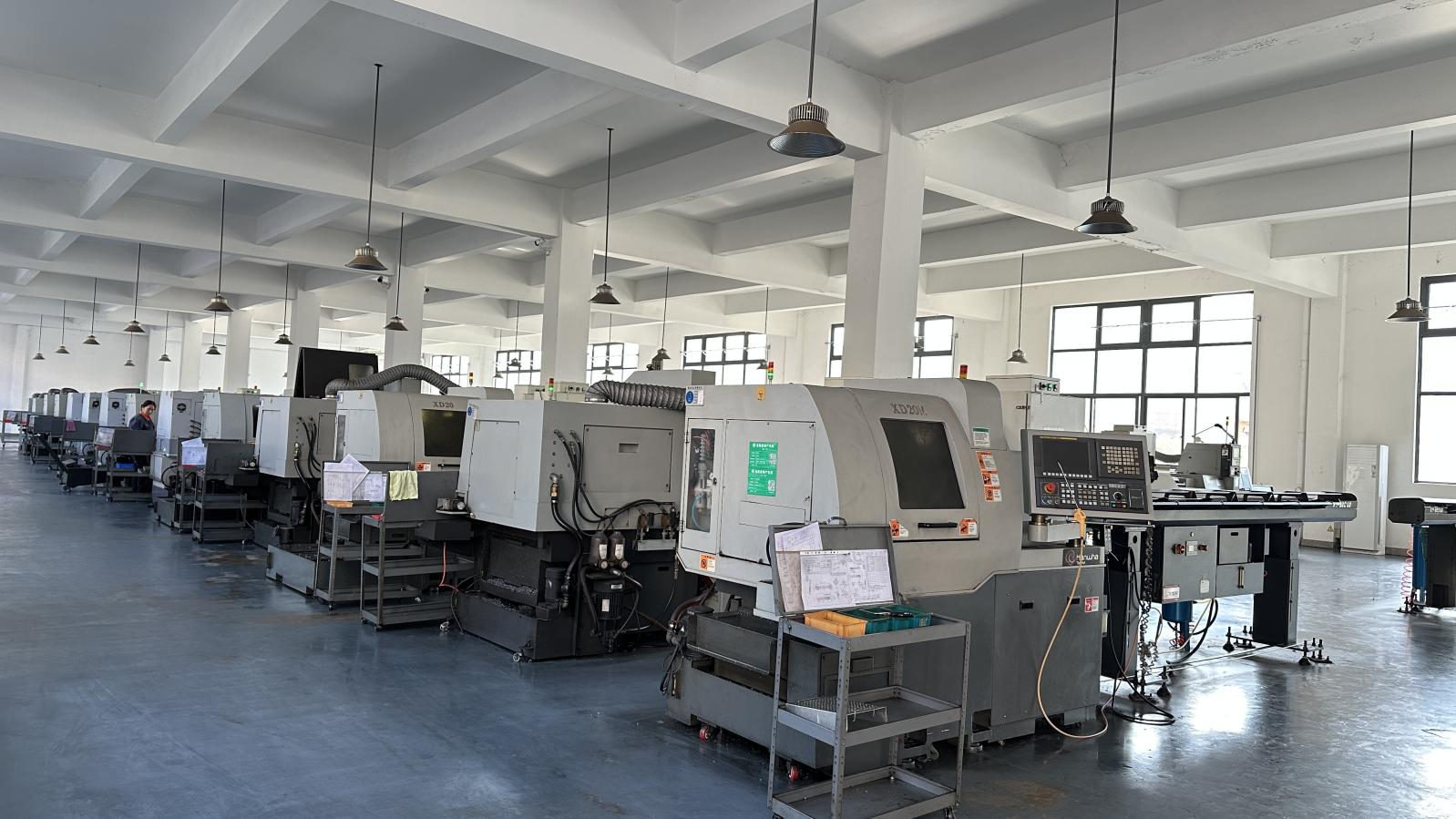
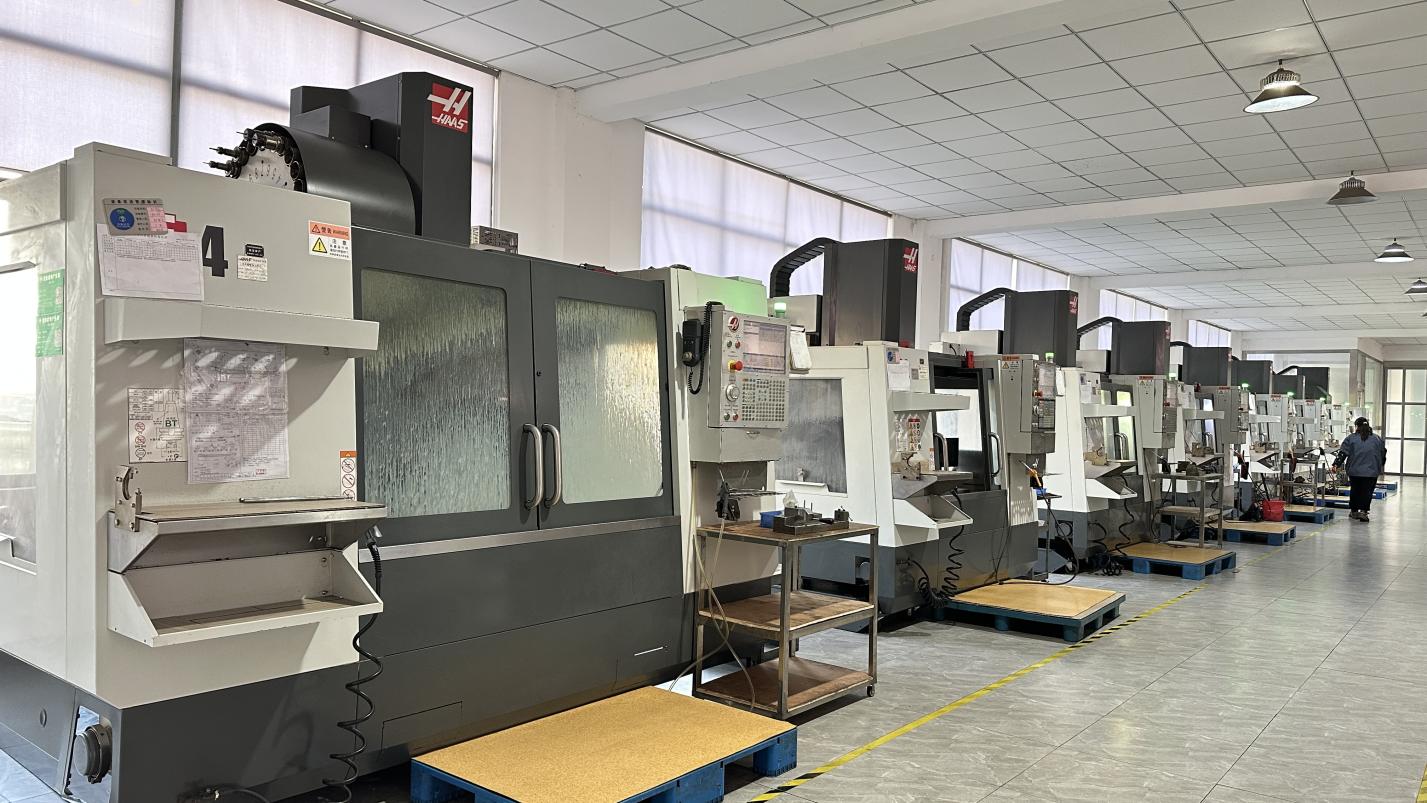
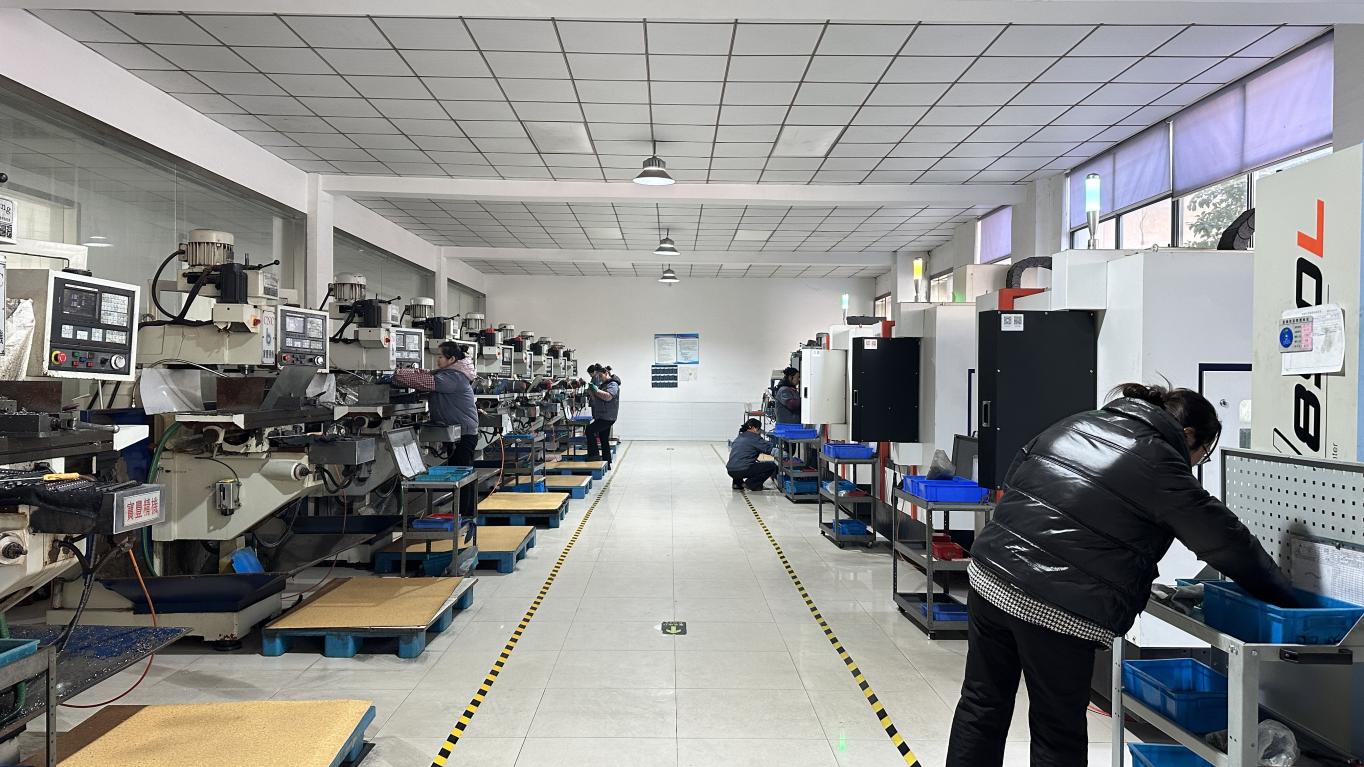
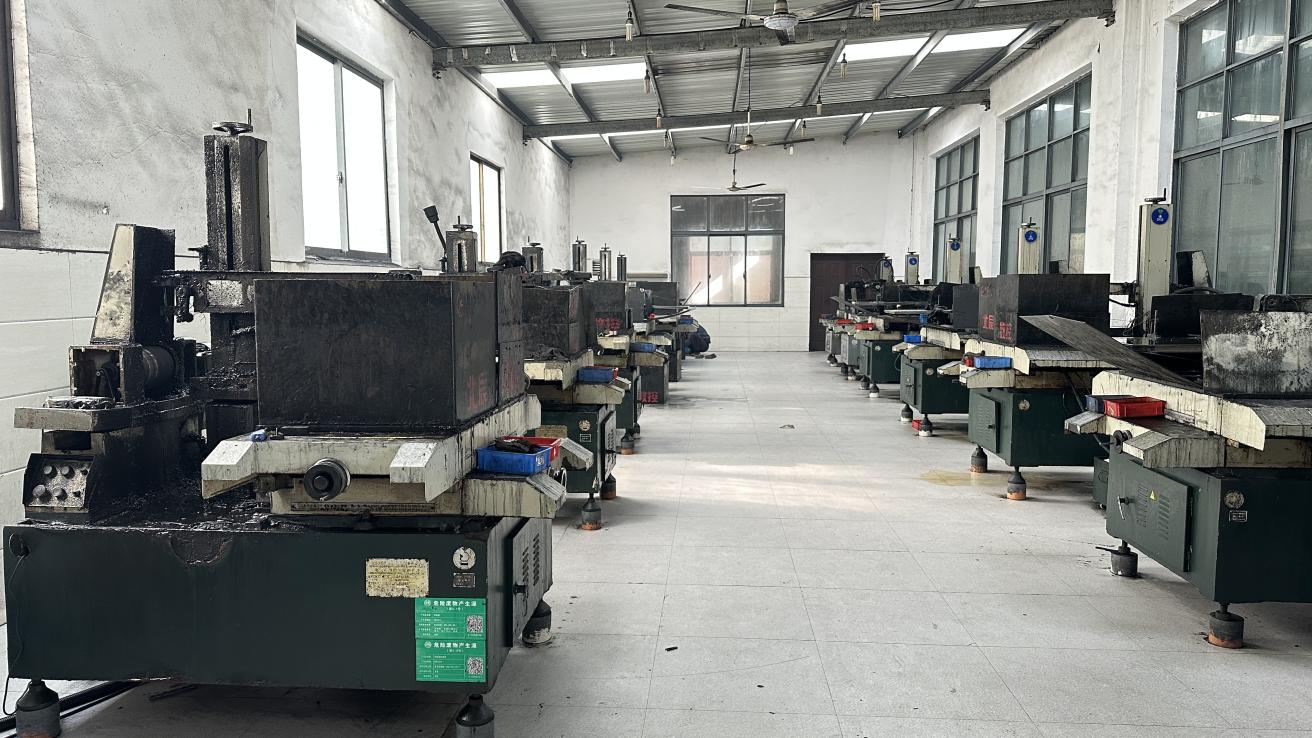
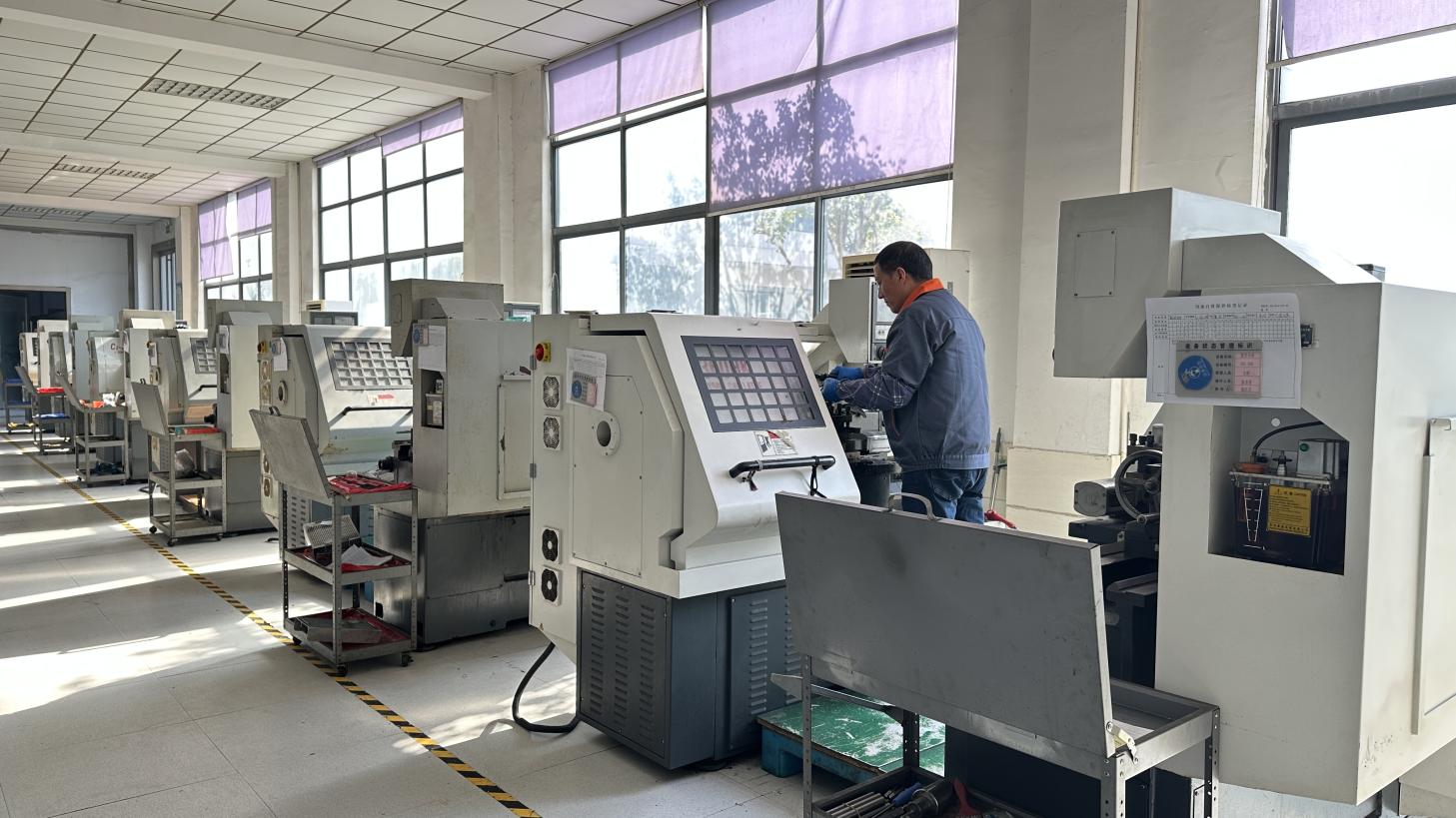
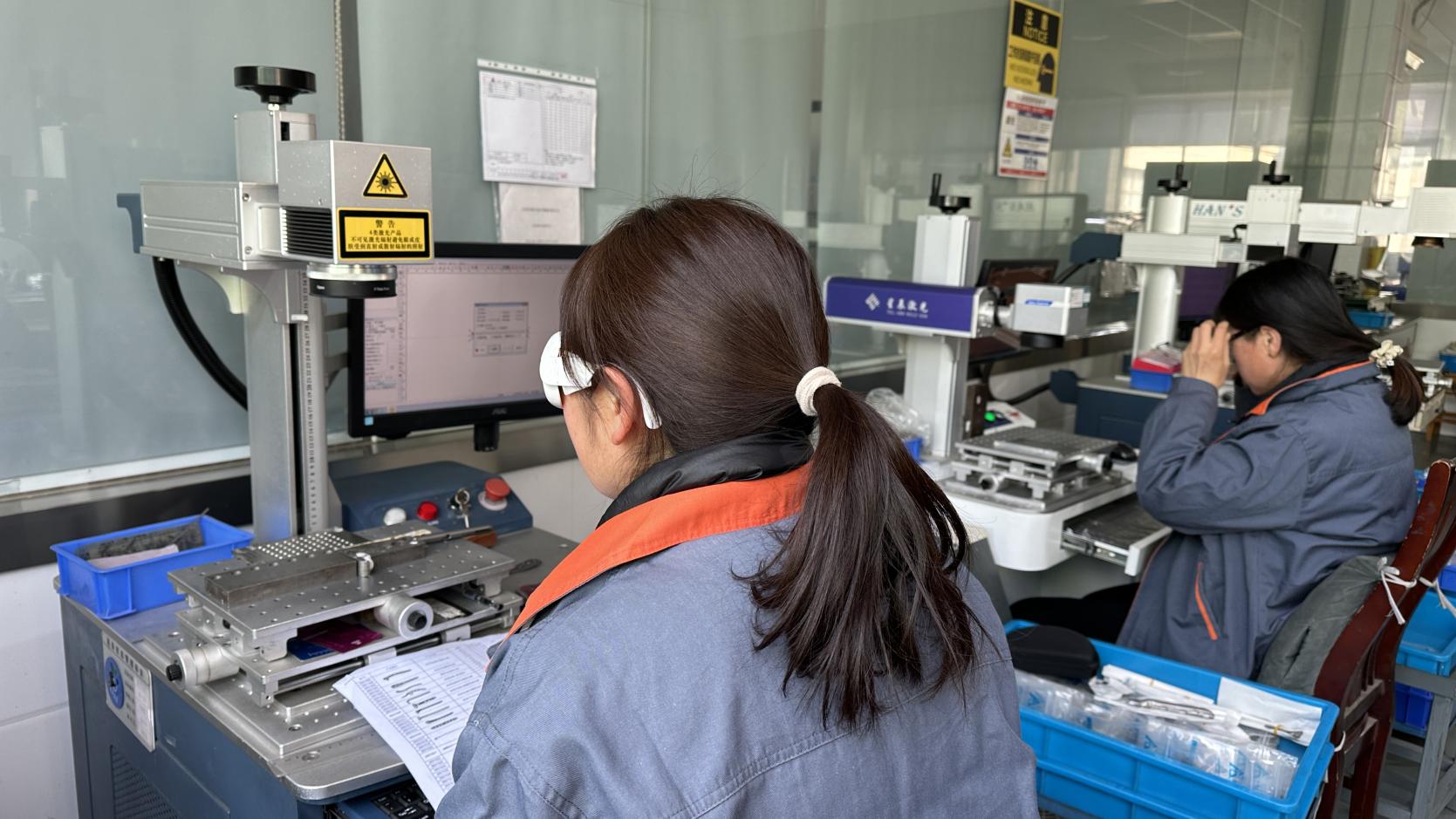
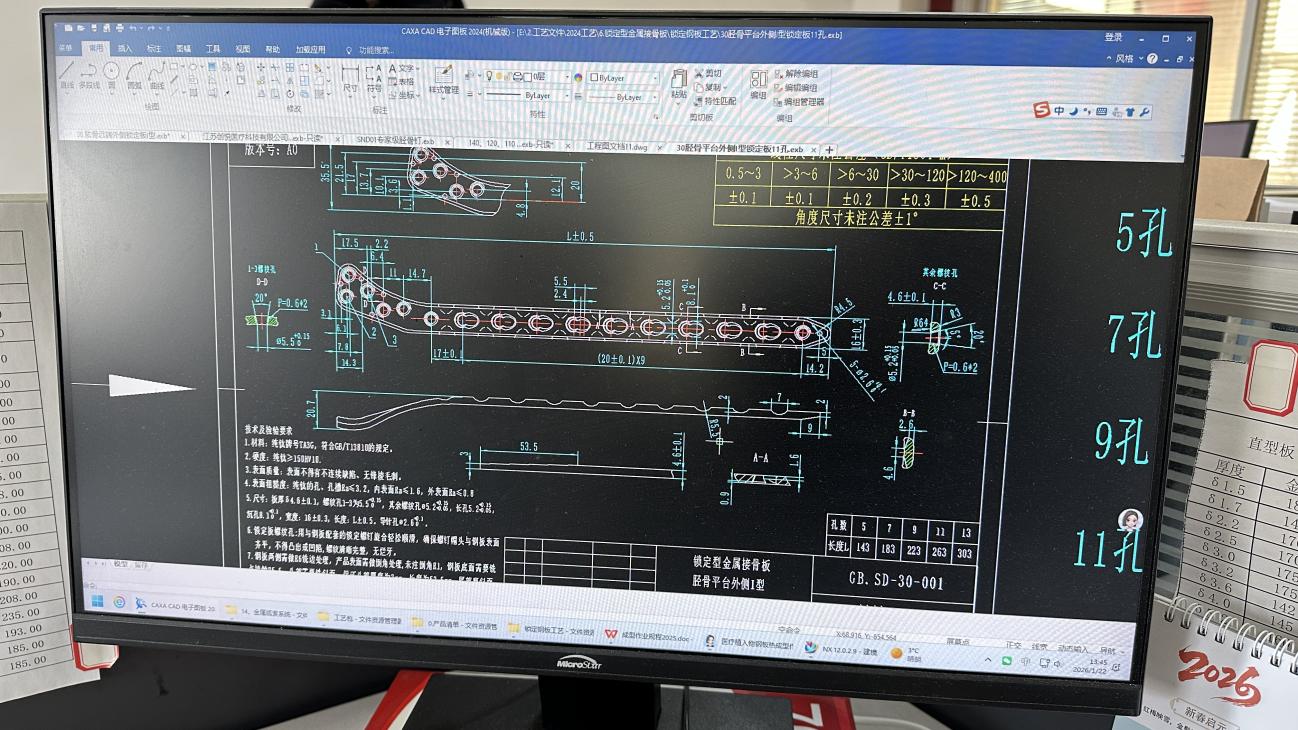
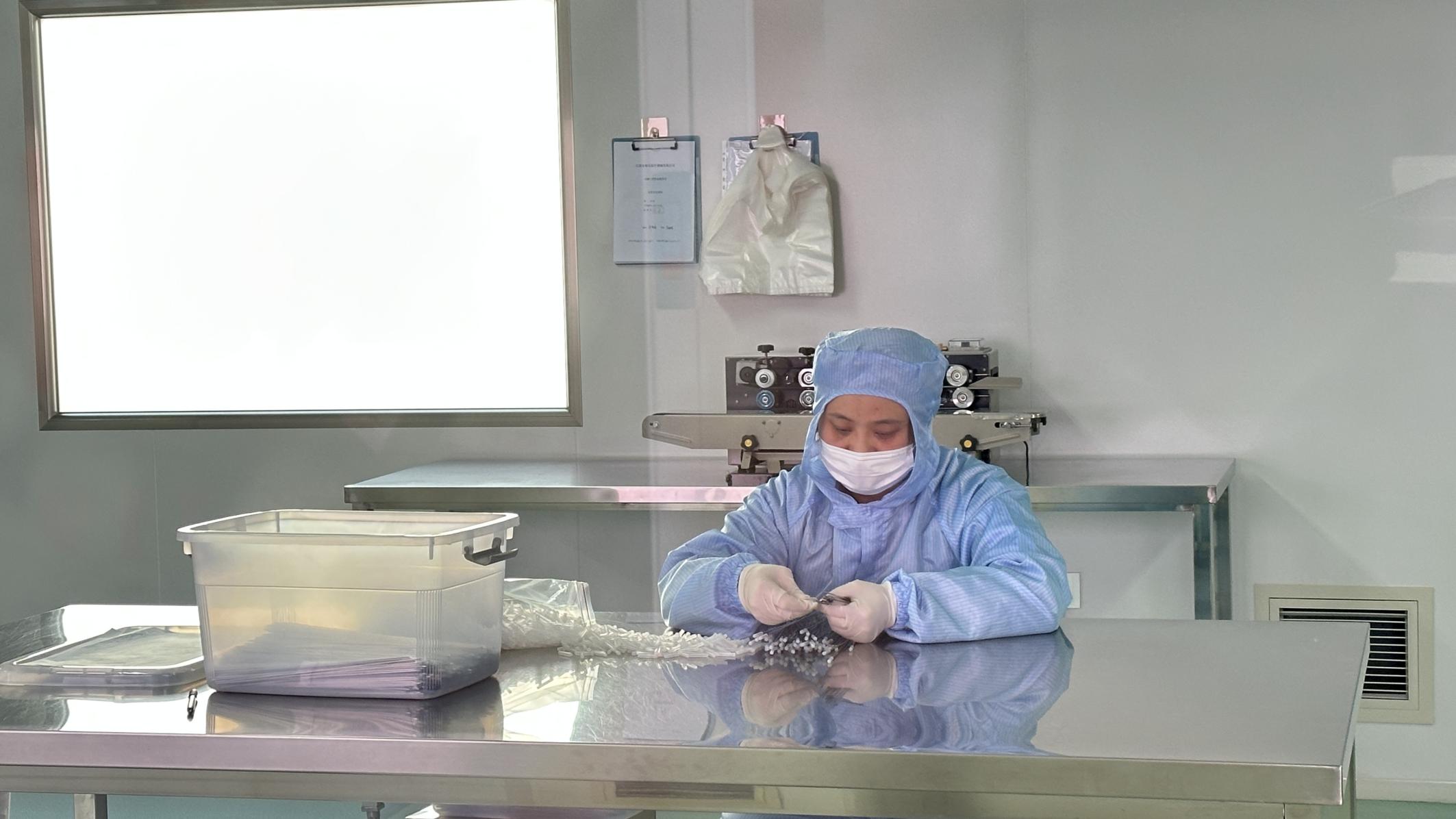
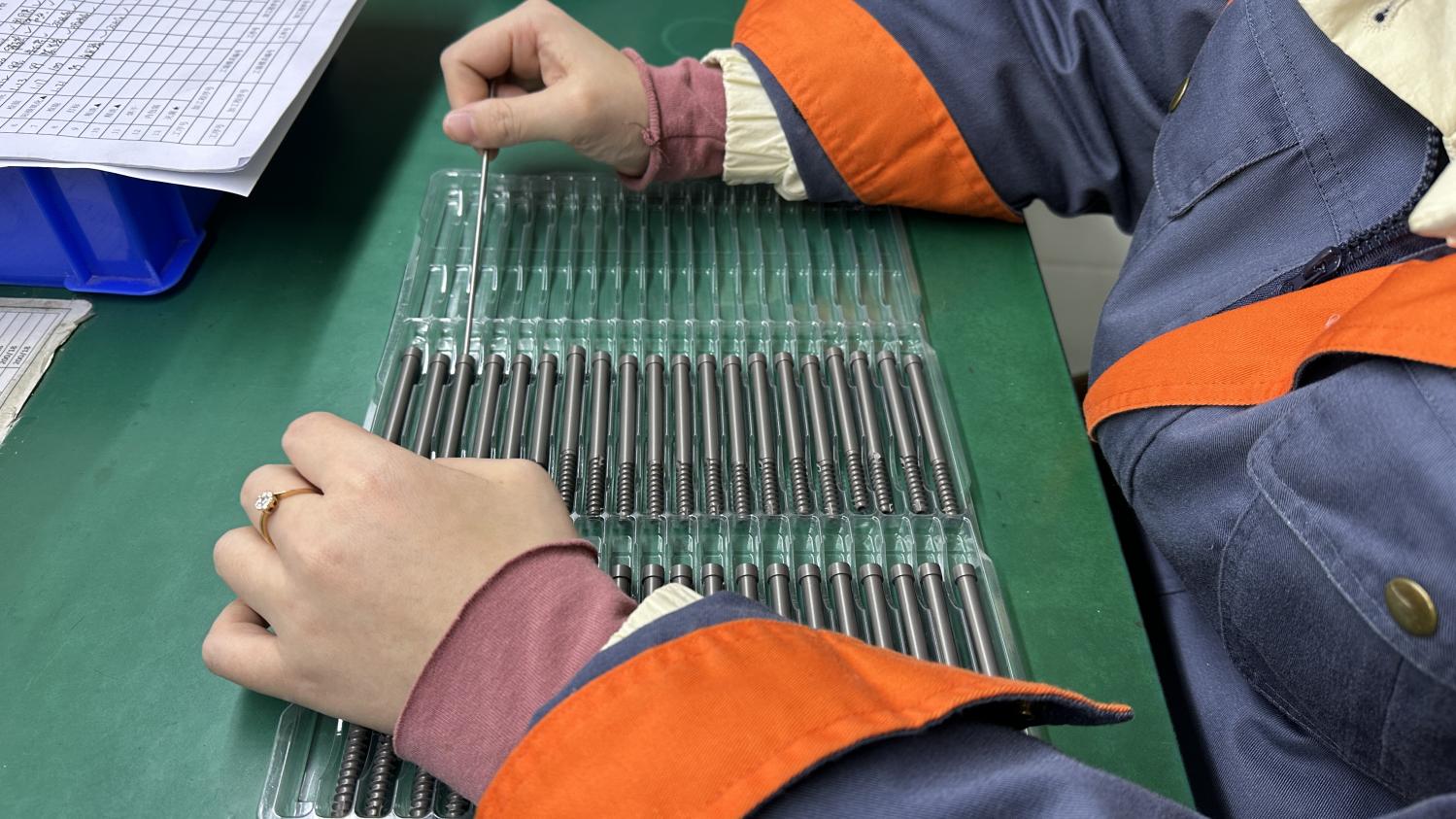
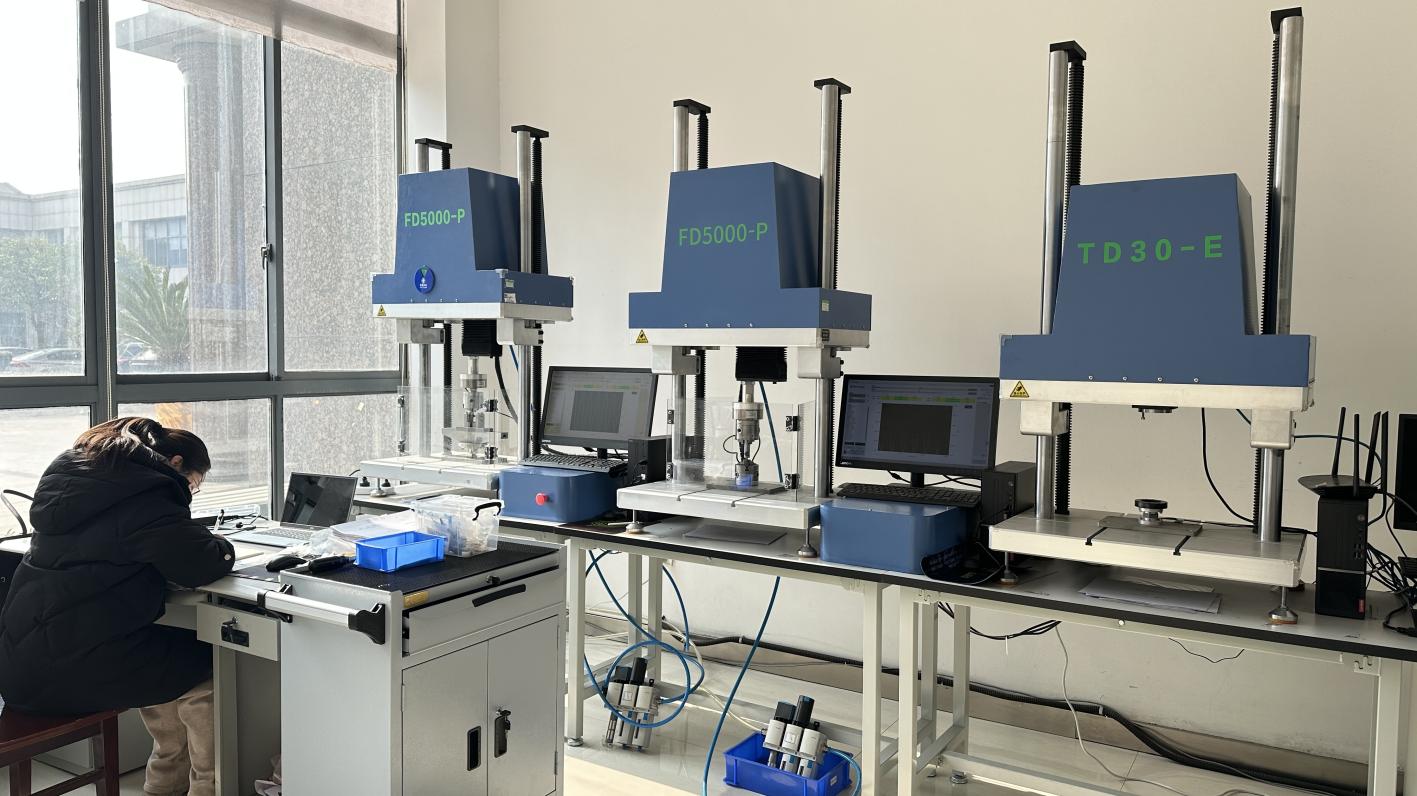
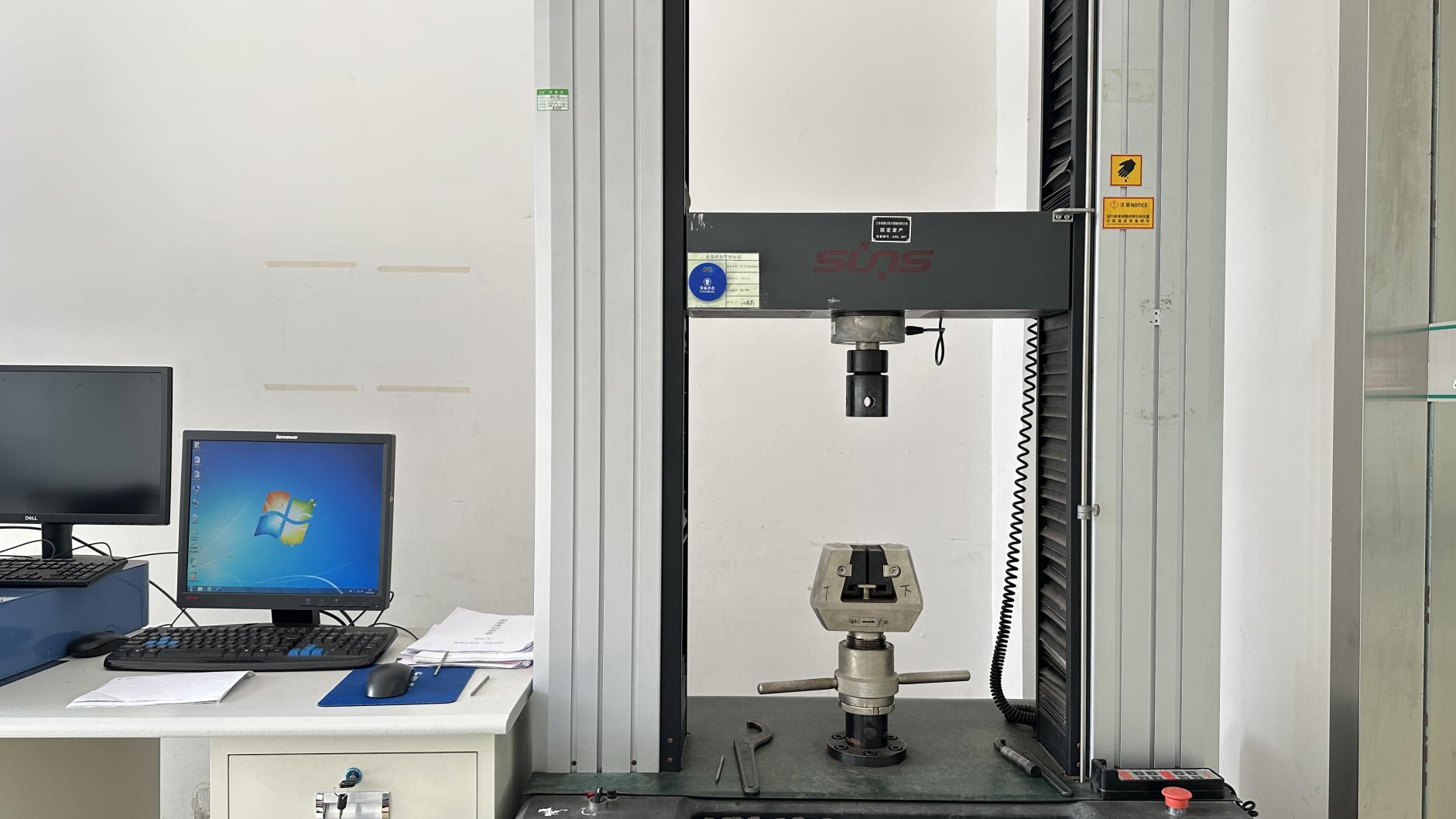
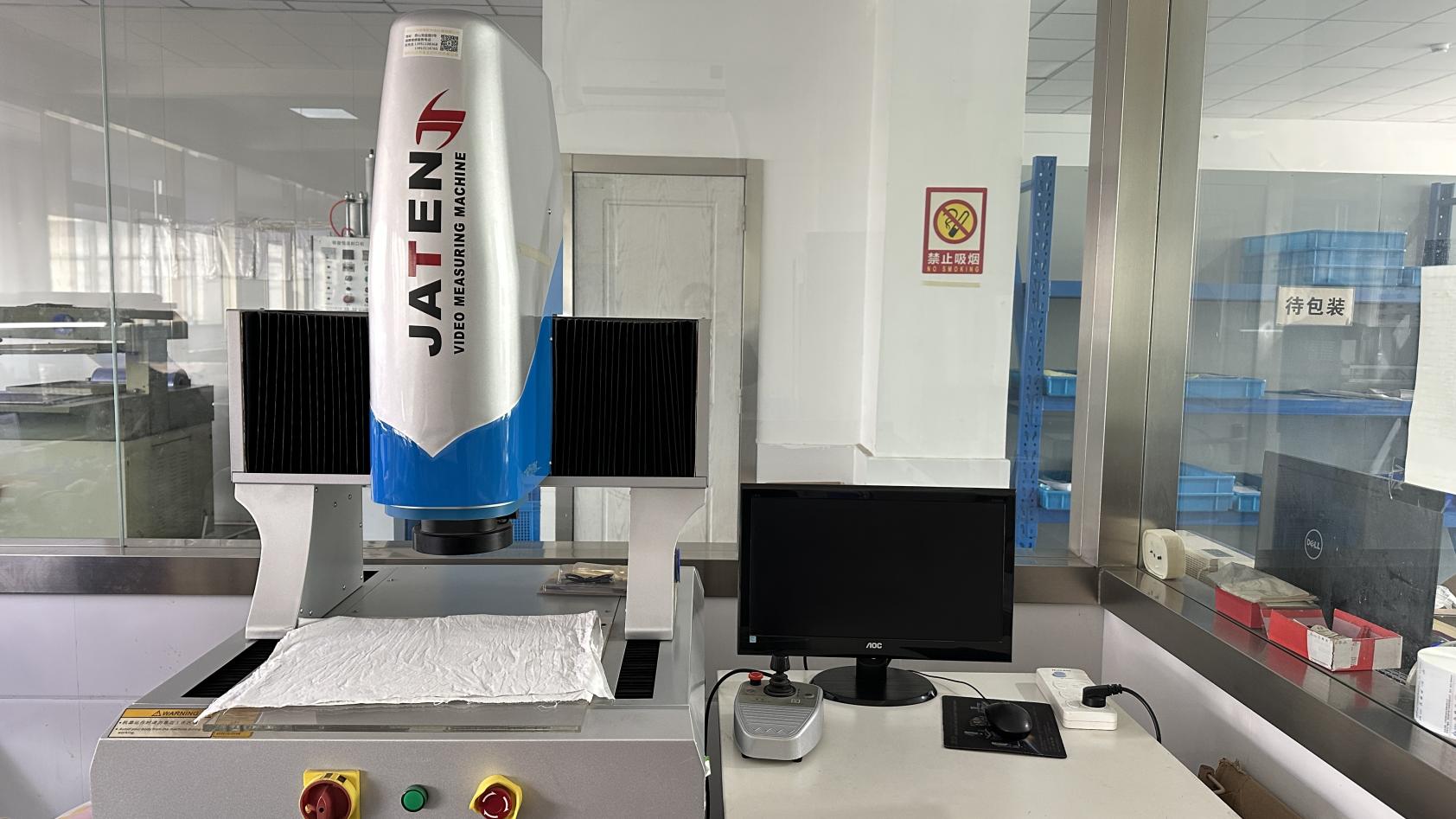
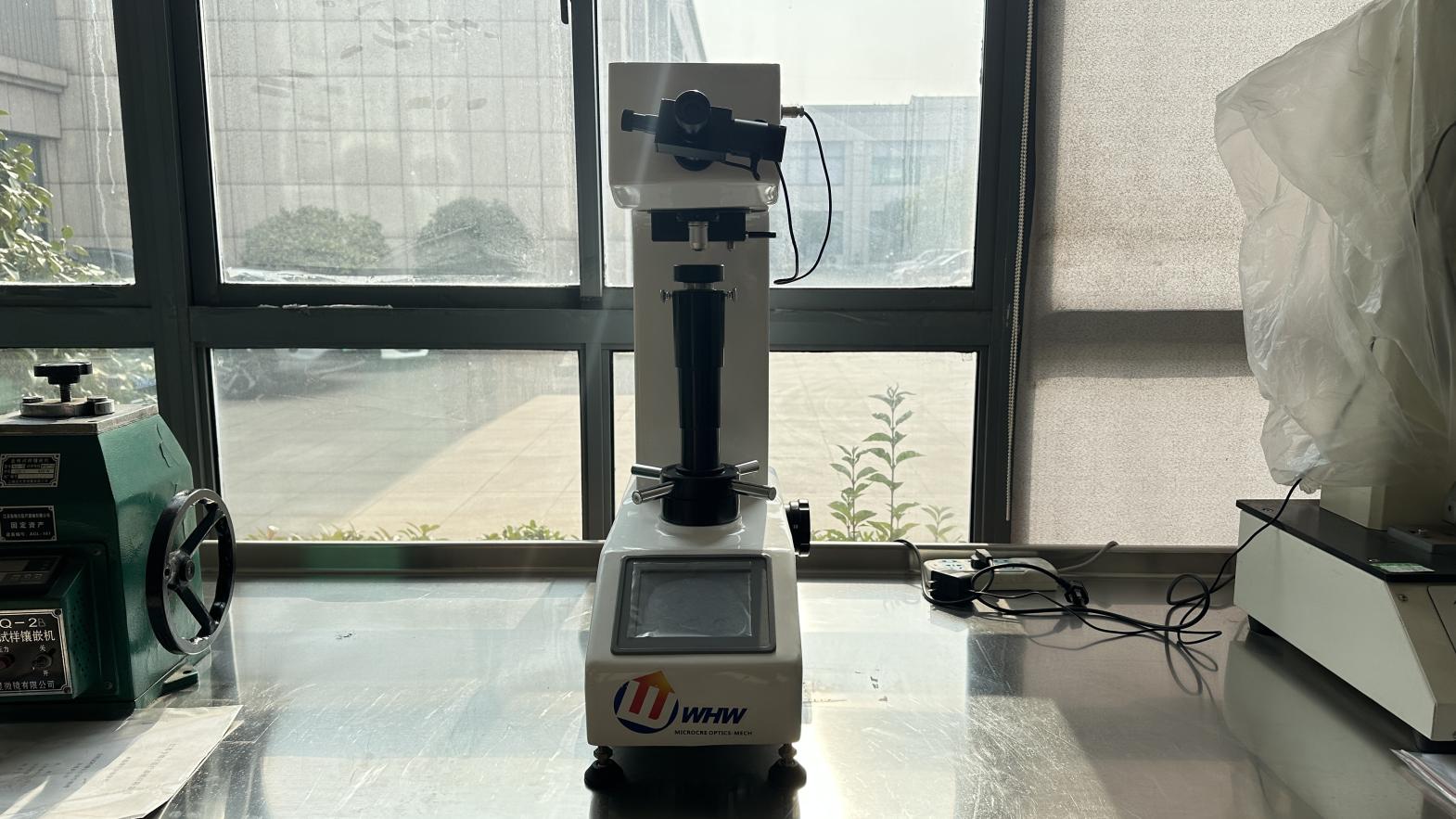
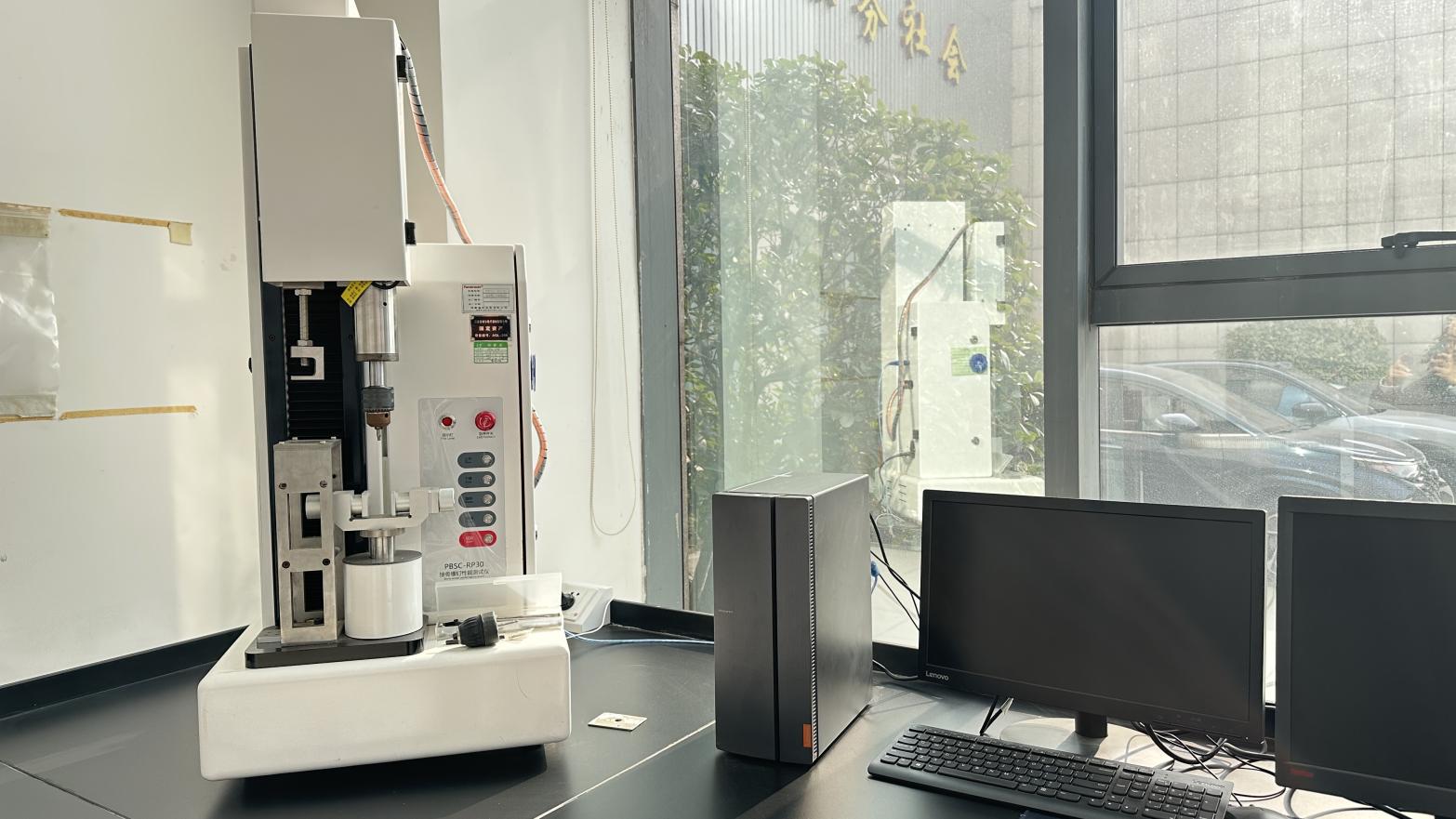
For global distributors and OEM/ODM buyers, consistent output quality is non-negotiable. Achieving this requires a vertically integrated facility. Established in 2016, Virelox Medical Devices Co., Ltd. operates out of a state-of-the-art 12,000 m² manufacturing facility, complete with cleanroom environments, high-precision Swiss-type CNC machining centers, and comprehensive biomechanical testing laboratories.
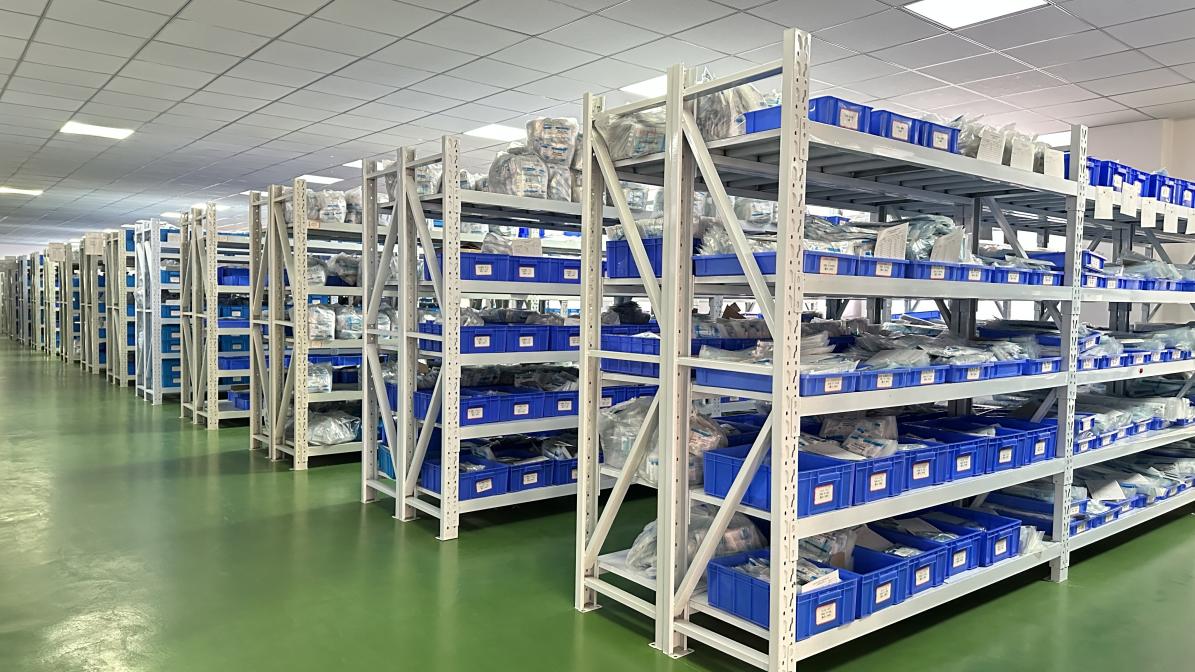
Through our robust network of 850 certified upstream and downstream partners, we ensure a reliable supply of medical-grade raw materials and custom sterile packaging configurations. With over 8 years of export experience and a dedicated team of 120 R&D engineers, we execute rapid prototyping and high-volume mass production. This capability enables global orthopedic procurement agencies to shorten their lead times while maintaining strict unit consistency.