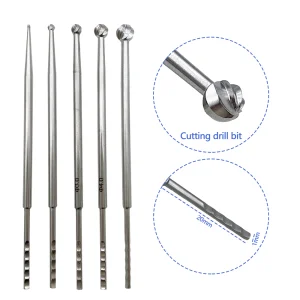
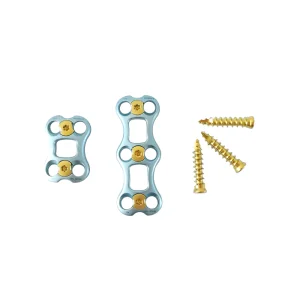
Engineered for physiological alignment, mechanical stability, and expedited osteosynthesis. Standard-setting implants for critical orthopedic procedures.
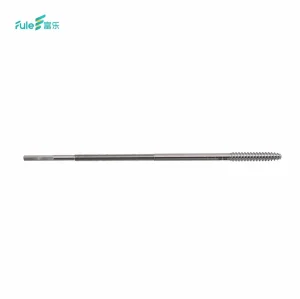
A professional orthopedic medical device manufacturer specializing in joint replacement, trauma, and surgical implant solutions.
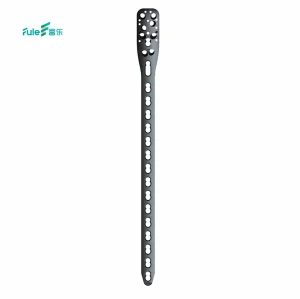
The global orthopedic fixation market has undergone a significant paradigm shift over the past decade. Conventional compression plating, while historically useful, has largely been superseded by locking plate technology in complex mechanical environments. The femur, being the longest, strongest, and heaviest load-bearing bone in the human body, presents unique mechanical challenges. Treatment of proximal or distal femoral fractures is often complicated by severe comminution, osteoporotic bone tissue, and massive physiological loading vectors.
Globally, the demand for high-performance titanium femoral locking plates is expanding due to an aging population susceptible to fragility fractures, alongside rising high-energy vehicular trauma cases. The clinical shift toward biological internal fixation emphasizes preserving periosteal blood supply. Femoral locking plates function as internal fixators, where the screw-to-plate locking mechanism eliminates the need to compress the plate against the bone cortex. This preserves local vascularity, reduces non-union rates, and increases overall constructs' fatigue life under cyclical stress.
Key clinical markets across the USA, Europe, and Asia-Pacific require implants that adhere to strict mechanical thresholds. Distal femur anatomical plates must withstand complex axial, torsional, and bending loads during early rehabilitation phases. Research shows that combining dynamic locking mechanisms with anatomic geometries reduces implant failure in osteoporotic bone by up to 34% compared to standard designs. As a result, multinational healthcare buyers prioritize suppliers with rigorous biomechanical verification and reliable material standards, such as ASTM F136 ELI Titanium.
How domestic technological integration enables high-precision orthopedic production at competitive margins.
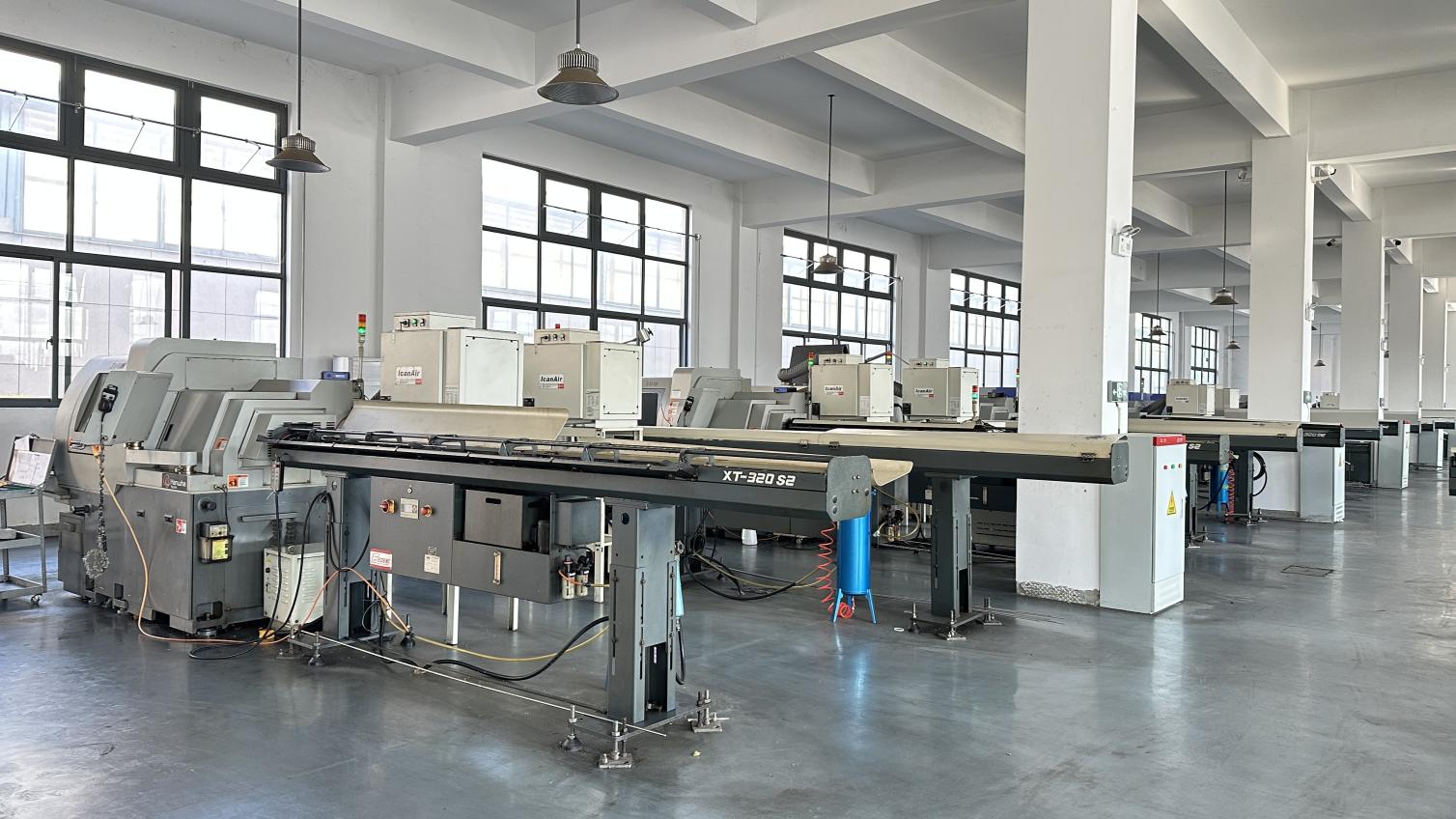
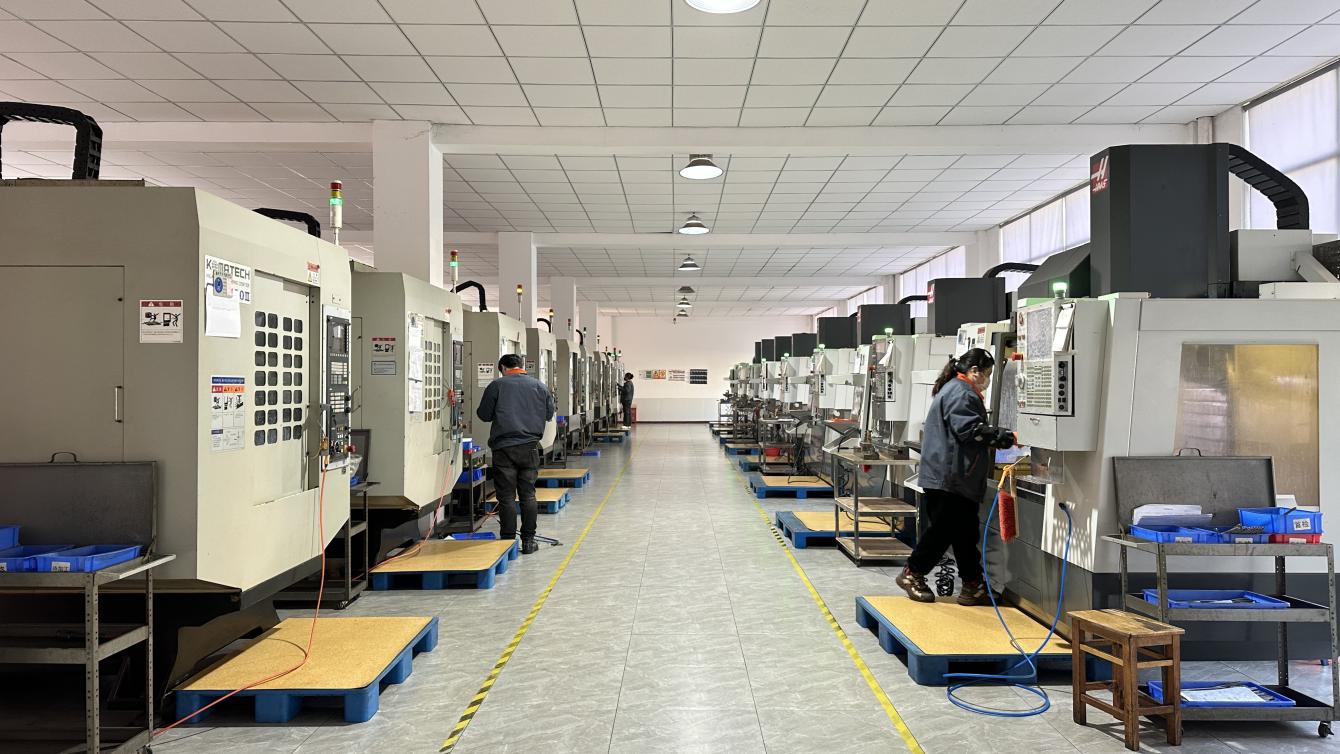
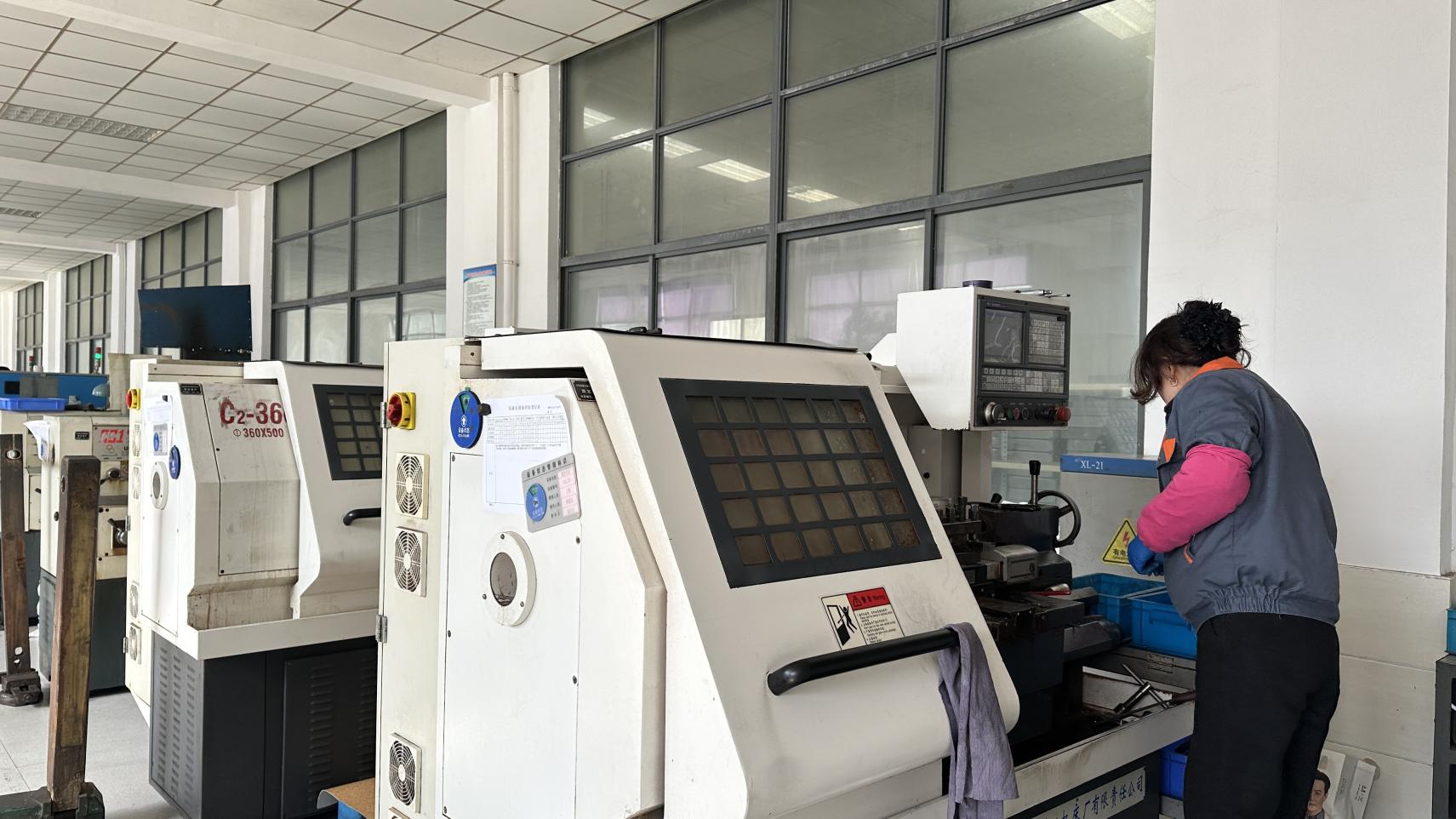
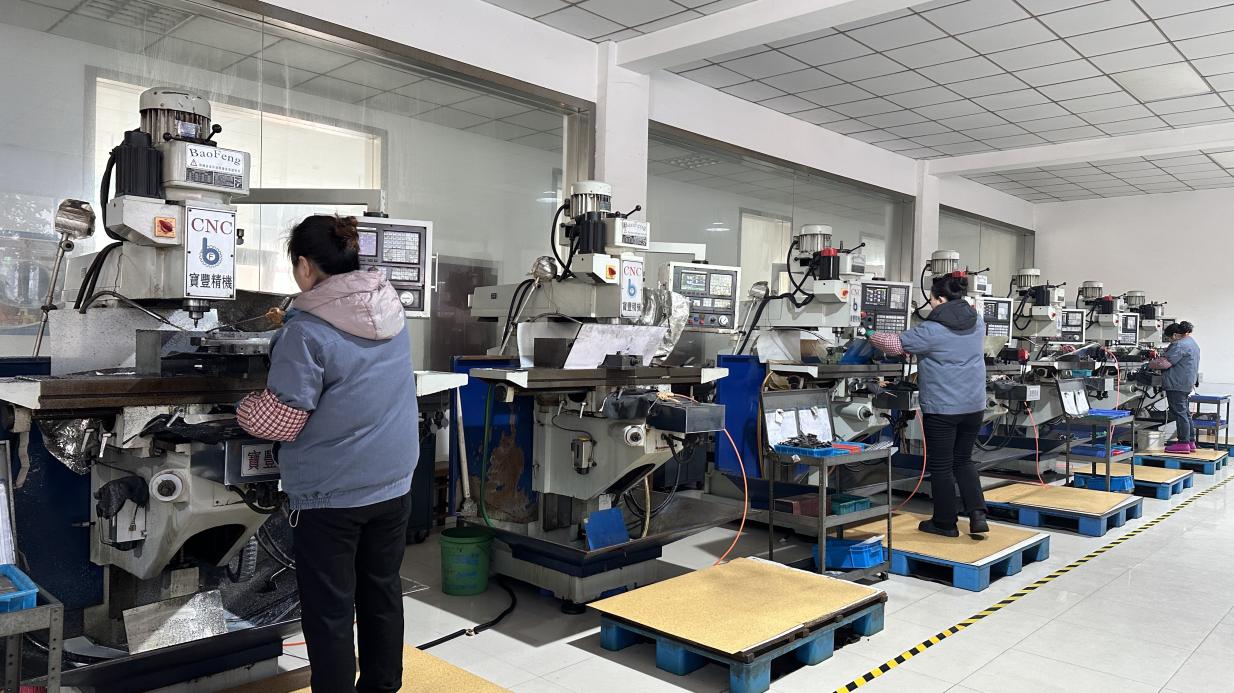
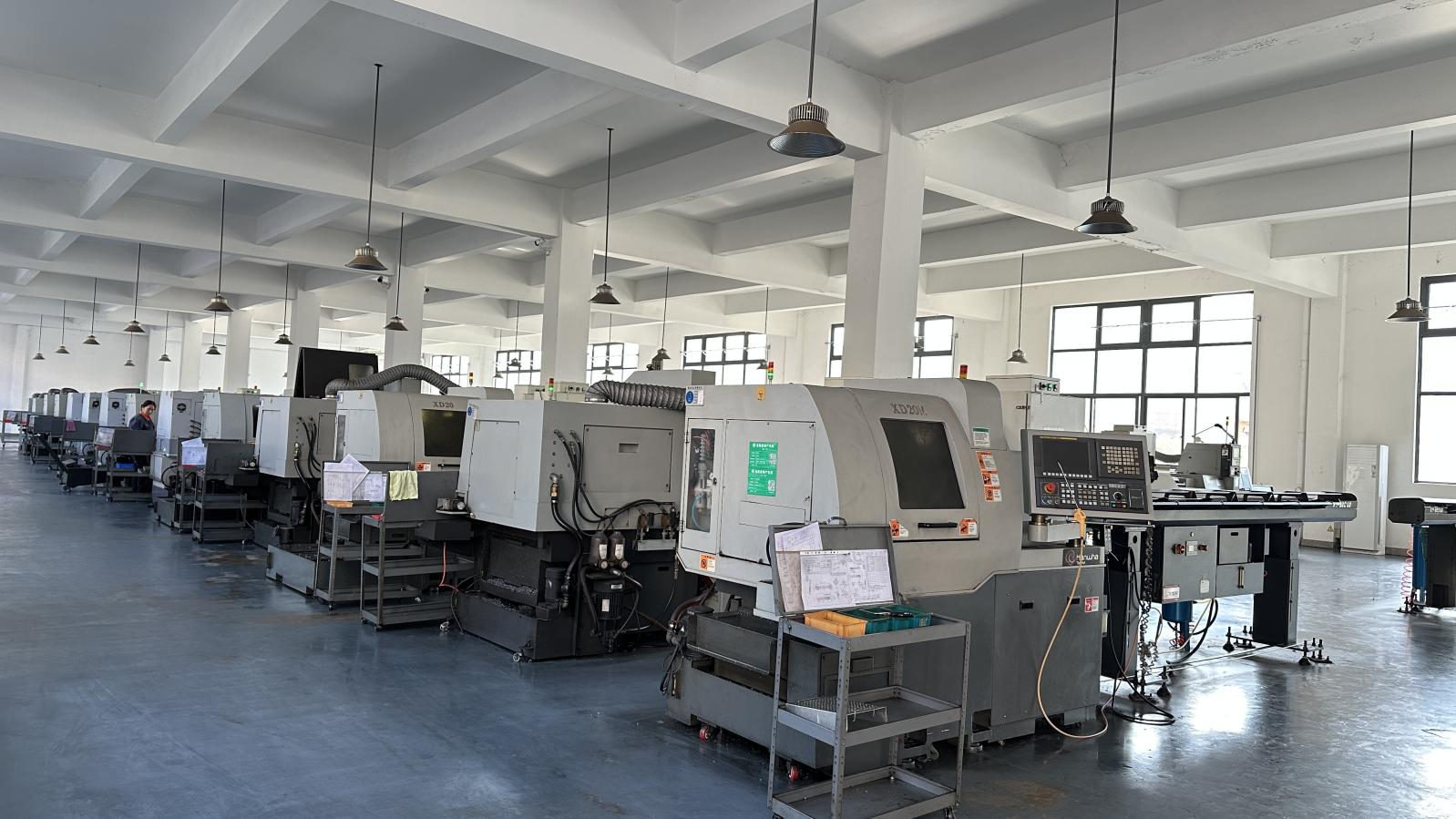
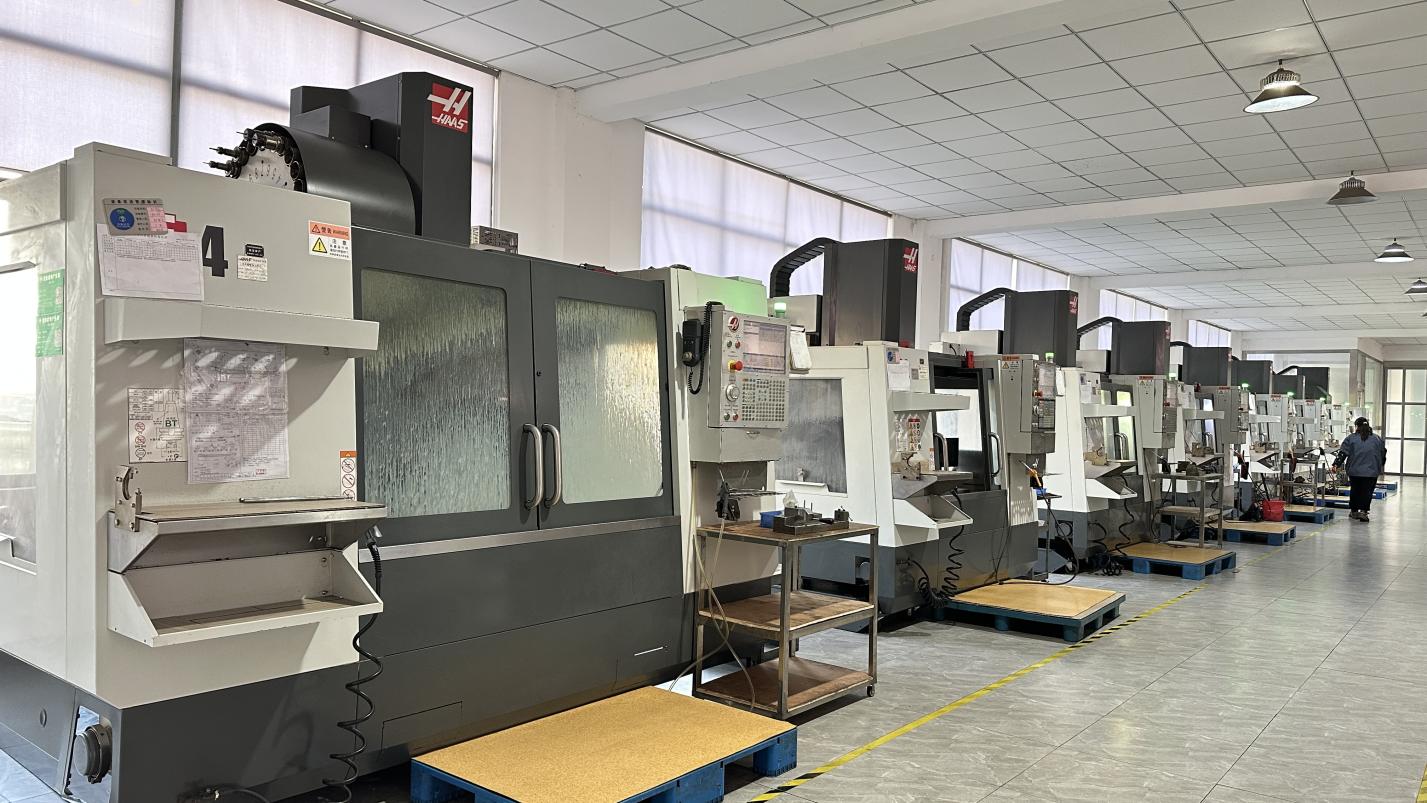
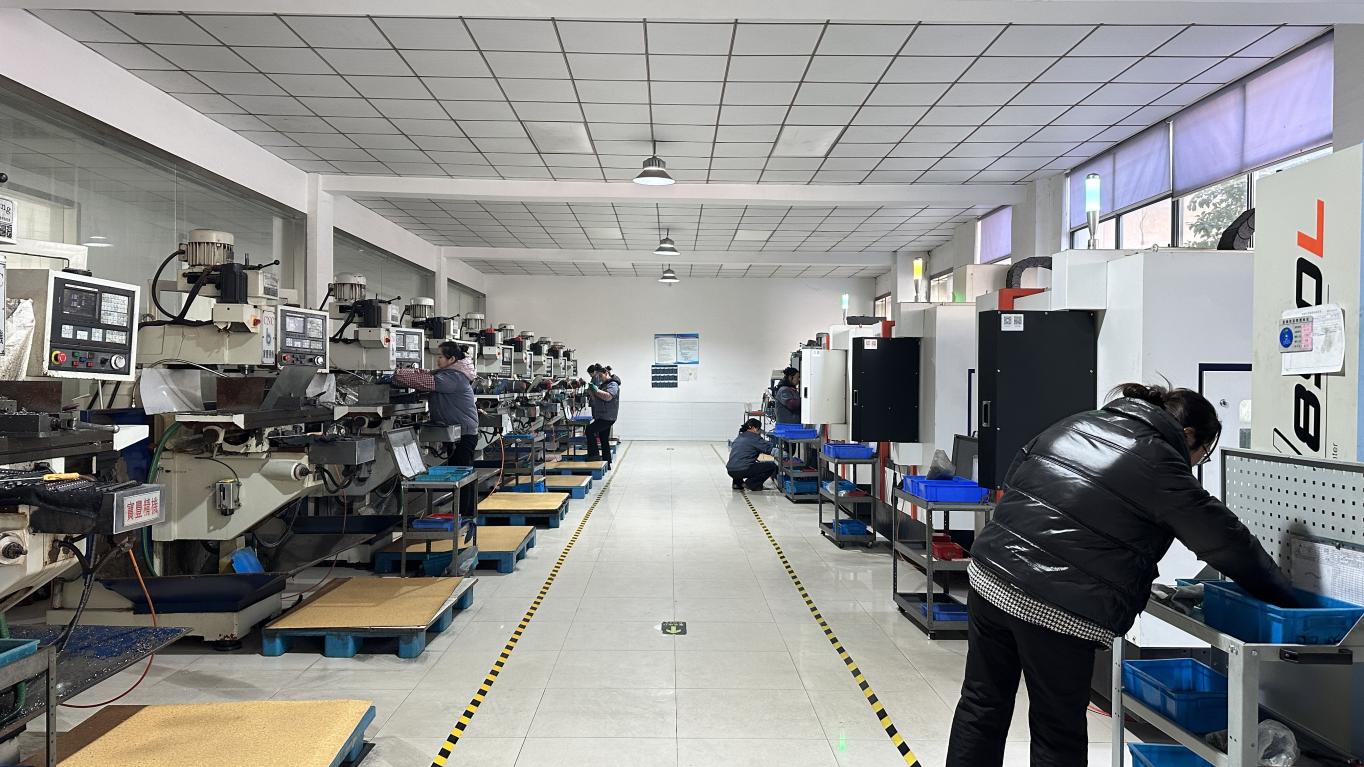
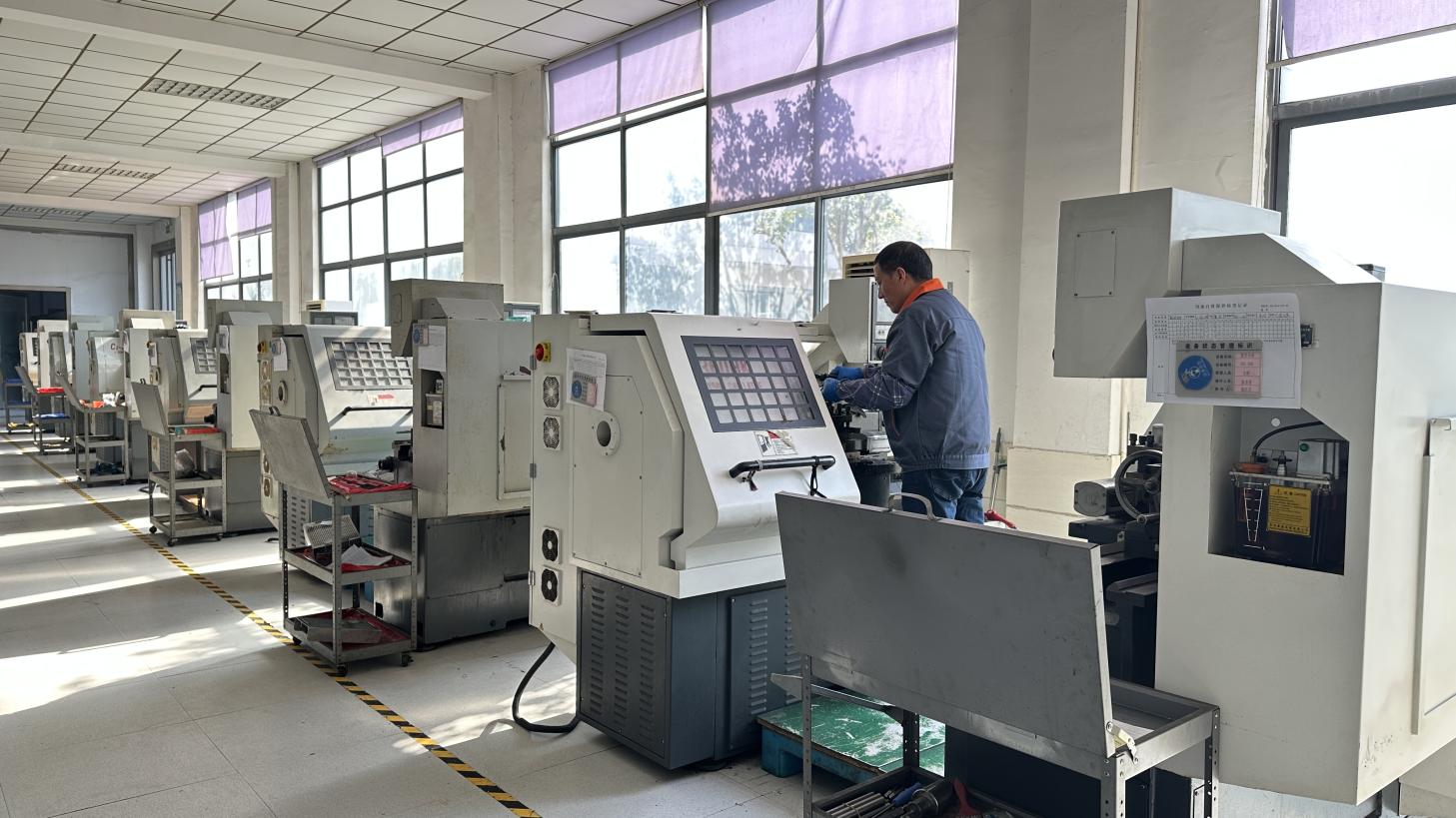
By deploying advanced multi-axis CNC machining centers and high-speed milling equipment, Virelox achieves sub-micron tolerances. Perfect thread pitch, precise locking angles, and anatomical contours are replicated with absolute consistency across high-volume production runs.
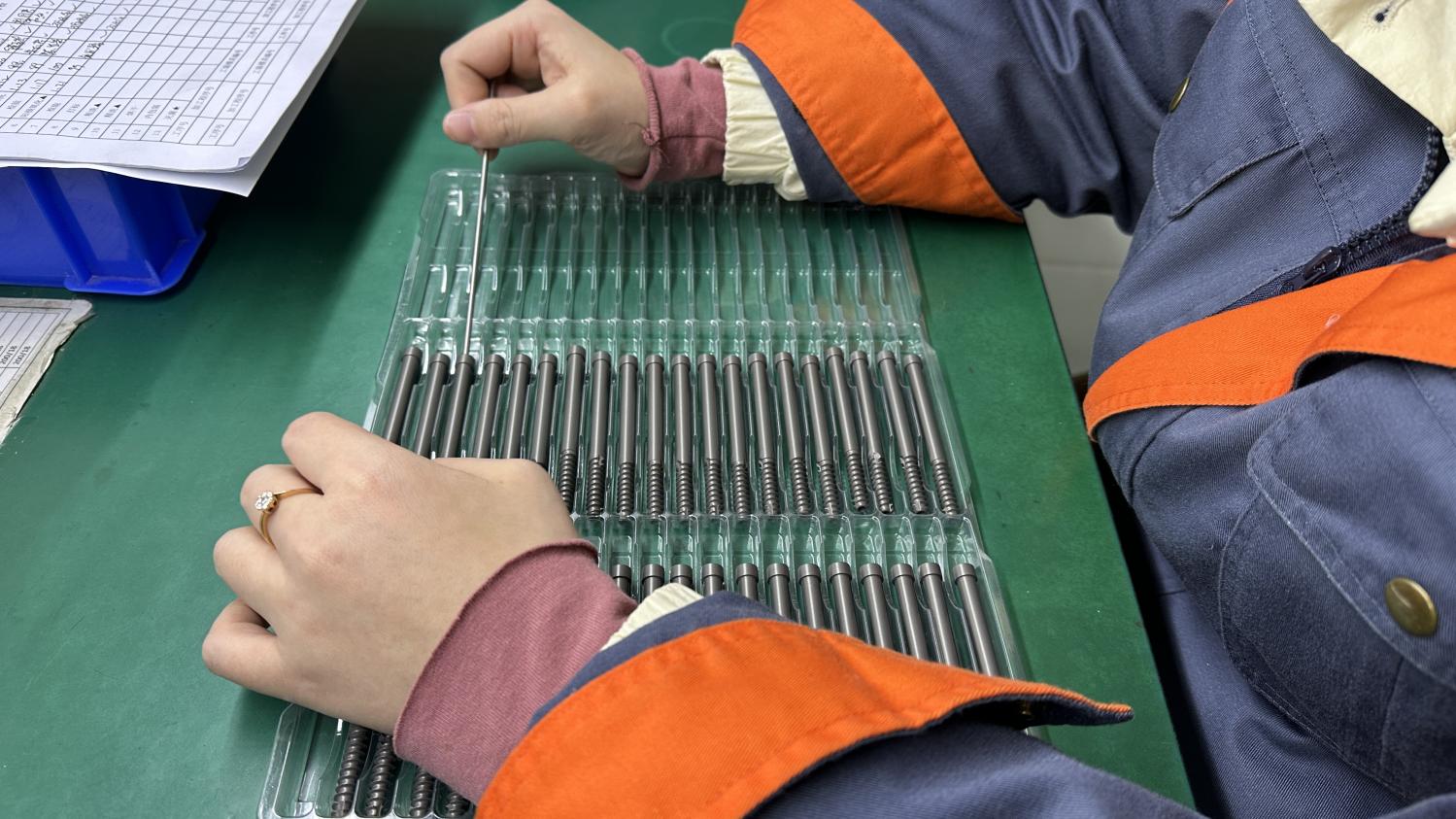
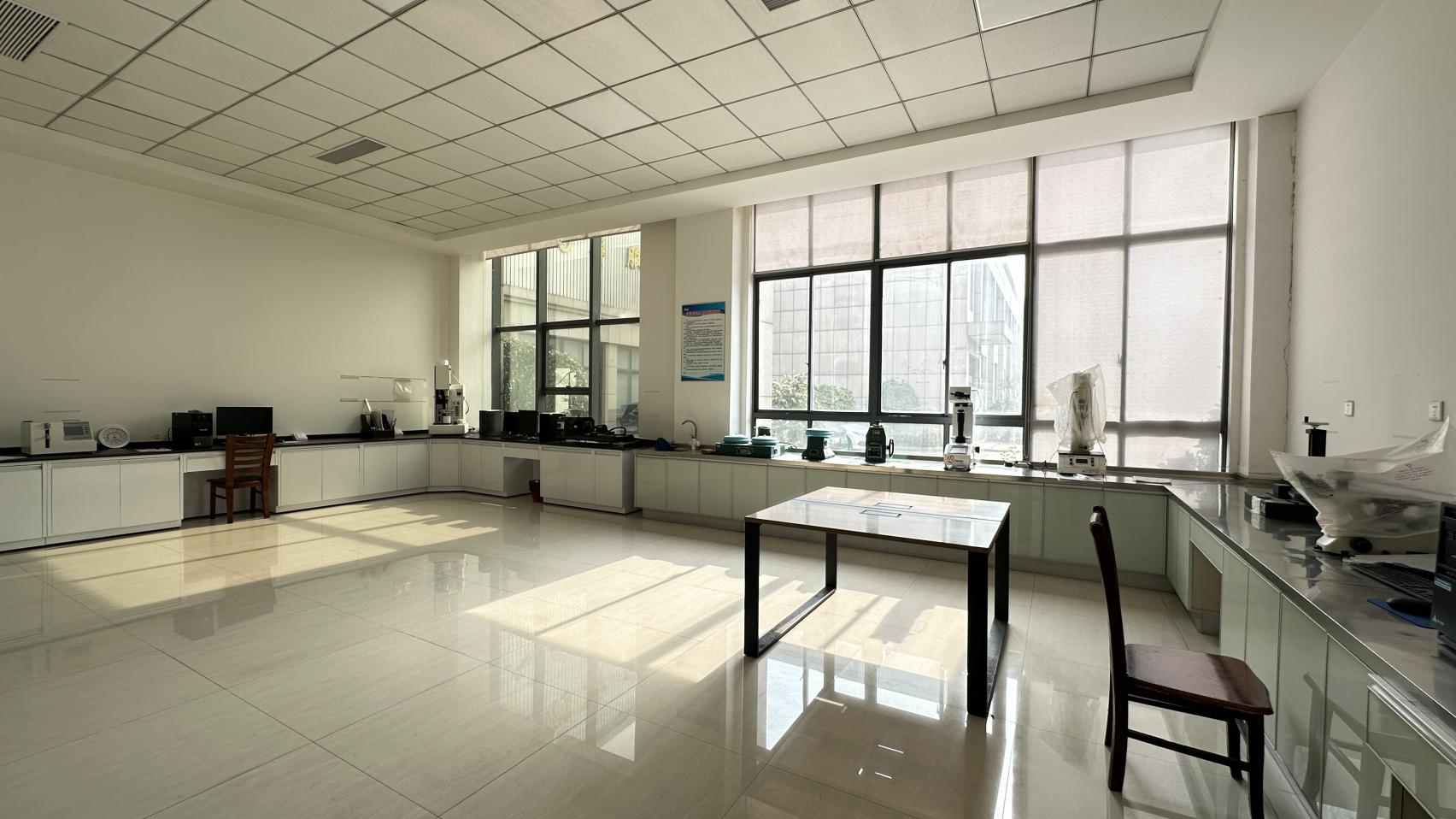
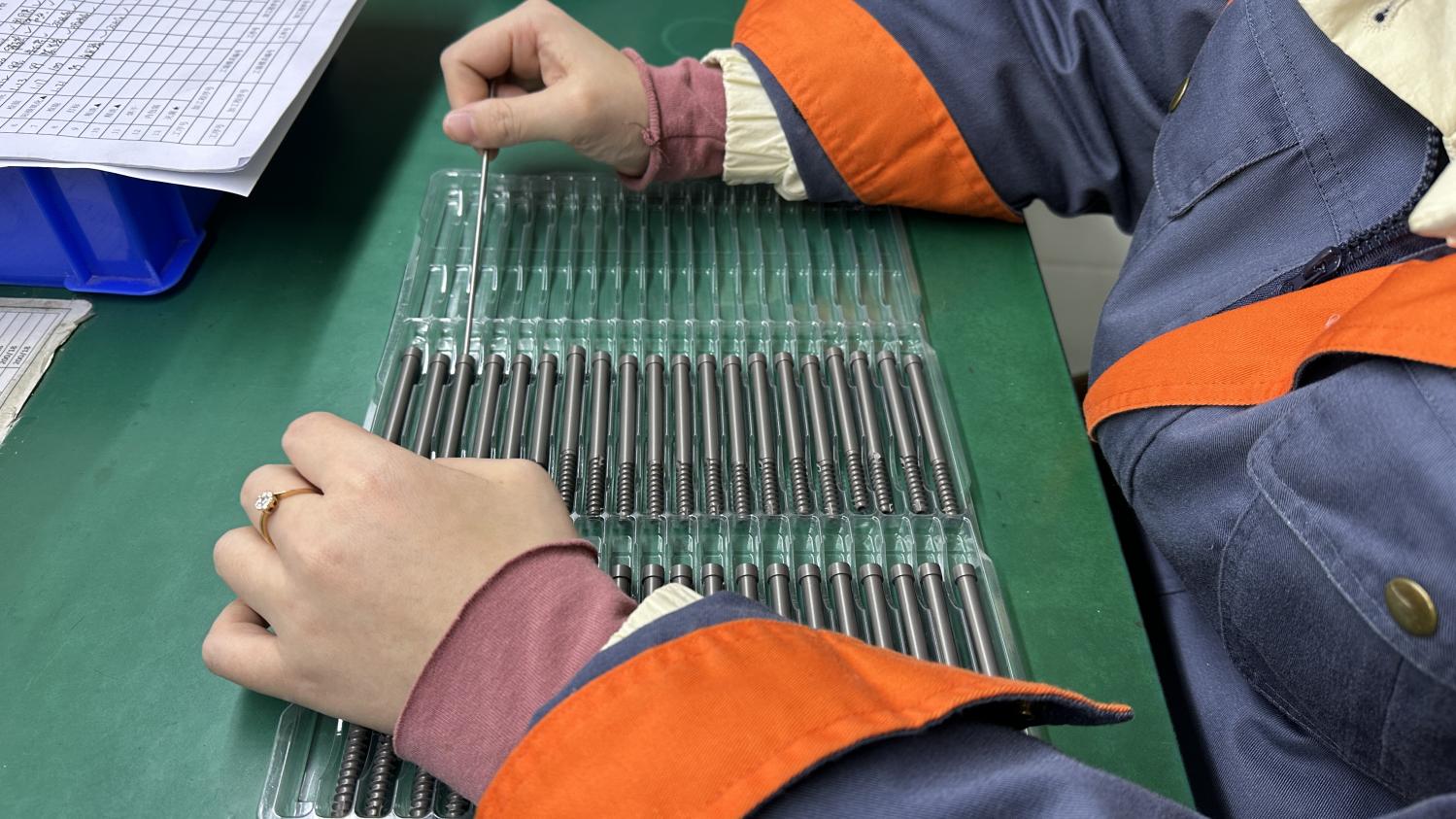
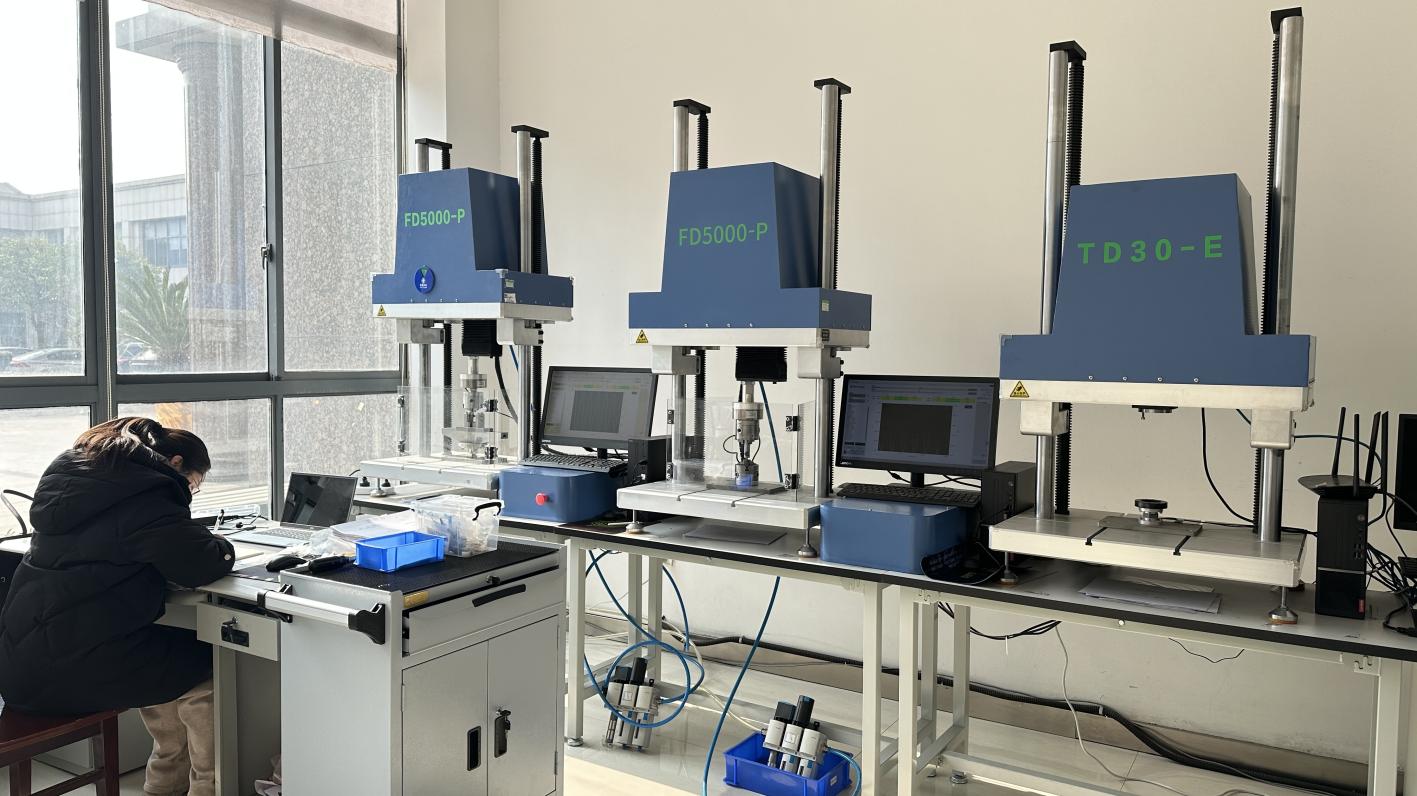
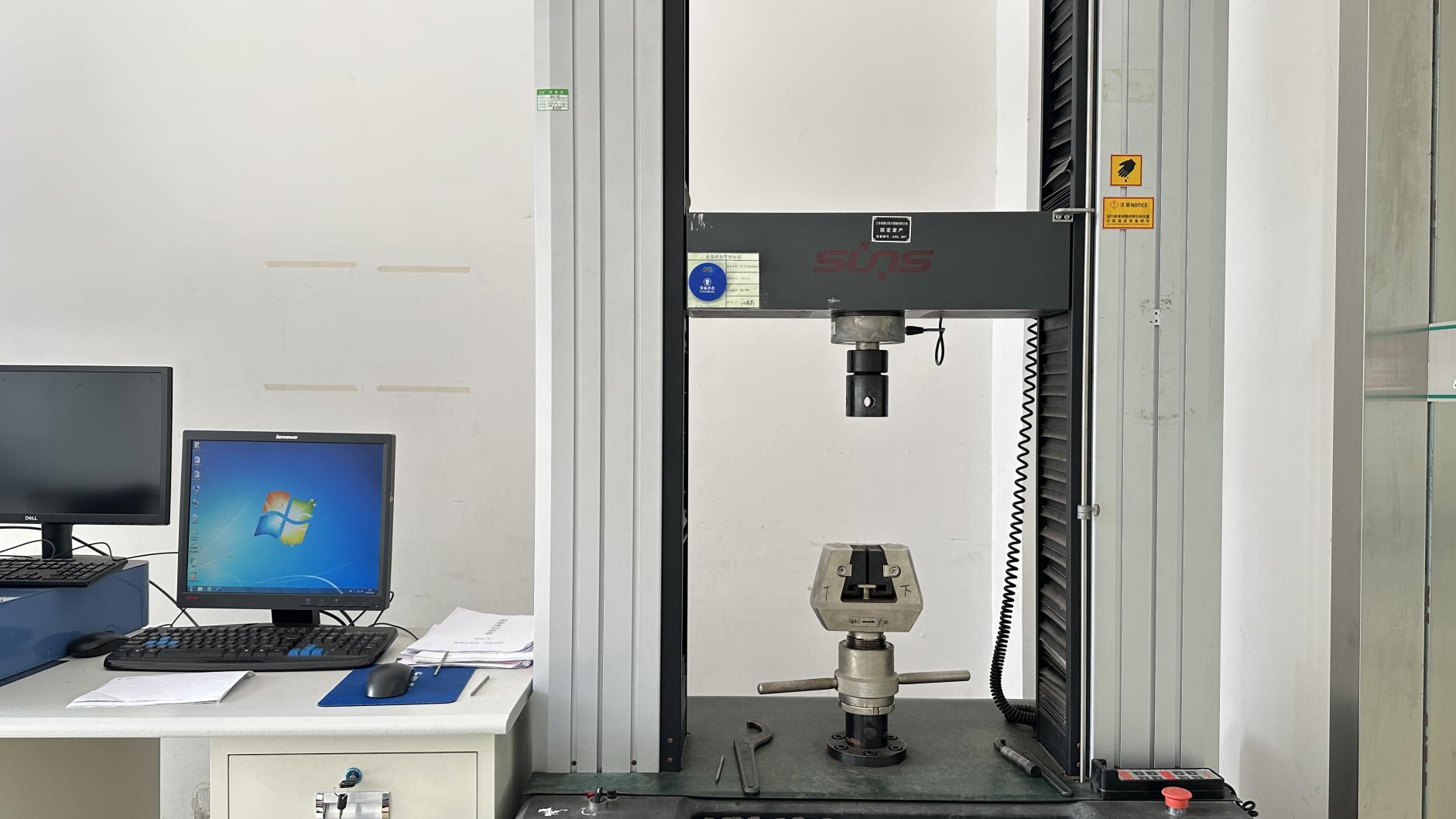
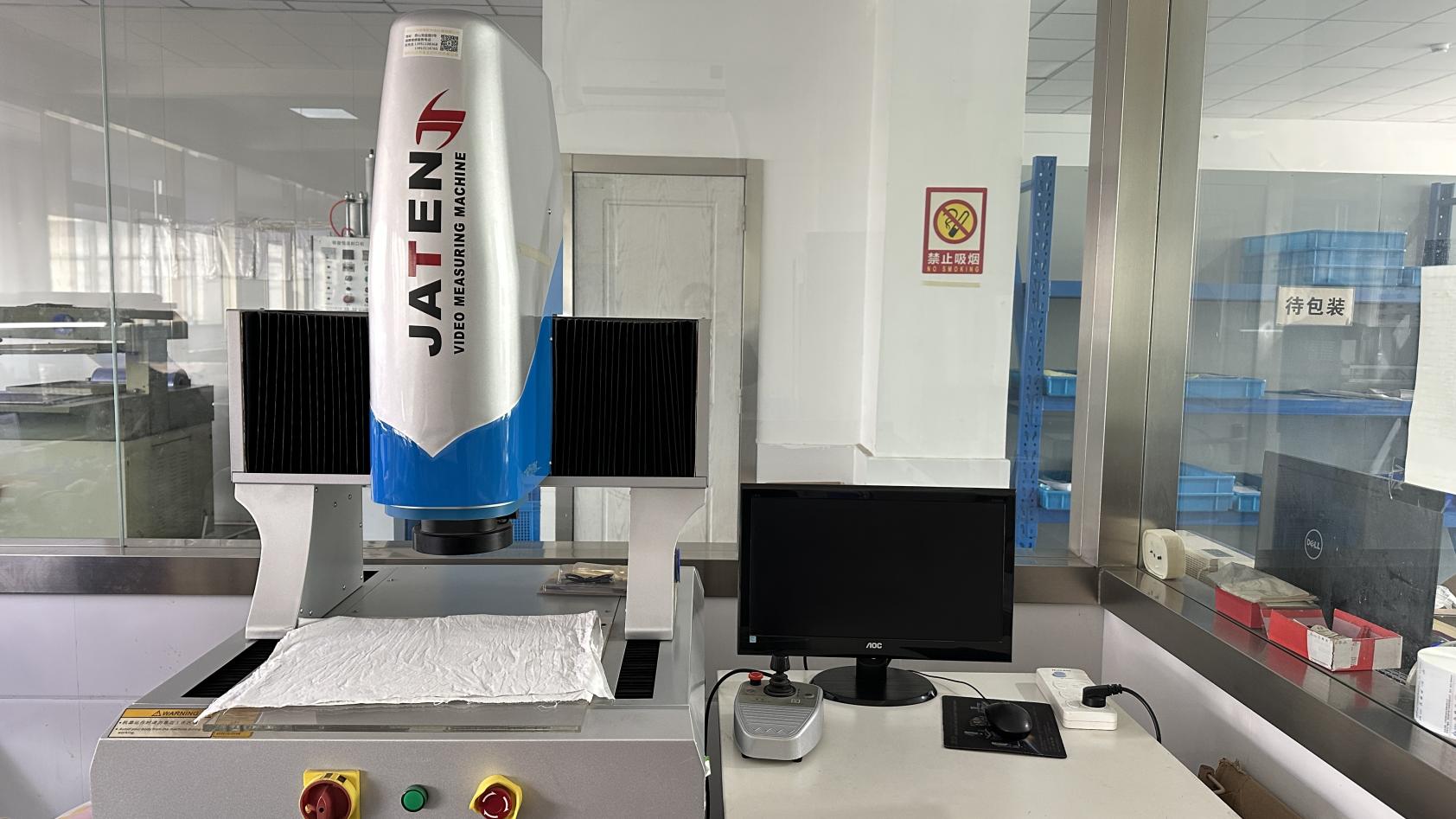
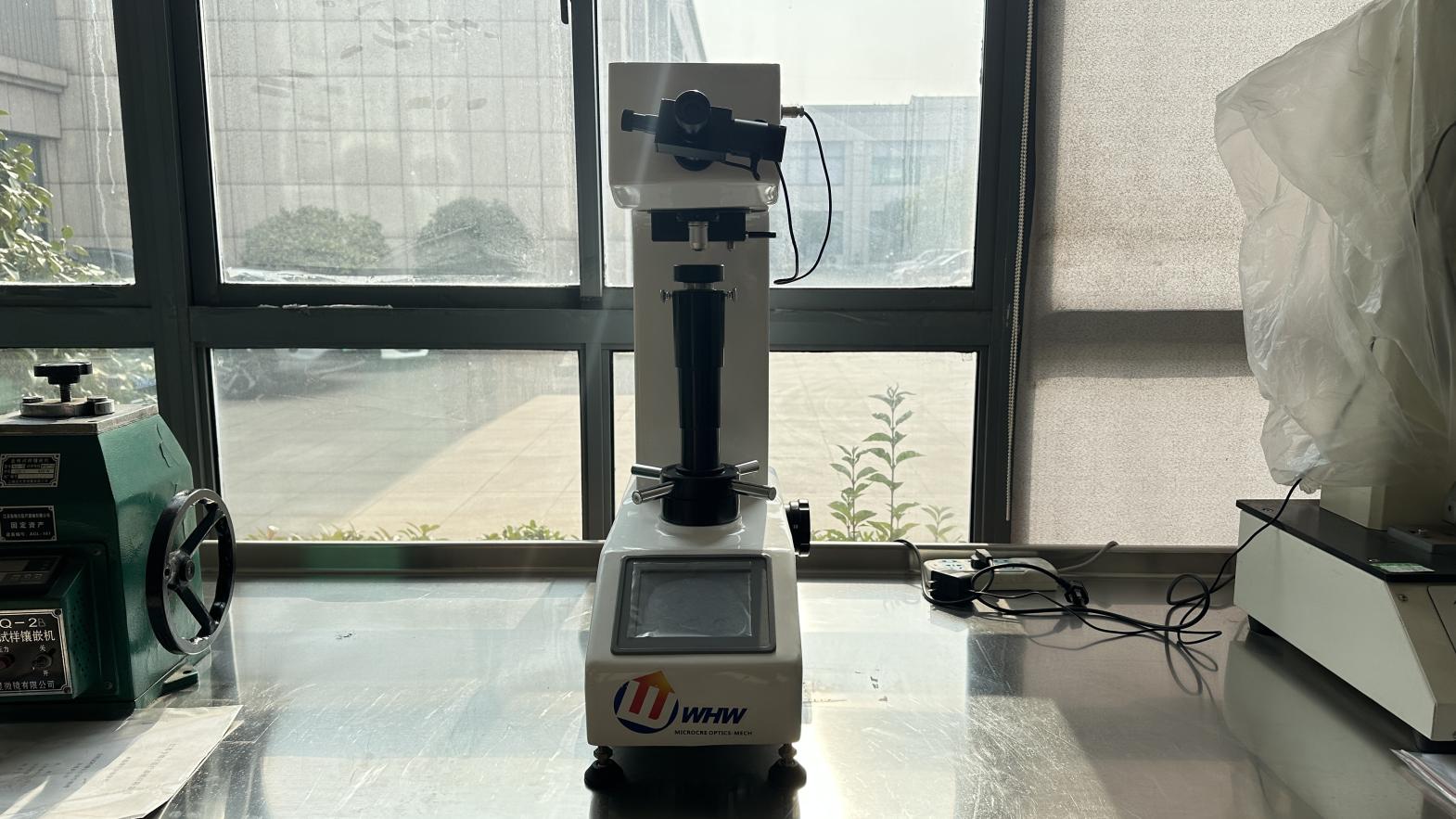
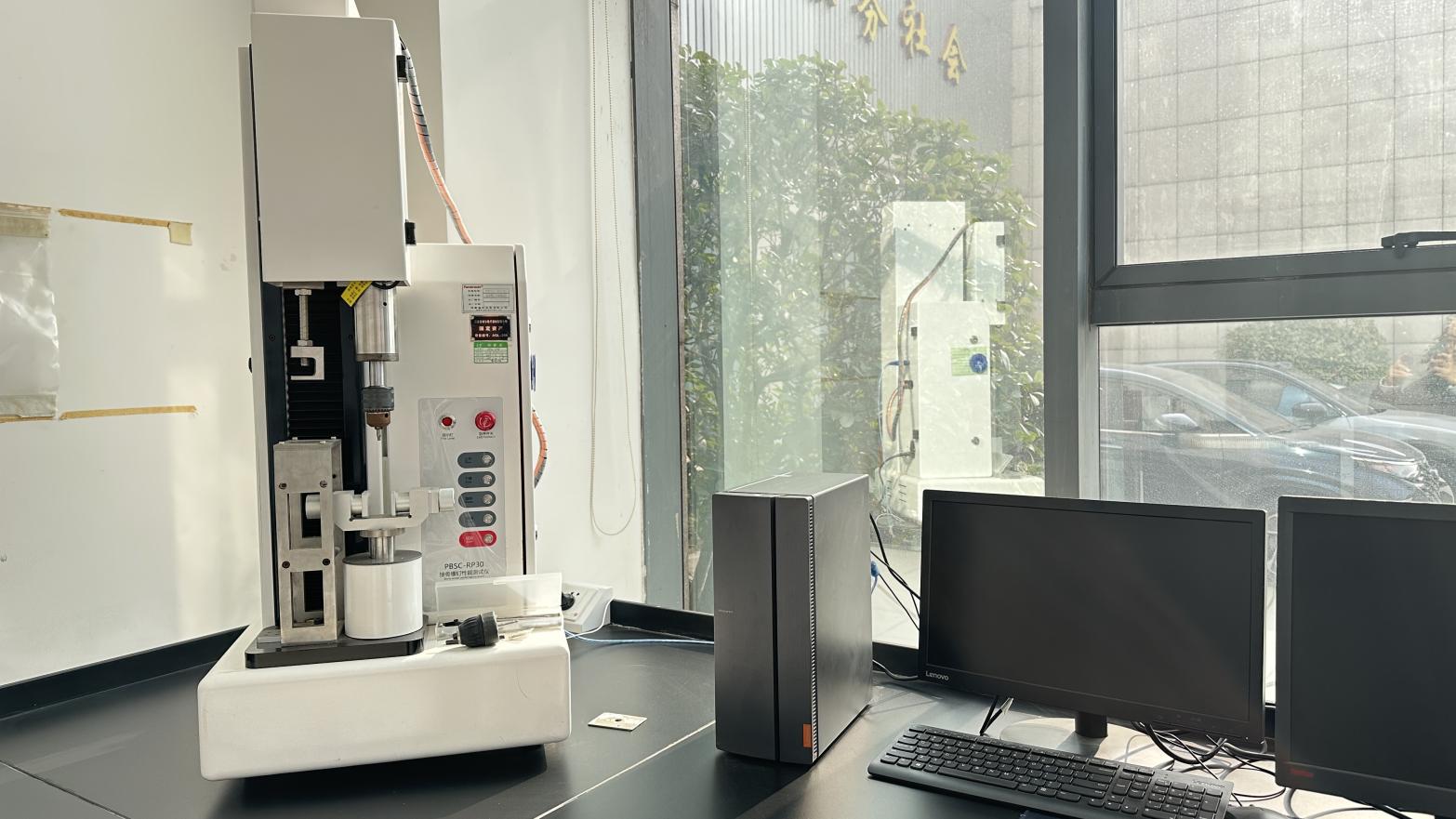
Equipped with a specialized biomechanical testing lab. In-house capabilities include cyclic fatigue testing, tensile strength testing, hardness verification, and coordinate-measuring machine (CMM) dimensional analysis. All components undergo 100% quality inspection prior to packaging.
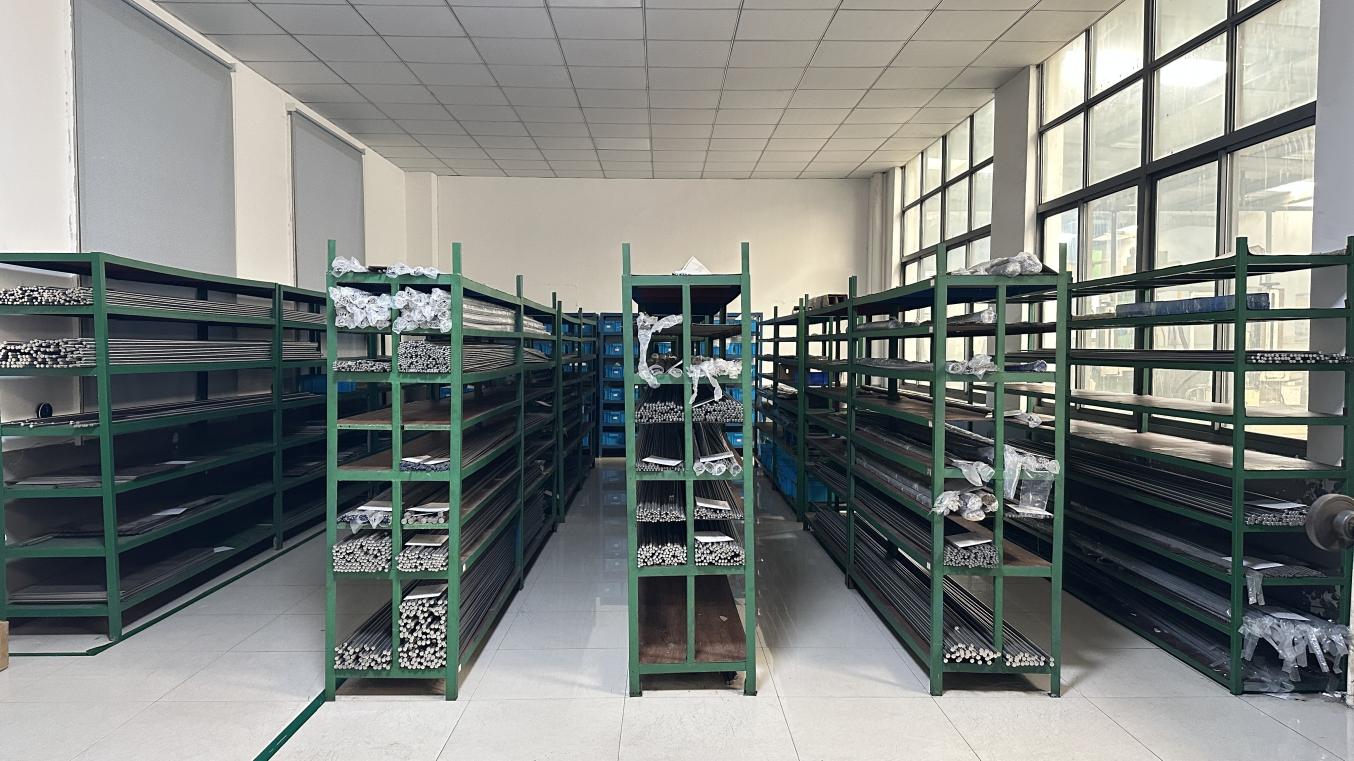
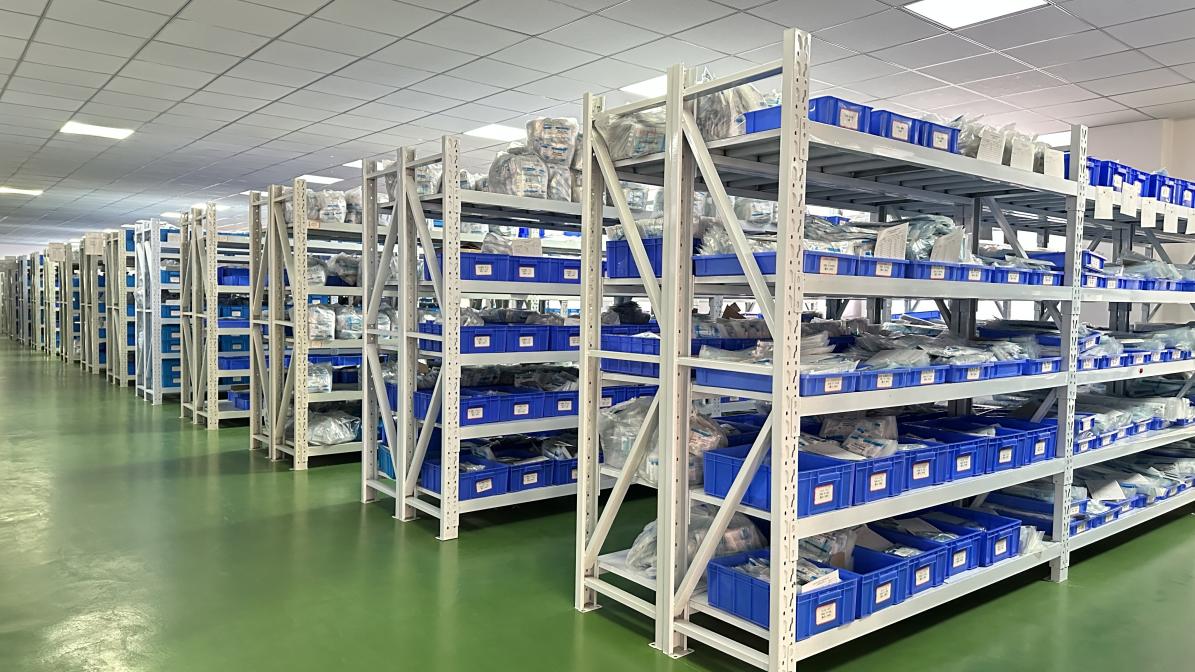
With 850 certified upstream and downstream partners, Virelox guarantees continuous access to medical-grade titanium alloys and specialized surface treatments (anodizing, electropolishing). This robust integration minimizes lead times and shields buyers from raw material volatility.
Virelox Medical Devices Co., Ltd. leverage integrated material sourcing and advanced robotics to offer premium-tier orthopedic implants. Our 12,000 m² facility is optimized for lean manufacturing, ensuring that all orthopedic trauma solutions adhere to ISO 13485 regulations, providing reliable quality for global markets.
Femoral locking plates are engineered for challenging surgical scenarios. Standard non-locking systems often fail in osteoporotic bone due to screw pull-out. The locking plate-and-screw construct distributes load across the entire length of the implant, providing high mechanical stability even without direct compression against the bone.
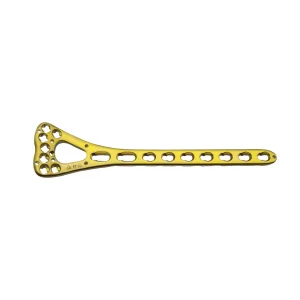
Distal femur fractures with intra-articular extension require anatomic reduction of the joint surface and rigid fixation. Distal femoral locking plates feature anatomical contouring that supports the condylar block. Polyaxial locking screws allow surgeons to target bone fragments without compromising joint surfaces.
Fractures surrounding hip arthroplasty stems present high mechanical risks. Proximal femoral locking plates allow screw placement around the prosthesis stem. This stabilizes the segment without compromising stem fixation or causing bone splitting.
The orthopedic implant sector is evolving rapidly. High-growth clinical demands are driving innovations in surface engineering and mechanical performance:
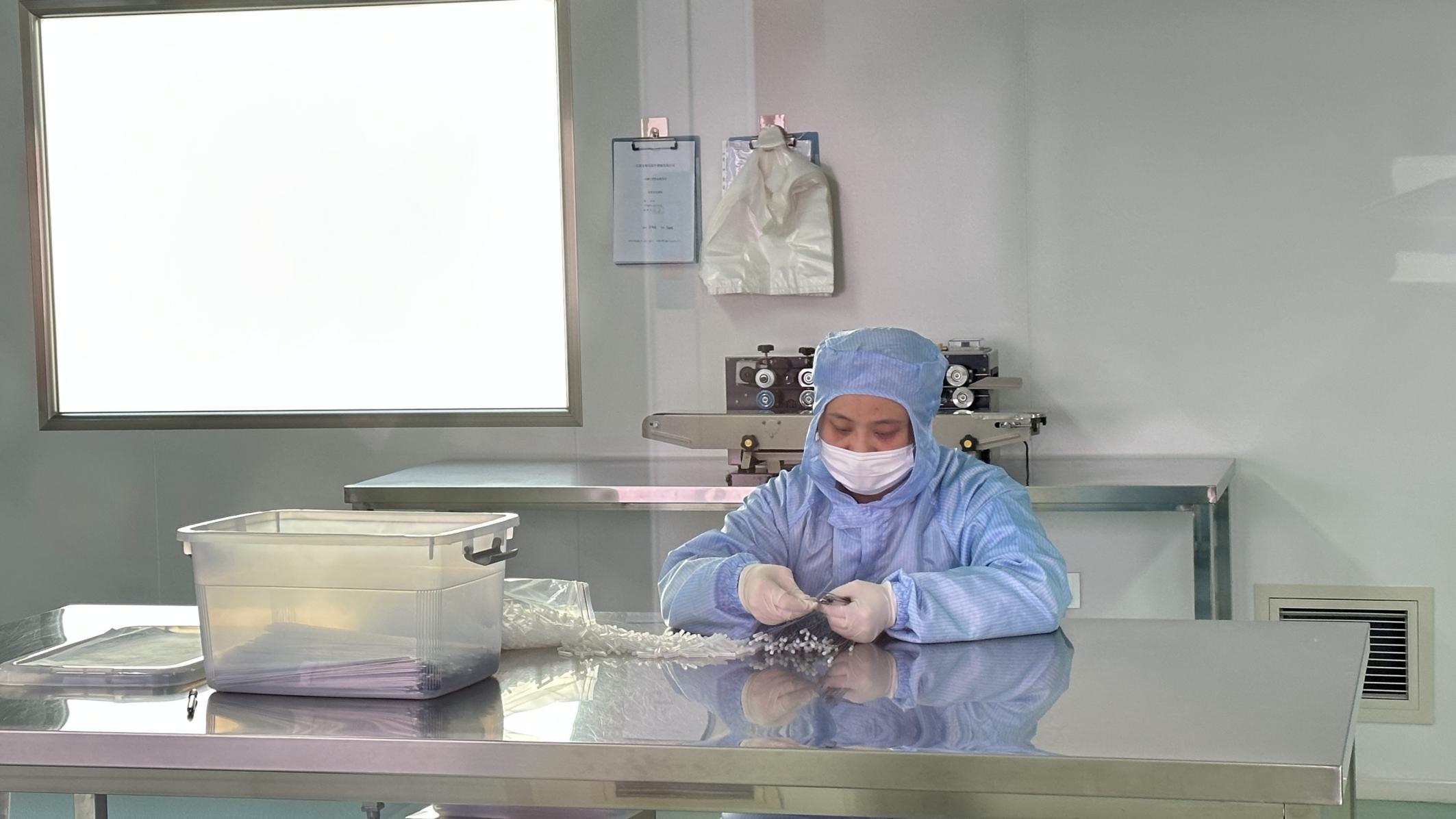
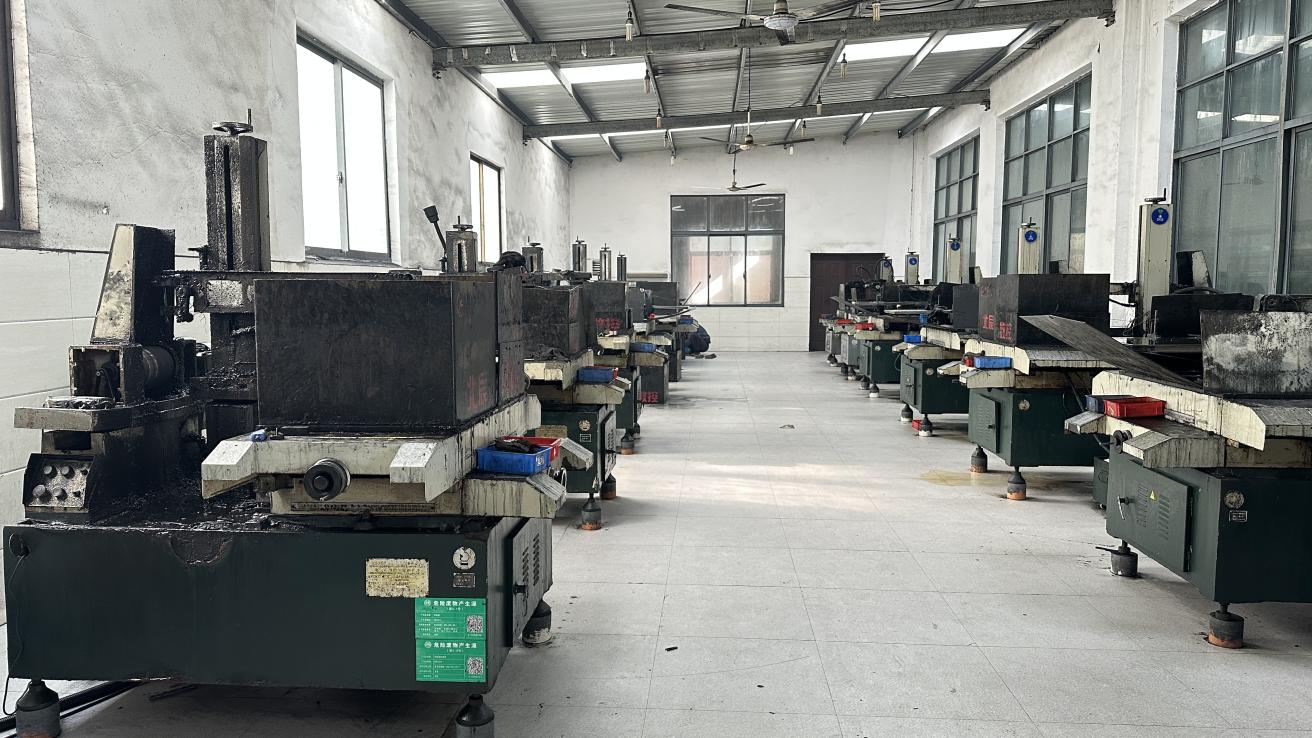
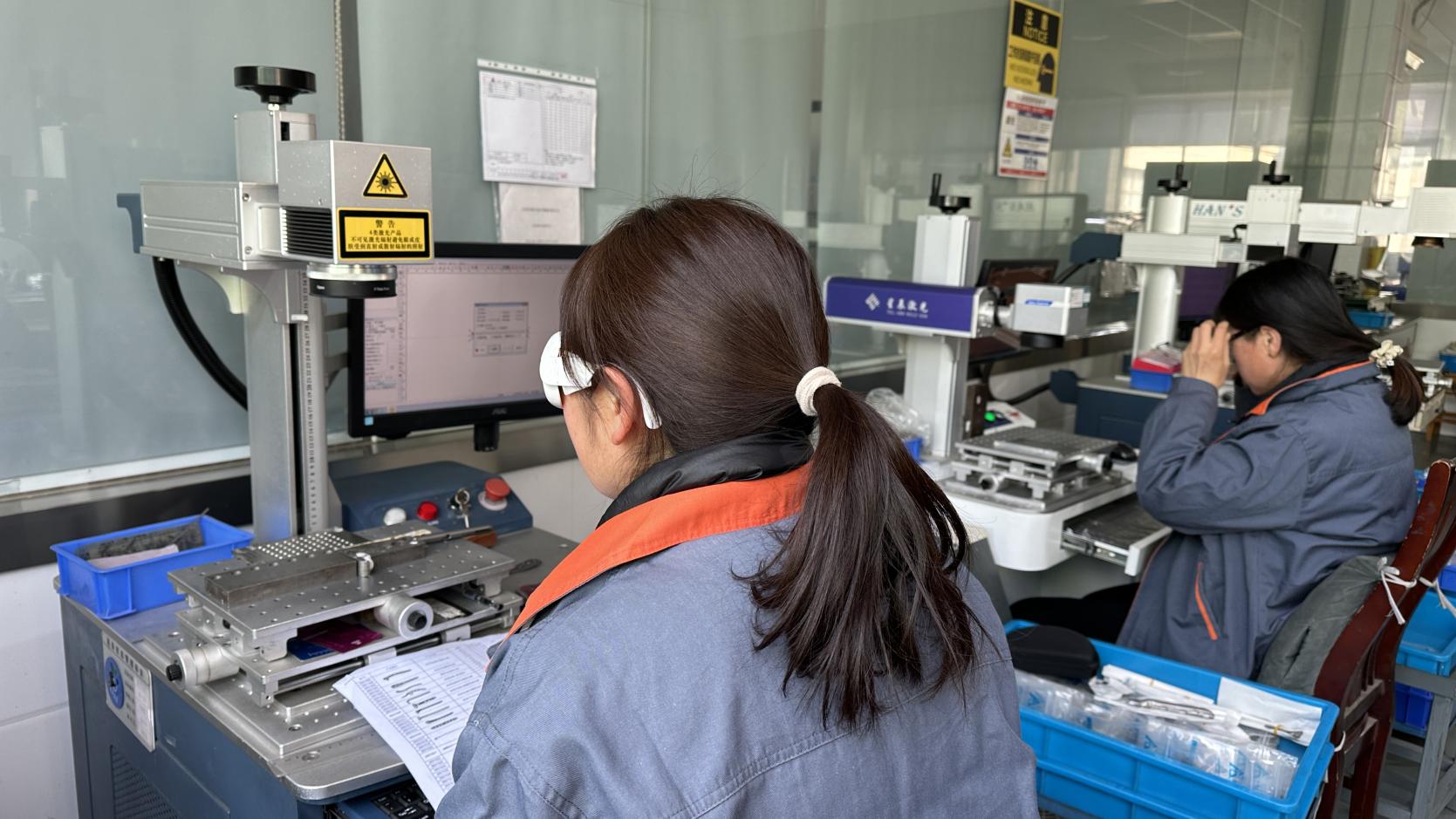
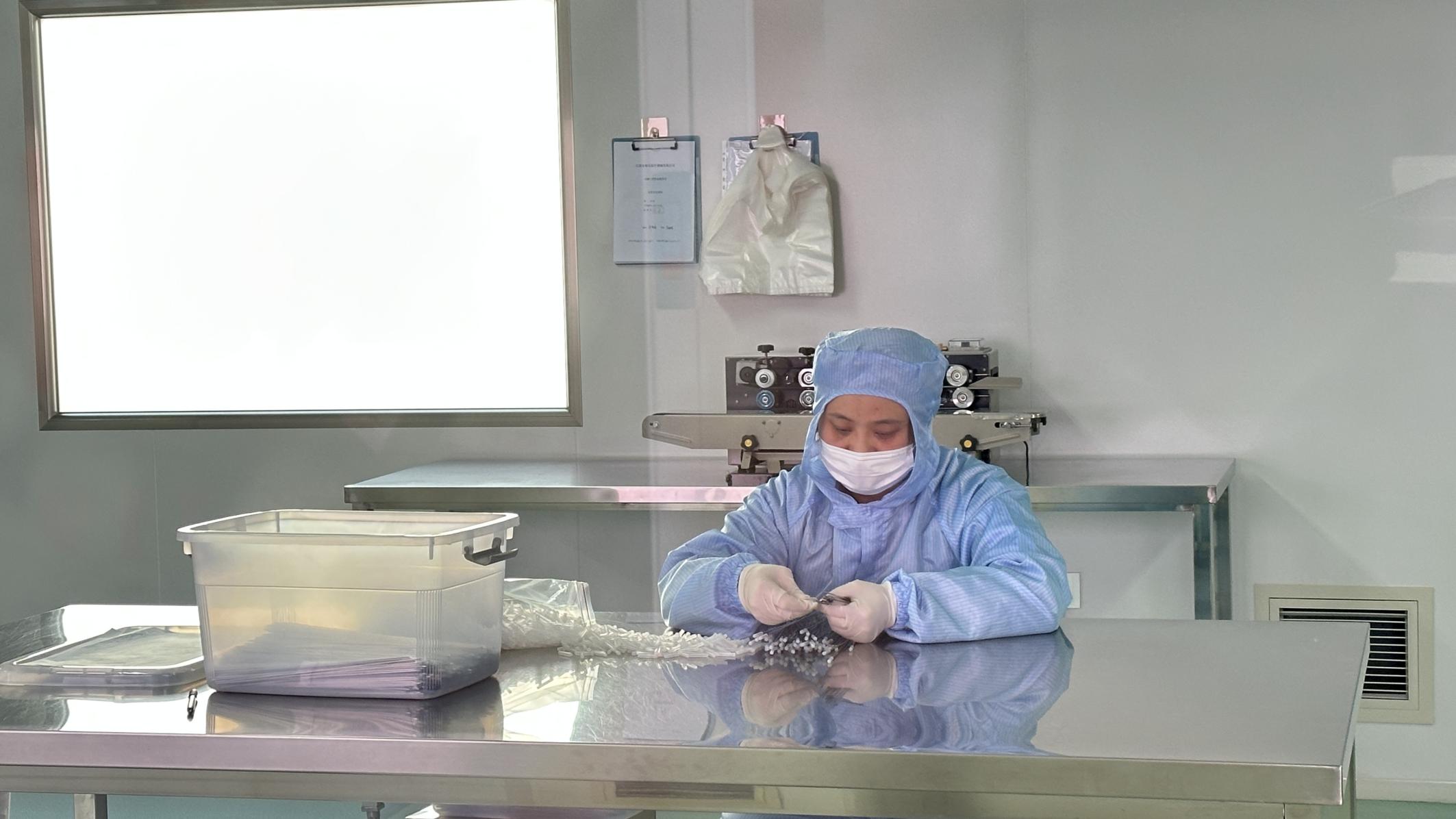
A detailed look inside the Virelox orthopedic production plant, featuring cleanroom systems, CNC centers, and material validation labs.
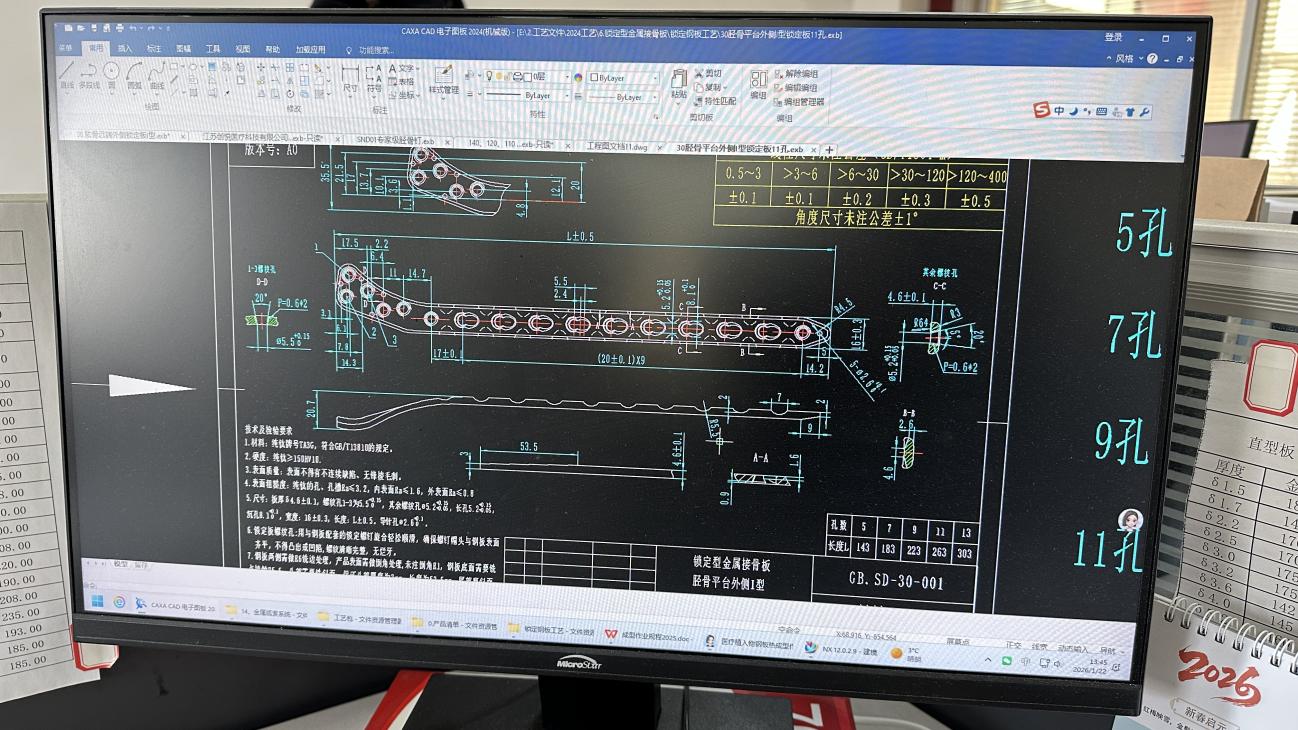
Navigating the global procurement landscape for class III orthopedic medical devices requires vetting manufacturers on regulatory compliance, production capacity, and design capabilities. Virelox acts as a strategic manufacturing partner, offering OEM/ODM services for distributors, healthcare groups, and international medical brands.
We provide comprehensive technical files, including material certificates, biocompatibility test results, and mechanical validation data. Our engineering team assists clients with local registration processes in various international markets.
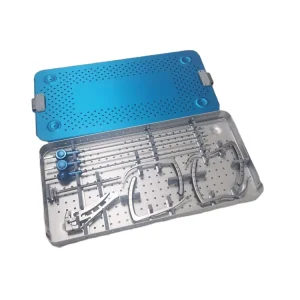
Virelox offers private label solutions, customized laser markings, and custom-configured instrument kits. Our R&D center uses advanced biomechanical simulation and rapid prototyping to turn surgeon feedback into sterile-packaged, clinical-grade products.
With an annual export revenue of USD 8.5 million and 8 years of dedicated export experience, Virelox manages robust logistics paths to Europe, Southeast Asia, South America, and the Middle East. We ensure stable supply pipelines and high quality control at every stage of the shipping process.
Expert technical insights regarding material mechanics, clinical applications, and supply configurations of Femoral Locking Plates.
Titanium alloy exhibits a much lower elastic modulus compared to stainless steel, matching the physical properties of cortical bone more closely. This reduces stress shielding, promotes callus formation, and lowers the incidence of bone resorption. Titanium also offers superior biocompatibility and corrosion resistance, lowering the risk of post-operative metal sensitivity.
In a locking plate system, the screw heads thread directly into the plate, forming a fixed-angle construct. This creates a mechanical unit where the screws cannot back out independently, even under physiological loads. This stability reduces dependance on bone-to-plate friction, protecting osteoporotic or comminuted bone segments from mechanical failure.
Locking plates provide rigid initial stability, allowing patients to start early range-of-motion exercises. However, clinical weight-bearing protocols should be customized by the surgeon based on fracture healing stages, bone quality, and overall construct integrity.
Virelox operates an in-house testing laboratory equipped with axial fatigue, tensile strength, and hardness testers. Every batch undergoes simulated clinical load testing to verify compliance with ISO 13485 standards before sterilization and distribution.
We offer comprehensive OEM/ODM services, including custom plate profiling, variations in screw hole counts, anodized color coding, private-label laser marking, and customized surgical instrument cases to meet regional market specifications.
Monoaxial locking screws are restricted to a single pre-determined insertion path. Polyaxial locking screws allow the surgeon to angle the screw within a specific range (often up to 15 degrees) before locking it to the plate. This flexibility helps target specific bone fragments and avoid local implants or prostheses.
Virelox offers implants in non-sterile bulk packaging or sterile double-barrier packaging with full lot traceability. Sterilization is performed using verified ethylene oxide (EO) or gamma irradiation protocols in compliance with international requirements.
No, our anatomical plates are pre-contoured based on physiological bone models to fit the lateral distal femur. This minimizes the need for intraoperative bending, which can weaken the metal structure. In rare cases where adjustment is needed, specialized bending irons must be used.
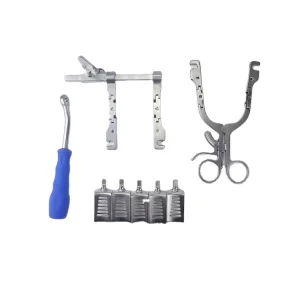
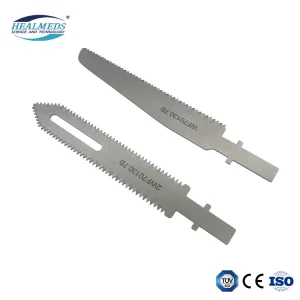
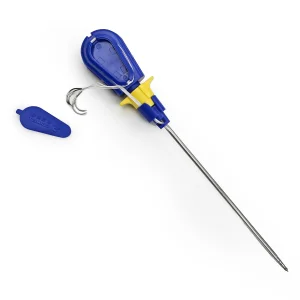
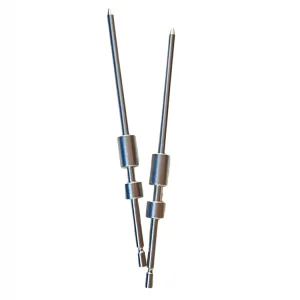
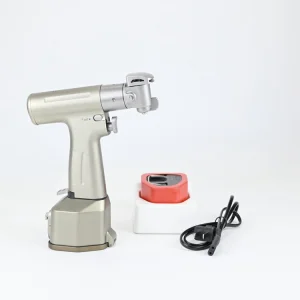
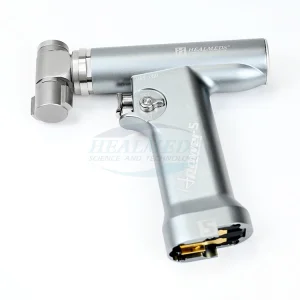
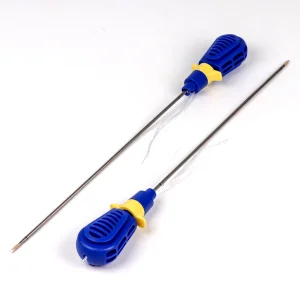
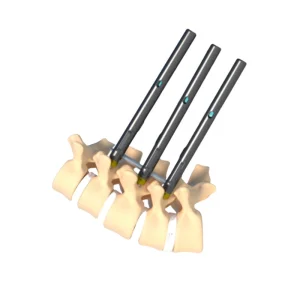
High-durability accessories, manual retractors, and power tools manufactured to orthopedic surgical standards.
 Virelox