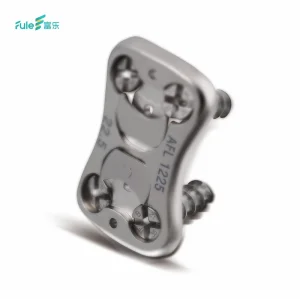
Anterior Cruciate Ligament (ACL) reconstruction represents one of the most frequently executed sports medicine procedures globally. Dynamic knee stabilization relies heavily on the primary mechanical fixation device utilized during surgical recovery. Within this clinical domain, ACL Reconstruction Buttons (both fixed and adjustable loop designs) serve as the anchor point of femoral fixation, directly mitigating structural micro-motions and ensuring graft-to-tunnel healing (osteointegration).
Modern implant engineering demands ultra-low cyclic displacement, high ultimate tensile load capacity, and biocompatible material profiles. As global healthcare centers move toward minimally invasive, high-efficiency surgical pathways, clinical procurement executives must evaluate manufacturer infrastructure with strict focus on biomechanical performance over superficial unit pricing. This whitepaper analyzes the capabilities, material standards, and technical roadmaps characterizing leading China medical implant factories, featuring the specialized manufacturing processes of Virelox Medical Devices Co., Ltd.
Virelox Medical Devices Co., Ltd. is a leading professional orthopedic medical device manufacturer specializing in joint replacement and surgical implant solutions. Operating under the established brand "Virelox," the company is fully committed to delivering high-performance orthopedic systems for global healthcare providers, orthopedic clinics, and medical device distributors. Backed by rigorous material science validation and modern precision manufacturing, Virelox bridges the gap between state-of-the-art implant designs and cost-efficient production scales.
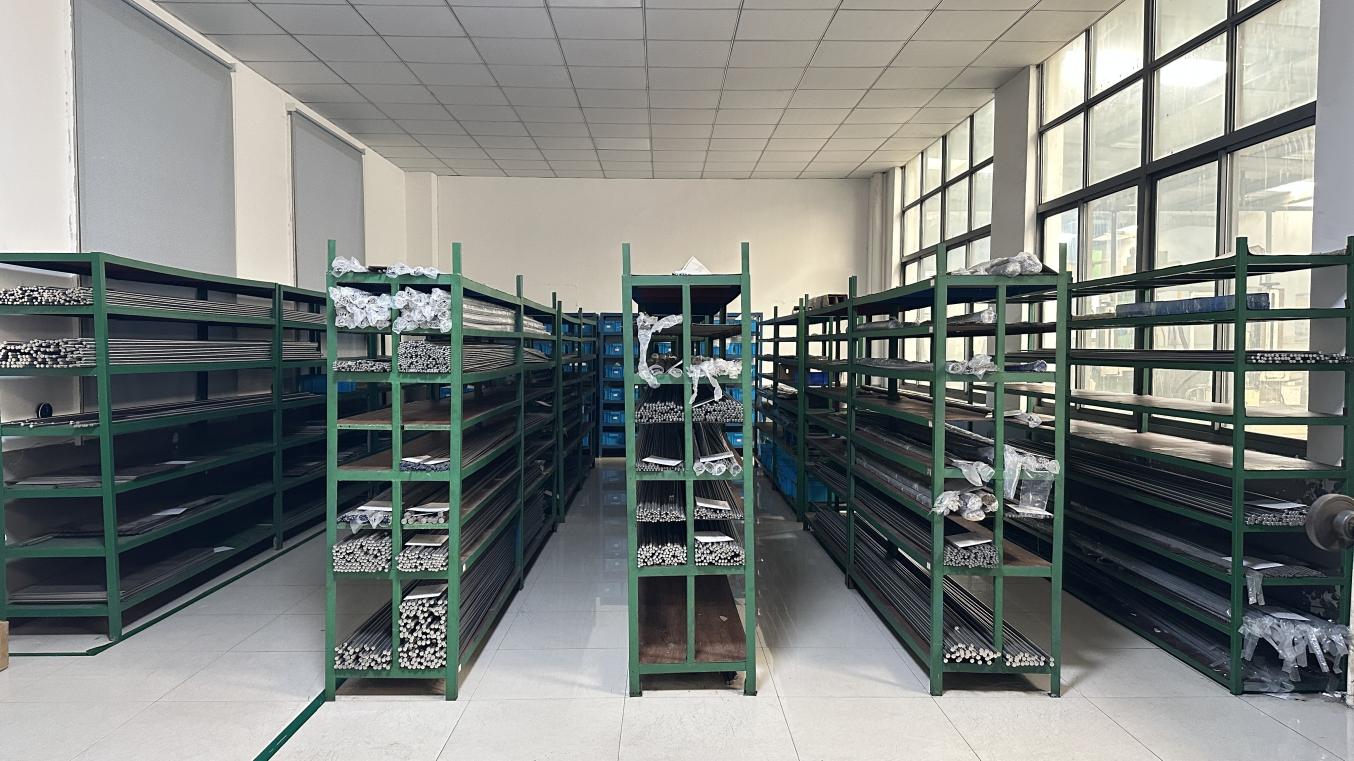
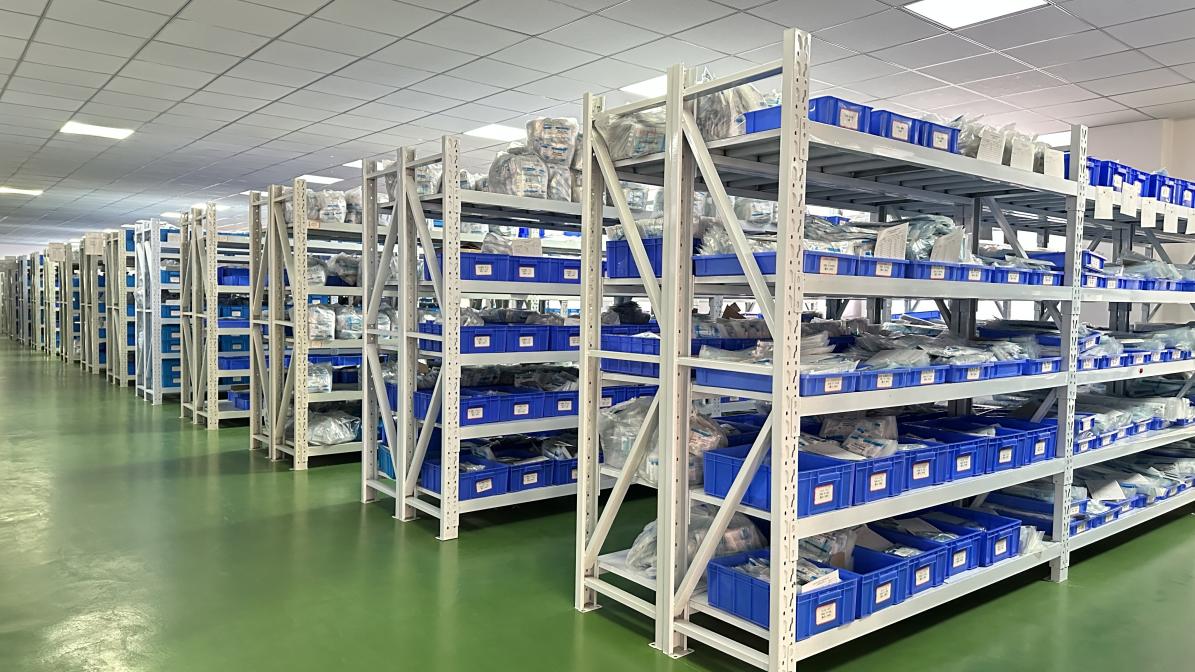
Virelox's supply network includes more than 850 certified upstream and downstream partners supporting a stable, validated raw material supply chain. This supply chain consistency prevents material defects and reduces delivery lead times for urgent clinical distribution orders worldwide.
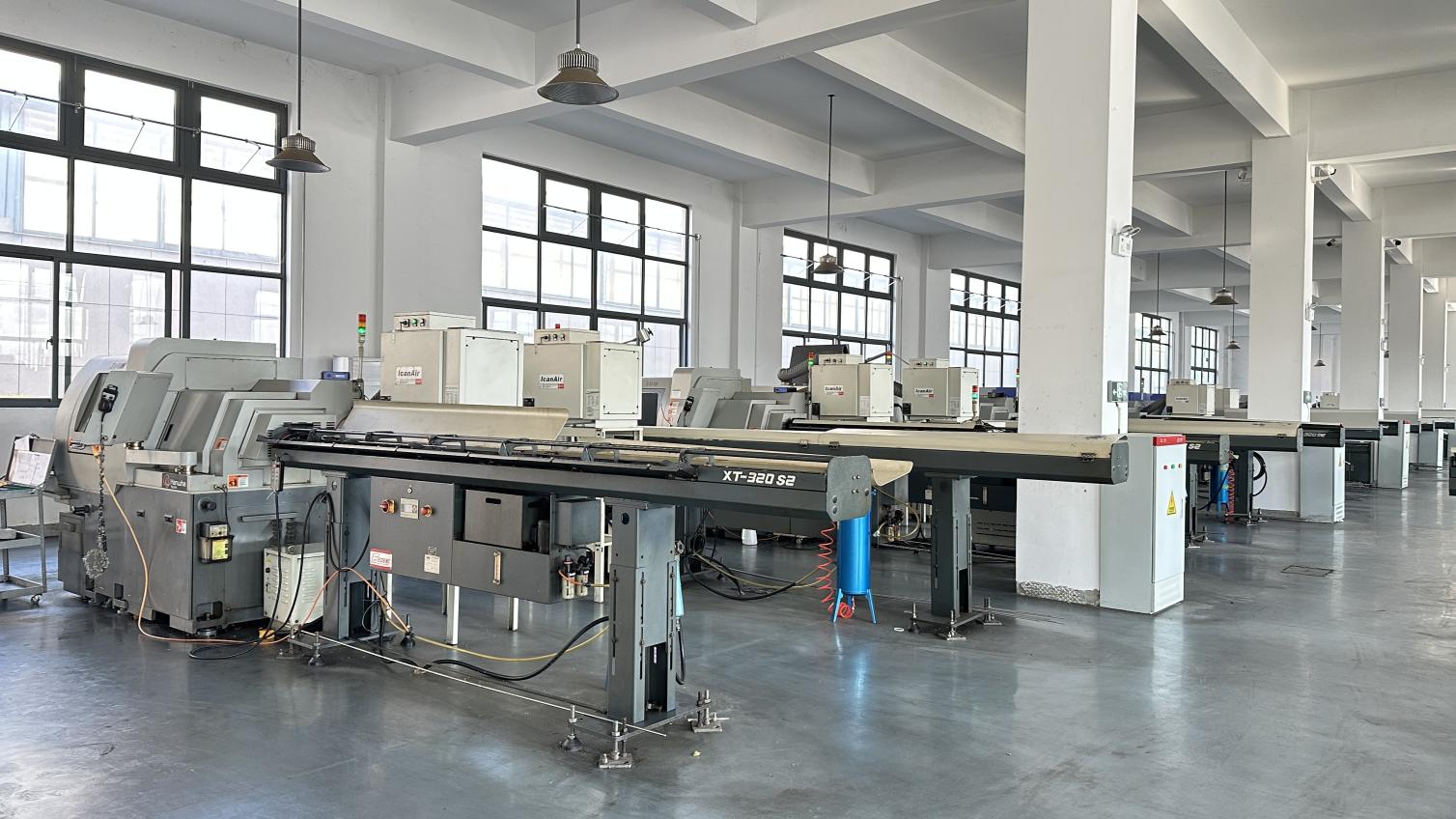
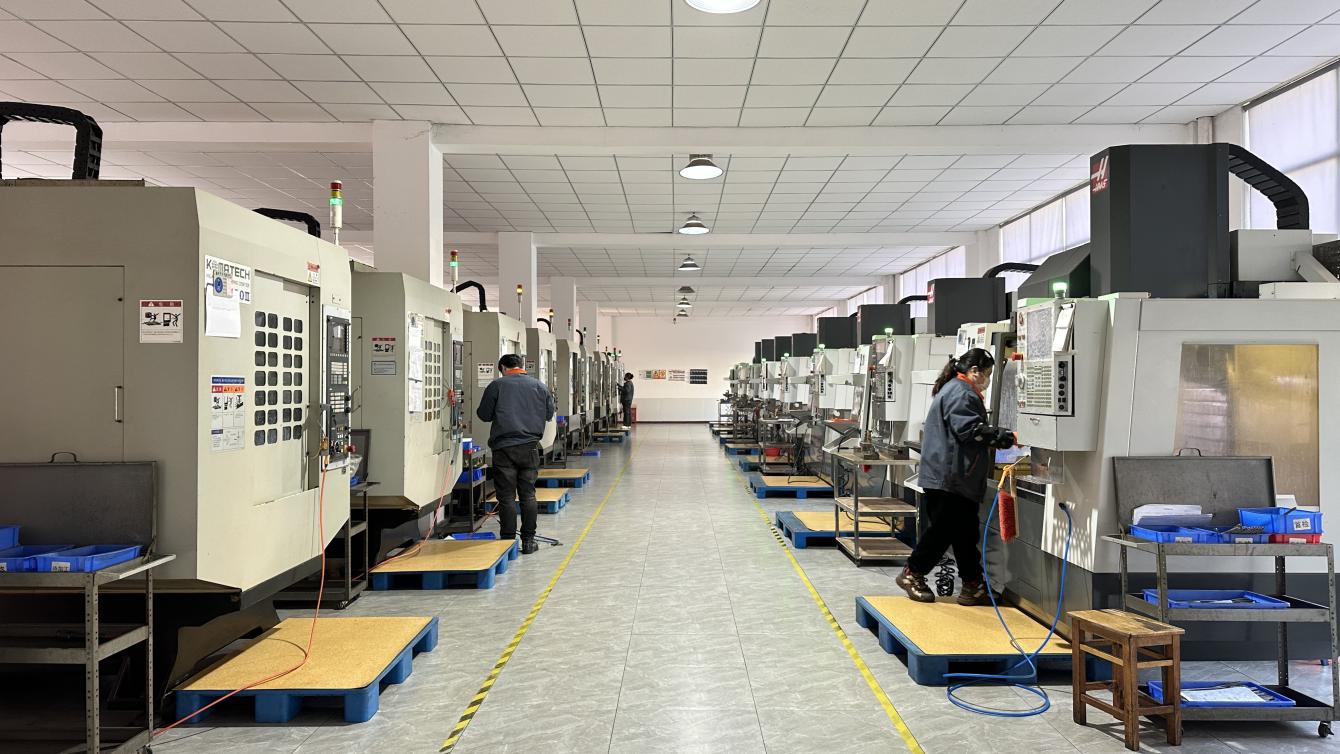
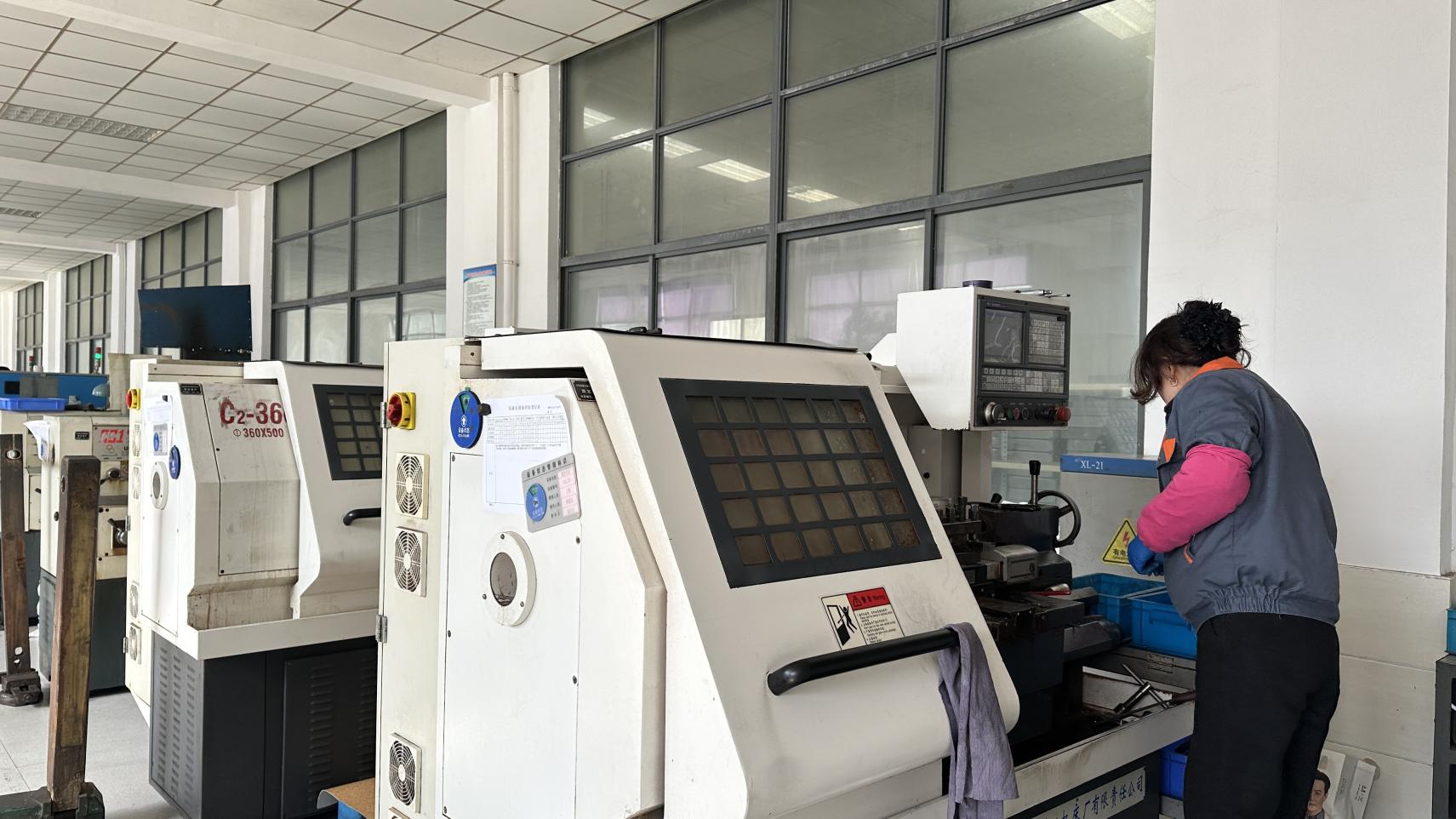
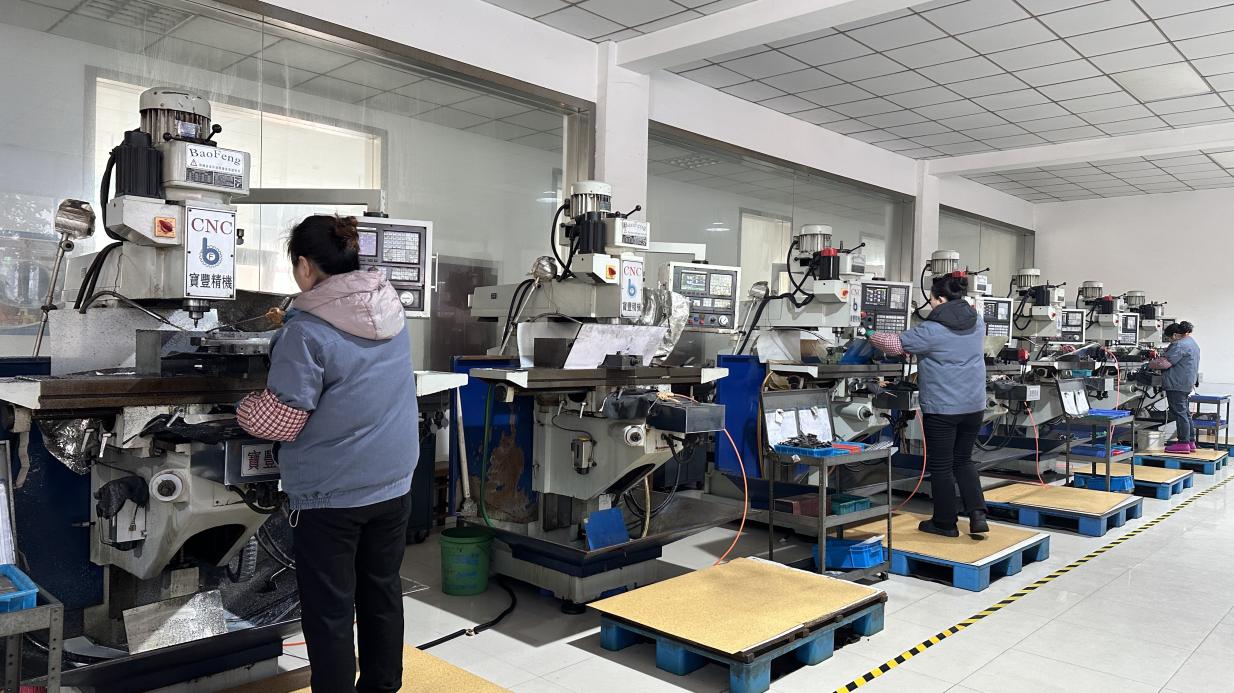
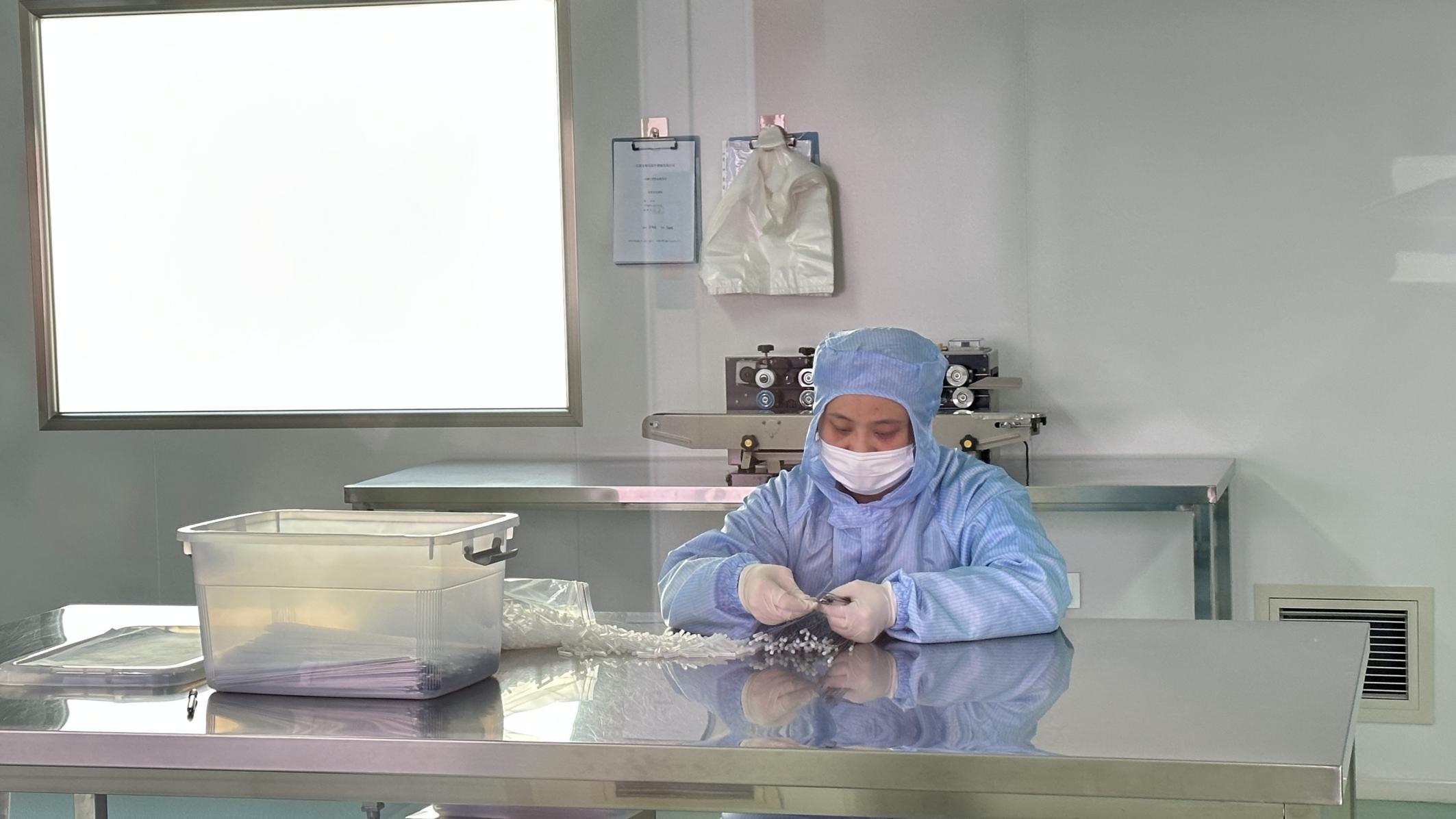
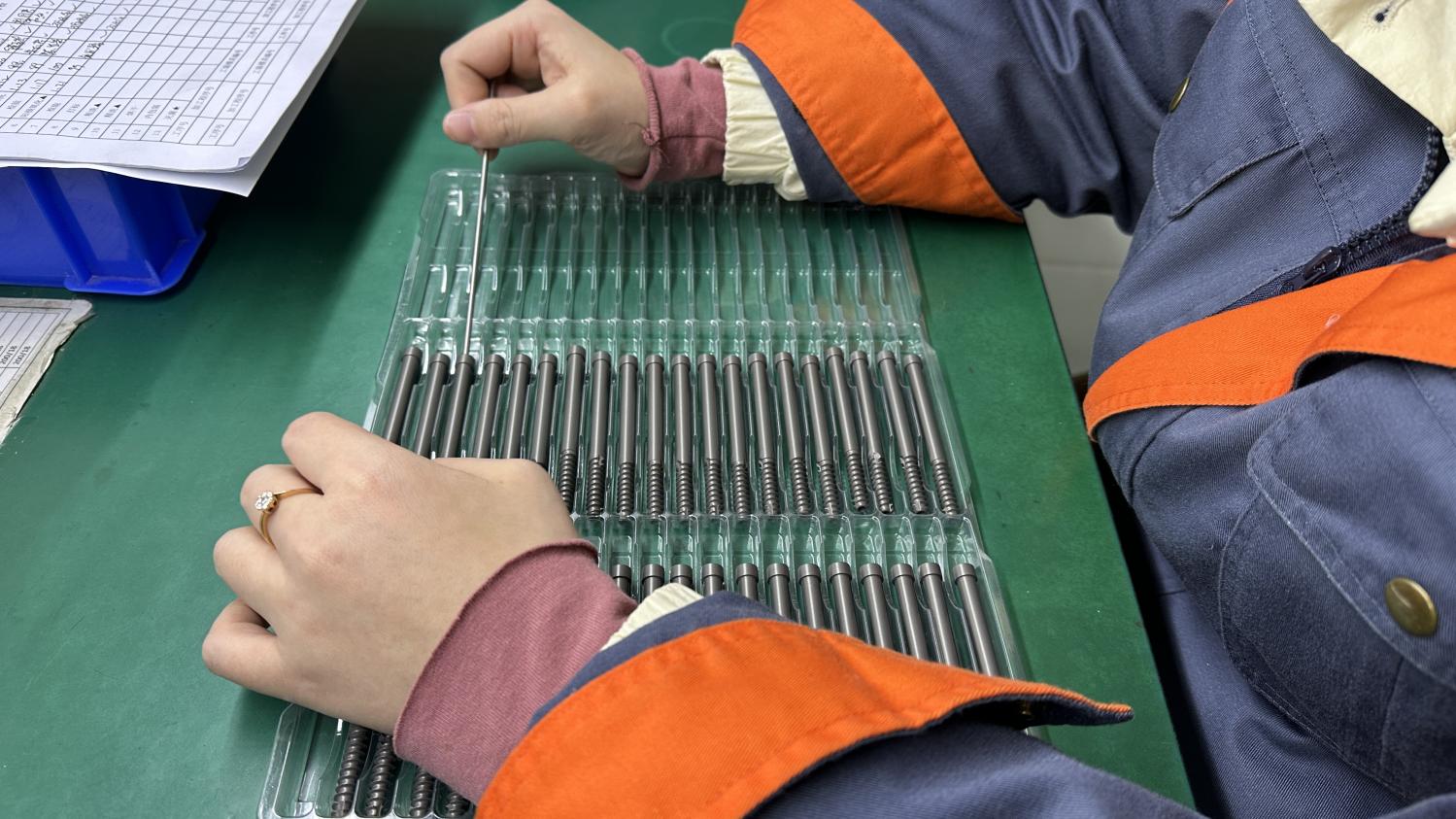
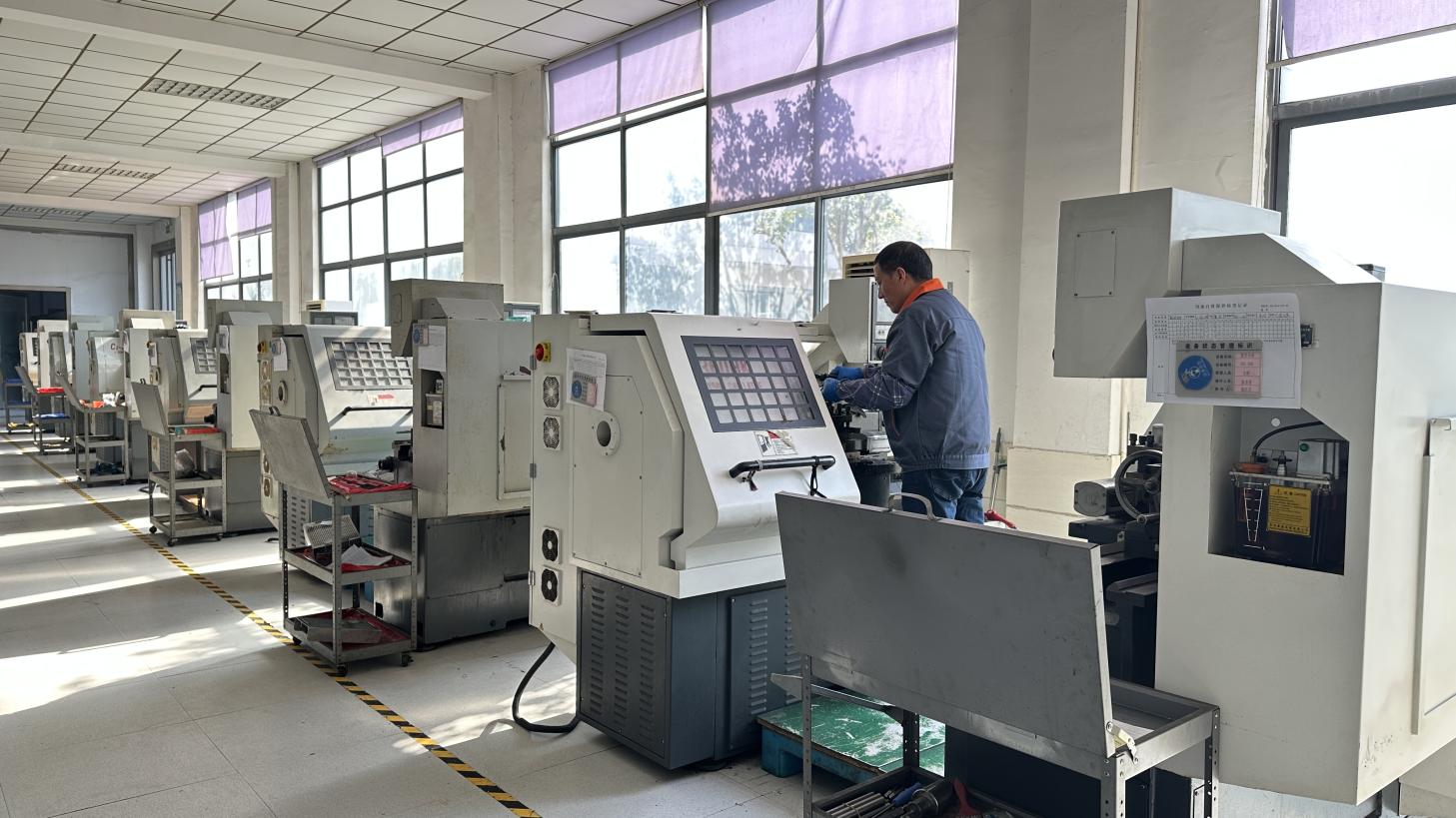
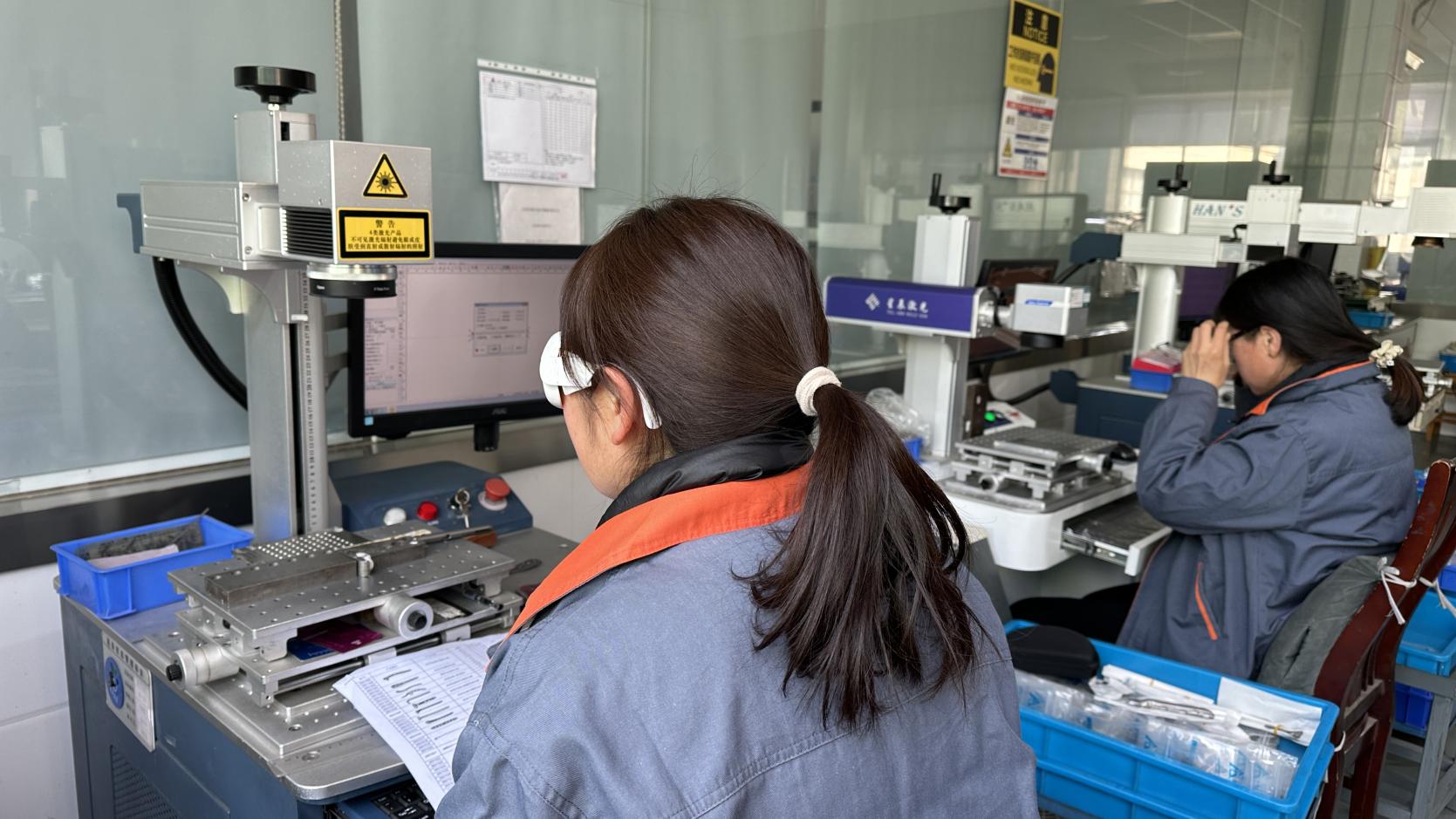
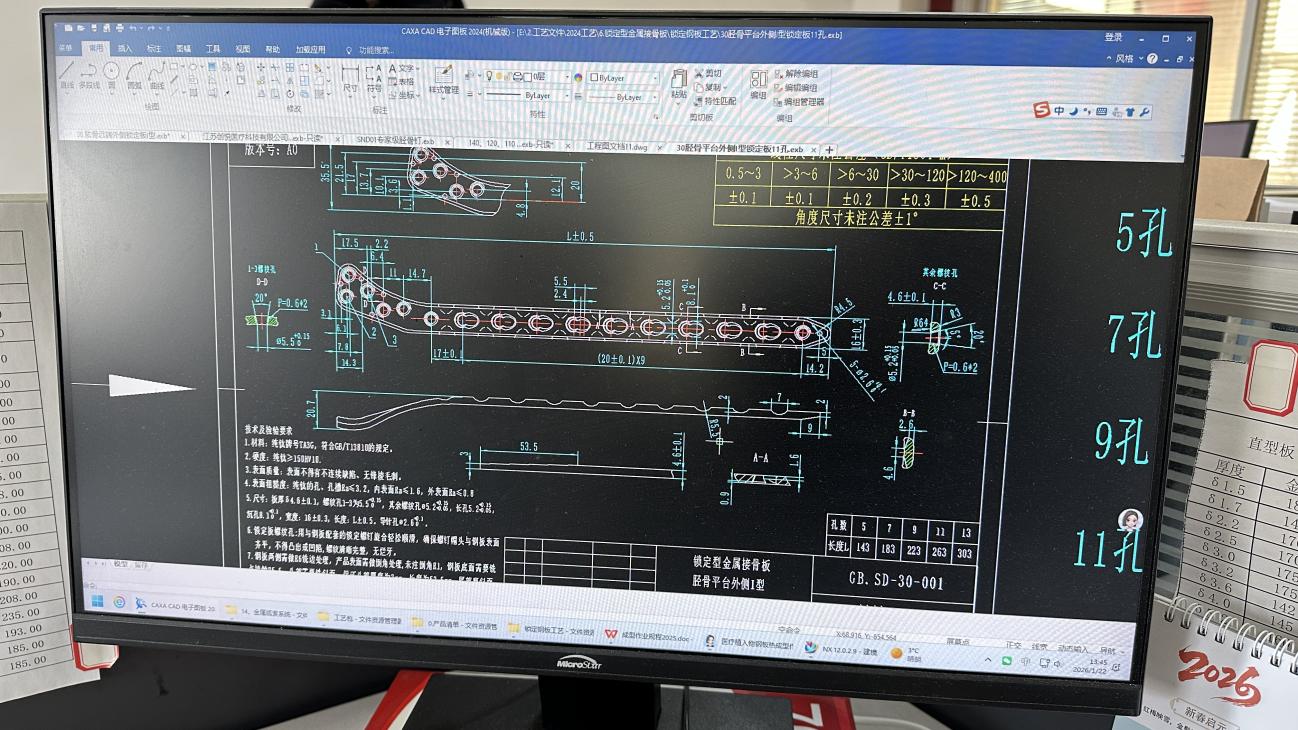
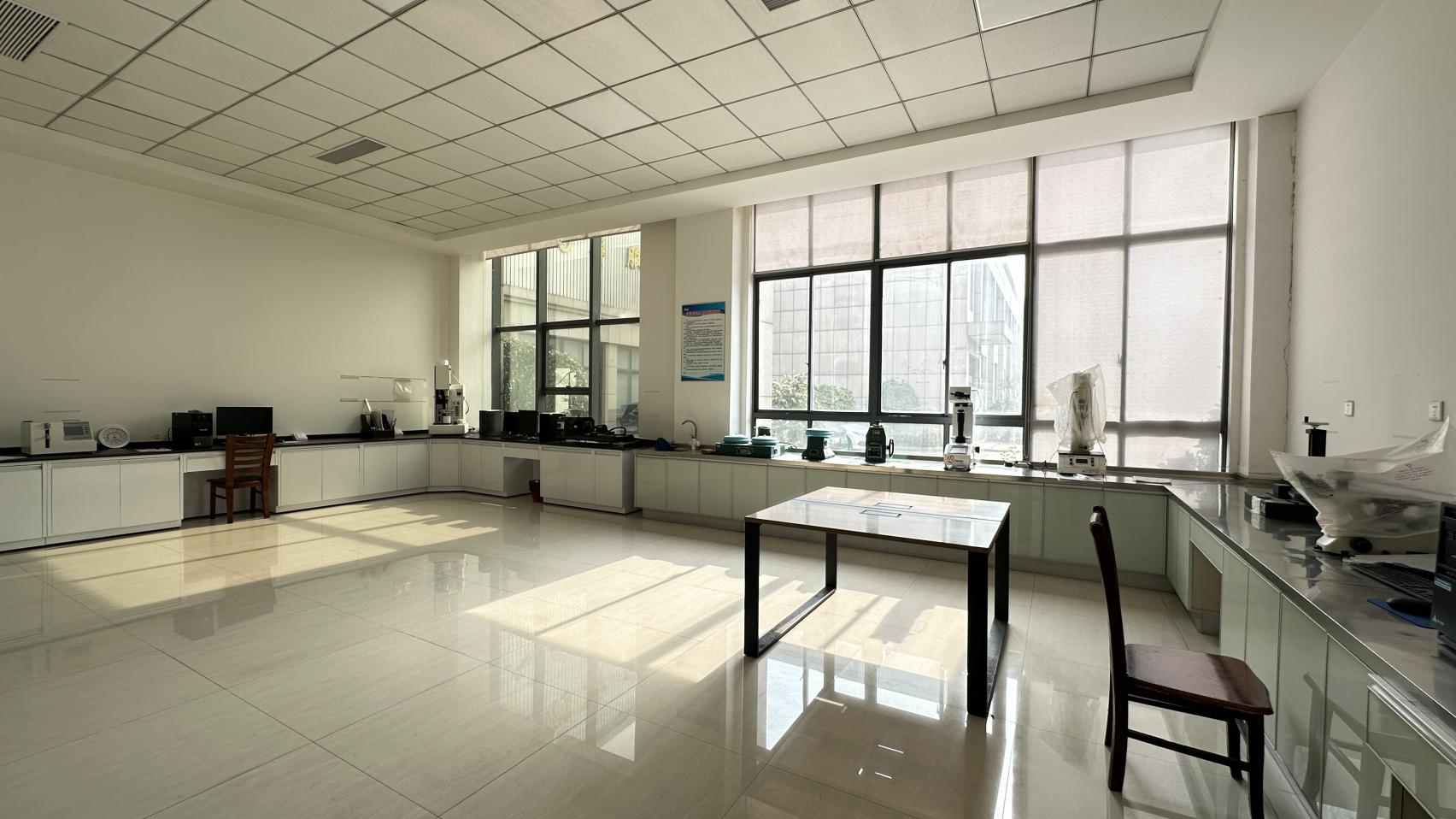
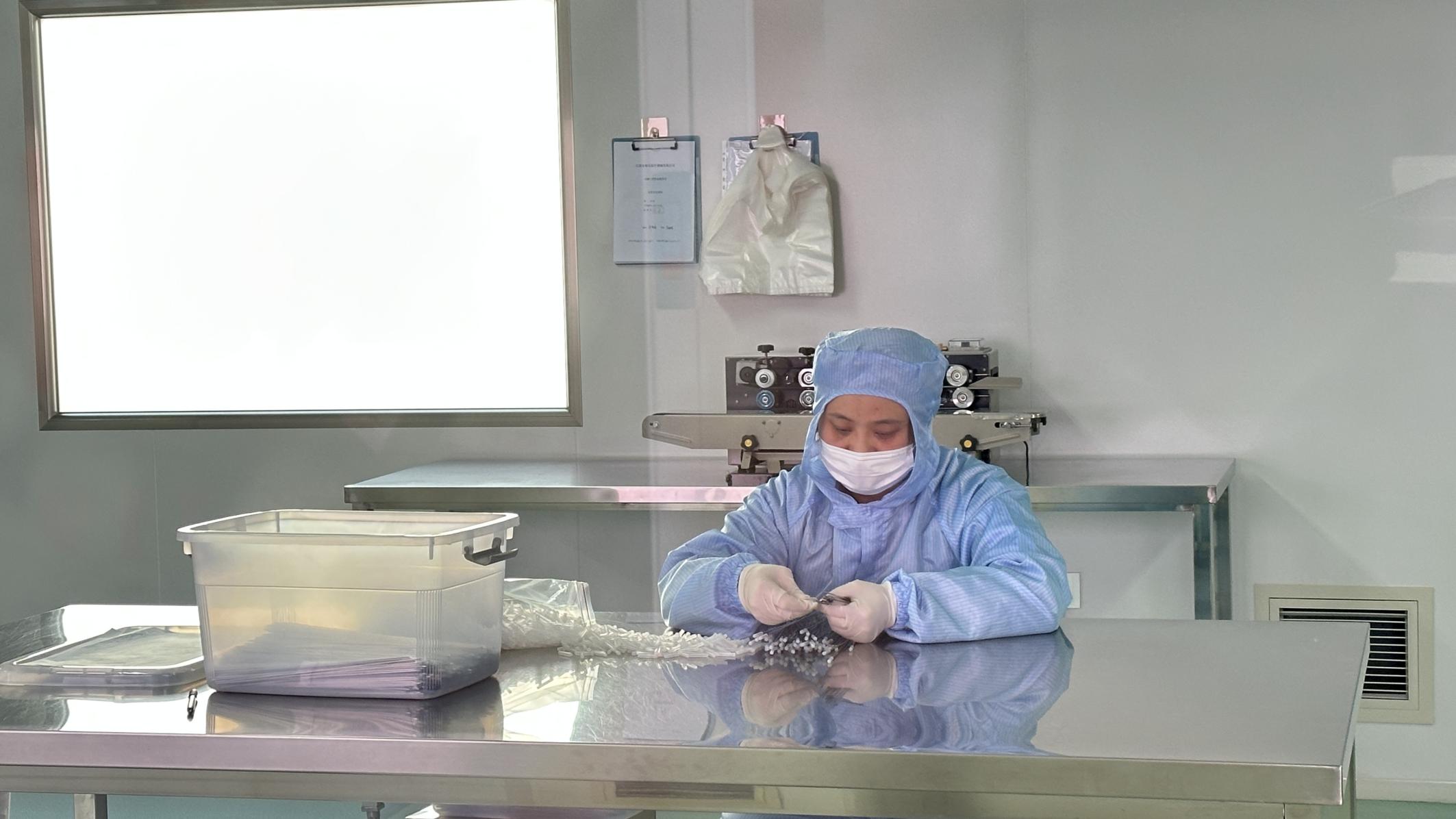
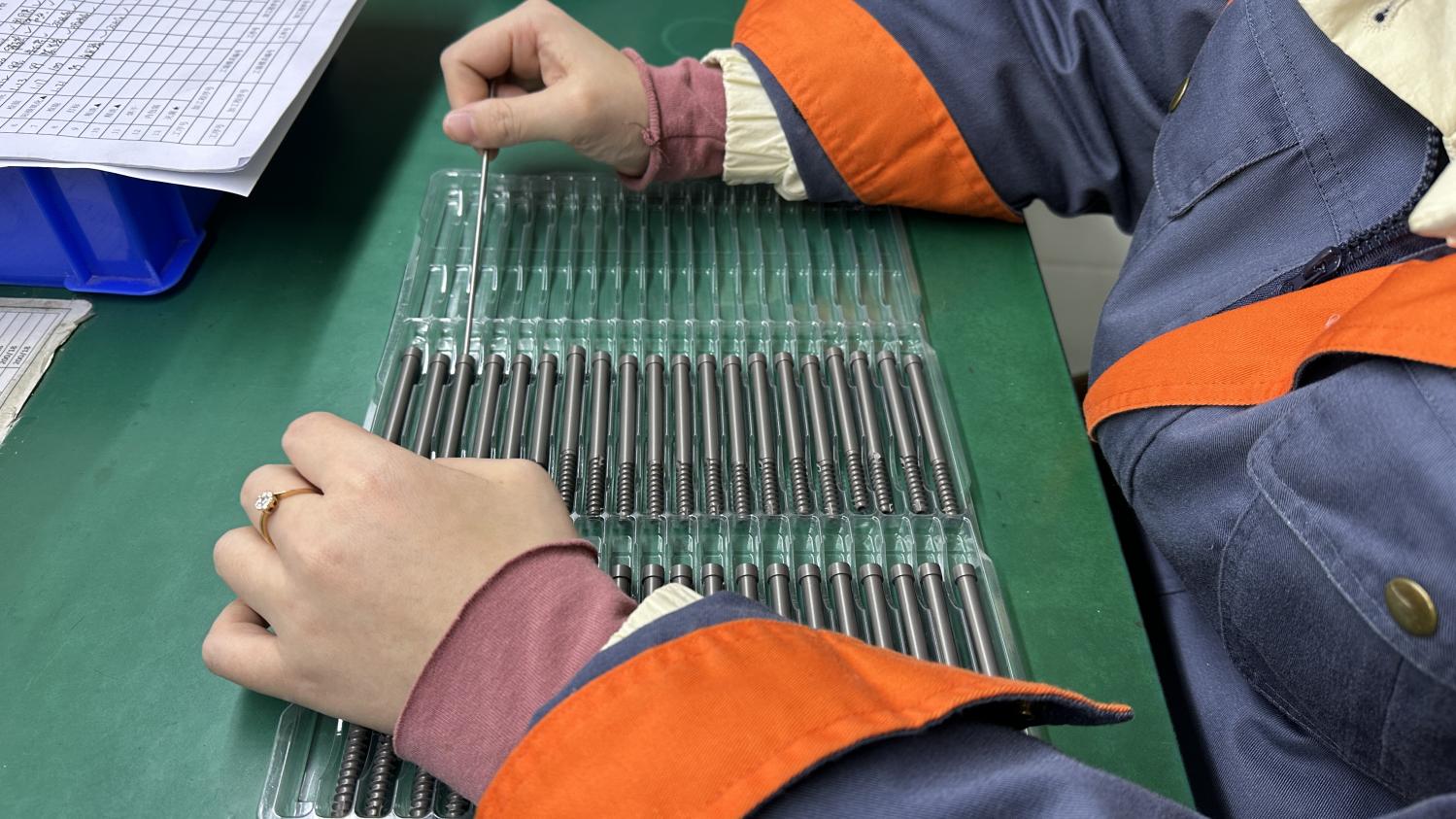
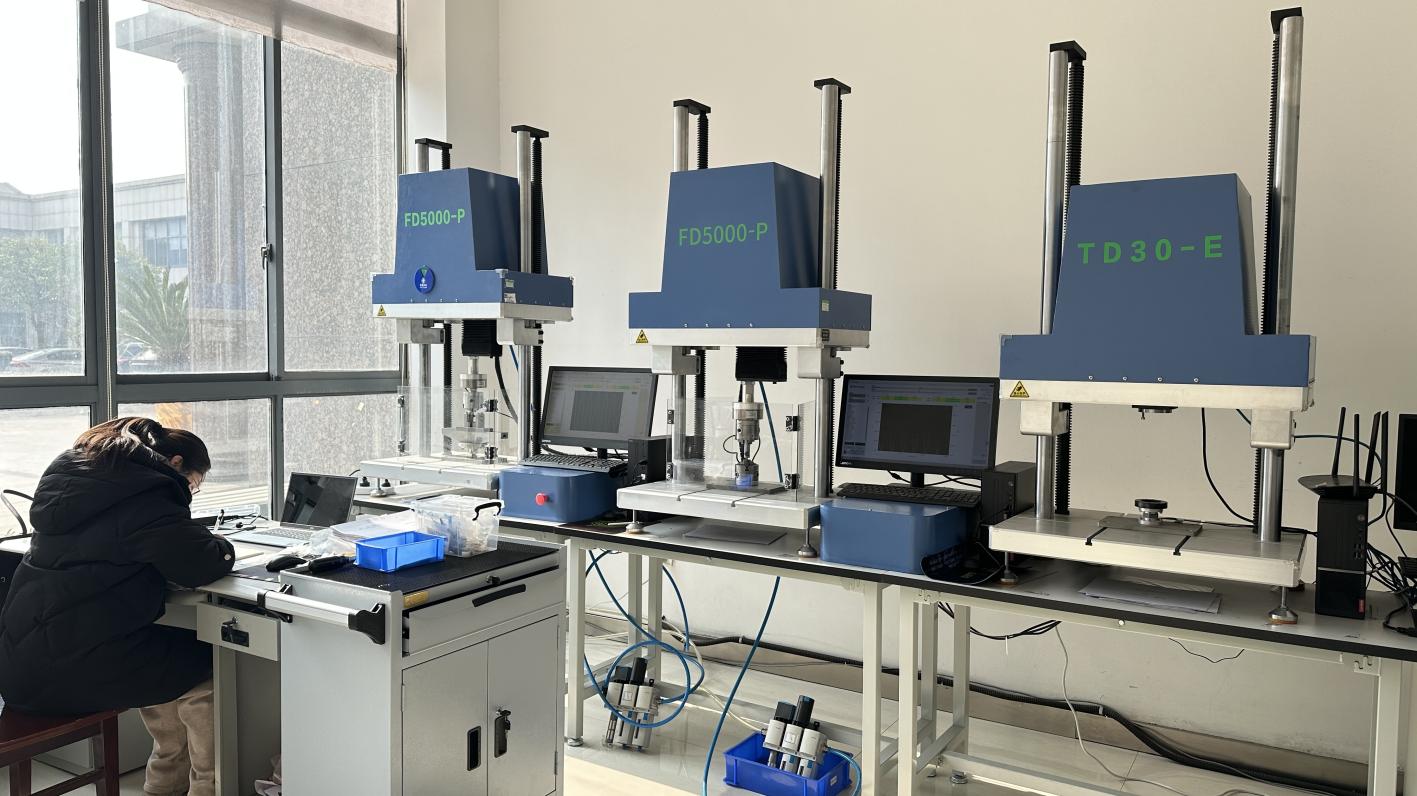
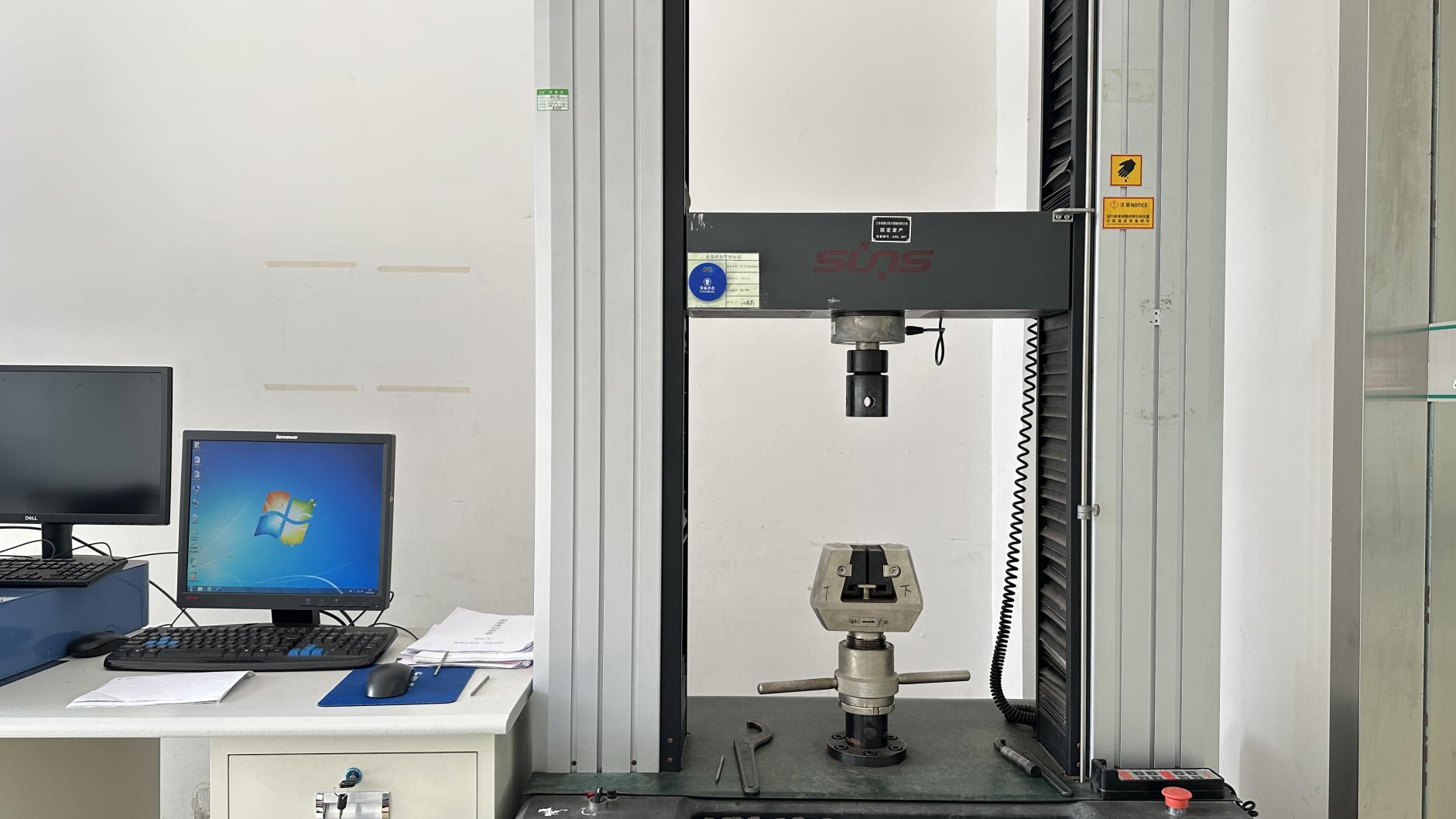
Quality reliability in orthopedic implants depends on meticulous manufacturing step execution. From raw bar stock selection to automated CNC machining and post-cleaning validation, Virelox maintains an uninterrupted record of trace data, satisfying strict ISO 13485 regulations. Below is the structured manufacturing and metrology process flow within our certified facilities:
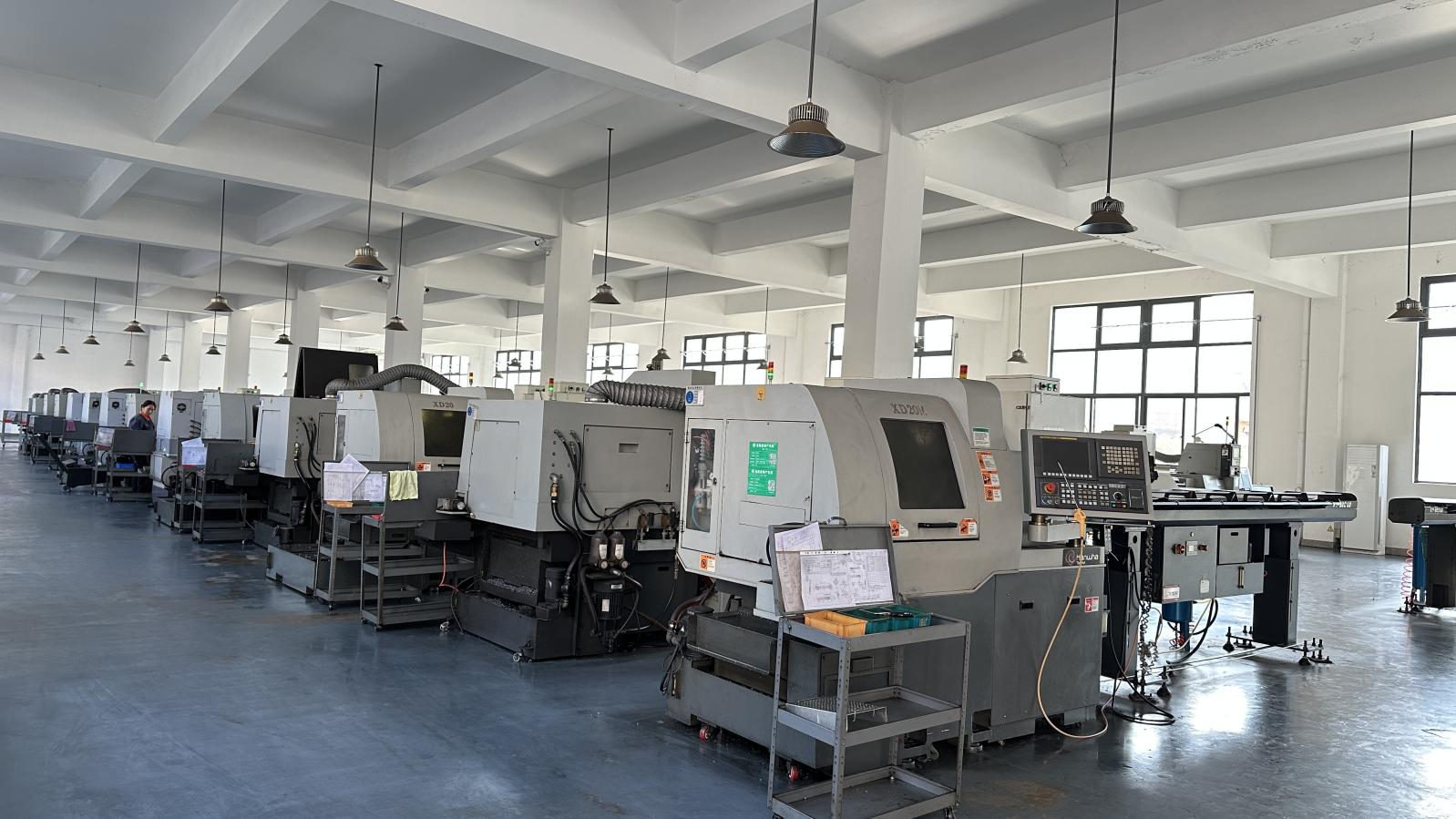
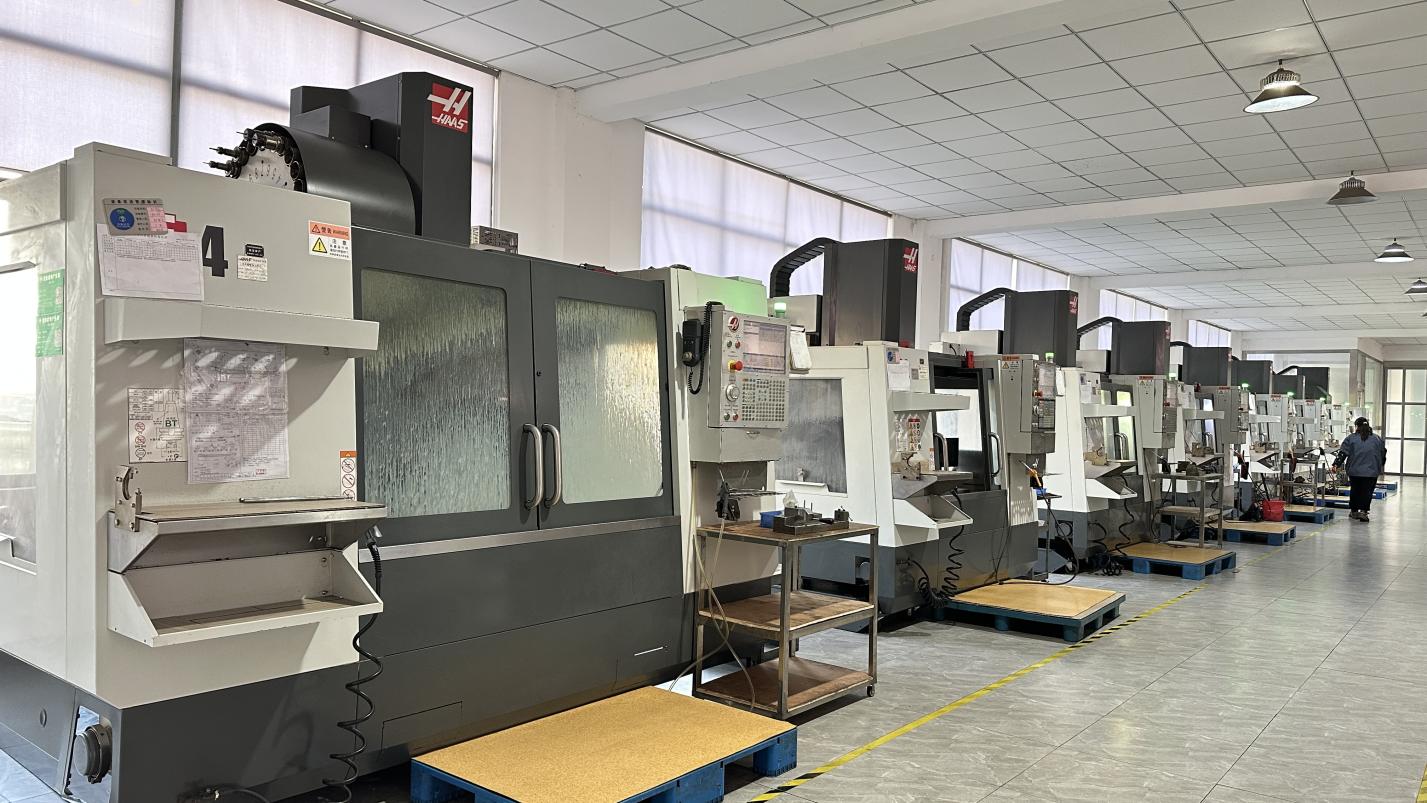
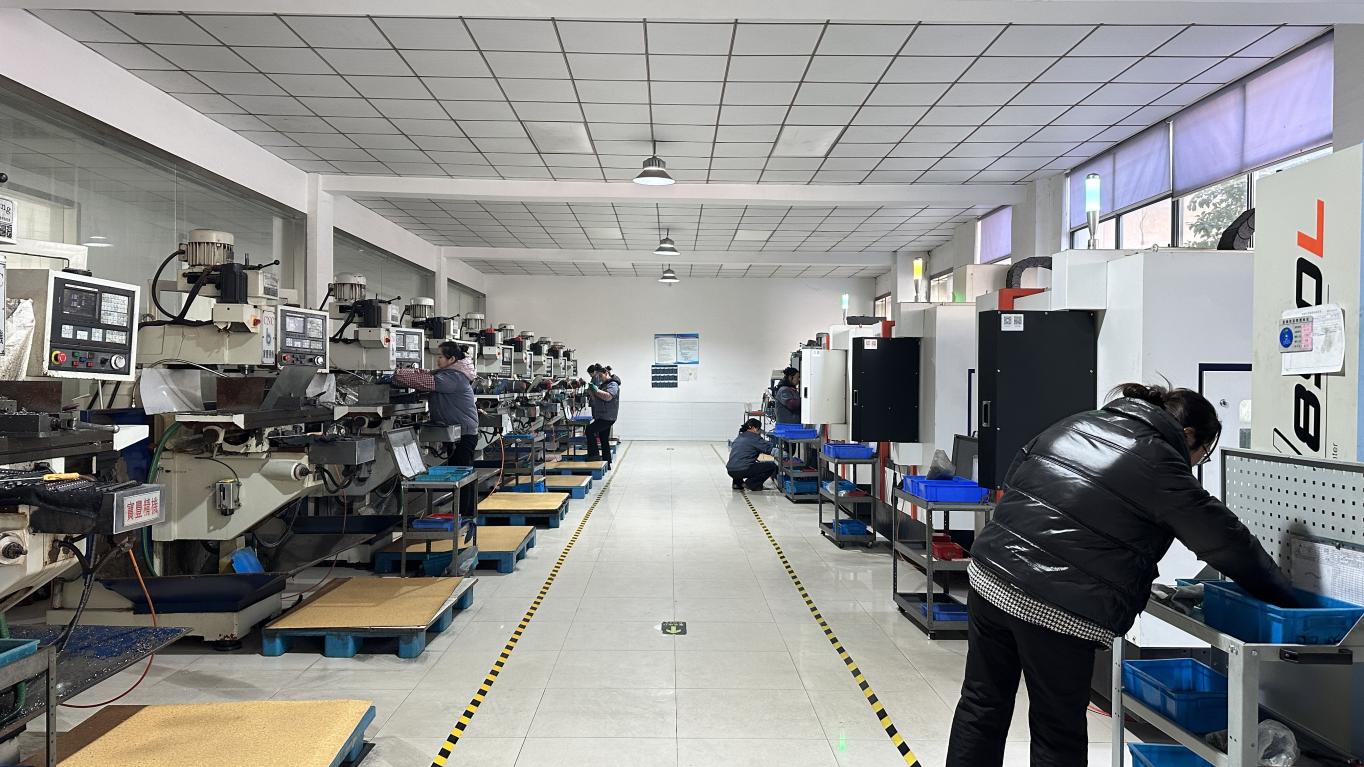
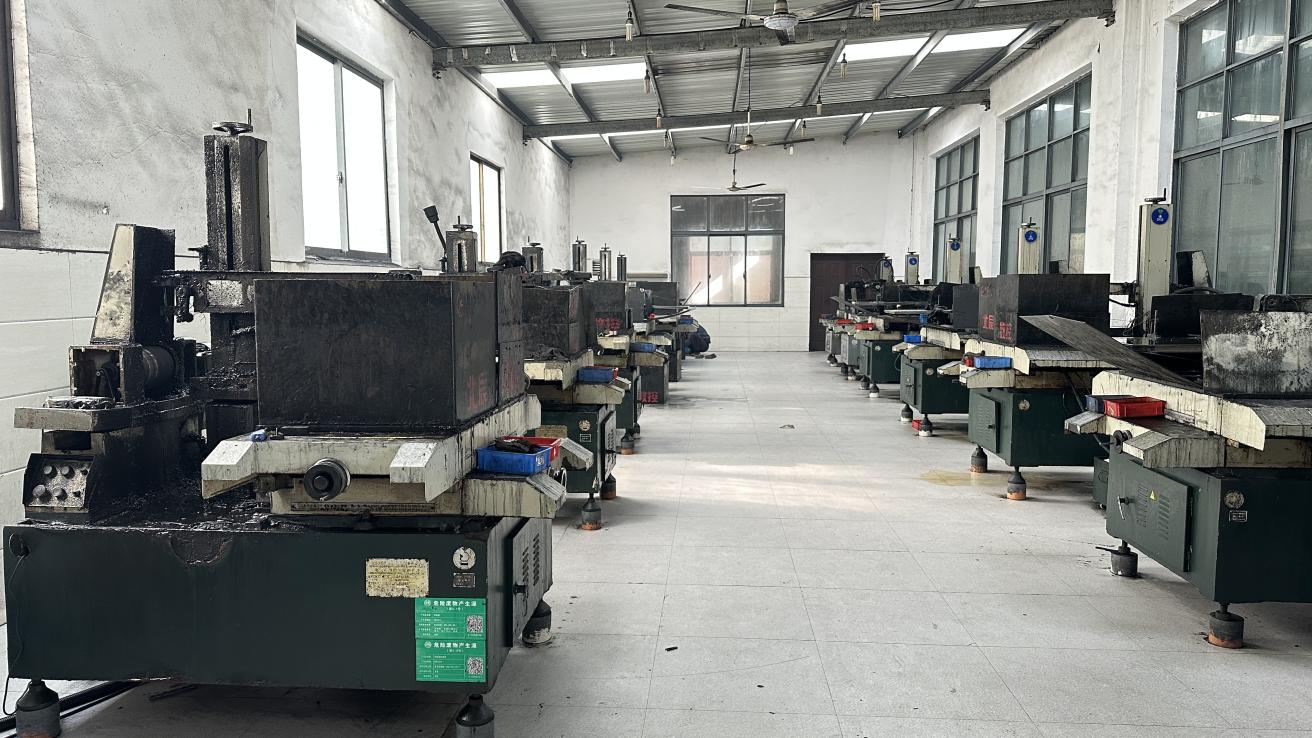
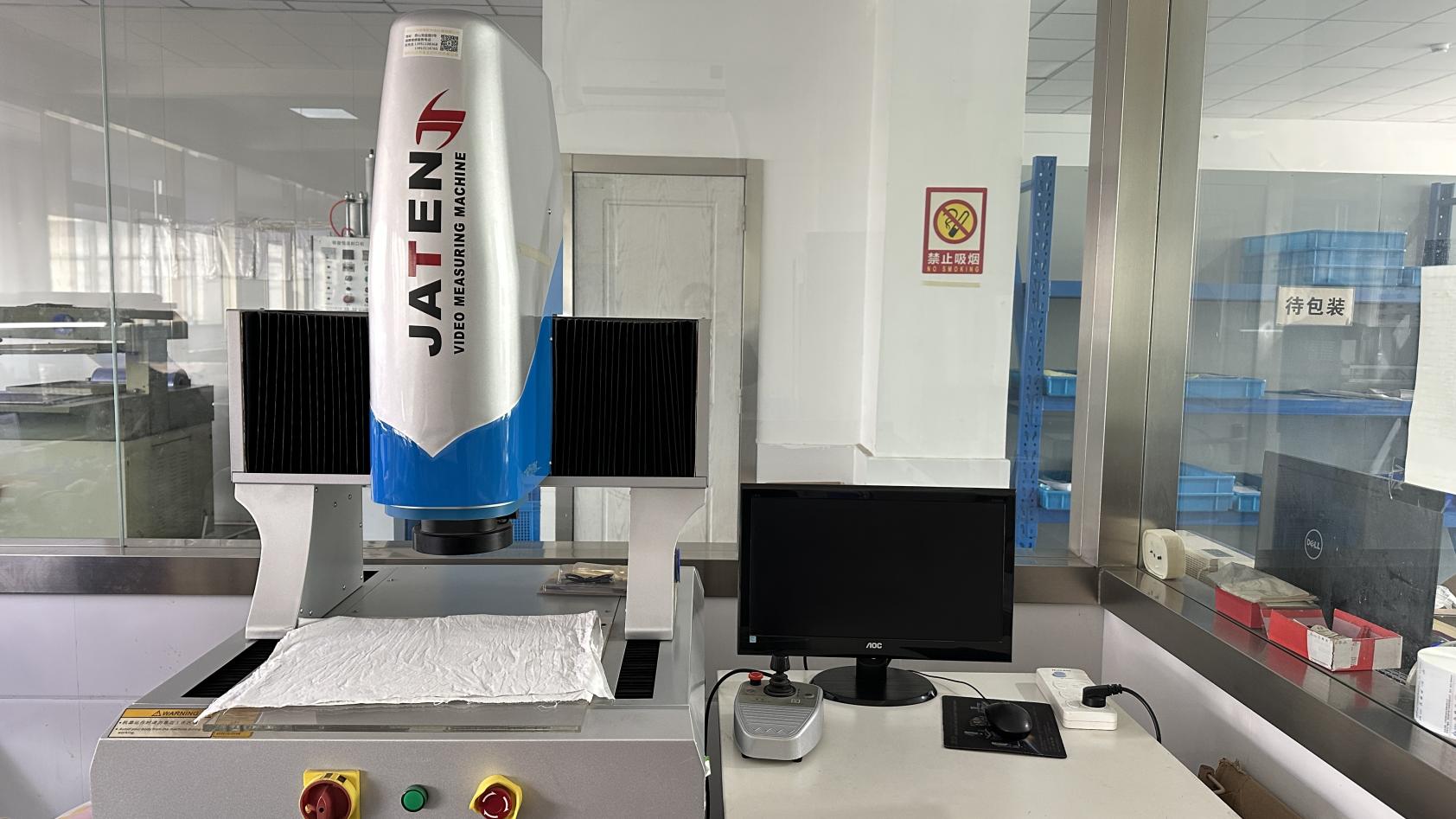
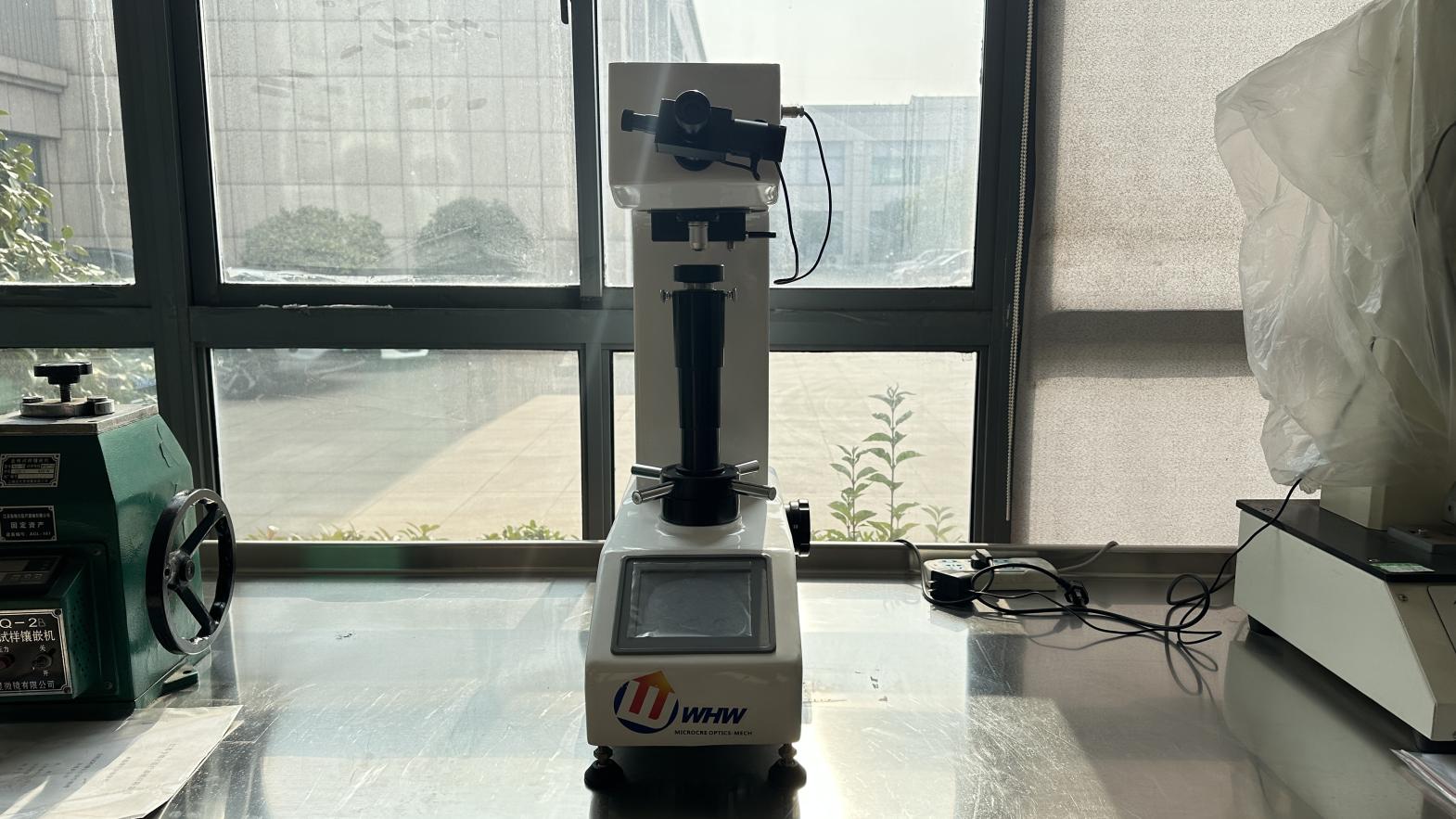
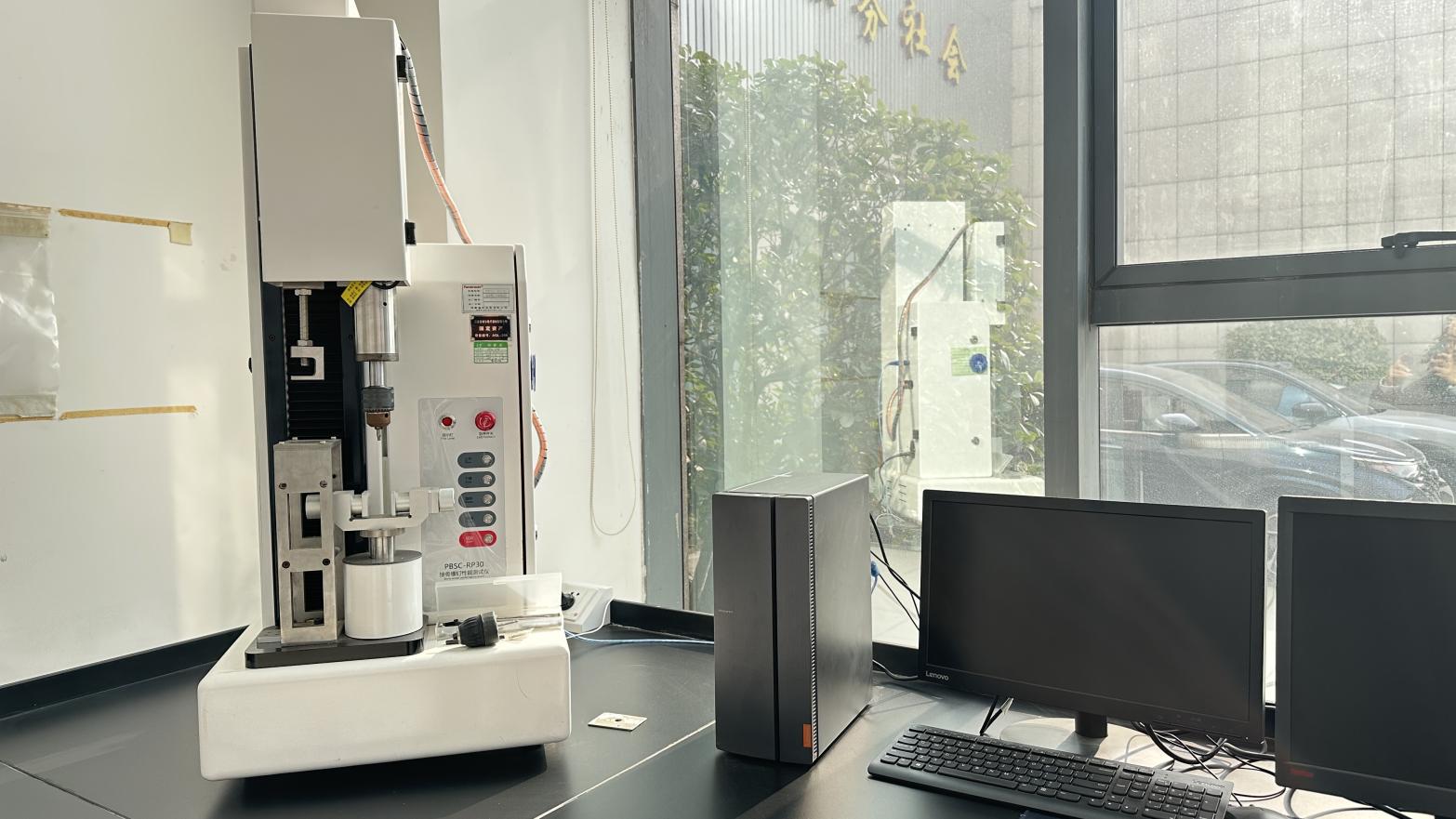
Hospital purchasing groups, GPOs (Group Purchasing Organizations), and global medical device brands face ongoing pressure to optimize orthopedic implant costs without risking clinical outcomes. When sourcing ACL reconstruction systems from China, procurement officers face several key operational concerns:
Medical implants require high-purity raw materials. High-grade titanium alloy (Ti-6Al-4V ELI conforming to ASTM F136) prevents toxic ion release and ensures high strength-to-weight ratios. Procurement checks must audit direct mill-test certificates (MTC) and trace chemical analyses.
Importing into EU, Latin American, or US regions requires clear regulatory alignment. Manufacturers must hold valid ISO 13485 certifications and provide structured Technical Documentation files that match MDR (EU 2017/745) requirements or FDA 510(k) standards.
High surgical volumes require consistent, reliable inventory replenishment. China factories must prove they can scale production through automated CNC cell integration, reducing manufacturing variations while keeping lead times under 30 to 45 days.
Modern ACL buttons have evolved from static, fixed-loop systems to adjustable-loop constructs. Adjustability allows surgeons to pull the graft tight and fill the femoral bone tunnel, improving graft-to-bone contact area. The design focuses on minimizing suture creep (structural elongation under cyclic loads), which is a common cause of reconstruction surgery failure.
| Feature Parameter | Fixed Loop Button Design | Adjustable Loop Button Design | Virelox Engineering Standards |
|---|---|---|---|
| Loop Material | Pre-sized UHMWPE braided loops | Continuous braided high-strength UHMWPE | Medical-grade USP Size 5 UHMWPE braided yarn |
| Titanium Plate Alloy | Ti-6Al-4V / Ti Grade 5 | Ti-6Al-4V ELI (ASTM F136) | ASTM F136 Grade 23 (Extra Low Interstitial) |
| Cyclic Displacement | < 1.0 mm (after 1,000 cycles) | < 1.5 mm (after 1,000 cycles) | Average < 0.85 mm under dynamic 50N-250N load tests |
| Ultimate Tensile Strength | > 900 N | > 1100 N | Tested pull-out force exceeding 1250 N |
| Tunnel Dynamic Fit | Requires precise pre-operative sizing | Adapts intraoperatively to any tunnel length | Zero-loop option for maximum bone tunnel graft fills |
Virelox's engineering lab uses dynamic testing machines to verify that each production batch resists loop slippage and material deformation. This testing simulates post-operative rehabilitation forces, ensuring stable long-term patient recovery.
Exporting implantable medical devices requires strict compliance with international packaging, cleanroom, and sterilization protocols. Virelox manages these requirements through a comprehensive regulatory support program:
Products are packed in medical-grade Tyvek blister pouches inside ISO Class 7 cleanrooms, protecting the implants from particulate contamination prior to sterilization processing.
We provide EO (Ethylene Oxide) or Gamma Irradiation sterilization pathways. Every shipment includes certified sterilization validation labels and dosimetric indicators.
Each delivery includes comprehensive trace files: raw material certificate of analysis, CNC coordinate verification reports, tensile strength test data sheets, and ISO 13485 declarations.
This reference section provides detailed answers to common questions about implant design, material specifications, and regulatory requirements:
 Virelox