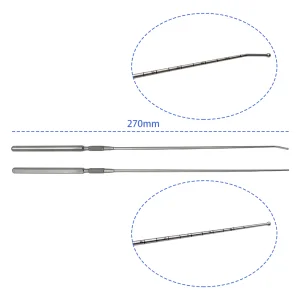
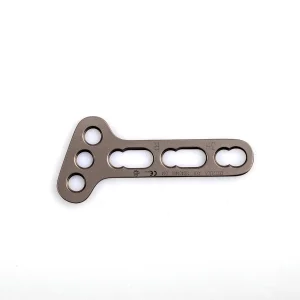
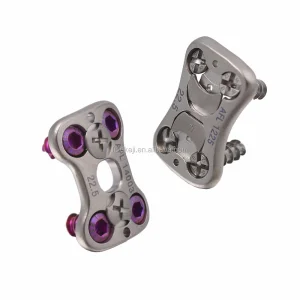
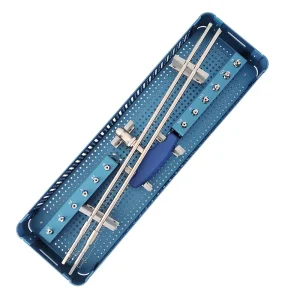
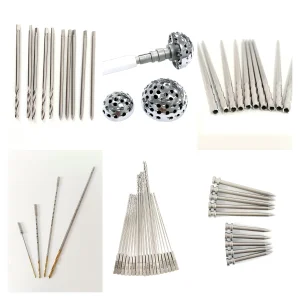
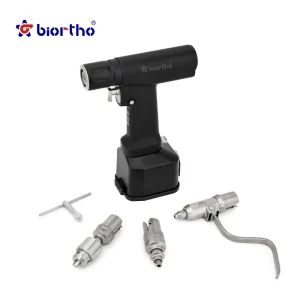
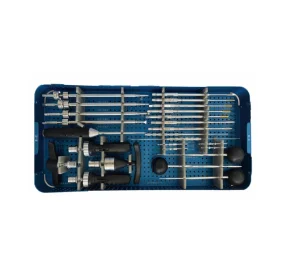
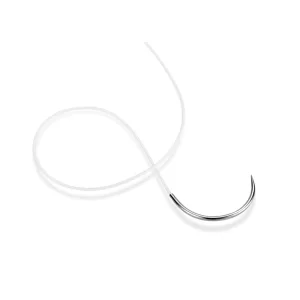
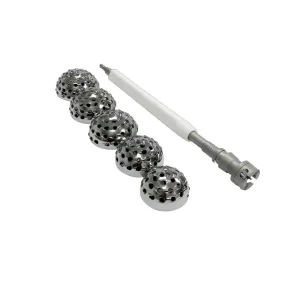
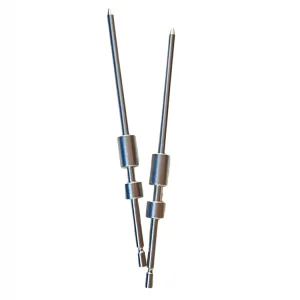
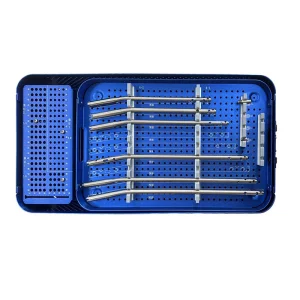
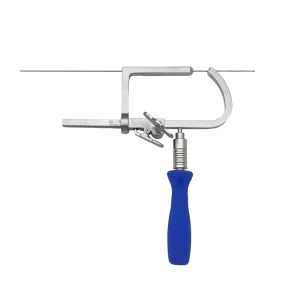
Explore our certified solutions engineered for precision surgical procedures, stabilization, and bone fracture repair.
Historically, the veterinary orthopedic sector adapted human implants to treat animal bone fractures and joint reconstructions. However, physiological differences in canine, feline, and equine biomechanics, load distributions, and bone densities often led to high implant failure rates. Today, the global veterinary orthopedic implant landscape is characterized by a major shift toward species-specific engineering.
Rapidly rising companion animal ownership, coupled with advanced diagnostics like MRI and CT in veterinary medicine, has spurred demand for specialized implants. Modern veterinary clinics require TPLO (Tibial Plateau Leveling Osteotomy) plates, variable-angle locking plates, and custom-designed joint prostheses to address complex pathologies. Industry growth is driven by the clinical need for biocompatible materials that reduce healing time, resist corrosion, and mitigate infection risks.
A premier orthopedic manufacturer specializing in high-performance joint replacement and precision surgical implant systems.
Operating under the brand Virelox, Virelox Medical Devices Co., Ltd. is committed to delivering state-of-the-art orthopedic systems. Backed by 10 years of industry experience and 8 years of export expertise, our products serve medical device distributors, hospitals, orthopedic clinics, and international healthcare procurement companies across Europe, Southeast Asia, the Middle East, and South America.
From metallurgical verification to five-axis CNC machining, our facility maintains rigorous ISO 13485:2016 compliance.
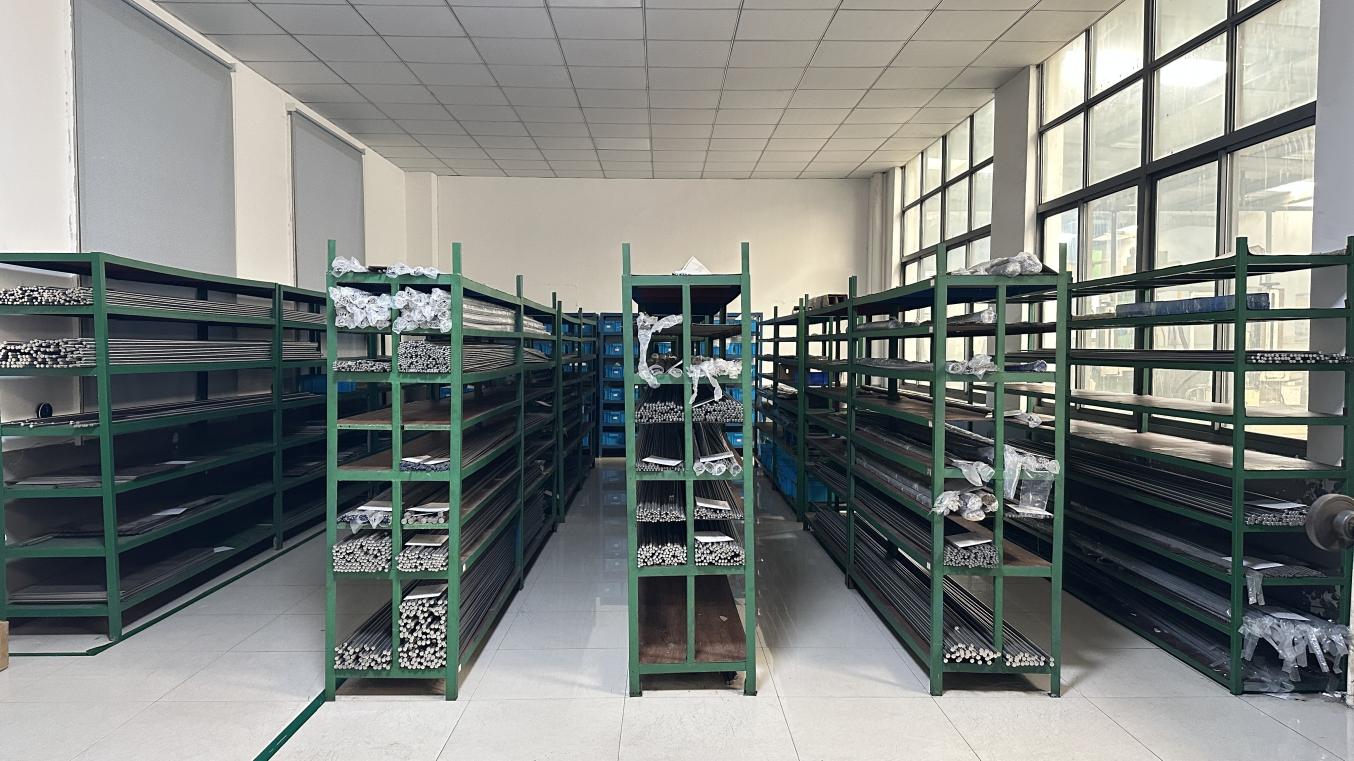
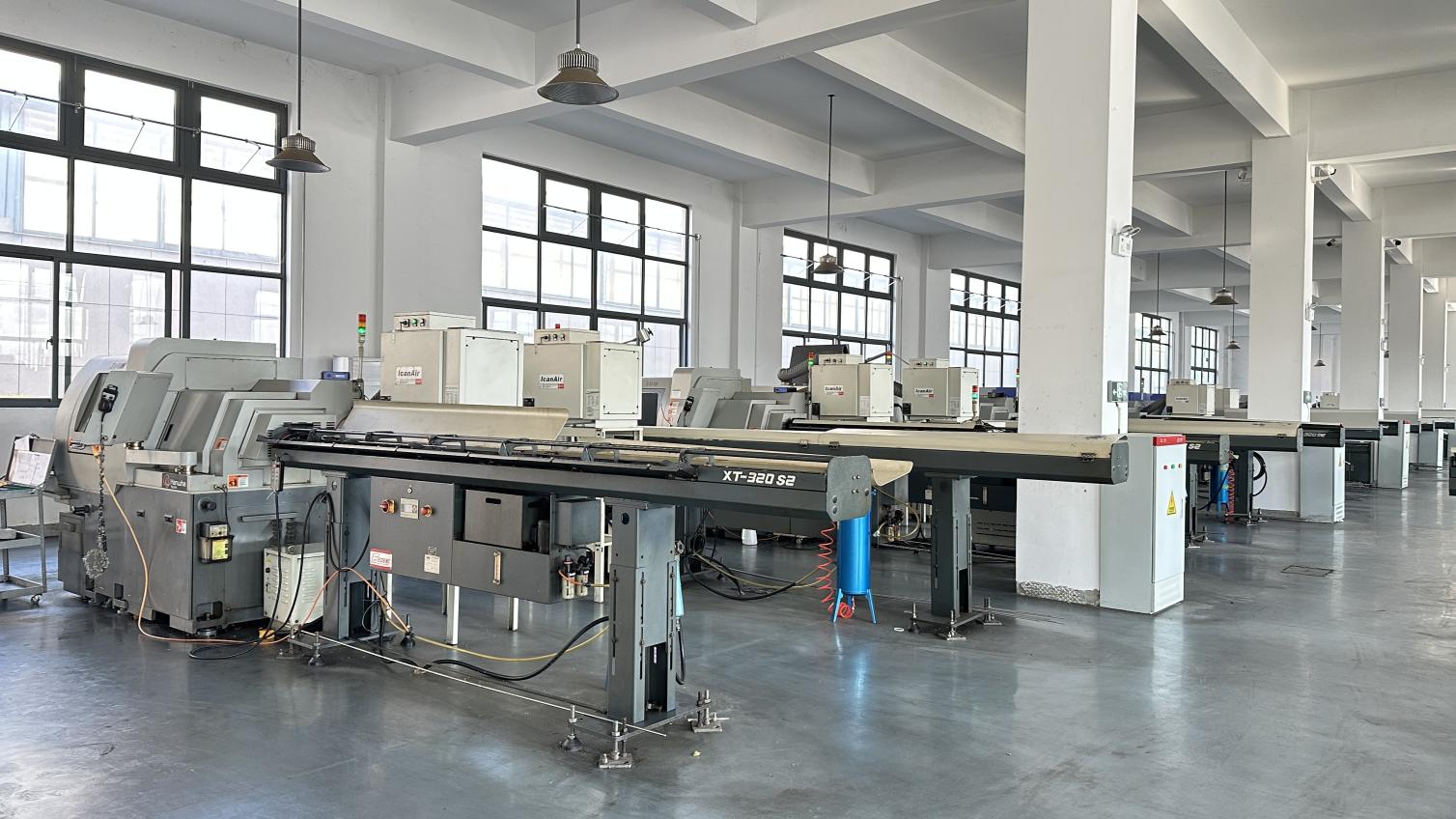
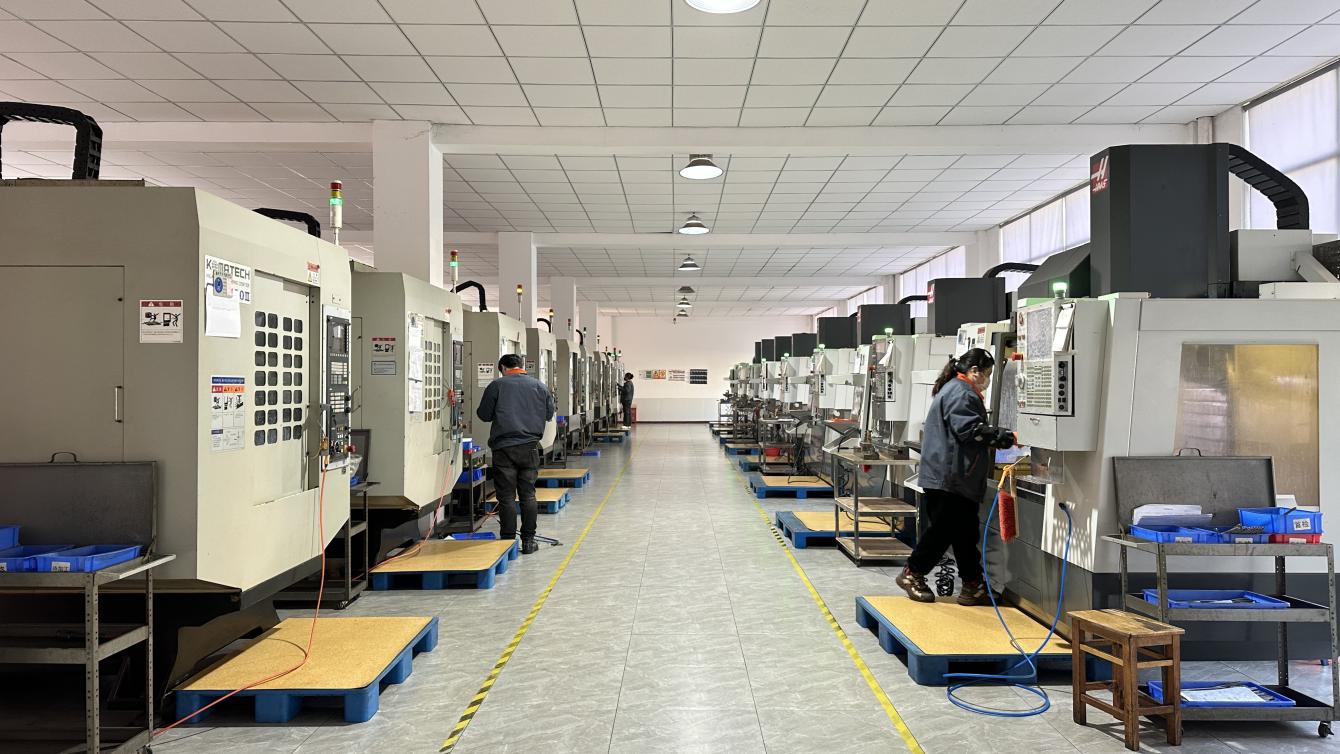
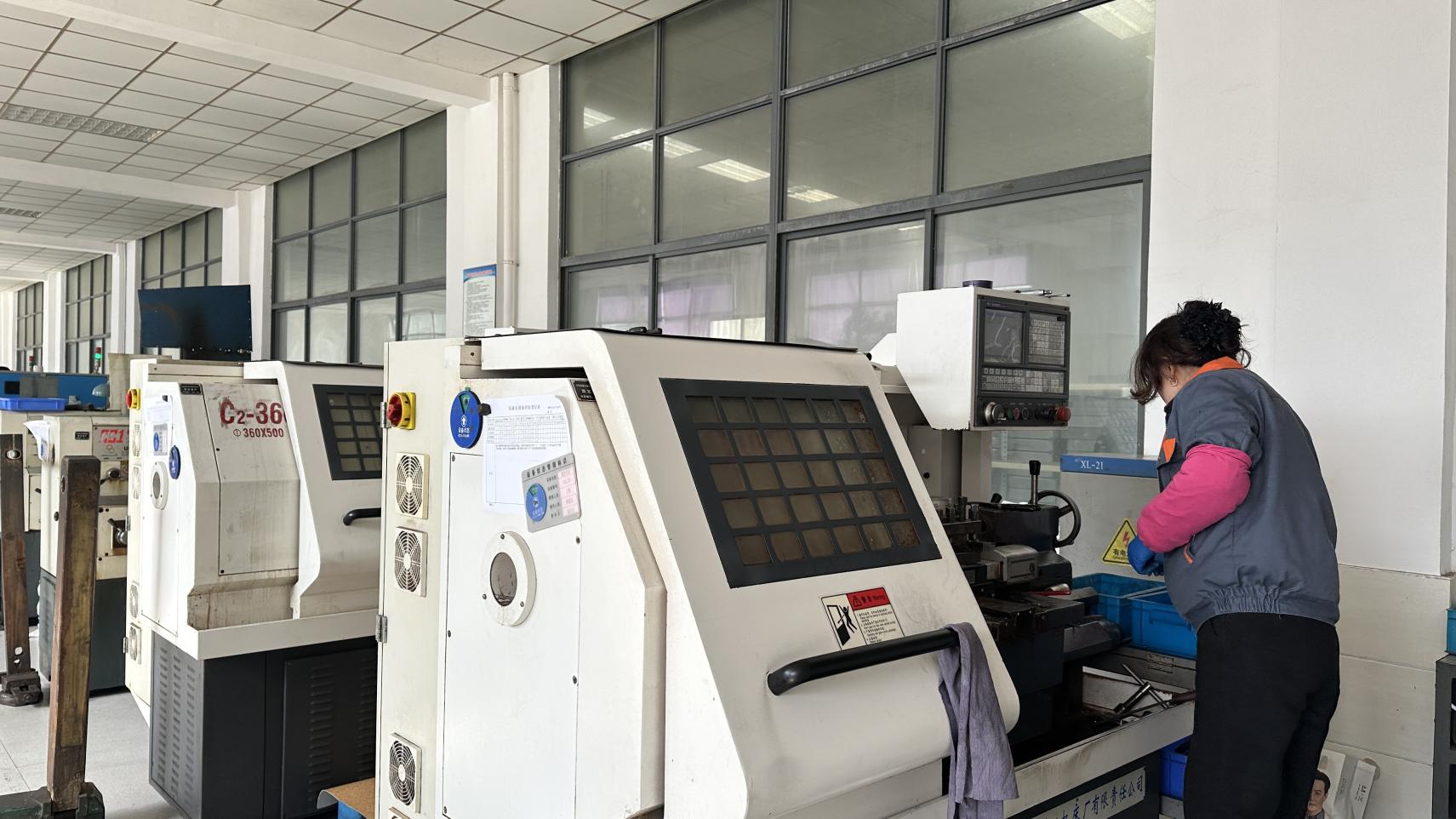
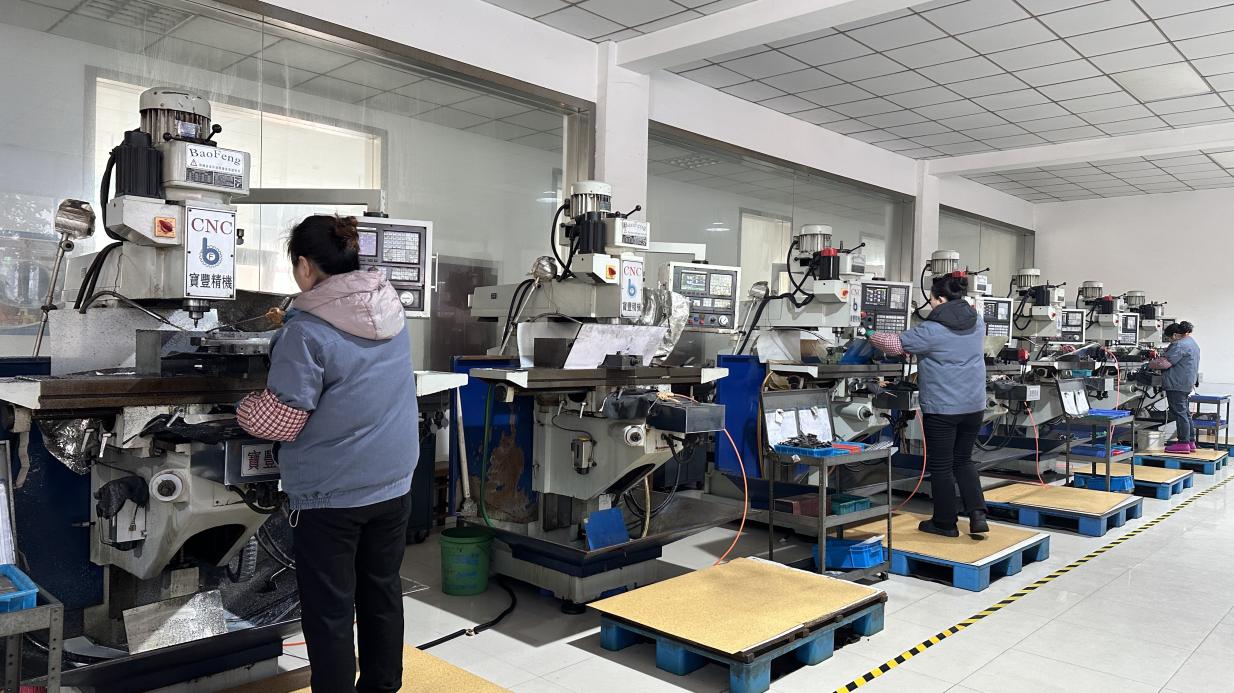
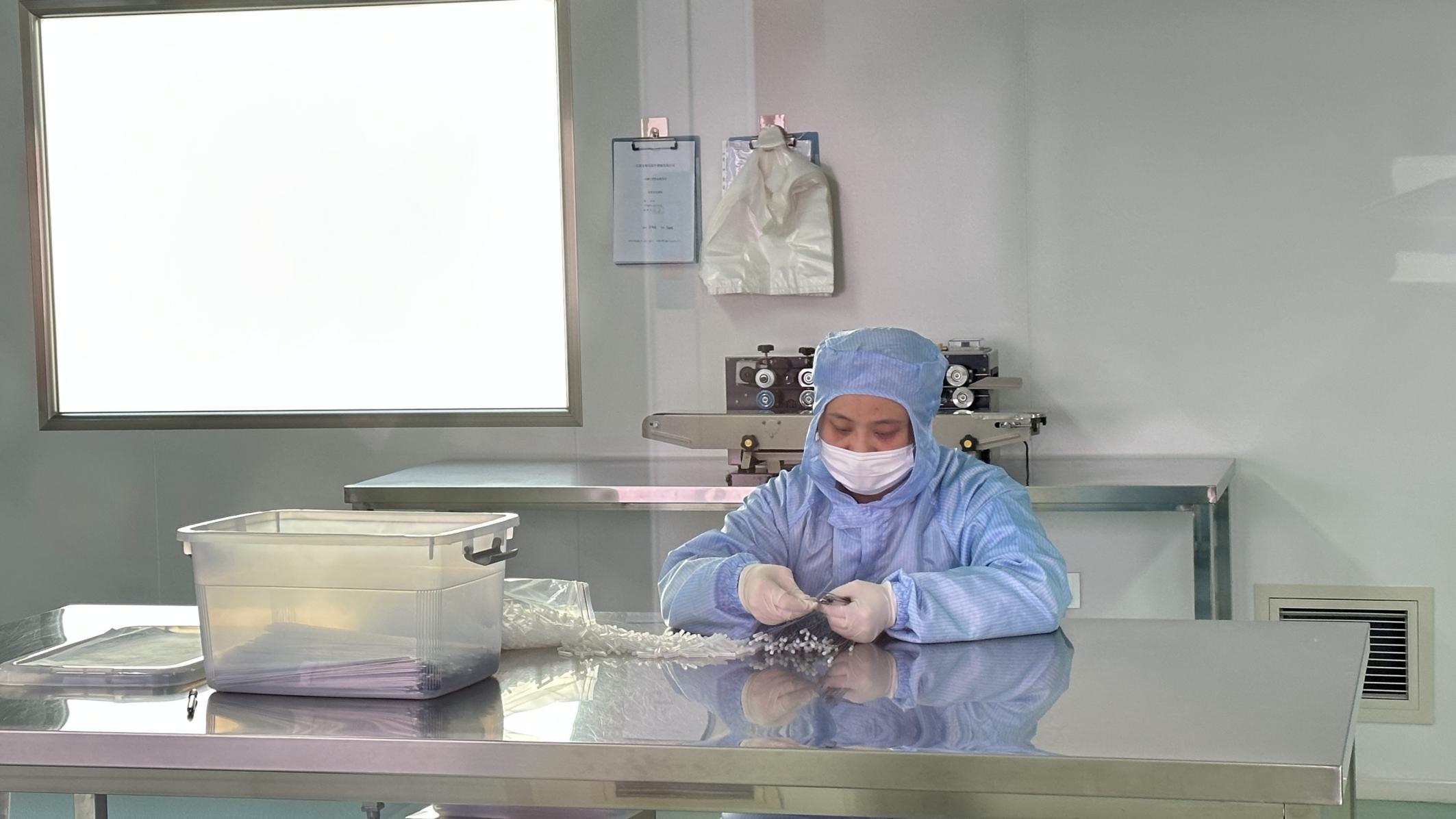
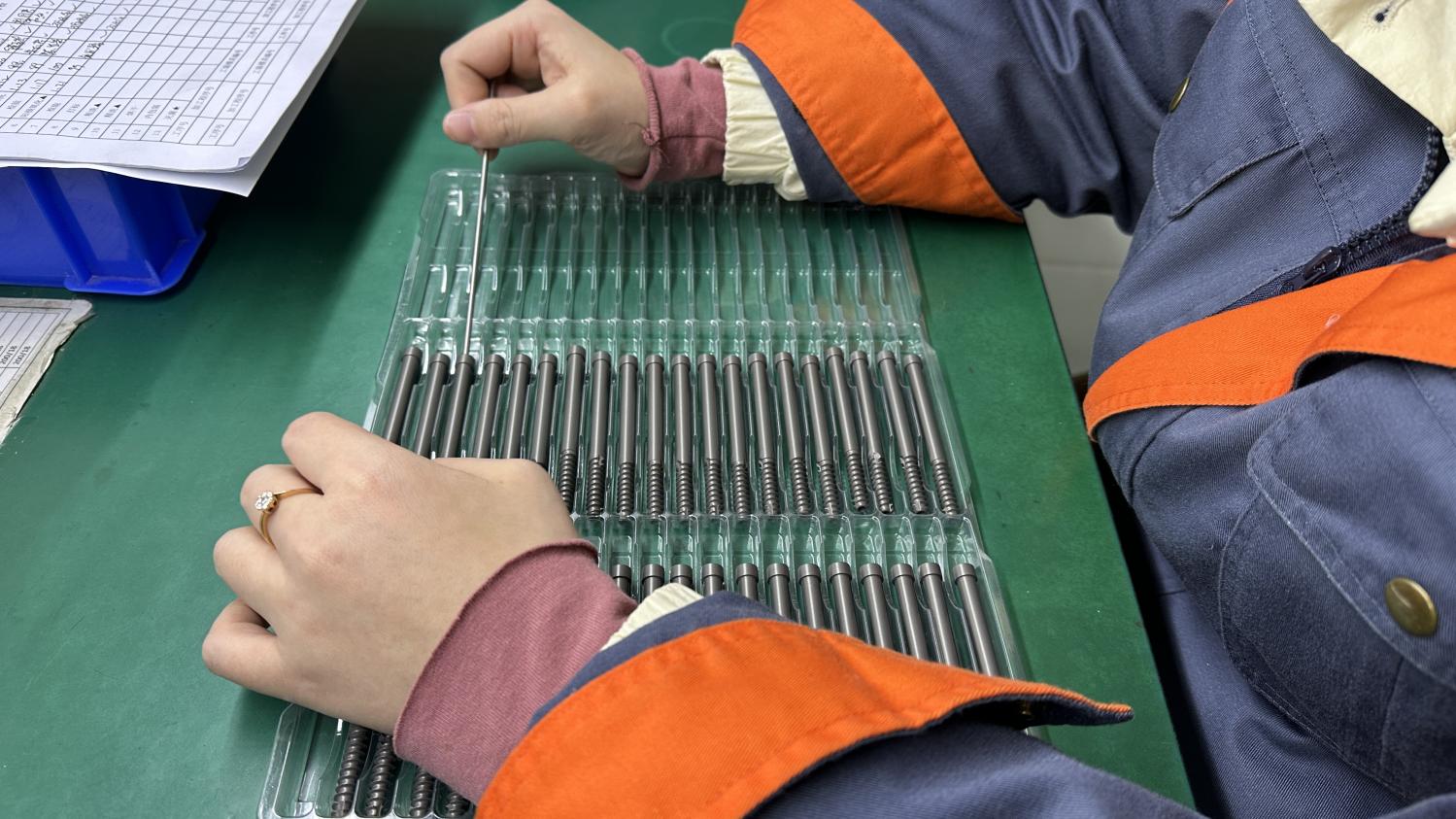
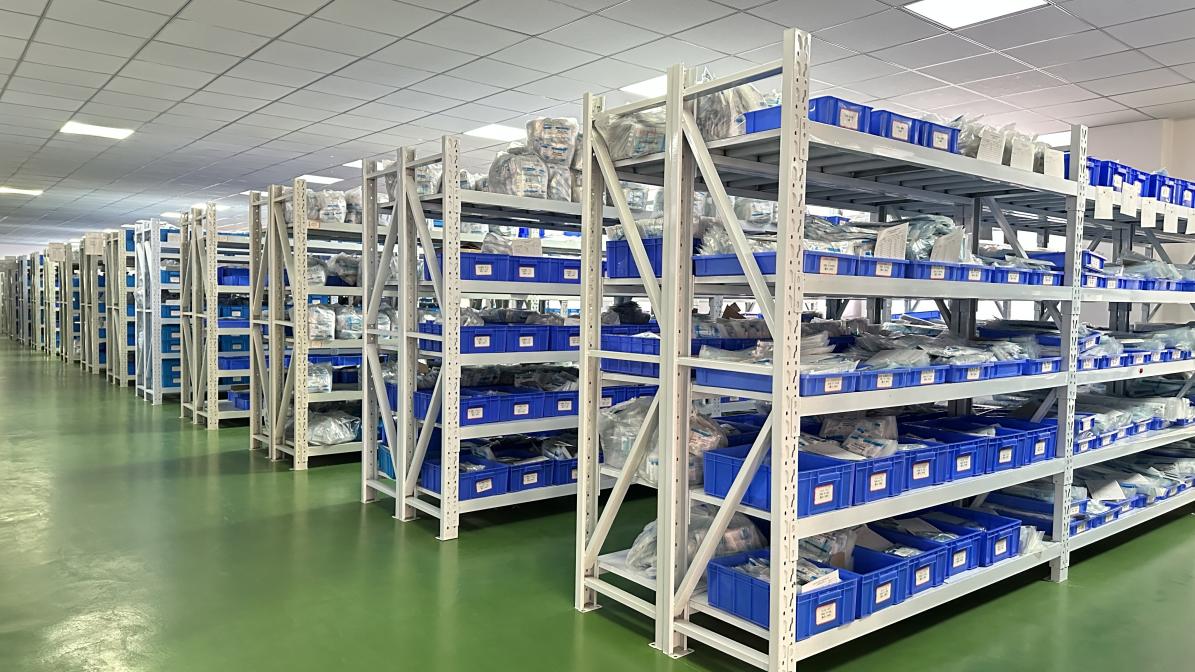
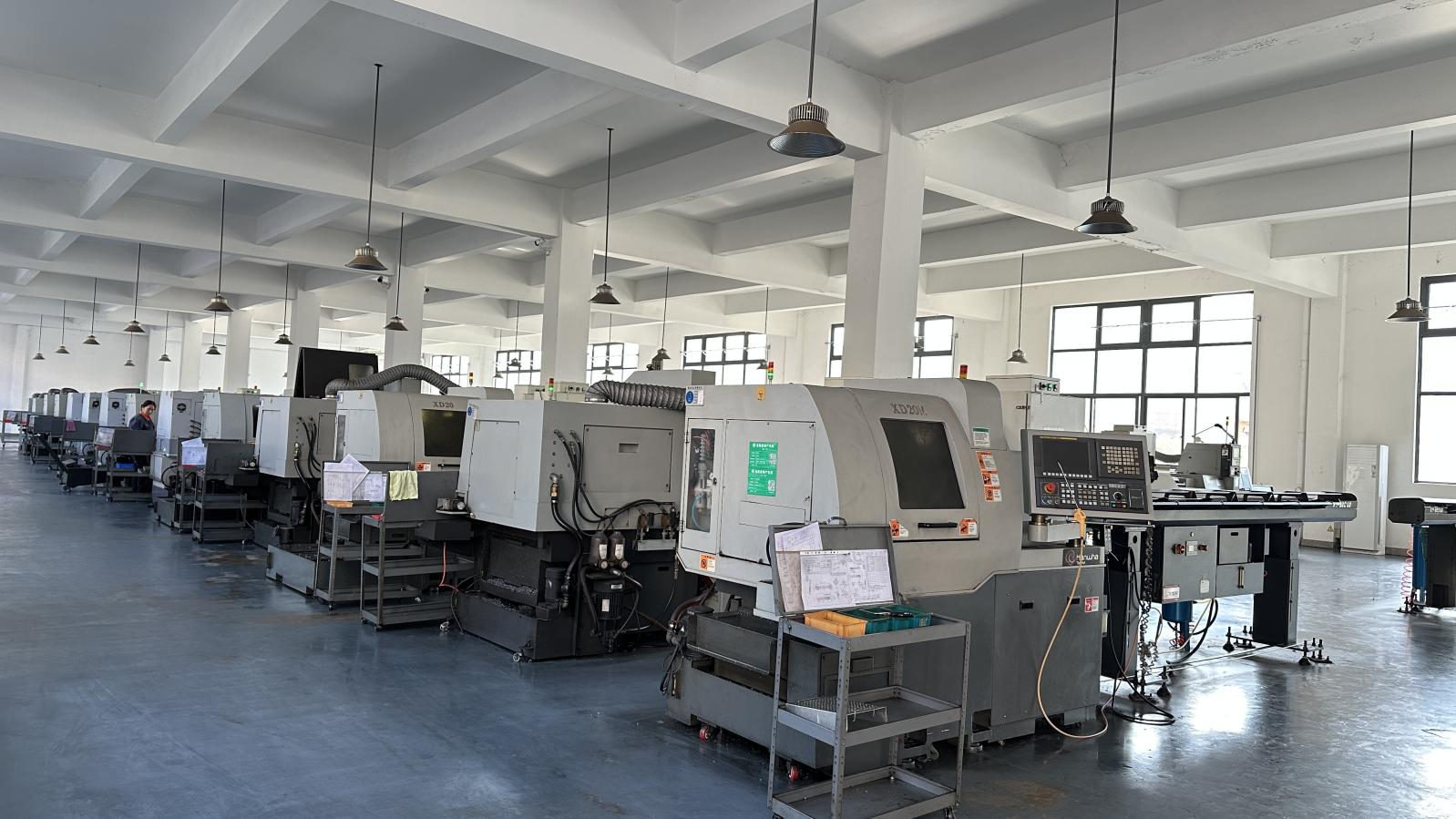
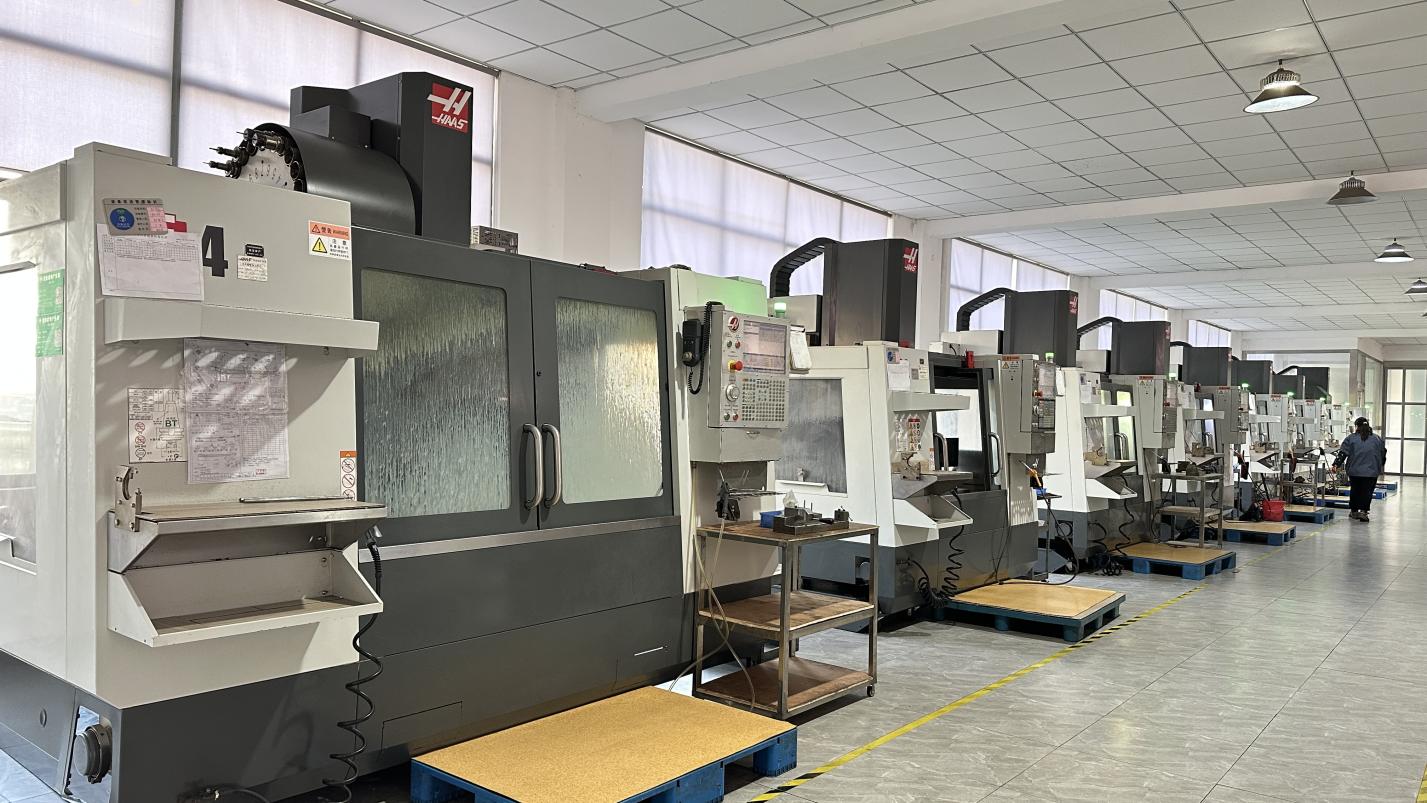
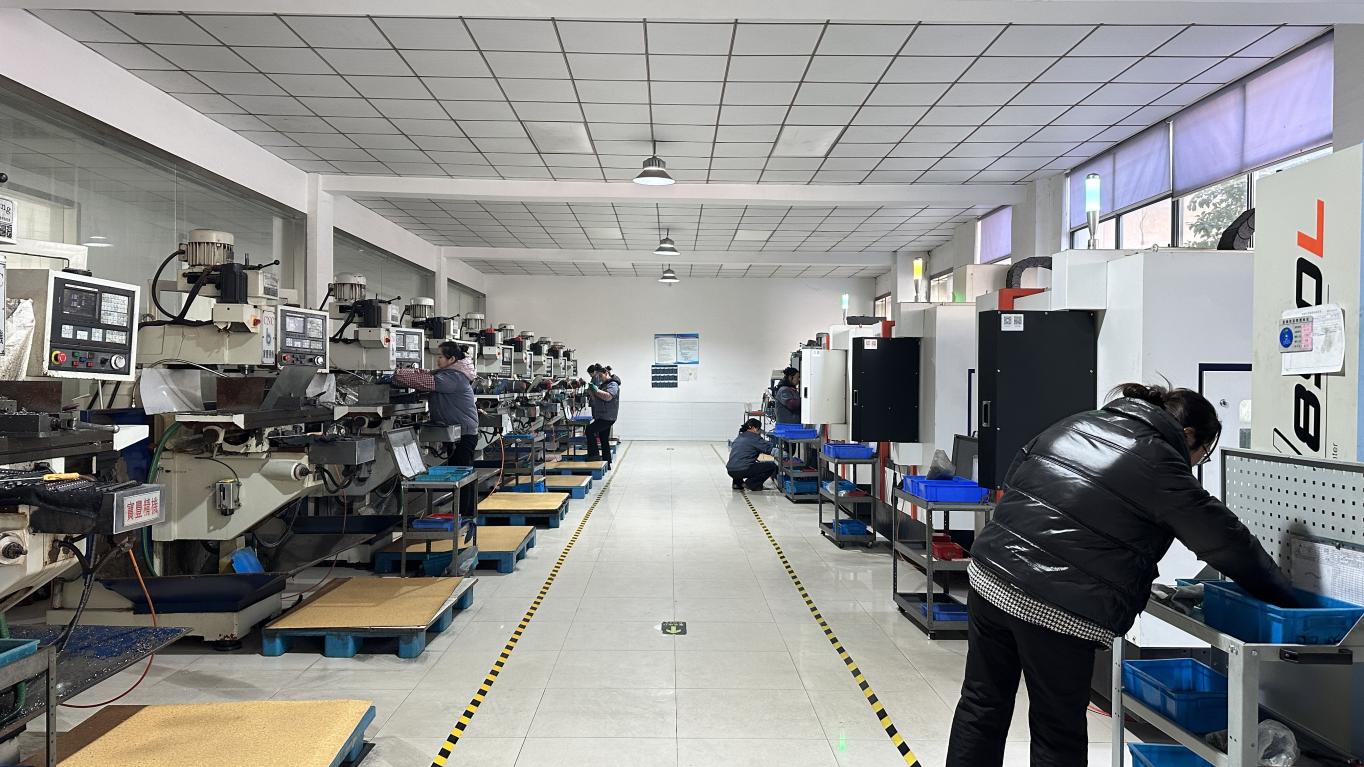
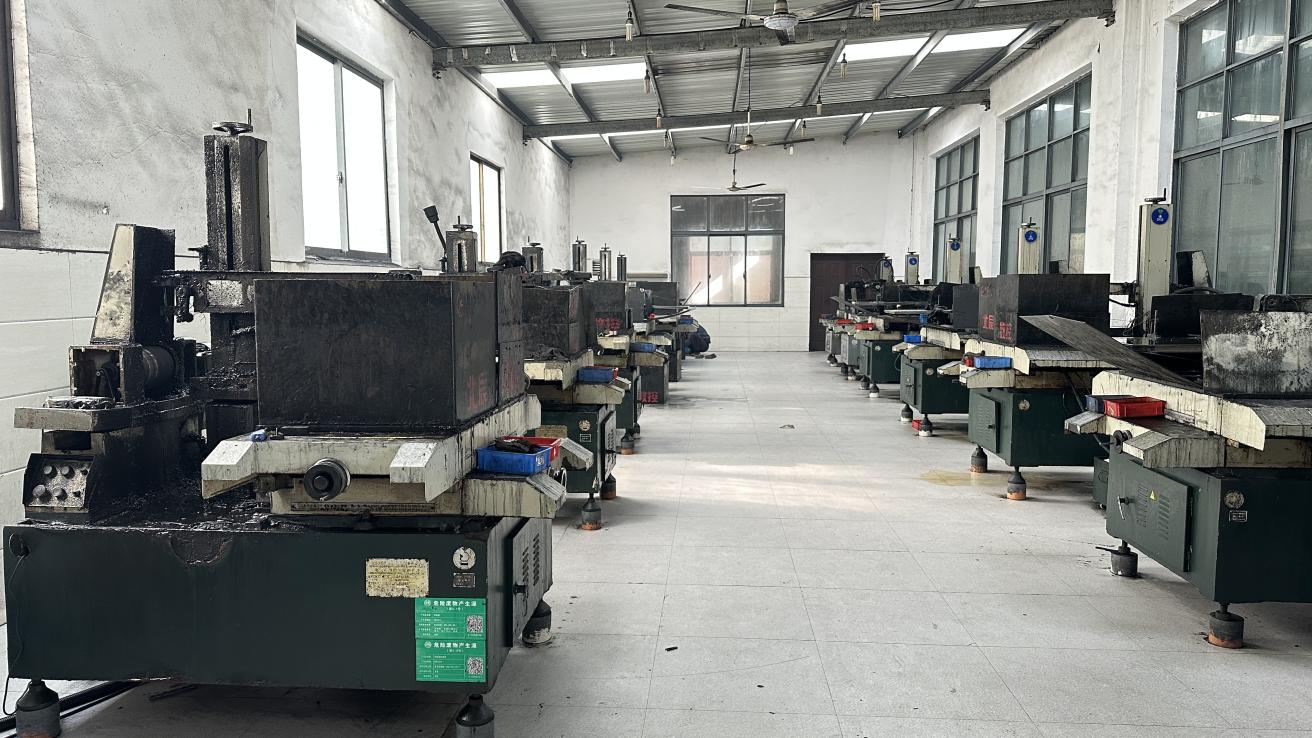
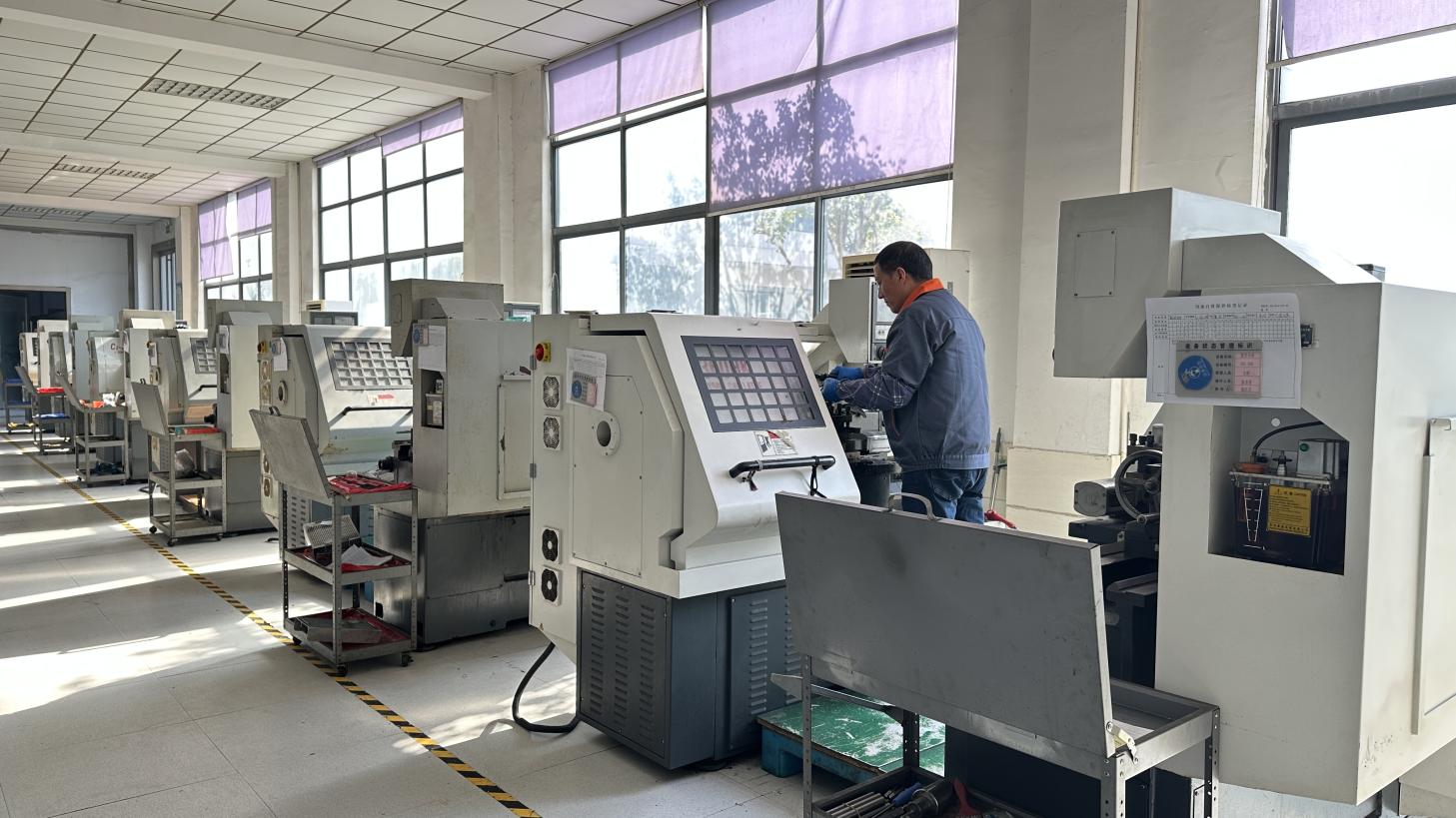
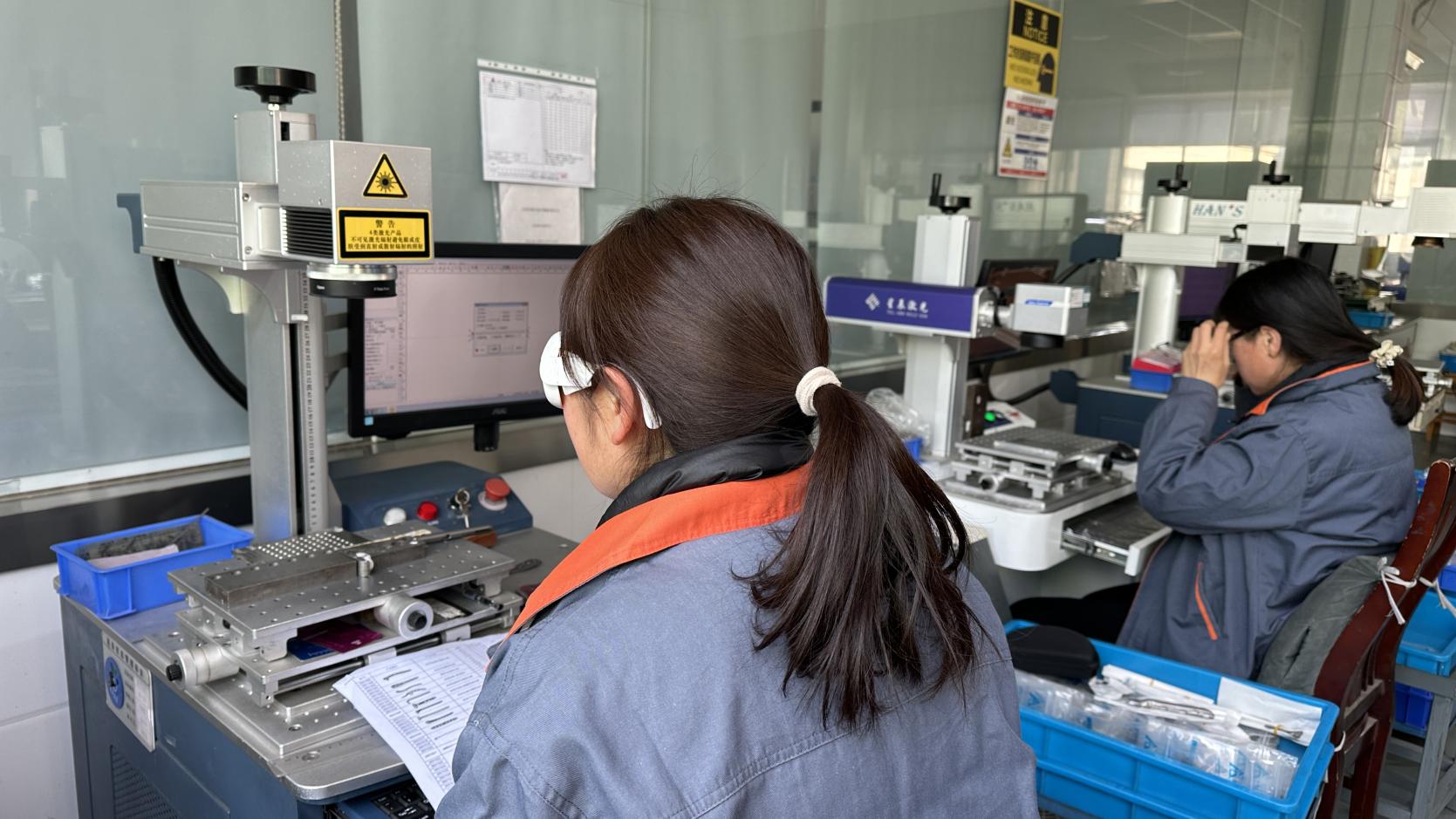
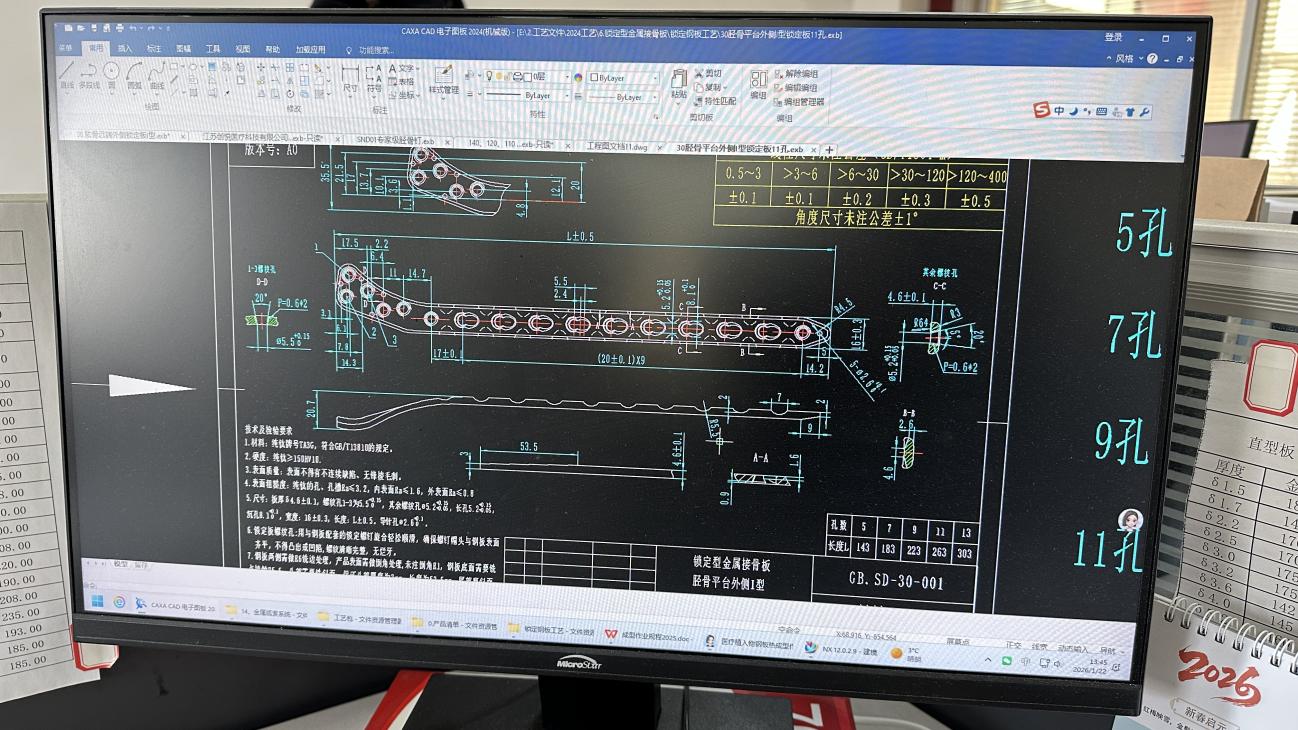
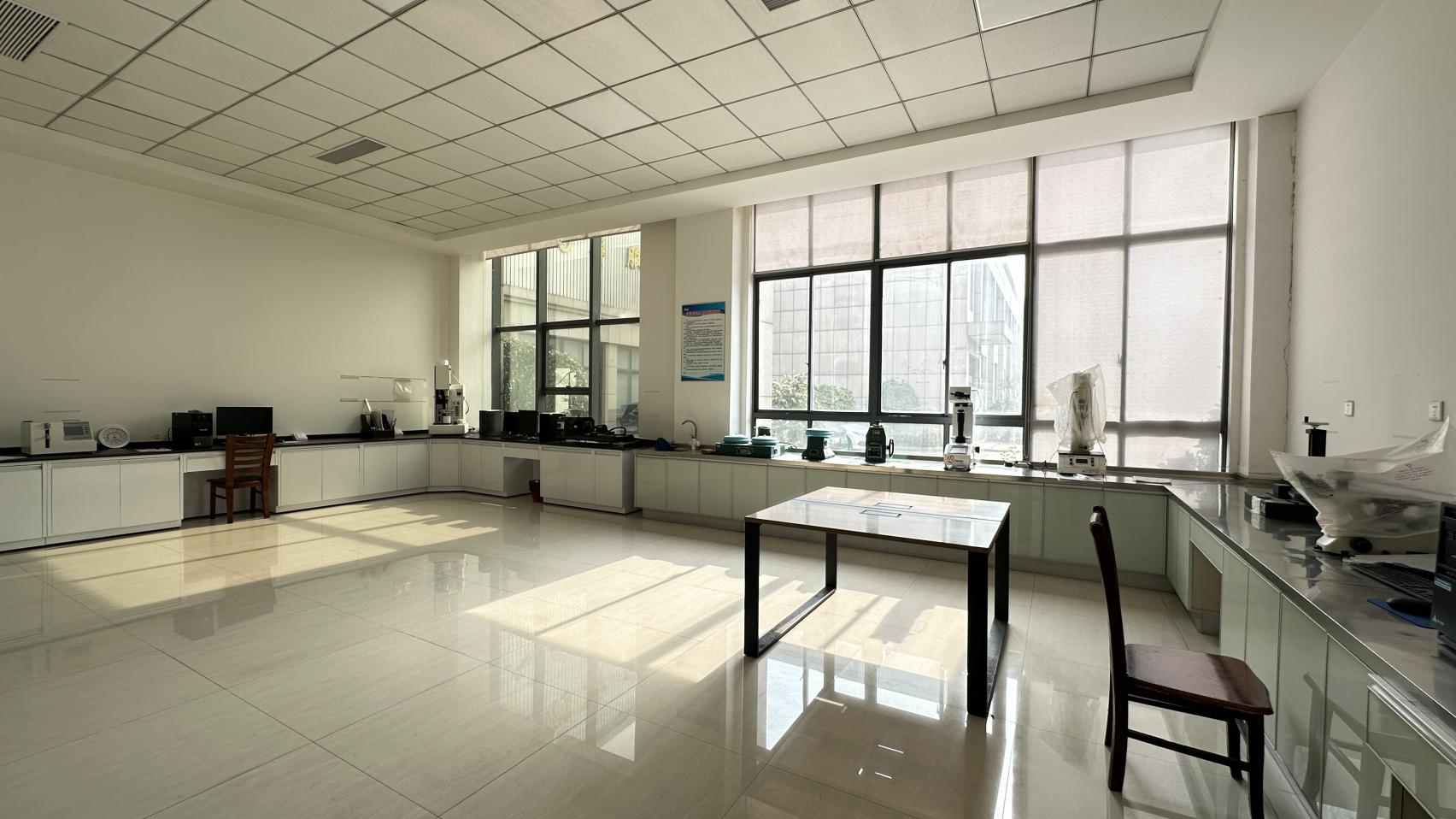
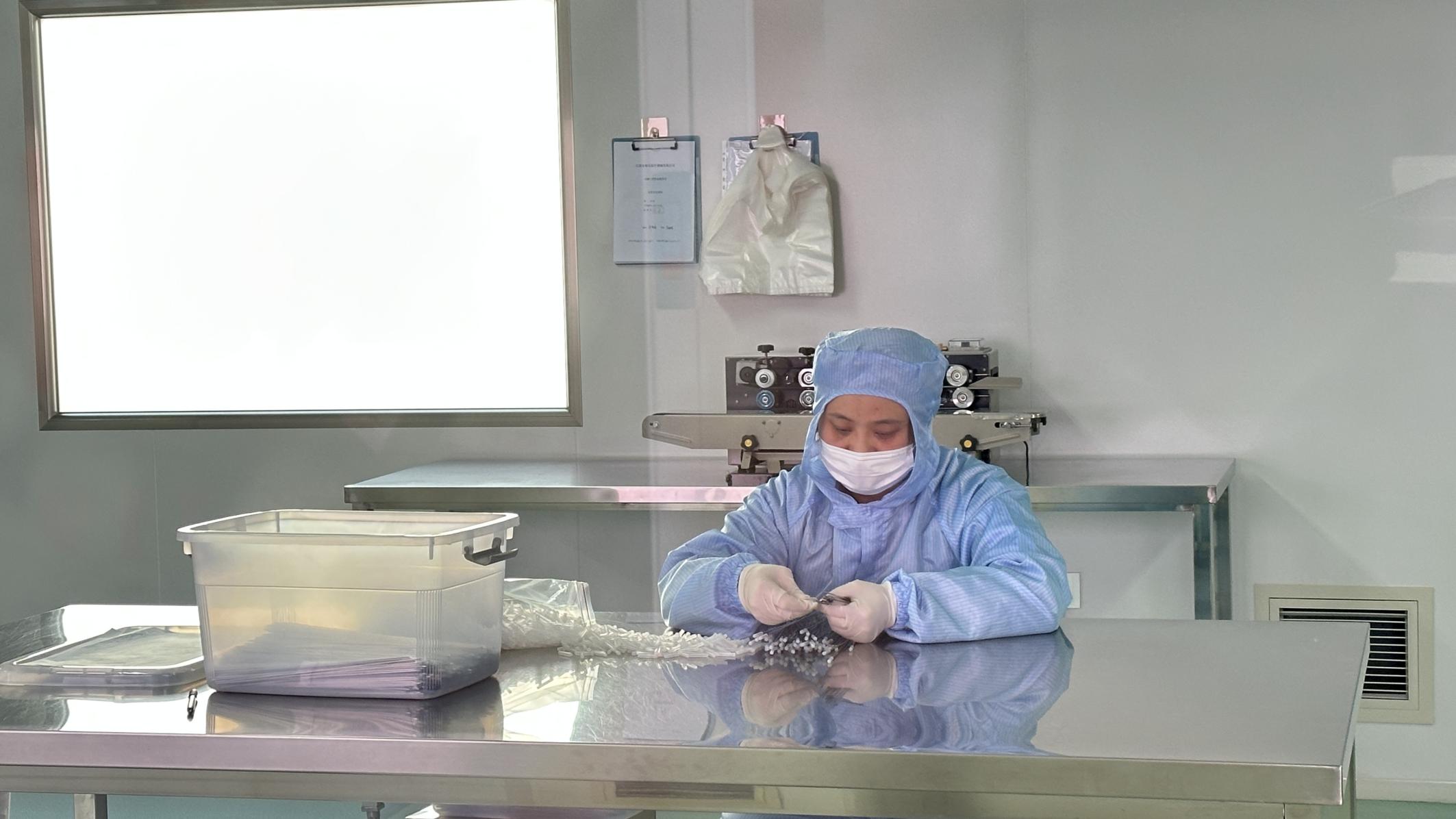
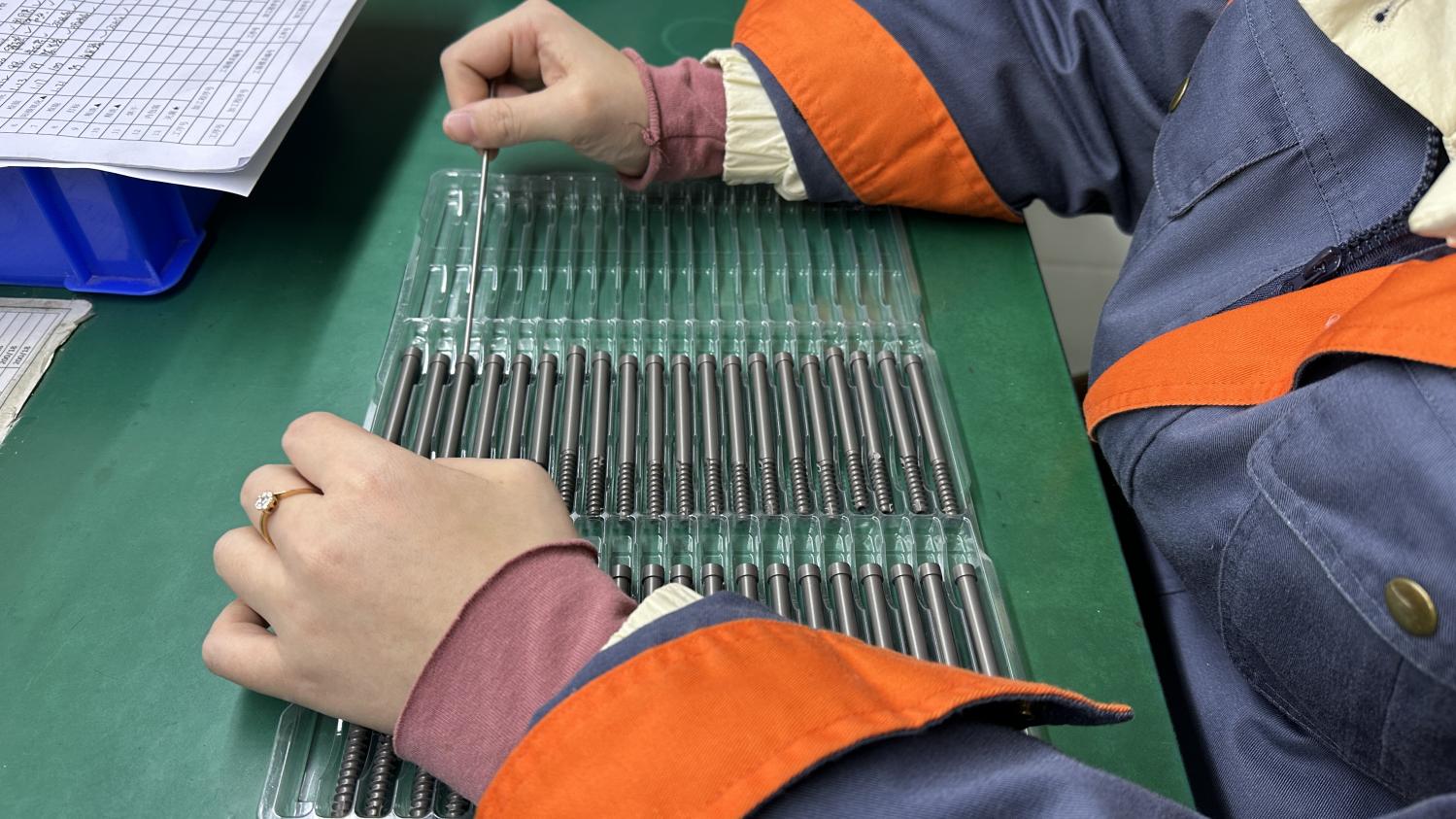
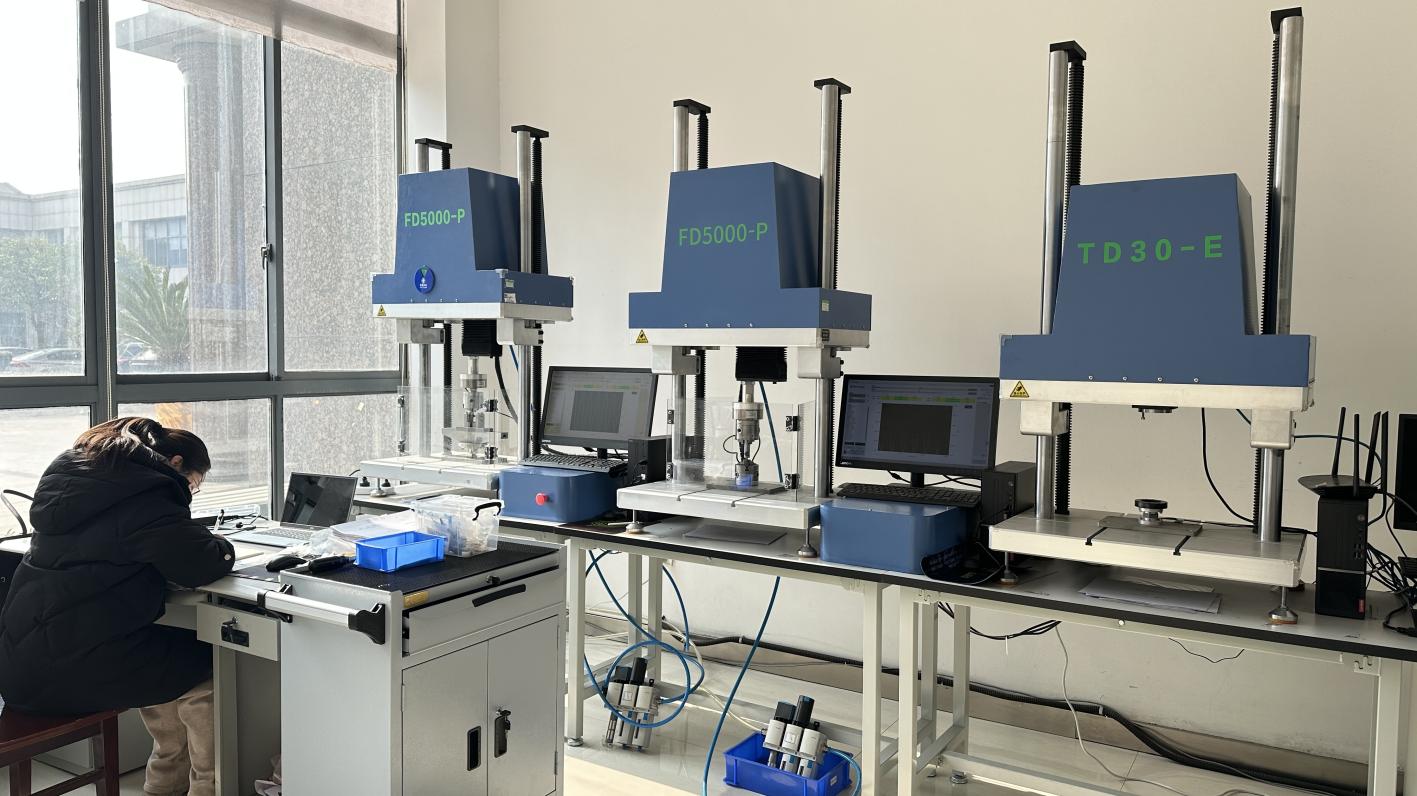
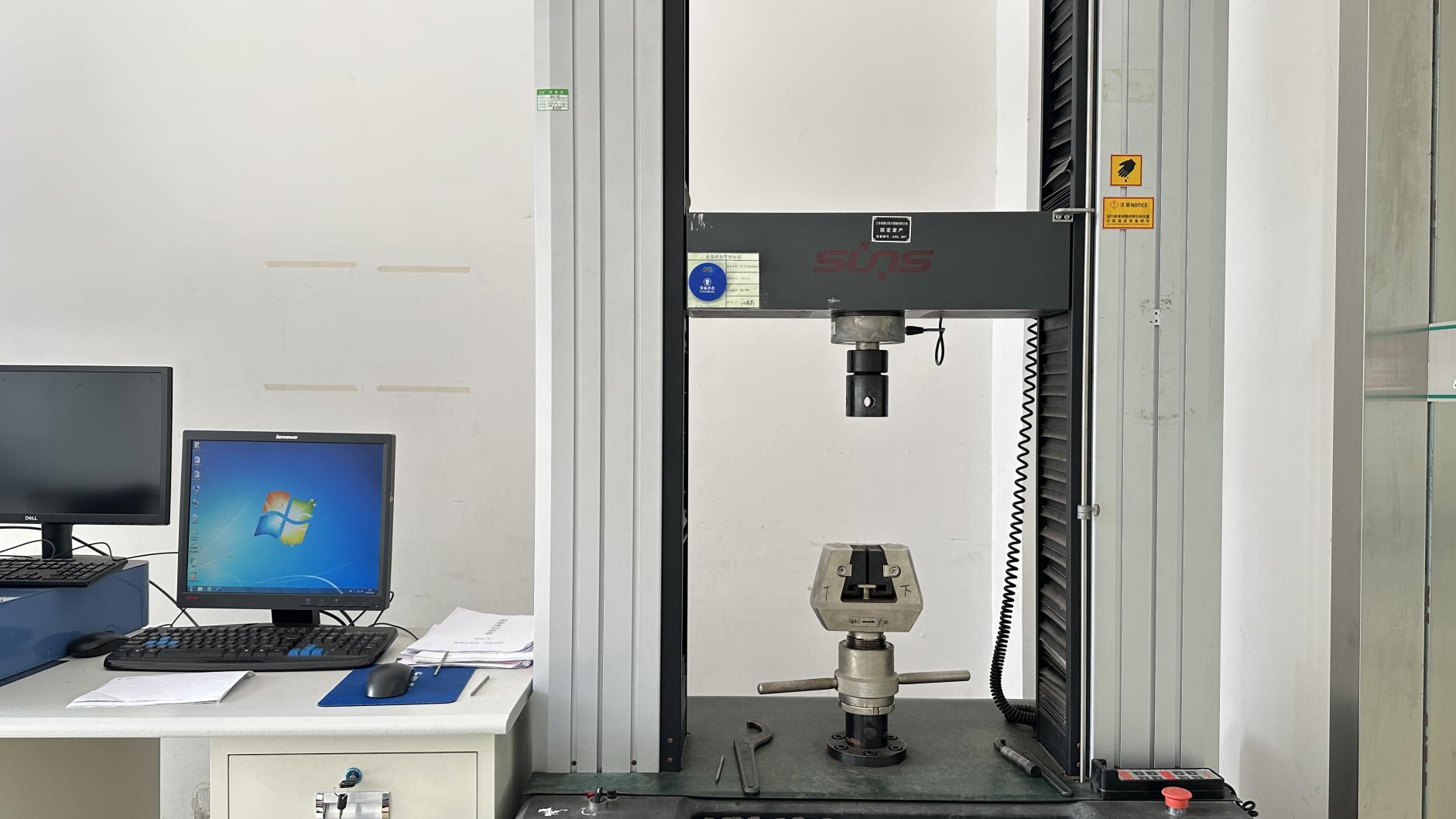
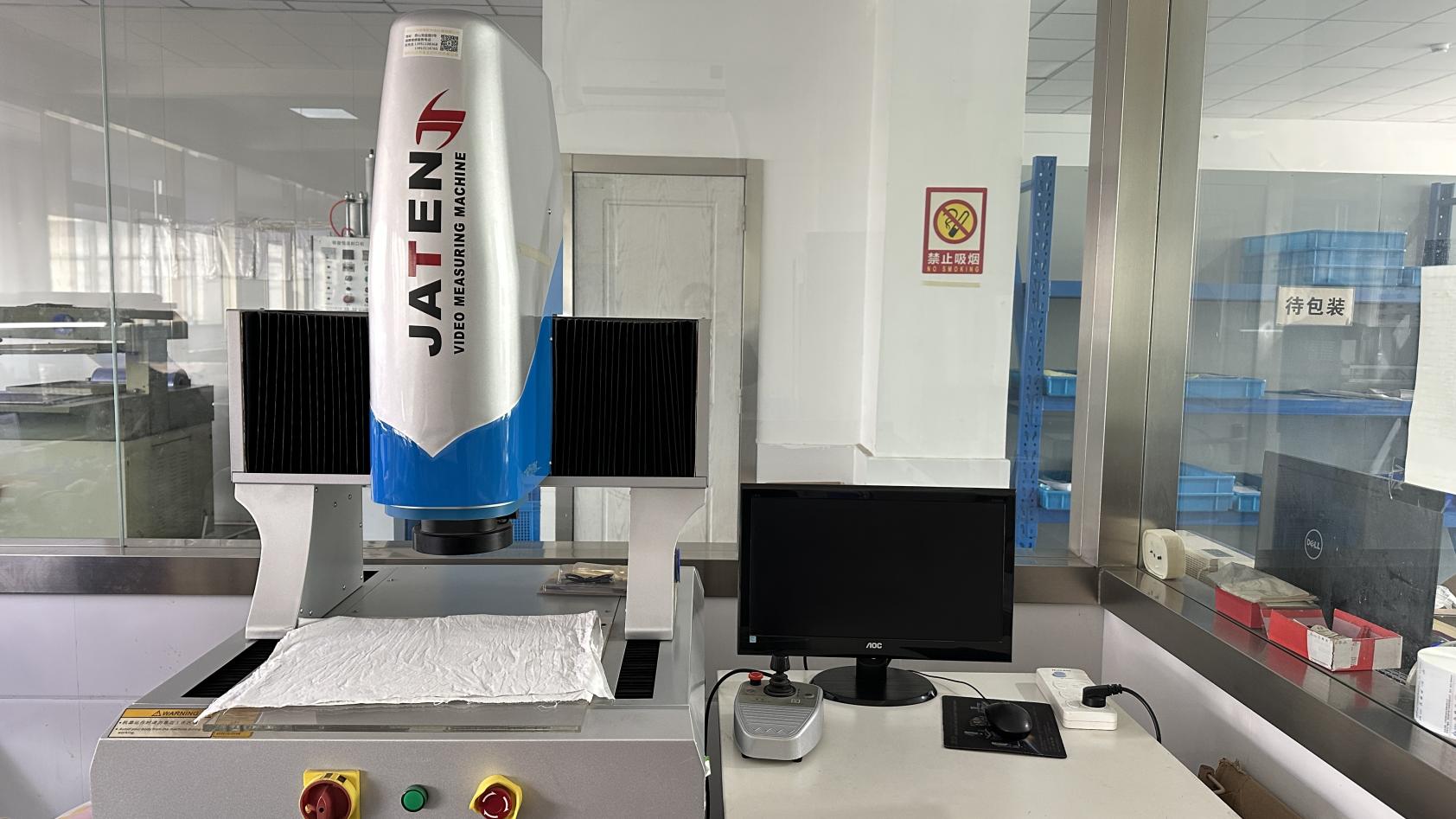
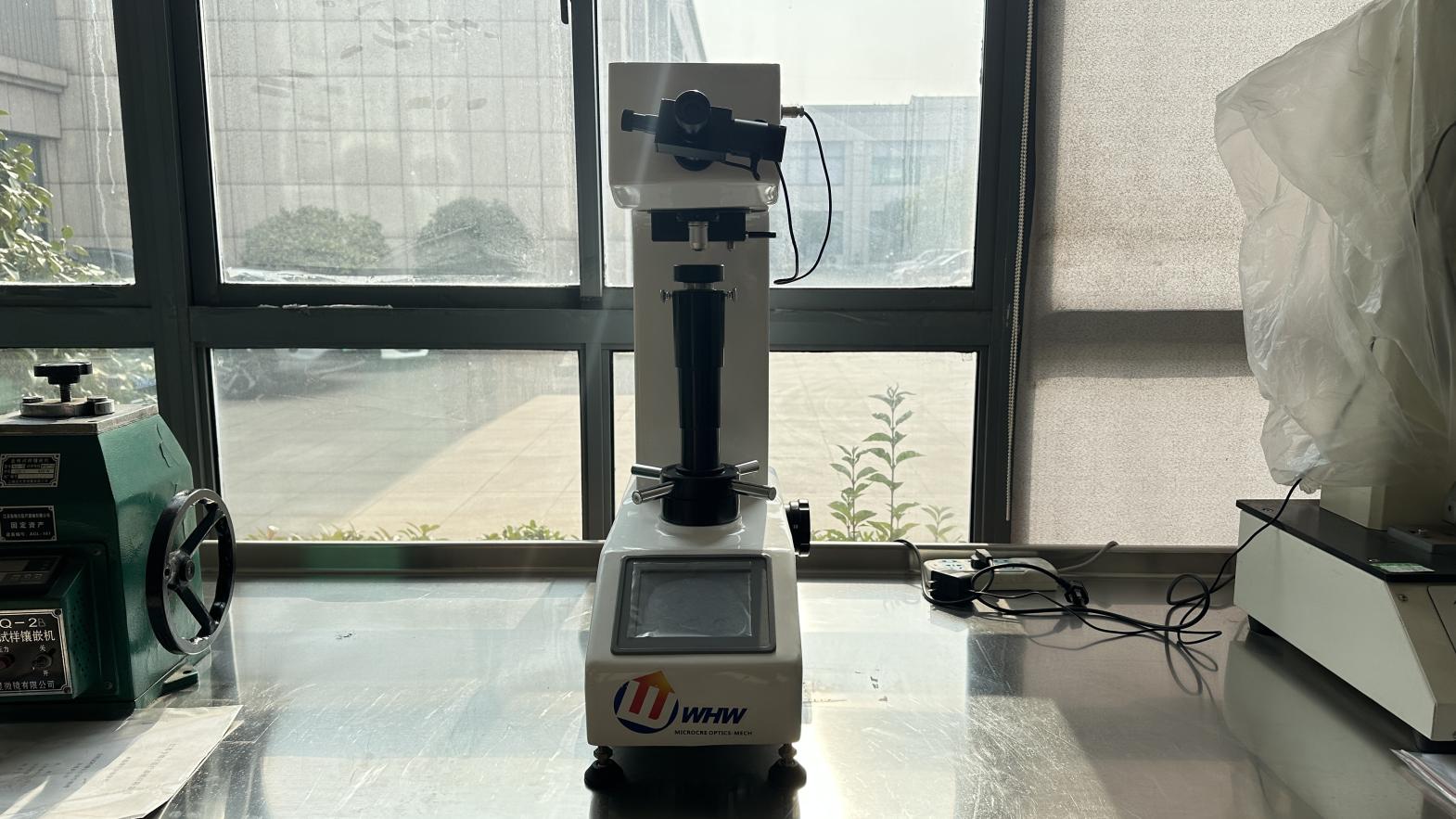
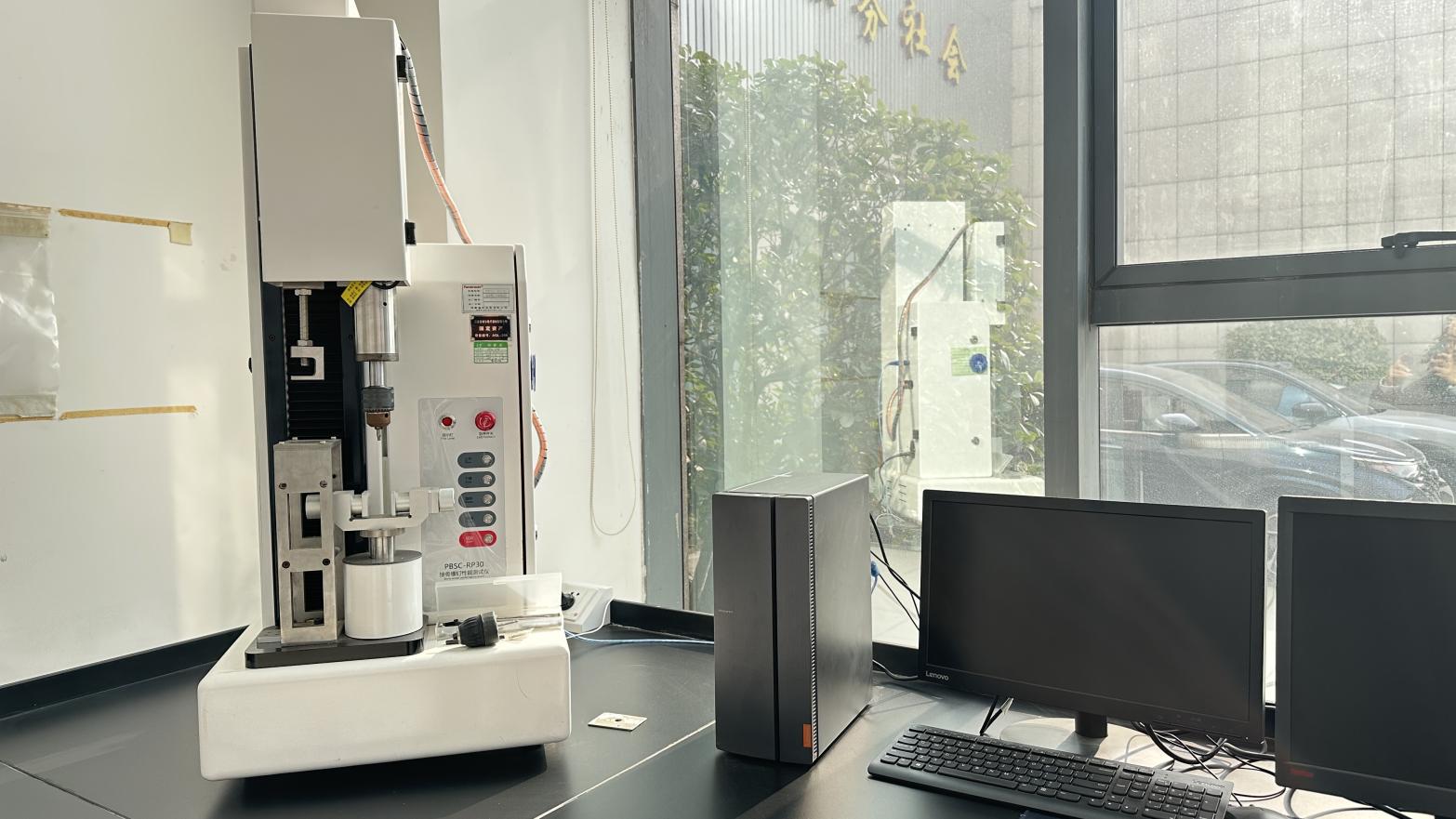
Our ISO 13485-compliant quality management system integrates advanced testing methodologies to guarantee implant integrity.
At Virelox, quality assurance is embedded into every phase of production. Using an ISO 13485-based process, we perform strict incoming material validation, in-process checking, and final inspections. Because veterinary implants undergo intense dynamic loading, we leverage state-of-the-art diagnostic and metrology systems to prevent in-vivo failure.
Our engineering lab verifies that raw titanium alloys conform to ASTM F136 standards and stainless steel to ASTM F138. Dynamic load parameters are modeled using finite element analysis (FEA) before any physical batch run. This process ensures that every veterinary plate and bone screw withstands the torsional forces of animal locomotion.
Driving clinical efficacy through continuous research, custom fabrication, and modern biomaterials science.
By combining high-resolution CT scans with selective laser melting (SLM) technologies, we design patient-specific implants (PSIs) for complex reconstructive surgeries, pelvic fractures, and bone tumor resections.
Research is underway on magnesium alloys and bioabsorbable polymers that dissolve safely post-healing, eliminating the need for a secondary retrieval surgery, which reduces patient stress and veterinary costs.
To reduce implant-associated infections, we are developing advanced micro-rough surfaces containing silver ions or chlorhexidine. These coatings release over time, discouraging biofilm formation without affecting bone growth.
Engineered systems tailored for specific anatomical conditions, species scale, and localized veterinary clinical settings.
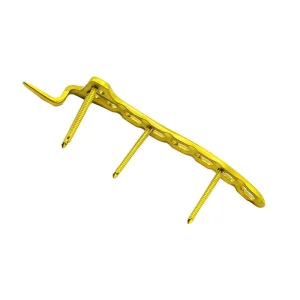
Our 1.5mm to 2.4mm locking plate systems are specifically tailored for feline and toy dog breeds. These implants feature ultra-low profiles to prevent soft-tissue irritation, combined with high-grade titanium construction to support immediate post-operative weight-bearing.
For large animals requiring substantial structural reinforcement, we produce heavy-duty dynamic compression plates (DCP) and intramedullary interlocking nails. These systems provide the rigidity needed to withstand extreme mechanical loads during patient recovery.
We offer comprehensive private label and customized implant manufacturing services. By combining our design capabilities with high-speed manufacturing, we rapidly prototype new implant geometries based on surgical demands.
Get answers to key questions about quality standards, design specifications, and manufacturing capabilities.
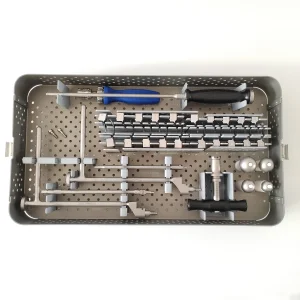
Complete surgical sets, repair plates, and precision tools engineered to ensure patient safety and positive surgical outcomes.
 Virelox