Precision engineered orthopedic implants, fixation systems, and specialized instruments manufactured under strict CE & ISO standards.
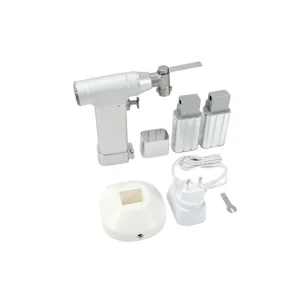
A professional orthopedic medical device manufacturer specializing in joint replacement and surgical implant solutions under the Virelox brand.
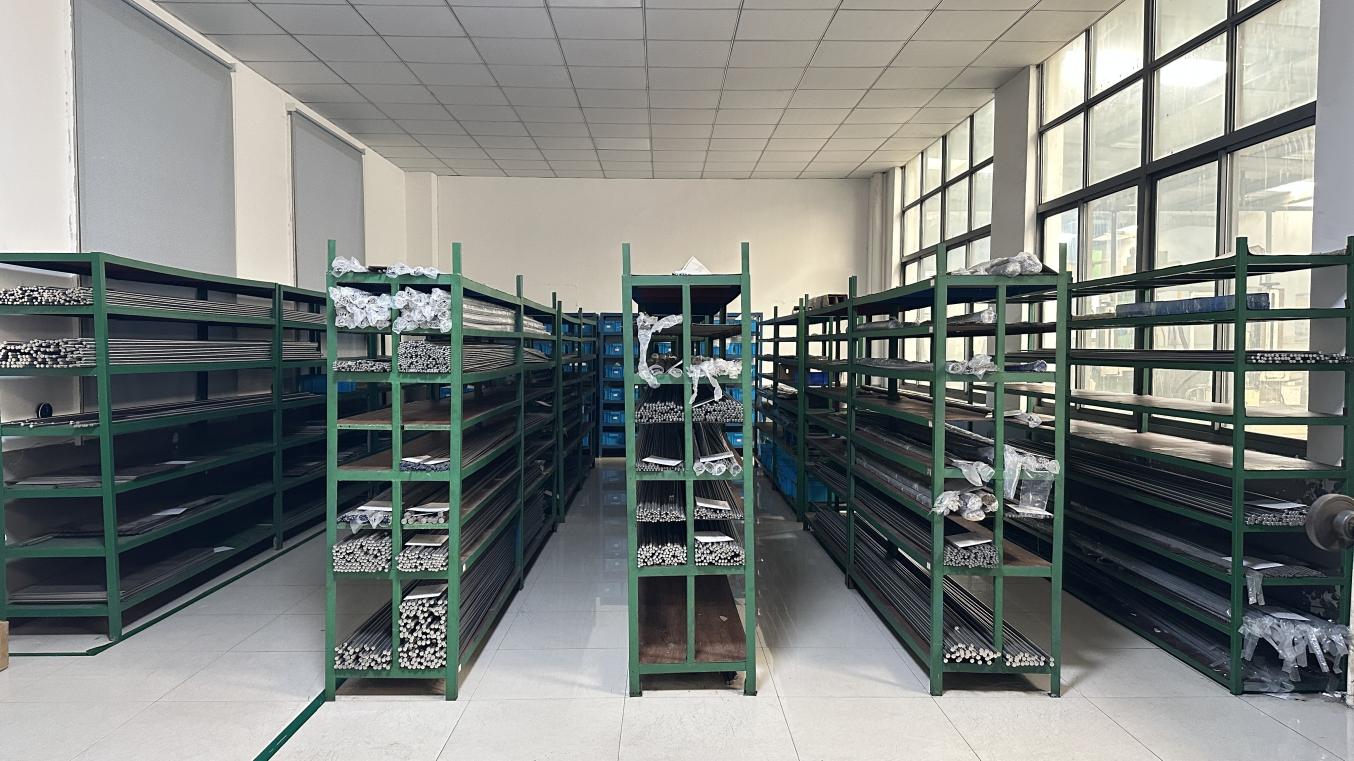
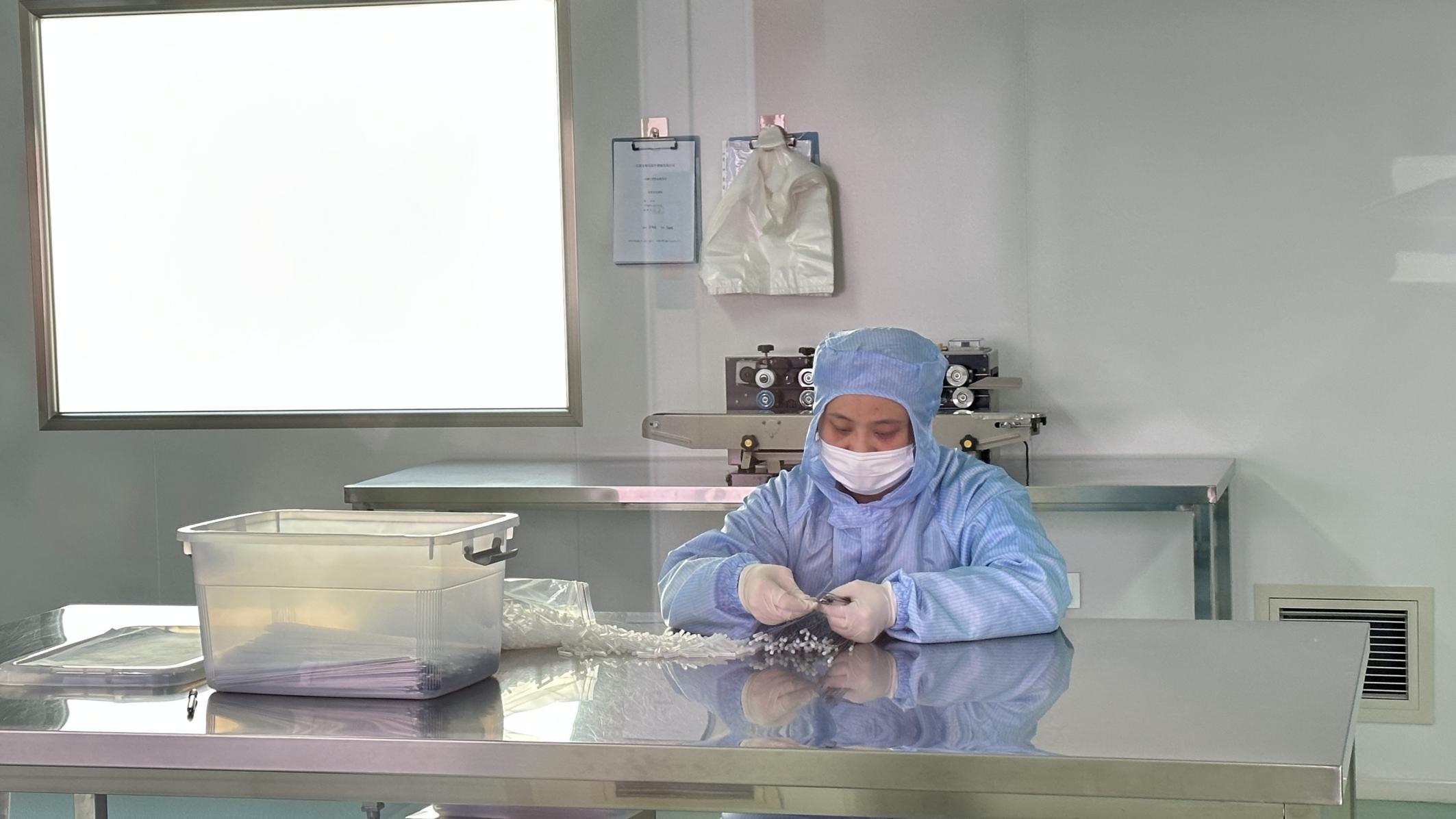
Operates under a comprehensive, certified quality management system with full-process traceability from raw titanium bar stock to sterile package delivery.
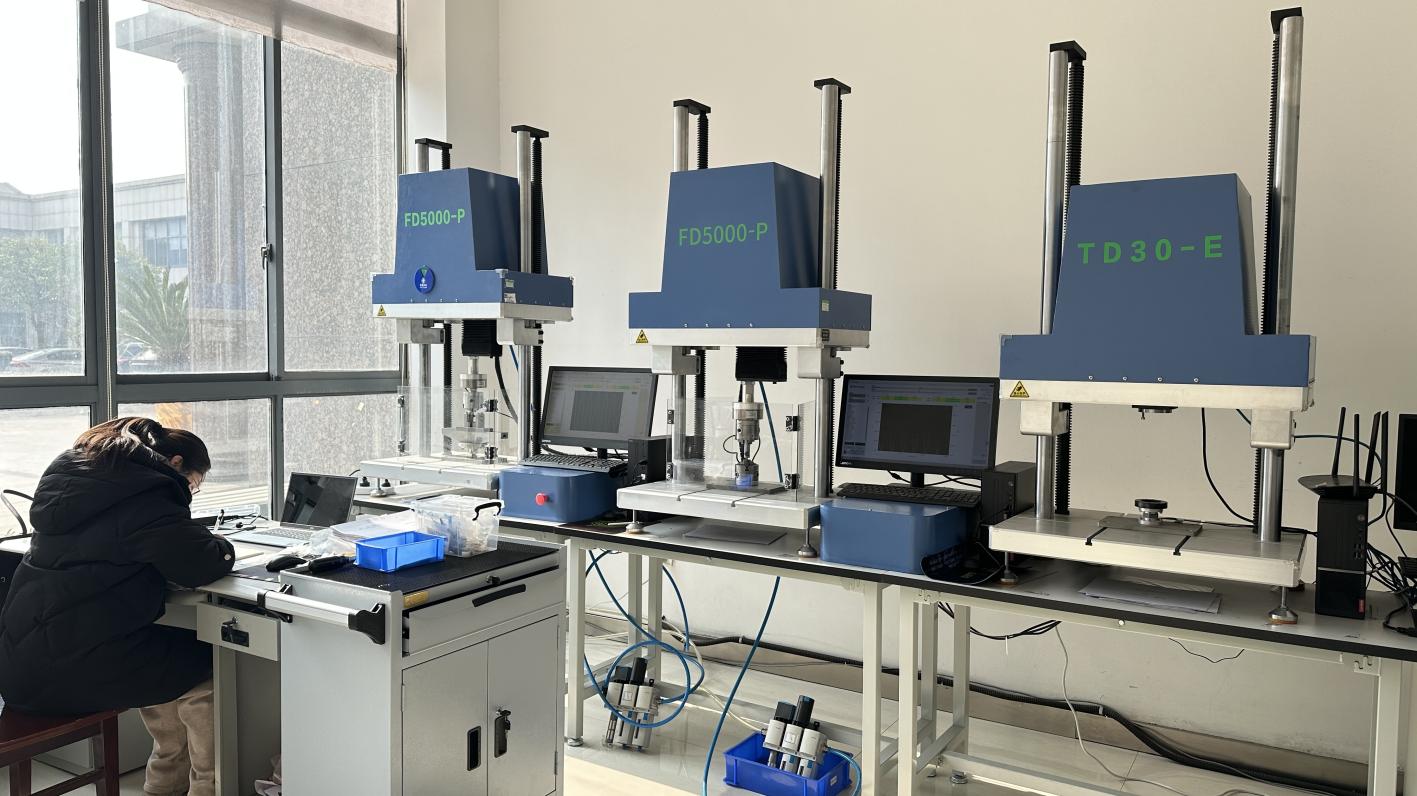
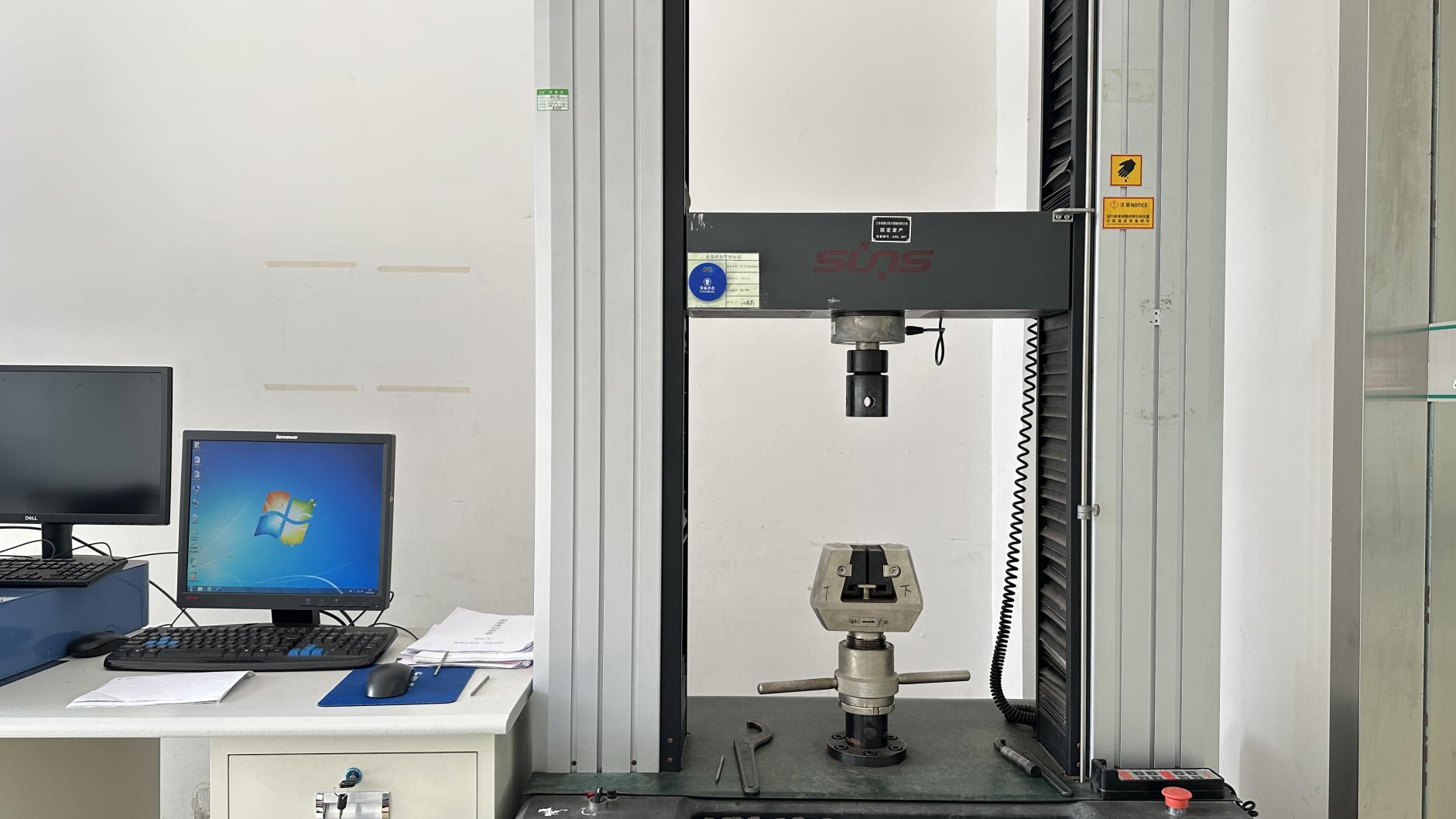
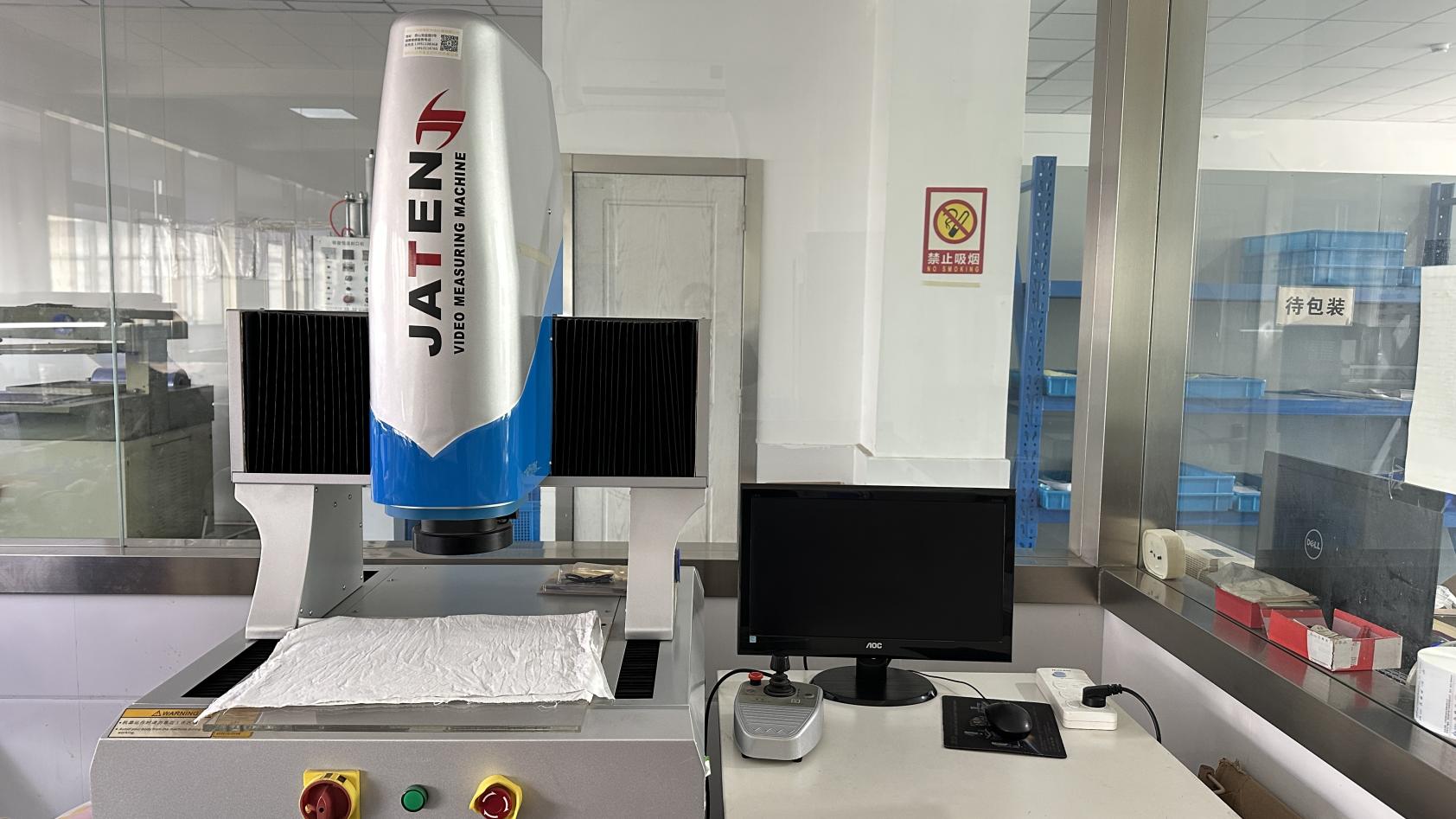
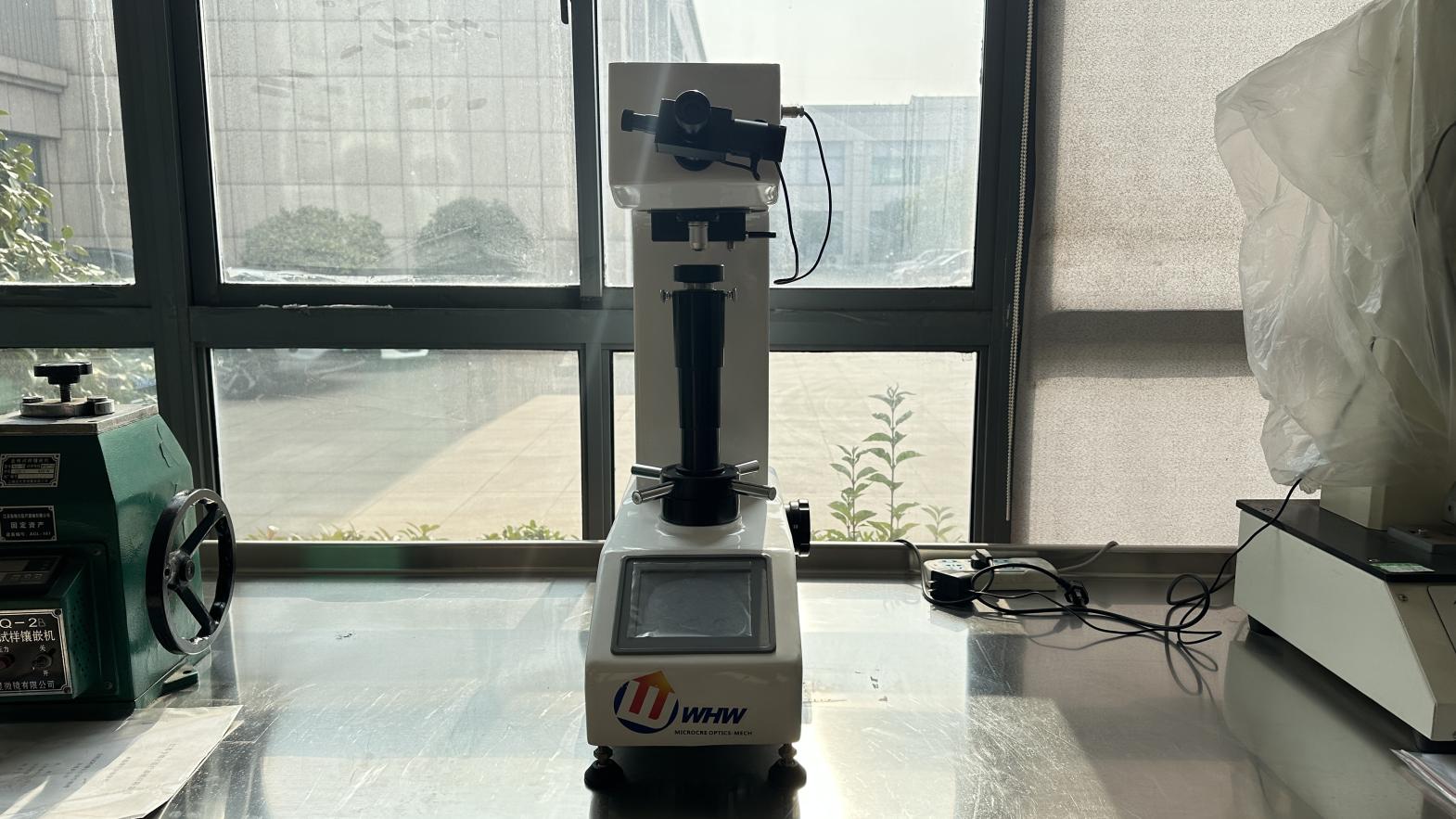
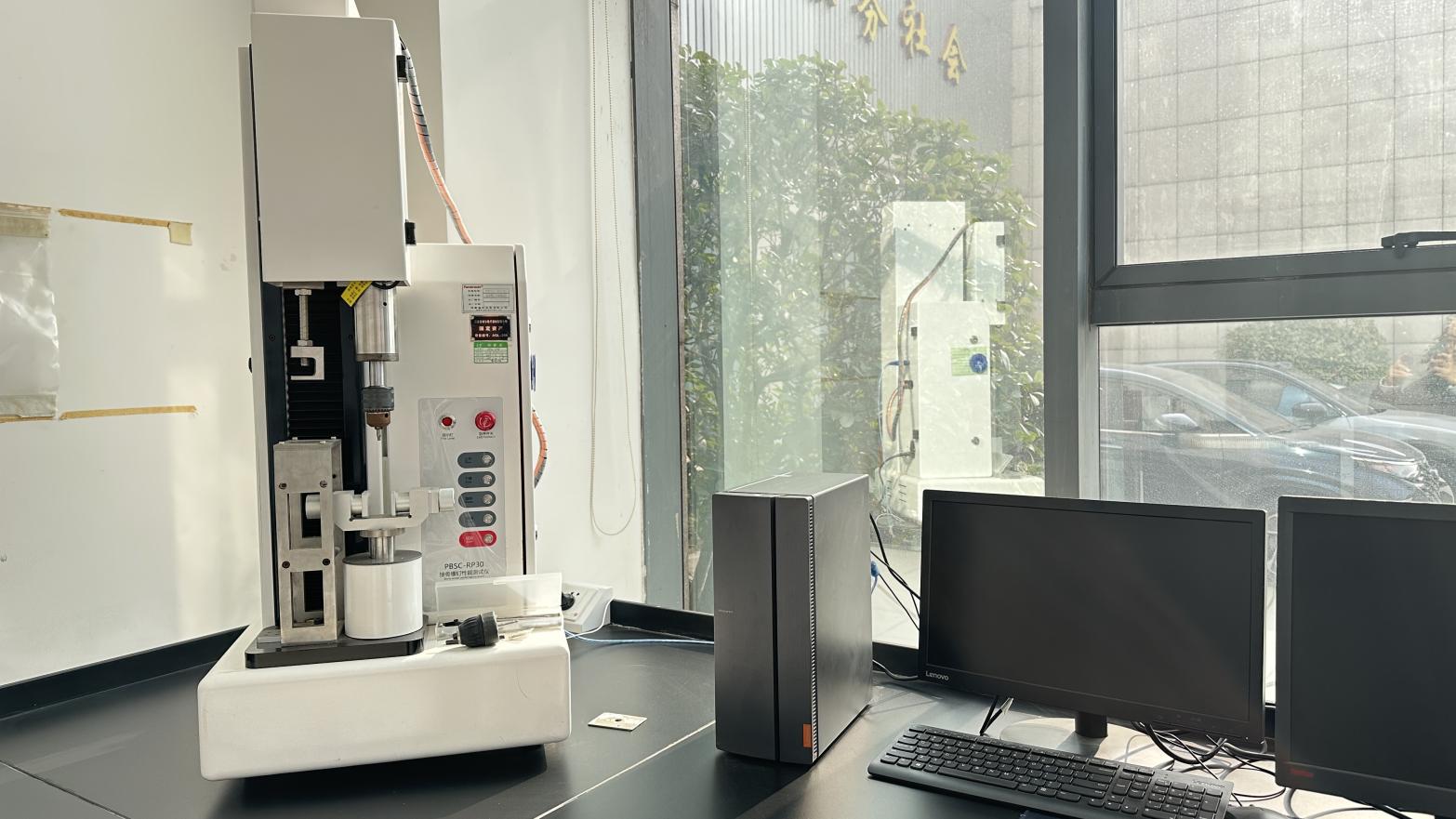
Equipped with biomechanical simulation setups, dynamic fatigue testers, tensile strength machines, coordinate measuring machines (CMM), and bone screw performance rigs.
Empowers international distributors and medical brands with private label manufacturing, optimized custom geometries, and rapid engineering prototyping cycles.
Compression screws represent one of the most critical breakthroughs in modern osteosynthesis. Their primary mechanism relies on generating interfragmentary compression across bone fracture planes, thereby increasing stability, promoting primary bone healing, and minimizing the risk of pseudoarthrosis. For surgeons and medical distributors alike, obtaining CE-certified implants is not merely a regulatory box to tick—it is an absolute guarantee of material purity, fatigue resistance, and dimensional integrity under severe physiological loads.
At the center of compression screw technology is the variable pitch design (commonly known as the Herbert or headless compression screw principle). The leading thread has a larger pitch than the trailing thread, meaning that with every rotation, the screw advances faster into the distal fragment than the proximal fragment. This difference draws the two fragments together, establishing uniform, high-torque compression without requiring a traditional screw head. This headless design is crucial in intra-articular applications, where the hardware must be buried beneath the cartilage line to prevent soft tissue irritation and preserve joint mobility.
Scientific Insight: High-purity medical titanium (such as Grade 5 Ti-6Al-4V ELI) is chosen for its superior biocompatibility, low modulus of elasticity close to human cortical bone, and high fatigue limit. In contrast, 316L medical stainless steel offers maximum rigidity, preferred in multi-fragmentary shaft fractures requiring high bending stiffness.
Over the past decade, China has transitioned from a high-volume manufacturer to a global epicenter of high-end medical device engineering. Factories like Virelox Medical lead this transformation by combining structural cost efficiencies with world-class engineering infrastructure.
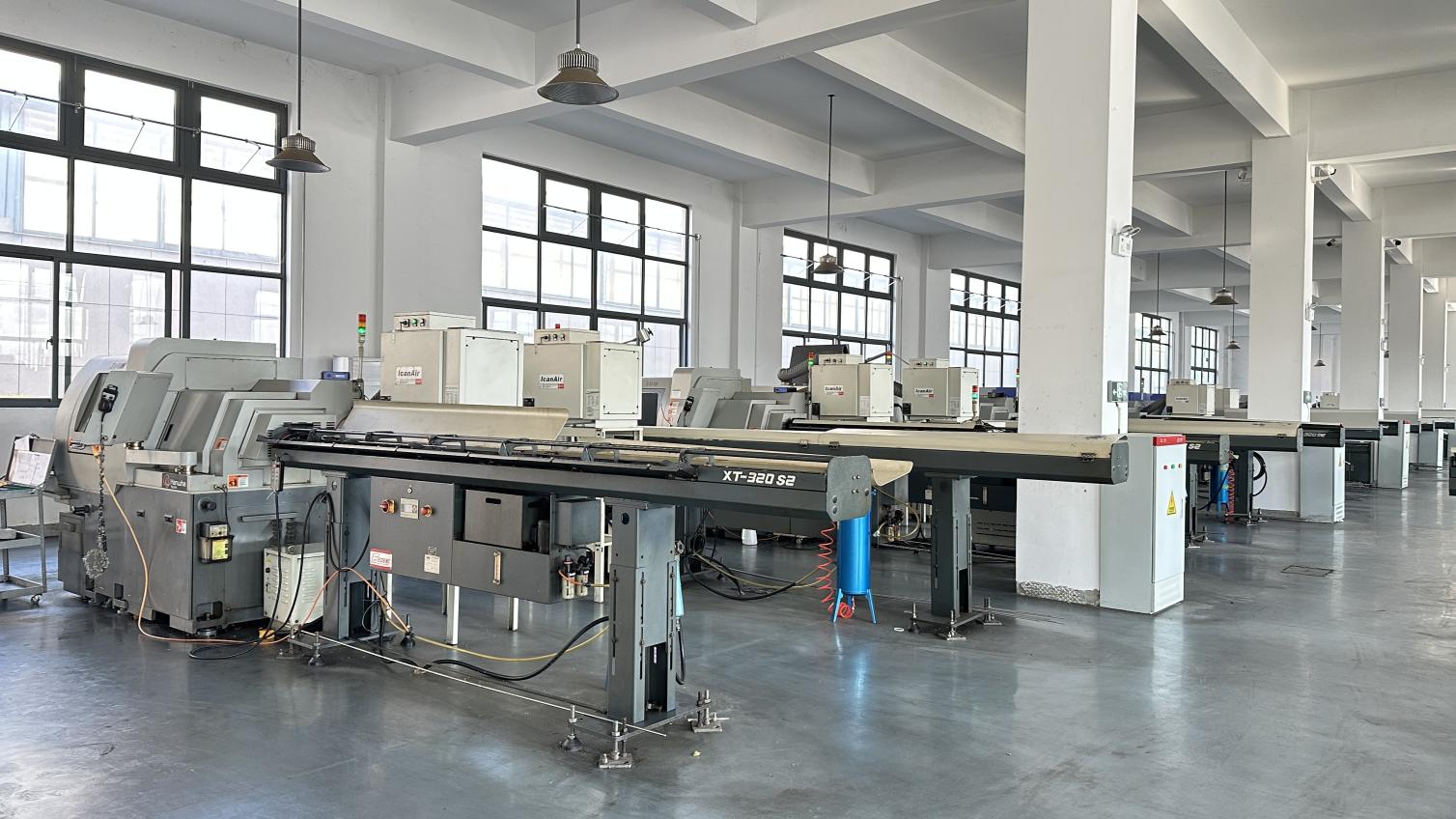
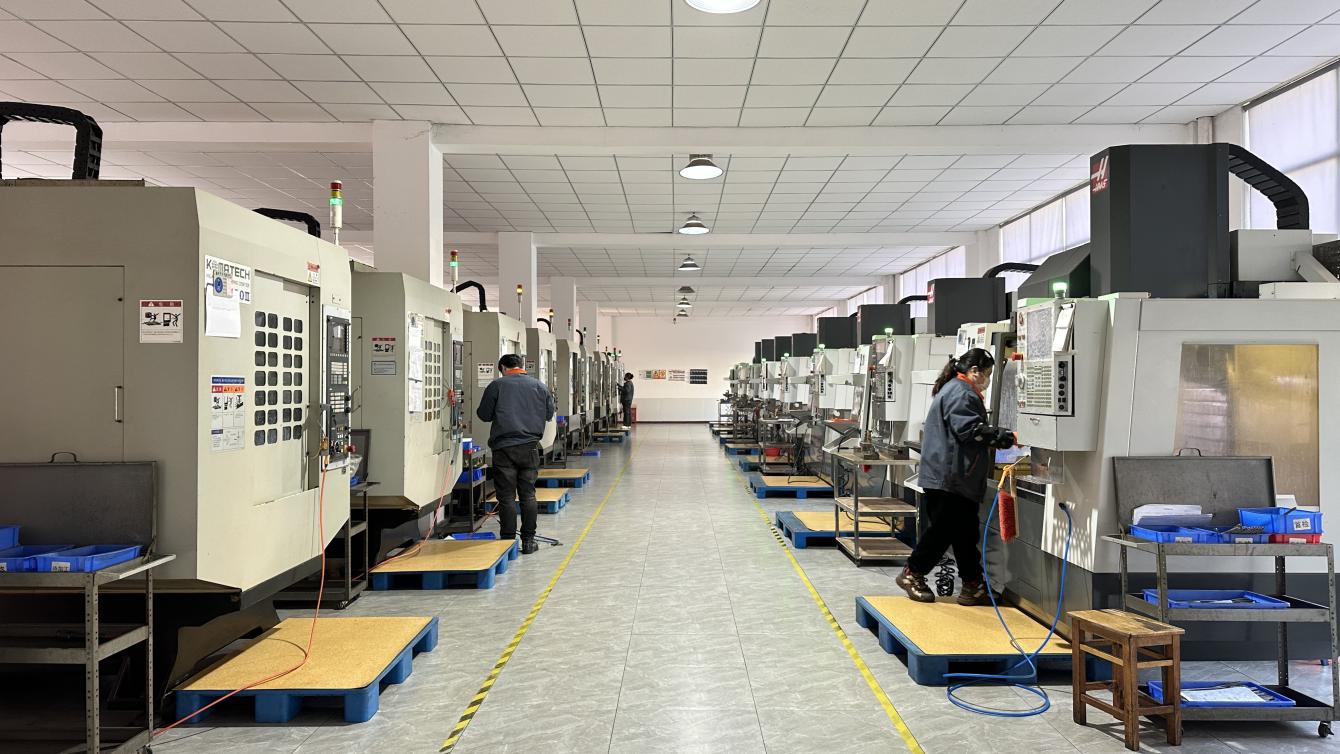
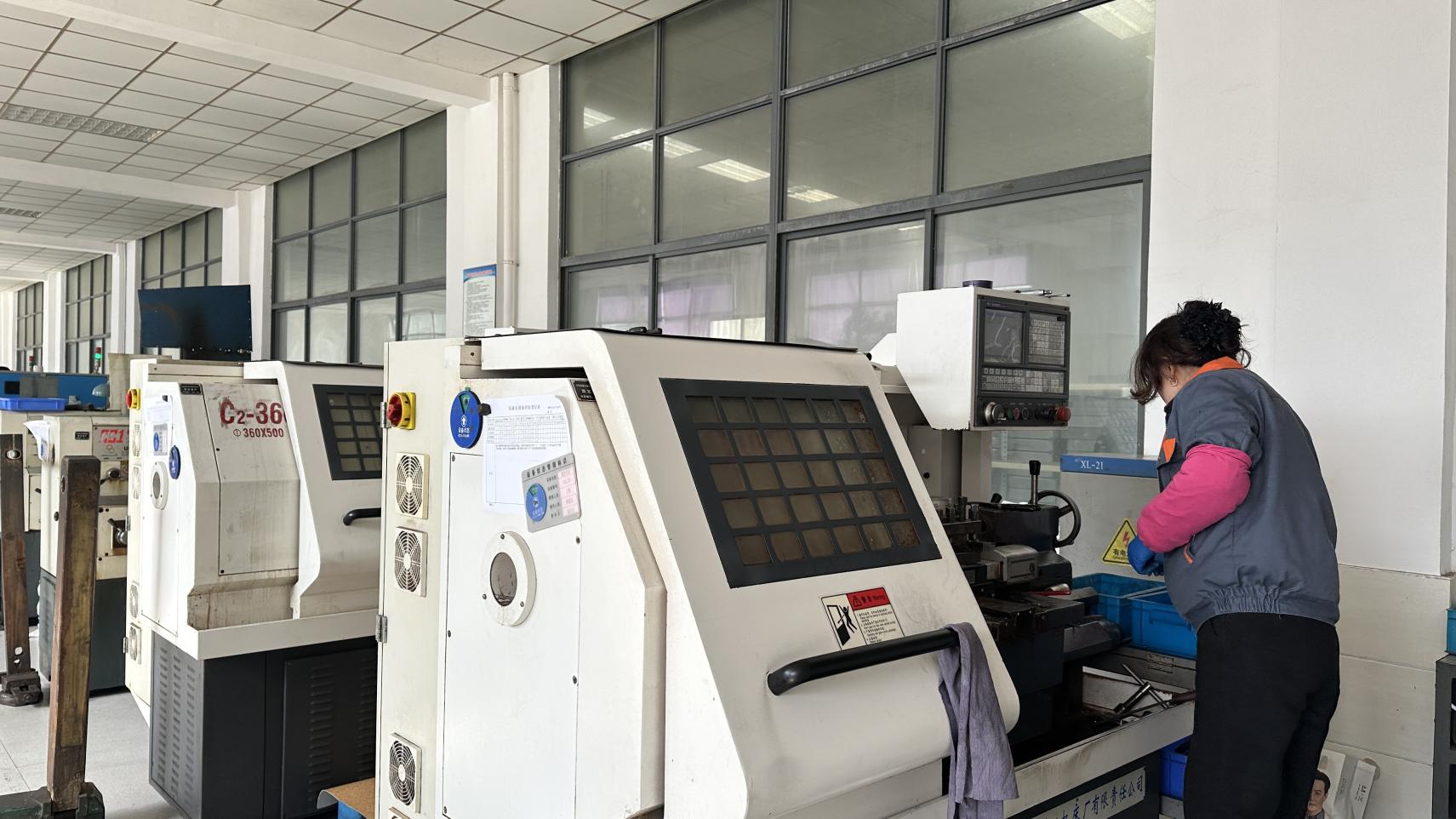
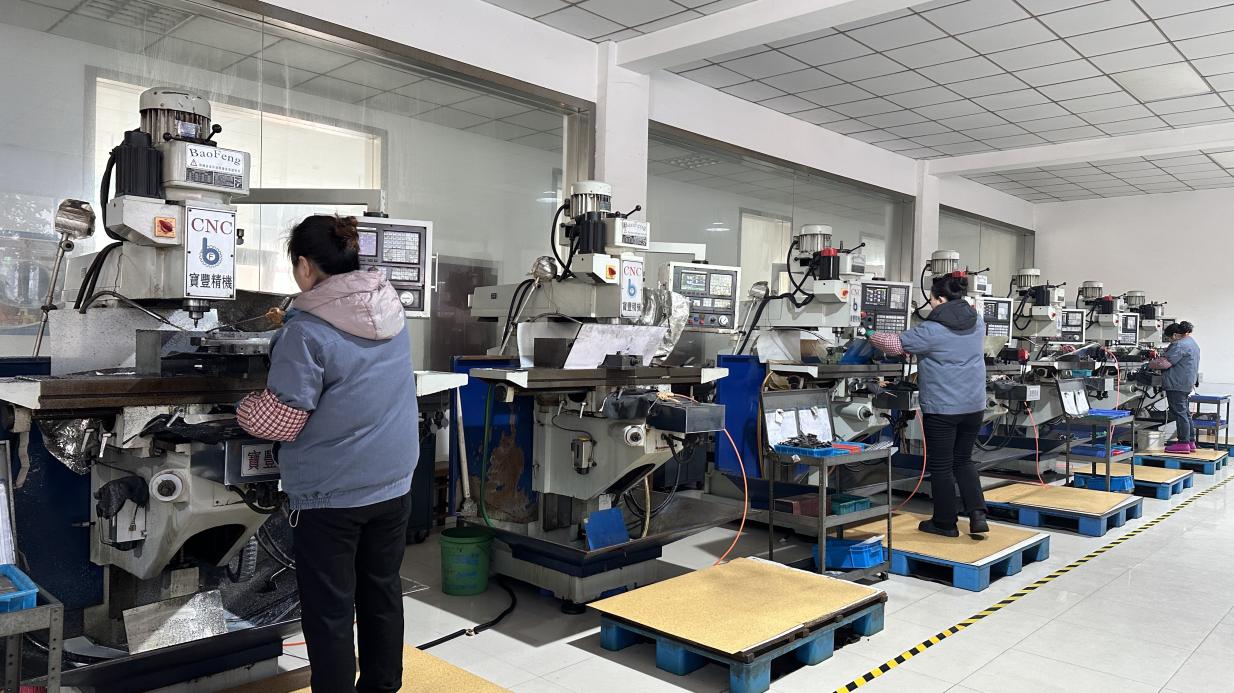
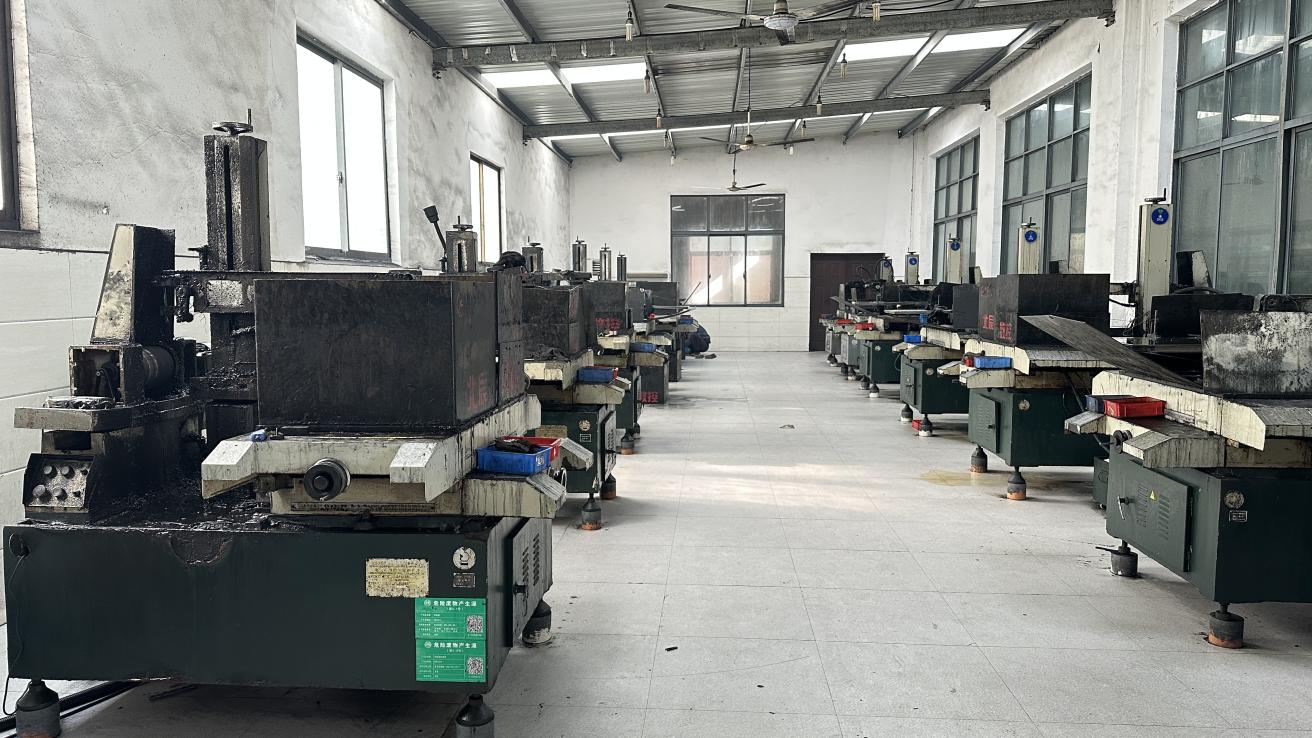
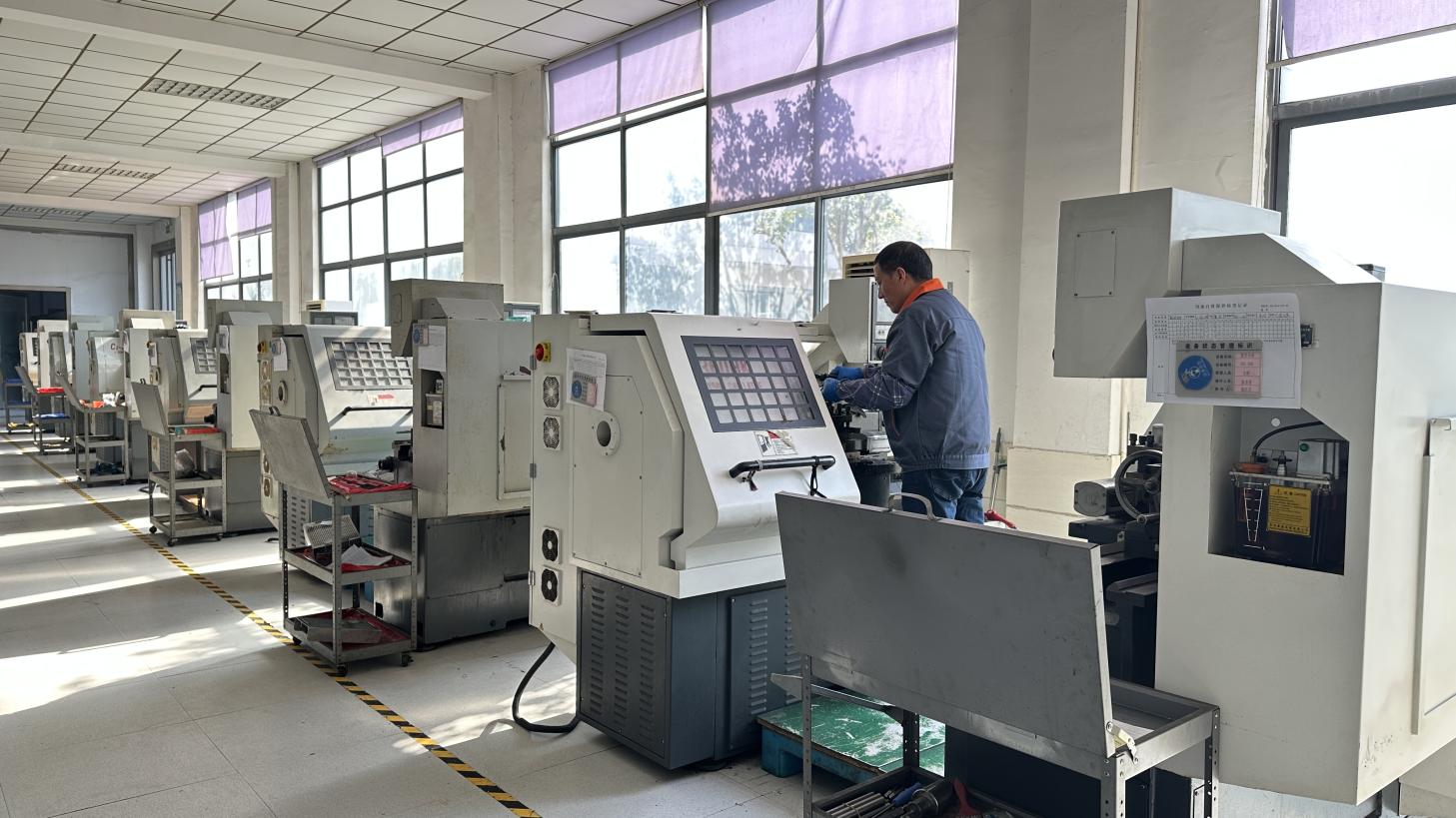
Modern Chinese manufacturing facilities utilize multi-axis Swiss-type lathe centers and CNC machining centers imported from Japan and Germany. These systems run continuous, high-precision cycles, allowing for dimensional tolerances within the micron range. This extreme level of accuracy is essential for producing cannulated screws, where the central guide wire channel must be perfectly concentric to prevent screw breakage during insertion.
With more than 850 certified supply chain partners, Virelox leverages a massive domestic ecosystem. This integration ensures a reliable, uninterrupted flow of high-grade raw titanium and cobalt-chromium alloys, specialized surface treatments (such as Type II anodization), sterile double-barrier packaging, and rapid logistics solutions. This allows us to offer shorter lead times and highly competitive pricing without compromising quality.
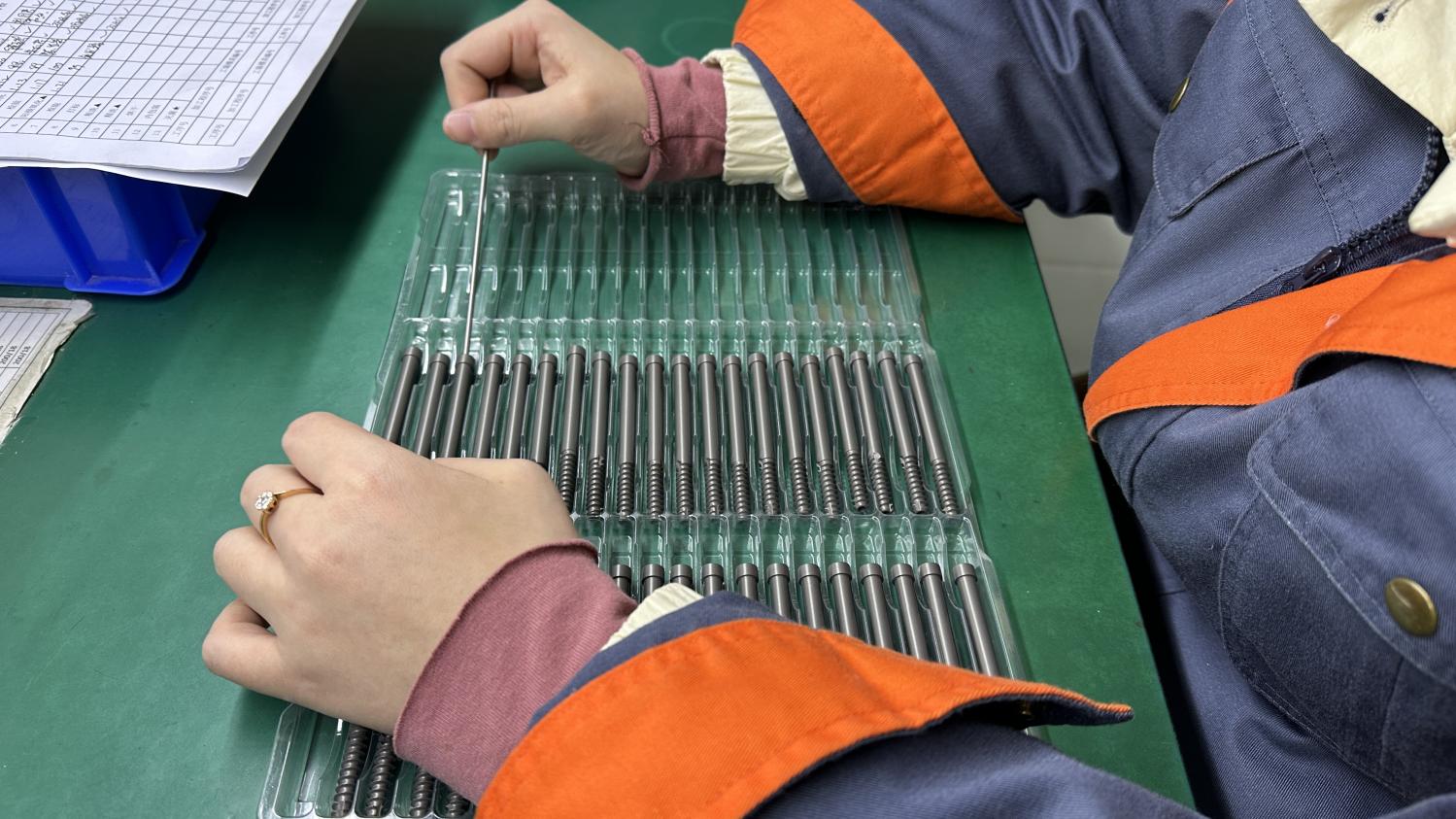
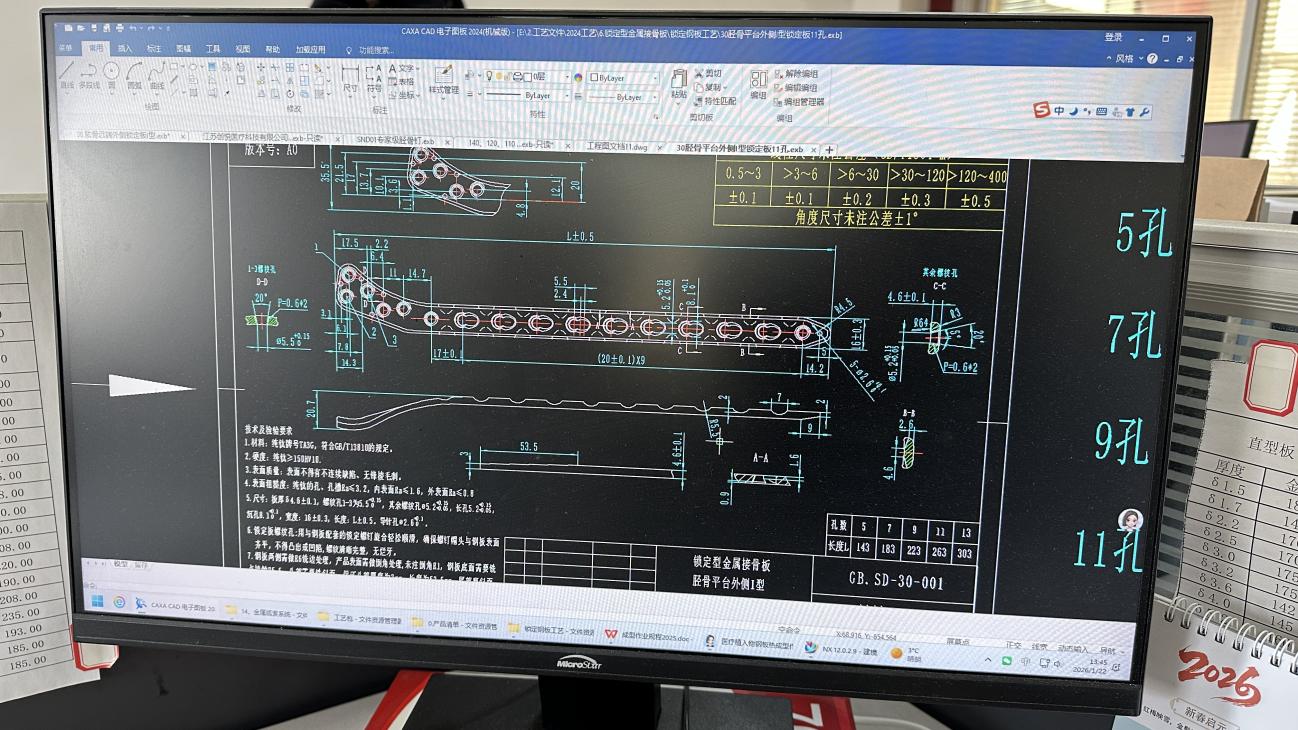
With 120 dedicated biomechanical and material science engineers, our facilities can transition customized implants from CAD designs to physical prototypes within days. This is paired with comprehensive testing protocols including dynamic fatigue testing (ISO 9585 / ASTM F543) and three-dimensional coordinate measurements, ensuring all customized implants perform safely under stress.
The global orthopedic market is undergoing a major regulatory transition. The European Union’s Transition from the Medical Device Directive (MDD) to the more stringent Medical Device Regulation (MDR 2017/745) has raised the bar for clinical data collection, post-market surveillance (PMS), and technical documentation.
As a reputable manufacturer, Virelox has structured its production lines to ensure complete clinical evaluation compliance, raw material traceability, and continuous quality audits. Every batch of titanium or stainless steel receives material certificates matching ASTM and ISO implants guidelines, guaranteeing that end-users receive safe, highly biocompatible medical hardware.
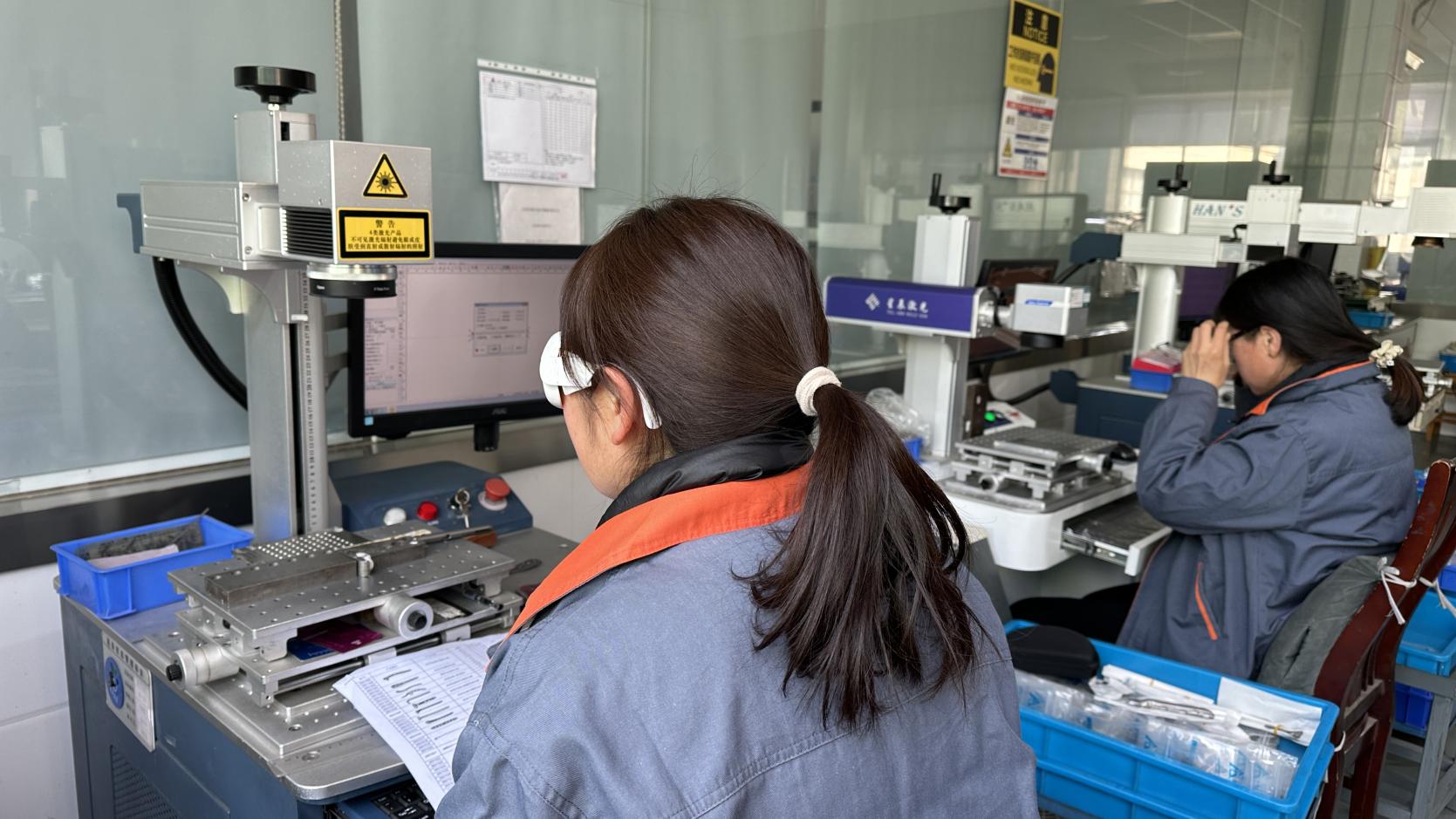
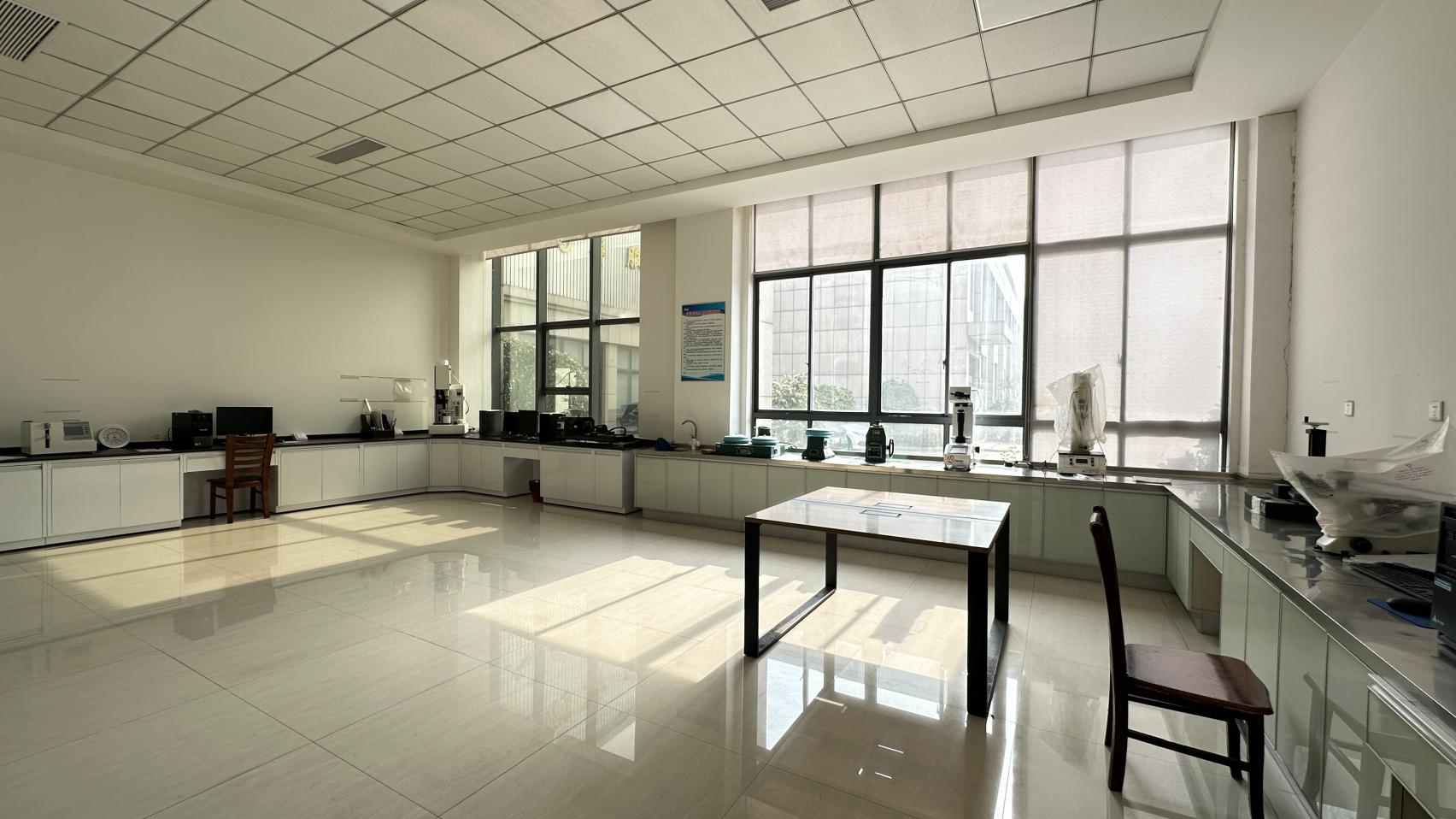
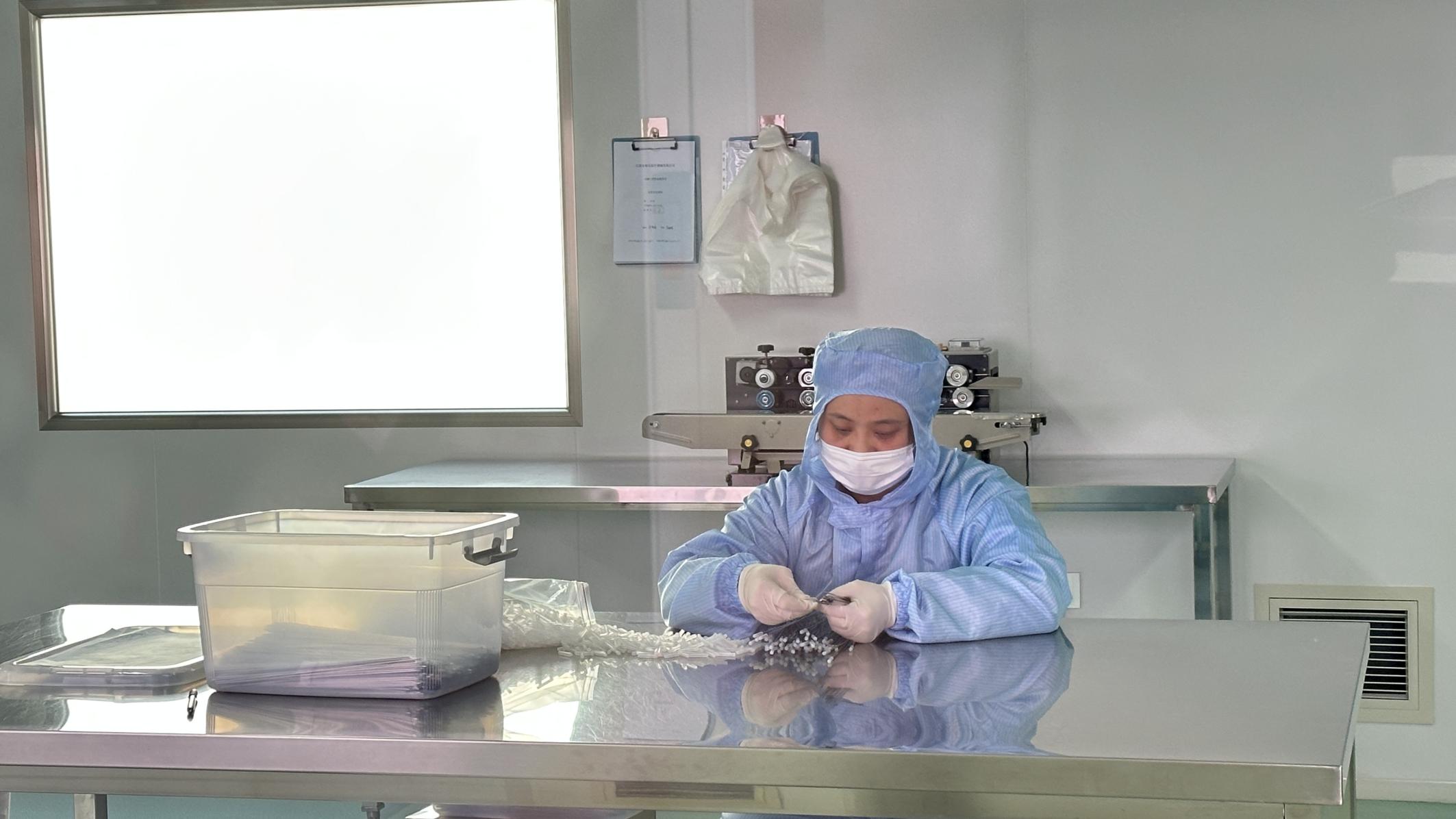
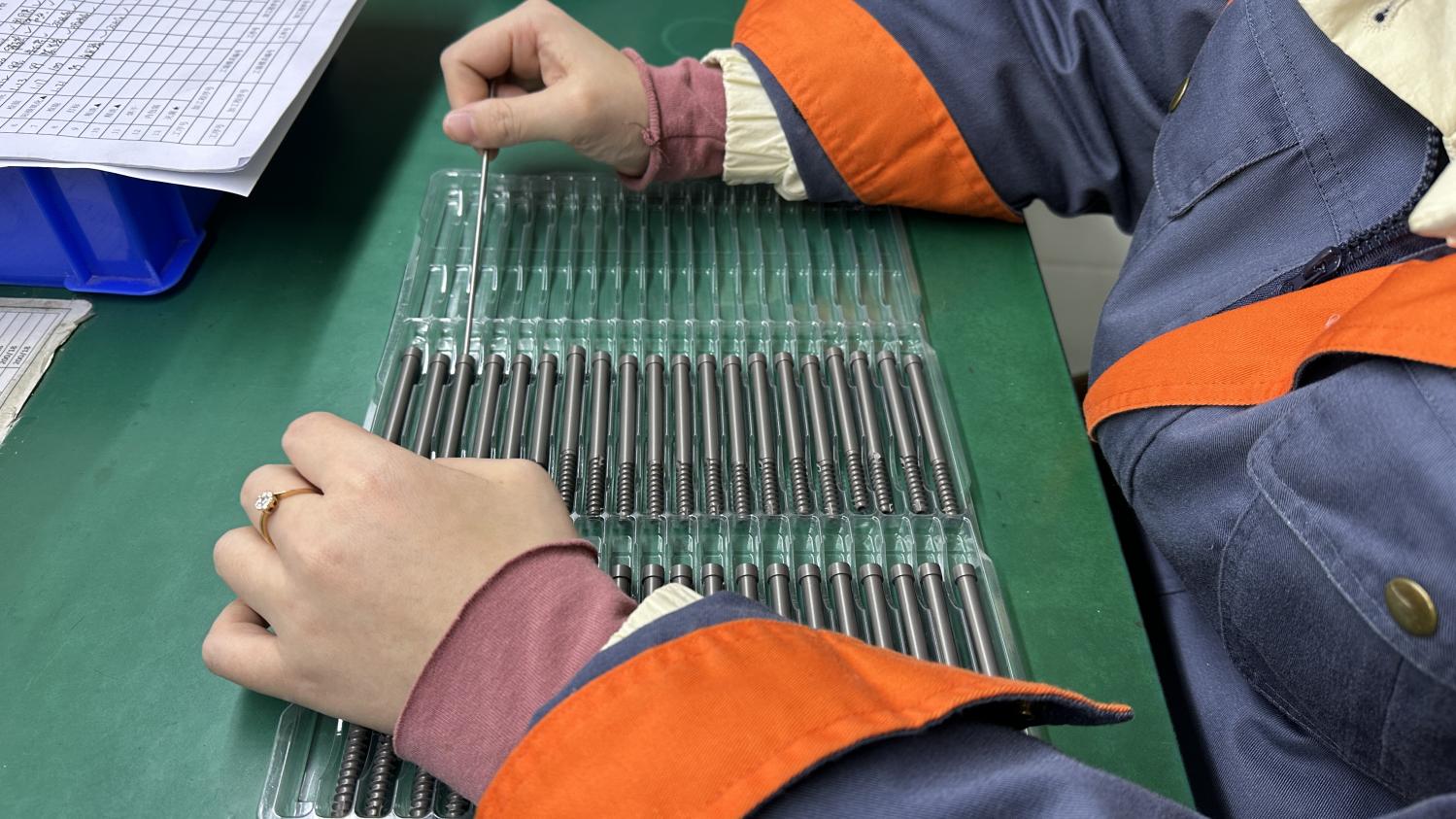
Real-world manufacturing steps inside Virelox's 12,000 m² facility, ensuring high quality, durability, and compliance.
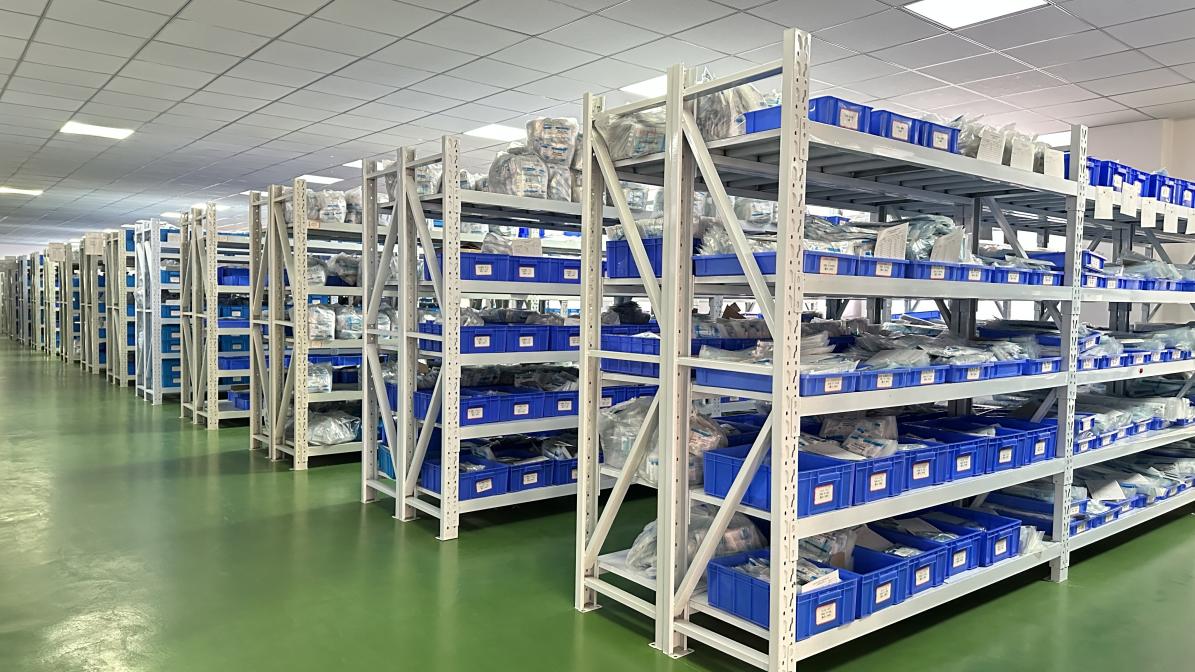
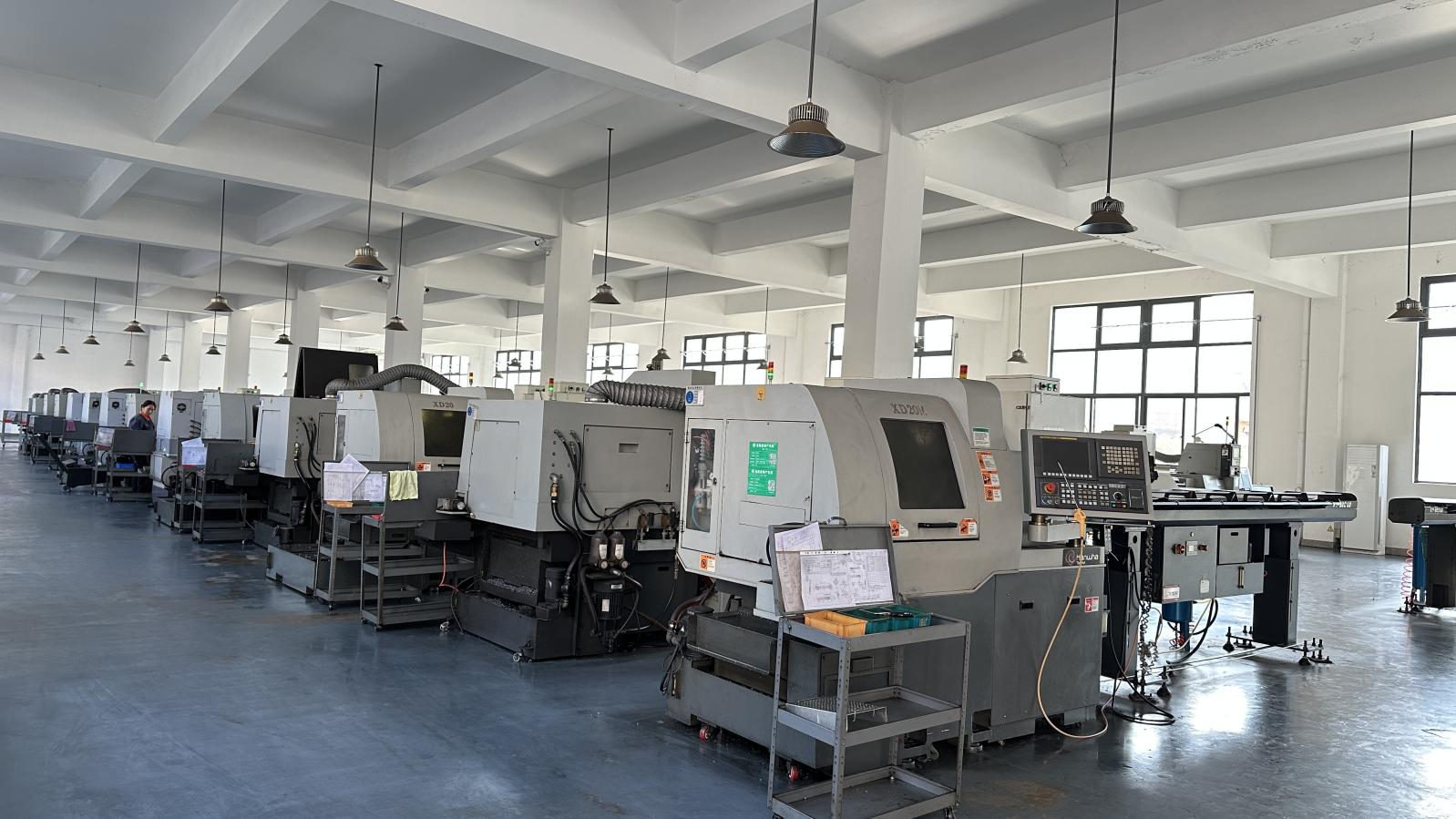
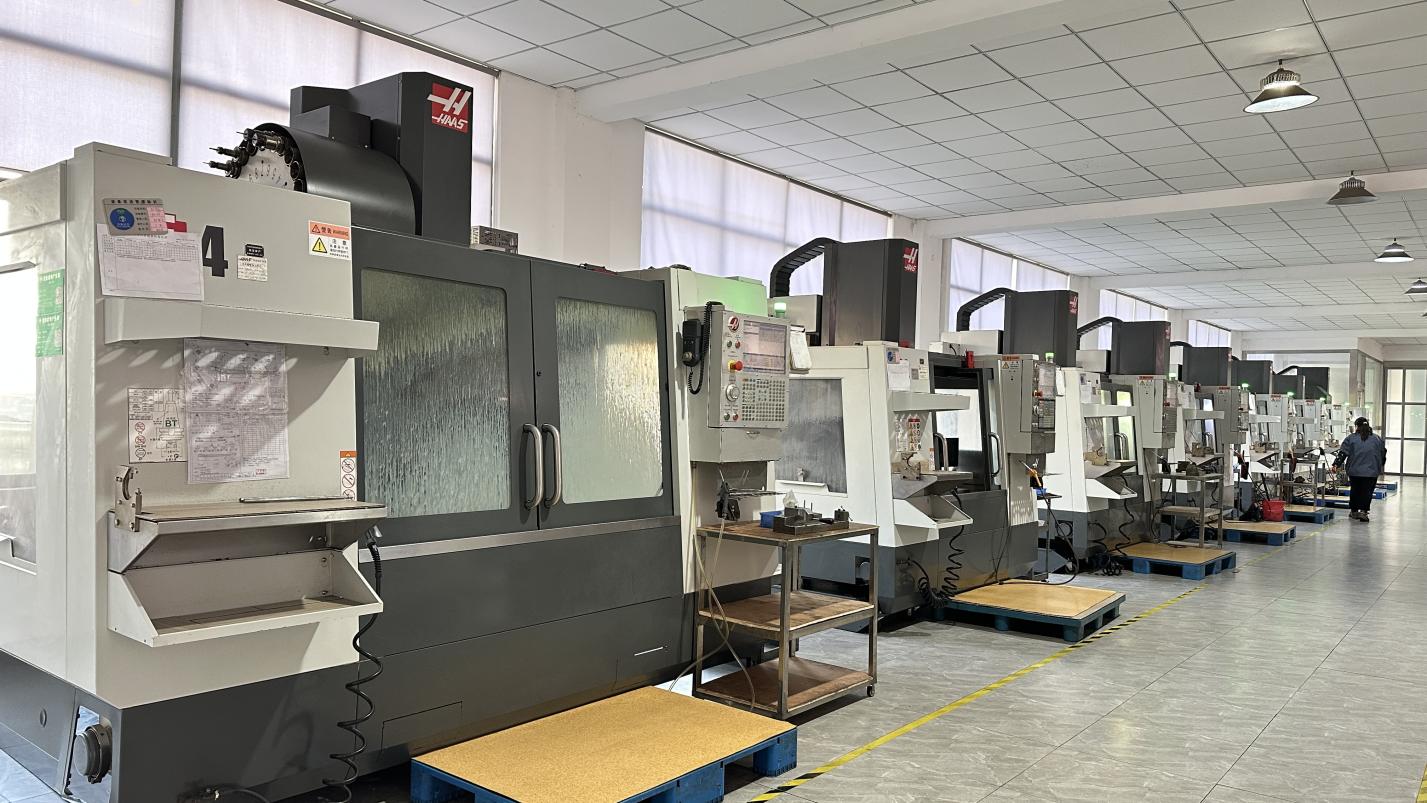
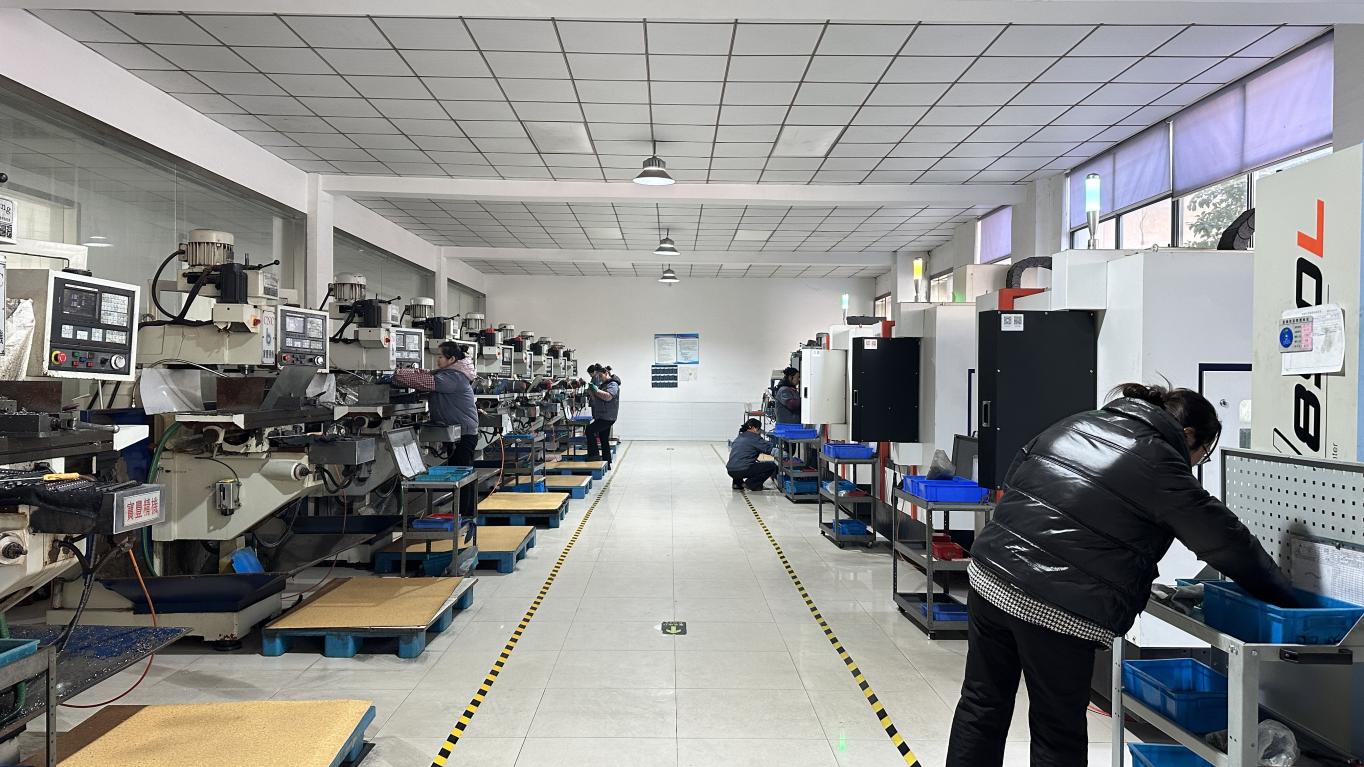
Compression screws are versatile implants used across several clinical specialties. Understanding these indications helps healthcare buyers stock the appropriate sizes, thread pitches, and screw types for their local hospitals.
The scaphoid bone is highly susceptible to non-union due to its retrograde blood supply. Using cannulated headless compression screws allows surgeons to introduce hardware percutaneously over a guide wire, compressing the fracture site without damaging the delicate cartilage or impeding wrist motion.
In procedures like Lapidus arthrodesis, Hallux Valgus corrections (bunions), and calcaneal osteotomies, large-diameter compression screws provide stable fixation against the high shear stresses of early weight-bearing. The headless screw configuration is crucial in these areas to prevent hardware irritation under thin skin layers.
Treating pediatric patients requires extreme care to avoid damaging active growth plates (epiphyseal lines). Cannulated compression screws allow for precise insertion under fluoroscopic guidance, stabilizing fractures (such as Salter-Harris Type III and IV injuries) while preserving long-term bone growth potential.
Important technical details and compliance information for global sourcing managers and orthopedic surgeons.
Complementary surgical systems, trauma hardware, and specialized instrumentation to support comprehensive hospital tenders.
 Virelox