Explore our specialized range of high-performance orthopedic surgical instruments and implants designed for global healthcare standards.
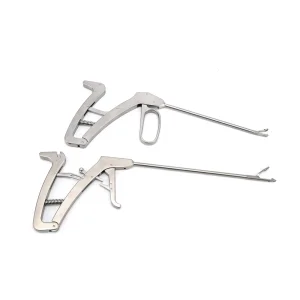
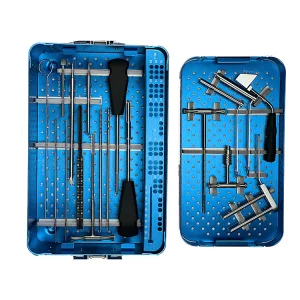
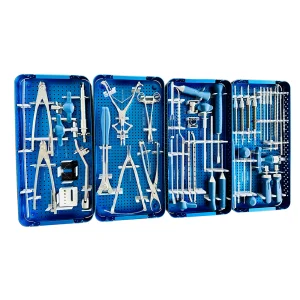
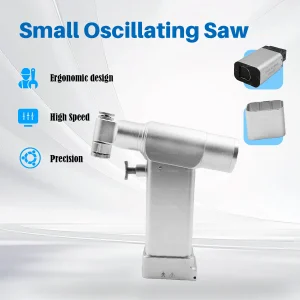
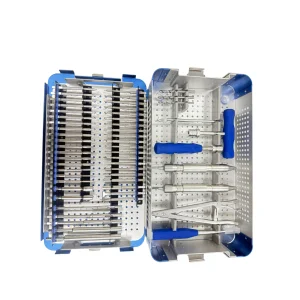
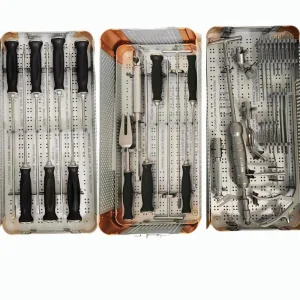
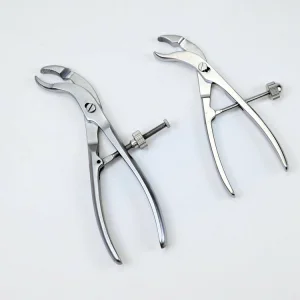
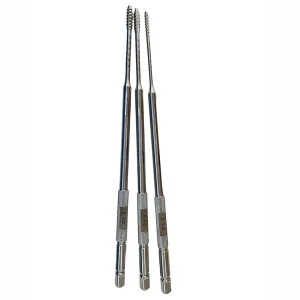
Combining state-of-the-art R&D with stringent ISO-certified production lines to supply surgical implants of unmatched quality worldwide.
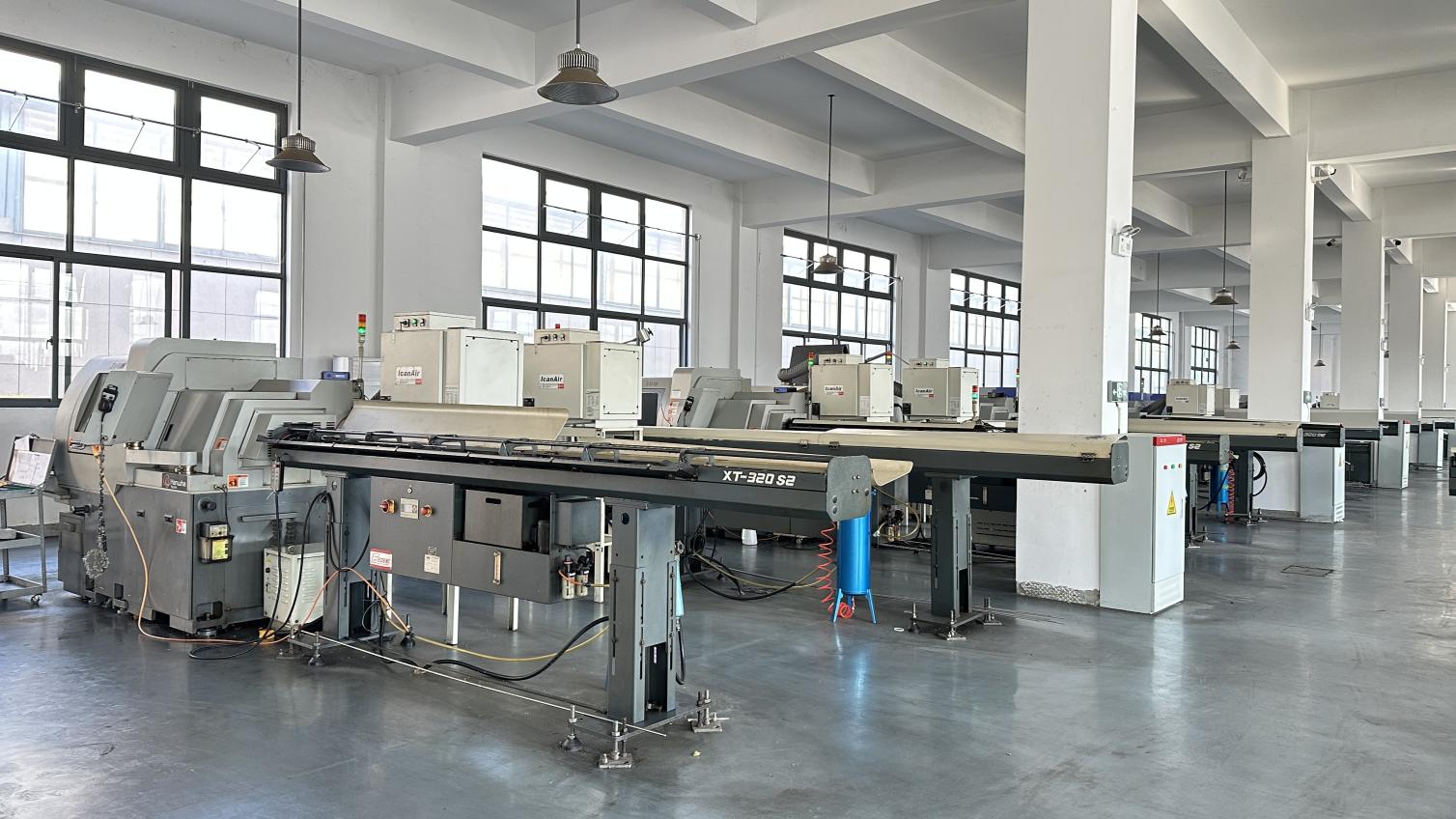
Virelox Medical Devices Co., Ltd. is an industry-leading orthopedic medical device manufacturer. Operating under the globally registered trademark "Virelox," we specialize in orthopedic implants and surgical instrumentation systems. Founded in 2016, our facility spans 12,000 square meters, serving as a hub for advanced medical device engineering, biomechanical validation, and precision production.
With over 10 years of industrial experience and 8 years of export operations, our manufacturing philosophy revolves around structural reliability and precision clinical utility. Our annual export revenue has reached USD 8,500,000, driven by key partnerships in Europe, Southeast Asia, the Middle East, and South America.
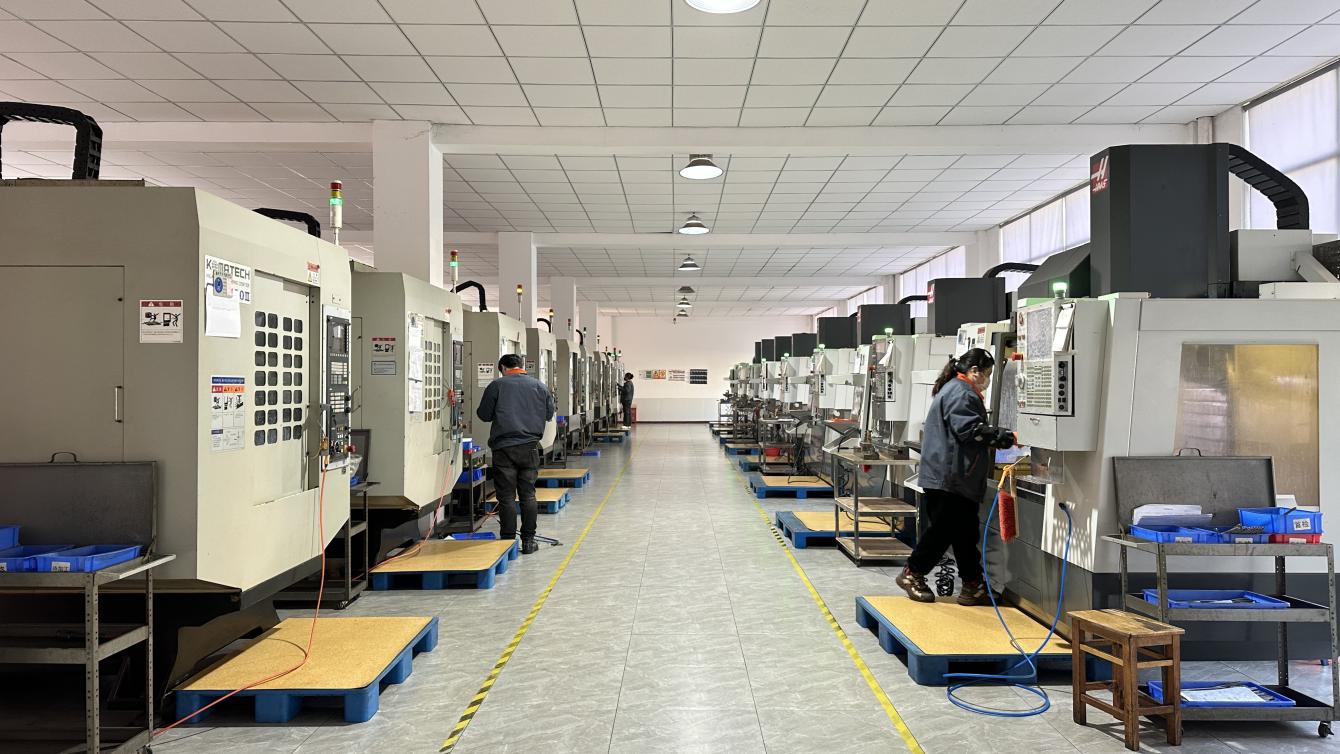
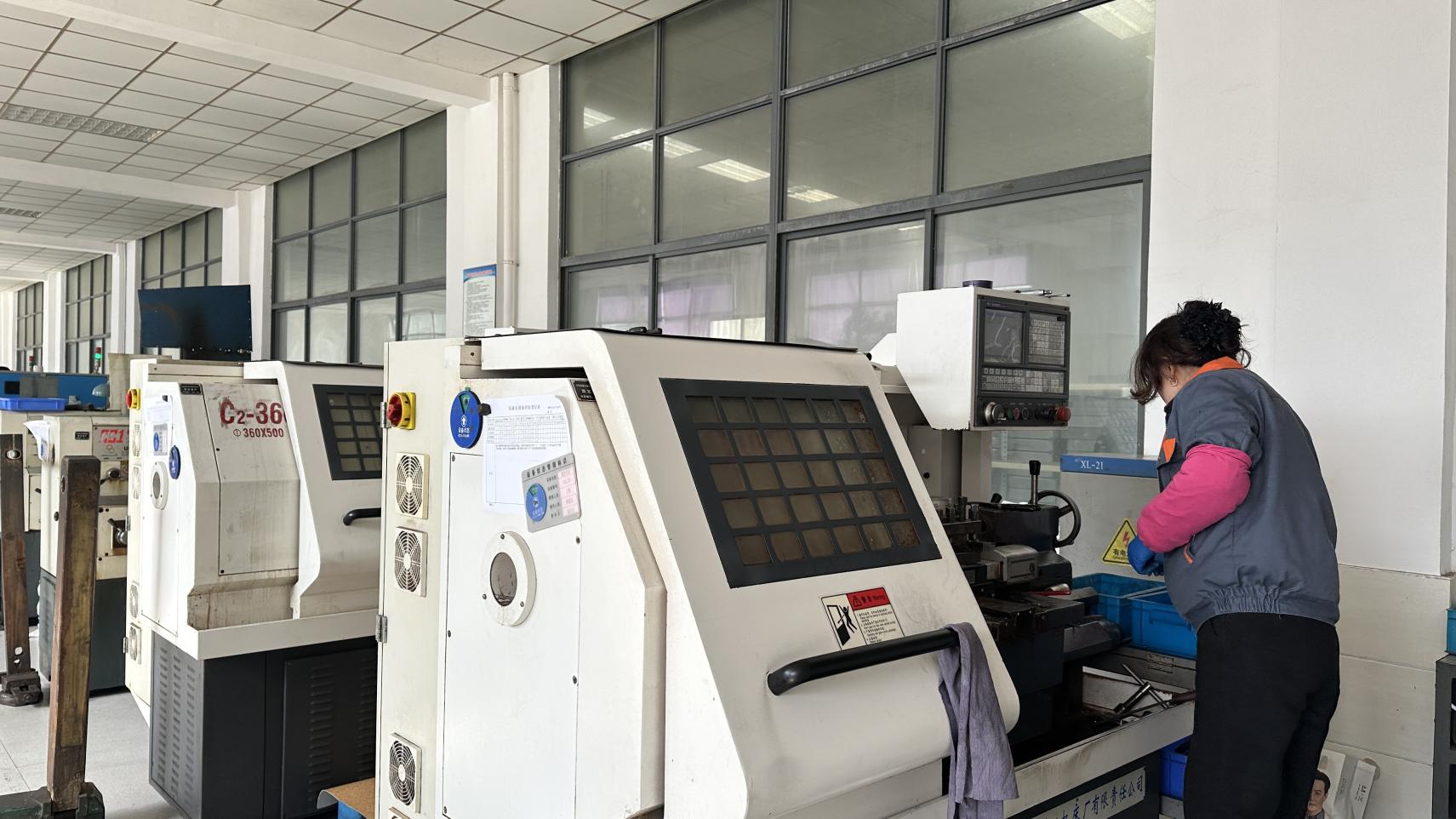
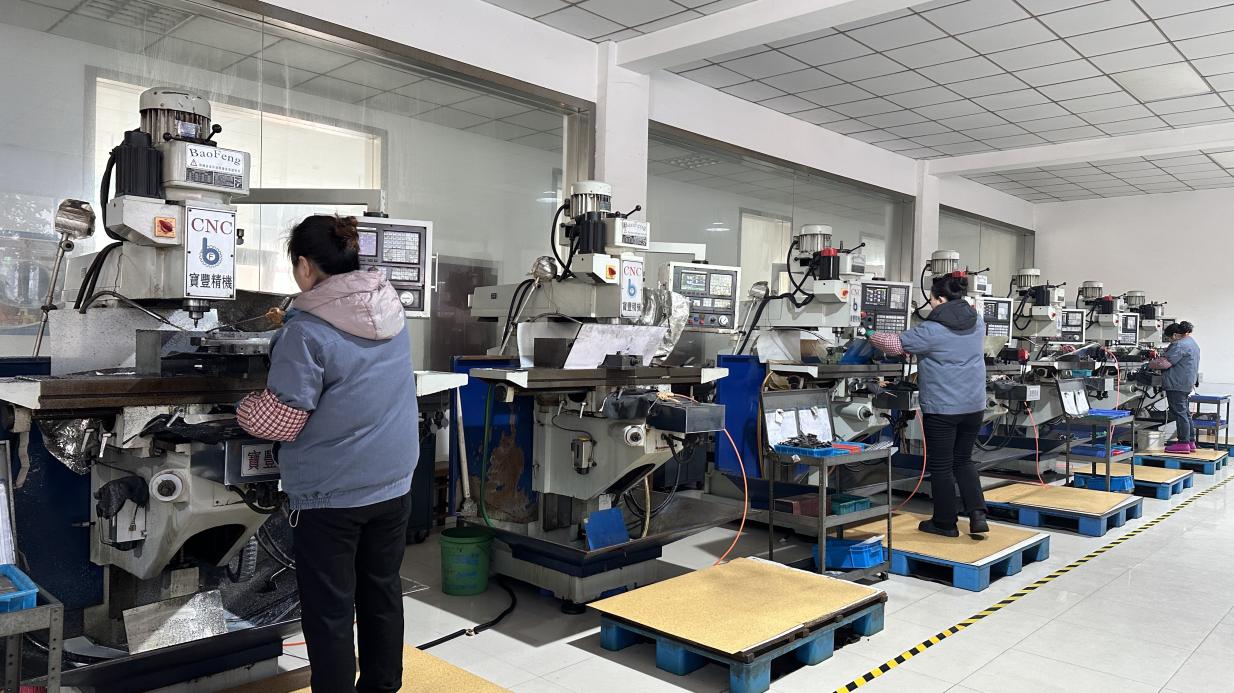
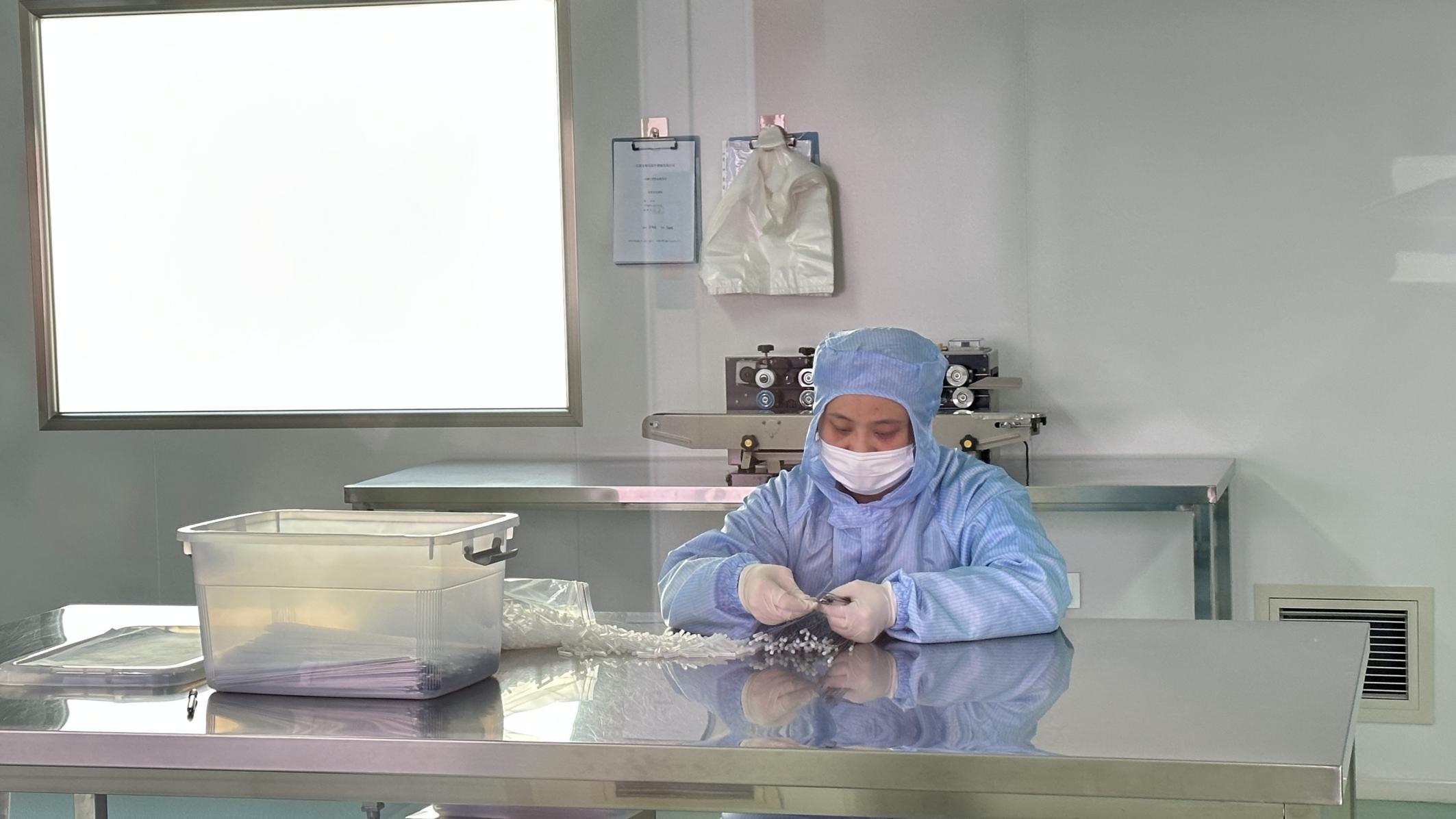
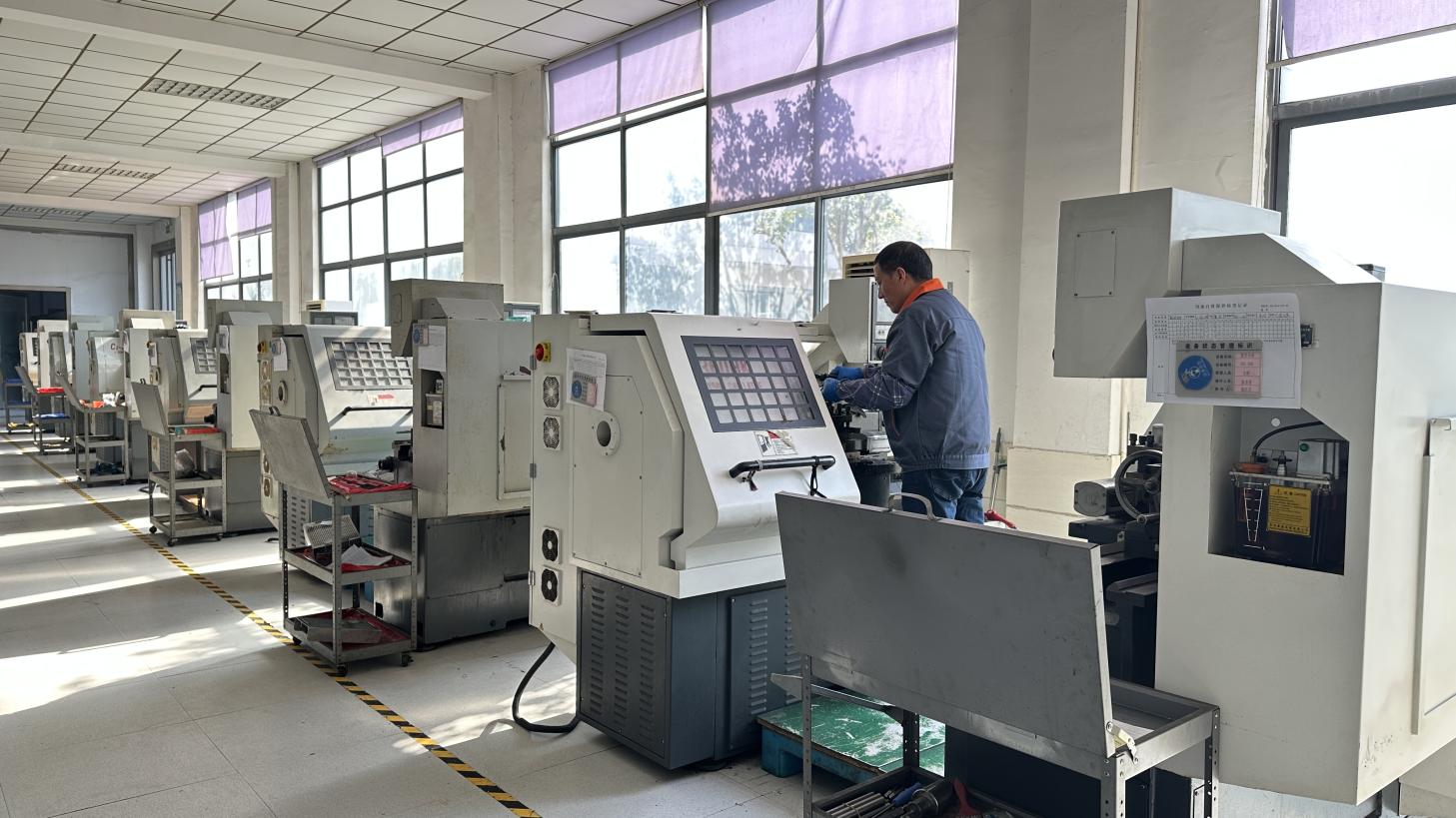
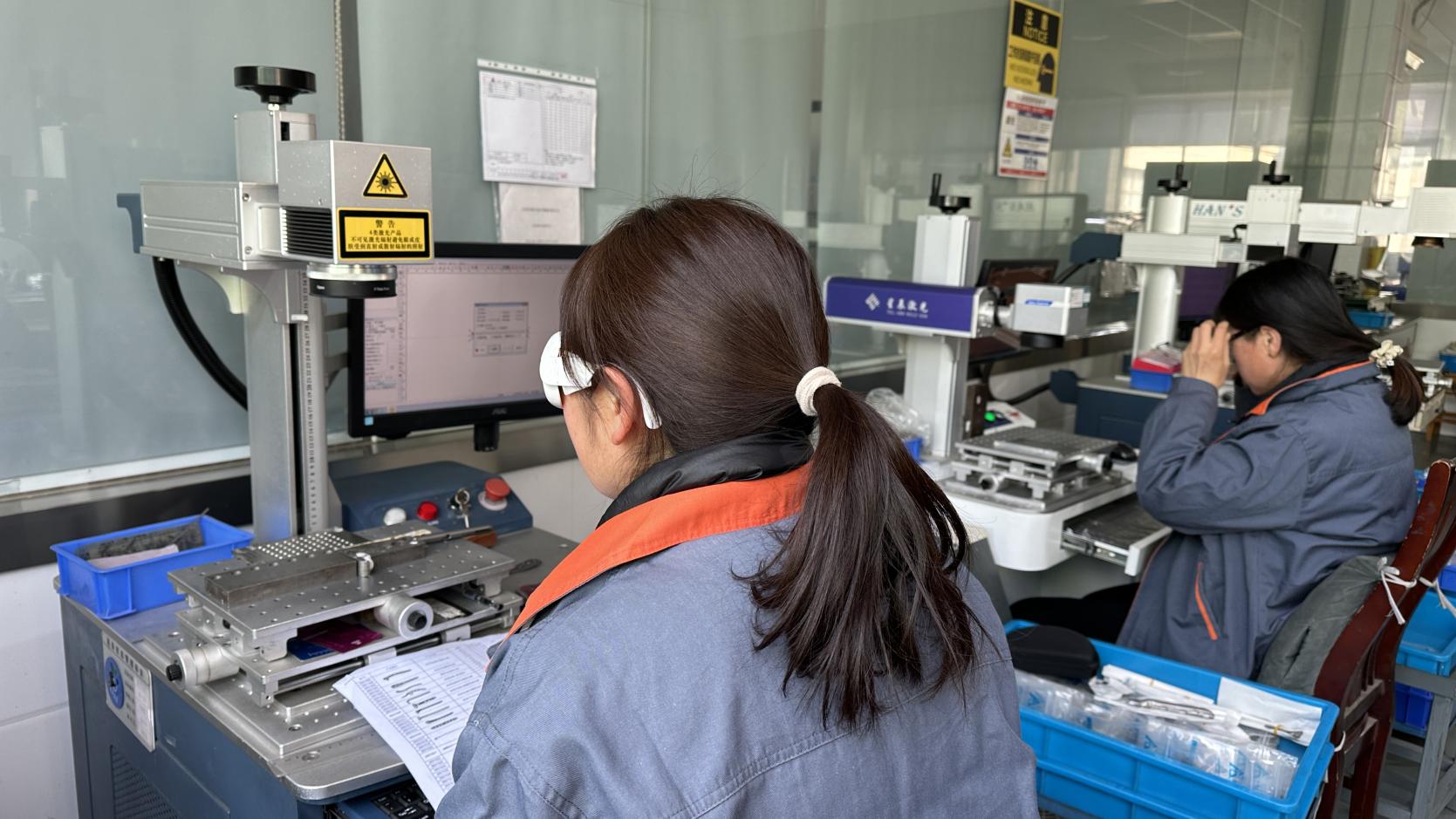
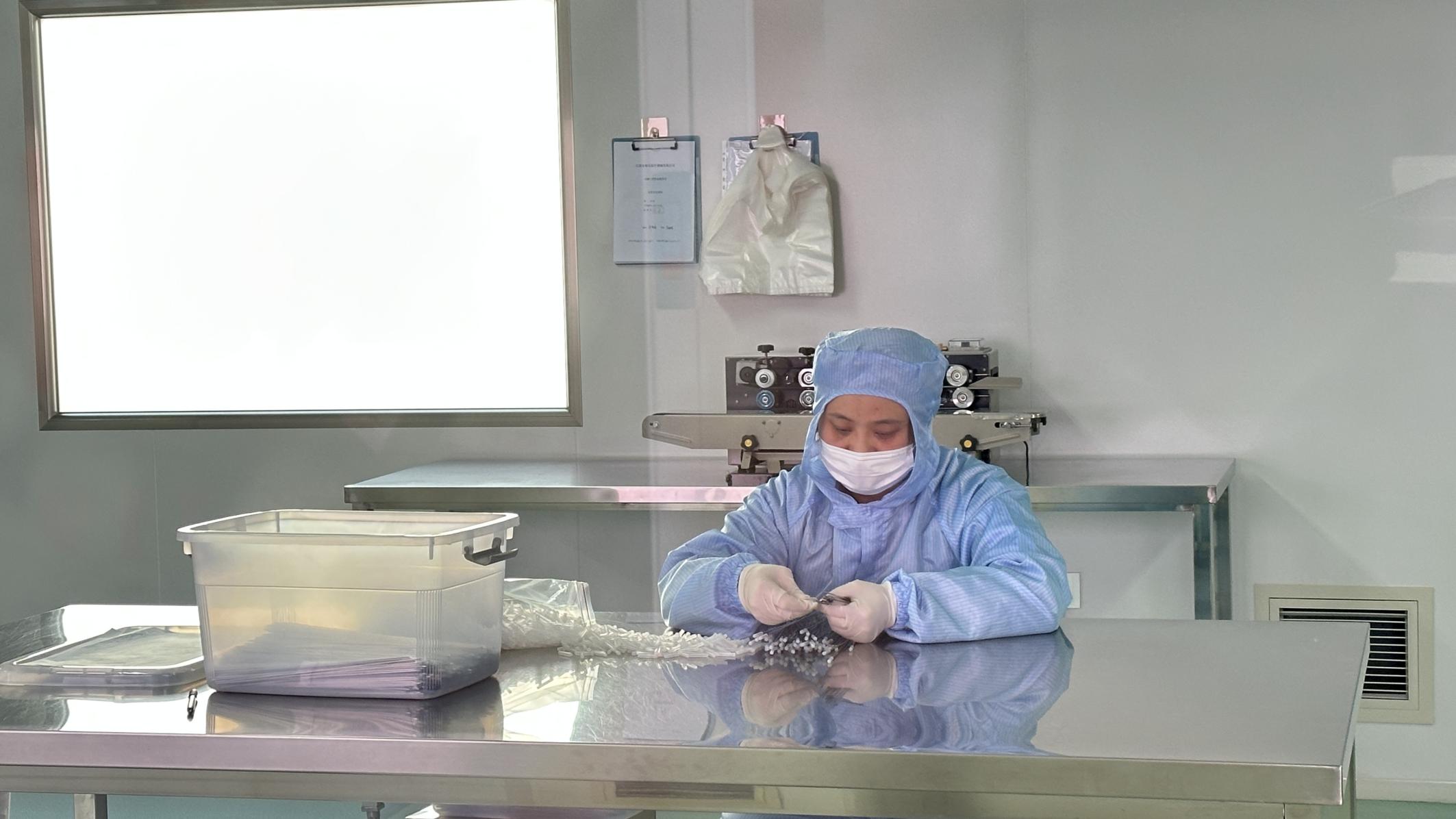
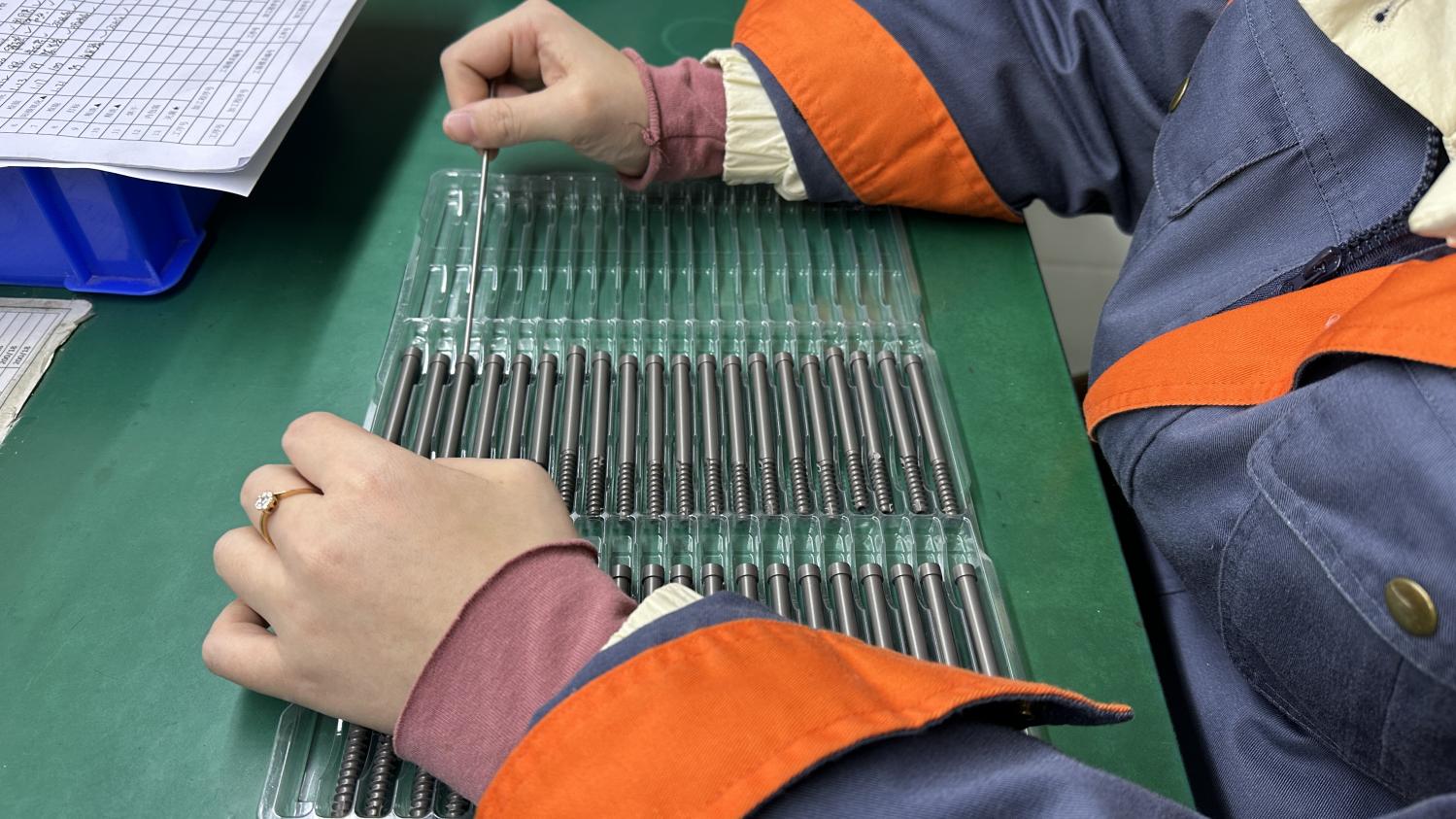
Quality is the cornerstone of Virelox surgical implants. We maintain an ISO 13485-compliant full-process quality management system that oversees all stages, including incoming raw materials verification, in-process CNC control, final chemical cleaning, and sterile packaging.
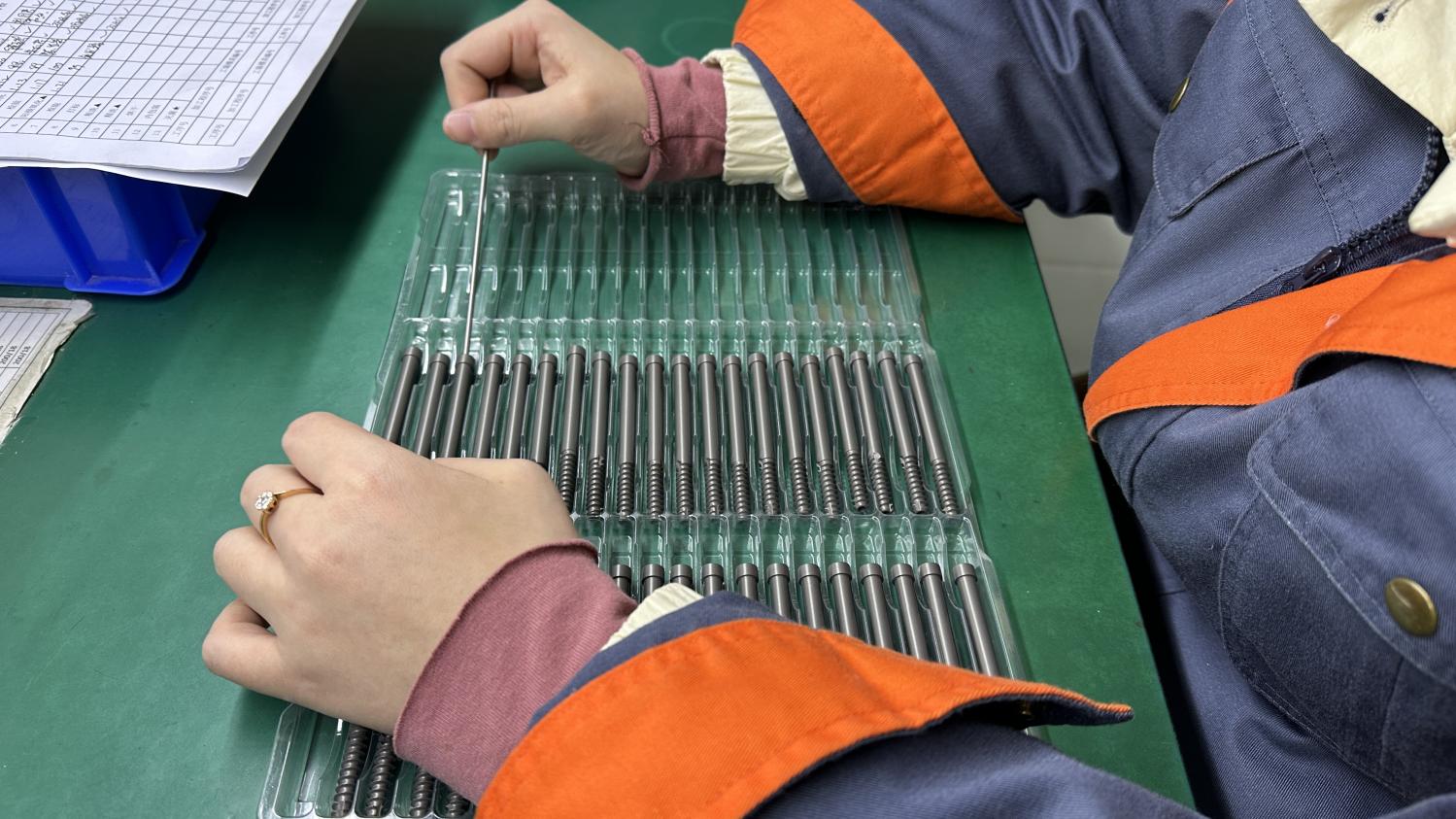
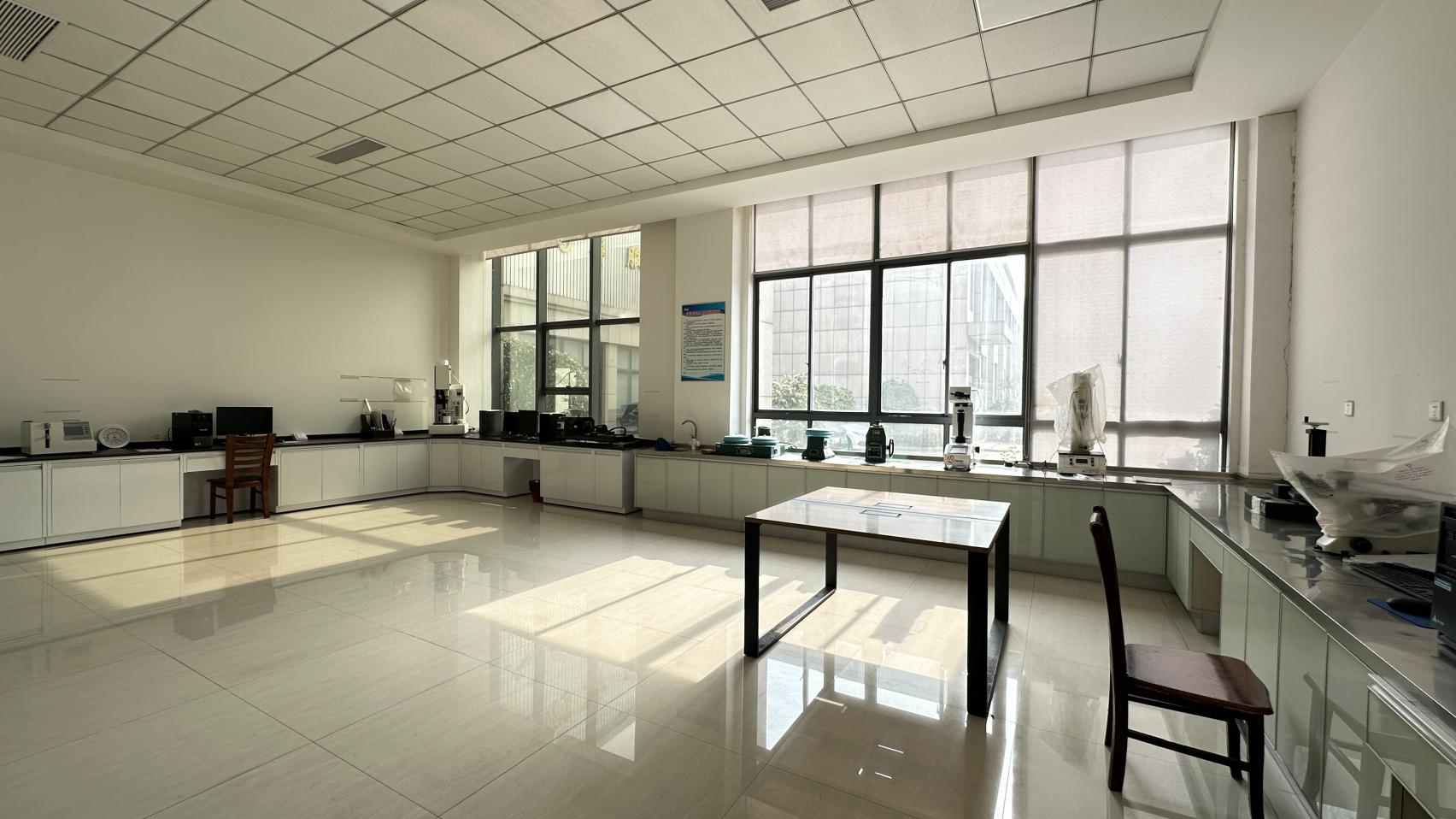
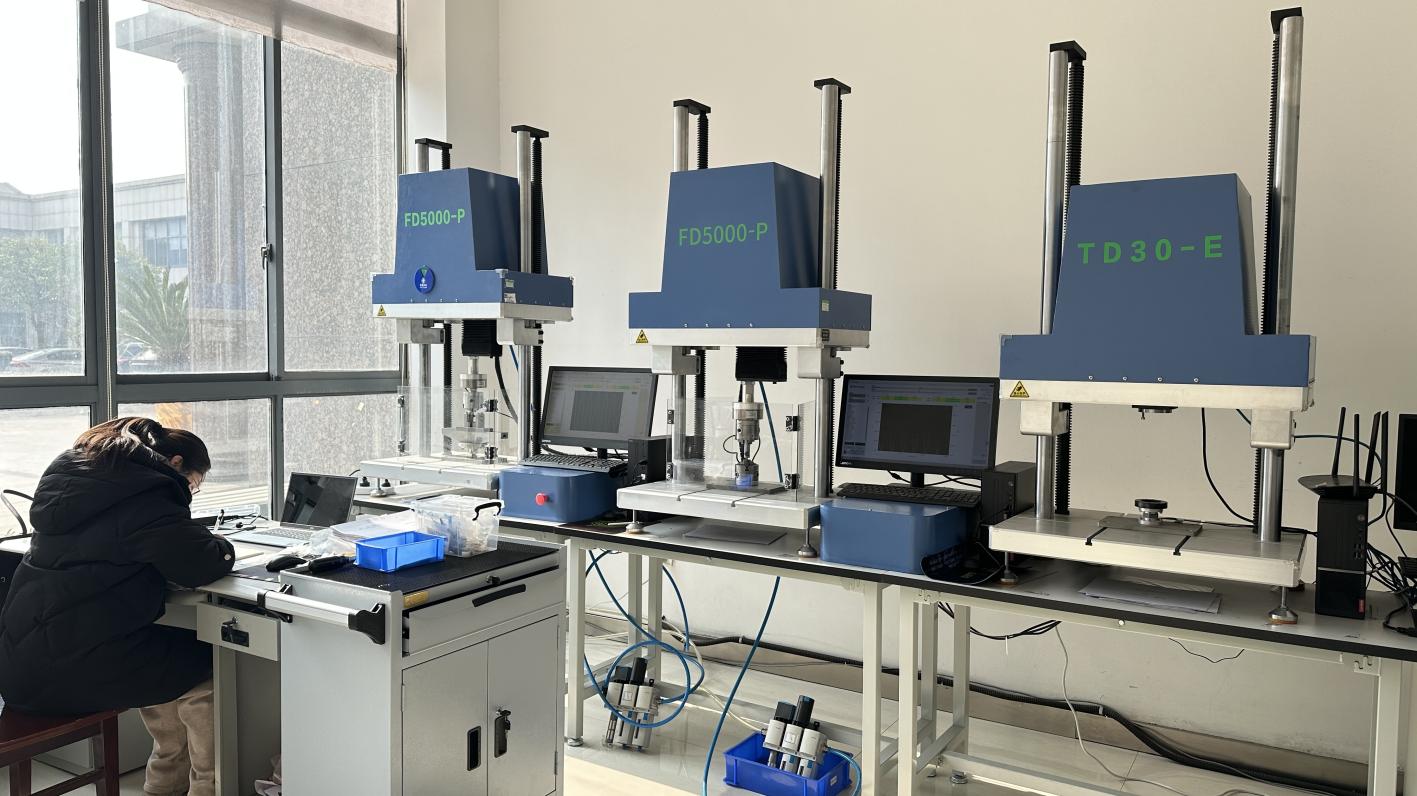
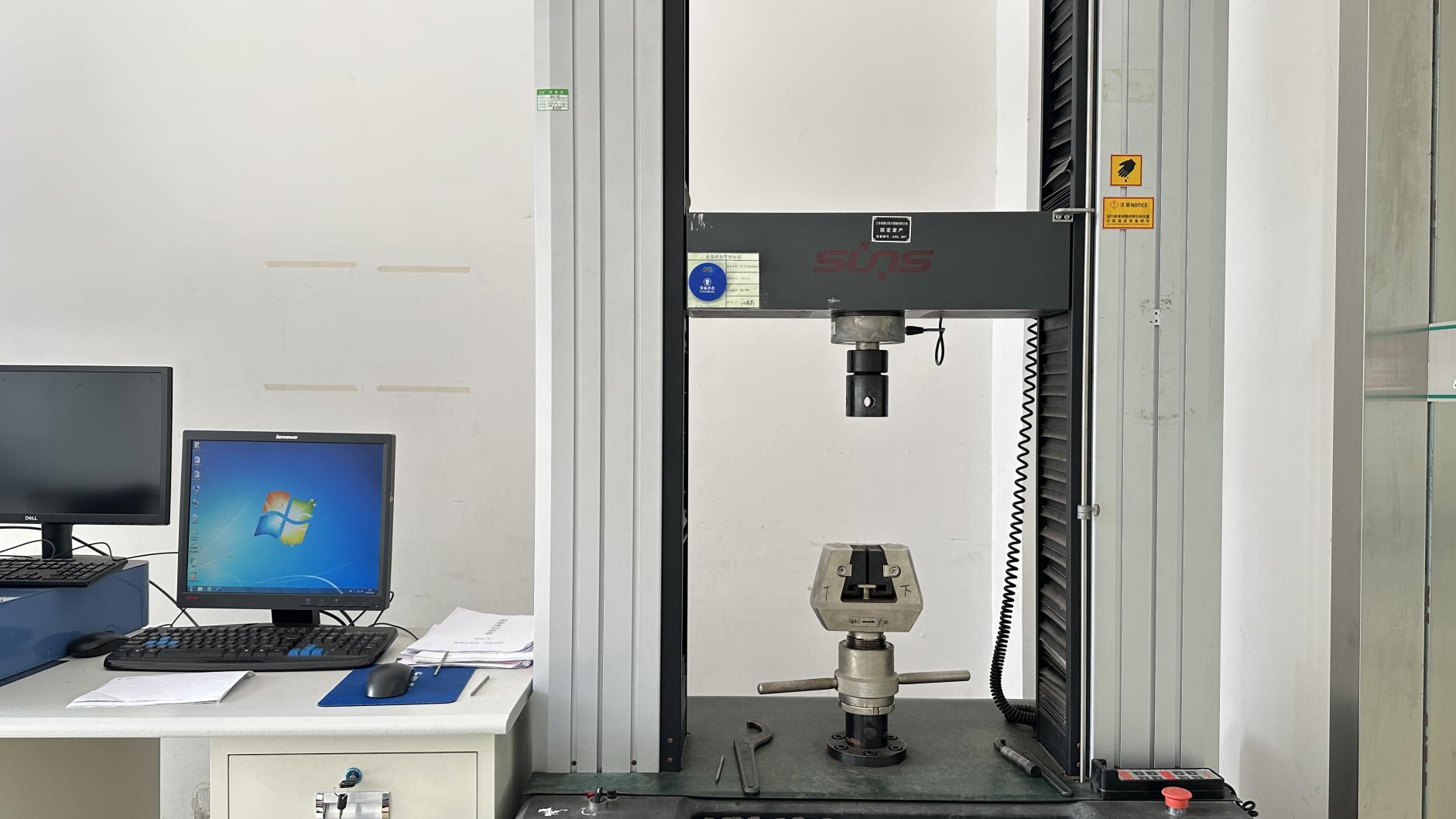
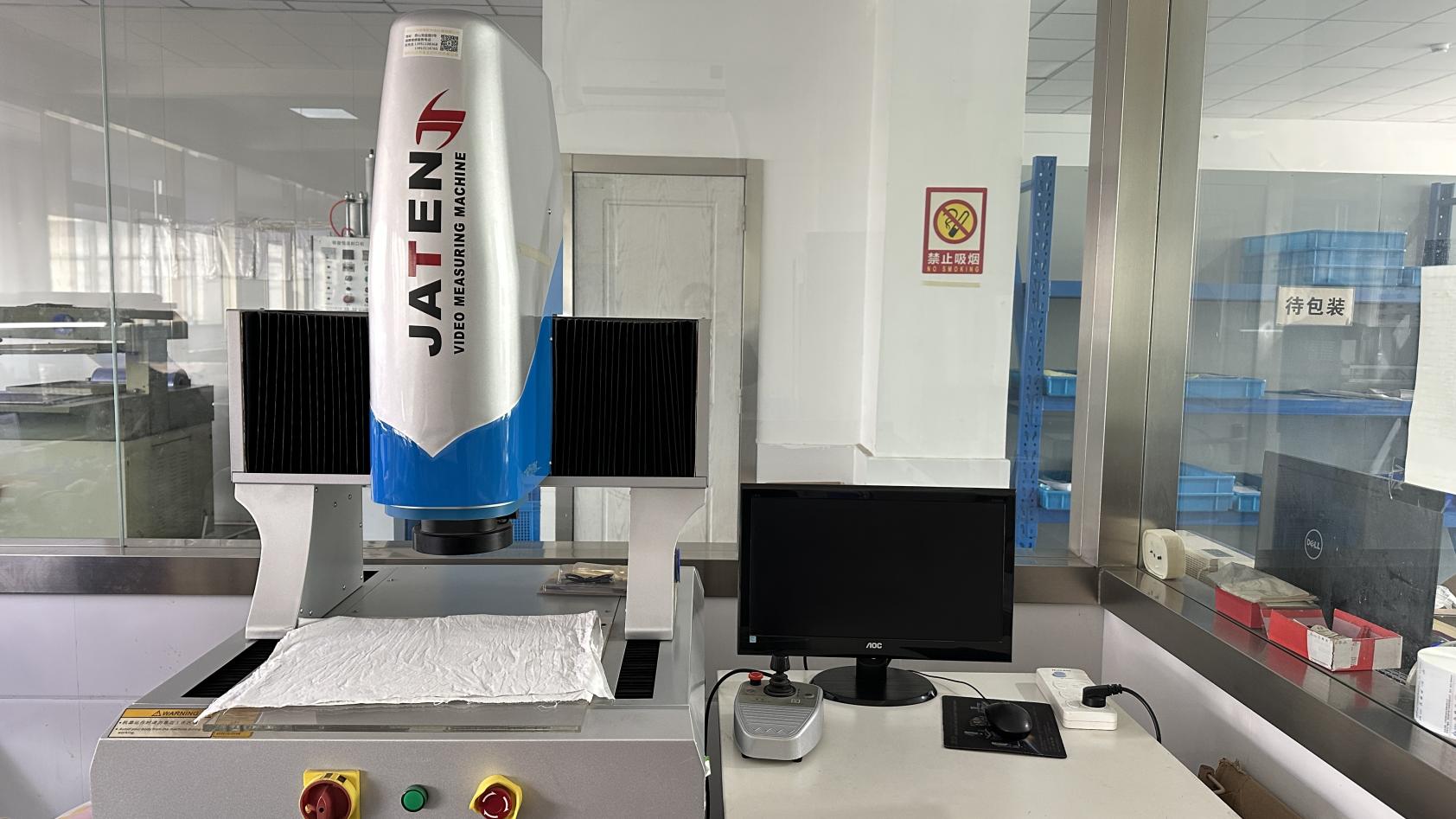
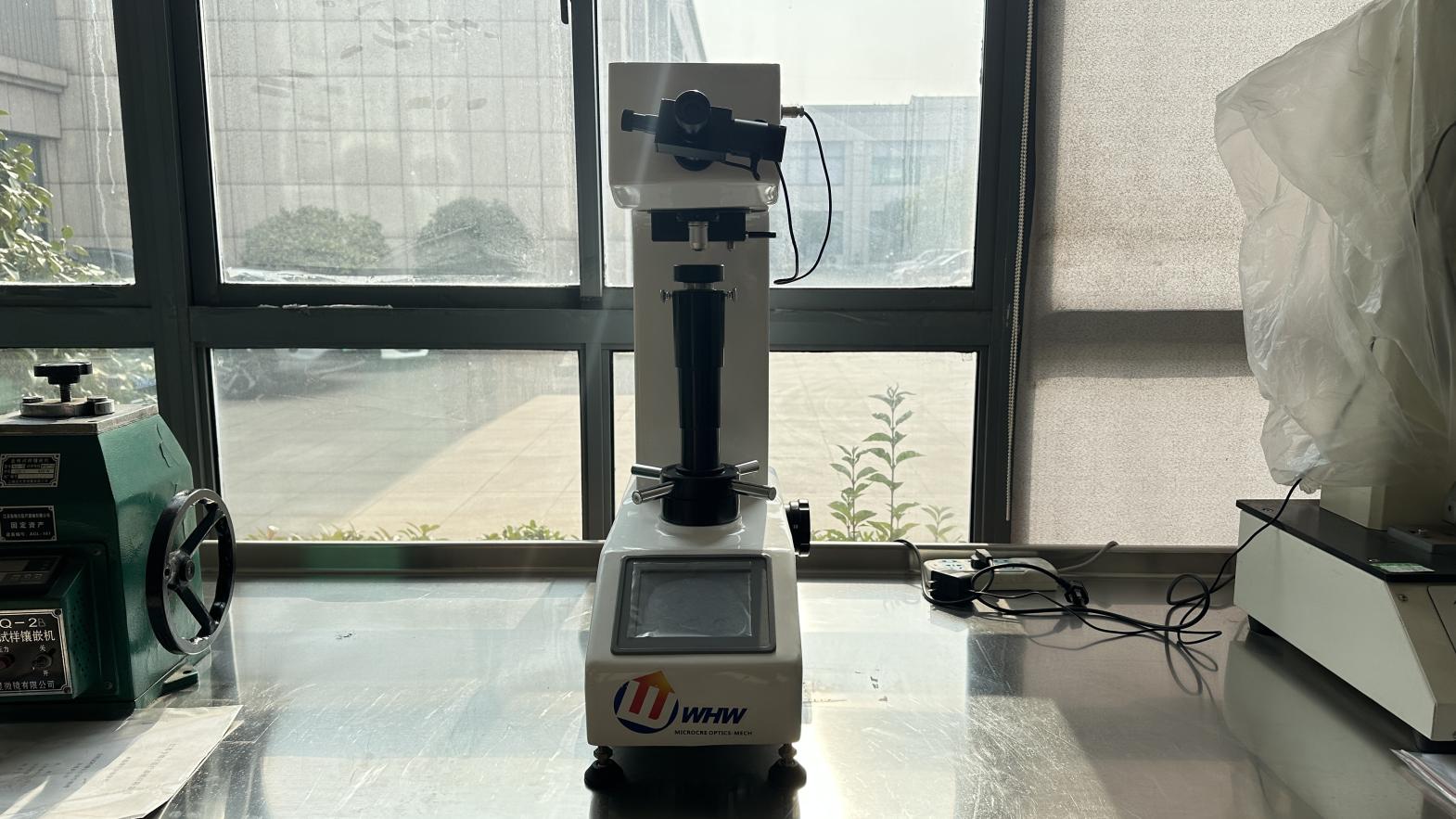
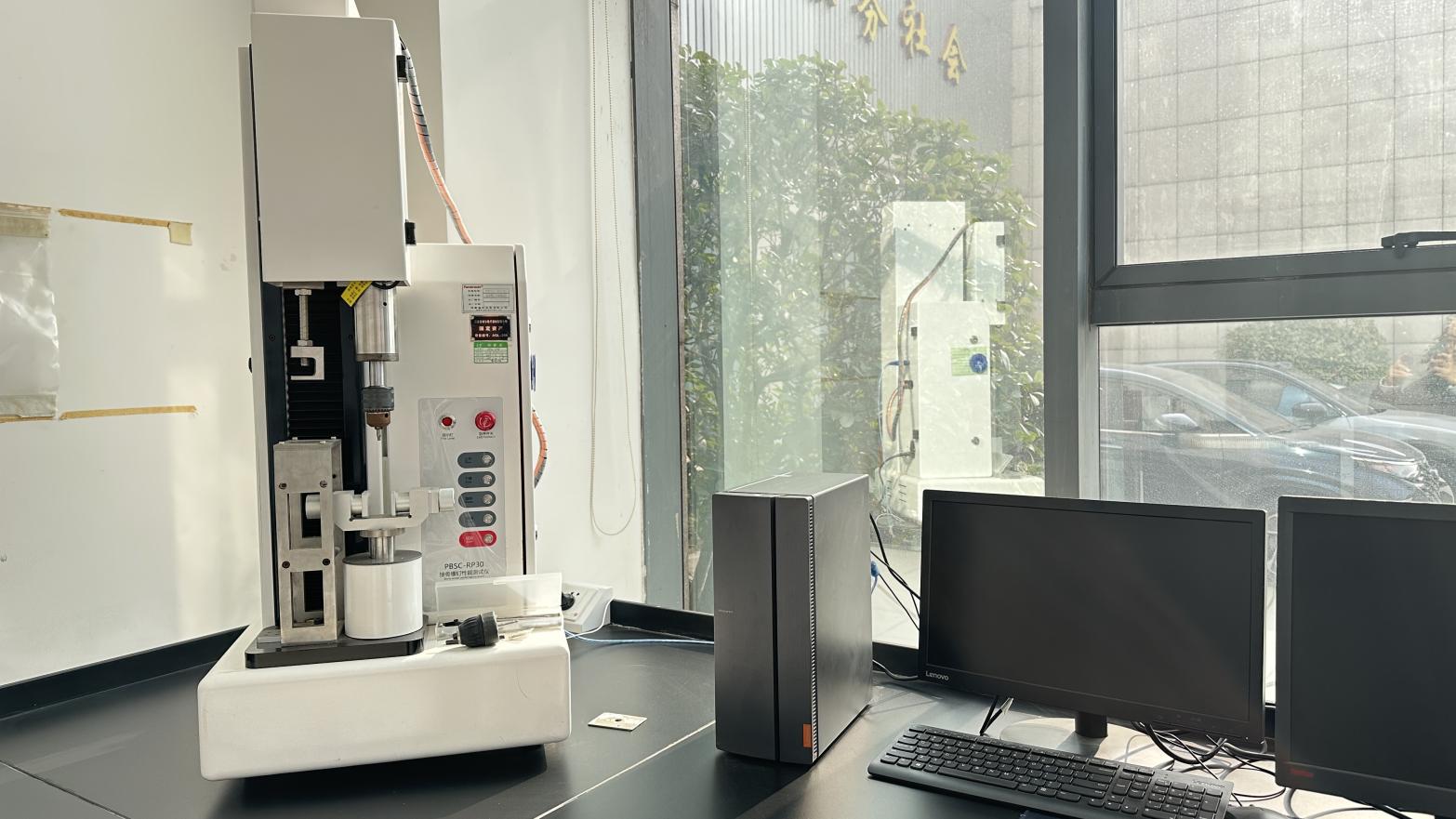
Our validation facility is run by 65 dedicated Quality Control professionals utilizing advanced testing methodologies. Our verification equipment includes X-ray inspection, tensile strength testing, mechanical fatigue testing, and high-precision Coordinate Measuring Machine (CMM) dimensional analysis.
A technical whitepaper analyzing structural stability, stress shielding reduction, and clinical compliance of anterior cervical fixation systems.
Anterior Cervical Discectomy and Fusion (ACDF) remains the gold standard for treating degenerative cervical disc disease, herniations, spondylotic myelopathy, and trauma. The application of an anterior cervical plate system provides immediate mechanical stabilization, maintains lordotic alignment, prevents graft extrusion, and increases arthrodesis rates.
To ensure long-term clinical success, modern cervical plates must address the balance between mechanical stability and load-sharing. Rigid fixation offers strong stability but can cause stress shielding, which may delay bone graft healing. In contrast, dynamic or semi-rigid plates allow micromotion along the axial plane, encouraging load-sharing (in accordance with Wolff’s Law) to accelerate solid bony fusion.
"The engineering of anterior cervical plates requires optimizing mechanical stability while facilitating physiological load transfer to the bone graft. Our CE certified anterior cervical plates are designed with a low-profile construct and variable-angle locking screws to minimize adjacent segment pathology."
Our implant portfolio utilizes biocompatible titanium alloys (typically Ti-6Al-4V ELI) that offer high fatigue strength, corrosion resistance, and excellent MRI/CT compatibility. Key structural parameters of our cervical plates include:
For global medical device suppliers, CE Certification (under the European Medical Devices Regulation - EU MDR 2017/745) serves as verification of design safety, manufacturing reproducibility, and clinical validation.
To maintain compliance, Virelox implants undergo rigorous verification, including ASTM F1717 mechanical testing standards for spinal implant constructs. These tests evaluate static compression bending, static torsion, and dynamic fatigue performance. The testing ensures that the plate can withstand over 5 million cycles of physiological loading without mechanical failure.
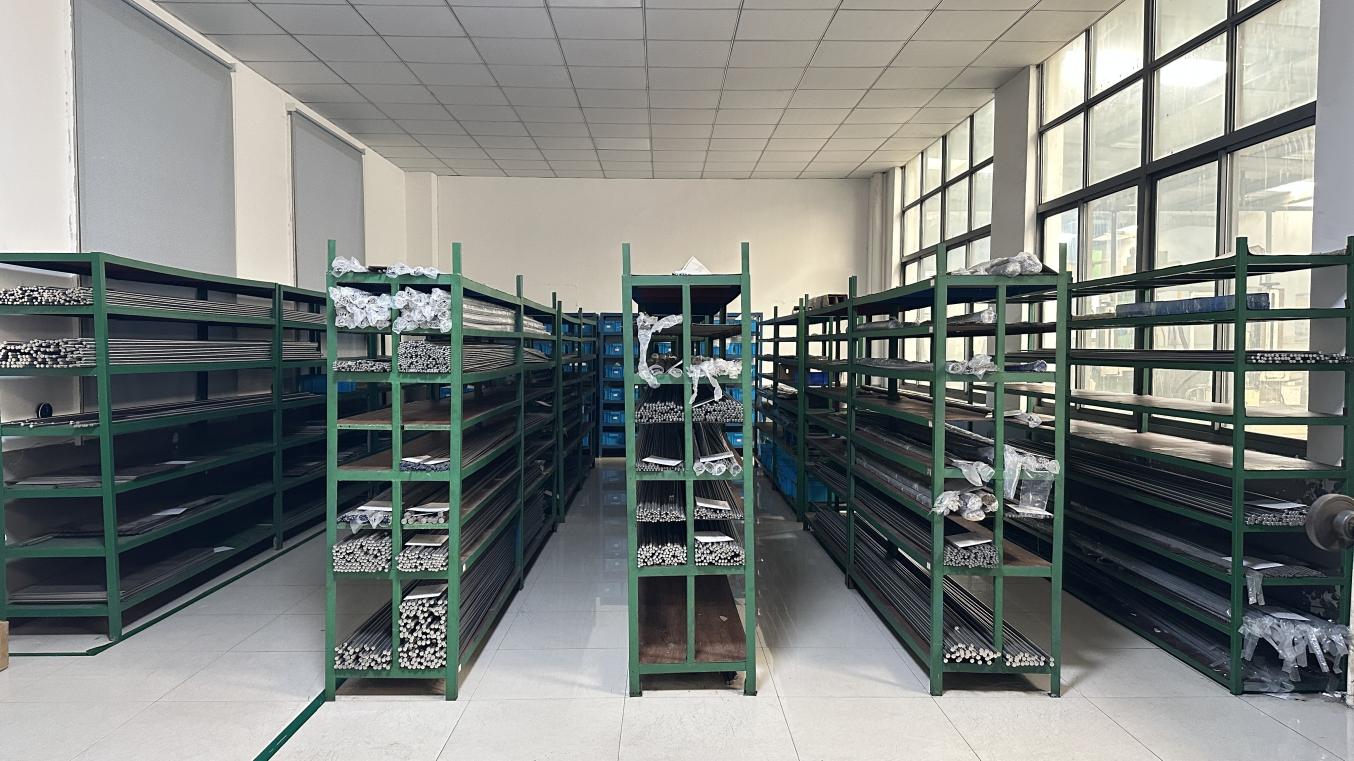
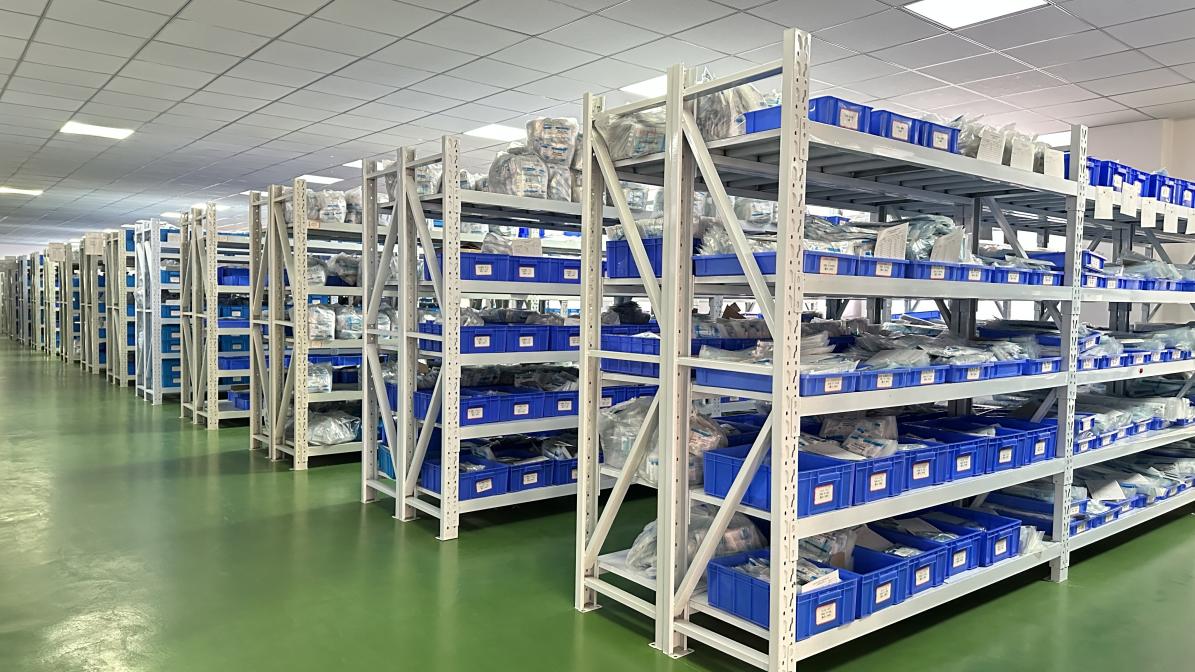
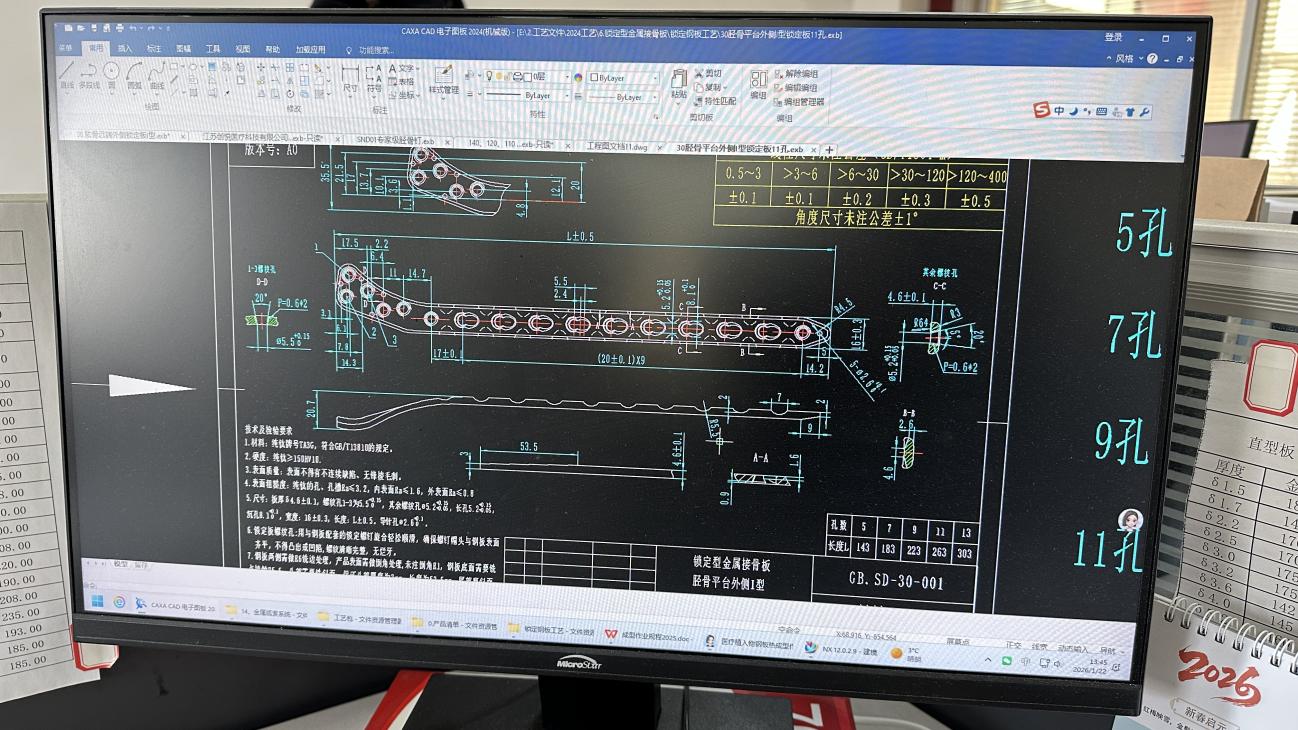
Comprehensive overview of the manufacturing workflow at Virelox Medical, highlighting our commitment to quality at every step.
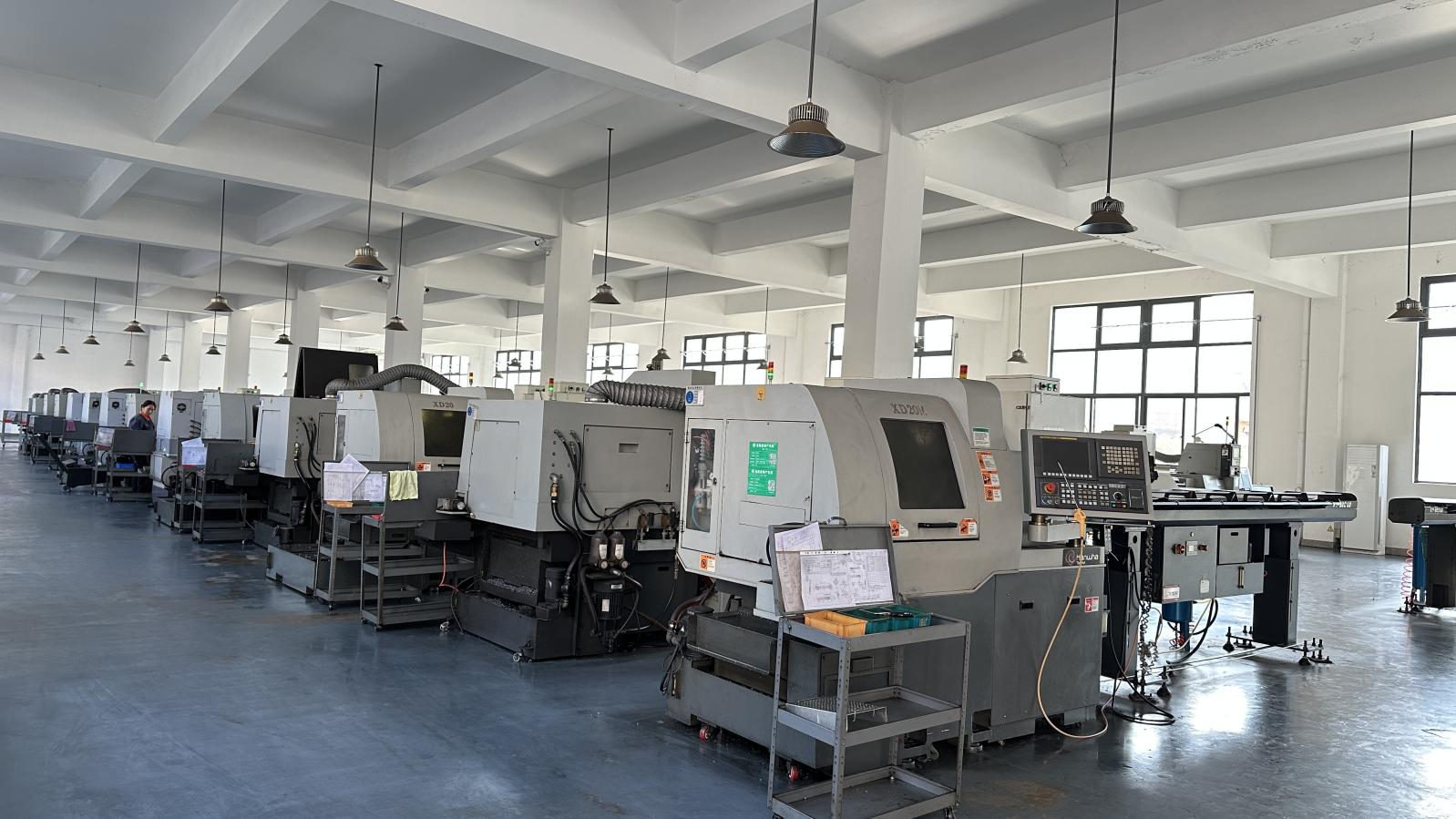
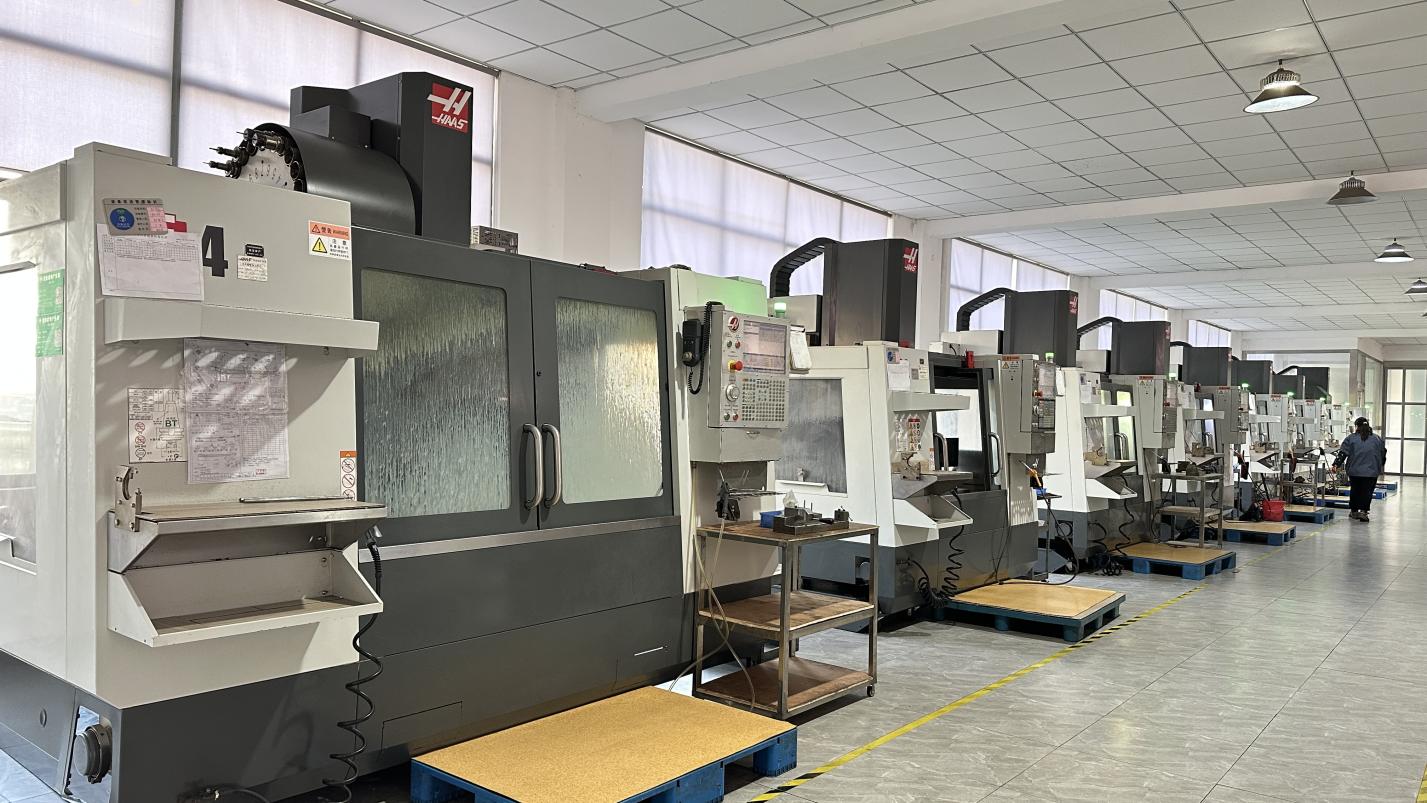
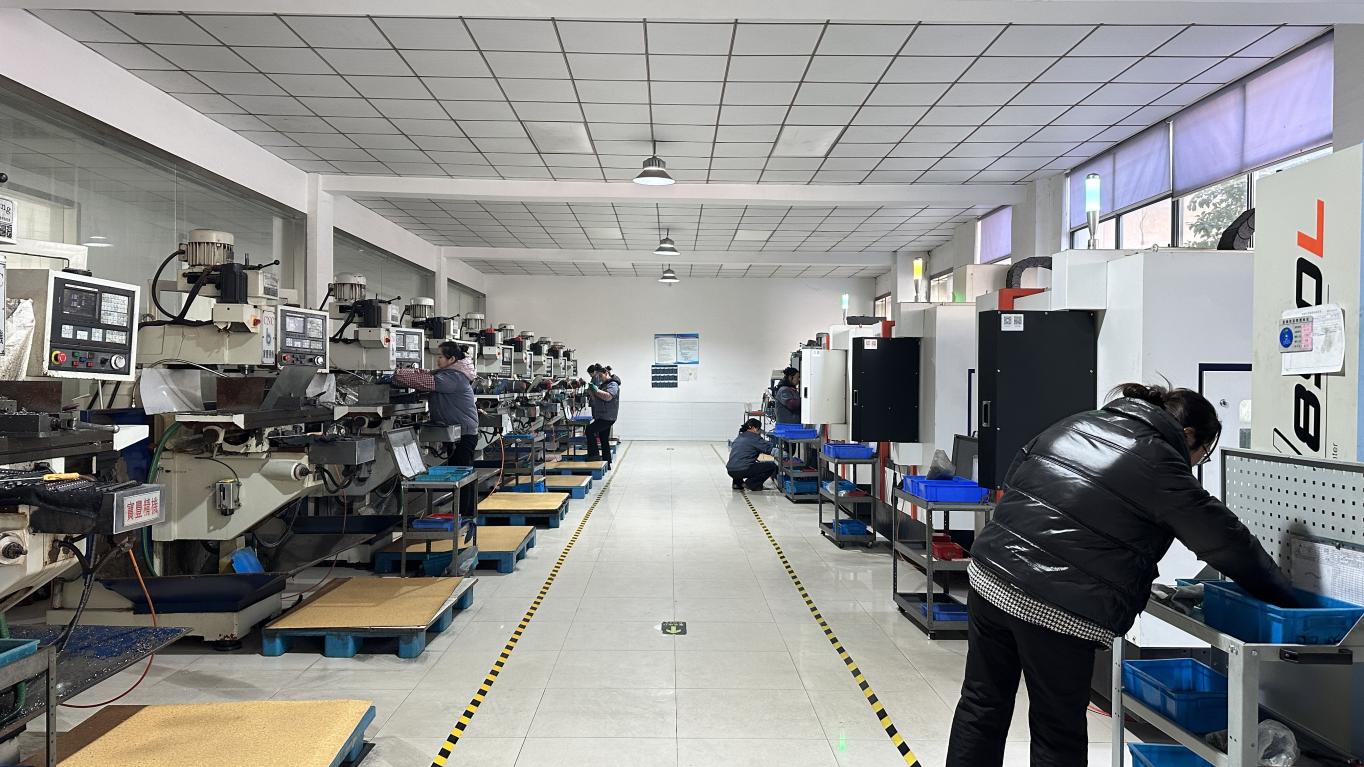
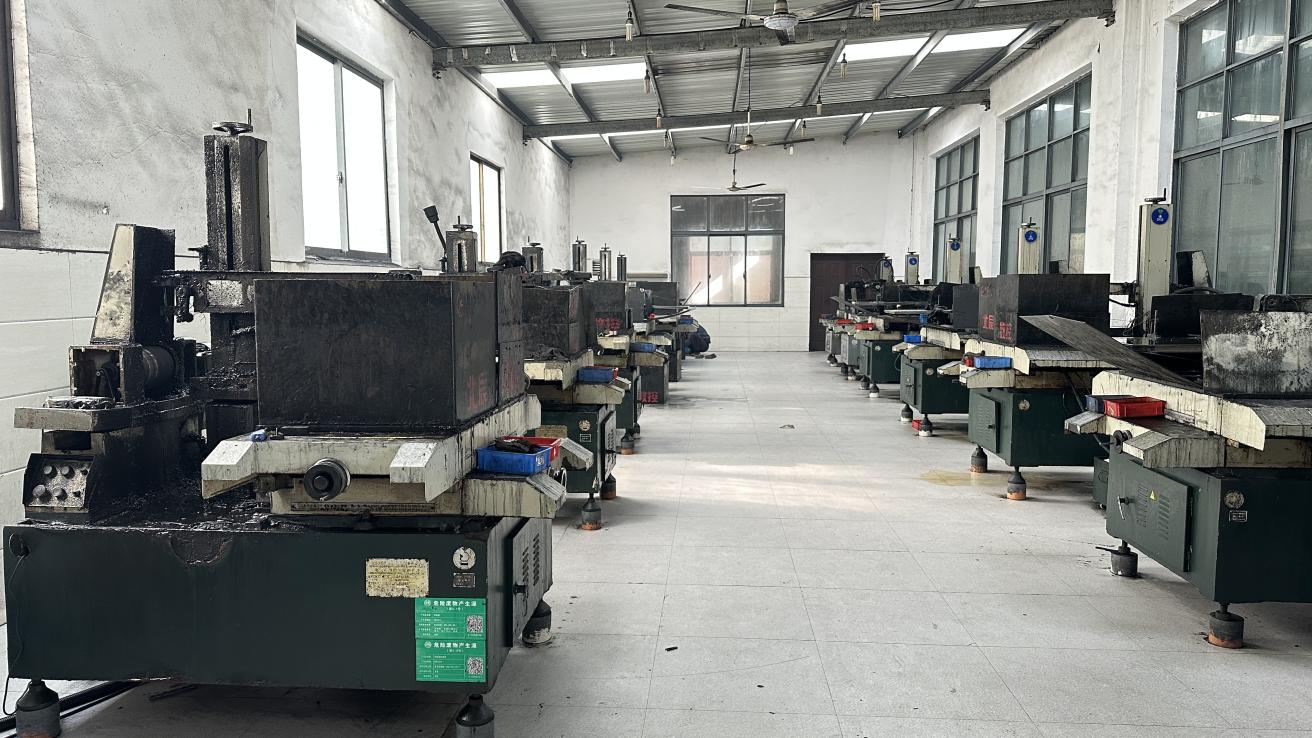
Understanding the clinical shifts, supply chain developments, and localized requirements within the spinal fusion implant market.
The spinal implants market is expanding globally due to aging populations, rising rates of degenerative spinal conditions, and growing demand for motion-preservation procedures. Major international markets require medical manufacturers to offer adaptable solutions that support both rigid and dynamic fixation methodologies.
We optimize our supply chain to provide stability against raw material fluctuations. Our network of over 850 certified upstream and downstream partners ensures a steady supply of medical-grade titanium rods, sheet stock, and precise processing components. This allows us to keep production schedules on time and maintain consistent quality standards for our clients.
Anatomical variations across global patient populations demand customized implant dimensions and profile shapes. For example, surgical preferences in European markets often favor thin, low-profile plates with self-drilling variable screws. In contrast, East Asian and Latin American clinicians frequently require specific plate curvature dimensions to accommodate different patient builds.
To address these diverse needs, Virelox provides full OEM/ODM customization services. Our in-house R&D center is staffed by 120 specialized engineers who utilize advanced FEA (Finite Element Analysis) and biomechanical modeling. This enables us to design, prototype, and manufacture custom spinal plates and matching surgical instrumentation sets tailored to specific surgical techniques.
Our long-term R&D roadmap focused on surface modification, additive manufacturing, and biomechanical integration.
Virelox is continuously investing in surface technologies to improve osseointegration. Our upcoming generation of titanium plates will incorporate Acid-Etched and Anodized (Type II) surface patterns. This micro-roughness supports faster osteoblast attachment and proliferation, shortening the recovery window for patients undergoing multi-level spinal fusions.
To further reduce adjacent segment degeneration (ASD), our engineering teams are developing dynamic anterior cervical plates with internal micro-sliding tracks. These allow controlled subsidence of up to 2.0mm per segment post-operation. This approach maintains compression on the interbody graft even as bone resorption occurs, optimizing long-term stability.
Direct technical and regulatory answers for spinal implant distributors, hospital procurement agencies, and orthopedic surgeons.
We use Medical Grade Titanium Alloy (Ti-6Al-4V ELI) compliant with ASTM F136 and ISO 5832-3 standards. This material is chosen for its high tensile strength, excellent fatigue limits, and biocompatibility, as well as its low artifacts in post-operative MRI and CT scans.
Our systems feature an integrated locking cover plate. Once the primary bone screws are fully seated, the locking cap is rotated or clicked into place. This covers the screw heads, providing a physical barrier that prevents screw back-out from physiological motion or vibration.
Yes, our spinal implants and orthopedic surgical instruments are CE certified. They comply with the latest Medical Device Regulation (EU MDR 2017/745), ensuring full traceability, clinical safety, and consistent manufacturing standards.
Our implants are validated using ASTM F1717 standards, which specify tests for static compression bending, static torsion, and dynamic fatigue. Our quality control lab uses specialized fatigue testers to verify that our cervical constructs can withstand over 5 million cycles under physiological loading profiles.
Yes. With an R&D team of 120 engineers and advanced CAD/CAM software, Virelox offers OEM and ODM services. This includes private labeling, custom plate dimensions, specific pre-curved geometry, and customized surgical instrument cases tailored to local clinical requirements.
Every batch of incoming titanium alloy includes material mill certificates. We perform internal spectroscopic analysis, mechanical tensile tests, and metallographic structure evaluations before releasing materials to production, maintaining compliance with ISO 13485 requirements.
Standard inventory implants can be dispatched within 7-14 business days. For customized OEM production runs or large bulk contracts, lead times range from 30 to 45 days, depending on geometry complexity and sterilization requirements.
We offer our implants in both non-sterile and sterile packaging. Sterile options are cleaned in an ISO Class 5 cleanroom and double-sealed in Tyvek blisters, then sterilized using Gamma radiation or Ethylene Oxide (EtO) with complete validation documentation.
Explore more specialized medical components and implant instruments from our production lines.
 Virelox