Why Choose Orthognathic Surgery Implants for Global Buyers?

Time:2026-11-01 Author:Sienna
0%

For global buyers, Orthognathic Surgery Implants are not ordinary catalogue items. They support jaw repositioning, fixation, and, in selected cases, patient-specific reconstruction. Fit matters. So does the surgical plan. Buyers should examine material specifications, imaging and design workflows, sterilization information, traceability, and clinical support—not price alone. A plate that looks suitable on screen still needs to match the patient’s anatomy and the surgeon’s intended fixation.

The World Health Organization’s 2022 Global Oral Health Status Report estimates that oral diseases affect nearly 3.5 billion people worldwide. This is broad oral-health context, not a measure of orthognathic implant demand. WHO Director-General Dr. Tedros Adhanom Ghebreyesus said, “Oral health has long been neglected in global health, but many oral diseases can be prevented and treated with cost-effective measures.” His statement supports wider access to care; it is not a product-specific endorsement. Buyers should keep that distinction clear.

For procurement teams, practical questions are more useful than bold market claims. Can the supplier provide consistent dimensions, clear technical documentation, and responsive support when a case changes? Are custom designs reviewed through a defined clinical process? Evidence comparing implant systems remains variable, and outcomes depend on patient factors, planning, and surgical technique. No single device suits every jaw. Global access matters, but so does careful selection. A lower purchase price may not mean lower total cost if planning, training, or follow-up support is limited. Judge the details, and leave room to reassess.
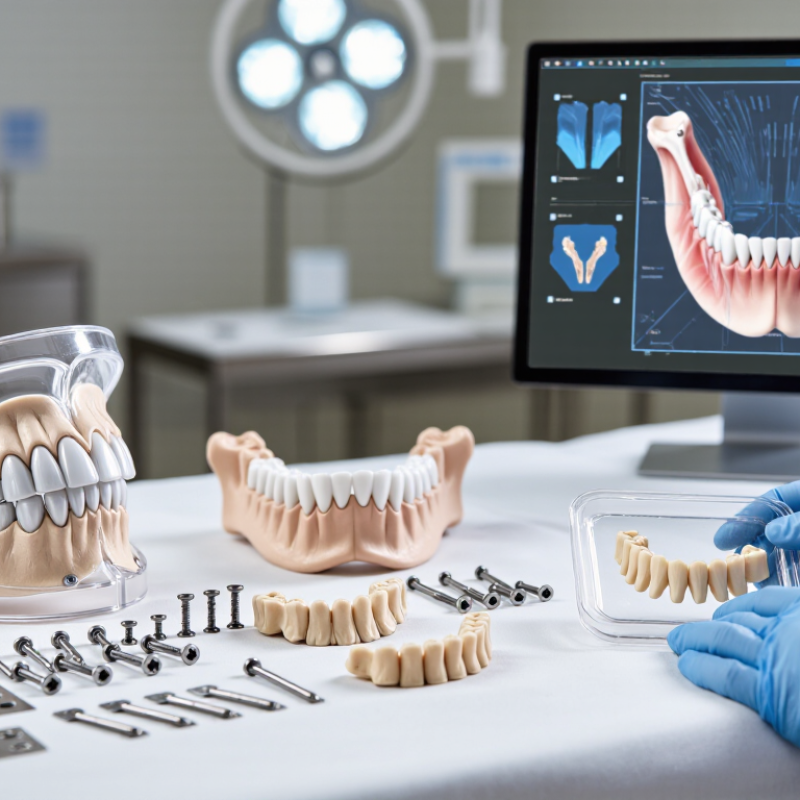
Why Choose Orthognathic Surgery Implants for Global Buyers?

Definition and Role of Implants in Orthognathic Surgery

In orthognathic surgery, “implants” usually means internal fixation devices: small plates and screws that hold the repositioned jaw bones in place. These differ from dental implants, which replace missing tooth roots. That distinction matters. A titanium plate may sit along the jaw and be secured with several small screws. Some procedures use absorbable materials instead. The surgeon selects a system based on the planned movement, bone anatomy, and healing needs. These devices help maintain alignment while bone heals; they do not correct the bite on their own.

For global buyers, understanding this role helps clarify product specifications and clinical requirements. Surgeons assess factors such as plate shape, screw dimensions, material, and compatibility with the surgical plan. Imaging and careful planning guide placement, but real anatomy can differ from a digital model. That uncertainty deserves attention. Device selection and use belong to qualified clinical teams, while procurement teams can verify documentation, traceability, and suitability for the intended procedure. Requirements vary by destination and institution, so a product description alone is not enough to establish clinical fit.

Clinical Indications and Patient Assessment

Clinical indication starts with function, not a scan alone. A 2018 systematic review in Dental Press Journal of Orthodontics estimated global malocclusion prevalence at about 56%. That figure describes varied bite problems, not the number of people who need jaw surgery. Not by itself. Orthognathic surgery is considered when a significant skeletal discrepancy affects chewing, speech, facial balance, or breathing, and orthodontic treatment alone is unlikely to correct it.

Assessment should combine facial examination, bite records, dental models, and cephalometric imaging. Cone-beam CT may help when three-dimensional anatomy needs clarification, but imaging should answer a clinical question. Clinicians also review jaw growth, airway symptoms, temporomandibular joint function, gum health, medical history, and the patient’s goals. Details matter. A patient’s photographs may show asymmetry, while the bite records reveal a different source of the problem. That mismatch deserves a second look.

For implant planning, the surgeon and restorative dentist should coordinate tooth positions, bone anatomy, and the timing of treatment. An implant does not correct a skeletal discrepancy. The AAOMS Parameters of Care emphasize comprehensive diagnosis and coordinated treatment planning for oral and maxillofacial care. Suitability remains individual; age, healing risks, expectations, and willingness to complete orthodontic follow-up all matter. Assessment is not perfectly tidy, and borderline cases may need review by more than one specialist.

Why Choose Orthognathic Surgery Implants for Global Buyers? - Clinical Indications and Patient Assessment

Assessment Area Typical Clinical Findings or Indications Assessment Methods Planning and Implant Considerations
Skeletal jaw discrepancy Significant maxillary or mandibular retrusion, protrusion, or mismatch that affects occlusion, facial balance, or function. Medical and dental history, facial examination, occlusal records, photographs, and lateral cephalometric imaging. Surgical movement and fixation requirements depend on the planned osteotomy, bone quality, anatomy, and surgeon protocol. Fixation devices are not a substitute for appropriate diagnosis and planning.
Malocclusion not adequately managed with orthodontics alone Severe skeletal Class II or Class III relationship, or a substantial bite discrepancy that remains after orthodontic assessment. Clinical bite examination, dental models or digital scans, orthodontic records, and coordinated evaluation by an orthodontist and oral and maxillofacial surgeon. Orthodontic preparation and post-surgical finishing are commonly part of treatment. The type and amount of fixation hardware are determined by the surgical procedure.
Vertical discrepancy or open bite Skeletal anterior open bite, excessive or reduced vertical facial proportions, or difficulty achieving stable dental contact. Facial and intraoral examination, occlusal analysis, photographs, cephalometric assessment, and imaging when clinically indicated. Movement direction and stability are case-specific. Fixation selection should account for the osteotomy, bone anatomy, and the operating surgeon’s technique.
Facial asymmetry Chin deviation, unequal jaw growth, or occlusal cant associated with a skeletal cause. Frontal and profile examination, dental midline and bite assessment, photographs, and three-dimensional imaging when appropriate. Asymmetric movements may require individualized planning and fixation. Imaging and surgical guides may support planning but do not replace clinical judgment.
Functional concerns Chewing difficulty, speech concerns related to jaw position, or selected cases of obstructive sleep apnea where skeletal advancement is considered as part of specialist care. Symptom history and relevant specialist evaluation. Sleep apnea assessment may include sleep testing and review by a qualified sleep or airway clinician. The indication and expected benefit vary. For sleep-related conditions, treatment decisions should be multidisciplinary and based on a complete diagnosis.
Congenital or acquired deformity Jaw or facial skeletal differences associated with congenital conditions, prior trauma, or previous surgery. Medical history, examination, review of prior procedures, dental assessment, and suitable imaging. Anatomy and previous treatment can affect the surgical approach and fixation plan. Complex cases may require coordinated specialist care.
Growth and treatment readiness Candidate has a clinically significant discrepancy and is generally assessed for skeletal maturity before definitive jaw surgery, except where a specialist identifies a different indication. Growth history, dental development, medical review, and specialist judgment; no single age applies to every patient. Timing is individualized. Device requirements should be established only after the procedure and patient-specific plan are determined.
General health and risk assessment Medical conditions, medication use, smoking or nicotine exposure, allergies, infection risk, and ability to follow perioperative care may affect treatment planning. Medical history, examination, medication reconciliation, and preoperative testing as indicated by the treating team. Material selection and device use should follow applicable regulatory requirements, clinical indications, and the surgeon’s assessment of patient-specific risks.
Fixation-device overview Plates and screws may be used to stabilize bone segments after osteotomy; their use and configuration vary by procedure and clinical need. The surgeon reviews anatomy, imaging, osteotomy design, bone quality, and the planned method of stabilization. Common fixation materials include titanium alloys; resorbable systems may be considered in selected cases. Not every patient requires the same device type, and “implant” here refers to surgical fixation hardware rather than dental implants.
Informed consent and follow-up Patients should understand anticipated benefits, limitations, alternatives, recovery, and potential complications, including infection, bleeding, altered sensation, relapse, or the need for further treatment. Discussion with the treating surgical and orthodontic team, review of the individualized plan, and confirmation of follow-up arrangements. Device availability, documentation, and aftercare support should align with local regulations and the clinical team’s requirements in the treatment location.

Clinical note: This table is for general information, not diagnosis or treatment advice. Indications, surgical techniques, and fixation-device choices must be determined by qualified clinicians for each patient.

Implant Materials, Designs, and Customization Options

Why Choose Orthognathic Surgery Implants for Global Buyers?

Implant materials, designs, and customization options shape surgical planning and purchasing decisions. Orthognathic fixation plates and screws are commonly made from titanium alloys or selected bioresorbable polymers. Each option has trade-offs. Titanium offers strong, stable fixation, while resorbable materials may suit specific clinical plans. Suitability depends on the patient, procedure, and surgeon’s judgment—not a catalogue description alone.

Design matters in the operating room. Low-profile plates can help reduce prominence beneath soft tissue, while different shapes and screw configurations support varied jaw movements. Custom plates may be developed from patient imaging and digital surgical plans. Still, customization is not automatically better. Image quality, planning assumptions, fit checks, and the surgeon’s review all affect the result. A small mismatch can matter.

Tips: Ask for material specifications, sterilization details, traceability, and applicable market documentation. Confirm that the implant system matches the surgeon’s instruments and workflow. Requirements vary by destination, so verify them before purchasing. Keep records clear. Don’t guess. For custom devices, share imaging through secure channels and confirm who approves the final design. Be willing to revisit the plan if clinical needs or manufacturing limits change.

Supplier Selection and Regulatory Compliance for Global Buyers

For global buyers of orthognathic surgery implants, supplier selection should begin with traceable evidence, not a polished catalogue. Ask for the current quality-management certificate, device specifications, sterilization validation, and batch-level records. ISO’s 2023 Survey of Management System Standard Certifications reports more than 30,000 valid ISO 13485 certificates worldwide. That figure shows the standard’s reach, but certification alone does not prove that a specific implant meets every destination market’s requirements. Check the certificate’s scope, issuing body, and validity, then confirm applicable registration and labeling rules with local regulatory authorities.

Regulatory pathways differ by market and device classification. Request technical documentation, material and biocompatibility evidence, risk-management records, and post-market surveillance procedures. Confirm that packaging protects sterile barriers during shipping; a dented carton should trigger a documented review, not a shrug. Compare lead times, complaint handling, change-control notices, and the supplier’s ability to trace each lot. Small warning: vague answers matter. A supplier may be capable, yet still lack the documentation your importing route requires.

Tips: Use a written checklist, verify certificates independently, and retain samples of labels and shipment records. Ask who notifies you when materials, manufacturing sites, or sterilization processes change. These checks take time, and paperwork can feel repetitive. Still, skipping one detail can delay a clinical supply chain. I would also revisit the checklist after the first shipment; real-world gaps often appear only then.

Benefits, Risks, Costs, and Postoperative Care

Orthognathic surgery implants, usually plates and screws, help hold the jaw in its planned position while bone heals. They are different from dental implants, which replace missing teeth. For global buyers, clear material information, traceability, and local regulatory clearance matter as much as price. A qualified oral and maxillofacial surgeon should select the device for the patient and procedure. One size does not fit every jaw.

Potential benefits include stable fixation and support for improved bite alignment and facial balance. Results depend on diagnosis, surgical planning, and healing. Risks include infection, bleeding, nerve changes, poor bone healing, or hardware irritation. Some patients need another procedure to remove or adjust hardware. Costs vary with the device, imaging, surgery, hospital care, travel, and follow-up. Lower purchase prices may not mean lower total costs. That deserves a second look.

After surgery, swelling and a soft-food diet are common. Follow the surgeon’s instructions for oral hygiene, medication, and activity. Keep follow-up appointments, even when the incision looks fine. Contact the care team about fever, worsening pain, unusual discharge, or breathing problems. Healing takes time. Global patients should plan for local checkups and a reliable way to reach their surgical team after returning home.

FAQS

When is orthognathic surgery considered?

It may be considered when a jaw difference affects chewing, speech, facial balance, or breathing. Braces alone may not correct it.

Does a scan alone determine whether surgery is needed?

No. Not by itself. Assessment may include a facial examination, bite records, dental models, and imaging.

What might clinicians review during an assessment?

They may check jaw growth, airway symptoms, joint function, gum health, medical history, and your goals. Details matter.

Can jaw surgery implants replace missing teeth?

No. Plates and screws hold the jaw in position while bone heals. Dental implants replace missing teeth.

How are implants planned for jaw surgery?

The surgeon and restorative dentist coordinate tooth positions, bone anatomy, and treatment timing. An implant does not correct a jaw discrepancy.

What benefits and risks should patients consider?

Fixation may support bite alignment and facial balance. Risks include infection, bleeding, nerve changes, poor healing, or hardware irritation.

What can affect the total cost?

Costs may include devices, imaging, surgery, hospital care, travel, and follow-up. A lower purchase price may not mean lower total costs.

What should patients expect after surgery?

Swelling and a soft-food diet are common. Follow care instructions and attend checkups. Healing takes time.

When should patients contact their care team after surgery?

Contact them about fever, worsening pain, unusual discharge, or breathing problems. Plan for checkups after returning home, too.

Conclusion

Orthognathic Surgery Implants are used to support or stabilize the jaws during corrective surgery, helping surgeons address skeletal differences that may affect bite, facial balance, or function. Choosing them begins with a careful assessment of the patient’s anatomy, health history, treatment goals, and imaging results. Implant materials, shapes, and sizes can vary, and some options may be adapted to suit individual surgical plans.

For global buyers, selection involves evaluating supplier experience, product documentation, traceability, quality controls, and compliance with requirements in the intended market. Potential benefits should be considered alongside risks such as infection, healing complications, or the need for further treatment. Costs may include the implants, surgery, follow-up visits, and postoperative care. Clear patient guidance and regular monitoring support recovery and help the care team identify concerns early.

Sienna

Sienna

Sienna is a skilled marketing professional with a deep expertise in our company’s core products and services. With a passion for innovation and detail, she plays a pivotal role in crafting insightful blog posts that not only highlight the unique features of our offerings but also provide valuable......