2026 How to Choose Distal Radius Locking Plates for Optimal Use?

Time:2026-06-30 Author:Mason
0%

In the realm of orthopedic surgery, the selection of Distal Radius Locking Plates is paramount. These plates play a crucial role in the fixation of distal radius fractures, which account for approximately 15-20% of all fractures treated in hospitals, according to the American Academy of Orthopaedic Surgeons. The design and material of these locking plates directly influence outcomes such as stability and healing times.

Research shows that proper plate choice can significantly reduce complications. For instance, a study published in the Journal of Orthopaedics highlights that using high-quality titanium plates decreases infection rates by nearly 30%. However, with numerous options available, choosing the right plate can be daunting. Factors such as fracture type, patient demographics, and surgeon experience must be considered.

Healthcare professionals must stay informed about advancements in plate technology. While some may assume that a single design suits all cases, this is often not true. Understanding the nuances of Distal Radius Locking Plates can greatly enhance surgical success and patient satisfaction. Selecting the optimal plate requires both knowledge and critical evaluation of each case's specifics.
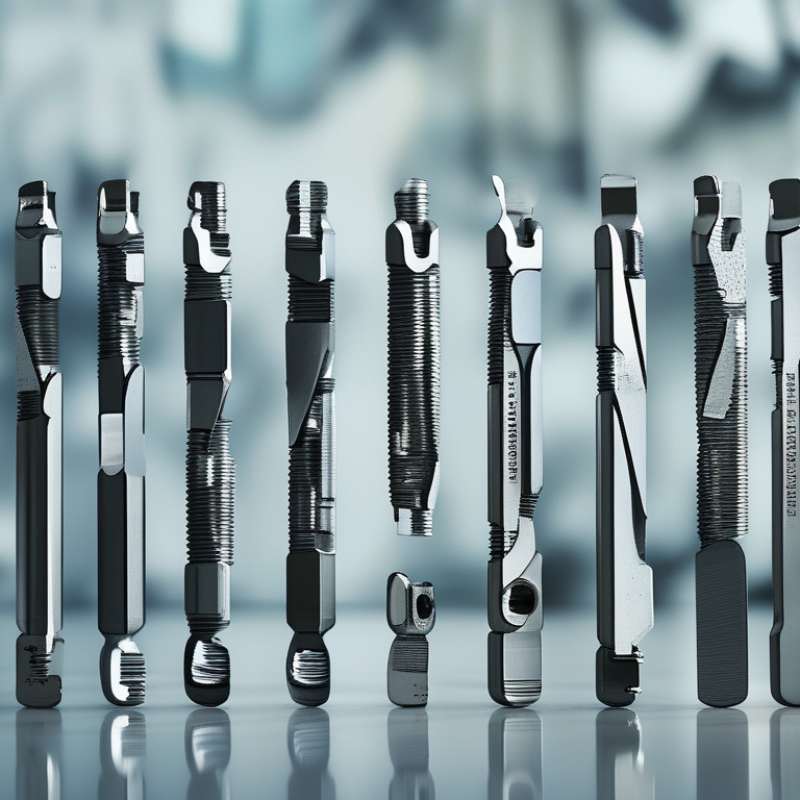
2026 How to Choose Distal Radius Locking Plates for Optimal Use?

Understanding Distal Radius Anatomy and Fracture Types

Understanding the anatomy of the distal radius is crucial for selecting the right locking plates. This bone, located on the thumb side of the forearm, is commonly fractured due to falls or trauma. Distal radius fractures account for about 15% of all fractures in adults, with varying types observed. Understanding these fracture types, like Colles, Smith, and Barton fractures, helps in crafting a tailored surgical approach.

A study published in the Journal of Hand Surgery outlines that nearly 40% of distal radius fractures result in a significant impact on wrist function. This highlights the importance of an optimal surgical fixation choice. Various studies suggest that using distal radius locking plates can enhance stability, especially in complex fractures. However, surgeons must also be aware of potential complications, such as malunion or nonunion, which can occur despite adequate fixation.

Attention to detail remains essential. Each fracture type presents unique challenges. Surgeons must evaluate the stability of the fracture segments, soft tissue condition, and patient-specific factors before making a decision. Comprehensive analysis leads to better outcomes. Striving for the best result means acknowledging that no method is fail-proof. Continuous learning and adaptation enhance surgical practices, ensuring patient safety and satisfaction.

2026 How to Choose Distal Radius Locking Plates for Optimal Use?

Parameter Description Importance
Type of Fracture Different types include Colles', Smith's, and Barton fractures. Critical for selecting appropriate plate design and size.
Plate Design Locking plates provide angular stability. Enhances fixation and allows for early motion.
Material Common materials include titanium and stainless steel. Influences weight, strength, and biocompatibility.
Plate Length Available in various lengths to accommodate fracture patterns. Must match the anatomical area being treated.
Screw Types Different screws provide varying degrees of fixation. Influences stability and healing times.
Manufacturer Guidelines Provides recommendations for optimal usage. Ensures safety and effectiveness of the implant.

Key Features of Distal Radius Locking Plates

When choosing distal radius locking plates, understanding their key features is essential. These plates offer stability through locked screws. The locking mechanism reduces the chances of screw loosening, which can affect healing. This design is particularly beneficial in complex fractures.

Material quality plays a crucial role in performance. Plates are often made of titanium or stainless steel, known for their strength and biocompatibility. Proper size and contouring to the bone anatomy enhance fit and reduce soft tissue irritation. It's vital to select plates that align well with the patient’s wrist structure.

Tips: Assess the fracture type before choosing a plate. A plate that fits the specific fracture pattern will often yield better outcomes. Consider the potential for future complications. A choice that works today may not be ideal in the long run. Understanding the patient's lifestyle and activity level can guide your selection too, ensuring the solution fits both functional and aesthetic needs.

Factors to Consider When Selecting Locking Plates

When selecting distal radius locking plates, various factors must be considered. The anatomy of the distal radius varies significantly among individuals. Not all plates fit every patient perfectly. Understanding the unique anatomy is crucial. A plate that works for one patient might not be suitable for another. Evaluating the fracture type is essential too. Comminuted fractures may require specialized plates designed for better stability.

Material choice plays a critical role. Titanium plates are often preferred for their strength and biocompatibility. However, stainless steel may be more affordable and widely available. The trade-off between cost and performance should be deliberate. Surgeons should also consider the plate's design features. Locking mechanisms vary; some plates provide greater angular stability.

Surgeons may find themselves wrestling with uncertainties. Balancing fixation stability with soft tissue preservation is challenging. Complications from improper plating can lead to pain or reduced mobility. Therefore, ongoing education on new materials and techniques is vital. Every decision impacts patient outcomes. Embracing a thoughtful and informed approach is key to optimal use.

Common Surgical Techniques for Plate Application

Choosing the right technique for applying distal radius locking plates is crucial for surgical success. Surgeons often face decisions based on individual patient needs. It’s essential to consider factors like fracture type, bone quality, and patient activity level. Each case presents unique challenges that require careful evaluation.

Common techniques include the volar approach and dorsal approach. The volar approach often provides better exposure for many fractures. However, it may not be suitable for all patients. Surgeons must assess the risk of tendon irritation and other complications.

Weight-bearing status after surgery can impact recovery. Another consideration is the angle of plate application. Ensuring a proper angle helps in achieving stability. Misalignment can lead to poor outcomes.

Surgeons need to reflect on their past experiences with plate placement. Learning from complications and unexpected results is vital for improving surgical technique. Each surgery offers a lesson that can enhance future practices.

Postoperative Care and Rehabilitation Protocols

Postoperative care after distal radius surgery is critical to achieving optimal outcomes. Rehabilitation protocols should begin as soon as the patient is stable. Early mobilization can reduce stiffness and improve range of motion. Studies indicate that patients who engage in gentle therapy within the first week have a faster recovery. Specific exercises focus on wrist flexion and extension. These movements should be gradually increased in intensity.

Pain management is also essential during recovery. Recent data shows that nearly 30% of patients experience ongoing pain post-surgery. Integrating physical therapy and pain relief methods can minimize these challenges. Adjusting activities based on the pain levels is important. Overexertion can lead to longer healing times and complications. Listening to the body's signals is vital.

Monitoring the surgical site is necessary to prevent infections. Regular follow-ups can help identify any issues early. Patients should be educated about what to look out for. Building a collaborative relationship with healthcare providers can enhance recovery. A well-structured rehab plan not only influences physical healing but also impacts psychological well-being. When patients feel supported, it encourages commitment to the rehabilitation process.

FAQS

: What is the distal radius?

: The distal radius is a bone located on the thumb side of the forearm.

Why are distal radius fractures common?

They commonly occur due to falls or trauma, accounting for 15% of adult fractures.

What types of fractures occur in the distal radius?

Common types include Colles, Smith, and Barton fractures. Each presents unique challenges.

What impact do distal radius fractures have on wrist function?

About 40% of these fractures significantly affect wrist function, highlighting surgical fixation importance.

How do surgeons select locking plates?

They consider the patient's unique anatomy, fracture type, and stabilization needs for optimal outcomes.

Why is material choice important for locking plates?

Titanium is strong and biocompatible, while stainless steel may be more cost-effective. Trade-offs exist.

When should rehabilitation begin after surgery?

Rehabilitation should start once the patient is stable, with early mobility aiding recovery.

What challenges do patients face during recovery?

Ongoing pain affects around 30% of patients. Activity adjustments based on pain are crucial.

How can complications be minimized post-surgery?

Monitoring the surgical site and regular follow-ups help detect and address potential issues early.

What role does patient support play in rehabilitation?

A supportive relationship with healthcare providers enhances recovery and encourages commitment to rehabilitation.

Conclusion

The article "2026 How to Choose Distal Radius Locking Plates for Optimal Use?" provides a comprehensive overview of the critical aspects involved in selecting and utilizing Distal Radius Locking Plates effectively. It begins by exploring the anatomy of the distal radius and the various types of fractures that may occur, enabling a better understanding of the injuries that these plates are designed to address. Key features of Distal Radius Locking Plates, such as their stability and biomechanical advantages, are highlighted as essential factors that contribute to successful patient outcomes.

Furthermore, the article emphasizes important considerations when selecting the appropriate locking plates, including the specific fracture characteristics and patient factors. Surgical techniques for the application of these plates are discussed, ensuring that healthcare professionals are well-equipped to perform procedures safely. Lastly, postoperative care and rehabilitation protocols are outlined, reinforcing the importance of a holistic approach to recovery after fracture fixation with Distal Radius Locking Plates. This structured guide serves as a valuable resource for clinicians aiming to enhance their surgical practices and improve patient recovery.

Mason

Mason

Mason is a seasoned marketing professional with a deep expertise in the company's offerings and a passion for driving brand awareness. With a strong background in digital marketing strategies, he has an innate ability to connect with diverse audiences and effectively communicate product benefits.......