Compression Screws are orthopedic fixation devices designed to press two bone fragments together. This pressure, called interfragmentary compression, can support stability during healing. Unlike ordinary screws, many compression screws use a partially threaded shaft. The threads grip the far fragment, while the smooth section allows the near fragment to slide toward it. The result is a controlled pulling effect across the fracture line.
Think of two wooden blocks drawn tightly together by a threaded rod. The screw does not heal the bone by itself. It creates conditions that may help the body repair the fracture. Surgeons select screw length, diameter, thread design, and placement according to bone quality and fracture shape. A countersunk head may sit beneath the surface, reducing irritation around soft tissue. Small details matter.
In practice, correct drilling and measurement are essential. A poorly chosen screw can fail to create compression or damage nearby structures. Imaging, surgical experience, and knowledge of local anatomy guide safer placement. Compression screws are useful in many fracture patterns, but they are not suitable for every injury. Some fractures need plates, nails, or different fixation methods. That distinction is easy to overlook.
This guide explains how Compression Screws work, where their mechanical advantage comes from, and what limits their performance. It also examines common designs, insertion steps, clinical applications, and possible complications. The technology appears simple. The judgment behind it is not. Even experienced teams must reassess assumptions during treatment, because bone density, fracture gaps, and healing responses can vary considerably.
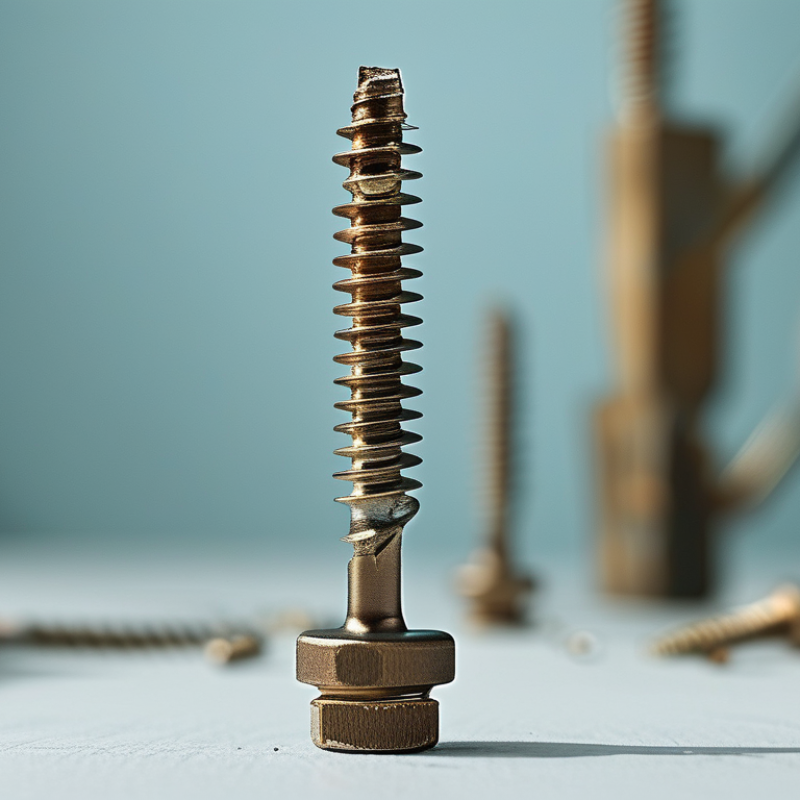
Compression screws are orthopedic fixation devices designed to draw two bone fragments together. Their main purpose is interfragmentary compression, which can improve stability and support healing when the fracture pattern is suitable. A typical lag-screw technique uses a smooth glide hole near the fracture and threads that grip the far fragment. As the screw advances, the head presses against the near cortex and pulls the fragments together.
The mechanism is simple, but the clinical decision is not. Compression may reduce fracture movement and help create a firm environment for bone repair. However, excessive compression can damage fragile bone or distort the fracture alignment. Fully threaded screws may also provide positional fixation without producing the same compression. Surgeons therefore consider bone quality, fracture geometry, screw diameter, thread design, and insertion torque. Small details matter, especially when the near fragment is thin.
The scale of the problem explains the device’s importance. A Global Burden of Disease analysis published in The Lancet Healthy Longevity reported about 178 million new fractures worldwide in 2019. The report also estimated roughly 455 million people living with fracture-related conditions. These figures describe a broad need, not a reason to use compression screws in every case. A 2023 orthopedic trauma review noted that fixation success depends on construct stability, biological preservation, and patient factors. The screw is only one part of that system. Its definition is straightforward. Its purpose requires judgment. There is no perfect compression target.
Compression screws are designed to draw two bone fragments together and create axial compression across a fracture or joint surface. The chart shows an illustrative preload estimate for a 3.5 mm screw using the engineering relationship F = T ÷ (K × d), where torque (T) is measured in newton-metres, the friction factor (K) is assumed to be 0.20, and screw diameter (d) is 0.0035 metres.
How to read the chart: Increasing installation torque generally increases the estimated axial preload, which is the force pulling the bone fragments together. Actual compression depends on screw design, bone quality, friction, insertion technique, and the fixation system used; these values are an engineering example, not clinical tightening guidance.
Compression screws are fixation devices designed to draw two bone fragments together. Their main components include a screw head, shaft, threads, and sometimes a cannulated center. The head contacts the near cortex or a plate. The threaded portion grips the far fragment. A smooth shaft can create a glide zone, allowing the screw to advance without gripping the near fragment.
The structure controls force. When the threads purchase the far fragment, turning the screw pulls that fragment toward the head. This produces interfragmentary compression and can reduce movement at the fracture line. Some designs use different thread pitches to create compression during insertion. Washers may spread pressure across soft or fragile bone. ASTM F543 testing evaluates bone-screw performance, including insertion and pullout behavior. Still, laboratory strength is not clinical success. Bone quality, drilling accuracy, and screw direction remain decisive.
The International Osteoporosis Foundation’s 2024 report estimates 37 million fragility fractures occur yearly in adults over 50. That figure explains why dependable fixation matters. Yet a screw can look secure and still lose purchase in weak bone. The uncomfortable lesson is simple: more tightening is not always better.
Tips: Confirm the glide hole before insertion. Match screw length to the far cortex. Avoid excessive torque. Follow validated surgical guidance, such as AO Foundation recommendations. A small measurement error can change compression, stability, and healing conditions.
A compression screw creates holding force by pulling two surfaces tightly together. Its threaded shaft advances through a prepared hole or threaded component. The screw head then presses against the upper surface. This action produces preload, which keeps the joint closed before external loads arrive. Think of it as controlled squeezing, not simple fastening.
Torque turns into tension along the screw. The threads guide this movement and convert rotation into axial force. Friction between the threads and under the head consumes much of the applied torque. Surface finish, lubrication, thread condition, and material hardness can change the result. A dry screw may generate far less tension than expected.
The clamped parts must remain aligned and strong enough to carry the load. Washers can spread pressure across softer surfaces. In practice, installers often tighten in small stages and inspect for gaps, movement, or damaged threads. A torque value is only an estimate. It does not reveal the exact holding force. That limitation deserves attention. Temperature changes, vibration, and settling may also reduce preload over time. The basic model works well, but real assemblies are less predictable than diagrams suggest.
Compression screws create pressure by pulling two surfaces tightly together. Their threads grip the surrounding material, while the screw head presses against the upper component. This action can stabilize joints, plates, brackets, and structural parts. In practical assembly work, proper compression often improves contact and reduces unwanted movement. Small errors matter, though. Uneven surfaces may leave gaps even when the screw feels tight.
Common materials include carbon steel, stainless steel, alloy steel, and titanium. Carbon steel offers strength and cost efficiency for controlled environments. Stainless steel resists corrosion and suits humid or exposed locations. Titanium is lighter and useful where weight and corrosion resistance matter, but it usually costs more. Sizes vary by diameter, length, thread pitch, and head style. A short screw may not achieve enough engagement. An oversized screw can damage the receiving material.
Tips: Match the screw material to the environment. Check thread engagement before tightening. Use a calibrated torque tool when specifications are available. Flat-head, hex-head, socket-head, and flanged designs serve different clearance needs. Some versions use coarse threads for softer materials, while fine threads provide precise adjustment in harder materials. Washer-style heads spread pressure across a wider area. That detail is easy to overlook. Always confirm load direction, material thickness, and installation access before selecting a design. Hesitation is useful here; a quick visual match is not always reliable.
Compression screws are orthopedic fasteners designed to pull two bone fragments together. Their threads grip the far fragment, while the smooth shaft or screw head draws the near fragment forward. This creates interfragmentary compression and reduces movement at the fracture line. A small gap can become a serious problem.
Typical uses include stable fracture fixation, osteotomies, and selected joint fusions. Surgeons may use them alone or with plates, depending on the injury and bone quality. Their main benefit is firm contact between fragments, which can support healing and reduce painful micromotion. They may also allow a compact fixation construct and less soft-tissue disruption. However, compression is not automatically beneficial. Excessive force can damage fragile bone or reduce local blood flow.
Selection requires more than matching screw length to bone thickness. Clinicians assess fracture pattern, bone density, fragment size, and the direction of expected forces. Diameter affects strength, while thread length determines where compression occurs. Cannulated screws can support guide-wire placement, but their hollow design may reduce resistance in demanding situations. Material choice, head profile, and imaging visibility also matter. Poor measurements remain a common, avoidable weakness. Careful planning and verified placement are essential. Personally, I would treat manufacturer data as a starting point, not a substitute for surgical judgment and current clinical evidence.
The threaded shaft advances while the head presses down. This pulls two surfaces together and creates preload.
Turning the screw creates tension along its shaft. Threads guide rotation into axial force. Friction consumes much of the torque.
Lubrication, surface finish, thread damage, and material hardness affect friction. A dry screw may create less tension than expected.
Check for gaps, movement, damaged threads, and poor alignment. Tighten in small stages when practical.
No. Torque provides only an estimate. Temperature changes, vibration, and settling can reduce preload later.
Threads grip the far fragment while the head draws the near fragment forward. This creates compression across the fracture line.
They may support selected fractures, bone cuts, and joint fusions. Plates may be added when the injury needs more stability.
Clinicians consider fracture shape, bone density, fragment size, force direction, diameter, thread length, and screw profile.
Yes. Too much force may damage fragile bone or reduce local blood flow. Compression is helpful, but not automatically safe.
Poor measurements remain avoidable. A hollow screw may help guide-wire placement, but its design can reduce resistance under demanding loads.
Compression Screws are fasteners designed to create a secure clamping force by drawing two or more components tightly together. Unlike ordinary screws that mainly hold parts in place, they are often used where controlled pressure, alignment, and resistance to movement are important. Their structure typically includes a threaded shaft, a head suited to a specific driver, and sometimes a tapered or specially shaped tip that helps guide the screw into the material.
As the screw is tightened, its threads convert rotational movement into axial force. This force pulls the connected parts together and produces friction between their surfaces, helping prevent loosening or shifting. Compression Screws are available in various materials, lengths, diameters, thread forms, and head designs to suit different loads, environments, and installation methods. Common applications include machinery, construction assemblies, furniture, fixtures, and repair work. When selecting them, users should consider material compatibility, required holding strength, joint thickness, corrosion resistance, installation access, and whether repeated adjustment or vibration resistance is needed.

Virelox