Choosing the right Gamma Nails for your projects can be crucial. With so many options available, it can become overwhelming. Understanding the characteristics of Gamma Nails will help you make an informed decision.
Quality matters when selecting Gamma Nails. Look for durable materials and reliable manufacturers. Experience in using different nails will guide you in the right direction. It is essential to consider the specific application, as not all Gamma Nails are suitable for every project.
Reflection on your previous choices can lead to better decisions. Did the nails perform as expected? Were they easy to install? Learning from past experiences with Gamma Nails will improve your future projects. The right choice can enhance the quality and longevity of your work.
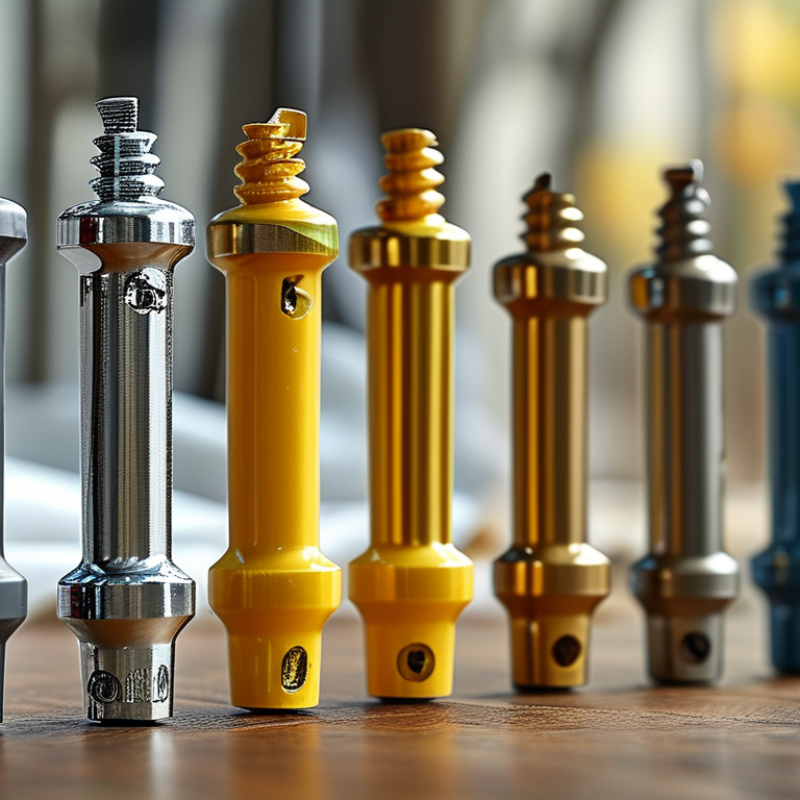
Gamma nails are essential for various construction and DIY projects. Understanding the types and specifications is crucial for selecting the right ones. There are several categories of gamma nails, including finishing nails, framing nails, and specialty types like roofing nails. Each has unique features suited for specific applications. For example, framing nails typically range from 2 to 3.5 inches in length, making them ideal for heavy-duty projects.
Industry reports indicate that the global nails market is expected to grow by 5% annually. This growth largely stems from increased construction activities. Choosing the correct type of gamma nail can impact the integrity of your project. For instance, using the wrong nail type can lead to issues like split wood or inadequate fastening. Research shows that improper nail selection accounts for nearly 25% of project failures.
When evaluating gamma nails, consider the material as well. Common options include steel, stainless steel, and galvanized nails. Each type has distinct durability levels and corrosion resistance. Studies reveal that stainless steel nails offer superior resistance in coastal areas due to high humidity. However, these options may come at a higher cost. Careful consideration of specifications will lead to better results in your projects.
Choosing the right gamma nails for your projects involves carefully evaluating your specific needs. Each project has unique requirements. These may include the type of material you're working with, the size of the nails, and the expected load. Understanding these factors can crucially impact the outcome of your work.
For instance, when working with softer materials, shorter gamma nails may suffice. However, for harder surfaces, longer or thicker options might be necessary. It's vital to assess the structural integrity required for your project. Ask yourself: will the nails hold under pressure? Consider weight distribution and how that affects nail selection.
Sometimes, even experienced users overlook environmental factors. Humidity or temperature can influence nail performance. Reflect on previous projects. Were there any failures? Learning from these experiences can guide better choices in the future. Always prioritize reliability in your selections, as this lays the foundation for successful project completion.
When choosing gamma nails for your projects, several key factors must be considered. One vital aspect is the material of the nails. Generally, nails made from high-carbon steel are preferred for their strength. This type of steel can withstand high impacts and resist bending or breaking during installation. According to industry studies, using high-quality nails can reduce the risk of structural failure by up to 30%.
Another important factor is the size and length of the nails. The diameter affects holding power significantly. For instance, nails with a larger diameter are more effective in securing heavier materials. Research suggests that improper nail size can lead to a 40% increase in the chances of joint failure. It is also essential to consider the corrosion resistance of the nails. Choosing galvanized or stainless steel options can extend the lifespan of your projects, especially in humid environments.
Finally, reflecting on past project outcomes can guide your choices. If you have experienced issues with nail rust or structural integrity, it may indicate a need for better-quality materials. Always review product specifications and performance data from reliable sources to inform your selection. Investing time in this process can make a significant difference in the durability and success of your work.
| Factor | Description | Recommended Usage | |
|---|---|---|---|
| Material | High carbon steel provides strength and durability. | Suitable for framing and heavy-duty applications. | |
| Coating | Galvanized coating prevents rust and corrosion. | Ideal for outdoor projects and humid environments. | |
| Length | Available in various lengths for different applications. | Choose based on material thickness and project requirement. | |
| Head Style | Flat, round, or countersunk heads for different finishes. | Select based on aesthetic preference and material. | |
| Gauge | Refers to the thickness of the nail. | Use thicker nails for structural needs and lighter for finishing touches. | |
| Shank Type | Smooth, ring-shank, or spiral for holding power. | Ring-shank for enhanced grip in softwoods. |
When comparing material options for gamma nails, it's essential to consider the specific needs of your project. Common materials include steel, stainless steel, and coated nails. Steel nails offer strength and durability. However, they may rust in moist conditions. Stainless steel nails resist corrosion but can be more expensive. Coated nails provide a balance, offering protection while keeping costs down.
Tips: Check the project environment. If it’s outdoors, stainless steel or coated options may be better. For indoor projects, plain steel might suffice.
While choosing nails, think about the application. Thicker nails provide more holding strength but can split wood. Conversely, thinner nails are easier to drive but may not hold as well. Pay attention to the nail's length too; long nails penetrate deeply, providing more grip.
Tips: Always test a sample in your material before full application. This step can save time and frustration later on. Evaluating the right type of gammas ensures successful projects.
When installing gamma nails for your projects, precision is key. Start by selecting the right material for your specific task. Consider the thickness of the materials you are joining. Use gamma nails with appropriate lengths to ensure strong connections. It is essential to keep your workspace organized. A clutter-free area reduces mistakes and enhances safety.
Right technique matters. Hold the nail steady as you hammer it in. Avoid hitting too hard; it can split the wood. Try a smooth and controlled motion. If you notice any bending, remove the nail and try again. Don’t hurry; perfection in installation pays off with a sturdy finish.
Reflection on past projects helps too. Analyzing what went right and what didn’t can improve your skills. Sometimes, nails may not hold as expected. Knowing when to adjust your approach is critical. Learning from imperfections makes you a better craftsman. Remember, each project is a chance to grow and refine your technique.
: Gamma nails are used in construction and DIY projects.
Types include finishing nails, framing nails, and specialty nails like roofing nails.
Length affects strength; framing nails typically range from 2 to 3.5 inches for heavy-duty use.
Material affects strength and corrosion resistance. High-carbon steel is commonly preferred.
Using the wrong nail can lead to split wood and inadequate fastening.
Larger diameter nails secure heavier materials better; improper size increases joint failure risks significantly.
Stainless steel nails resist corrosion well, especially in humid coastal areas.
Reflecting on past failures can guide improvements in your material choices.
Always review product specifications and performance data from reliable sources.
Yes, high-quality nails can reduce risks of structural failure by up to 30%.
When selecting the best Gamma Nails for your projects, it's essential to understand the different types and specifications available. This involves evaluating your specific project requirements—such as load-bearing needs and environmental conditions—to ensure the appropriate selection of Gamma Nails. Key factors to consider include the nail's material, length, and gauge, as these elements significantly impact the overall performance and durability.
Additionally, comparing various material options for Gamma Nails can further refine your choice, as materials can affect corrosion resistance and strength. To achieve optimal results, following best practices for installation is crucial. Proper techniques not only enhance the effectiveness of the Gamma Nails but also ensure the longevity of your projects, making informed choices paramount for success.

Virelox