Choosing Herbert Screws for global sourcing requires more than comparing unit prices. It demands evidence about material, geometry, production control, and delivery reliability. The global industrial fasteners market continues to expand across automotive, construction, machinery, and renewable-energy applications. Grand View Research’s 2024 fasteners market analysis identifies rising infrastructure investment and lightweight manufacturing as major demand drivers. That growth also increases supplier complexity.
A practical sourcing decision begins with the application. Confirm diameter, thread pitch, head style, drive type, length, and required strength class. For metric steel screws, ISO 898-1 provides a recognized framework for mechanical properties. ASTM and SAE specifications may apply when buyers need North American compliance. Herbert Screws should also be checked for coating thickness, salt-spray performance, hardness, and dimensional consistency. Small variations can damage threads or create uneven clamping force.
Ask for material certificates, inspection records, batch traceability, and sample measurements. A reliable supplier should explain its heat-treatment process and show how it controls recurring defects. The International Organization for Standardization reports that ISO 9001 supports consistent process management, but certification alone does not guarantee excellent screws. That point is easy to overlook.
Shipping deserves equal attention. The World Bank’s Logistics Performance Index 2023 shows substantial differences in customs efficiency, infrastructure, and shipment timeliness between economies. Buyers should therefore evaluate lead times, packaging, export documents, and contingency stock. A carton crushed during transit can erase a low purchase price. No checklist is perfect. Field testing, supplier communication, and periodic audits still matter. This guide explains how to compare Herbert Screws with practical evidence, technical standards, and realistic global sourcing risks.
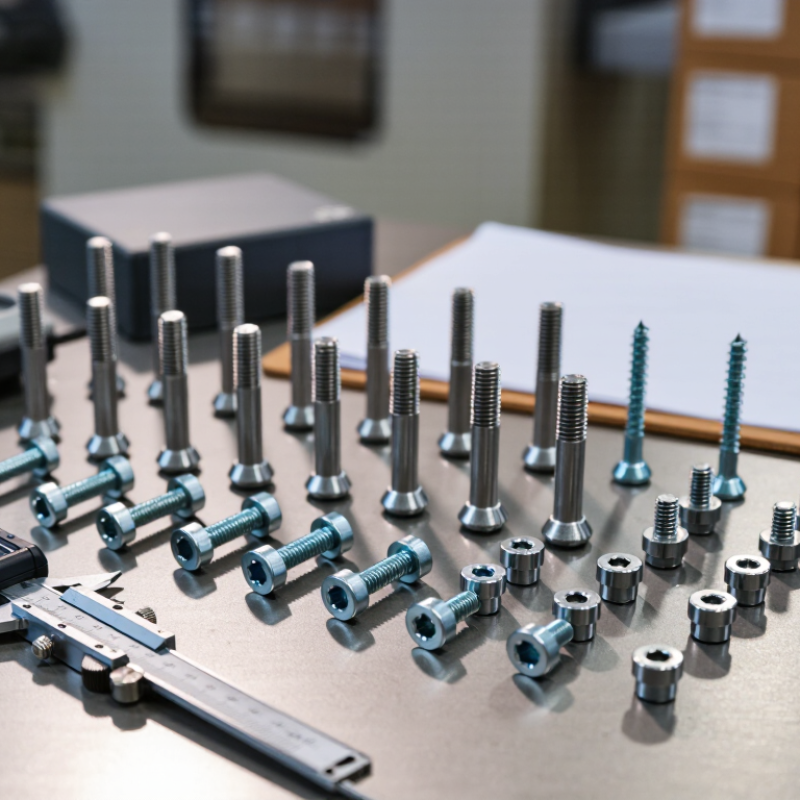
A Herbert screw is a headless orthopedic compression screw designed to sit beneath the bone surface. Its typical structure includes a cannulated shaft, differential thread pitches, and a recessed driving socket. The larger thread advances faster than the smaller thread, pulling two bone fragments together during insertion. This compression can support healing while reducing irritation from a protruding screw head.
The World Health Organization reports that approximately 1.71 billion people live with musculoskeletal conditions worldwide. This demand makes consistent implant sourcing increasingly important. ASTM F543-17(2023) specifies testing methods for metallic medical bone screws, including insertion torque, pullout strength, and torsional performance. These tests offer useful benchmarks when reviewing supplier documents. Do not rely on appearance alone.
For global purchasing, verify the alloy certificate, dimensional tolerances, thread profile, cannula diameter, and surface finish. Titanium alloys may reduce weight, while stainless steel can offer different strength and cost characteristics. Confirm sterilization compatibility and lot-level traceability. A recessed drive must resist stripping during surgery. Small defects matter. My practical concern is that catalog descriptions often simplify “compression” performance. Actual results can change with bone density, drill size, insertion angle, and surgical technique. Buyers should compare validated test data rather than accepting attractive specifications.
It is a cannulated screw designed to sit beneath the bone surface. Its different thread pitches draw bone fragments together. The recessed drive reduces irritation from a protruding head.
The larger thread advances faster than the smaller thread. This movement pulls two bone fragments together during insertion. Actual compression varies.
Request alloy certificates, dimensional reports, thread measurements, and surface-finish records. Also request insertion-torque, pullout-strength, and torsional test data. Do not judge quality by appearance alone.
Confirm the alloy, hardness, tensile strength, and corrosion resistance. Titanium alloys may reduce weight. Stainless steel may offer different strength and cost characteristics. The best choice depends on the application.
Inspect process controls, traceability records, and subcontractor management. Check heat numbers on cartons and inspection documents. Request calibration certificates and recent corrective-action reports. Small records can protect later investigations.
Confirm sterilization compatibility, export records, chemical declarations, and regional requirements. Review customs capability, infrastructure, and shipment reliability. Delivery performance is part of supplier quality. It is not separate.
Compare landed cost rather than unit price. Include tooling, inspection, packaging, duties, freight, and currency changes. Request identical drawings and annual volumes from each supplier. Cheap quotations can become expensive delays.
Use a pilot order and score price, defects, lead time, and payment terms. Maintain two qualified sources for critical screws when practical. However, dual sourcing can create coating or thread inconsistencies. That risk is easy to overlook.
Define acceptance limits before production begins. Use pre-shipment inspection and retain sealed reference samples. Compare coating, dimensions, thread profiles, and packaging records. Shortcuts happen. Your process should reveal them early.
Results can change with bone density, drill size, insertion angle, and surgical technique. Catalog language may simplify real performance. Validated test data is more useful than attractive specifications. I would not trust one forecast.
Choosing Herbert Screws for global sourcing begins with understanding their definition, structural design, and core performance features. Buyers should first identify the required screw size, thread type, length, head style, and material according to the assembly requirements. Material selection is especially important because it affects strength, corrosion resistance, durability, and suitability for different working environments. The screw’s load capacity, installation method, vibration resistance, and temperature tolerance should also match the intended application to support reliable long-term performance.
Supplier evaluation is another essential step. Review manufacturing capabilities, inspection procedures, quality certifications, product consistency, and documentation for international trade. It is also important to compare total costs rather than unit prices alone, including tooling, packaging, shipping, taxes, and potential quality-related expenses. Finally, assess lead times, minimum order quantities, communication efficiency, and supply continuity. A balanced decision based on technical fit, verified quality, compliance, cost, and sourcing risk can help buyers select Herbert Screws with greater confidence.

 Virelox