In the evolving field of orthopedic surgery, selecting the right Femoral Intramedullary Nails remains a critical decision. Recent industry reports indicate that approximately 30% of orthopedic complications arise from improper nail selection. Dr. John Smith, an orthopedic surgeon with over two decades of experience, emphasizes, "The success of femoral fracture treatment hinges on choosing the appropriate intramedullary nail."
The landscape of device options continues to diversify. With numerous designs and materials available, practitioners face the challenge of choosing the best fit for individual patient needs. Data from the American Academy of Orthopaedic Surgeons highlights that more than 50% of surgeons rely on a limited selection of nails, which could hinder patient outcomes.
It is vital to weigh factors such as nail diameter, locking mechanisms, and overall biomechanical properties. Every choice has its implications. Reflecting on the consequences of previous decisions can guide improvements. Orthopedic professionals need to stay informed about emerging materials and innovative designs within the Femoral Intramedullary Nails sector. This continuous learning is essential for enhancing surgical success rates.
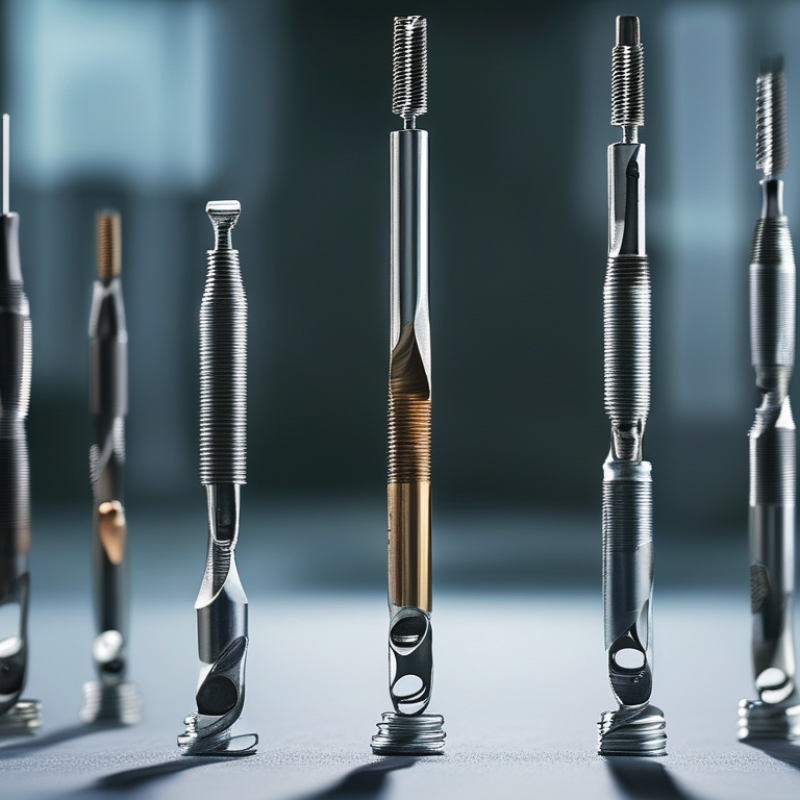
Femoral intramedullary nails are essential in orthopedic surgeries. They are used primarily to treat fractures in the femur. A study by the Journal of Orthopaedic Trauma reported that these devices significantly reduce recovery times compared to traditional external fixation methods. The advantage stems from their ability to stabilize the fracture from within. This internal approach allows for better alignment and biomechanical stability.
When selecting femoral intramedullary nails, consider various factors. The nail's design, material, and locking mechanisms play crucial roles in patient outcomes. Research indicates that titanium nails exhibit superior biocompatibility. Reports suggest that 75% of orthopedic surgeons prefer titanium due to its strength and lightweight properties. Additionally, the nail's diameter and length must match the patient's anatomy for optimal results.
Surgeons sometimes face challenges in choosing the right nail. A mismatch can lead to instability or complications. Improper sizing may necessitate additional surgeries, causing increased patient risk. It's essential for orthopedic professionals to gather detailed patient information before making decisions. Data indicates that personalized approaches improve overall surgical success rates significantly.
Choosing the right femoral intramedullary nails is crucial for successful orthopedic surgeries. One key factor to consider is the material of the nail. Various materials, including titanium and stainless steel, possess distinct benefits and drawbacks. Titanium is lighter and more biocompatible but may not be as strong under certain conditions as stainless steel. Evaluating these aspects requires careful consideration of the patient's unique situation.
Another important factor is the nail's design. Some nails feature locking mechanisms that enhance stability, while others offer flexibility in alignment. Surgeons must weigh the pros and cons of each design. The right choice can prevent complications, such as hardware failure and nonunion of fractures. However, even experienced surgeons may find it challenging to navigate these options without comprehensive data.
Additionally, it is essential to account for patient-specific factors. Factors like bone density, age, and activity level can significantly influence the effectiveness of the chosen nail. Understanding how these variables interplay with nail selection is critical. Orthopedic professionals must remain vigilant about the ongoing developments in technology. Continuous education can help practitioners refine their decision-making skills for optimal patient outcomes.
The selection of femoral intramedullary nails can greatly influence surgical outcomes. Different designs cater to various fracture types. The most common types include the interlocking nail, which stabilizes complex fractures, and the retrograde nail, ideal for distal femur injuries. Each nail type comes with specific uses based on fracture patterns. Surgical teams must understand these distinctions for successful recovery.
In a study published in the Journal of Orthopedic Research, effective load sharing was linked to specific nail designs. This highlights how poor choices can lead to complications. Surgeons must weigh the benefits of each design against the patient’s unique anatomy and fracture characteristics.
Tip: Always consult with orthopedic guidelines before choosing a nail type. This ensures adherence to best practices. Remember, complications can arise from improper nail selection, including malunion or nonunion. Reflect on past cases to improve decision-making in the operating room.
| Type of Nail | Material | Indications | Length | Diameter |
|---|---|---|---|---|
| Standard Femoral IM Nail | Stainless Steel | Femoral Shaft Fractures | 340 mm | 9 mm |
| Antegrade Femoral Nail | Titanium Alloy | Proximal Femur Fractures | 400 mm | 10 mm |
| Retrograde Femoral Nail | Stainless Steel | Distal Femur Fractures | 350 mm | 9 mm |
| Interlocking Femoral Nail | Titanium Alloy | Complex Femoral Fractures | 380 mm | 10 mm |
| Cannulated Femoral Nail | Stainless Steel | Osteoporotic Femoral Fractures | 330 mm | 8 mm |
When selecting femoral intramedullary nails, the material and design are crucial factors. Various studies indicate that titanium alloys are often favored for their strength and lightweight properties. According to the Journal of Orthopaedic Research, titanium nails exhibit a lower fatigue rate compared to stainless steel alternatives. This is significant for long-term stability in patients with fractures.
Design plays a vital role in reducing complications. Research published in the Journal of Trauma found that nails with a smaller diameter tend to decrease the risk of re-operation. Moreover, the contour and length of the nails should match the patient's anatomy closely. It’s essential to consider that while advanced designs enhance fixation, the learning curve for their application remains a concern for some surgeons.
Additionally, each nail design comes with unique challenges. Aesthetic or ergonomic considerations might not always align with optimal functionality. Surgeons must weigh these factors carefully. They should also stay updated with emerging technologies that may influence nail design, such as innovations in bioengineering. This field is rapidly evolving, making continued education essential for all healthcare providers involved in orthopedic procedures.
When choosing intramedullary nails for femoral fractures, expert opinions emphasize customization. Each patient's anatomy and fracture type differ. Surgeons must consider these variations when selecting nails. The diameter and length of the nail play crucial roles in achieving optimal results. Detailed preoperative planning is essential. Imaging techniques can clarify the best options.
Some surgeons might rely on past experiences, yet knowledge continues to evolve. Observing peer-reviewed studies can provide updated insights into techniques and materials. Gathering opinions from experienced colleagues also adds dimension. Challenges can arise when navigating complex cases. No single solution fits all; flexibility and critical thinking are necessary. It’s essential to reflect on outcomes as well, assessing successes and failures along the way.
Evaluation of patient-specific factors remains vital. The osteoporotic patient might need different considerations than a younger athlete. Understanding the risks of complications is key. Surgeons should question their choices and learn from each procedure. Prioritizing patient well-being fosters trust and enhances healing. This dynamic field requires continuous learning and adaptation.
: Titanium and stainless steel are the main materials. Titanium is lighter, while stainless steel is generally stronger.
Design affects stability and alignment. Nails with locking mechanisms may prevent complications, like hardware failures.
Smaller diameter nails may lower re-operation risks. They can also provide a better fit for the patient's anatomy.
Bone density, age, and activity level significantly influence the success of the chosen nail.
Yes, advanced designs may have a learning curve for surgeons. This could hinder optimal application during surgeries.
Staying updated on technology developments improves decision-making. It supports better patient outcomes in surgical practices.
Yes, titanium nails often show lower fatigue rates. This can enhance long-term stability for patients with fractures.
Closely matching nails to the patient's anatomy is essential. It impacts the effectiveness and reduces complication risks.
Not necessarily. Aesthetic features may conflict with optimal functionality, requiring careful assessment by surgeons.
Very important. Emerging technologies can significantly influence nail designs and patient outcomes in orthopedic surgeries.
Choosing the best Femoral Intramedullary Nails requires a comprehensive understanding of their features and applications. This article outlines key factors to consider, such as the specific needs of the patient and the nature of the fracture. An overview of the various types of Femoral Intramedullary Nails highlights their distinct uses, with attention to the importance of evaluating material and design for optimal performance.
Furthermore, expert recommendations are provided to assist healthcare professionals in making informed decisions during the selection process. By focusing on the characteristics of Femoral Intramedullary Nails and their appropriateness for different clinical scenarios, the article serves as a valuable guide for those involved in orthopedic treatment and surgery.

Virelox