In the rapidly evolving field of Orthopedic Trauma Implants, innovation plays a crucial role in enhancing bone healing. Dr. Chen Wei, a renowned orthopedic surgeon, emphasizes, "The right implant can change the recovery trajectory for patients." This statement echoes the industry's commitment to developing advanced solutions that meet the diverse needs of patients.
As orthopedic trauma cases rise, the demand for effective implants increases. Recent advancements focus on materials that promote faster healing and reduce complications. Surgeons now face challenges in choosing the best options available. Each implant design offers unique features but may not address every patient's needs. There lies a gap between ideal solutions and actual patient recovery experiences.
The landscape of Orthopedic Trauma Implants is not just about technology; it also involves understanding patient outcomes. Trials often reveal mixed results, prompting reflection on existing practices. The journey of healing can be unpredictable. Continuous improvement and closer collaboration among professionals in the field are essential for better results.
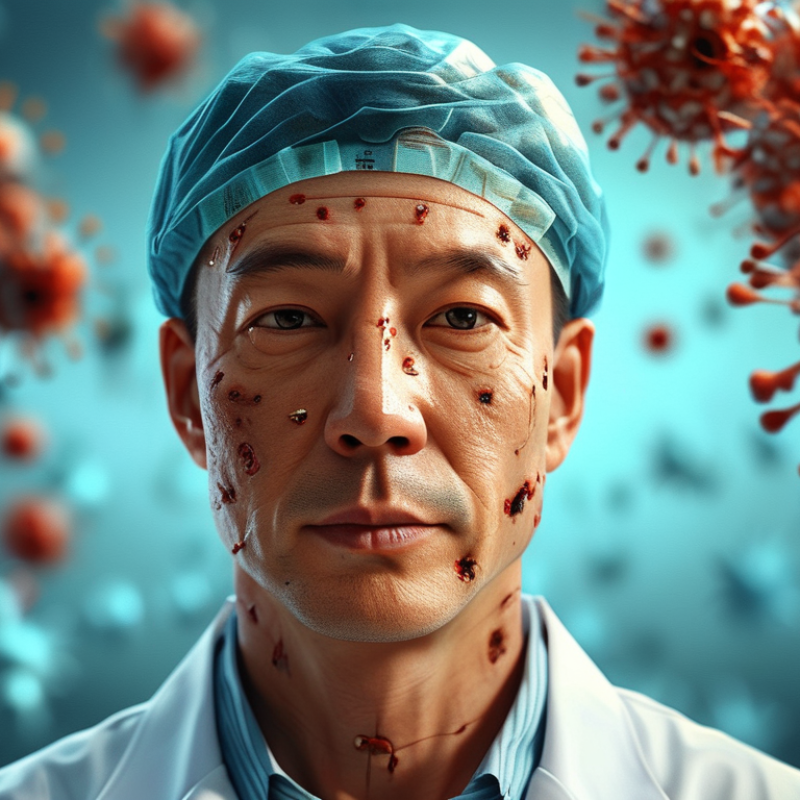
Orthopedic trauma significantly affects bone healing, often leading to complex recovery processes. This type of injury results from accidents, sports, or falls. Clear diagnosis and treatment are essential for effective healing. A fracture disrupts the normal function of bones, affecting mobility and overall health.
The healing process includes inflammation, bone formation, and remodeling. Each phase has specific requirements for success. Nutrition plays a vital role in recovery, as certain vitamins and minerals aid healing. An inadequate diet can slow down bone repair and lead to complications. Monitoring the patient's progress is crucial, yet many overlook this aspect. Communication with healthcare providers often lacks the detail needed for optimal healing.
Challenges in orthopedic trauma care can arise from mismanagement or misunderstandings. Sometimes, patients may not fully grasp their rehabilitation plan. They may find it hard to adhere to prescribed exercises. This can hinder progress and delay recovery. Regular follow-ups and education are necessary to bridge these gaps. Awareness of common setbacks can improve patient outcomes.
When considering the effectiveness of orthopedic trauma implants, several key factors come into play. The quality of materials used in implants significantly affects healing. Biocompatibility is crucial for reducing rejection rates. Implants made from titanium or certain polymers show promising results. However, not all implants are created equal. Variability in manufacturing processes can lead to differences in performance.
Another essential aspect is the surgical technique employed. Proper alignment and stabilization improve the chances of successful integration with the bone. Surgeons need to be skilled and experienced to avoid complications. Inadequate fixation may lead to implant failure, resulting in prolonged recovery.
The patient's overall health is also a critical factor. Issues such as obesity or diabetes can delay healing. It is a reminder that patient education plays a vital role in recovery.
Lastly, the post-operative care cannot be overlooked. Follow-up appointments are essential to monitor healing. Complications can arise even with the best implants. Patients must adhere to rehabilitation protocols to regain strength.
Each stage of the healing process requires attention and adjustment. Failure to recognize this can lead to setbacks. The journey to effective bone healing is multifaceted and often imperfect.
China has emerged as a key player in the field of orthopedic trauma implants. Innovative technologies have been developed to enhance bone healing. Surgeons increasingly rely on advanced implant designs to improve recovery outcomes for patients with fractures or surgical needs.
Among the noteworthy innovations are bioactive implants, which promote natural bone growth. These implants utilize materials that interact with the biological environment, optimizing healing. Customized solutions allow for better fitting and functionality. While these advancements show promise, the variability in patient outcomes requires careful consideration.
Another area of focus is minimally invasive techniques. These methods reduce surgical trauma and accelerate recovery. However, challenges remain in standardizing procedures across facilities. Training and proper implementation are crucial for achieving consistent results. Balancing innovation with practical application can be complex in clinical settings.
In recent years, China's orthopedic trauma implants have gained attention for their effectiveness in bone healing. Various implants are now designed with advanced materials that promote faster recovery. Surgeons can choose from a wide range of options, addressing different types of fractures and patient needs.
Clinical studies reveal promising outcomes with these implants. Many patients report reduced pain and quicker mobilization post-surgery. Some medical professionals have noted that the integration of technology aids in better healing responses. However, not all outcomes are positive; complications can arise. Infection rates, for instance, still warrant careful monitoring.
Surgeons emphasize the importance of tailor-fitting implants to individual cases. They highlight that not every implant works equally well for all patients. As innovative solutions continue to emerge, the field must remain vigilant. Ongoing research will help address current shortcomings and improve overall patient care in orthopedic trauma.
The future of orthopedic trauma treatment is evolving rapidly. As technology advances, so do the implants designed for effective bone healing. Surgeons are increasingly turning to innovative materials. These new materials promise enhanced biocompatibility and strength, addressing common complications in healing.
Current trends indicate a shift towards personalized medicine in orthopedic implants. Customization based on individual anatomy could improve outcomes significantly. However, this approach comes with challenges. Not all methods are widely available, and cost remains a concern. The integration of data analytics and AI might provide solutions, though they are still in their infancy.
Moreover, the need for educational resources is clear. Surgeons must stay updated on technological advancements. Training programs should emphasize both theoretical knowledge and practical skills. The gap between innovation and implementation is evident in many hospitals. Bridging this gap can lead to better patient results and a more effective treatment landscape.
| Implant Type | Material | Applications | Bone Healing Efficiency (%) | Market Trend |
|---|---|---|---|---|
| Intramedullary Nails | Titanium | Long Bone Fractures | 90% | Growing |
| Plates and Screws | Stainless Steel | Fractures and Osteotomies | 85% | Stable |
| Bone Grafts | Collagen-based | Non-union Fractures | 92% | Increasing Demand |
| External Fixators | Aluminum | Complex Fractures | 80% | Marginal Growth |
| Orthopedic Implants | Polyetheretherketone (PEEK) | Spinal Surgery | 88% | Emerging Technology |
: Orthopedic trauma refers to injuries that affect bones, commonly from accidents, sports, or falls.
It complicates recovery, disrupting normal bone function and affecting mobility and overall health.
The healing process includes inflammation, bone formation, and remodeling, each requiring specific conditions for success.
Certain vitamins and minerals support bone healing. A poor diet can slow recovery and cause complications.
Many struggle to understand their rehabilitation plan and adhere to prescribed exercises, hindering progress.
Poor communication with healthcare providers often lacks detail, which is crucial for optimal healing and recovery.
There is a shift towards personalized medicine and innovative materials in implants for better healing outcomes.
Not all methods are widely available, and costs can be a barrier, making access challenging for some patients.
Staying updated on technological advancements is crucial for effective treatment and improving patient outcomes.
Enhanced training programs can improve practical skills and apply new technologies more effectively in hospitals.
The article "China Top Orthopedic Trauma Implants for Effective Bone Healing" provides an insightful overview of orthopedic trauma and its significant implications on bone healing processes. It highlights the critical factors that influence the effectiveness of orthopedic trauma implants, such as patient-specific characteristics and implant design. By examining leading technologies in the field, the article showcases advancements made in China, emphasizing their role in enhancing clinical outcomes and promoting effective healing.
Additionally, the discussion extends to future trends in orthopedic trauma treatment, suggesting ongoing innovations in implant development that promise to further improve recovery rates. Emphasizing the synergy between technology and clinical practice, the article illustrates how the evolution of orthopedic trauma implants is crucial for achieving better patient outcomes and addressing the complexities of bone healing.

Virelox