As healthcare professionals and manufacturers continue to innovate, the demand for high-quality Tibial Locking Plates is on the rise. These plates play a crucial role in stabilizing fractures and supporting the healing process for patients. However, choosing the right Tibial Locking Plates can be challenging for global buyers. Various options are available, each with its unique features and benefits.
It's essential for buyers to consider factors such as material quality, design, and the manufacturer's reputation. Some plates may excel in certain applications but fall short in others. Assessing these aspects can require extensive expertise and knowledge. Additionally, some products may lack proper certification, raising concerns about their safety and reliability.
In this ever-evolving market, understanding the best Tibial Locking Plates involves reflecting on both successes and challenges. Variations in plate design may lead to differences in outcomes. Each decision made can significantly impact patients' recovery journeys. Therefore, buyers must remain informed and cautious when selecting products that will contribute to better surgical practices.
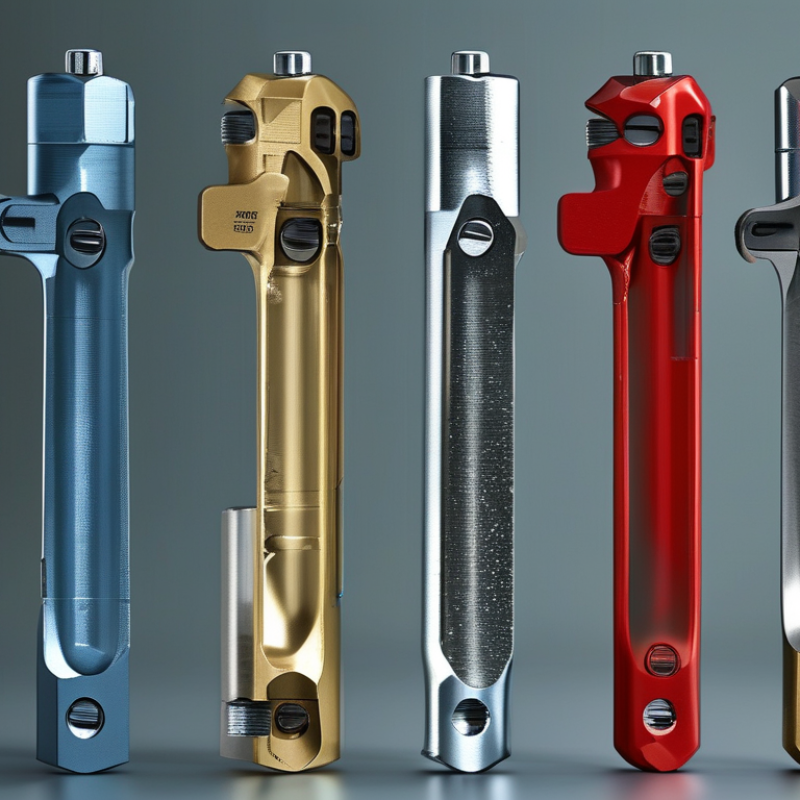
Factors Influencing the Selection of Tibial Locking Plates in 2026
When selecting tibial locking plates in 2026, several factors come into play. One critical aspect is the material used in the plates. Titanium and stainless steel are popular choices. Each material offers distinct advantages and drawbacks. Titanium is lighter and more biocompatible, but it is often more expensive. On the other hand, stainless steel is durable and provides excellent strength.
Surgeons must also consider the design of the locking plates. A well-designed plate can reduce the risk of complications. For instance, plates with variable angles allow for tailored applications. This flexibility can enhance stability in complex fractures. However, intricate designs might complicate the surgical procedure.
Patient-specific factors are equally essential. Age, bone quality, and activity level influence the choice significantly. Young athletes may require different solutions than older adults with osteoporosis. Surgeons need to continuously adapt their techniques based on these considerations. Implementing innovative practices is crucial, but not without challenges. Some new techniques have not yet been widely validated. This reflects a need for ongoing research and development in this field.
Overview of Key Manufacturers and Their Best-Selling Tibial Locking Plates
The global market for tibial locking plates is expected to grow significantly, driven by advancements in orthopedic technologies and an increasing incidence of bone fractures. According to a recent industry report, the market is anticipated to reach $1.5 billion by 2026, reflecting a compound annual growth rate (CAGR) of approximately 7% from 2022. Key manufacturers are actively investing in research and development to enhance product performance and patient outcomes.
Several notable manufacturers dominate this segment, focusing on innovative designs and materials. They emphasize the importance of biocompatibility and mechanical stability in their products. Reports indicate that titanium and stainless steel remain preferred materials due to their strength and weight advantages. The choice of plate types—angled, variable, or fixed—adds complexity to the market, catering to diverse surgical techniques and patient needs.
Despite these advancements, challenges persist. Issues like implant failure and complications from surgical procedures highlight the need for ongoing research. Continuous feedback from healthcare professionals and patients is critical for improvement. The demand for high-quality, reliable tibial locking plates has never been greater, urging manufacturers to elevate their standards and respond to market expectations.
Comparative Analysis of Material Types Used in Tibial Locking Plates
Tibial locking plates come in various materials, each offering unique benefits and drawbacks. Stainless steel is a common choice. It’s strong and corrosion-resistant, but it can cause issues with imaging technology, like MRIs. Surgeons sometimes choose titanium instead. It’s lighter and integrates better with bone tissue. However, it’s softer, which may lead to breakage under high stress.
Bioabsorbable plates are gaining popularity, especially for younger patients. These plates dissolve over time, encouraging natural healing. Yet, their strength can be a concern in active individuals. Surgeons must weigh the risks and benefits when selecting a material. Individual factors, like the patient's age and activity level, also play a crucial role.
The choice of material is far from straightforward. Each option carries risks that must be considered. Surgical techniques and patient outcomes can vary significantly based on these choices. Ongoing research is essential to refine material properties and improve patient care.
Current Trends in Tibial Locking Plate Technology and Innovations
The tibial locking plate technology has made significant advancements in recent years. Innovations focus on enhancing surgical outcomes for orthopedic surgeries. Data from the Global Orthopedic Trauma Devices Market report indicates a projected growth rate of over 5% from 2023 to 2028. This growth is driven by continuous improvements in plate materials and designs.
Current trends highlight the shift towards bioresorbable plates. These plates offer the benefit of eliminating the need for a second surgery. Surgeons are increasingly interested in both titanium and polymer options. The compatibility of these materials with human tissues is crucial. Market research emphasizes that patient satisfaction rates rise when innovative techniques are adopted.
For surgeons, consider using advanced imaging techniques. This can improve the precision of screw placement. Always assess the patient's individual needs before surgery. Remember to evaluate new technology's benefits versus traditional methods. The ongoing feedback loop between surgeons and developers usually influences future innovations. Stay updated on emerging trends for better patient care outcomes.
2026 Best Tibial Locking Plates for Global Buyers Questions?
| Feature |
Specification |
Material |
Length (mm) |
Locking Mechanism |
| Low Profile Design |
6mm thickness |
Titanium Alloy |
200 mm |
Hexagon Locking |
| Angled Holes for Better Purchase |
8° angled |
Stainless Steel |
250 mm |
Screw Locking |
| Radiolucent for X-ray Visibility |
N/A |
Polyetheretherketone (PEEK) |
220 mm |
Torque Control |
| Multiple Locking Options |
3 Options |
Titanium Alloy |
210 mm |
Locking Plate |
| Corrosion Resistance |
High-level |
Anodized Aluminum |
240 mm |
Compression Lock |
Global Market Insights: Sales and Demand for Tibial Locking Plates in 2026
As we approach 2026, the global market for tibial locking plates shows notable growth. The demand for these orthopedic devices stems from an increased incidence of tibial fractures and advancements in surgical techniques. Healthcare professionals prioritize products that ensure stability and minimize complications. Accurate alignment during surgeries remains crucial. The choice of materials and innovative designs impacts the effectiveness of these plates.
Market analysis reveals shifting buyer preferences. Surgeons seek out plates that offer flexibility and ease of use. Emerging technologies are influencing design trends. Some manufacturers explore biodegradable materials to enhance patient outcomes. However, challenges remain, such as varying surgical practices across regions. Not all components are standardized, leading to confusion. This inconsistency highlights the need for continuous education among healthcare providers.
Reliable data on the tibial locking plate market is essential. Understanding regional demand helps manufacturers cater to specific needs. For instance, higher incidences of sports injuries in certain areas spur demand. Awareness of local surgical trends can guide product development. The insights gained from tracking these patterns assist in ensuring the availability of quality solutions for customers globally.
Projected Sales of Tibial Locking Plates in 2026
This chart illustrates the projected market demand for tibial locking plates across different regions in 2026. The data reflects the expected sales in thousands of units.
Conclusion
The article "2026 Best Tibial Locking Plates for Global Buyers Questions?" delves into various important factors that influence the selection of Tibial Locking Plates in the upcoming year. It provides a comprehensive overview of key manufacturers and highlights their best-selling plates, offering insights into the competitive landscape. Moreover, a comparative analysis of different material types used in the production of Tibial Locking Plates sheds light on how these choices can impact durability and performance.
Additionally, the article discusses current trends in Tibial Locking Plate technology, emphasizing innovations that are shaping the future of this medical device. Global market insights on sales and demand for Tibial Locking Plates in 2026 further illuminate the anticipated growth and evolution within the industry. Overall, this summary equips potential buyers with essential knowledge to make informed decisions regarding Tibial Locking Plates.

 Virelox