2026 Best Interlocking Intramedullary Nails for Global Buyers?

Time:2026-08-06 Author:Isabella
0%

In the evolving landscape of orthopedic solutions, "Interlocking Intramedullary Nails" have emerged as a cornerstone in fracture management. These innovative devices offer stability for complex bone fractures while promoting quicker healing. As global demand increases, selecting the best option becomes imperative for healthcare professionals and patients alike.

The market for interlocking intramedullary nails is diverse, with numerous brands and designs claiming superiority. Each product comes with unique features that cater to various surgical needs. It is crucial to analyze these options carefully. Some may excel in durability, while others focus on ease of implantation. Compromises exist, and a one-size-fits-all approach is rarely effective.

Expert insights reveal that not all interlocking intramedullary nails perform equally in diverse scenarios. Relying on peer-reviewed research and clinical experience can guide buyers towards the best choices. Flexibility in design can enhance surgical outcomes, but challenges remain. Careful consideration is necessary to avoid pitfalls associated with subpar models in this competitive market.
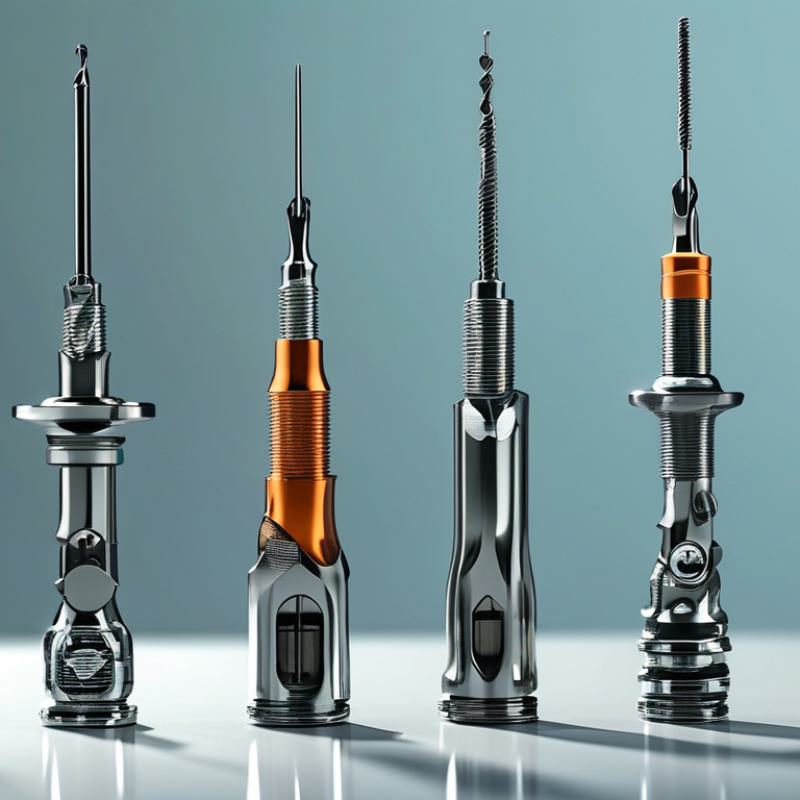
2026 Best Interlocking Intramedullary Nails for Global Buyers?

2026 Trends in Interlocking Intramedullary Nail Technology

The landscape of interlocking intramedullary nail technology is evolving rapidly in 2026. This evolution focuses on improving patient outcomes and streamlining surgical procedures. New designs emphasize enhanced stability and reduced risk of complications. Surgeons are increasingly looking for options that reduce surgical time and improve fracture healing rates.

The integration of advanced materials is notable this year. Innovations in biocompatible alloys allow for lighter, stronger nails. These materials also minimize the risk of infection, a critical factor. Training for healthcare professionals is also shifting to accommodate these advancements. There is a growing need for workshops to ensure all users understand the best practices.

Despite these trends, challenges remain. Not all new technologies are widely accepted. Surgeons may hesitate to adapt to new techniques due to familiarity with traditional methods. Furthermore, not all innovations are proven effective in diverse populations or complex cases. Engaging in ongoing research and collaboration among experts can address these concerns and improve the overall reliability of surgical solutions.

Key Features of Interlocking Intramedullary Nails for Global Markets

Interlocking intramedullary nails play a vital role in orthopedic surgery, especially for fracture fixation. These advanced devices offer stability and allow for better alignment of bones during healing. According to a recent industry report, the global interlocking intramedullary nails market is projected to grow by approximately 8% annually through 2026. This growth is driven by increasing incidences of orthopedic injuries and advancements in surgical technologies.


Key features to consider when evaluating these nails include material strength, locking mechanisms, and ease of implantation. Titanium and stainless steel are common materials, providing durability and biocompatibility. The locking mechanisms ensure secure fixation, which significantly impacts patient recovery times. Surgeons must assess the design of the nails as well. Some designs may require more skill during application, raising the risk of complications.


Tip: When selecting interlocking intramedullary nails, consult recent clinical studies. They offer evidence-based insights into performance and patient outcomes. Keeping track of surgical techniques also helps in identifying the best practices for using these devices. Not all designs are equally effective; understanding their strengths and weaknesses is crucial. Additionally, ongoing education for surgeons is critical to enhance safety and effectiveness in clinical settings.

Comparative Analysis of Leading Brands in Intramedullary Nailing Systems

When analyzing intramedullary nailing systems, several key factors are paramount. The quality of materials used affects strength and flexibility. Engineers often face challenges in balancing these properties. It’s crucial to assess how the type of steel or titanium influences patient outcomes.

Surgical techniques and instruments change over time. This places pressure on manufacturers to innovate while maintaining reliability. Some brands have emerged as frontrunners due to their advanced locking mechanisms or unique designs. Yet, it remains essential to scrutinize their long-term performance under various conditions.

User feedback highlights the importance of ease of use. Some systems may offer cutting-edge features but can overcomplicate procedures. Straightforward designs often lead to better surgical experiences. The effectiveness of nailing systems should align with the needs of surgeons and patients alike. Balancing innovation with practicality is forever a work in progress.

Impact of Material Choices on the Performance of Intramedullary Nails

When it comes to intramedullary nails, material choices significantly affect performance. Various materials have different mechanical properties. Research indicates that titanium alloys offer a remarkable strength-to-weight ratio. This makes them increasingly popular in orthopedic applications. Stainless steel remains a traditional option, but it often lacks the lightweight aspect of titanium.

Clinical studies suggest that material selection impacts failure rates. A meta-analysis found that titanium nails reduced cortical damage compared to stainless steel, demonstrating their superiority in specific conditions. However, titanium may be more expensive. Surgeons must consider both cost and performance.

Another area of concern is biocompatibility. While titanium is generally well-accepted, some studies highlight allergic reactions in a minority of patients. It's crucial for healthcare providers to evaluate patient history. The choice of material is more than just a technical decision; it reflects the balance between innovation and patient safety.

Clinical Outcomes and Patient Satisfaction in Intramedullary Nail Procedures

Intramedullary nails have become popular in orthopedic procedures. Their ability to stabilize fractures offers many benefits. Doctors often report improved clinical outcomes with these devices. Patients generally experience less pain and quicker recovery times. However, outcomes can vary based on several factors. These include the type of fracture, the patient’s overall health, and the surgical technique used.

Patient satisfaction is critical in evaluating the effectiveness of these procedures. Many patients appreciate the minimally invasive nature of intramedullary nailing. They often enjoy reduced scarring and faster rehabilitation. Yet, not every patient is fully satisfied. Some face issues like discomfort or complications during recovery. Understanding these factors is essential for both doctors and patients.

Tips for better recovery after an intramedullary nail procedure include: engage in physical therapy early, follow post-operative care closely, and communicate openly with your healthcare provider. Listening to your body is vital. If something doesn’t feel right, don’t hesitate to seek help. Awareness of potential issues can lead to more positive outcomes and a smoother recovery.

2026 Best Interlocking Intramedullary Nails for Global Buyers? - Clinical Outcomes and Patient Satisfaction in Intramedullary Nail Procedures

Feature Data
Average Surgery Duration 90 minutes
Average Hospital Stay 3 days
Infection Rate 1.5%
Revision Surgery Rate 4%
Patient Satisfaction (1-10 scale) 8.5
Average Return to Normal Activity 14 weeks
Complication Rate 5%

FAQS

: What are interlocking intramedullary nails used for?

: They are mainly used in orthopedic surgery for stabilizing fractures.

How do material choices impact these nails?

Different materials affect strength and weight, influencing performance and failure rates.

What materials are commonly used for intramedullary nails?

Titanium and stainless steel are popular due to their durability and biocompatibility.

Are there any risks associated with titanium nails?

Some patients may have allergic reactions to titanium, despite its general acceptance.

How can patient satisfaction be measured after using intramedullary nails?

Satisfaction can be evaluated through pain levels, recovery speed, and overall experience during treatment.

What factors affect the clinical outcomes of these procedures?

Type of fracture, patient health, and surgical techniques all play significant roles.

What recovery tips should patients follow?

Engage in physical therapy early, follow post-operative instructions, and communicate concerns with doctors.

Can complications arise from intramedullary nail procedures?

Yes, some patients may experience discomfort or complications during their recovery journey.

How often are these nails updated with new designs?

As surgical technology advances, designs are frequently evaluated for effectiveness and ease of use.

Why is ongoing education important for surgeons?

It enhances safety and effectiveness, ensuring the best practices are followed in clinical settings.

Conclusion

The article "2026 Best Interlocking Intramedullary Nails for Global Buyers?" explores the latest trends and innovations in interlocking intramedullary nail technology. It highlights key features important to global markets, focusing on advancements that enhance the effectiveness and safety of these devices. A comparative analysis of leading brands is presented, offering insights into different systems used for intramedullary nailing procedures.

Furthermore, the impact of material choices on the performance of interlocking intramedullary nails is discussed, emphasizing how these selections contribute to overall clinical outcomes. Patient satisfaction levels are also examined, showcasing the importance of reliable intramedullary nail systems in improving recovery experiences. This comprehensive overview serves as a valuable resource for stakeholders in the orthopedic field looking to understand the evolving landscape of interlocking intramedullary nails.

Isabella

Isabella

Isabella is a dedicated marketing professional with a sharp focus on driving brand growth and engagement through strategic content creation. With an extensive background in digital marketing, she combines her passion for storytelling with her keen understanding of industry trends to deliver......