When considering the best Humeral Intramedullary Nails, industry specialists emphasize the importance of innovation and reliability. Dr. Sarah Thompson, a renowned orthopedic surgeon with over 15 years of experience, states, "The ideal humeral intramedullary nail should provide both stability and flexibility." This insight highlights the balance required in selecting the right implant.
Humeral Intramedullary Nails are critical for the treatment of humeral fractures, particularly in patients with complex conditions. They are designed to be inserted into the medullary canal of the humerus, ensuring a minimally invasive approach. However, the diversity in design and material can lead to confusion among global buyers.
Selecting the best option involves understanding specific needs and circumstances. Factors like the type of fracture and patient anatomy play significant roles in decision-making. Although many products exist, not all meet the required standards. As the market evolves, continuous reflection on these devices' effectiveness remains vital.
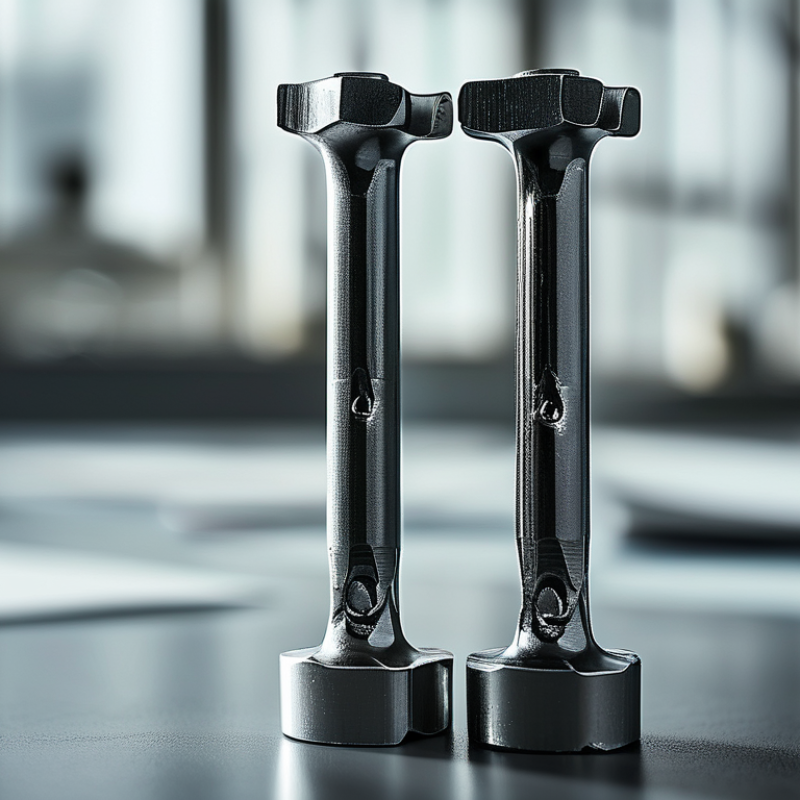
Humeral intramedullary nails are essential tools in orthopedic surgery. They are designed to stabilize humeral fractures by providing internal support. Surgeons prefer these nails for their effective alignment and ability to facilitate quicker recovery. Understanding their purpose can greatly impact surgical outcomes.
When using intramedullary nails, precision is critical. The surgeon must accurately place the nail within the medullary canal. Proper alignment can shorten recovery time and reduce complications. However, incorrect placement might lead to malunion or nonunion of the fracture. Each case requires careful evaluation and tailored techniques.
When selecting humeral intramedullary nails, several key features warrant careful consideration. Firstly, the material composition plays a crucial role. Stainless steel and titanium are common choices, each offering different strengths and biocompatibility. The choice often hinges on the patient's specific needs and the surgeon's experience. Recent studies indicate that titanium nails exhibit better resistance against corrosion and provide superior mechanical properties, making them a viable option for long-term implants.
Another important factor is the nail design, which includes dimensions and locking mechanisms. A comprehensive analysis from reputable orthopedic journals highlights that nails with a larger diameter can often provide better stability, particularly in complex fractures. Additionally, locking mechanisms need to be both secure and easy to manipulate, as insufficient locking can lead to complications. It’s crucial to assess the specific requirements of the fracture type and the patient's bone health before making a decision.
Surgeons must also consider the ease of surgical implantation. Reports indicate a rising concern over complication rates linked to improper nail placement. Attention to aligning tools and user-friendly designs can reduce the risks associated with malalignment. Furthermore, continually evolving techniques such as pre-operative imaging are integral to improving outcomes. Engaging in discussions with peers about recent cases can shed light on novel challenges and solutions in this ever-evolving field.
When searching for the best humeral intramedullary nails, buyers need to consider various factors. The design and material significantly influence the effectiveness of the nail. Quality manufacturing ensures that the nail can withstand stress. Biocompatible materials reduce the risk of complications.
Many brands offer products that vary in features and specifications. Some have a modular design that enhances adaptability in surgical procedures. Others focus on minimizing invasiveness. However, not all models are suitable for every patient. The choice depends on individual medical conditions.
It's essential to research and compare different options in the market. Reviews from healthcare professionals can provide valuable insights. Yet, it's crucial to remember that personal experiences may vary. Consulting with an orthopedic specialist ensures the most appropriate choice is made. Buyers must weigh all options carefully to minimize potential risks and optimize outcomes.
| Model | Material | Diameter (mm) | Length (mm) | Weight (g) | Price (USD) |
|---|---|---|---|---|---|
| Model A | Titanium | 8.0 | 240 | 150 | 200 |
| Model B | Stainless Steel | 9.5 | 220 | 180 | 250 |
| Model C | Titanium Alloy | 10.0 | 250 | 160 | 220 |
| Model D | Carbon Fiber | 7.5 | 230 | 140 | 210 |
User reviews are invaluable when considering humeral intramedullary nails. Many users report varying experiences with pain levels and recovery times. Some patients appreciate how these nails offer stability and support during the healing process. However, others express concerns regarding the surgical procedure and post-operative discomfort. It’s important to research and connect with those who have undergone similar surgeries.
When selecting a humeral intramedullary nail, understanding patient experiences is essential. Online forums and orthopedic communities provide a wealth of information. These platforms allow patients to share their stories and offer advice. They can highlight common challenges, like adjusting to mobility restrictions or managing pain with rehabilitation.
Consider these tips for navigating user reviews. Look for consistent feedback regarding effectiveness and comfort. Be cautious of extreme opinions, both positive and negative. Engage with individuals who have undergone the procedure recently, as techniques and materials evolve. Gathering diverse perspectives will better prepare you for the journey ahead.
When selecting humeral intramedullary nails, pricing and availability are crucial for global buyers. The market offers a range of options, often varying significantly based on region. In some countries, prices can be twice as high due to import tariffs and local demand. Understanding local nuances is essential for making informed decisions.
Moreover, availability can be inconsistent. In many areas, specific models may not be stocked regularly. This can lead to delays in surgical procedures, impacting patient care. Buyers must assess local distributors and their inventory capabilities. Some regions may experience supply chain issues, making it essential to establish reliable contacts.
Assessing value involves more than just looking at the price tag. Quality and innovation in design are also key factors. While a lower price may seem attractive, it often results in compromised quality. This trade-off can lead to complications post-surgery. Buyers need to balance cost with the assurance of reliability and performance in medical devices.
: Common materials include stainless steel and titanium. Each has different strengths and biocompatibility.
Nail design affects stability and ease of implantation. Larger diameters can improve stability for complex fractures.
Locking mechanisms must be secure and easy to use. Insufficient locking can lead to complications.
Proper alignment tools and user-friendly designs can lower malalignment risks during implantation.
Pre-operative imaging techniques help improve surgical outcomes and reduce complication rates.
User reviews provide insights into pain levels, recovery times, and overall experiences with the surgical procedure.
Seek consistent feedback on effectiveness and comfort. Engage with recent patients for updated insights.
Be cautious of extreme opinions. Balanced feedback offers a better understanding of potential challenges.
Patients often struggle with mobility restrictions and managing pain during rehabilitation after surgery.
Gather diverse patient perspectives and discuss concerns with healthcare professionals for informed decision-making.
Humeral intramedullary nails are specialized medical implants designed to support the treatment of humeral fractures. They are placed within the medullary cavity of the humerus, enabling stable fixation and promoting proper healing. When selecting humeral intramedullary nails, it's crucial to evaluate several key features, including the materials used, design flexibility, and biomechanical properties.
With numerous brands and models available in the market, comparing user reviews and experiences can provide valuable insights into their effectiveness. Additionally, potential buyers should consider pricing and availability, which can vary significantly across regions. This comparative analysis aids global buyers in making informed decisions tailored to their specific needs when choosing the best humeral intramedullary nails for their practice.
Virelox